



Op-Ed: The Lounge | A Column for Men: Before the Bridge: Respect Is Love in a Man’s Language

 In his biweekly column, Langley Shazor speaks to issues important to men within the territory.
Love is not a single language. It is a collection of dialects shaped by experience, upbringing, and expectation. One of the greatest misunderstandings between men and women is not about whether love exists, but about how it is felt. Many women experience love through emotional closeness, consistent communication, and visible affection. Many men experience love through respect, trust, and acknowledgment of effort. When these languages are not understood, both sides feel unloved even when love is present.
For many men, respect is not about superiority. It is about significance. It is the sense that their role, their effort, and their intentions matter. When a man feels respected, he feels secure in the relationship. That security gives him the freedom to be open, generous, and emotionally available. When he feels dismissed or constantly corrected without balance, it can quietly erode his confidence. The issue is rarely about ego alone. It is about identity.
From a young age, boys are often taught that their value comes from competence. They are praised when they solve problems, fix what is broken, or take initiative. Over time, competence becomes tied to worth. In adulthood, when effort goes unnoticed or intentions are assumed to be careless, it can feel like rejection. Respect communicates that his effort is seen even when the outcome is imperfect. It says, “I trust you. I value you. I believe in your intention.”
This does not mean men require blind agreement or immunity from accountability. Respect is not silence in the face of wrong. It is the tone and posture with which correction is delivered. A conversation grounded in dignity preserves connection. A conversation driven by contempt fractures it. When disagreements maintain mutual regard, they strengthen the relationship instead of weakening it.
Women often interpret respect differently. For many women, feeling secure in a relationship comes from emotional consistency and attentiveness. They want to know their feelings will be received without dismissal. When that emotional security is shaken, they may respond with intensity. The challenge arises when each person is expressing love in a way the other does not instinctively recognize.
If a woman expresses frustration about feeling unheard, she is often asking for reassurance. If a man expresses frustration about feeling disrespected, he is often asking for acknowledgment. Neither is inherently wrong. The breakdown occurs when these requests are interpreted as attacks rather than invitations.
Respect in a man’s language often looks like trust. Trust that his effort is sincere. Trust that he is capable. Trust that he is not the enemy in every conflict. When a man feels that his partner assumes the best of him rather than the worst, he responds with greater openness. Suspicion tightens communication. Trust expands it.
Respect also looks like appreciation. Verbal acknowledgment of effort, even small effort, reinforces connection. Many men are motivated not by applause but by affirmation. When appreciation is absent, it can create quiet discouragement. When appreciation is present, it fuels engagement. A man who feels valued is far more likely to initiate affection, conversation, and vulnerability.
The absence of respect can create defensiveness. If every mistake is magnified and every strength minimized, a man may retreat emotionally. He may become guarded, not because he does not care, but because he feels perpetually evaluated. Respect provides breathing room. It allows growth without humiliation. It allows correction without shame.
At the same time, men must recognize that respect is reciprocal. Demanding respect while offering little emotional safety creates imbalance. Respect cannot be commanded. It is cultivated through consistency, integrity, and humility. A man who listens attentively, speaks calmly, and follows through on his word naturally earns respect. It becomes mutual rather than negotiated.
Understanding this difference in emotional language reduces unnecessary conflict. When a woman offers reassurance and affirmation intentionally, she often sees a shift in energy. When a man offers emotional attentiveness and validation intentionally, he sees the same. Love begins to feel less like a negotiation and more like collaboration.
There is also a cultural component to consider. Public discourse often frames respect as hierarchy. In healthy relationships, respect is partnership. It is not about control. It is about mutual regard. It is about speaking to one another in ways that preserve dignity even in disagreement.
When respect and emotional security are both present, something powerful happens. Communication becomes less reactive. Affection becomes more natural. Conflict becomes productive rather than destructive. Both partners begin to feel safe enough to reveal their deeper selves.
Men do not need perfection. They need partnership that acknowledges their effort and trusts their intention. Women do not need dominance. They need consistency and emotional presence. When both are given, love deepens in ways that surprise even the people involved.
Respect is not the absence of love. It is one of its expressions. For many men, it is the clearest signal that love is real. When that signal is strong, vulnerability increases. Walls lower. Conversations open.
Understanding that respect functions as love in a man’s language does not diminish a woman’s needs. It enhances clarity. It allows both sides to express care in ways the other can receive. The bridge between men and women strengthens not when one language wins, but when both are spoken fluently.
When love and respect move together, connection stabilizes. And stability, over time, becomes trust.
In his biweekly column, Langley Shazor speaks to issues important to men within the territory.
Love is not a single language. It is a collection of dialects shaped by experience, upbringing, and expectation. One of the greatest misunderstandings between men and women is not about whether love exists, but about how it is felt. Many women experience love through emotional closeness, consistent communication, and visible affection. Many men experience love through respect, trust, and acknowledgment of effort. When these languages are not understood, both sides feel unloved even when love is present.
For many men, respect is not about superiority. It is about significance. It is the sense that their role, their effort, and their intentions matter. When a man feels respected, he feels secure in the relationship. That security gives him the freedom to be open, generous, and emotionally available. When he feels dismissed or constantly corrected without balance, it can quietly erode his confidence. The issue is rarely about ego alone. It is about identity.
From a young age, boys are often taught that their value comes from competence. They are praised when they solve problems, fix what is broken, or take initiative. Over time, competence becomes tied to worth. In adulthood, when effort goes unnoticed or intentions are assumed to be careless, it can feel like rejection. Respect communicates that his effort is seen even when the outcome is imperfect. It says, “I trust you. I value you. I believe in your intention.”
This does not mean men require blind agreement or immunity from accountability. Respect is not silence in the face of wrong. It is the tone and posture with which correction is delivered. A conversation grounded in dignity preserves connection. A conversation driven by contempt fractures it. When disagreements maintain mutual regard, they strengthen the relationship instead of weakening it.
Women often interpret respect differently. For many women, feeling secure in a relationship comes from emotional consistency and attentiveness. They want to know their feelings will be received without dismissal. When that emotional security is shaken, they may respond with intensity. The challenge arises when each person is expressing love in a way the other does not instinctively recognize.
If a woman expresses frustration about feeling unheard, she is often asking for reassurance. If a man expresses frustration about feeling disrespected, he is often asking for acknowledgment. Neither is inherently wrong. The breakdown occurs when these requests are interpreted as attacks rather than invitations.
Respect in a man’s language often looks like trust. Trust that his effort is sincere. Trust that he is capable. Trust that he is not the enemy in every conflict. When a man feels that his partner assumes the best of him rather than the worst, he responds with greater openness. Suspicion tightens communication. Trust expands it.
Respect also looks like appreciation. Verbal acknowledgment of effort, even small effort, reinforces connection. Many men are motivated not by applause but by affirmation. When appreciation is absent, it can create quiet discouragement. When appreciation is present, it fuels engagement. A man who feels valued is far more likely to initiate affection, conversation, and vulnerability.
The absence of respect can create defensiveness. If every mistake is magnified and every strength minimized, a man may retreat emotionally. He may become guarded, not because he does not care, but because he feels perpetually evaluated. Respect provides breathing room. It allows growth without humiliation. It allows correction without shame.
At the same time, men must recognize that respect is reciprocal. Demanding respect while offering little emotional safety creates imbalance. Respect cannot be commanded. It is cultivated through consistency, integrity, and humility. A man who listens attentively, speaks calmly, and follows through on his word naturally earns respect. It becomes mutual rather than negotiated.
Understanding this difference in emotional language reduces unnecessary conflict. When a woman offers reassurance and affirmation intentionally, she often sees a shift in energy. When a man offers emotional attentiveness and validation intentionally, he sees the same. Love begins to feel less like a negotiation and more like collaboration.
There is also a cultural component to consider. Public discourse often frames respect as hierarchy. In healthy relationships, respect is partnership. It is not about control. It is about mutual regard. It is about speaking to one another in ways that preserve dignity even in disagreement.
When respect and emotional security are both present, something powerful happens. Communication becomes less reactive. Affection becomes more natural. Conflict becomes productive rather than destructive. Both partners begin to feel safe enough to reveal their deeper selves.
Men do not need perfection. They need partnership that acknowledges their effort and trusts their intention. Women do not need dominance. They need consistency and emotional presence. When both are given, love deepens in ways that surprise even the people involved.
Respect is not the absence of love. It is one of its expressions. For many men, it is the clearest signal that love is real. When that signal is strong, vulnerability increases. Walls lower. Conversations open.
Understanding that respect functions as love in a man’s language does not diminish a woman’s needs. It enhances clarity. It allows both sides to express care in ways the other can receive. The bridge between men and women strengthens not when one language wins, but when both are spoken fluently.
When love and respect move together, connection stabilizes. And stability, over time, becomes trust.
Editor’s Note: Opinion articles do not represent the views of the Virgin Islands Source newsroom and are the sole expressed opinion of the writer. Submissions can be made to visource@gmail.com.
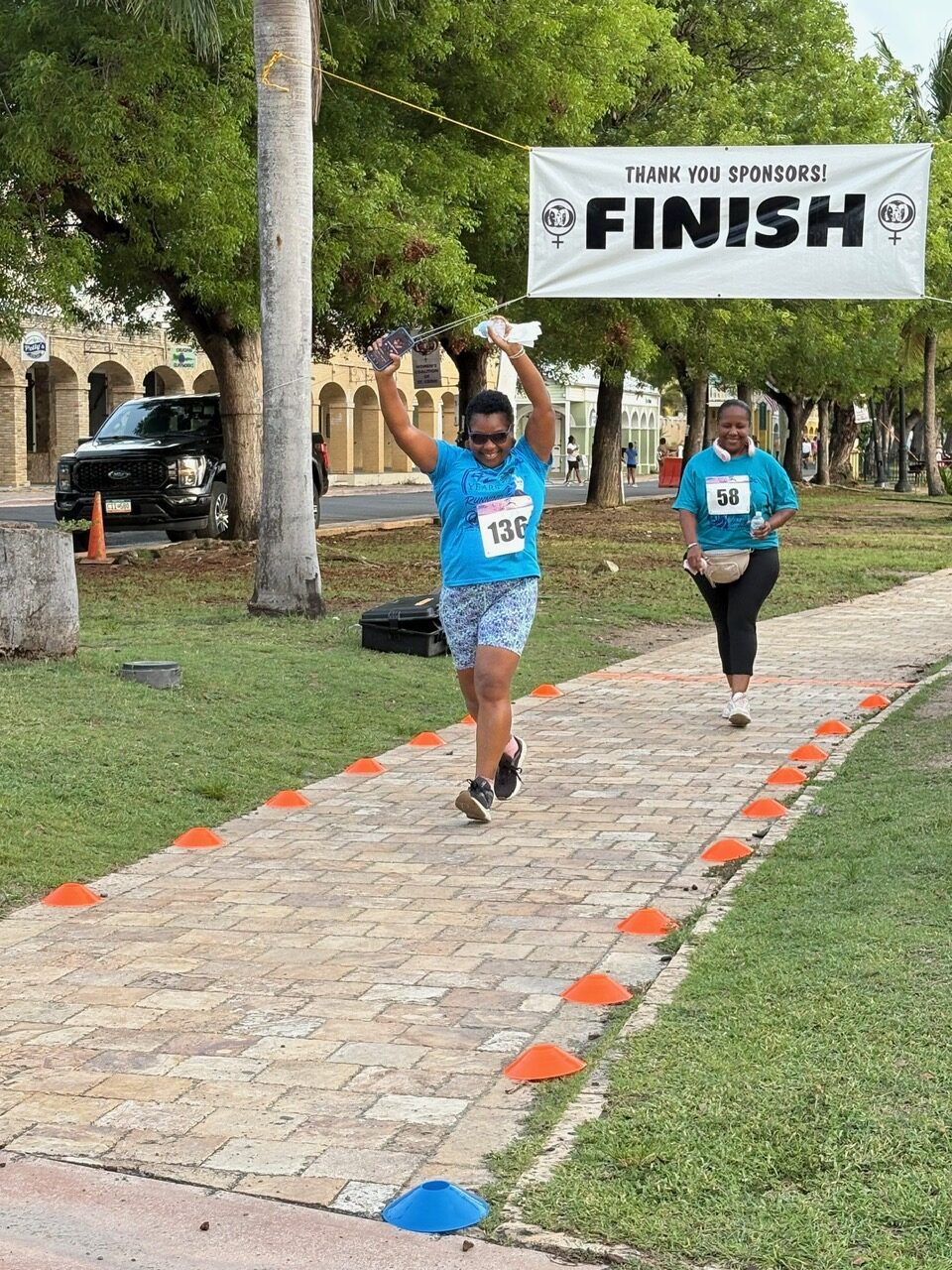
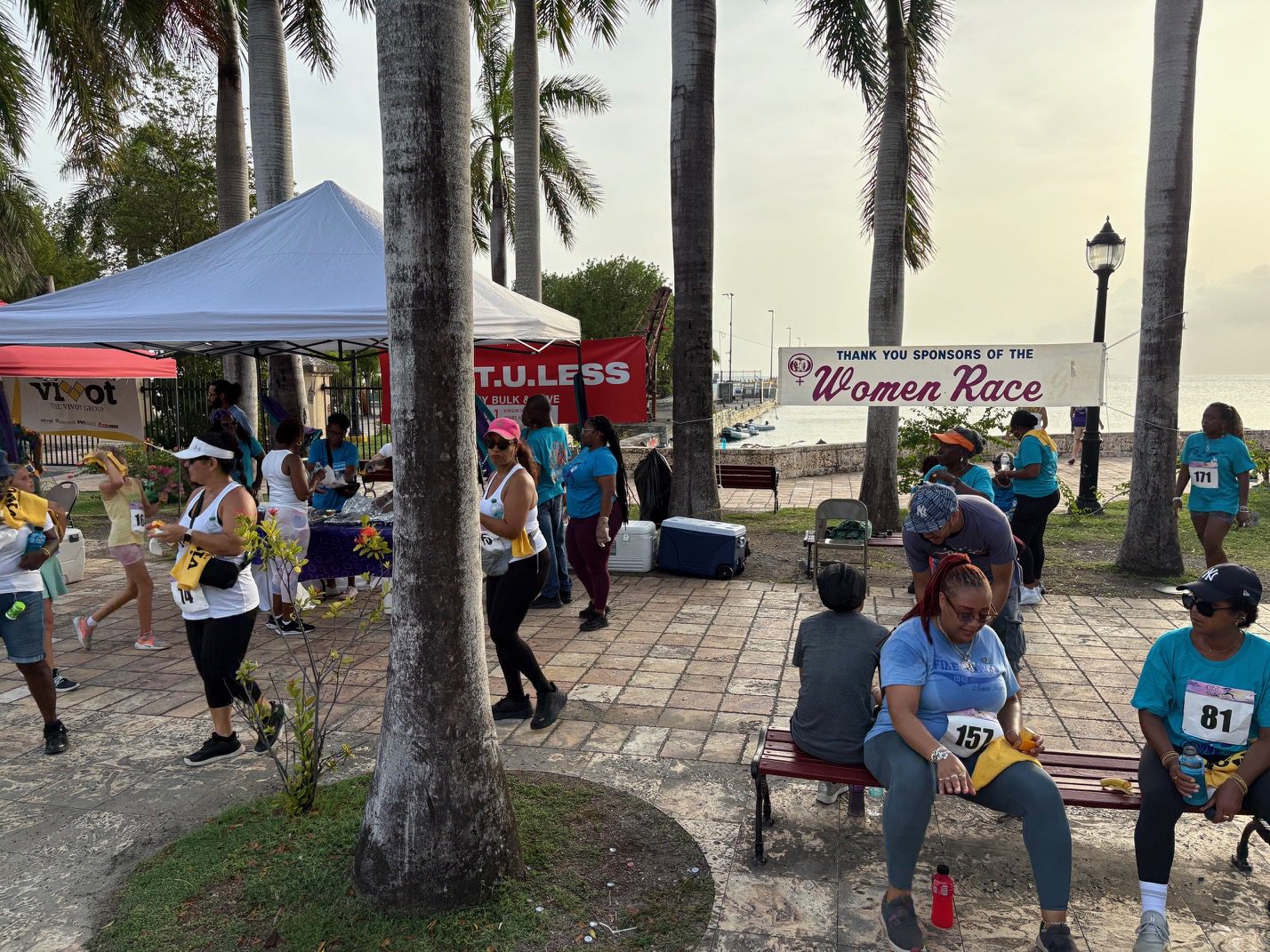
Related Links: Op-Ed: The Lounge | A Column for Men: Before the Bridge: Why This Work Matters Op-Ed: The Lounge | A Column for Men: Before the Bridge: What Men Wish Women Knew and Why We Never Said It Op-Ed: The Lounge | A Column for Men: Before the Bridge: What Women Wish Men Would Hear Op-Ed: The Lounge | A Column for Men: Before the Bridge: When Strength Looks Different42nd Annual Women’s Race Celebrates Hope, Healing and Peace





Historical Trust, Volunteers Mobilize for Latest Step Street Restoration

Two years after completing a major renovation of a St. Thomas thoroughfare, members of the St. Thomas Historical Trust are gearing up to revitalize another historic step street. Volunteers recently spent two days cleaning up portions of Dronnegans Gade East in Charlotte Amalie as a trust board member led a bid for grant funding to lend momentum to this new effort.

Step streets are described as a unique architectural feature of the island, built in the 18th Century by Danish town planners to help pedestrians traverse the hilly landscape. To date, two of the 45 St. Thomas step streets have undergone full structural restoration.
The other project — Store Taarne Gade, otherwise known as the famous 99 Steps — was carried out by Public Works with the help of Custom Builders and was recently completed at a cost of $725,000.
Those familiar with the restoration projects point to cost as a major hurdle to completing the work, but initial efforts to secure funding for Dronnegans Gade East are proceeding nonetheless.
Proponents are pursuing an Urban Forestry grant as a funding component for the new project. Grant writers say they propose to create a step street cultural corridor and urban food forest along the pathway. “We’re trying to combine things in a meaningful way,” said Historical Trust Board Member Anna Monica Villa.
“Step streets were made for walking, and if you’re driving you will not see them; you will not experience meeting the neighbors and having a moment to get the freshest melee you can get on a step street. It’s a way of preserving culture that’s lovely,” she said.
The second completed step street — Bred Gade — began in 2011 and was completed in 2024. Villa is credited as the driving force that pushed the project over the finish line. It was the early 2020s and circumstances brought on by the Coronavirus Pandemic gave Villa enough free time to focus on step street improvement.
“At the time of COVID, I was living at the top of Bred Gade, and my work situation was kind of tenuous … so I had time and opportunity to see how neglect of the step street in front of where I lived was becoming worse every day,” Villa said.
When a friend stumbled over a neglected portion of the street and suffered a serious injury, Villa said her motivation to do something grew.
Residents whose homes bordered on Bred Gade shared similar views of deteriorating infrastructure. Charles Consalvo recalled the early efforts to restore the step street.
“They tackled the bad part at the bottom: brick steps and stairways that were falling down. That got taken care of, and then things kind of came to a halt. Then Anna Monica got on it again and raised some money to do work, and then finally — slowly but surely — the whole set of steps was renovated and is still in pretty good shape,” Consalvo said.
But the former Bred Gade neighbor, familiar with the trust’s involvement, said money — or lack thereof — slowed the project to a halt at times.
St. Thomas architect John Euwema also traversed Bred Gade in his youth, living a block away from the step’s eastern base on Nye Gade. He called the completed Bred Gade project “a culmination of a grant, a lot of volunteering,” he said.
Euwema was hired to help push the project along; he used his familiarity with area homeowners to encourage their involvement and support. But as the work moved forward, he said, some of the original intent was lost through decision-making and shifting priorities.
Still, Villa remains optimistic about the latest effort and continues to encourage volunteers to show up for monthly cleanup activities while other aspects of Dronnegens Gade East restorations move forward.
“It was not an easy task; this was our fifth time as a volunteer trying to uncover the street. The Department of Public Works really worked with us this time, and we really made some advancements and get to some things you can see,” she said.
The best part, Villa said, is meeting area residents who come out to welcome the volunteers and encourage their efforts. “As we’ve been working on it, we found that a lot of people use that step street; it’s a neighborhood,” she said. “There’s a lot of families, older people. It was really nice to meet the people who live there.”
Photo Focus: Hope Shines Throughout the Night at 25th St. Croix Relay For Life
The American Cancer Society’s 25th Annual Relay For Life returned to St. Croix on Saturday into Sunday at the St. Croix Educational Complex, bringing together survivors, caregivers, families, and community members in the fight against cancer.
For 40 years, Relay For Life participants have united to support the American Cancer Society’s mission of ending cancer as we know it, for everyone. The event celebrates survivors, honors caregivers, remembers loved ones lost to cancer, and raises funds to help ensure access to prevention, detection, treatment, and survivorship resources.

This year’s event featured approximately 35 teams, all working toward a common goal of supporting those affected by cancer. Through fundraising efforts and community participation, Relay For Life raises hundreds of thousands of dollars to help Virgin Islanders impacted by cancer and support the lifesaving work of the American Cancer Society.

One of the most anticipated teams was Team Machuchal, which this year used creative displays depicting various forms of cancer to raise awareness and educate attendees about the disease. Their presentation highlighted the importance of cancer awareness while showcasing the spirit of community involvement that defines Relay For Life.



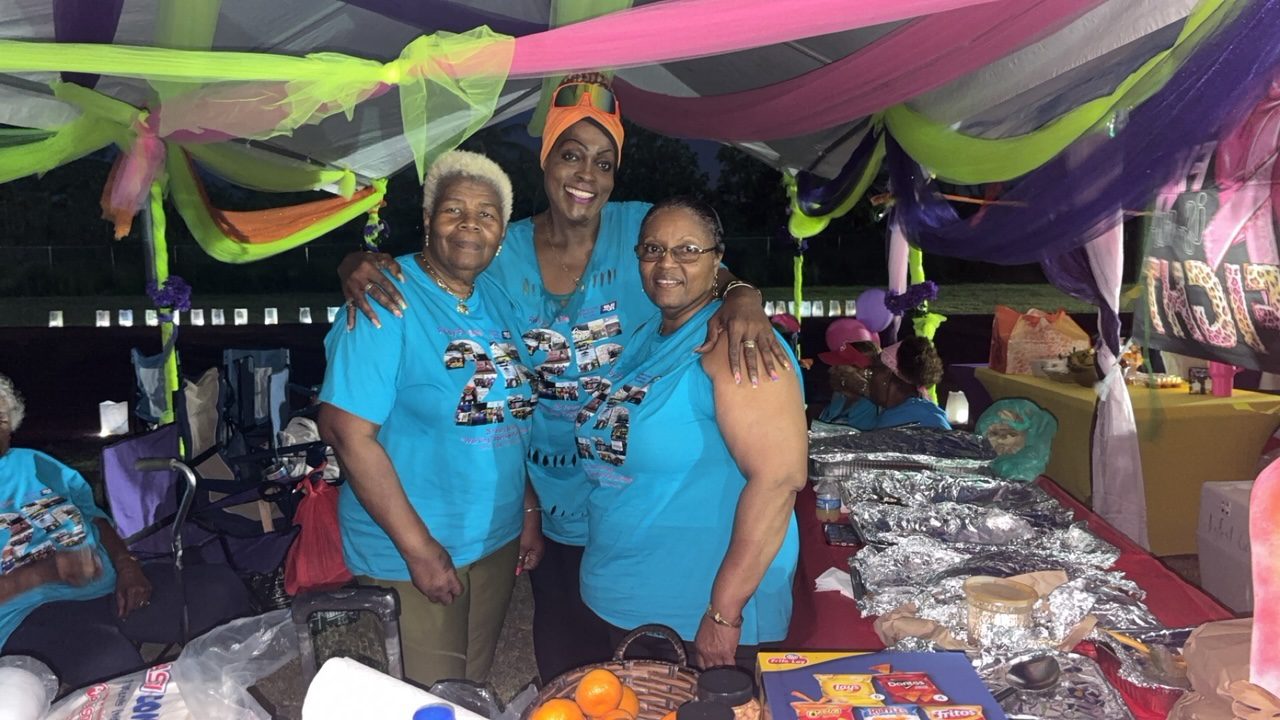
The University of the Virgin Islands Caribbean Exploratory Research Center and CARIB-CARES also joined the effort by establishing a Relay For Life team. Team members were encouraged to raise at least $100 each, with the $15 registration fee applied toward their fundraising goal.
Organizers said the event serves as an opportunity for the community to stand alongside family members, friends, neighbors, and loved ones affected by cancer while helping advance research, patient support programs, and advocacy efforts aimed at creating a future without cancer.

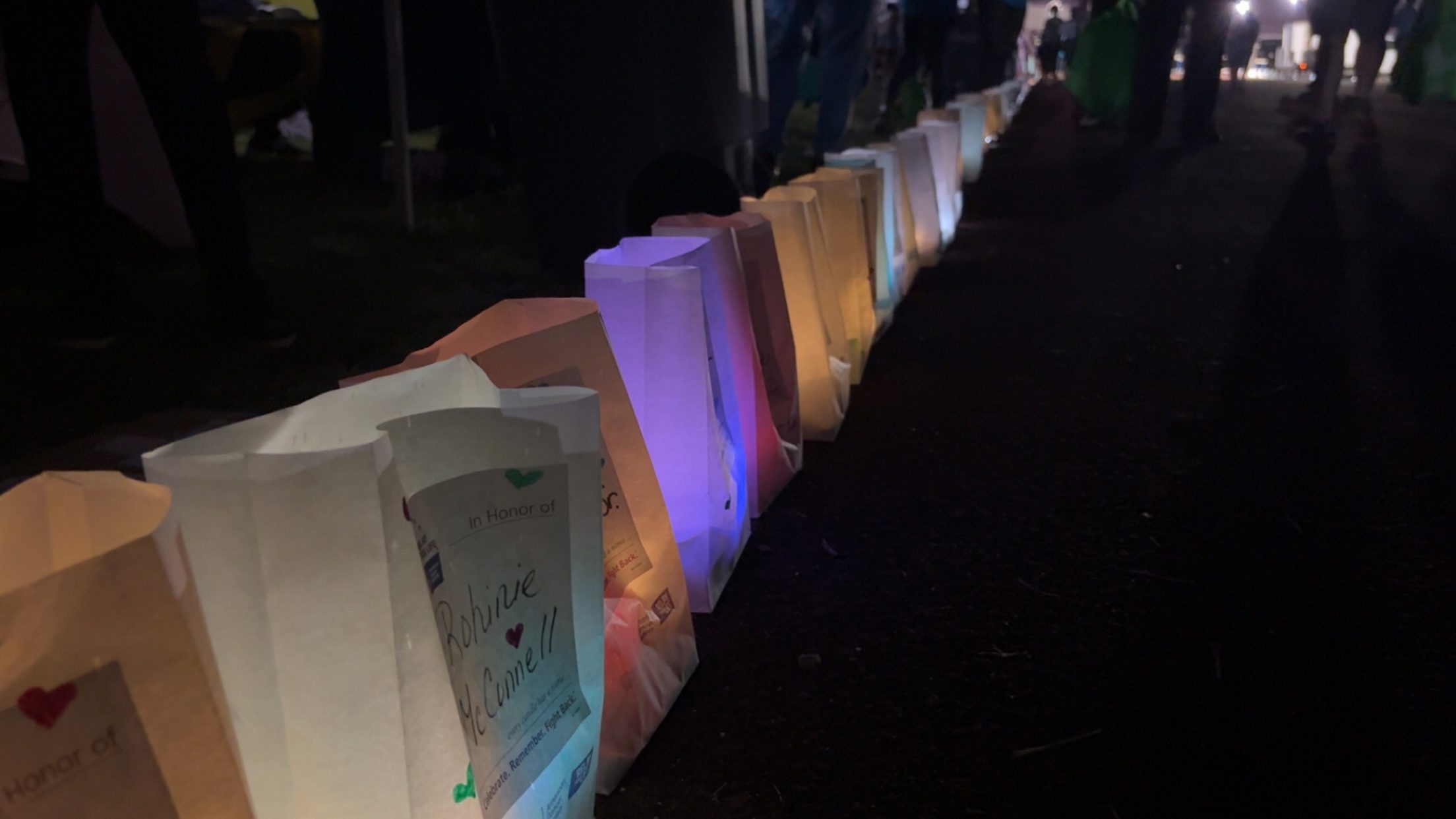
Other teams that participated were Ocean Point Terminals, the V.I. Legislature, Team Dominicanos, Team Marsha, St. John’s Episcopal Church and many more. Luminaries lit the track as participants walked throughout the night.
Masked Gunmen Rob Resident During Home Invasion in Bovoni

A St. Thomas Bovoni resident was injured and robbed of money and jewelry after multiple masked individuals armed with firearms forced their way into his home Friday morning, according to the Virgin Islands Police Department.
The Criminal Investigation Bureau is investigating the first-degree burglary, which occurred near the Purple Shop at about 6:09 a.m. Friday, according to the police report.
Police said the victim was leaving his residence when several masked suspects carrying firearms forcibly entered the home. The suspects allegedly injured the victim, stole money and jewelry, and fled the area on foot.
Investigators are asking anyone who witnessed the incident or has information about the suspects to contact the 911 Emergency Call Center or Detective M. Hodge-Donovan of the Criminal Investigation Bureau at 340-774-2211, according to the police report.
Anonymous tips can also be submitted through Crime Stoppers V.I. at 800-222-8477 (TIPS).
Woman Accused of Forcing Entry Into Apartment, Threatening Victim With Knives

A St. Croix woman was arrested Saturday after police said she forced her way into an apartment, armed herself with knives and attempted to assault the occupant during a domestic disturbance at the Candido Guadelupe housing apartments.
The 911 Emergency Call Center received a report of a domestic disturbance in progress at approximately 6:32 a.m. June 6, according to the Virgin Islands Police Department.
Responding patrol officers and investigators made contact with the parties involved and learned that Donna Emmanuel allegedly forced her way into the victim’s apartment, created a disturbance, armed herself with knives and attempted to assault the victim, according to the police report.
Emmanuel, 36, was escorted to the Wilbur H. Francis Command Police Station, advised of her Miranda rights, arrested and booked, police said.
She was charged with first-degree burglary, third-degree assault, possession of a dangerous weapon during the commission of a crime of violence and destruction of property, according to the police report.
Police said no bail was set pending her appearance before a judge. Emmanuel was transported to the John Bell Correctional Facility pending an advice of rights hearing scheduled for Monday in Superior Court.
Man Charged After Reported Sexual Assault at Estate La Reine McDonald’s

A man was arrested and charged after a woman reported she was sexually assaulted inside a McDonald’s restaurant in Estate La Reine, St. Croix, according to the Virgin Islands Police Department.
Police said a female victim reported on June 2 that Neil Durrant sexually assaulted her at about 1:38 p.m. at the restaurant. The case was assigned to the Criminal Investigation Bureau, whose investigation identified Durrant as the suspect, according to the police report.
On June 3, investigators made contact with Durrant and transported him to the Wilbur H. Francis Command Police Station, where he was advised of his Miranda rights, police said.
Durrant was arrested and charged with first-degree unlawful sexual contact and simple assault and battery. Bail was set at $35,000. Unable to post bail, he was transported to the John Bell Correctional Facility pending his advice of rights hearing, according to the police report.
Woman Arrested After Coki Point Assault Leaves Victim With Facial Injuries

A woman was arrested after police said she slashed another woman in the face during an altercation at Coki Point Beach on St. Thomas, according to the Virgin Islands Police Department.
Officers responded to Coki Point Beach at approximately 2:31 p.m. on May 31 after receiving a report that a woman had been stabbed or slashed in the face during a confrontation, according to a VIPD news release.
Police said detectives made contact with the victim on June 1, and the victim positively identified Kamaitawene Aijoma as the suspect. Aijoma was subsequently interviewed and arrested.
Aijoma was charged with third-degree assault and simple assault. Bail was set at $25,000, according to the police report.
Anyone with information about the incident is asked to contact 911, the Investigation Bureau at 340-774-2211 extensions 5553, 5554, 5555 or 5556, Crime Stoppers V.I. at 800-222-TIPS (8477), the Chief’s Office at 340-715-5546 or the Commissioner’s Office at 340-715-5506, according to VIPD.
Two Dead, Two Injured in Shooting at Peter’s Rest Bar

Two men were killed and two other people were injured in a shooting early Sunday morning at Luna Bar in Peter’s Rest on St. Croix, the Virgin Islands Police Department reported.
Police said the 911 Emergency Call Center received reports of a shooting with possible gunshot victims at approximately 3:45 a.m. Sunday.
According to a VIPD police report, a preliminary investigation found that a verbal altercation led to the shooting. The incident left 31-year-old Wahili James and 34-year-old Samuel Rivera dead. Both men were identified by family members.
Two other victims, a minor and a 30-year-old man, sustained gunshot wounds and were reported to be in stable condition, police said.
James and Rivera’s deaths mark the eighth and ninth homicides on St. Croix and the 15th and 16th for the territory, according to the Source Homicide List.*
The investigation remains active. The Criminal Investigation Bureau is asking anyone with information about the shooting to contact 911, the bureau at 340-778-2211, or Crime Stoppers USVI at 800-222-8477.
*The Source Homicide List is a chronological log of the homicides recorded in 2026 in the U.S. Virgin Islands, as reported by the VIPD. Cases are broken down by island. While this listing is based on VIPD reports, the Source does not include suicides or vehicular homicides in its listing, which the police and some other media do. This can lead to a discrepancy in the number of incidents reported.