







(A proverb is a concise, widely recognized saying that conveys a general truth, advice, or wisdom, often rooted in common sense or cultural experience. Proverbs are typically metaphorical and memorable, aiding in their transmission across generations.)
For generations, Caribbean communities have relied on proverbs handed down by elders to teach important values like resilience, patience, and wisdom. Let’s explore these timeless lessons through a story of a grandmother who shared her insights using sayings such as “The early bird catches the worm” and “Don’t kill the goose that lays the golden egg,” demonstrating how traditional wisdom continues to guide future generations.
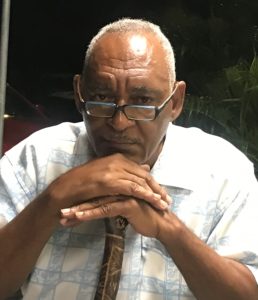
My friend, Manjack from Frederiksted, was taken aback when Hillary Clinton used the African proverb “It Takes a Village” as the title of her best-selling book. She was referencing the proverb, “It takes a village to raise a child,” which emphasizes that the whole community must be involved, responsible, and engaged in a child’s life to ensure they grow up in a safe and nurturing environment.
Manjack felt as though a gem had been stolen from him, a gem his grandmother, Nana Mambo had given him, just like her family’s recipes. But he also experienced a sense of failure. He believed that by following a tradition that was one of the most important teachings in life, he was failing in his duty to do so. He frequently overheard similar saying in conversations with his African-Caribbean and African-American brothers and sisters, such as “I should have been the one to draft a similar book. Why do those folks constantly take advantage of our culture? Why is Black people’s cultural life so easily commodified?” He felt that these queries were a little undeserved in some way. Because he was a man who always believed in the proverb “By any means necessary.”
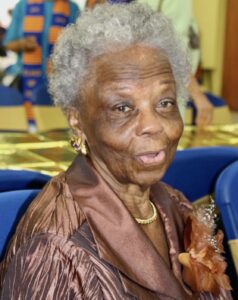
He remembered the evening when, as a result of something he had done, his grandmother had given him a good and proper lashing. When his father arrived home that evening, weary from work in the sugarcane fields, his grandmother approached him and said, “Joseph, I think this boy should be taught a lesson.” She had her hands up in the air, her lips pursed, and her magnifying eyes fixed on him. His father saw his grandmother’s face and understood that what Manjack had done was unforgivable. It was well known that whenever Nana Mambo filed a complaint against you, there was a valid justification for it. “Josep, don’t spare the rod and spoil the child,” she added as she aimed her words directly into Manjack’s father’s eyes.
Over time, Manjack developed a reputation for being on time for everything. He earned a reputation for never being late for anything, at least for significant things to him. Not for a date, not for work, nor even for school. This was a direct result of his grandmother repeatedly drilling into his head that “The early bird catches the most worms.”
Manjack demonstrated the wisdom of his grandmother’s sayings as time progressed. He was able to accomplish more and enjoy a longer lunch break because he arrived at St. Croix Central High school early. He was able to use the library by himself.
Early in his boyhood he took most of these proverbs for granted. When instructed “To kill the goose that laid the golden egg,” what did he know at the time? The proverb had meant: “to lose a valuable source of income through greed” was clearly beyond his comprehension. When he realized he was out of his element or in an embarrassing situation, he was often told by his grandmother that he looked like “A fish out of water.”
Whenever he was about to unwrap his presents on Christmas morning, his grandma would give him a frowned-like face and instruct him, “Do not look a gift horse in the mouth.” It took him a while to understand the significance behind the warning: “Do not examine a gift too critically; do not criticize what is given for free; accept a gift for the sentiments it evokes, not for its value.” He has grown to value such counsel as a result of his sharp mind, notably the proverb, “Study the past if you would divine the future.”
He was able to synthesize his cultural viewpoints over the years as he became aware of who he was, and as a result, he developed an overwhelming sense of gratitude. With this resolve, he schooled himself so that he would never forget those lessons. He was able to embody his African-Caribbean identity in how he behaved by adhering to the proverb “A bird in the hand is worth more than two in the bush.” To put it differently, “Certainty is better than possibility, or the little one actually possesses is of greater value than what one is only likely to obtain.” He is now modest and selfless as a result of this. He was unlikely to be ignorant of even the most basic things, thanks to Nana Mambo’s determination. What was important in her perspective was “To know a B from a bull’s foot.”
The life of the famous Bob Marley was as enduring as the Pyramid, and he was drawn to Marley’s music and the way the singer had incorporated his everyday experiences into his scathing lyrics of proverbs. He can’t help but hear his grandmother’s feeling of moral obligation whenever he hears one of Marley’s songs. Marley’s cultural perspective was defined by the employment of traditional proverbs in his music on the global stage. Manjack understood where Marley was coming from when he sang, “Who feels it knows it,” or “Who the cap fits, let them wear it,” and “A hungry man is an angry man.”
The lesson Manjack took away from his experiences was that “It takes time to accomplish anything worthwhile.” He had been taught that “Rome was not built in a day.” Additionally, it was said to him that “A stitch in time saves nine,” meaning that “if we pay enough attention to the smallest aspects of life, in the long run we will save ourselves from considerable stress and expense.” To “Act out of hand” in front of one’s elders as a child was a very serious transgression. He received a firm warning to mind his Ps and Qs — to be very particular about his actions. His grandmother was aware that having good manners opened up a world of possibilities for their grandchildren. According to Nana Mambo, Manjack was born with a sharp mind, so he started doing some study. He learned that Ps and Qs were traditionally kept in the commonsense library. The host of an alehouse used to record the pints and quarts that his customers consumed on a wall or a blackboard in the colonial Caribbean’s earlier days. Therefore, it was in the customer’s best interest to exercise caution so as to avoid being overcharged.
His ancestors, who were time-honored, understood this as a moral lesson that could be applied to their daily lives. In Nana Mambo’s world, fairness and personal responsibility are central: “Those who don’t lead blameless lives should not judge others,” and “Those who live in glass houses shouldn’t throw stones.” Such values reflect moralistic African and Caribbean culture. His grandmother often advised, “Let sleeping dogs lie” and “Never trouble, trouble until trouble troubles you,” emphasizing caution and respect for others. Nana believes that if she were alive today, she’d still offer wise counsel, reminding Mrs. Clinton that children are shaped by the guidance they receive.
— Winston Nugent grew up on St. Croix. He has been honored by the International Society of Poets. Blue Rain, Negus, On Our Island, and Walking in the Footsteps of My Ancestors are among his poetry chapbooks. The following short stories have been published by the University of the Virgin Islands (Caribbean Writers): Two Birds with One Stone, Many Rivers to Cross, and Still Water Runs Deep. He received the Caribbean Writers’ Marguerite Cobb McKay Prize and the Daily News Prize for his story The Rim.
Editor’s Note: Opinion articles do not represent the views of the Virgin Islands Source newsroom and are the sole expressed opinion of the writer. Submissions can be made to visource@gmail.com.
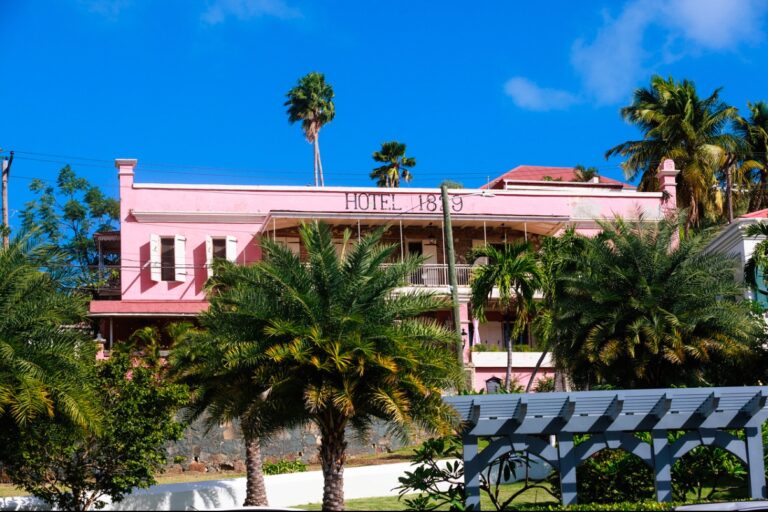
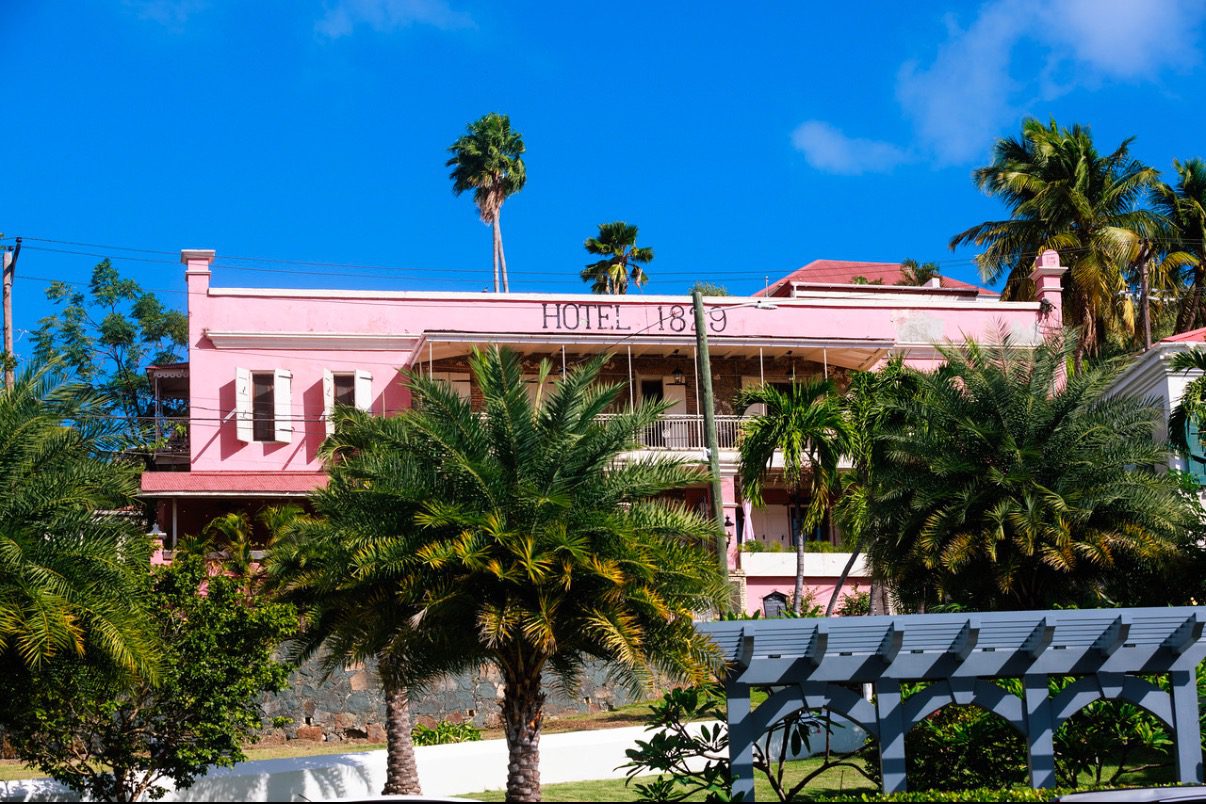
Built as a private residence by French merchant Alexander Lavalette and later transformed into a hotel and restaurant in 1906, Hotel 1829 has long held a central place in the social and cultural life of St. Thomas. After years of anticipation, the landmark property is now complete in its revival with the official opening of Lavalette’s, the newly named restaurant operating within Hotel 1829.
For generations, locals knew the property simply as Hotel 1829, a place that offered guest rooms, hosted special events and featured one of the island’s most memorable dining experiences. Originally a private home, the building opened to the public in 1906, establishing its role as both a hotel and restaurant. By the 1980s and 1990s, the restaurant at Hotel 1829 had become one of St. Thomas’ most celebrated dining destinations, welcoming celebrities, government officials and visiting dignitaries.
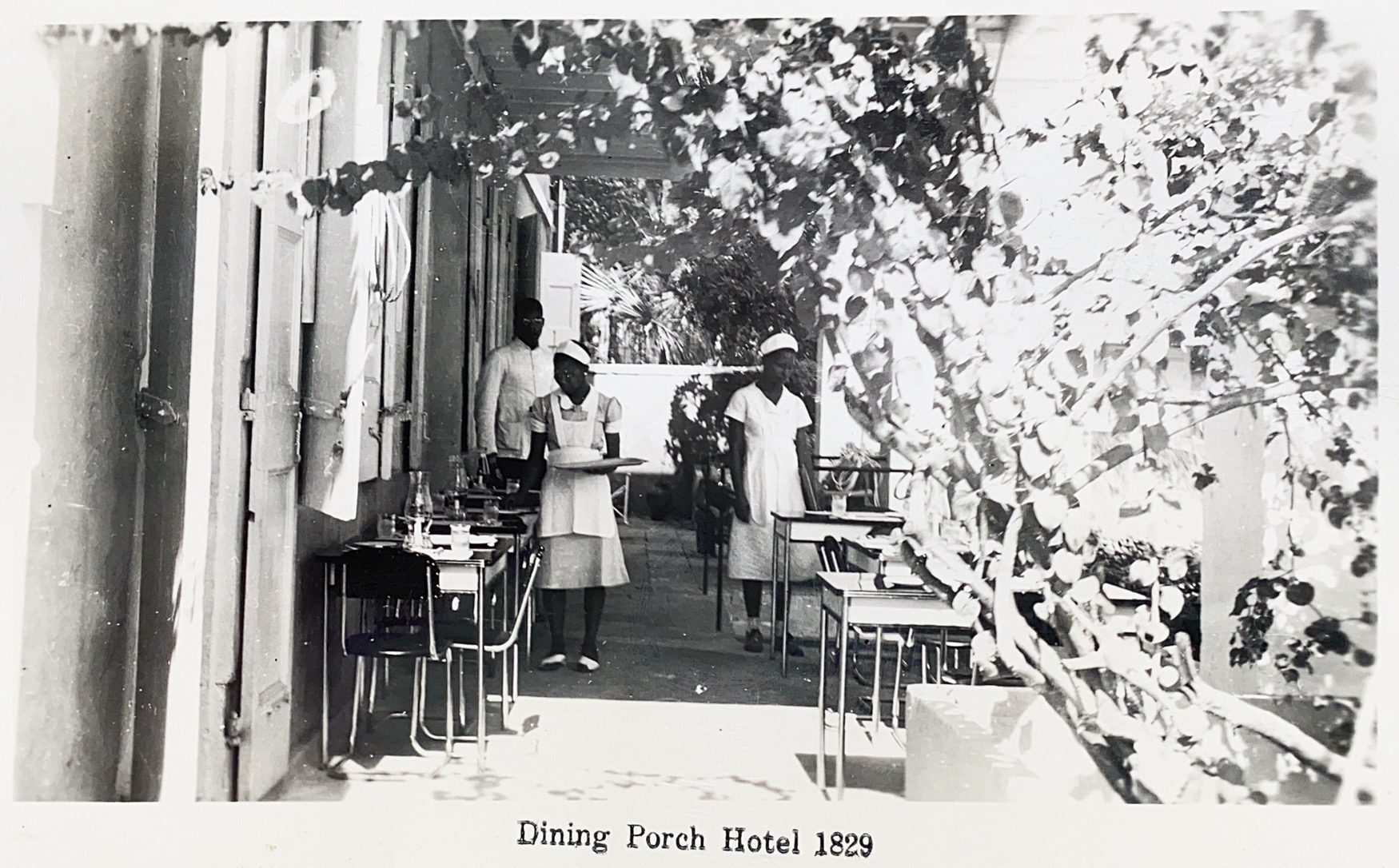
After the hotel officially closed in 2017, the historic property remained dormant until it was purchased in 2024 by owners Jessica Geller and Mark Wiechnik. The hotel reopened in January 2025, once again welcoming overnight guests and serving as a venue for special events. The introduction of the restaurant marks the final phase of that reopening.
“When we purchased the hotel in 2024, we knew that a major component of the renovation and reopening had to be the restaurant,” the owners said. Reflecting on its history, they added, “In the 80s and 90s, the restaurant took center stage over the guest rooms and hotel. It was THE place to be on St. Thomas for nearly 30 years.”
Given its legacy, the owners approached the restaurant’s return with care. “Because it was such a beloved place, we knew we had to do it right,” they said. “That is why we took our time reopening the restaurant, so we could find the right people that had a similar vision and could execute that vision perfectly. We have now assembled an amazing team that is ready to take the restaurant to places it has never gone before.”
While the restaurant is newly named, the intention behind it is rooted in history. The name Lavalette’s was chosen to honor Alexander Lavalette and the property’s French origins. “We wanted the menu to echo the past,” the owners said, noting that longtime favorites such as “the wilted spinach salad, the Baron’s cut prime rib, and ultimately the Grand Marnier souffle” have returned.
The culinary direction draws directly from those French roots. “Under the leadership of Executive Chef Alphonso Betty (Chef Al), the kitchen is using classical French techniques and has created traditional French dishes, using local ingredients. The results are simply amazing.”
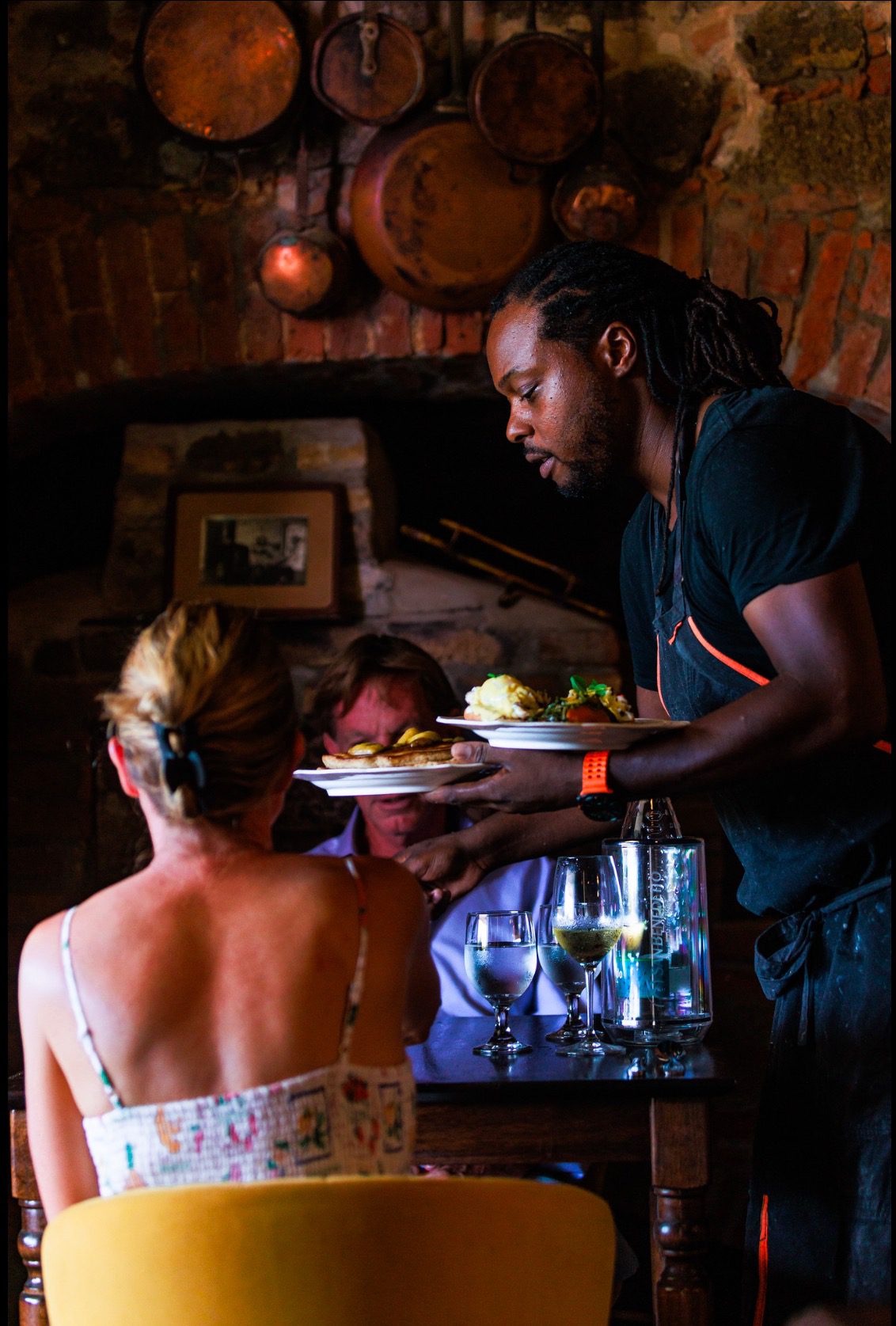
Signature dishes include Caribbean lobster thermidor, poisson meunière featuring a local ole wife and oxtail bourguignonne, reflecting both European technique and local flavor.
Lavalette’s currently serves dinner Thursday through Saturday from 5 to 9 p.m., with Sunday brunch from 10 a.m. to 2 p.m. Looking ahead, the owners said, “Over the next few months we plan to expand the breakfast service to 7 days a week and open the upper kitchen for lunch and special events.” They added, “We would even like to open a full bakery on site in our cafe space if we find the right partnership.”
Local sourcing remains a priority despite logistical challenges. “Even though it is more difficult, we make every effort to source our ingredients locally,” the owners said. That includes growing herbs, fruits and vegetables on site, working with local fishermen for fish and lobster, and sourcing duck and duck eggs from a St. Thomas farmer. “We want to showcase the local flavors in both our food and cocktail menus and would love to help the agricultural community of the Virgin Islands flourish by sourcing as much as we can locally,” they said.
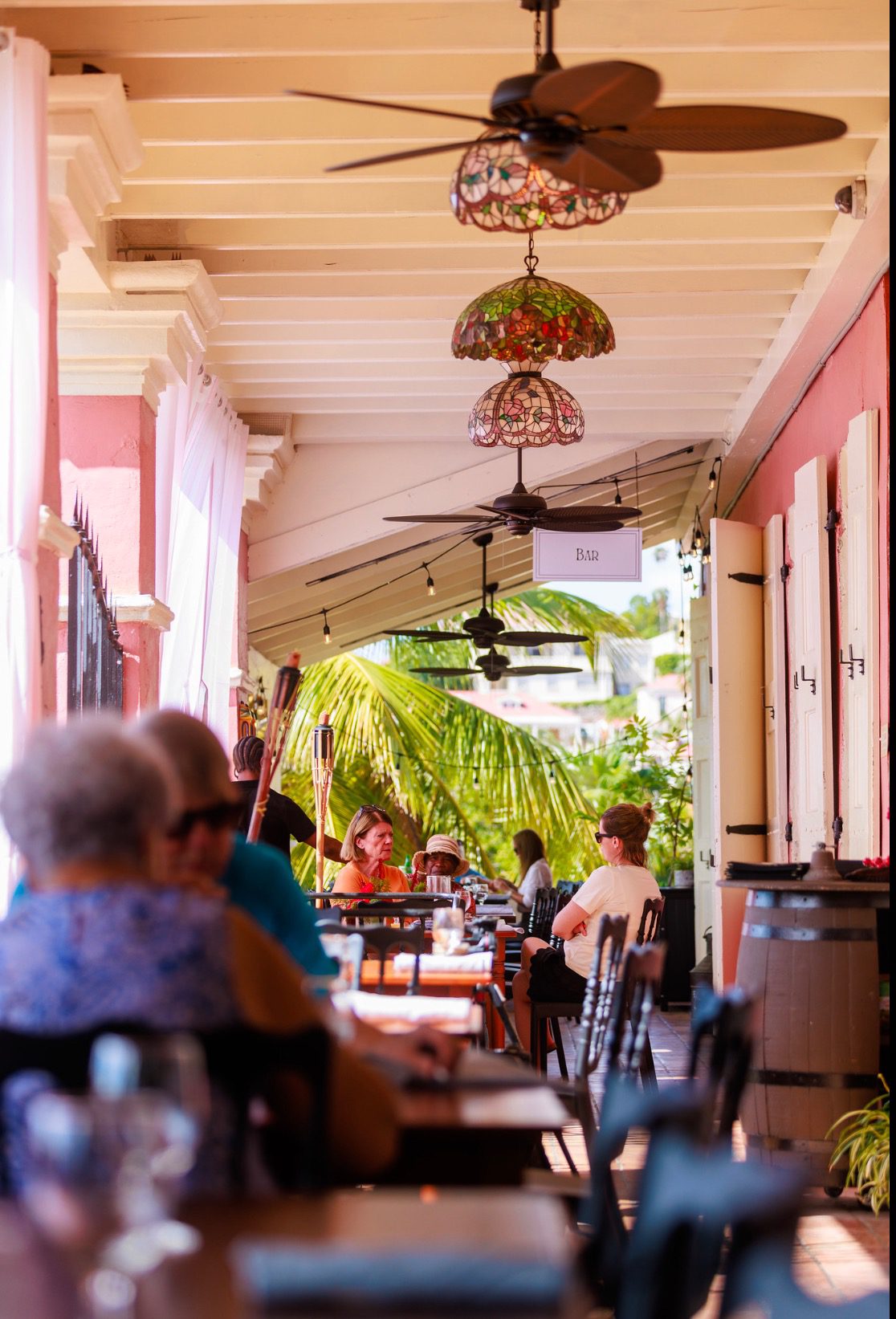
Reservations may be made by texting 833-843-1829 or through the Resy app. Guests with special requests or event inquiries may contact Food and Beverage Director Heather McLeod at hmlavalettes@
Looking ahead, the owners see the restaurant as an extension of the role Hotel 1829 has long played within the community. “We want Hotel 1829 to once again be the place you go on a special occasion,” they said. “But more than that, we want it to be a community gathering place.” They added that they hope guests feel they are “experiencing authentic St. Thomas” and can “actually feel the history when dining or staying at the hotel.”
With the introduction of Lavalette’s, a dining tradition long associated with Hotel 1829 begins its next chapter, continuing a story more than a century in the making.

The V.I. Police Department is investigating the killing of a 25-year-old man Saturday on St. Croix.
In a statement, VIPD shared that the 911 Emergency Call Center and ShotSpotter system received alerts of gunshots at approximately 1:13 p.m. near the Crab Queen restaurant in Estate Glynn. Emergency responders arrived to find an unresponsive man in the driver’s side of a car with multiple gunshot wounds. Emergency Medical Technicians found no signs of life, and he was pronounced dead at the scene.
The deceased, D’Andre Friday, was identified by next of kin.
Friday’s death marks the 12th homicide on St. Croix and the 28th for the territory according to the Source Homicide List.*
VIPD encourages anyone with information about the shooting to contact the department by calling 911.
*The Source Homicide List is a chronological log of the homicides recorded in 2025 in the U.S. Virgin Islands, as reported by the VIPD. Cases are broken down by island. While this listing is based on VIPD reports, the Source does not include suicides or vehicular homicides in its listing, which the police and some other media do. This can lead to a discrepancy in the number of incidents reported.
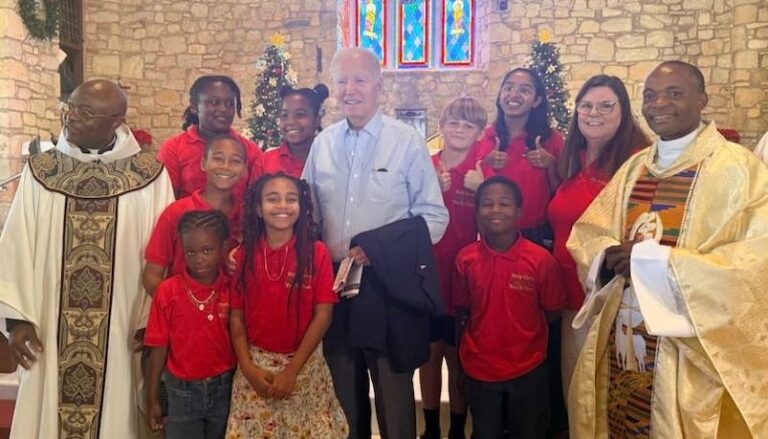

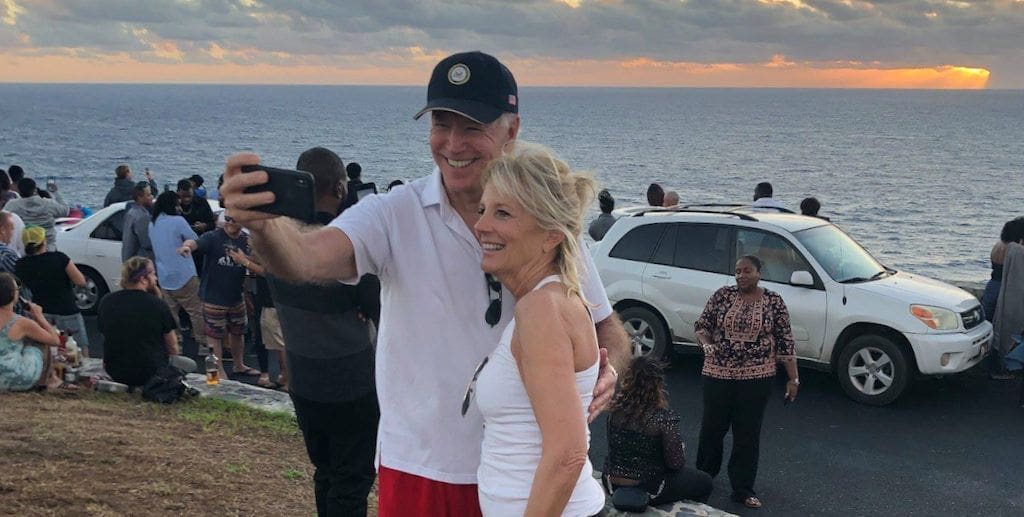
Former President Joe Biden, center, enjoys a warm welcome Sunday as he attended a service at Holy Cross Catholic Church in Christiansted on St. Croix led by the Rev. Louis Kemayou, left. The Biden family has long enjoyed the holiday season on the big island, where they have been spotted ringing in the New Year at Point Udall, the easternmost point of the United States.




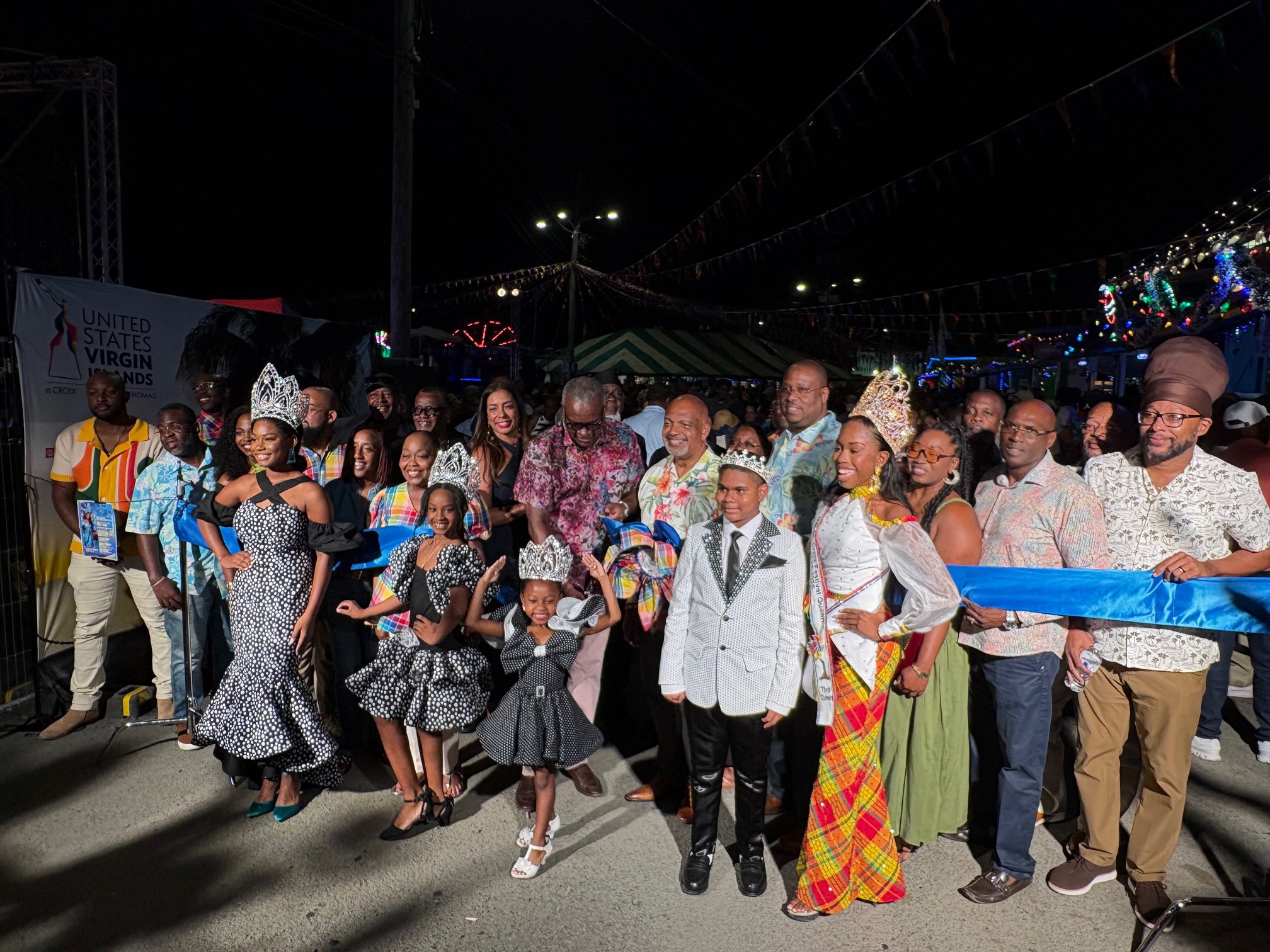
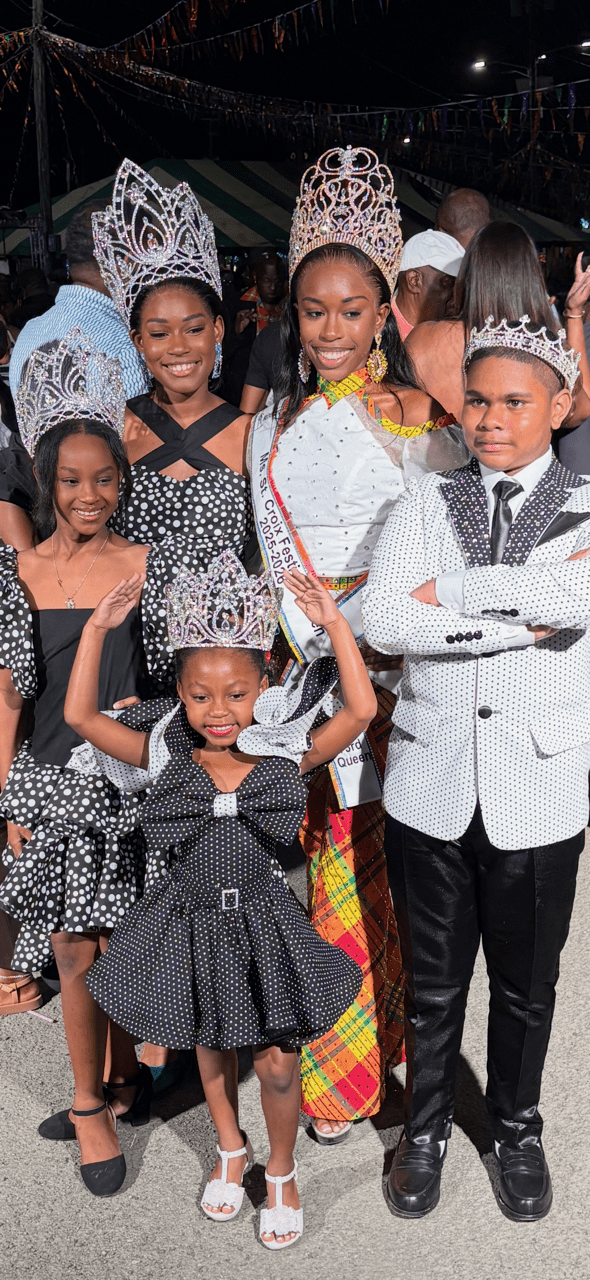
Amenti Golden Philip was crowned queen at the 73rd annual Miss St. Croix Festival Pageant on Sunday night at the Festival Village in Frederiksted, with Rehyniyah Ilarraza earning the title of first runner-up.

This year’s pageant carried the theme “Heritage and History: A Perfect Mix, Creating a Cultural Masterpiece,” celebrating the island’s rich traditions and evolving culture.
Contestants competed in several categories, including stage interview, swimwear, contemporary cultural attire, and evening wear, showcasing confidence, poise, and a deep connection to Virgin Islands heritage. Philip captured multiple awards, including One Communication Text to Vote, Miss Intellect, and Best Contemporary Cultural Attire.



The evening was hosted by former Miss St. Croix Na’Zirah Armstrong alongside radio personality Sheldon Turnbull, while the event was chaired by Essi Gaston-Edwards.

In her message to the contestants, Gaston-Edwards praised their individuality and cultural pride. “Each of you represents a unique brushstroke in the cultural masterpiece of our islands — vibrant, intentional, and rooted in pride,” she said. “Through your stories, your creativity, and your unwavering spirit, you honor our heritage while embracing the future with confidence and vision.”

The program also featured performances by the Exquisite Performing Arts Ensemble dancers, with additional performances adding energy and artistry to the celebration.
Following her crowning, Philip shared that her platform centers on mental health advocacy. Speaking backstage, she emphasized the importance of self-care and emotional well-being within the community. “My platform is based on mental health, and I want the community to understand that without mental health we can’t really survive,” she said. “How can we uplift our community if we can’t uplift ourselves?”

With the pageant concluded, Philip now begins her reign as Miss St. Croix and will represent the territory throughout the St. Croix Festival 2025–2026 festivities, taking part in celebrations and community events across the island.

Since 1999 the Virgin Islands Source – the only online newspaper of general circulation in the U.S. Virgin Islands – has been providing the community with reliable, accurate and balanced local journalism.
Contact us: visource@gmail.com
© 1999-2025 Virgin Islands Source