

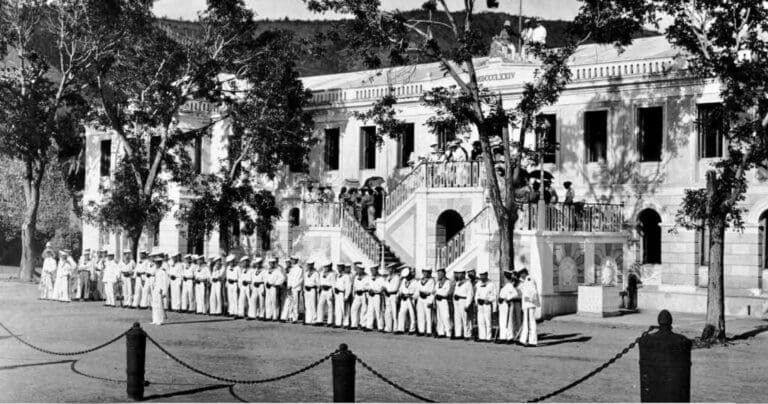
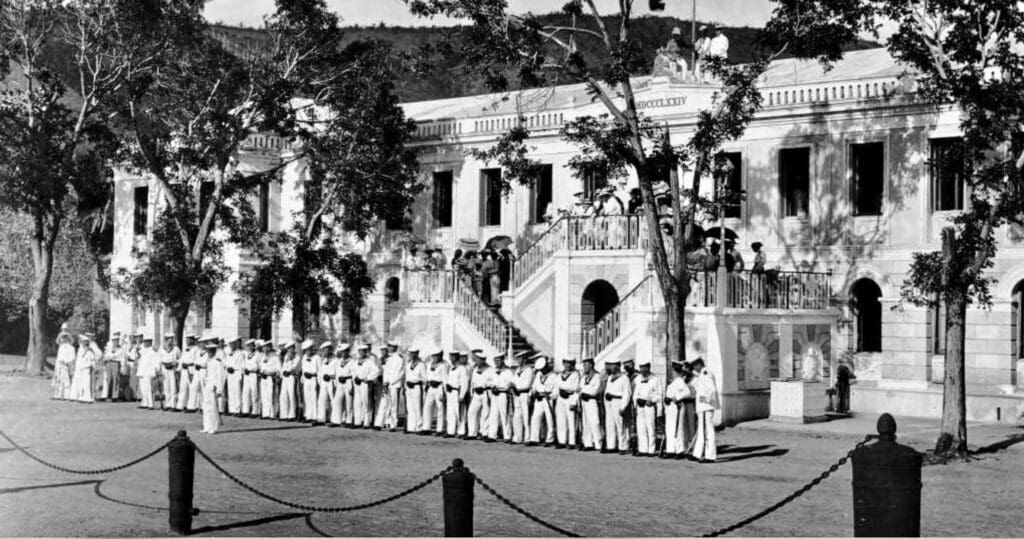
For the first time in recent memory, Denmark has formally responded to a request from Virgin Islands advocates seeking accountability tied to Denmark’s former administration of the islands — and the response rejects any legal responsibility.
In a letter dated Dec. 10, Danish officials said they do not accept legal liability connected to their rule over what was then the Danish West Indies, now the U.S. Virgin Islands. The response followed months of outreach by the African-Caribbean Reparations and Resettlement Alliance (ACRRA), including a formal notice sent on Oct, 21, 2025, in which the organization said Denmark’s continued silence was being treated as a refusal to engage and was being documented accordingly, according to a news release this week.
In its letter, Denmark said the issues raised should be understood as historical rather than legal, and denied that it violated the treaty under which the territory was transferred to the United States.
ACRRA replied that it is willing to meet with Danish officials during a proposed visit to the Virgin Islands, but only under strict conditions. The organization said such a meeting would not waive any potential claims, would not mean the issues have been resolved, and could not later be cited as evidence that Denmark had addressed the concerns. ACRRA said any discussion would need to directly address unresolved questions, including why Denmark never responded to a 1917 petition from Virgin Islanders asking for a voice in their political future.
Those questions have been raised repeatedly over generations. As previously reported by The Virgin Islands Source, residents were not consulted before the islands were transferred in 1917, and no formal process was created to address political rights, redress, or long-term responsibility. Advocates have also pointed out that Denmark has taken different approaches with other former territories, while similar concerns raised by Virgin Islanders remain unresolved.
ACRRA said Denmark’s response is significant not because it offers resolution, but because it formally places Denmark’s position on the record. The organization said it will preserve the correspondence as part of the historical record and continue assessing regional and international options, while keeping the Virgin Islands public informed.






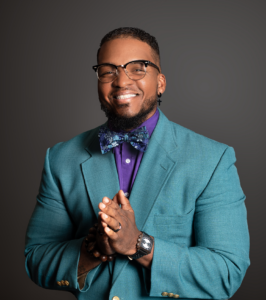 In his biweekly column, Langley Shazor speaks to issues important to men within the territory.
For many men, fatherhood has been defined by responsibility. Provide. Protect. Produce. Those were the pillars, the expectations, the unspoken rules of what it meant to be a good man. From generation to generation, fathers were judged by how well they could keep the lights on, keep food on the table, and keep everyone safe. It was a noble mission, and for many, it was all they had the capacity to give. But somewhere in the repetition of those duties, the deeper work of fatherhood got lost. Too many men learned to measure their success as fathers by their ability to provide materially, not emotionally. The myth that fatherhood ends when the bills are paid has quietly shaped homes for decades — and it has left both fathers and children unfulfilled.
This myth did not appear out of nowhere. It was born from survival. In earlier generations, providing was the highest form of love a man could offer because resources were scarce and opportunities were limited. Working long hours, sometimes multiple jobs, was not neglect — it was sacrifice. But as times changed, the world began to require more from men than provision. Children needed attention. Wives and partners needed presence. The family needed more than the check; it needed the connection. Yet many fathers, shaped by older models, continued to lead through their wallets instead of their words, believing that their duty was done once the needs were met.
The truth is that a home can be full and still feel empty. The refrigerator can be stocked, the lights can stay on, and the rent can be paid, yet something essential can still be missing. Children do not remember how much their fathers earned. They remember how often their fathers showed up. They remember laughter, guidance, time spent, and conversations that built their sense of identity. Presence is not a luxury — it is the foundation of emotional security. A father who is present gives his family something that cannot be bought: the safety of being seen.
For many men, the struggle lies in redefining what presence looks like. Life is demanding. Work is necessary. Providing will always be part of fatherhood. But the problem comes when providing becomes the only language a man speaks. Children who grow up with absent fathers — whether physically or emotionally — often internalize that absence as rejection. They learn to see love as something earned rather than given. When fathers equate love with labor, they unintentionally teach their children that affection is conditional. That lesson lingers long after childhood ends.
There is another side to this myth that deserves honesty. Some men hide behind their role as providers because it feels safer than being emotionally available. Paying bills is measurable. It is concrete. It is something a man can point to and say, “I did my part.” But love requires vulnerability. It asks for softness, listening, patience, and sometimes silence. It asks men to show up when they do not have answers, to apologize when they get it wrong, and to engage even when it feels uncomfortable. That kind of presence is harder because it cannot be proven — it has to be lived.
Fatherhood is not a job you clock out of once the bills are handled. It is a relationship you grow into every day. The real measure of fatherhood is not in what you provide but in who your children become because of your influence. It is seen in the confidence they carry, the values they live by, and the peace they feel when they know they are loved unconditionally. Those are the legacies that outlast income. The work of a father is to build hearts, not just houses.
We also need to broaden how we talk about fatherhood in our communities. Too often, conversations about men and families center on financial contribution. We highlight the absent father in terms of child support, not emotional support. We equate responsibility with payment. But the truth is that the emotional debt of neglect is far more costly than any unpaid bill. Our sons and daughters deserve more than a father who sends money — they deserve a man who sends time, attention, and wisdom.
To redefine fatherhood, we must first redefine success. A successful father is not the one who never struggles. He is the one who shows up through the struggle. He keeps learning, adjusting, and growing with his children instead of pretending to have everything figured out. He learns to love in real time, to lead with presence, and to listen without defensiveness. He understands that being strong does not mean being distant. It means being dependable in both the practical and emotional sense.
The world is full of men who regret the moments they missed. They chased opportunity and stability for their families, believing that one day they would make enough to finally be present. But the truth is that presence cannot be postponed. Children grow, relationships shift, and time will not wait for a man to feel ready. What matters most is not the perfection of the moment but the consistency of it. Showing up imperfectly is still showing up. That is the lesson too many fathers learn too late.
In the same breath, we must also honor the men who are trying. The fathers who are breaking generational patterns, learning to speak love, and healing while they lead. They are redefining what strength looks like. They are proving that vulnerability and fatherhood can exist in the same space. These men are building a legacy that will change how the next generation understands love and manhood. Their work is not loud, but it is powerful.
Being a father is not about control — it is about cultivation. It is about helping your children grow into who they are meant to be, not who you want them to be. It is about teaching them how to love, not just how to survive. It is about being the first example of consistency they can depend on and the first example of grace they can trust. That is the true inheritance every father can leave behind.
Fatherhood does not end when the bills are paid. It begins when the heart is open. The world does not need more men who simply provide; it needs more fathers who are present. Presence builds people, and people build legacies. When we learn that truth, we stop measuring our manhood by what we can buy and start defining it by how we can love.
That is when the myth dies — and fatherhood begins.
Editor’s Note: Opinion articles do not represent the views of the Virgin Islands Source newsroom and are the sole expressed opinion of the writer. Submissions can be made to
In his biweekly column, Langley Shazor speaks to issues important to men within the territory.
For many men, fatherhood has been defined by responsibility. Provide. Protect. Produce. Those were the pillars, the expectations, the unspoken rules of what it meant to be a good man. From generation to generation, fathers were judged by how well they could keep the lights on, keep food on the table, and keep everyone safe. It was a noble mission, and for many, it was all they had the capacity to give. But somewhere in the repetition of those duties, the deeper work of fatherhood got lost. Too many men learned to measure their success as fathers by their ability to provide materially, not emotionally. The myth that fatherhood ends when the bills are paid has quietly shaped homes for decades — and it has left both fathers and children unfulfilled.
This myth did not appear out of nowhere. It was born from survival. In earlier generations, providing was the highest form of love a man could offer because resources were scarce and opportunities were limited. Working long hours, sometimes multiple jobs, was not neglect — it was sacrifice. But as times changed, the world began to require more from men than provision. Children needed attention. Wives and partners needed presence. The family needed more than the check; it needed the connection. Yet many fathers, shaped by older models, continued to lead through their wallets instead of their words, believing that their duty was done once the needs were met.
The truth is that a home can be full and still feel empty. The refrigerator can be stocked, the lights can stay on, and the rent can be paid, yet something essential can still be missing. Children do not remember how much their fathers earned. They remember how often their fathers showed up. They remember laughter, guidance, time spent, and conversations that built their sense of identity. Presence is not a luxury — it is the foundation of emotional security. A father who is present gives his family something that cannot be bought: the safety of being seen.
For many men, the struggle lies in redefining what presence looks like. Life is demanding. Work is necessary. Providing will always be part of fatherhood. But the problem comes when providing becomes the only language a man speaks. Children who grow up with absent fathers — whether physically or emotionally — often internalize that absence as rejection. They learn to see love as something earned rather than given. When fathers equate love with labor, they unintentionally teach their children that affection is conditional. That lesson lingers long after childhood ends.
There is another side to this myth that deserves honesty. Some men hide behind their role as providers because it feels safer than being emotionally available. Paying bills is measurable. It is concrete. It is something a man can point to and say, “I did my part.” But love requires vulnerability. It asks for softness, listening, patience, and sometimes silence. It asks men to show up when they do not have answers, to apologize when they get it wrong, and to engage even when it feels uncomfortable. That kind of presence is harder because it cannot be proven — it has to be lived.
Fatherhood is not a job you clock out of once the bills are handled. It is a relationship you grow into every day. The real measure of fatherhood is not in what you provide but in who your children become because of your influence. It is seen in the confidence they carry, the values they live by, and the peace they feel when they know they are loved unconditionally. Those are the legacies that outlast income. The work of a father is to build hearts, not just houses.
We also need to broaden how we talk about fatherhood in our communities. Too often, conversations about men and families center on financial contribution. We highlight the absent father in terms of child support, not emotional support. We equate responsibility with payment. But the truth is that the emotional debt of neglect is far more costly than any unpaid bill. Our sons and daughters deserve more than a father who sends money — they deserve a man who sends time, attention, and wisdom.
To redefine fatherhood, we must first redefine success. A successful father is not the one who never struggles. He is the one who shows up through the struggle. He keeps learning, adjusting, and growing with his children instead of pretending to have everything figured out. He learns to love in real time, to lead with presence, and to listen without defensiveness. He understands that being strong does not mean being distant. It means being dependable in both the practical and emotional sense.
The world is full of men who regret the moments they missed. They chased opportunity and stability for their families, believing that one day they would make enough to finally be present. But the truth is that presence cannot be postponed. Children grow, relationships shift, and time will not wait for a man to feel ready. What matters most is not the perfection of the moment but the consistency of it. Showing up imperfectly is still showing up. That is the lesson too many fathers learn too late.
In the same breath, we must also honor the men who are trying. The fathers who are breaking generational patterns, learning to speak love, and healing while they lead. They are redefining what strength looks like. They are proving that vulnerability and fatherhood can exist in the same space. These men are building a legacy that will change how the next generation understands love and manhood. Their work is not loud, but it is powerful.
Being a father is not about control — it is about cultivation. It is about helping your children grow into who they are meant to be, not who you want them to be. It is about teaching them how to love, not just how to survive. It is about being the first example of consistency they can depend on and the first example of grace they can trust. That is the true inheritance every father can leave behind.
Fatherhood does not end when the bills are paid. It begins when the heart is open. The world does not need more men who simply provide; it needs more fathers who are present. Presence builds people, and people build legacies. When we learn that truth, we stop measuring our manhood by what we can buy and start defining it by how we can love.
That is when the myth dies — and fatherhood begins.
Editor’s Note: Opinion articles do not represent the views of the Virgin Islands Source newsroom and are the sole expressed opinion of the writer. Submissions can be made to