



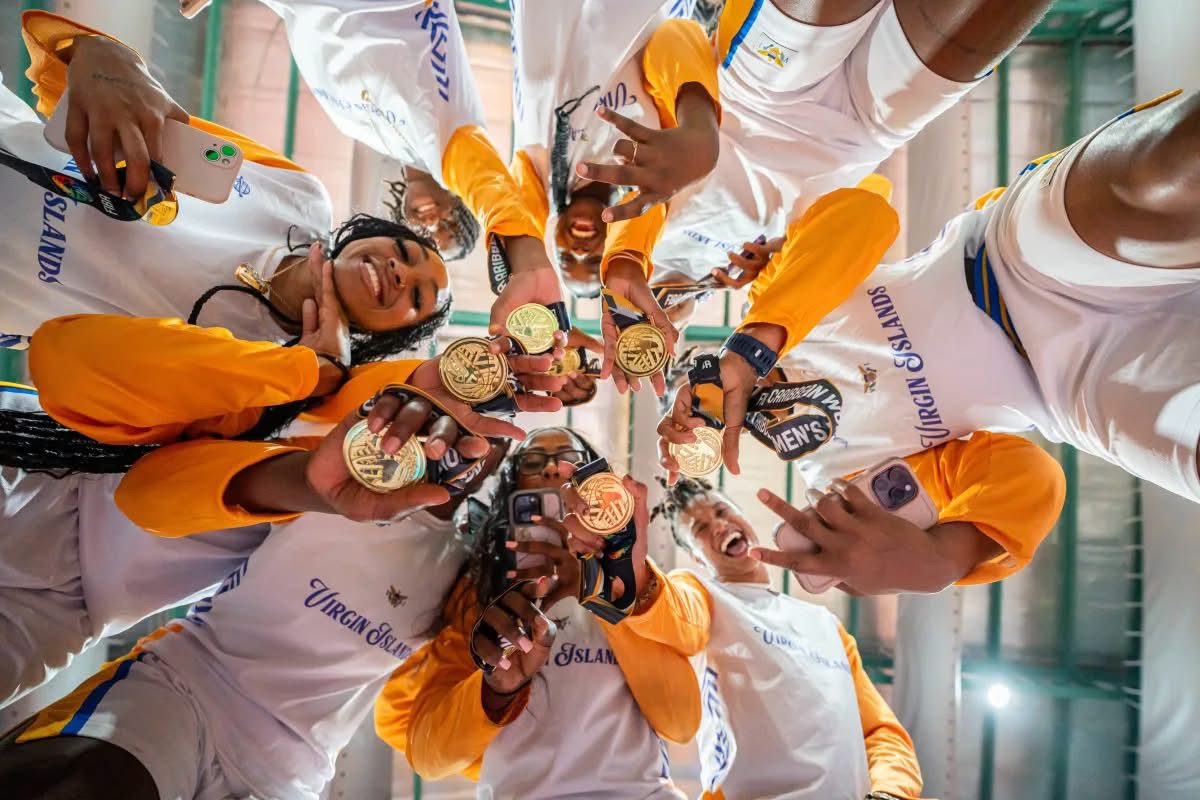

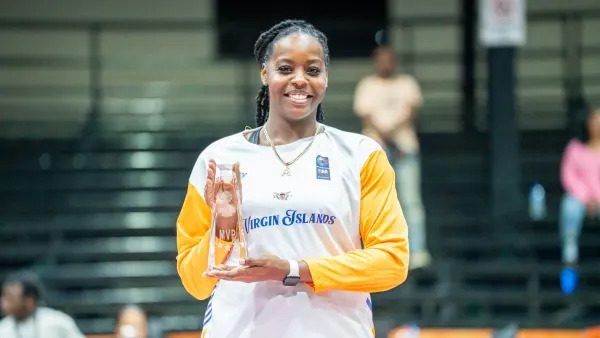

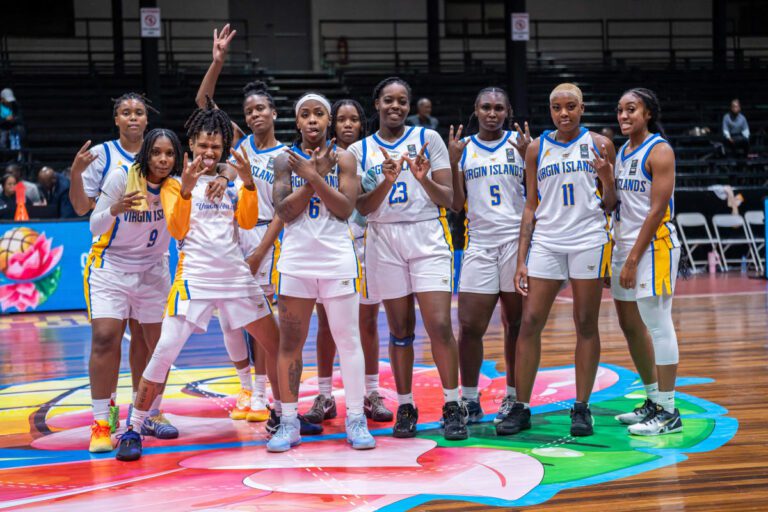
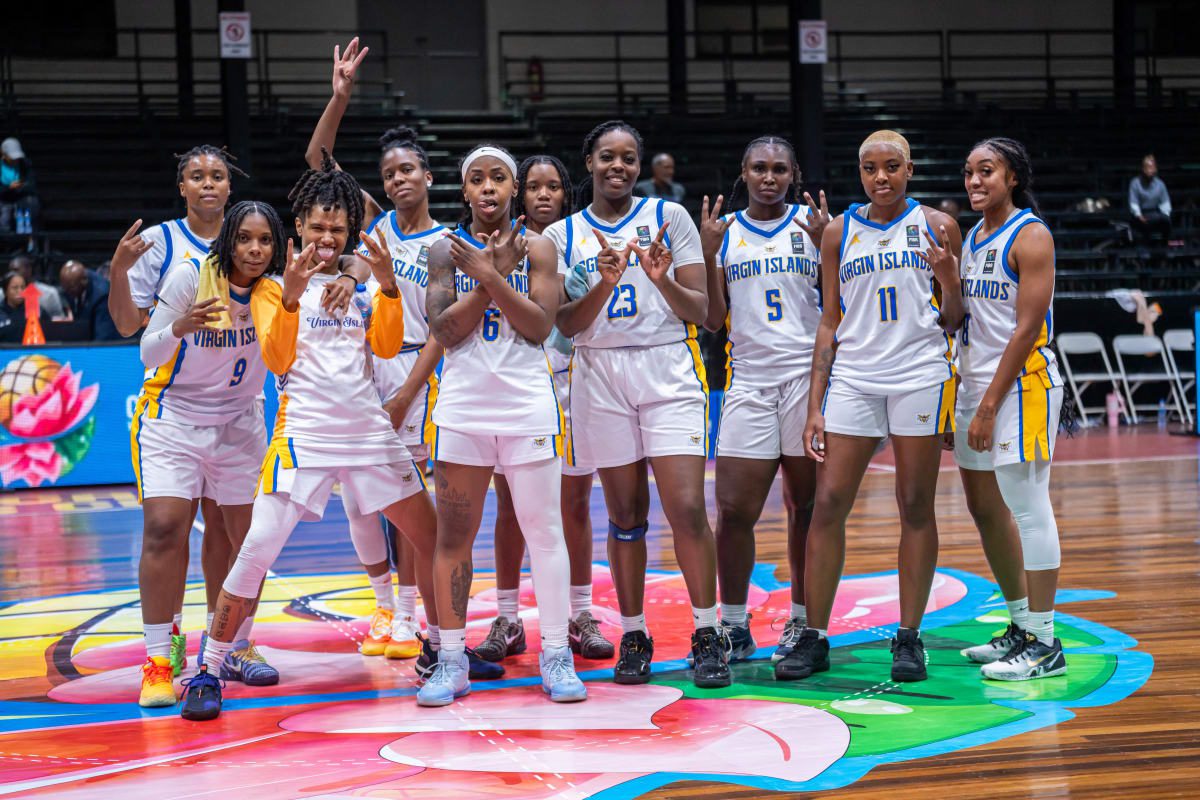
The United States Virgin Islands Women’s Basketball Team took on Jamaica on day four of the International Basketball Federations 2025 Caribbean Basketball Championships, held in Georgetown, Guyana, needing a win to qualify for the 2026 Centrobasket Women’s Championship. The top three teams of the tournament will move on to the Centrobasket Championships scheduled to be held in 2026.
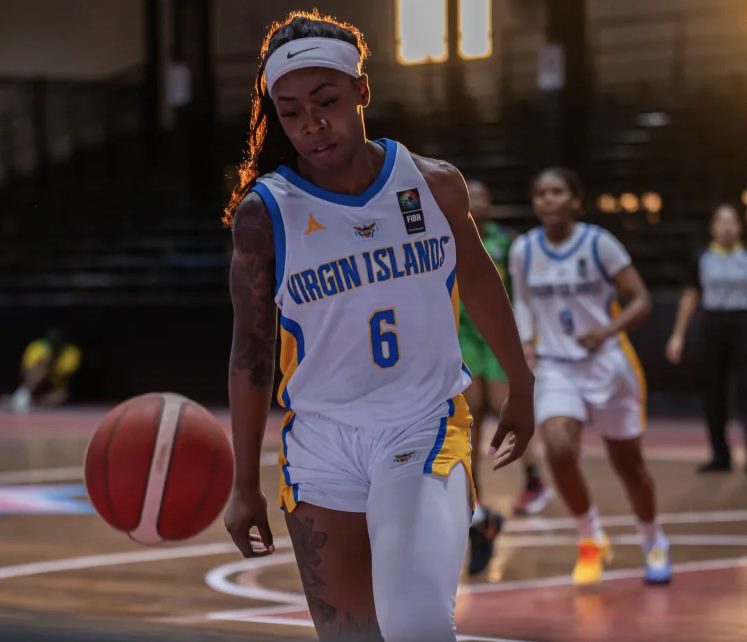
The USVI women dominated this game, winning by a score of 93-43.
Defense wins championships, is a cliché often heard in sports circles when teams are vying to win a championship. The USVI women have given this saying life as they once again held their opponent to their lowest output of the tournament. USVI held Jamaica to 8 points in the first, 4 in the second, and 6 in the final frame. Jamaica only scored in double-digits in one of the four quarters played. Tiffany Reynolds scored 17 points for Jamaica.
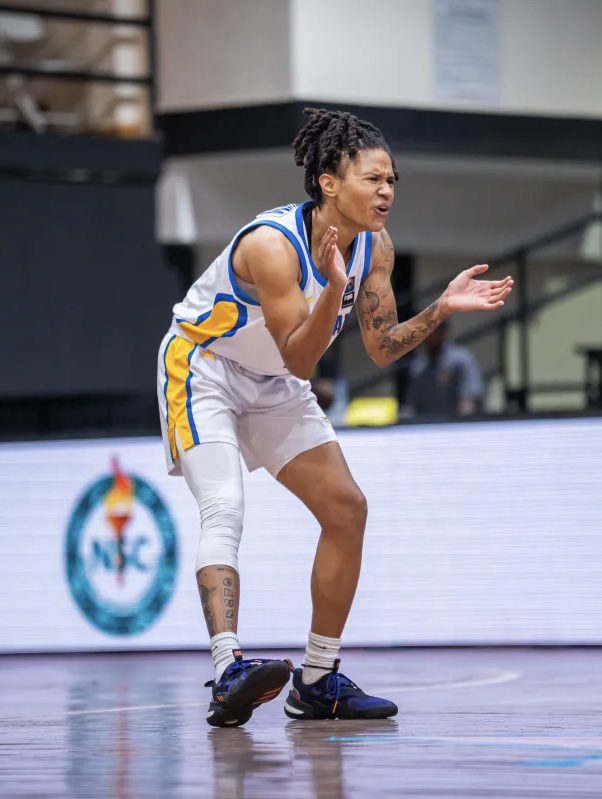
The USVI jumped out to a 20-0 lead to start the game. J-Naya Ephrain scored 13 of those points, including three 3-point shots. Ephrain finished with a game-high 20 points. Teammates Anisha George and Imani Tate both contributed 16 points each. The win ensures that the USVI women will be one of the three teams advancing to the next round.
In the final game of the day, Guyana regained their shooting touch and defeated Suriname 106-42. Amisha Ramlall was the game’s top scorer with 25 points for the home team. Teammate Anaya McDavid contributed 24 points and snatched 12 rebounds. Chiniqua Pengel was Suriname’s top offensive player with 10 points.
Sunday, Nov. 16, is the last day of this round-robin tournament. The USVI will take on the Bahamas at 4:30 p.m., and Jamaica will face off against the host, Guyana. USVI is the only team that has secured a spot in the 2026 Women’s Centrobasket Basketball Tournament. Guyana, Bahamas, and Jamaica all still have a chance to earn one of the two remaining bids.
Here are the tournament standings going into the final day.
| TEAM | WINS | LOSES |
| United States Virgin Islands | 3 | 0 |
| Guyana | 2 | 1 |
| Bahamas | 2 | 1 |
| Jamaica | 1 | 2 |
| Suriname | 0 | 4 |
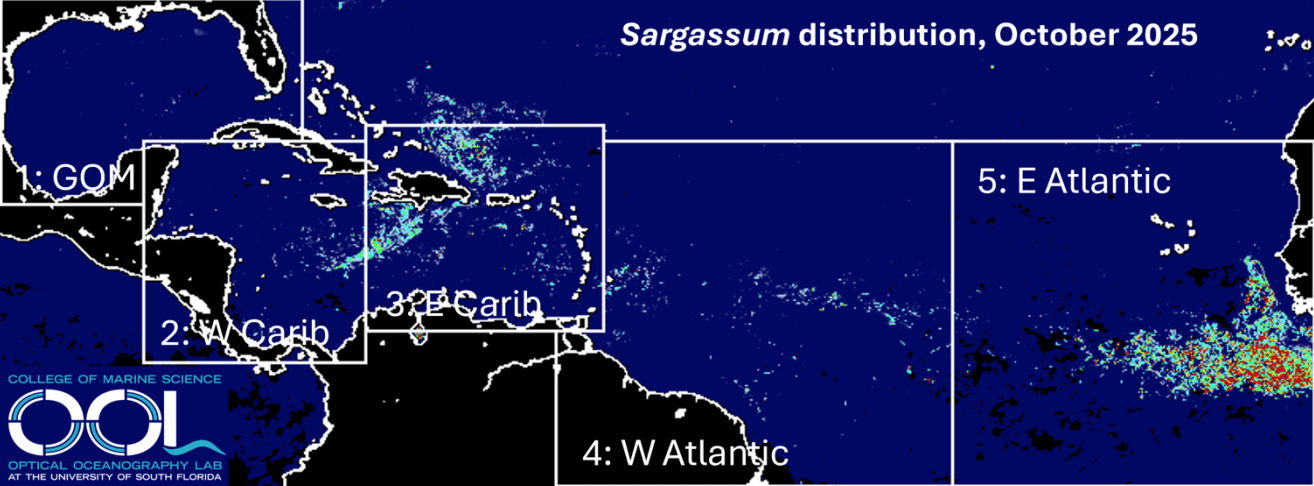
Sargassum amounts across the Atlantic and Caribbean Sea continued to drop in October, signaling the end of this year’s seaweed season, according to a recent report from the University of South Florida’s Optical Oceanography Lab.
The OOL at USF monitors the presence of sargassum across the Atlantic, Caribbean, and Gulf regions using satellite imagery. The group’s latest monthly report was released on Oct. 31 and noted that total amounts declined sharply for the second consecutive month.
“As predicted in September, the total amount of sargassum in each of the monitored regions continued to decline in October,” according to information included in the USF update.
“Similar to what happened in September 2025, the decline in October was substantial in all but the eastern Atlantic region, with total sargassum amount more than halved again in October. Most sargassum is now in the eastern Atlantic, followed by the eastern Caribbean region. In the Gulf, sargassum amount is now negligible, with less than 0.02 metric tons in the area,” USF said.
Notably, although the overall amount of seaweed has continued to decrease, scientists reported that total amounts of the algae in parts of the eastern Caribbean and western Atlantic still rank as the highest on record for the month of October.
“Despite such sharp declines, total sargassum amount in the eastern Caribbean and western Atlantic still shows the highest in history for the month of October, but most of this biomass is around Dominican Republic and Haiti. Overall, the inundation pressure should have decreased substantially for all regions in October.”
Massive Inundations Not Expected
Looking ahead, USF researchers expect the downward trend to continue into November, possibly reaching the annual low point for the year.
“Total sargassum amount in all regions is likely to continue to decline, possibly reaching the annual minimum in November. Correspondingly, most regions should be free of massive inundations, as the sargassum ‛season’ is over. One possible exception is the East Atlantic, where the total sargassum amount will likely remain relatively high even after further declines in November.”
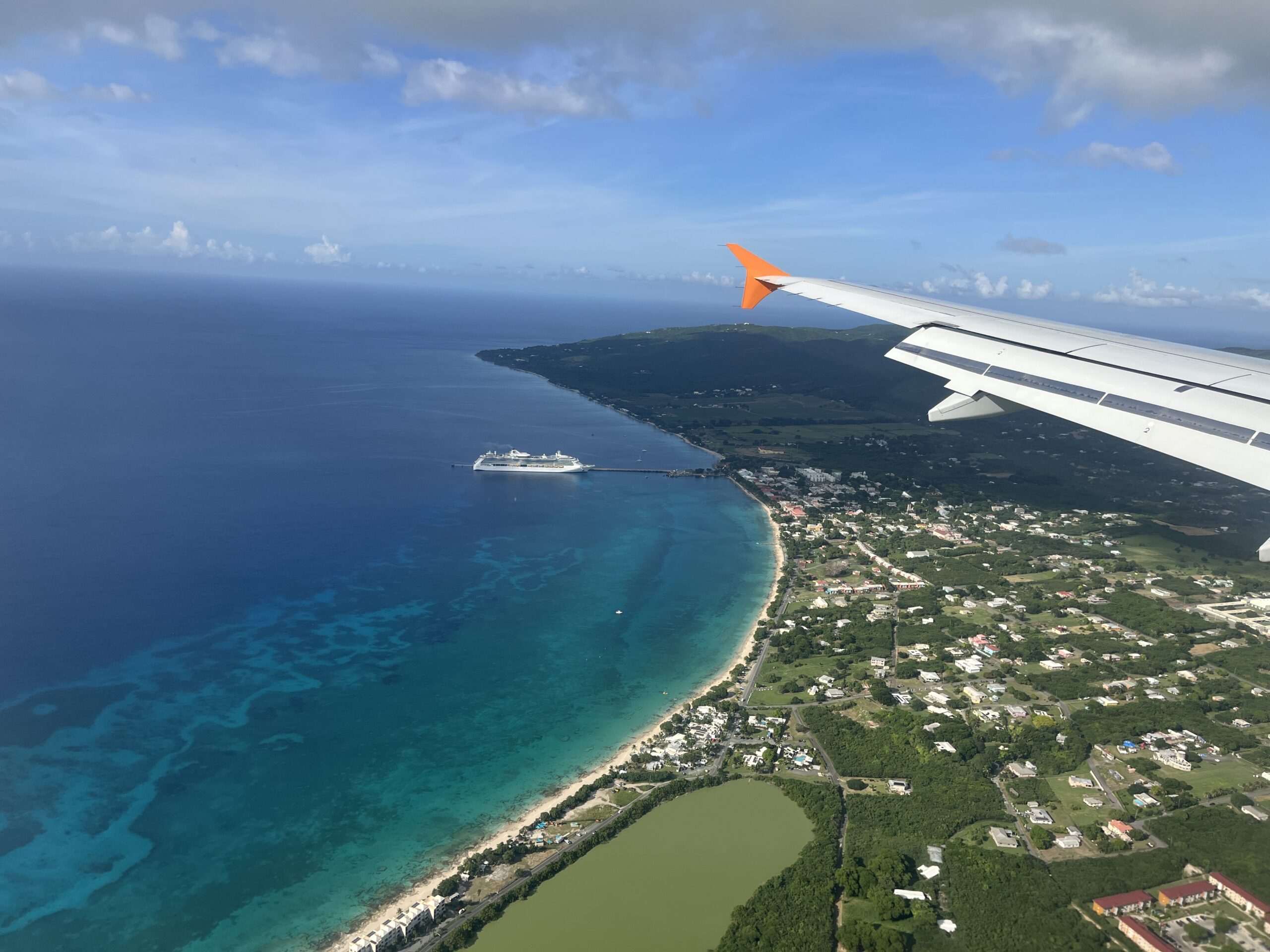
After receiving the USF September update, the Source contacted Chuanmin Hu, a professor of optical oceanography at USF. When asked about the potential for more inundations across the USVI, Hu emphasized that additional seaweed arrivals are unlikely across the region until next year.
“The sargassum season is over even for the eastern Caribbean region,” Hu said. “It may restart between next March or April,” he added.
Sargassum Explained
A previous Source article included additional information about sargassum in an interview with Yuyuan Xie, Ph.D., a research scientist at USF. Xie is involved with the university’s OOL.
“Pelagic sargassum seaweed is a brown macroalgae floating on the ocean surface,” Xie said. “It was first reported in the 15th century by Christopher Columbus, and a regional sea in the North Atlantic Ocean, the Sargasso Sea, was named after this plant. Sargassum serves as a habitat for many marine animals, such as turtles, fish, shrimp, crabs, and so on. These macroalgae can grow to a length of several meters and form floating mats on the ocean surface,” Xie continued.
Sargassum Health Impacts
Sargassum has positive and negative benefits for the environment. Fortunately, the arrival of the algae is not extremely dangerous to people. However, there are some significant health risks.
“Most of the time, moderate amounts on beaches would not represent a risk factor for humans. However, there are exceptions,” cautioned Xie. “After a couple of days onshore, sargassum starts to decompose and release noxious and stinking gases such as ammonia and hydrogen sulfide. The bad smell can cause respiratory problems. There are reports that in some of the Caribbean Islands, the hospitalization rate has gone up during the sargassum season,” he said.
“Sargassum can be both good and bad for the environment. In the ocean it is a critical habitat for many animals, so they should like to see increased sargassum. Sargassum on beaches can also stabilize sand dunes, thus helping to avoid beach erosion. But too much of a good thing can also make it bad — excessive amounts of sargassum can also cause environmental and economic problems,” Xie added.
“There is no scientific consensus on exactly what caused the sargassum increases in the past decade in the Atlantic Ocean, but climate change may be part of the reason, as it affects precipitation, ocean circulation, and dust events, among others. This is still a research topic,” according to Xie.
To help manage seasonal sargassum inundations, officials in the U.S. Virgin Islands have begun installing floating barriers designed to divert incoming mats of seaweed before they reach the shoreline. As noted in a recent Source interview with Amy Dempsey, a marine biologist and founder of Bioimpact, Inc., the seaweed booms have shown promise in keeping beaches clearer. However, they require frequent maintenance because of strong currents and storm damage, and they must be removed when a tropical system is approaching.
Follow Sargassum Updates and the Weather Forecast
Individuals can follow the progression of the current mat of seaweed and stay up to date each month on where sargassum may be headed.
Finally, in addition to tracking the occurrence of sargassum, residents and visitors across the U.S. Virgin Islands are encouraged to continue monitoring the local weather forecast.
Weather information is available from the NWS, the NHC, and NOAA. The local weather forecast for the U.S. Virgin Islands is regularly updated on the Source Weather Page and VI Source YouTube Channel, and individuals can also find helpful weather information and alerts from the Virgin Islands Territorial Emergency Management Agency.
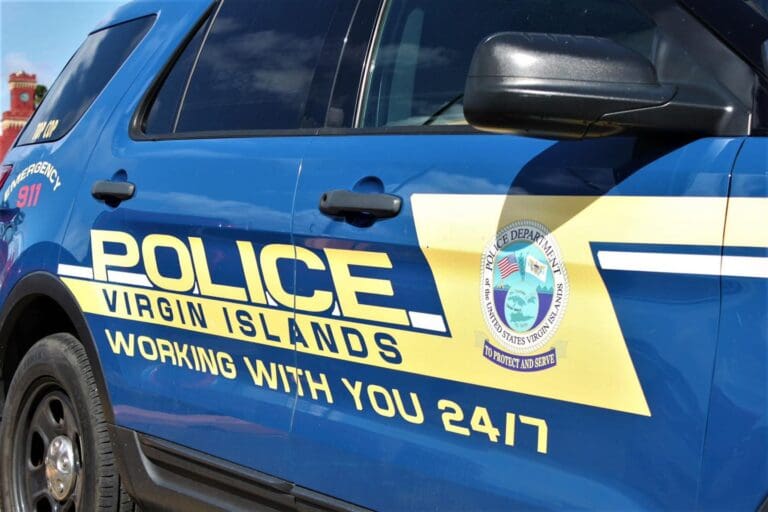
The 911 Emergency Call Center received a call at around 6:25 p.m. on Friday, Nov. 14, from a citizen who reported finding an unresponsive female in a residence at South Grapetree, Christiansted. Officers were dispatched to the scene along with Emergency Medical Technicians, who concluded that the female did not have any sign of life, reported the V.I. Police Department.
According to the police report, the deceased was identified by next of kin as 59-year-old Eva Ramon.
This is an ongoing investigation. Anyone with information on this case is urged to call 911, the Criminal Investigation Bureau at 340-778-2211 or Crime Stoppers VI at 1-800-222-8477(TIPS).

On Nov. 15, at around 4 a.m., search and arrest warrants were executed for 35-year-old Lloyd Ferdinand, who was taken into custody and charged with carrying of firearms openly or concealed, reported the V.I. Police Department.
This was in connection with an ongoing investigation where members of the Criminal Investigation Bureau seized a gray 2016 Acura RDX at Moe’s Service Station on Oct. 22, at approximately 1:30 p.m. At the time of the seizure, Joshawn Ayala was operating the vehicle, and Lloyd Ferdinand was a passenger, according to the police report.
On Oct. 23, a search warrant for the Acura RDX was signed by a superior court judge. Upon searching the vehicle, a firearm, loaded high-capacity magazines, drugs, and drug paraphernalia were recovered. Arrest warrants were then obtained for both Ayala and Ferdinand, as well as a search warrant for Ferdinand’s residence, said the report.
Ferdinand was booked, and unable to post bail in the amount of $50,000, he was remanded to the Bureau of Corrections pending his advice of rights hearing on Nov. 17.
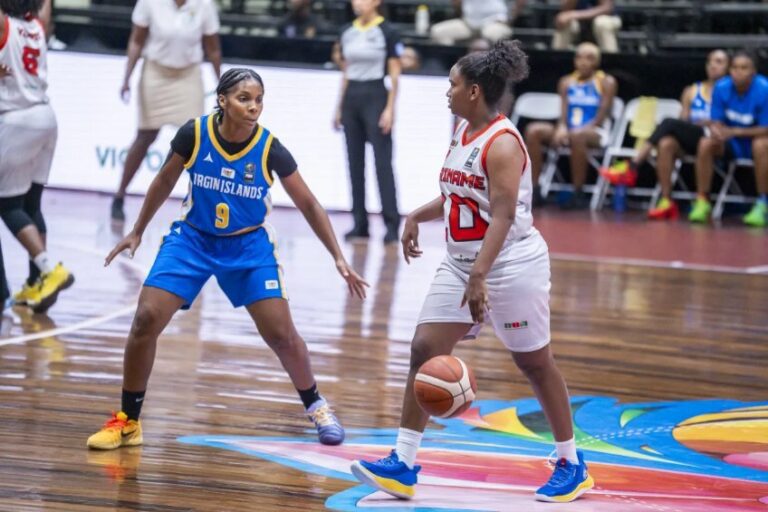
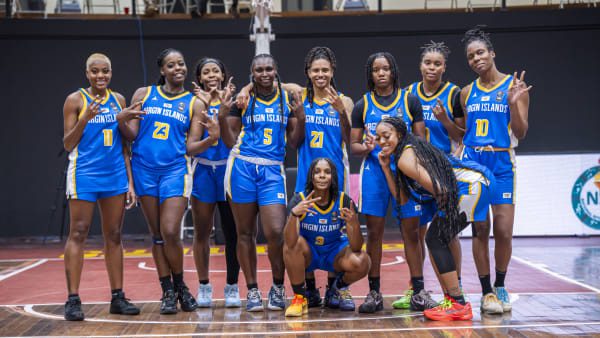
The United States Virgin Islands entered the Caribbean Women’s Basketball Championship 2025 with the dual goal of qualifying for the Centrobasket Women’s Championships, scheduled for 2026, and finishing first in the five-team round-robin tournament.
On Friday, Nov.14, the USVI women took on Suriname. Once again, the VI girls relied on their defense to procure this win. Suriname produced more turnovers, 40, than they scored in the entire contest, 33. USVI cruised to an 84-33 beatdown of Suriname. Imani Tate and Natalie Kleemann-Day were the two main contributors, as they were responsible for six and five steals, respectively. J-Naya Ephraim and Naja Ngonba were also willing accomplices as they both recorded three steals each.

Offensively, everyone on the USVI roster contributed to the 84 points. Taylor Jones played well with 18 points. Ephraim added 14 points in the win. Suriname’s Chiniqua Pengel scored 12 points. She was the only player able to reach double digits.
In the nightcap, the Bahamas defeated Jamaica 88-56. Three Bahamian women outscored the Jamaican team by themselves. Valicia Demeritte, 25 points, Lashann Higgs, 23 points, and Valerie Nesbitt accounted for 68 of the Bahamas’ total points. Carissa Robinson was Jamaica’s best scorer with 13.
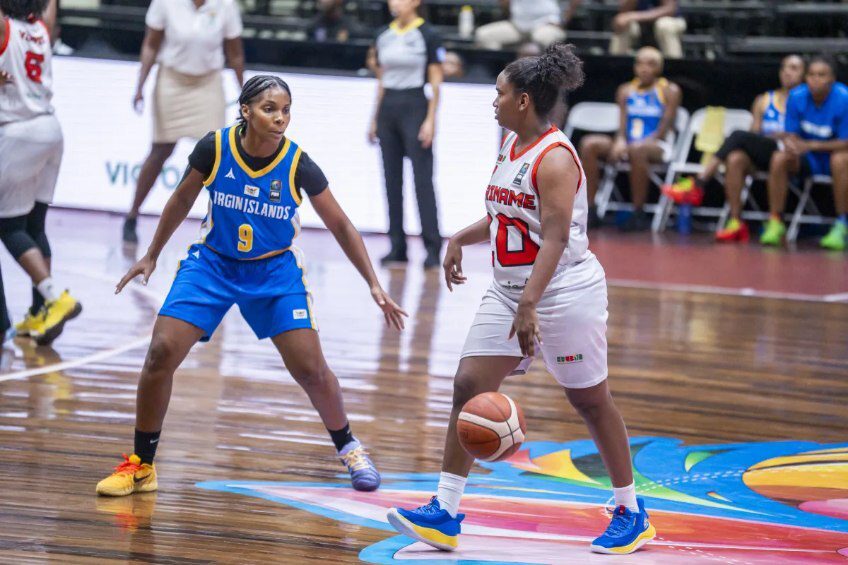
The USVI has two remaining games in the tournament. They are playing Jamaica at 4:30 p.m. on Saturday, Nov. 15, at the Cliff Anderson Sports Hall in Georgetown, Guyana. A win will ensure that they will be one of the three teams moving on to the next round. Their final game will be on Sunday, Nov. 16, where they will face The Bahamas.
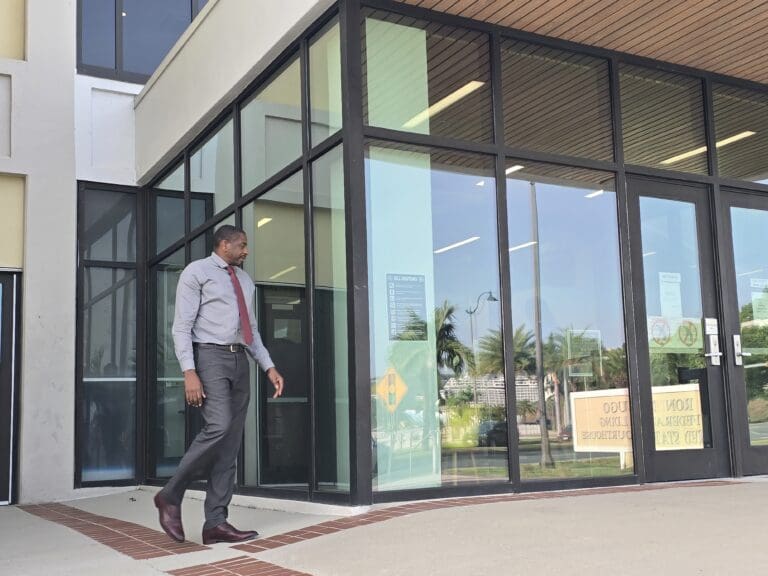

A federal judge on Friday denied requests from former Sports, Parks and Recreation Commissioner Calvert White and business owner Benjamin Hendricks to secure a new trial or acquittal on the charge of wire fraud, one of two charges the pair were both convicted of last summer.
A jury found White and Hendricks guilty of honest services wire fraud and bribery in late July after a weeklong trial in the U.S. District Court on St. Thomas. Their attorneys quickly asked for a new trial on the basis of an answer Judge Mark Kearney gave to jurors during their deliberations, which attorney Clive Rivers said “failed to adhere to the rules of evidence that questions of fact should always be determined by the jury.”
“We read Jury Question 3 as including a question of law,” Kearney wrote in an opinion dated Friday. “The United States agreed. Commissioner White and Businessperson Hendricks did not. They objected to answering the question at all as invading on the jury’s province. We agreed with Commissioner White and Businessperson Hendricks to not comment on whether there is common knowledge about WhatsApp and text messages and phone calls using servers outside the Virgin Islands. But we disagreed as to providing the jury with the definition of wire fraud as part of Jury Question 3.”
Jurors had asked Kearney whether it was “common knowledge” that text messages, WhatsApp messages and phone calls between people in the U.S. Virgin Islands use networks, systems or servers outside of the territory — and whether those communications are considered wire transactions.
“Ladies and gentlemen, you are presenting a question of both a fact and a law,” Kearney told the jury at the time. “As I mentioned to you yesterday, I don’t get involved in questions of fact. That’s entirely your province. You decide as to questions of fact. However, there is a question of law built into this as well, and I want to read to you what the question of law, I believe, is. Use of the telephone, internet, text messages, email, or other similar means of communication qualifies as interstate wire communications under the act.”
Rivers later argued that Kearney and “invaded the province of the jury” with that answer and that the “existence and effect of certain communications presented a factual question that was decided by the trial court instead of the jury.”
During a telephonic hearing last week, Kearney attempted to examine which part of the answer Rivers objected to and asked whether Rivers believed that his “statement as to the law was inaccurate — that use of the telephone, internet, et cetera qualifies as a state wire communication.”
Rivers began to repeat his argument that it was a question of fact before Kearney cut him off.
“No, that’s not a fact,” he said. “Mr. Rivers, don’t play with me. Is that a question of law or a question of fact I just read?”
Rivers eventually conceded that “the law is the law.”
Federal prosecutors have said Rivers’s claims are without merit. In his response to jurors, they argued, Kearney, “after discussion with all parties, identified a potential point of confusion within the question and attempted to provide a legal standard to answer that question and clear up any uncertainty.”
Justice Department attorneys noted that jurors heard testimony about wire transfers from a FirstBank manager, Herbert Vega-Lopez, and the government’s cooperating witness in the case, David Whitaker. Last week, Kearney asked trial attorney Alexandre Dempsey to respond to Rivers’s claims that the testimony was “insufficient to prove the jurisdictional element” of interstate communications.
“I strongly disagree with that contention,” Dempsey said. “I believe Mr. Vega testified that the bank servers are all located … in the territory of Puerto Rico. Combining that with testimony from Mr. Whitaker that he was present in the Virgin Islands at that time — where he initiated the wire transfer — Mr. Vega’s testimony was that that transfer, if initiated, would have to go through FirstBank servers that are located in Puerto Rico. He additionally went on to clarify, explicitly, that there are literally no servers of FirstBank in the Virgin Islands at all.”
Kearney also recently denied a separate request from White, who was not detained ahead of sentencing, to spend three weeks in Florida next month. Kearney noted that White is required to check in with a probation officer every week and said he would allow a shorter visit, “but it’s got to be at a period of time where he sees the probation officer one week and then sees him the following week.”
Since 1999 the Virgin Islands Source – the only online newspaper of general circulation in the U.S. Virgin Islands – has been providing the community with reliable, accurate and balanced local journalism.
Contact us: visource@gmail.com
© 1999-2025 Virgin Islands Source

