Virgin Islands police are asking the public for information after a man was robbed at gunpoint Wednesday evening in Anna’s Retreat, the department announced in a press release.
At about 5 p.m. on Wednesday, the victim told police he was turning his vehicle around on a dead-end road when a red car blocked his exit. A man wearing a hood got out of the car, pointed a gun at the victim’s head, and demanded money, police said. The victim handed over his cash, and the gunman fled in the same vehicle in an unknown direction, according to the release.
The VIPD Criminal Investigation Bureau is investigating the case and urged anyone with information to call 911, the CIB at 340-774-2211 extensions 5553–5556, Crime Stoppers V.I. at 800-222-TIPS, the Chief’s Office at 340-715-5546, or the Commissioner’s Office at 340-715-5506.
Police emphasized that all tips will be kept confidential and that callers can remain anonymous.
McDonald’s is calling on the community to participate in a fundraising event for My Brother’s Workshop on Friday, Oct. 3. On this day, all proceeds from Big Mac® sales will be donated to support the charity’s education and vocational programs on St. Thomas and St. Croix.
All McDonald’s locations across the US Virgin Islands will participate in the annual Great Day fundraiser as part of McDonald’s corporate dedication to social responsibility and to support the communities they serve.
Vincent Lamazou, Managing Director of Arcos Dorados Puerto Rico and USVI is enthusiastic about the event. “Our team looks forward to this event all year. We invite everyone to join us to support My Brother’s Workshop. It’s truly a joyful occasion!”
“We’re so grateful that McDonald’s USVI continues to stand with MBW through the Great Day fundraiser. This incredible support helps us keep our doors open and creates life-changing opportunities for young people across the Virgin Islands through mentoring, education, counseling, hands-on training, and job placement.” said Chrystie Payne, MBW Assistant Program Director.
My Brother’s Workshop is a non-profit organization dedicated to providing hope, faith, education and opportunities for at-risk young adults in the US Virgin Islands. The program provides education, on the job training and job placement that has helped over 1,600 young people choose a better path, further their education, and ultimately change their lives.
Purchase a Big Mac from McDonald’s on Oct. 3 to make it a ‘Great Day’ for My Brother’s Workshop and our community. Follow McDonald’s USVI on Facebook for updates and reminders on ‘Great Day’ 2025.
Yvonne Lewis died Aug. 29, 2025.
Yvonne Lewis
Funeral Service will be Monday, Oct. 6. Viewing 9-10 a.m., Service 10 a.m. at Mt. Zion New Testament Church of God. Interment at Eastern Cemetery
Preceded in Death by:
Mother: Evelyn Kelly
Sisters: Doreen Kelly, Kathleen Browne
Brother: Ernest Browne
Daughters: Eicilma M. Stevens-Walters, Cheryl Browne
Son: Michael Browne
Survived by:
Sons: Gerard “PJ” Browne, Vincent Edward
Son in law: Ashley “Pink” Walters”
Grandchildren: Pamela “Babyloo” West, Jean “Laverne” Claxton, Sherimah Stevens, Dion “Ayatollah” Stevens (Deceased), Alexis “Rambo” Hazel, Sean “I-Shondi” Stevens, Daren “Bogle” Stevens, Alanzo “Nazie” Walters (deceased), Taj and Tajal Herbert, Tamara Herbert, Taneisha Gilbert, Tameka Browne, Talia Herbert-Vasquez, Jamicha Meyers
Great-Grand Children: Jemira, Javon, Jameel, Janique, J’Nia West, Jamoy & Jariana Manners, Valentine Dasent (deceased), Jenai & Ja’Darion Stribbling, Jamal & Tevon Claxton, Keyshanique Drew, Sha’Nisha Gidharry, Nosakhere Williams, Mychael, Naphtali, Melchi, Menelik Stevens, Myra Williams, Daren II, Amarrah, Ayanah, Macateleyah “Sage” Stevens, Ayden and Zhuri Stevens, Jamal Lewis, Shaniah & Jada Browne, Julaun & Yajaira Walters, Londyn Davis, Adanskee Henry, Jr., Celestino Santiago III, Hunter & Morgan Herbert, Tajal Herbert jr., Christian, Taneah, & Teayani Herbert, Rashamere Rivera, Anthony & Natalia Vasquez
Nephews: Culbert Browne, Trevor “Banjass” Browne, Kingsley Browne, Elroy “Sports” Browne, Elvis “Elbo” Browne, Steve Browne, Robert Browne, Terrance “Tops” Browne, Leopold Christopher
Special Friends: Oma Forbes, Aria and Gertrude Duncan, Olivia Gumbs, Erika Weekes, Alice Percival, Janice Cole, Dola Lambert, Adanskee Henry Sr., Grace Baptiste, Janice Maldonado
Arrangement by Turnbull’s Funeral Home
Congresswoman Plaskett is grateful for this resolution and is continuing to dedicate her full attention to addressing the critical needs of Virgin Islands residents.
Throughout her distinguished career—as a prosecutor in New York, at the U.S. Department of Justice, and as the representative for the U.S. Virgin Islands in Congress—Congresswoman Plaskett has maintained an unwavering commitment to integrity, the rule of law, and advocacy for those most vulnerable. She has consistently stood against sexual violence and the exploitation of women and children. The frivolous case brought against the Congresswoman was completely dismissed without any settlement payment or any other agreement whatsoever. The outright dismissal of this case—without a single dollar paid or any form of settlement—shows that the claims asserted against Congresswoman Plaskett were entirely baseless and that Congresswoman Plaskett had no involvement in Epstein’s disgusting and abhorrent activities.
The Congresswoman has consistently stated that Jeffrey Epstein’s actions against the plaintiffs and countless other women were absolutely reprehensible. She remains hopeful that all of Epstein’s victims receive the justice and closure they deserve and continues to pray for their healing and recovery.
Congresswoman Plaskett and her family extend their heartfelt gratitude to the many individuals who offered support and encouragement during this period.
Senator At Large, Angel L. Bolques Jr. is strongly opposing the Virgin Islands Port Authority’s proposed marine and parking fees, calling them regressive and unfair to the people of St. John—an island already carrying the highest cost of living and the least access to public services in the territory.
The proposed fees include: An Additional Passenger Fee for Non-Drivers at the Red Hook Barge Ramp. A Cargo Overflow Staging Fee and A Paid Parking System at the Victor Sewer Marine Facility lot (across from the Cruz Bay Post Office).
Unlike St. Thomas and St. Croix, St. John lacks full-service public infrastructure, including a fully operational fire station, a Human Services office, a Youth and Recreation Center, and medical facilities, among others. Many government departments do not maintain full local offices on St. John, and those that do often operate with limited hours, reduced staff, or restricted services. As a result, residents are often forced to travel to St. Thomas at their own expense for essential services, appointments, and basic necessities.
VIPA’s 2025 Marine Tariff currently exempts cargo transported between St. Thomas and St. John from ship dues and applies reduced wharfage fees—explicitly recognizing the economic and logistical dependency between the two islands. “These exemptions exist for a reason. They acknowledge the hardship,” said Bolques. “So why now are we proposing to reverse course—without any improvement in services?”
Senator Bolques also highlighted that VIPA’s Airline Incentive Program grants 100% landing fee waivers and 50% reductions in terminal and user fees to airlines expanding service into the territory.
Meanwhile, cruise lines receive discounted port dues at St. Croix to boost tourism traffic.
“If VIPA can give generous breaks to billion-dollar airlines and cruise lines, it can afford to treat St. John residents with fairness,” said Bolques. “This kind of imbalance is deeply concerning.”
Here is why the Proposed Fees Are Unfair to St. John Residents
1. Red Hook Barge Ramp – Non-Driver Passenger Fee
· Discriminates against non-drivers, including seniors, young people, low-income residents, and those without access to vehicles.
· No added infrastructure or service improvements—just an extra charge to get on the barge.
· Creates a two-tier travel system that penalizes accessibility. (Vehicle + Passenger)
2. Cargo Overflow Staging Fee
· Raises costs for nearly all goods brought into St. John.
· Hurts small businesses already moving supplies and goods from St. Thomas to St. John
· Residents will pay more for food, fuel, construction materials, and basic essentials—on an island where prices are already the highest.
3. Paid Parking at the Cruz Bay VIPA Lot
· Removes free access to a central location historically used by residents for daily tasks—mail, banking, errands, and ferry transit.
· Targets locals, not tourists or transient traffic.
· Introduces a new cost without any plan for improvements, maintenance, or security.
“VIPA may be meeting with the public, but what we need is a fair plan—one that matches what people pay with the services they actually receive,” said Senator Bolques. “Right now, that balance doesn’t exist. These proposed fees would only make life harder for those who already face the greatest challenges. We should be closing that gap—not making it wider.”
He continued: “Charging a non-driver passenger fee at Red Hook is essentially taxing people for not owning a car. When many residents can’t afford a vehicle, insurance, or the barge fee to begin with, this kind of charge hits the most vulnerable the hardest.”
“I remain committed to standing against any policy that places an unfair burden on our people—especially those in communities that have historically been underserved,” said Senator Bolques. “My focus has always been on equity, access, and accountability. I will continue to fight for fair, lasting solutions that improve the quality of life for all Virgin Islanders and ensure that no one is left behind,” he concluded.
Elroy Hill of St. Thomas, VI and residing in Montgomery County, Maryland passed away on Sept. 20, 2025, at age 86.
Elroy Hill
Elroy was born on November 13, 1938, to the late Valdemar A. Hill Sr. and Florence C. Hill, on Charlotte Amalie, St. Thomas, US Virgin Islands.
He is survived by his wife Lorraine of 60 years and his son Mark, daughter-in-law Rosanna, step-grandson-Jene Andre Garcia, granddaughter-in-law, Jomyka and great grandchildren, Markus and Harper Lilly.He is also survived by five siblings: Milton Malone, Valdemar Hill Jr. PhD., Donald Hill, along with Kathleen Hill Dyer, and Florence Hill Trent PhD. He is preceded in death by siblings: Elsie Hill Chinnery, Edwin Hill, Evan Hill, and Roger Hill.
Elroy is also survived by his Aunt and Uncle, Mavis H. Brady and Guy Donovan, Sisters-In-Law, Charlene, Jennifer, and Lorraine D. Hill, and Brothers-In-Law, Lowell Dyer, Wendell Trent, and Eugene A. Marteen along with many nieces, nephews, great-nieces, great-nephews, and numerous cousins. We also recognize his extended families to include the Vanterpool, Donovan, Sprauve, Blyden, Chinnery, and Vialet families, as well as special friends, Cecilia Rivera-Hill, Linda Hill, and Gail Calwood.
Elroy was always very dedicated to his family, career, and community. His leadership and caring for his extended family have always been appreciated and recognized.He also lived a very active working life that spanned several global geographies and occupational areas. He started his working career in the U.S. Air Force where he was initially deployed to Japan for two years with his subsequent two years deployed throughout the continental United States. During his Air Force career, he served as a Personnel Specialist and attained the rank of Airman 2nd Class and was awarded the Good Conduct Medal for his performance and conduct.After his service in the Air Force, he returned to St. Thomas and joined the U.S. Virgin Islands Department of Finance for approximately 2 years before transitioning to the U.S. Virgin Islands District Court as a Court Assistant. After a few years, Elroy resigned his position with the Court and moved to New York City, where he worked for Twentieth Century Fox during the day and attended Pace College in the evening. However, after living nine months in New York City, he returned to St. Thomas due to illness and convalesced at his parents’ home before going back to work for the Department of Finance. Aided by his strong determination to succeed, he completed additional accounting courses from the College of the Virgin Islands and Lasalle Extension University which advanced his career from Bookkeeper to Accountant, Auditor, and finally Senior Auditor. He often indicated that his years at the Department of Finance were very rewarding because of the knowledge, skills and experience acquired. Subsequently, he joined the Virgin Islands Office of Community Services within the Office of the Governor and served as Business Manager and Director. He was also a member of the State Manpower Planning Council of the Virgin Islands Community Action Agency Programs and was elected Chairman of the Board of another local non-profit economic development corporation. These positions gave him a wealth of administrative, management and leadership experiences.
However, recognizing that the practicality of job experience also needed to be balanced with formal education, he attended the College of the Virgin Islands and received his Associate of Arts degree in Business Administration in 1972. This positioned him to become a member of the Cabinet of Governor Cyril E. King as the Executive Director, for the Office of Community Services.
In 1976, Governor Cyril E. King appointed Elroy and his wife Lorraine to the first Inter-Governmental Personnel Assignment (IPA) to the U.S. Department of Interior from the Virgin Islands. Elroy was the first Desk Officer for the U.S. Virgin Islands at the U.S. Department of Interior, Office of Territorial Affairs. After his service with the IPA, Elroy made a serious decision to remain in the Washington, DC metropolitan area (Montgomery County, MD) in order to provide a better education for his son, Mark. He quickly found employment as Personnel Director with Dynamac Corporation in Rockville, MD, a government consulting firm of approximately 300 employees at the time. He quickly advanced to Vice President of Human Resources and remained with the company for 30 years prior to retiring. Elroy also leveraged his professional background with the community as a Board Member of the 22nd Division of the Rockville, Maryland Lions Club.
Although Elroy was dedicated and active in his professional and working life, he always remained dedicated and active in his church and religious life at St. Andrews Lutheran Church in Silver Spring, Maryland. For many decades, he was an usher and a greeter for Sunday worship services, taught Bible Study Classes, and engaged in many of the church’s religious programs. He always looked forward to socializing and having coffee and danish after Sunday service. His dedication to church and religious life was built on his baptism and childhood in the Frederick Evangelical Lutheran Church on St. Thomas, VI.
Elroy will always be remembered for his caring love and leadership to his entire family. In particular, he is remembered for transitioning his mother to Maryland to live with him and his family, which allowed her life to blossom in her latter years.
Elroy will be put to rest on Oct. 10 in Silver Spring, Maryland.
May he rest in eternal peace with the Most High.
The Government Employees’ Retirement System announced Wednesday that it has once again received less than promised from the Matching Fund special purpose vehicle, underscoring how shaky rum revenues have left the pension system vulnerable despite a recent federal win.
In an emailed statement, GERS Administrator Angel Dawson said the Oct. 1 debt service payment from the Public Finance Authority fell short by more than $21.7 million. Combined with shortfalls in 2023 and 2024, the system has received $112.2 million less than pledged under the Indenture of Trust. “Those who thought that the rum excise tax cover-over rate being permanently set at $13.25 per proof gallon would guarantee promised funding to the GERS should note that it was not made retroactive by Congress, as was hoped,” Dawson said.
Rum Cover-Over and the Matching Fund Vehicle
The pension system has relied heavily on revenues from the federal rum excise tax. Those funds, known as “cover-over” revenues, are collected on every proof gallon of rum produced in the Virgin Islands and sold on the U.S. mainland, then remitted to the territory. In 2022, the government securitized those revenues by creating the Matching Fund Special Purpose Vehicle — a financing structure that issues bonds backed by future rum cover-over receipts. The idea was to stabilize GERS by directing between $82 million and $158 million annually into the system for the next 30 years.
But the payments have been unevenly distributed, according to GERS, with smaller amounts front-loaded and larger ones later in the schedule. Coupled with declining rum sales and Congress’s decision not to make the new $13.25 cover-over rate retroactive, the SPV has already delivered less than anticipated. Dawson pegged the losses at $34 million in 2023 and $56.4 million in 2024.
At a July press briefing, Gov. Albert Bryan Jr. celebrated Congress’s decision to permanently lock in the $13.25 rate, long considered the territory’s most important revenue stream. For years, the Virgin Islands had relied on temporary extensions that applied retroactively. The new law makes the higher rate permanent starting in 2026 but does not cover the gap since the last extension expired in 2021.
Bryan acknowledged the short-term squeeze, noting tequila’s rise in popularity and rum producers’ attempts to regain market share. “Spirits flow up and down,” he said at the time, adding that the administration has been actively seeking to attract additional rum companies to the territory.
Board Tries to Act – But Then Gets BlockedTo shore up funding, the GERS board of trustees last September voted to raise the employer contribution rate from 23.5% to 26.5%. The increase was initially scheduled for January 2025 but was postponed after Bryan warned in a November 2024 letter that it would be “unsustainable” without clarity on rum revenues. In June, the board reaffirmed the hike for Oct. 1, citing its fiduciary duty.
The Legislature quickly stepped in. Last month, senators passed a measure amending Title 3 of the Virgin Islands Code to strip the board of authority to unilaterally increase contribution rates. The bill not only requires legislative approval for any future hikes but also resets the employer contribution rate at 23.5% for FY 2026, which could nullify the board’s October increase.
On Wednesday night, Bryan confirmed to the Source that the bill is among the measures – to include the FY 2026 budget bills – he signed into law this week. While stopping short of prescribing next steps, he suggested the responsibility could now rest with lawmakers to help address the shortfalls, since they have assumed control over how contribution rates are set.
For Dawson, the debate reflects a larger crisis. “Now that the board has been summarily stripped of that statutory authority … the countdown towards insolvency has begun,” he said Wednesday, citing actuarial forecasts that project depletion between 2033 and 2039.
The trial of Richardson Dangleben Jr., which was scheduled to begin Monday in District Court on St. Thomas, has been canceled and removed from the trial calendar until the Third Circuit considers two interlocutory appeals by the prosecution, including whether it may proceed as a death penalty case.
District Court Chief Judge Robert Molloy issued the order Wednesday, a day after the U.S. Justice Department gave notice that, besides appealing the death penalty ruling, it also plans an interlocutory appeal from his order dismissing two counts of Dangleben’s indictment.
The Third Circuit Court of Appeals last week said it would refer the DOJ’s appeal of Molloy’s order striking the death penalty from the record — and the defense’s motion to dismiss that appeal on jurisdictional grounds — to a merits panel for consideration after expedited briefing. It told the government then that it should promptly give notice of any intent to appeal the dismissal of charges so the related matters could be heard together.
The ruling by Third Circuit Judges Thomas M. Hardiman, Stephanos Bibas and Arianna J. Freeman stipulated that the DOJ’s brief must be filed within 14 days of Friday’s order, the defense’s brief within 14 days after that, and the government’s reply brief within seven days thereafter.
The clerk will calendar the appeals before the panel scheduled to sit in the U.S. Virgin Islands during the week of Dec. 8, according to the order.
A grand jury returned a 13-count indictment against Dangleben in October 2023, charging him with violations of federal and territorial laws in connection with the shooting death of V.I. Police Detective Delberth Phipps Jr. on July 4 that year, and the assault of another officer who also responded to the 911 call concerning a man with a gun in Hospital Ground on St. Thomas.
While the DOJ said in February 2024 that it would not seek the death penalty, it reversed course in May after an executive order from President Donald Trump lifting former President Joe Biden’s moratorium on federal executions. Dangleben’s attorney, Public Defender Matthew Campbell, filed a motion opposing the about-face and after briefing by both sides, Molloy struck the government’s notice from the record in August, ruling that the case will proceed as a non-capital case.
The DOJ appealed that order to the Third Circuit on Sept. 15, raising jurisdictional questions as to whether it can do so while the case is ongoing. Campbell filed an emergency motion to dismiss, or to at least hear the appeal on an expedited basis, on Sept. 19.
On Sept. 25, Molloy issued an order dismissing Counts 2 and 3 of the superseding indictment — discharge of a firearm in furtherance of a crime — that Campbell argued failed to state an offense under the United States Code because the predicate offenses upon which the charges are based are local territorial offenses.
Since the notices of appeal, three attorneys with the Federal Community Defender Office for the Eastern District of Pennsylvania, who have specialized expertise in capital litigation, have been appointed to serve as co-counsel for Dangleben. Learned counsel Allison Ferber Miller, an expert in death penalty cases, was appointed in February after the DOJ indicated its intent to reverse its no-seek notice.
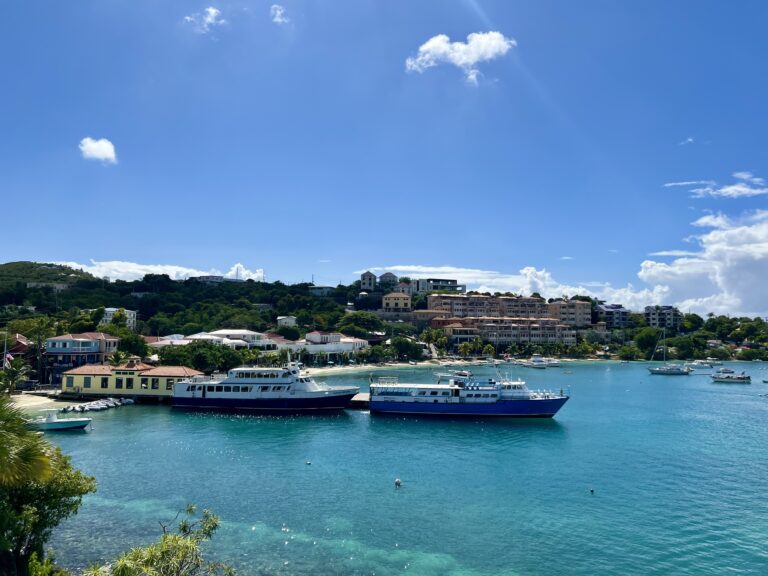
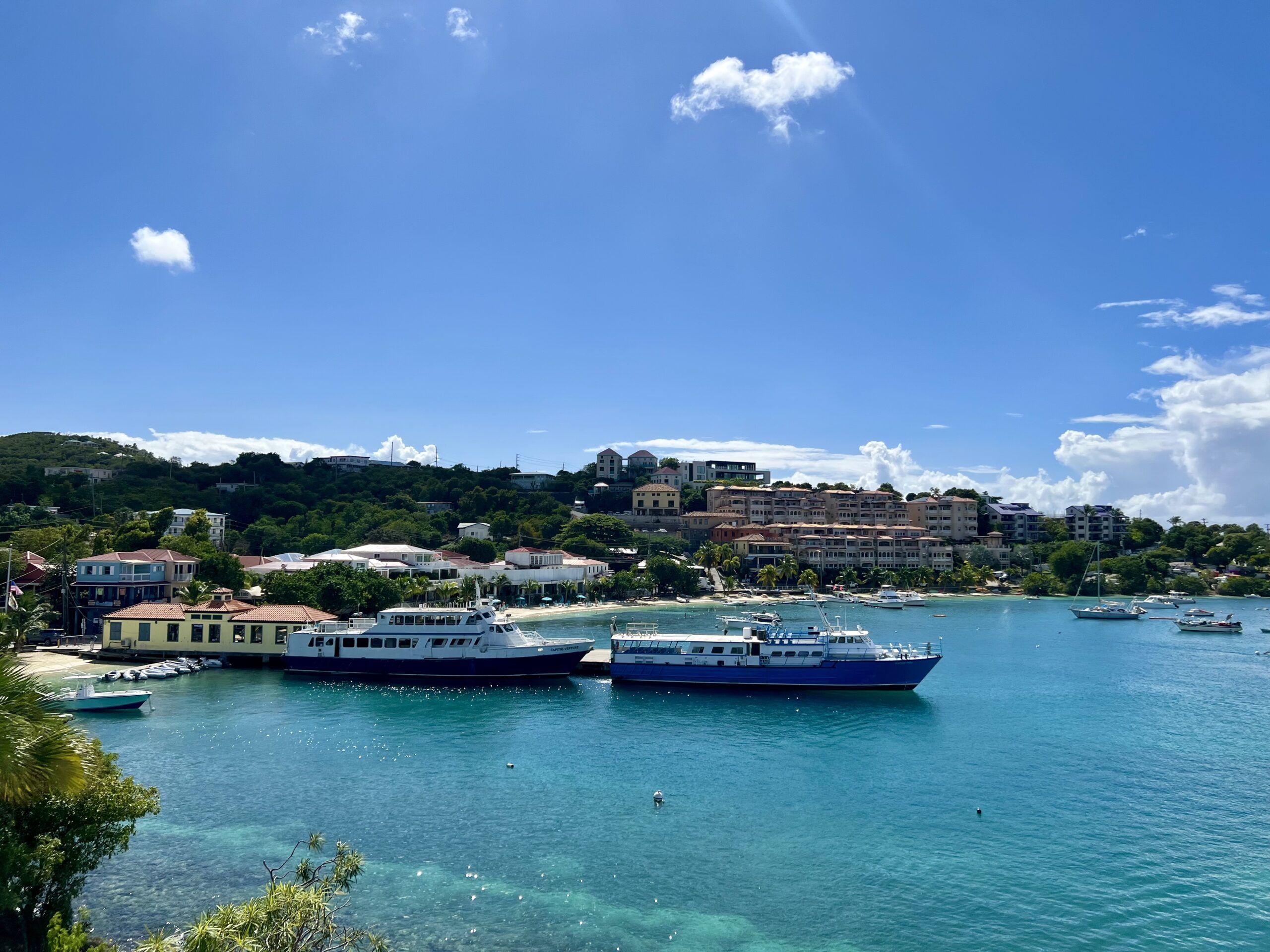
Ferries line up at the dock at Cruz Bay. (Source photo by Amy H. Roberts)Editor’s Note: Since this story was posted Wednesday night, VIPA has made the rates available. Click here to view the rates.
St. John residents are waiting anxiously to hear the details regarding a slate of fee increases proposed by the Virgin Islands Port Authority.
The new fees will affect businesses, residents and visitors throughout the territory, but they’re likely to have the greatest effect on St. John residents and businesses who depend on ferries and barges for critical services.
Details regarding the fees have not been made available, but VIPA plans to hold meetings on all three islands next week to present its proposals.
The meetings will take place on St. John, St. Thomas, and St. Croix from 6 p.m. to 8 p.m. on the following dates:
St. John: Oct. 6 at the Cleone Creque Legislative Hall in Cruz Bay.
St. Thomas: Oct. 7 at the VIPA Administrative Building’s conference room at 8074 Lindbergh Bay.
St. Croix: Oct. eight at the Henry E. Rohlsen Airport Terminal, Port Authority conference room on the second floor.
According to Monifa Marrero-Brathwaite, VIPA’s public information officer, the presentations will cover:
Proposed Adjustments to Existing Fees:
Red Hook Barge Ramp Fees
BVI International Per Passenger Ship Dues & Wharfage
Docking Fees
Pilotage Fees
Parking Rates at the Urman V. Fredericks Marine Terminal, Red Hook
Proposed New Fees:
Red Hook Barge Ramp Additional Passenger Fee for Non-Drivers
Cargo Overflow Staging Fee
A paid parking system at VIPA’s parking lot at the Victor Sewer Marine Facility in Cruz Bay. (The lot across from the post office)
Myrtle Barry, a St. John business owner and community activist, wondered whether the Port Authority is truly open to discussing the proposed fees at the meetings. “Is this a public hearing,” she asked, “or has all of this already been decided?”
Barry said increased fees to the ferry and barge companies are likely to be passed on to passengers. “On St. John, we have to travel to St. Thomas to go to a hospital, a courthouse, and to get basic government services. If I’m buying a ferry ticket, won’t the increased port fees be reflected in the price? And if I’m traveling to the BVI, I’m being hit with two more increases, a docking fee and an international passenger fee.”
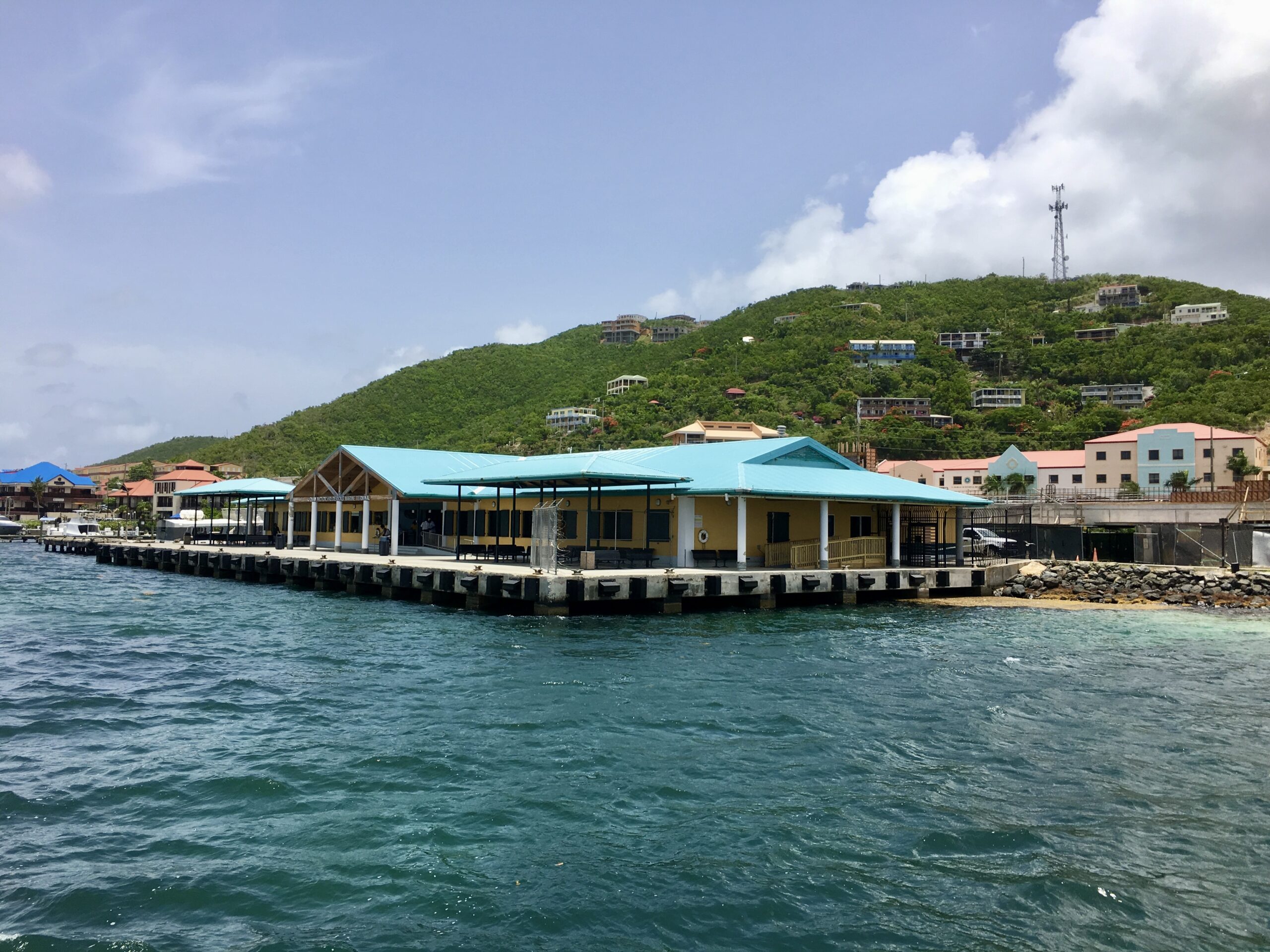
The Urman V. Fredericks Marine Terminal, Red Hook. (Source photo by Amy H. Roberts)
“The increases will be a burden on all of us,” said Delrise Varlack, general manager of Varlack Ventures, one of two ferry companies that share the franchise for operations between Cruz Bay and Red Hook.
Varlack said she has not seen details of the proposed increases and couldn’t speculate on whether ferry ticket prices would be increased. The Public Services Commission sets the prices for ferry tickets based on a complex set of calculations, she said, and the commission would have to implement a rate investigation if the ferry companies didn’t absorb the fees.
“People will blame the rate increases on us,” she continued. “I know Port Authority needs to generate funding to maintain the facilities, but St. John is seen as a cash cow.”
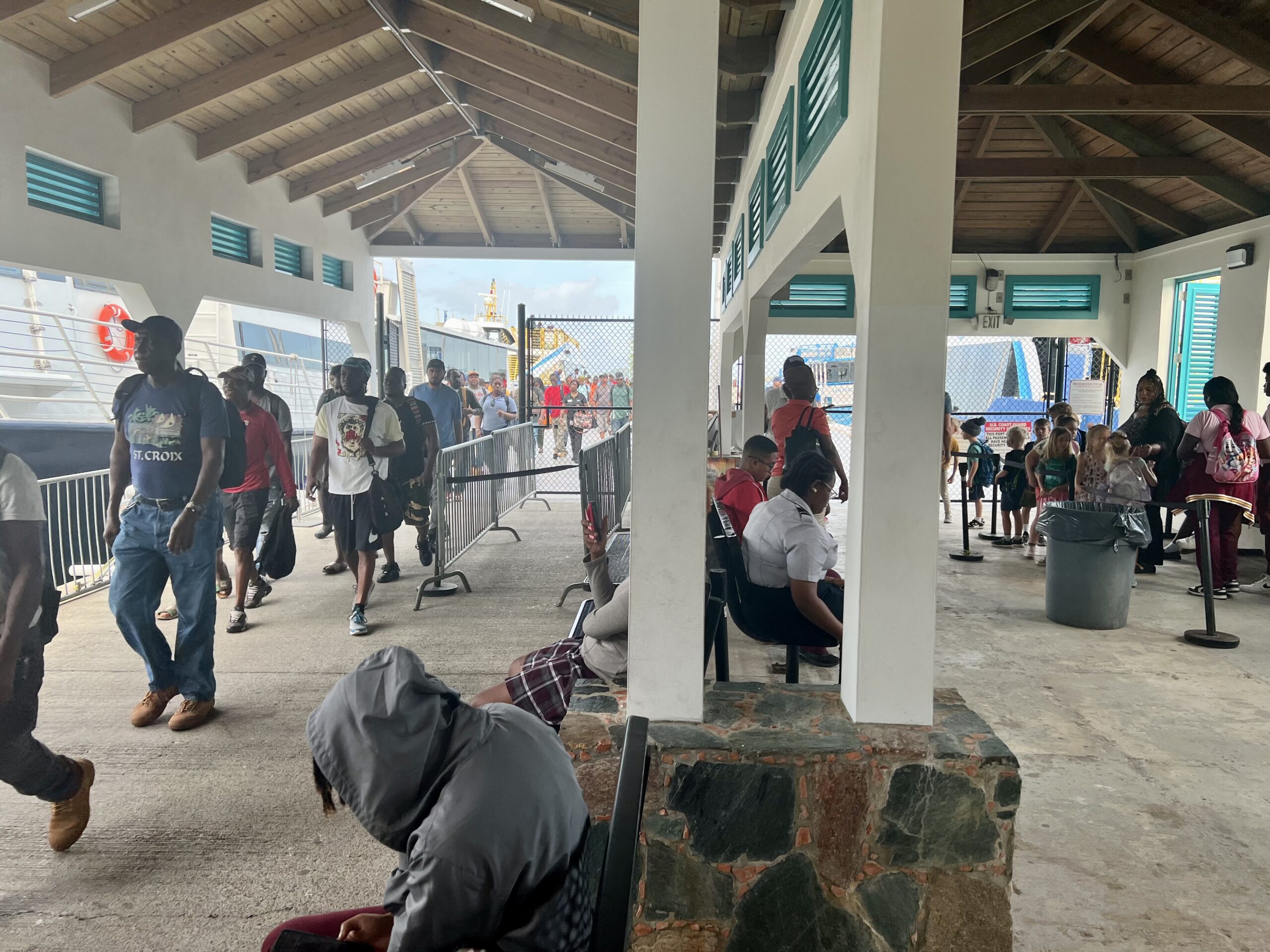
Passengers from St. Thomas stream off the ferry in Cruz Bay on a morning in 2024. (Source photo by Amy H. Roberts)
Ferry ticket prices vary depending on whether the passenger is a commuter, a resident, a senior or a student. The Education Department currently covers the tickets for students and teachers who commute between St. Thomas and St. John, and Varlack wondered who would be responsible for the additional fee increases for them.
One barge company official also said she didn’t know any details about the proposed rate increases. They haven’t told us anything yet,” said Anecia Sewer, vice president and CEO of Love City Car Ferries. “But St. John doesn’t have a dialysis center or a public high school. I can’t see how the government can do this to the people of St. John,” she said.
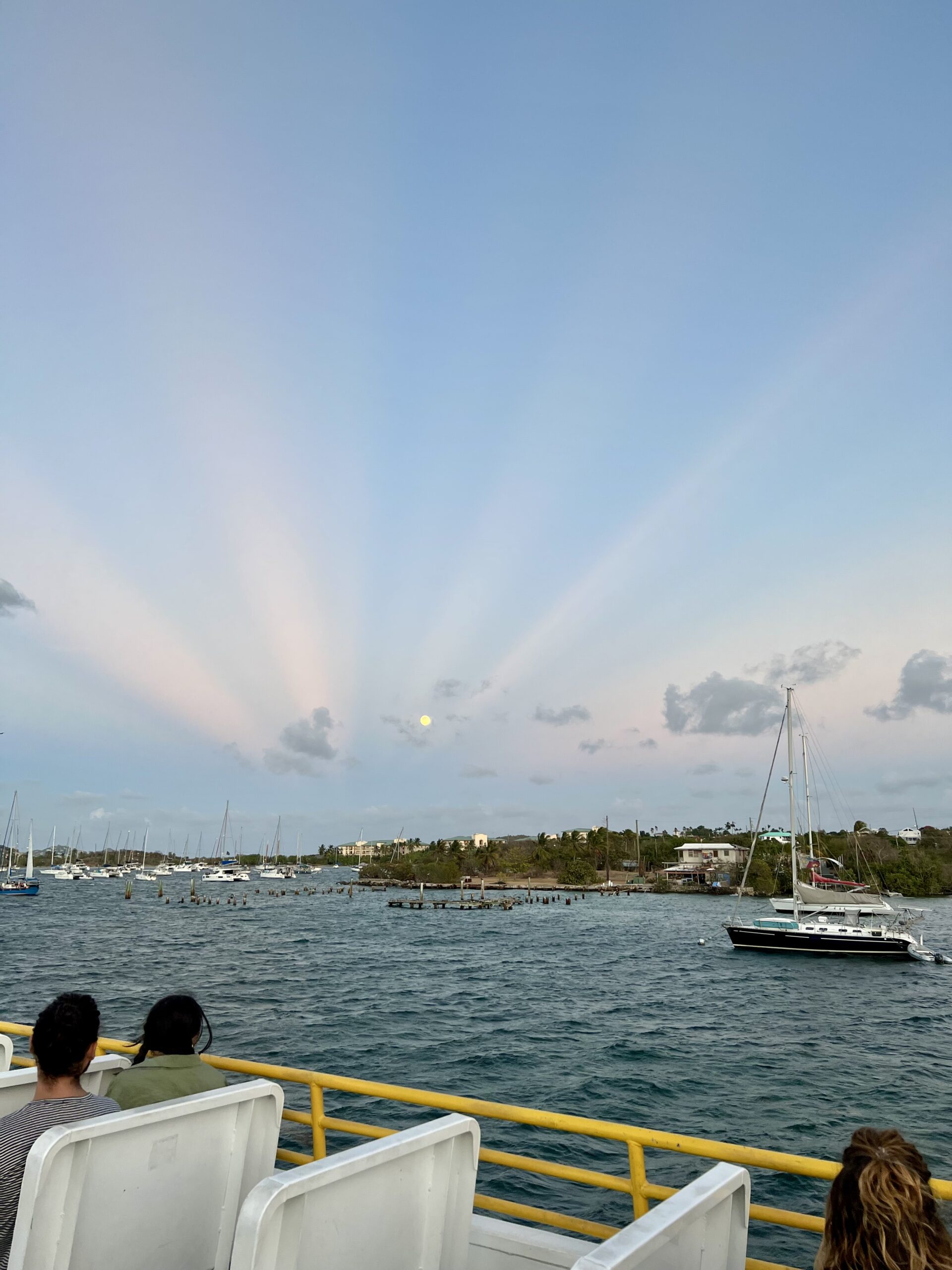
Passengers on the ferry from St. Thomas to St. John enjoy a moonrise. (Source photo by Amy H. Roberts)
Sewer said her company has tried to keep barge fares low, but after 15 years at the same rate, Love City Car Ferries raised the round-trip rate from $50 to $65 last year. She said small businesses depend on barges to bring goods from St. Thomas to St. John, so an increase in barge fees would inevitably lead to higher prices for everything from groceries to lumber.
Perhaps most upsetting to St. John residents is the proposal to start charging for parking across the street from the post office at the lot next to the U.S. Customs facility — officially called the Victor Sewer Marine Facility.
When he announced the implementation of parking fees at the gravel lot near the barge terminal in 2019, Carlton Dowe, executive director of the Port Authority, defended the move by saying free short-term parking would remain available at the Customs lot.
Carlton Dowe, executive director of VIPA, addresses an audience at a public meeting on St. John in February 2025. (Source photo by Amy H. Roberts)
VIPA officials say charging for parking at the Victor Sewer Marine terminal lot would benefit St. John residents because people would no longer be able to grab a spot and park for days or weeks at a time. But locals depend on parking — or double parking there — when they run into the post office or wait for passengers who are coming off the ferry.
“There would be no (free) parking left in Cruz Bay!” said Barry. She also opposes the plan to charge for passengers in cars that are transported by barges. “The fee is now based on the car size. Now you’re going inside my car to nickel and dime my passengers? That’s ridiculous,” she added.
No doubt there will be a big turnout for the upcoming meetings, especially the one on St. John on Oct. 6.
Stakeholders can also participate in the meetings via Zoom by registering online at www.viport.com/events. VIPA’s current marine tariff can be downloaded from its website at www.viport.com/rates-statistics. For any questions, please contact the authority’s public relations office at 340-774-1629 ext. 6640 or email info@viport.com.
At least 90 charter boats that usually sail out of the USVI have relocated to the BVI for the 2025-2026 season, industry officials said. (Source photo by Mat Probasco)
The flotilla of charter boats relocating to the British Virgin Islands after new fees were introduced in June will take with it nearly $14 million in seasonal economic activity, U.S. Virgin Island industry officials said. It may be only the start.
As the 2025-26 tourism sailing season starts, at least 90 boats previously positioned in the USVI will operate from the BVI, sailing off with an estimated $13.986 million in direct financial activity, said Kennon Jones, executive director of the Virgin Islands Professional Charter Association.
The downstream economic loss could be much higher once the industry’s ancillary spending is considered. The 90 boats represent at least 180 crew, plus potential shoreside employees like managers, bookkeepers, marketers, and more.
“… At the very minimum, and that’s just the lost direct economic spend, which is then multiplied throughout the economy – the cleaning company that is now going to be down 50%, for example, has 50% less revenue to spend on their groceries, business expansion, travel, entertainment, et cetera,” Jones said. “Cleaning, provisioning, flowers, maintenance, laundry, and the trickle down, or lack thereof.”
When introduced, BVI lawmakers partially justified the fee increases because they hadn’t changed in so long, more than 30 years in some cases.
Jones said the actual increases implemented went far beyond reasonable changes due to inflation. The 1992 fee per term charter under 115 feet was $800. Adjusted for 2025, that fee would be a little more than $1,875. The new fee is $7,500 — an increase of more than 837% and nearly 300% above what could reasonably be attributed to inflation, he said.
Day sailing charters and dive boats got hit even harder, with the fee going from $200 to $8,500 — a 4150% increase that is more than 1,710% higher than an increase based solely on inflation, Jones said.
“The BVI’s goal is, it seems, is to bring all charter business to the BVI and prevent charters based in the USVI from operating in the BVI. While they won’t ever openly prohibit USVI based vessels, they will continue to make it either prohibitively expensive, prohibitively bureaucratic or, a combination of both in order to effectively make it not worth it to operate in the BVI,” he said.
Some charter operators told the Source they were planning on cutting the BVI out of their normal tours. Others, with more boats, said spreading the fees across their fleet but that, ultimately, the consumer will pay for it.
While the USVI has plenty to offer vacationing boaters, it’s a different product from the BVI. Somewhat paradoxically, the American islands — often portrayed as rowdier than the relatively sedate British islands — appeal to boaters content to visit beautiful beaches and snorkel.
With similarly lovely beaches and water activities, the BVI has spent decades building up unique, grassroots bars and restaurants that appeal specifically to boaters. Recent USVI rivals to these attractions — like LimeOut, Pizza Pi, and Lovango — are excellent, Jones said, but can’t approach the BVI’s boater-bar favorites, some of which border on the legendary: the Soggy Dollar, Foxy’s, the Willie T, Marina Cay, the Last Resort, and more.
Jones pleaded for the USVI to add boating infrastructure of another kind as well. The territory doesn’t have shipyard and repair facilities that could service the charter fleet. The BVI has two: Nanny Cay and Virgin Gorda Yacht Harbor.
“To be competitive, the USVI desperately needs a world class shipyard and haul out facility. The USVI loses untold millions in business in this sector alone to the BVI each year simply because we do not have the infrastructure in place. Extending EDA benefits as proposed in the Marine Revitalization Act to potential developers of such a facility hopefully can finally get one going. Previous proposals and ideas attached for facilities at Havensite and/or the old Cancryn school,” Jones said.
The COVID-19 pandemic shook up the Virgin Islands charter industry — with the BVI restricting visitors and the USVI remaining largely open. It shattered what had been a symbiotic inter-island relationship, Jones said.
Putting all the boats in one spot won’t work, he said. There is simply not enough room in the BVI to add all of the USVI’s charter vessels and crew. Jones said it would be very difficult for the USVI charter industry to survive without easy access to the BVI.
“Neither territory has enough space for all of the charter yachts — bareboat and crewed. The long term solution is creating a Greater Virgin Islands Sailing Zone that facilitates travel and business between the two territories creating the best possible experience for guests,” Jones said.
The cost of doing business in the BVI goes beyond the usage fees. Some USVI vessels have been waiting months for their Commercial Recreational Vessel Licenses, Jones said.
“Few, if any, have been processed and there is little communication or update from the BVI side. Yet another layer of unnecessary uncertainty put on USVI business that are trying as much as they can to comply with the BVI’s new structure,” he said.
It’s not the first hiccup in inter-island charter commerce paperwork, Jones said.
“Before COVID, to take charter guests from the USVI to the BVI, all you had to do was go to BVI Customs, fill out standard paperwork, pay fees, and then off you went,” he said. “You simply entered the territory, did your paperwork, and paid the fees as is the normal process.”
But for the 2022-2023 season, the BVI started requiring a BVI Trade License — essentially a business license — and BVI Work Permits for any foreign-based vessel that wanted to bring charter guests into the BVI, Jones said.
“There was a massive effort to comply with this at the time by USVI-based businesses fueled by typical confusing and contradictory requirements from BVI officials. Ultimately, the BVI realized they had created a giant bureaucratic mess that they didn’t have the systems or manpower to process and ultimately cancelled the trade license and work permit requirement for that season,” he said.
Today, Jones said, foreign-based charter vessels must use a BVI agent, an additional cost of between $3,500 and $5,000, to obtain a BVI Commercial Recreational Vessel License.
“With these new fees, a typical USVI-based 56 foot catamaran accommodating eight guests with two crew is looking at over $100,000 in fixed licensing, fees, and government costs — not including variable costs such as provisions, diesel, slip fees, cleaning, maintenance, etc.,” he said.
By comparison, the same boat based in the BVI would see around $25,000 in costs.
It is now significantly cheaper to operate only in the BVI for tax reasons as well, he said. The BVI has no business income tax. Reducing gross receipts to 0% as proposed in the Marine Revitalization Act would be significant to leveling the playing field, Jones said.
Taxes aside, some Virgin Islands operators predicted the bureaucratic storm coming shortly after Sept. 11, 2001, when red tape and chain-link fences started plaguing ports of entry.
Mike Fury, captain of the day-sailing Fury Charters, watched changes in government regulations closely. He stopped chartering to the BVI in 2006, when U.S. Customs and Border Protection implemented new rules at the U.S. border. Before then, Captain Mike, as he’s known, would simply fax in photos of his passengers’ passports. When new regulations required in-person check-ins and additional paperwork, he quit the border altogether.
“It became a hassle,” he said.





 All McDonald’s locations across the US Virgin Islands will participate in the annual Great Day fundraiser as part of McDonald’s corporate dedication to social responsibility and to support the communities they serve.
Vincent Lamazou, Managing Director of Arcos Dorados Puerto Rico and USVI is enthusiastic about the event. “Our team looks forward to this event all year. We invite everyone to join us to support My Brother’s Workshop. It’s truly a joyful occasion!”
“We’re so grateful that McDonald’s USVI continues to stand with MBW through the Great Day fundraiser. This incredible support helps us keep our doors open and creates life-changing opportunities for young people across the Virgin Islands through mentoring, education, counseling, hands-on training, and job placement.” said Chrystie Payne, MBW Assistant Program Director.
My Brother’s Workshop is a non-profit organization dedicated to providing hope, faith, education and opportunities for at-risk young adults in the US Virgin Islands. The program provides education, on the job training and job placement that has helped over 1,600 young people choose a better path, further their education, and ultimately change their lives.
Purchase a Big Mac from McDonald’s on Oct. 3 to make it a ‘Great Day’ for My Brother’s Workshop and our community. Follow McDonald’s USVI on Facebook for updates and reminders on ‘Great Day’ 2025.
All McDonald’s locations across the US Virgin Islands will participate in the annual Great Day fundraiser as part of McDonald’s corporate dedication to social responsibility and to support the communities they serve.
Vincent Lamazou, Managing Director of Arcos Dorados Puerto Rico and USVI is enthusiastic about the event. “Our team looks forward to this event all year. We invite everyone to join us to support My Brother’s Workshop. It’s truly a joyful occasion!”
“We’re so grateful that McDonald’s USVI continues to stand with MBW through the Great Day fundraiser. This incredible support helps us keep our doors open and creates life-changing opportunities for young people across the Virgin Islands through mentoring, education, counseling, hands-on training, and job placement.” said Chrystie Payne, MBW Assistant Program Director.
My Brother’s Workshop is a non-profit organization dedicated to providing hope, faith, education and opportunities for at-risk young adults in the US Virgin Islands. The program provides education, on the job training and job placement that has helped over 1,600 young people choose a better path, further their education, and ultimately change their lives.
Purchase a Big Mac from McDonald’s on Oct. 3 to make it a ‘Great Day’ for My Brother’s Workshop and our community. Follow McDonald’s USVI on Facebook for updates and reminders on ‘Great Day’ 2025. 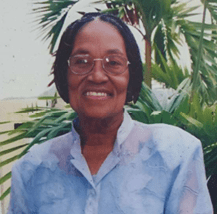



 The proposed fees include: An Additional Passenger Fee for Non-Drivers at the Red Hook Barge Ramp. A Cargo Overflow Staging Fee and A Paid Parking System at the Victor Sewer Marine Facility lot (across from the Cruz Bay Post Office).
Unlike St. Thomas and St. Croix, St. John lacks full-service public infrastructure, including a fully operational fire station, a Human Services office, a Youth and Recreation Center, and medical facilities, among others. Many government departments do not maintain full local offices on St. John, and those that do often operate with limited hours, reduced staff, or restricted services. As a result, residents are often forced to travel to St. Thomas at their own expense for essential services, appointments, and basic necessities.
VIPA’s 2025 Marine Tariff currently exempts cargo transported between St. Thomas and St. John from ship dues and applies reduced wharfage fees—explicitly recognizing the economic and logistical dependency between the two islands. “These exemptions exist for a reason. They acknowledge the hardship,” said Bolques. “So why now are we proposing to reverse course—without any improvement in services?”
Senator Bolques also highlighted that VIPA’s Airline Incentive Program grants 100% landing fee waivers and 50% reductions in terminal and user fees to airlines expanding service into the territory.
Meanwhile, cruise lines receive discounted port dues at St. Croix to boost tourism traffic.
“If VIPA can give generous breaks to billion-dollar airlines and cruise lines, it can afford to treat St. John residents with fairness,” said Bolques. “This kind of imbalance is deeply concerning.”
Here is why the Proposed Fees Are Unfair to St. John Residents
1. Red Hook Barge Ramp – Non-Driver Passenger Fee
· Discriminates against non-drivers, including seniors, young people, low-income residents, and those without access to vehicles.
· No added infrastructure or service improvements—just an extra charge to get on the barge.
· Creates a two-tier travel system that penalizes accessibility. (Vehicle + Passenger)
2. Cargo Overflow Staging Fee
· Raises costs for nearly all goods brought into St. John.
· Hurts small businesses already moving supplies and goods from St. Thomas to St. John
· Residents will pay more for food, fuel, construction materials, and basic essentials—on an island where prices are already the highest.
3. Paid Parking at the Cruz Bay VIPA Lot
· Removes free access to a central location historically used by residents for daily tasks—mail, banking, errands, and ferry transit.
· Targets locals, not tourists or transient traffic.
· Introduces a new cost without any plan for improvements, maintenance, or security.
“VIPA may be meeting with the public, but what we need is a fair plan—one that matches what people pay with the services they actually receive,” said Senator Bolques. “Right now, that balance doesn’t exist. These proposed fees would only make life harder for those who already face the greatest challenges. We should be closing that gap—not making it wider.”
He continued: “Charging a non-driver passenger fee at Red Hook is essentially taxing people for not owning a car. When many residents can’t afford a vehicle, insurance, or the barge fee to begin with, this kind of charge hits the most vulnerable the hardest.”
“I remain committed to standing against any policy that places an unfair burden on our people—especially those in communities that have historically been underserved,” said Senator Bolques. “My focus has always been on equity, access, and accountability. I will continue to fight for fair, lasting solutions that improve the quality of life for all Virgin Islanders and ensure that no one is left behind,” he concluded.
The proposed fees include: An Additional Passenger Fee for Non-Drivers at the Red Hook Barge Ramp. A Cargo Overflow Staging Fee and A Paid Parking System at the Victor Sewer Marine Facility lot (across from the Cruz Bay Post Office).
Unlike St. Thomas and St. Croix, St. John lacks full-service public infrastructure, including a fully operational fire station, a Human Services office, a Youth and Recreation Center, and medical facilities, among others. Many government departments do not maintain full local offices on St. John, and those that do often operate with limited hours, reduced staff, or restricted services. As a result, residents are often forced to travel to St. Thomas at their own expense for essential services, appointments, and basic necessities.
VIPA’s 2025 Marine Tariff currently exempts cargo transported between St. Thomas and St. John from ship dues and applies reduced wharfage fees—explicitly recognizing the economic and logistical dependency between the two islands. “These exemptions exist for a reason. They acknowledge the hardship,” said Bolques. “So why now are we proposing to reverse course—without any improvement in services?”
Senator Bolques also highlighted that VIPA’s Airline Incentive Program grants 100% landing fee waivers and 50% reductions in terminal and user fees to airlines expanding service into the territory.
Meanwhile, cruise lines receive discounted port dues at St. Croix to boost tourism traffic.
“If VIPA can give generous breaks to billion-dollar airlines and cruise lines, it can afford to treat St. John residents with fairness,” said Bolques. “This kind of imbalance is deeply concerning.”
Here is why the Proposed Fees Are Unfair to St. John Residents
1. Red Hook Barge Ramp – Non-Driver Passenger Fee
· Discriminates against non-drivers, including seniors, young people, low-income residents, and those without access to vehicles.
· No added infrastructure or service improvements—just an extra charge to get on the barge.
· Creates a two-tier travel system that penalizes accessibility. (Vehicle + Passenger)
2. Cargo Overflow Staging Fee
· Raises costs for nearly all goods brought into St. John.
· Hurts small businesses already moving supplies and goods from St. Thomas to St. John
· Residents will pay more for food, fuel, construction materials, and basic essentials—on an island where prices are already the highest.
3. Paid Parking at the Cruz Bay VIPA Lot
· Removes free access to a central location historically used by residents for daily tasks—mail, banking, errands, and ferry transit.
· Targets locals, not tourists or transient traffic.
· Introduces a new cost without any plan for improvements, maintenance, or security.
“VIPA may be meeting with the public, but what we need is a fair plan—one that matches what people pay with the services they actually receive,” said Senator Bolques. “Right now, that balance doesn’t exist. These proposed fees would only make life harder for those who already face the greatest challenges. We should be closing that gap—not making it wider.”
He continued: “Charging a non-driver passenger fee at Red Hook is essentially taxing people for not owning a car. When many residents can’t afford a vehicle, insurance, or the barge fee to begin with, this kind of charge hits the most vulnerable the hardest.”
“I remain committed to standing against any policy that places an unfair burden on our people—especially those in communities that have historically been underserved,” said Senator Bolques. “My focus has always been on equity, access, and accountability. I will continue to fight for fair, lasting solutions that improve the quality of life for all Virgin Islanders and ensure that no one is left behind,” he concluded.