





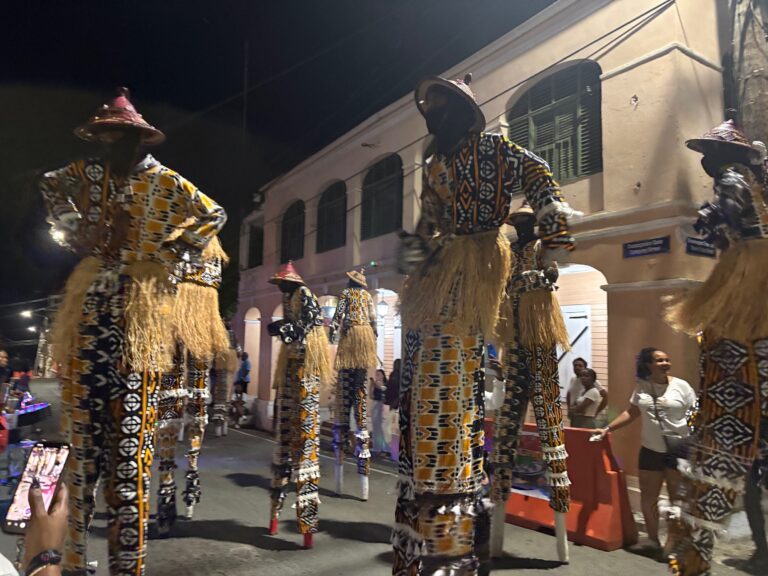
The streets of downtown Christiansted were filled with music, culture, and community spirit Friday night as May Jump Up returned to downtown Christiansted, drawing residents and visitors alike for one of the island’s signature events.
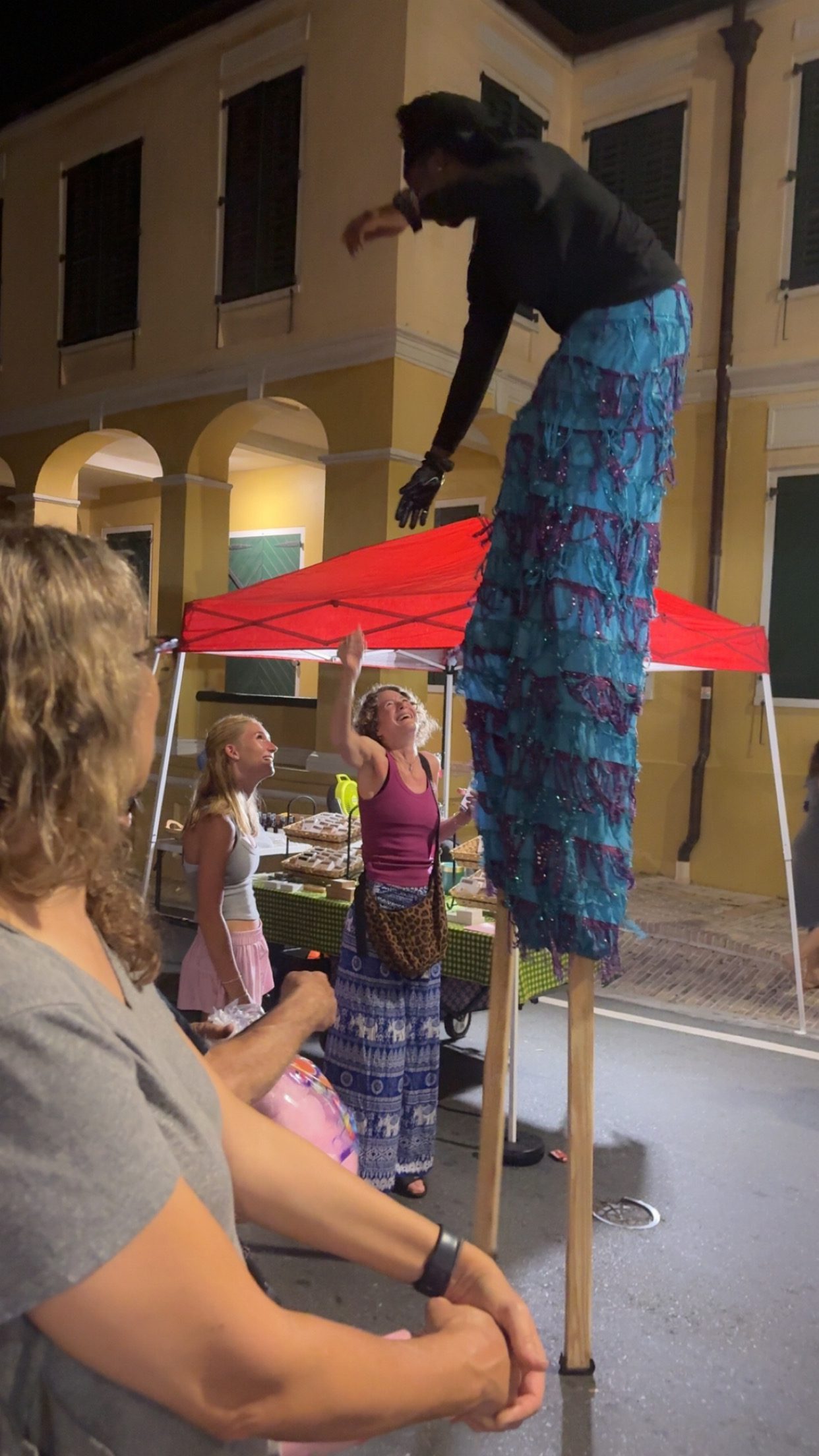
With warm temperatures and an even hotter atmosphere, the popular street festival served as an unofficial kickoff to the summer season. Thousands lined the historic streets to enjoy live entertainment, local food vendors, arts and crafts, Moko Jumbies, and the vibrant energy.
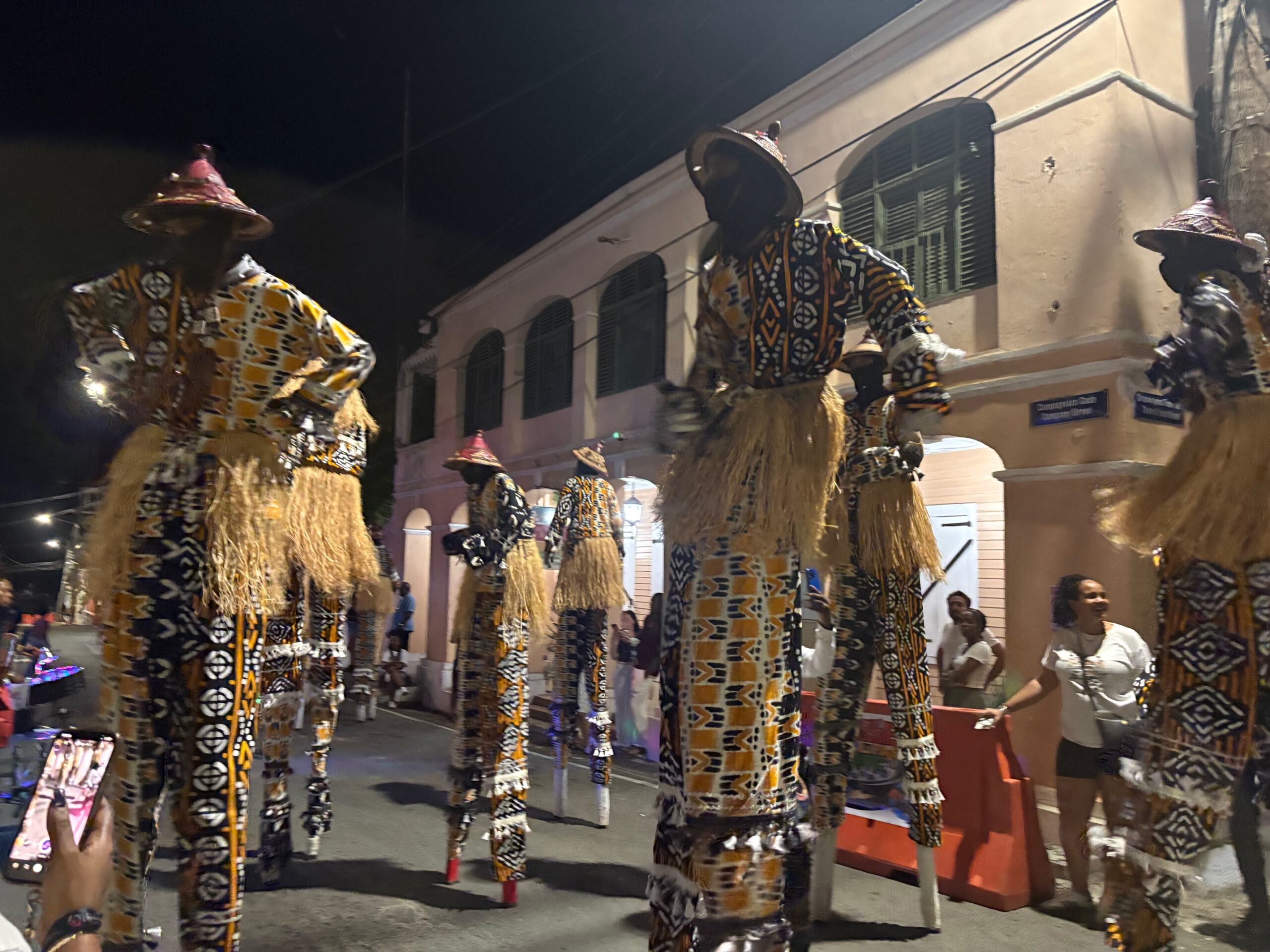
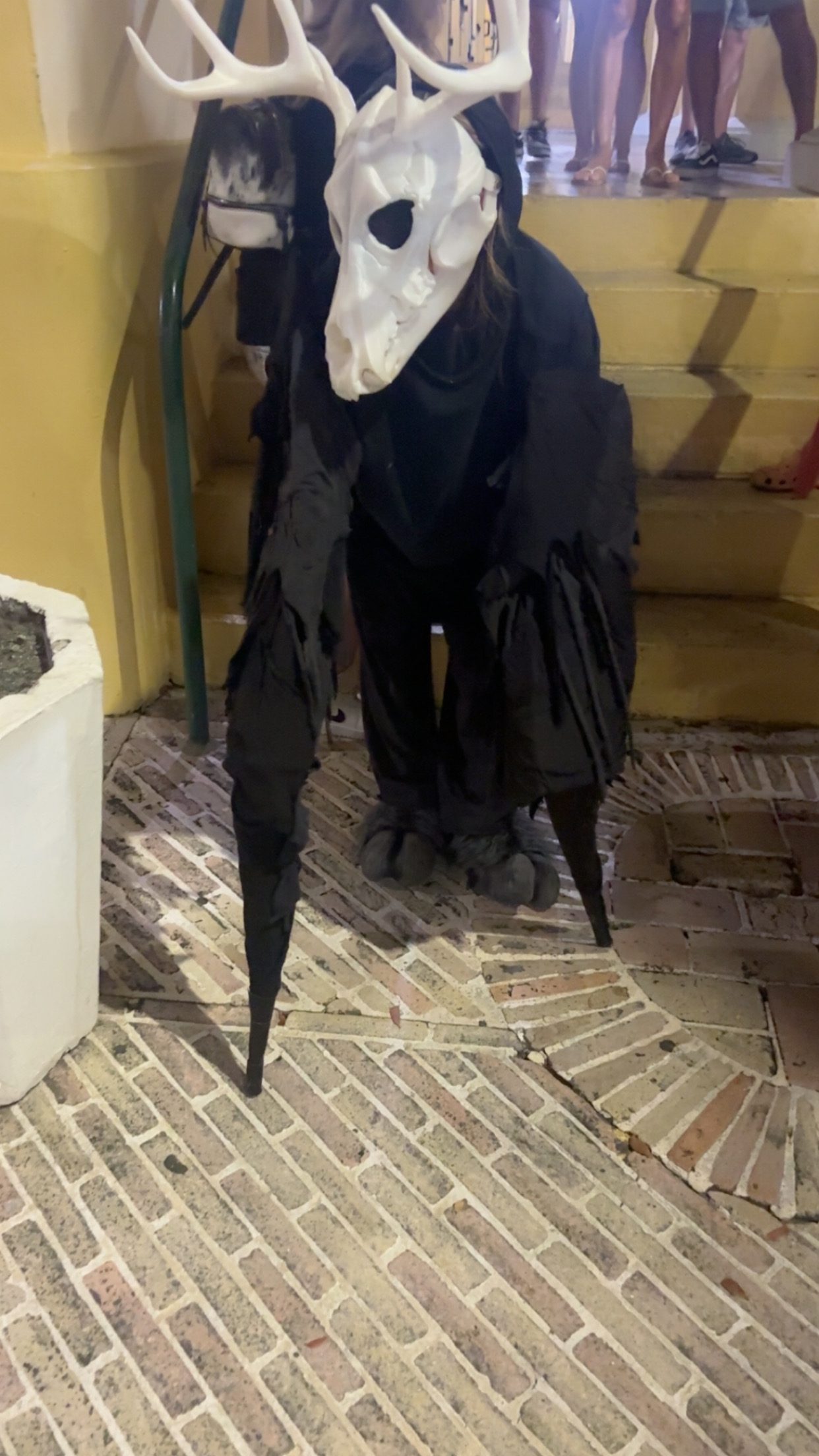
Families, friends, and tourists strolled through Christiansted’s waterfront district, taking in performances from local musicians and entertainers while supporting small businesses and vendors. The event showcased the rich culture and hospitality of St. Croix, offering something for attendees of all ages.
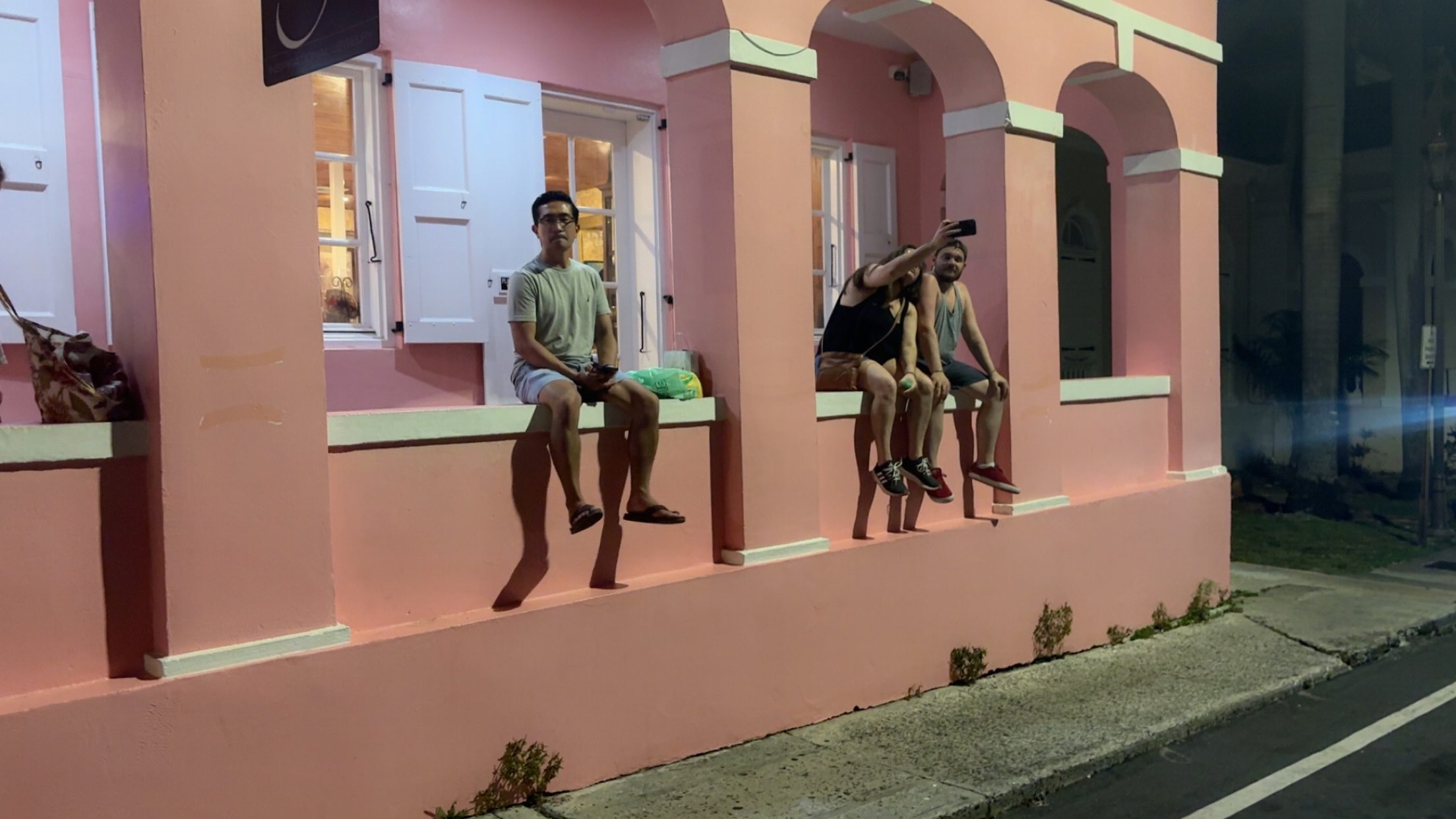
The festive atmosphere highlighted the importance of community events that bring people together while supporting the local economy.
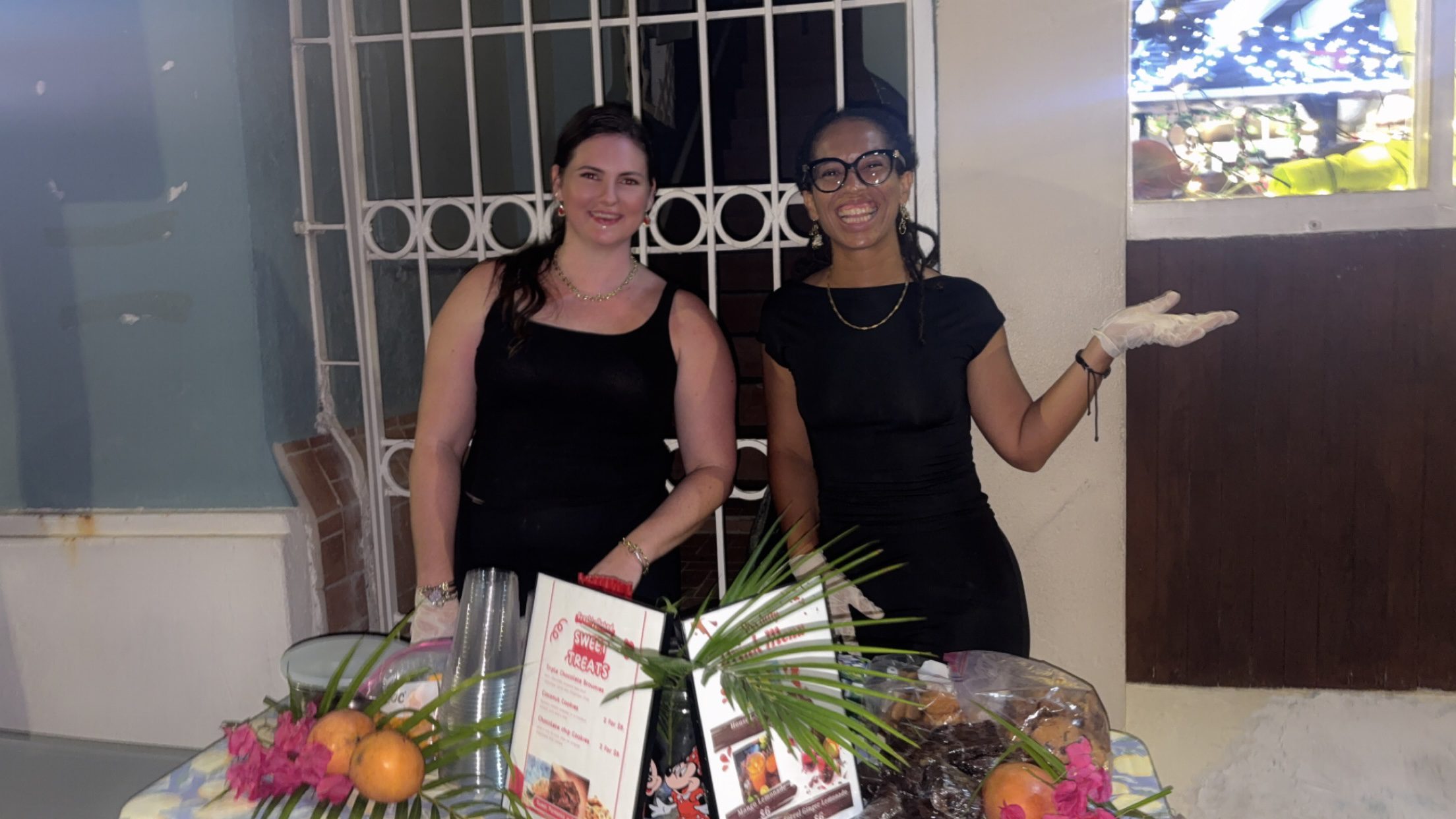
As music echoed through the streets and dancers moved to the rhythm of the night, May Jump Up once again proved why it remains one of St. Croix’s most anticipated annual traditions.
The heat may have been noticeable, but it did little to slow the crowds as Christiansted came alive for a memorable night of culture, entertainment, and food.
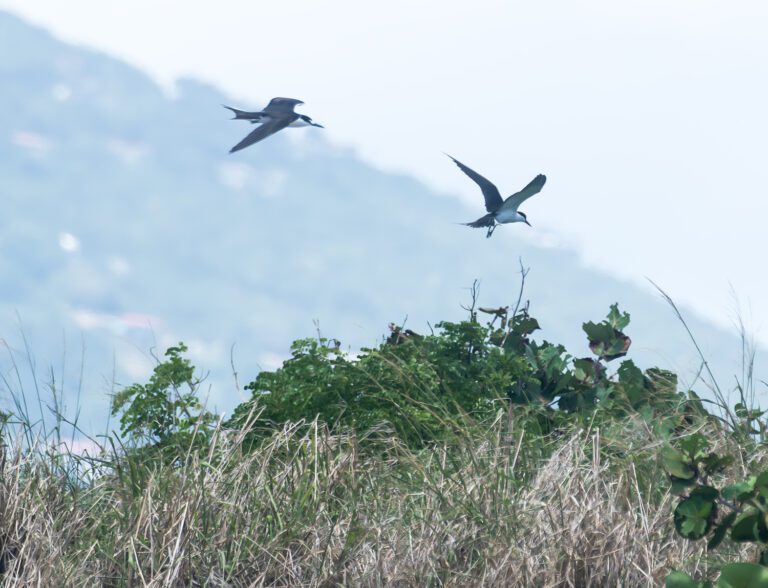
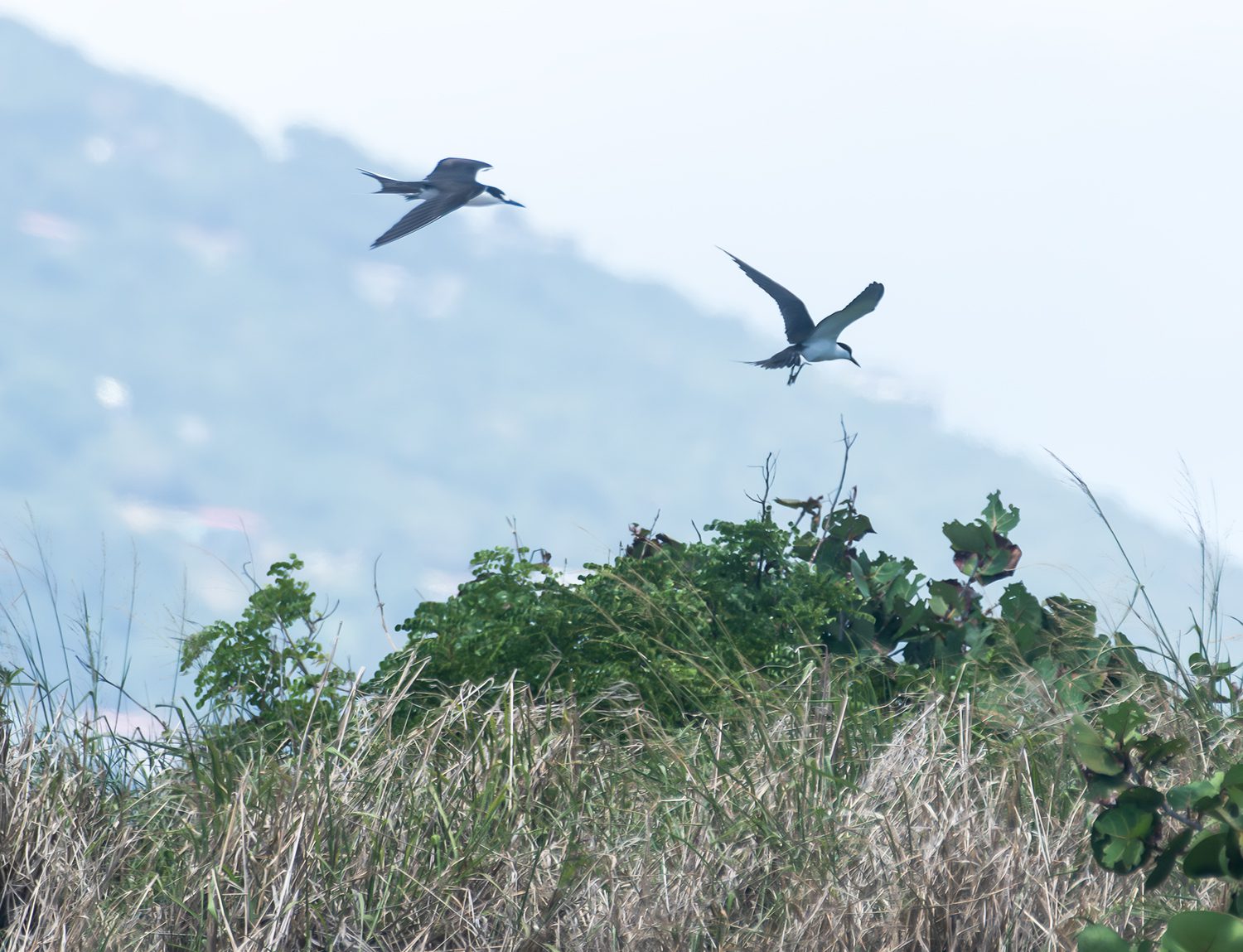
After my recent report on seabirds coming to nest on cays around St. John, I got a message from Steve Prosterman, from the Center for Marine and Environmental Studies at the University of the Virgin Islands on St. Thomas. He was kind enough to invite me on a boat trip to see the nesting colony of Sooty Terns out on Saba Island, which is about three miles south of the St. Thomas airport.
I was enticed by the idea of thousands of birds nesting out on this little island. I had never seen even one Sooty Tern before. That’s not surprising since they are pelagic seabirds that stay far offshore except when they are breeding.
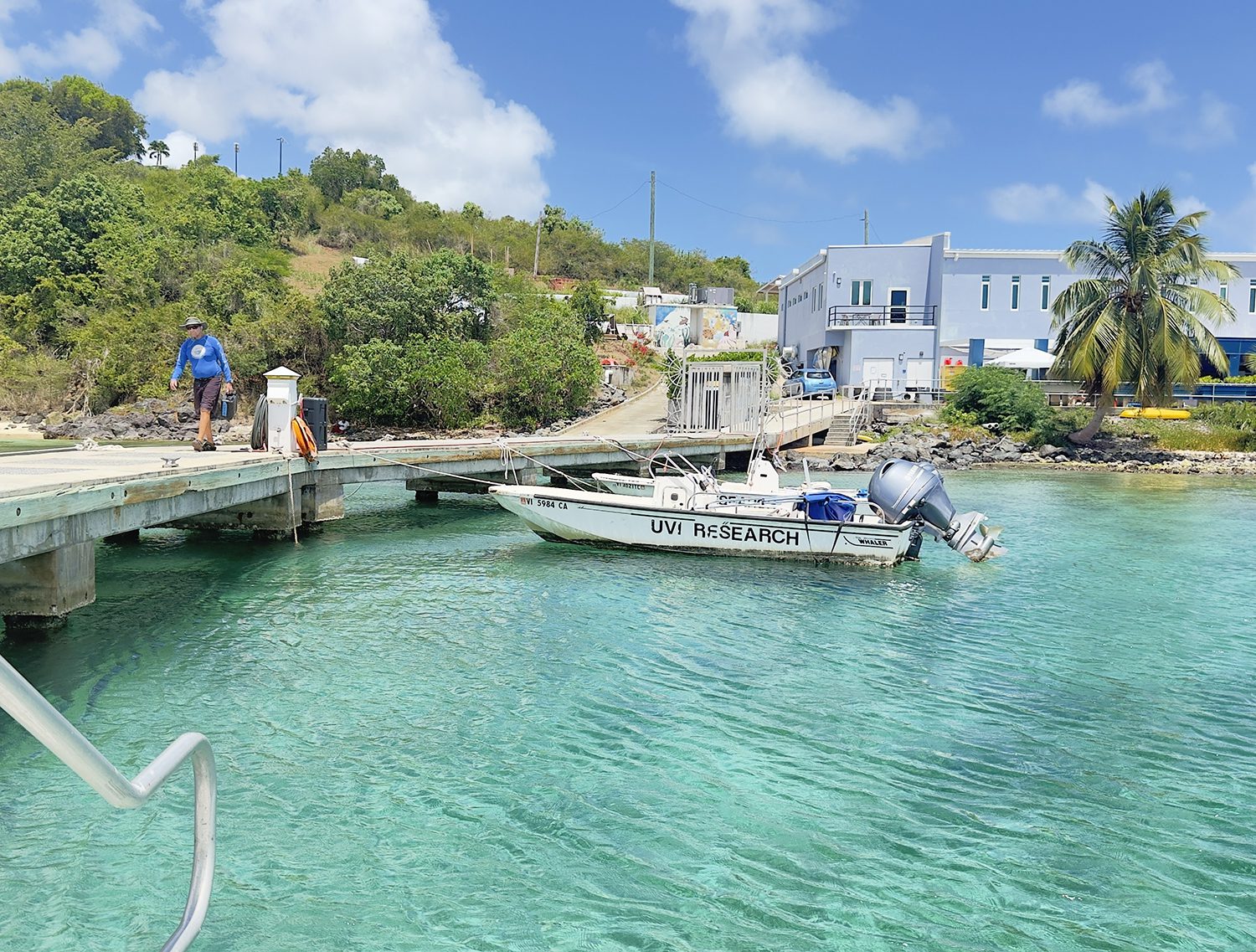
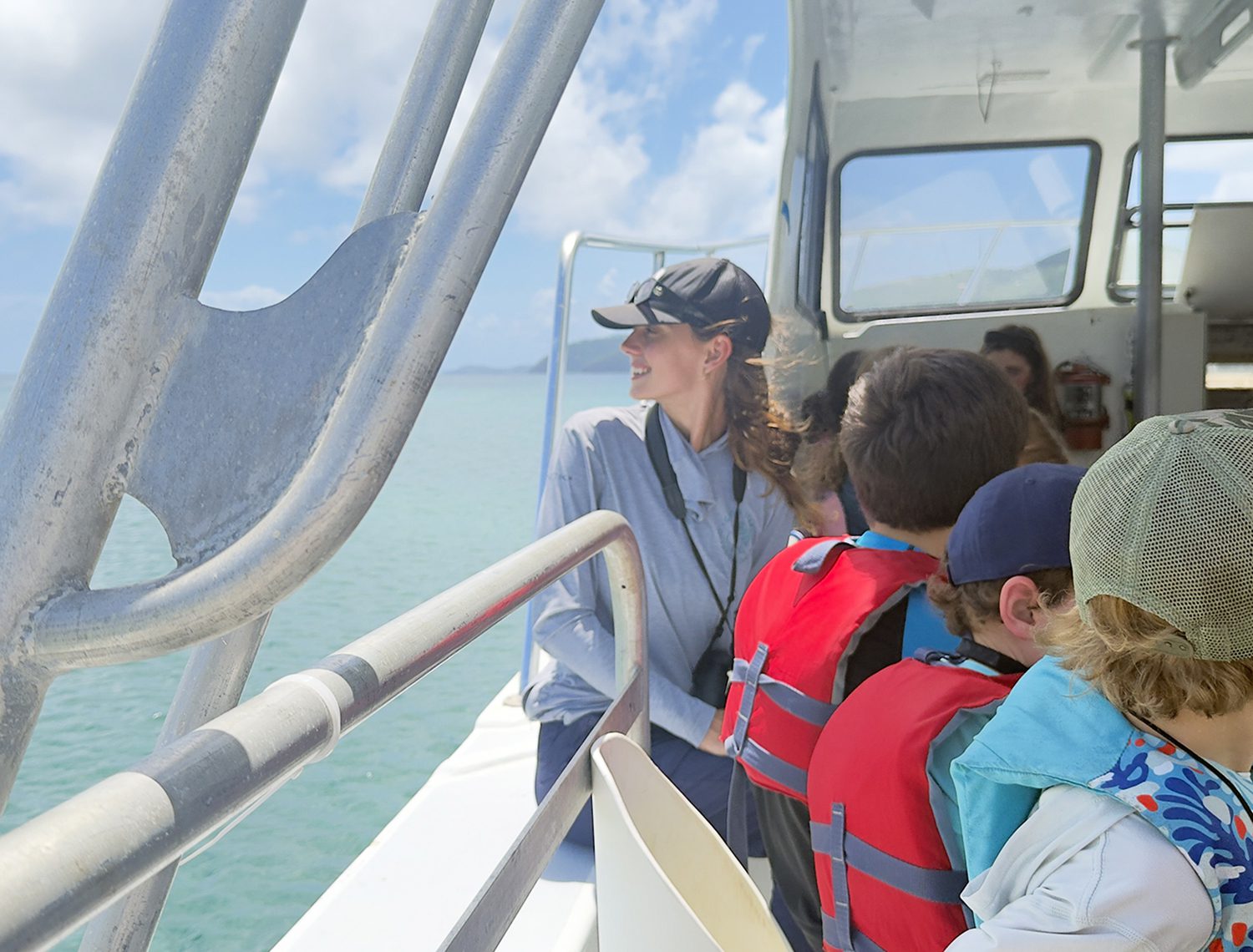
A group of students and teachers from the Gold Leaf Education Association, which focuses on nature studies, were the main participants on the boat trip. Steve Simonsen, a well-known St. John photographer, also came over with me to join the group.
We weren’t going to get off the boat and go onto Saba Island because that would disturb the nesting birds. This is a small uninhabited island managed as a wildlife sanctuary by the V.I. Department of Planning and Natural Resources, Division of Fish and Wildlife.
The name Saba was actually quite confusing for me. A few months ago I had been at Saba Rock Resort off Virgin Gorda in the British Virgin Islands. And then there is also the Saba that is an island down near Saint Martin. Later I read that ‘siba’ is the Taino word for ‘rock’, which got converted by Europeans to ‘saba’. That helps explain why it became a popular name for small, steep islands.
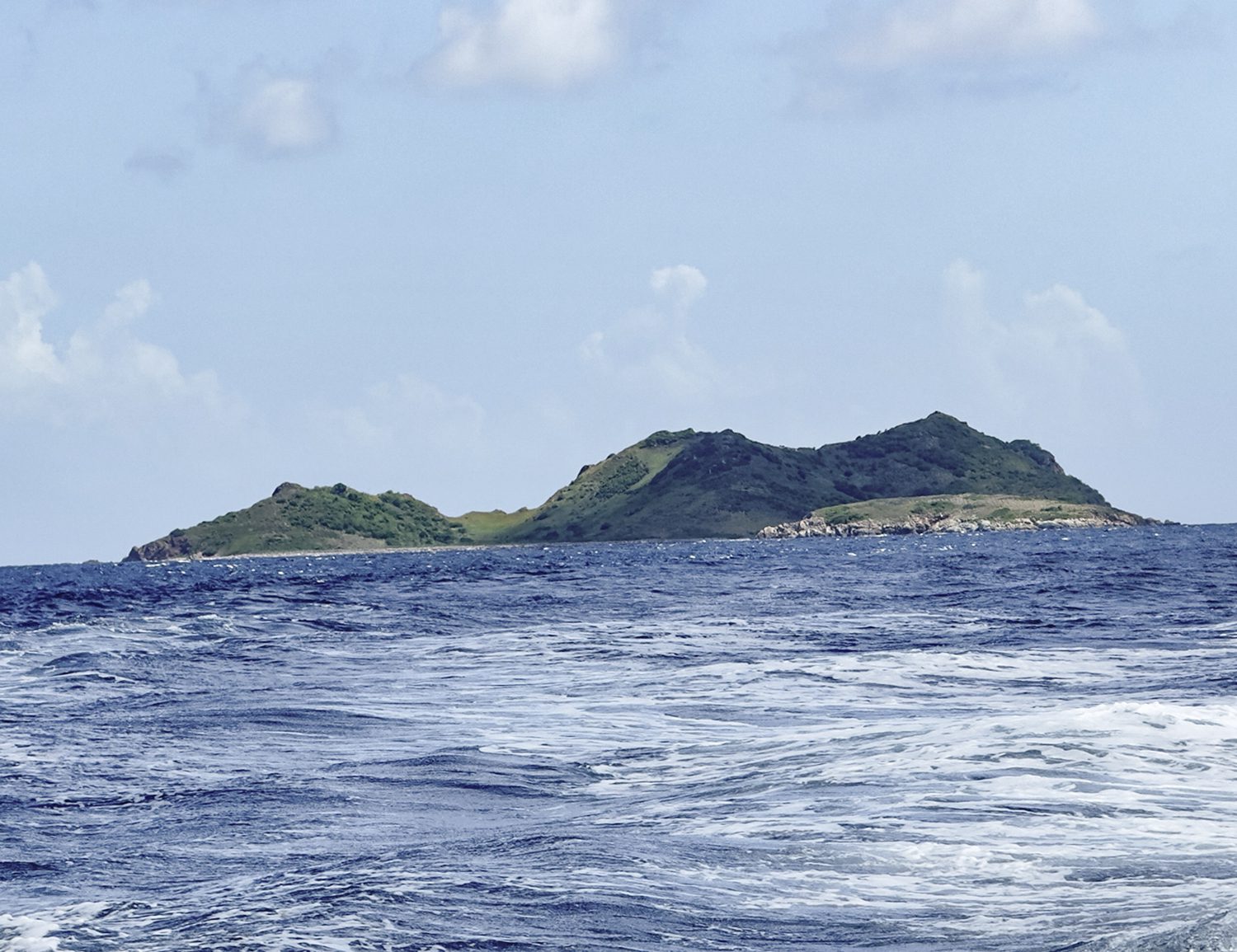
If I had learned that about the name of the island before I went out there, I wouldn’t have had a picture in my mind of a low, flat sandy cay with thousands of birds all sitting on nests in plain view. As it turned out, the nesting birds were mostly hidden down between the clumps of grasses and shrubs growing on the steep hillsides.
After we pulled into a small cove offshore, there was a chaotic scene onboard, with the boat rocking, hundreds of birds whirling around making shrill cries, and children moving around on the boat also calling out excitedly.
At first I started swinging my heavy telephoto lens around madly, trying to focus on different birds as they whipped by. It seemed like a miracle when I was actually able to catch one in motion.
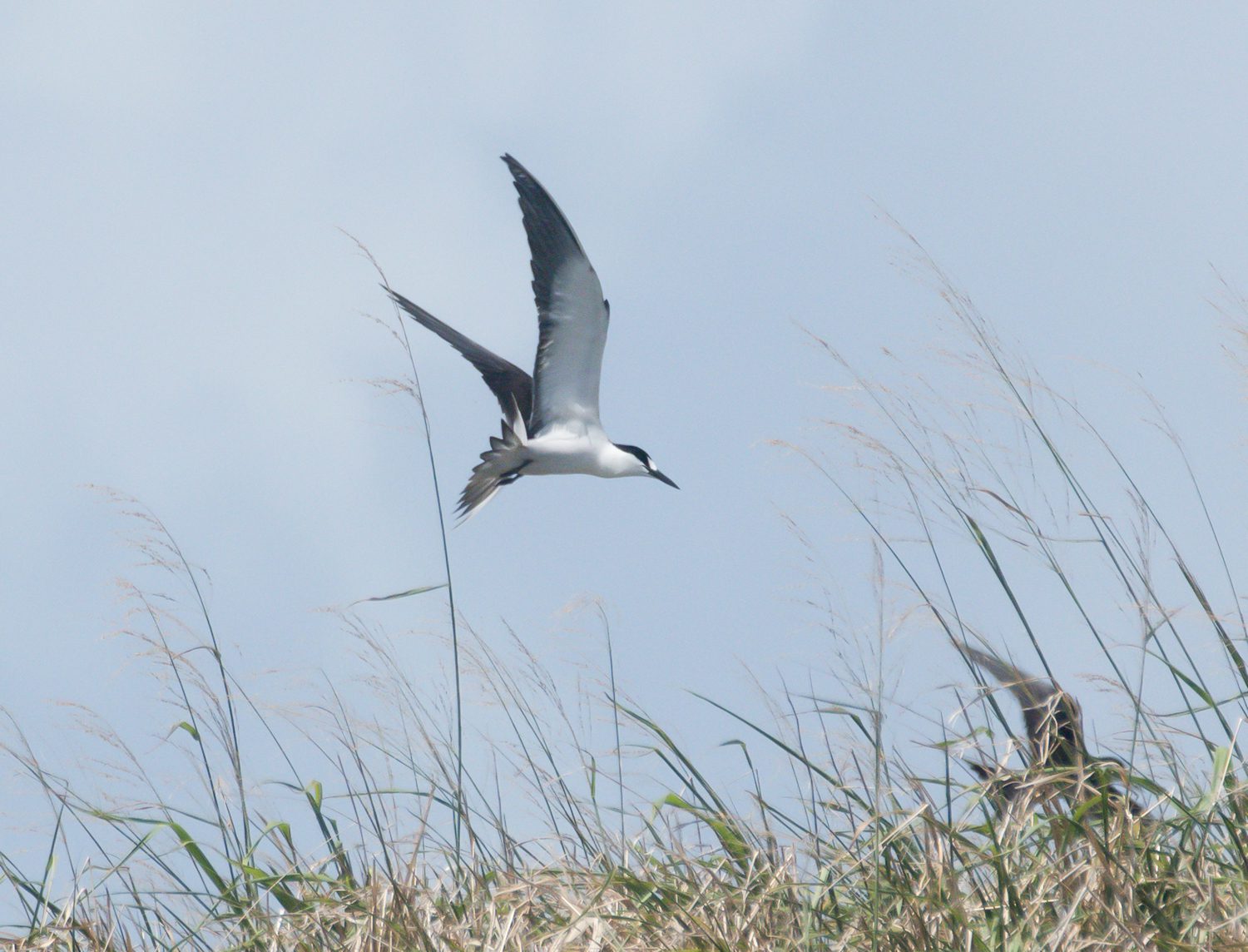
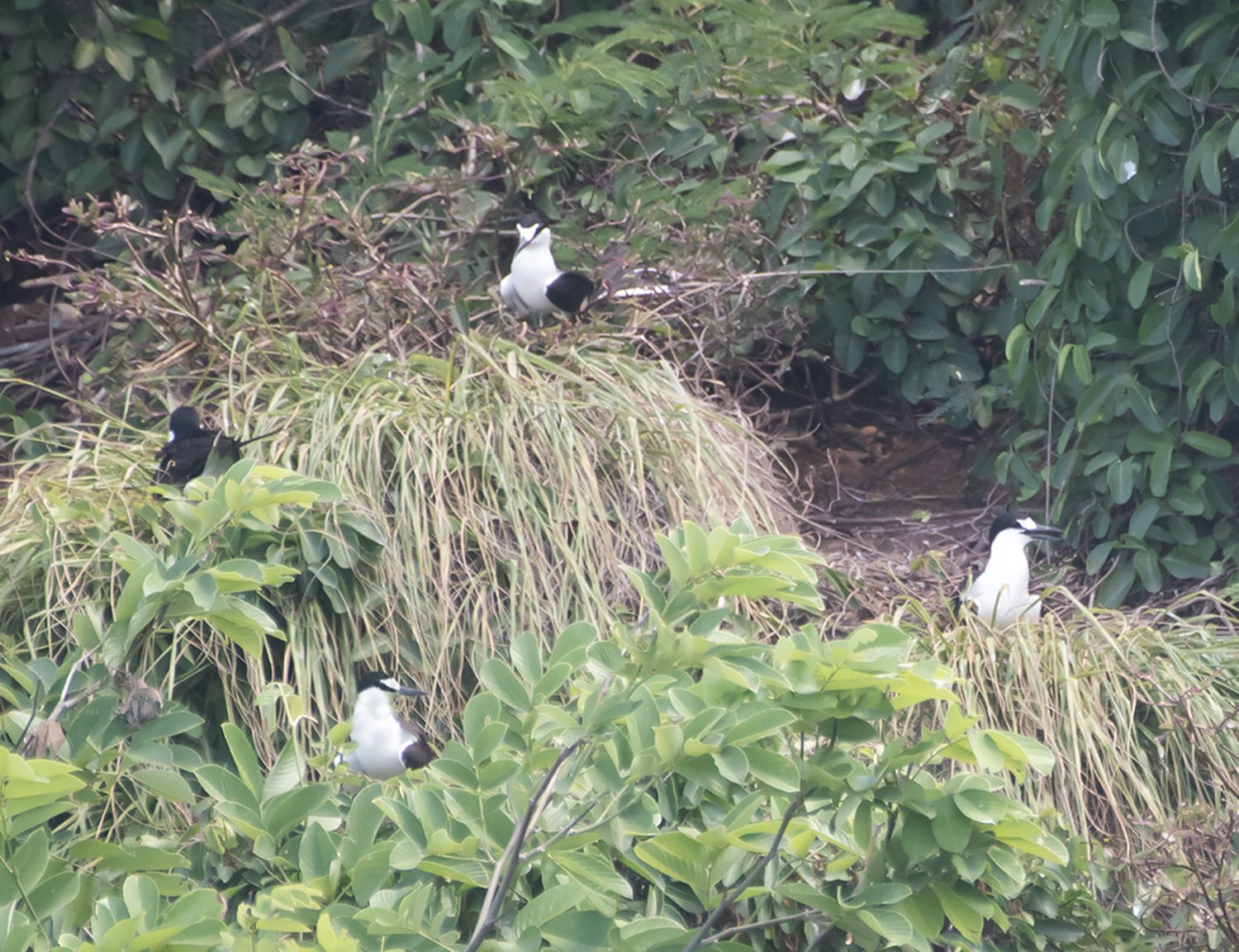
Eventually I was also able to locate a few that were settled down in a more open area than the others. Like many seabirds, these terns don’t actually make nests. They just scrape out a small patch in the soil or sand, maybe covering it with a few leaves, then placing their egg on top.
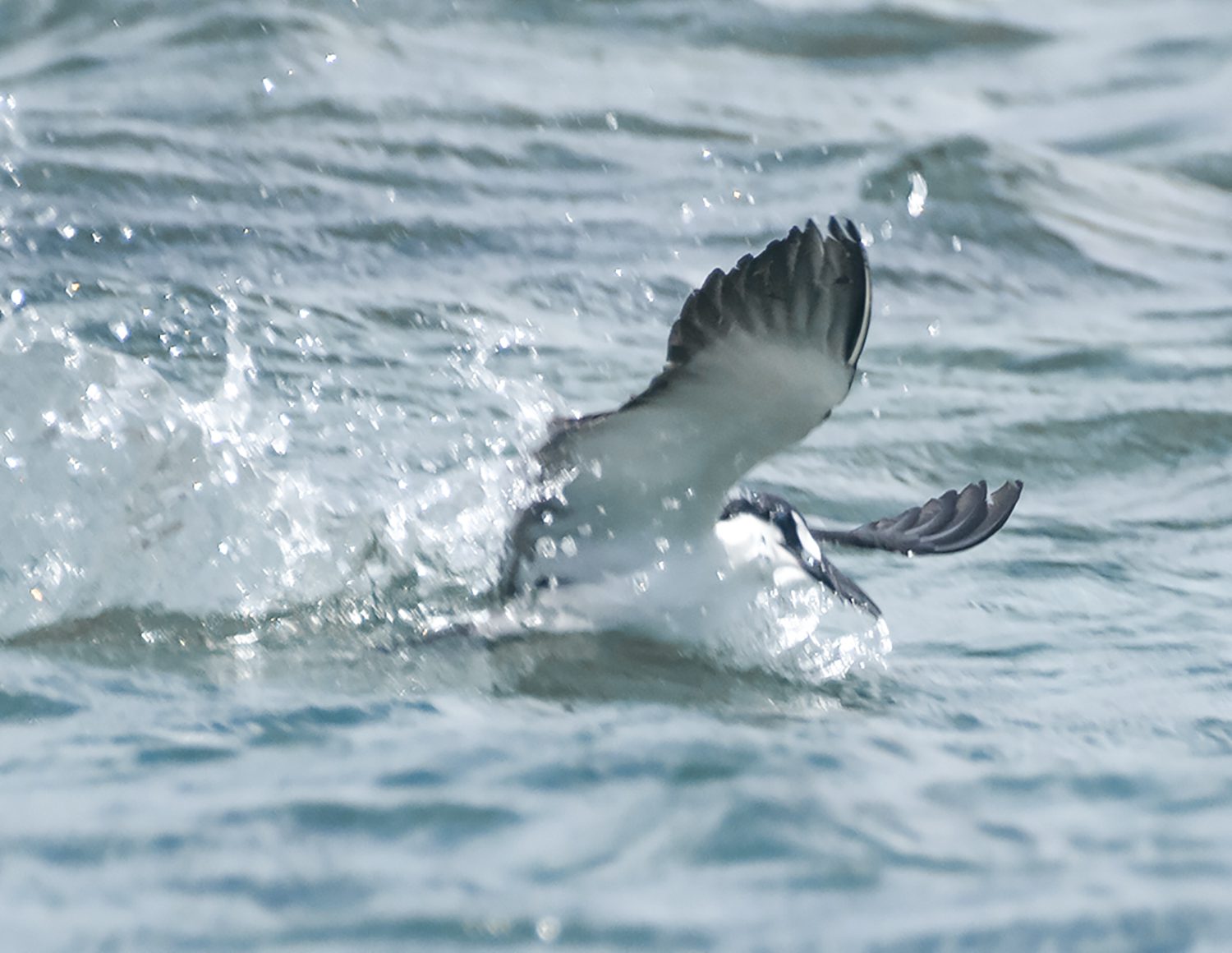
Some of the dark-backed Sooty Terns were going out fishing in the cove. However, when they are fishing, they don’t hover and then dive deep down under the surface, like some terns. That’s because their feathers don’t have oil to make them water repellent, and they could become water-logged and sink. Instead, they dip down while flying over the water, nabbing fish near the surface.
Once the breeding season is over and the chicks can fly, the young ones may not return to land again for years, until they are ready to breed themselves.
Since they are flying at sea all the time and can’t rest on the surface because of their water-absorbent feathers, I wondered where do they sleep? I read that Sooty Terns have developed a way to let one side of their brain sleep for short periods of time while the other side stays alert. That doesn’t actually sound very restful, but it does seem to work, because there are lots of Sooty Terns out there. The piercing call that the Sooty Terns make is described as ‘wide-a-wake’, which sounds appropriate given their sleep habits.
After a while I spotted a couple of the Brown Noddies flying past just above the water line along a rocky edge of the island. I didn’t see their nests, as those were probably on the south side of the island because they prefer the cliff ledges there.
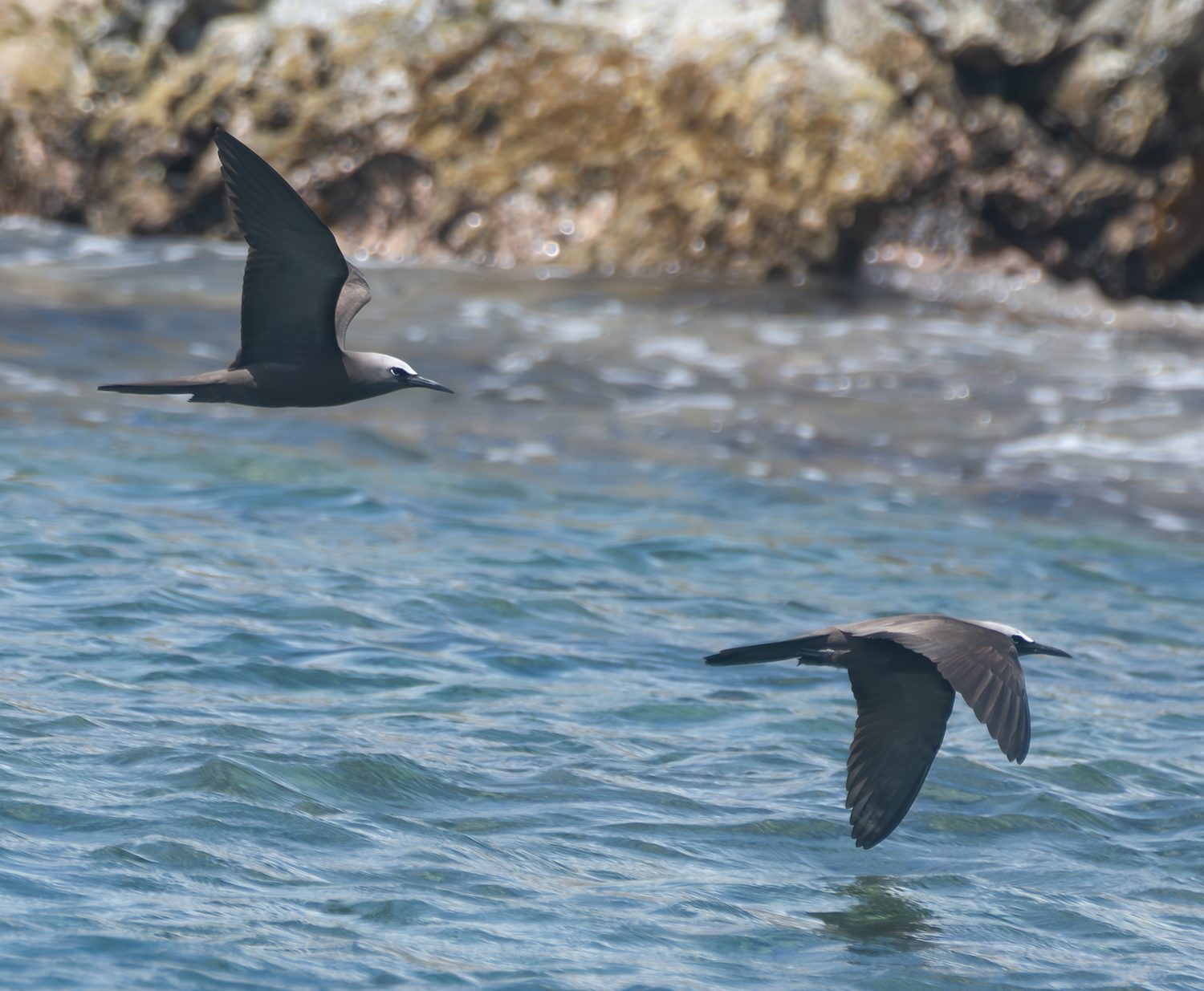
Brown Noddies are pelagic terns as well, but don’t spend as much time flying. And they are very different looking. The Brown Noddies are chocolate brown with pale gray heads. Many types of terns have white underbellies – maybe so they are less visible to fish as they hover over the water. But Brown Noddies apparently stay close to the surface and sometimes even pat the water with their feet to attract small fish. When they are doing that, their dark coloring might help camouflage them.
One striking thing about the Brown Noddies is that their eyes are set close to their bills, which makes them seem like they are frowning.
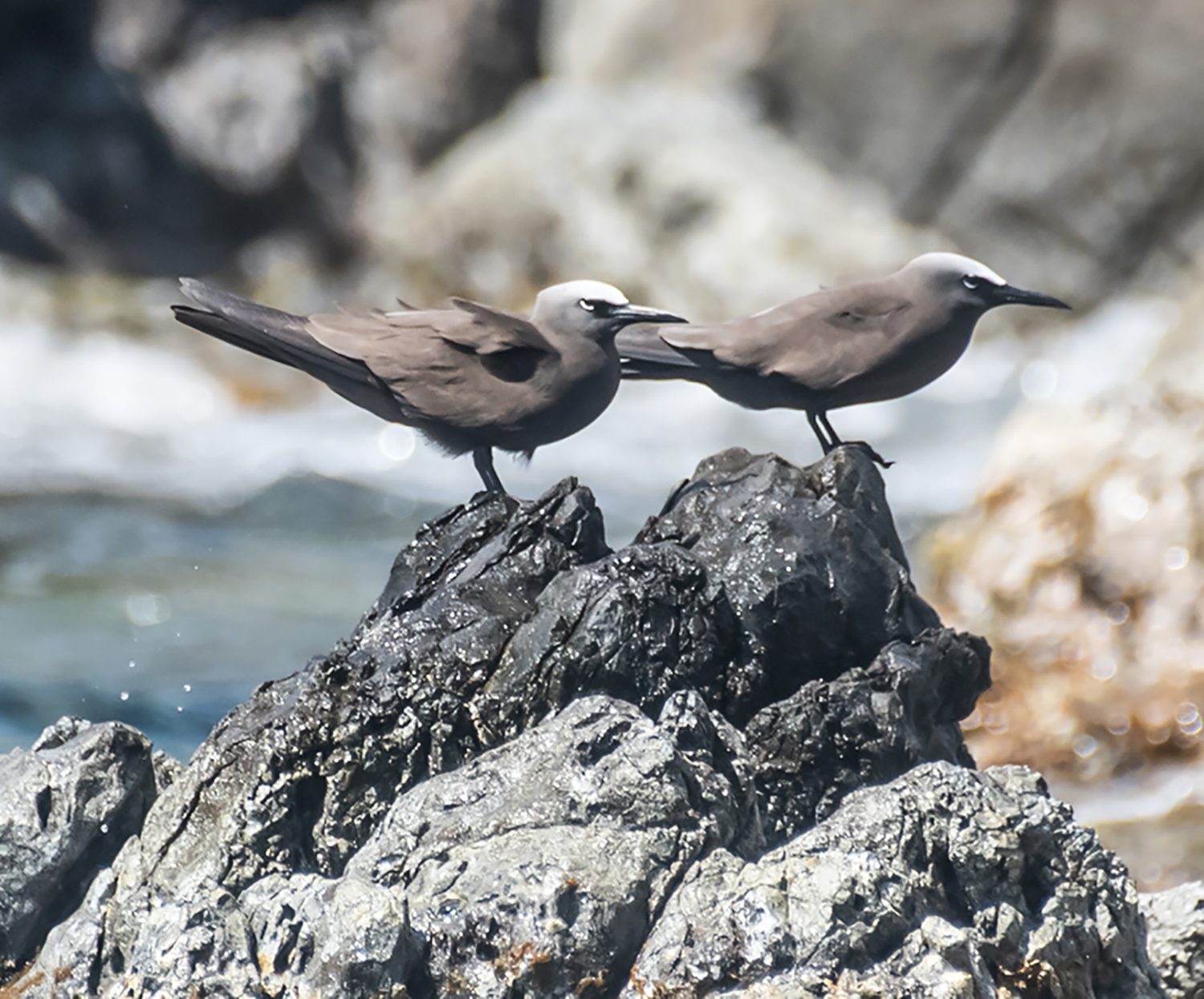
Supposedly these birds got their names because they nod and bow to greet each other, as part of their courtship behavior. However, the ones I saw did not seem to be very courteous. They looked like alien gangsters.
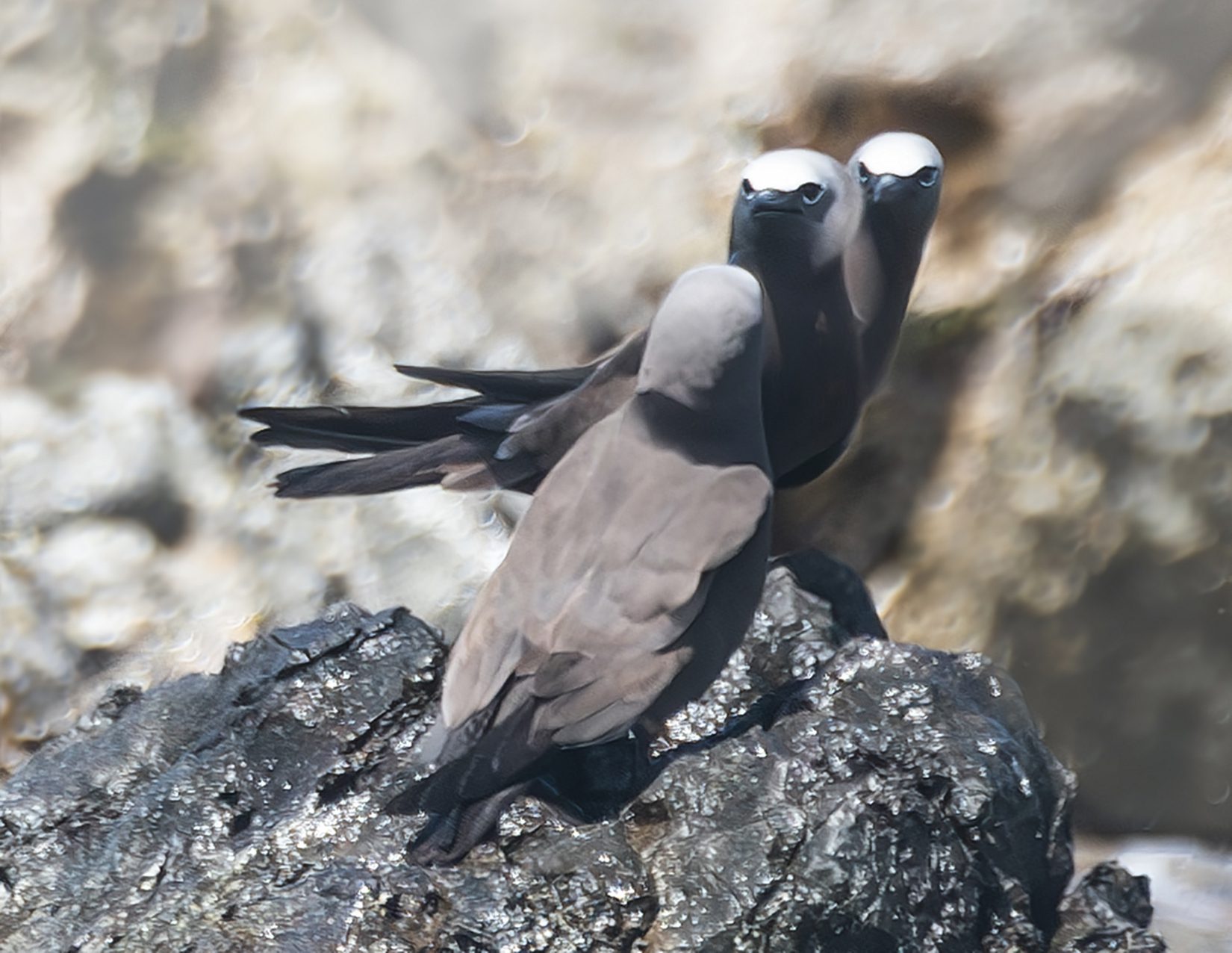
I read that although the male noddies are larger than the females, both sexes can be territorial and squabble with their neighbors. It’s probably not due to lack of sleep, though. Unlike the Sooty Terns, the Brown Noddies seem to get plenty of rest, as they don’t mind setting down on the surface of the water while they are out to sea.
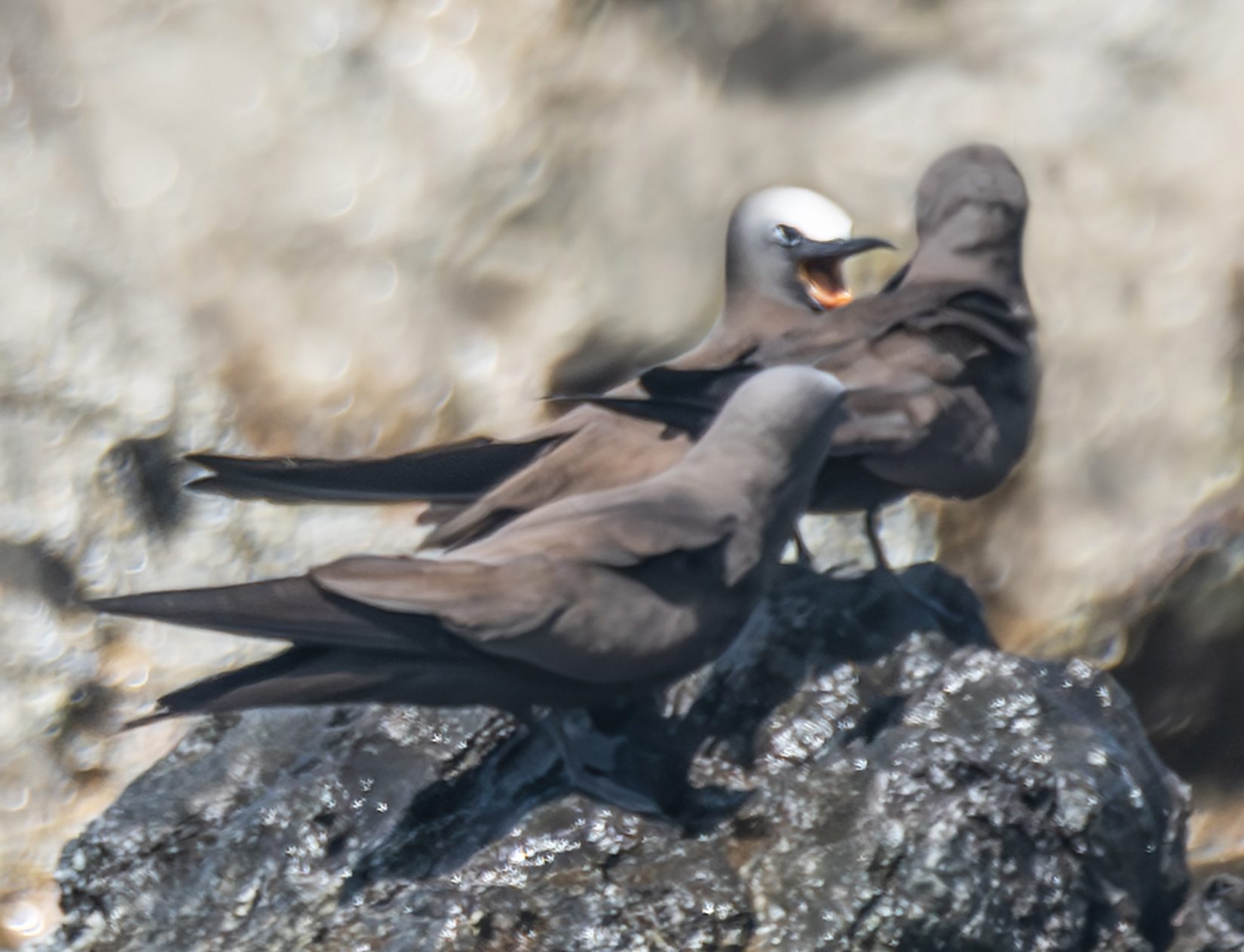
I had thought of pelagic seabirds as solitary voyagers traveling for years over the vast ocean – wandering lonely in the clouds. But apparently both these types of terns are sociable at sea, fishing in mixed flocks, and using their loud calls to keep in touch with their group members.
I was grateful to Steve Prosterman for offering me a chance to meet these birds while they were settled down close to shore. Maybe one day I will go on a long sea voyage myself where I could see some of them out flying around in the open ocean.
—————————-
Gail Karlsson is the author of a photo book Looking for Birds on St. John, as well as two other books about nature in the Virgin Islands –The Wild Life in an Island House, and Learning About Trees and Plants – A Project of the Unitarian Universalist Fellowship of St. John. Follow her on Instagram @gailkarlsson and gvkarlsson.blogspot.com. More info at gailkarlsson.com
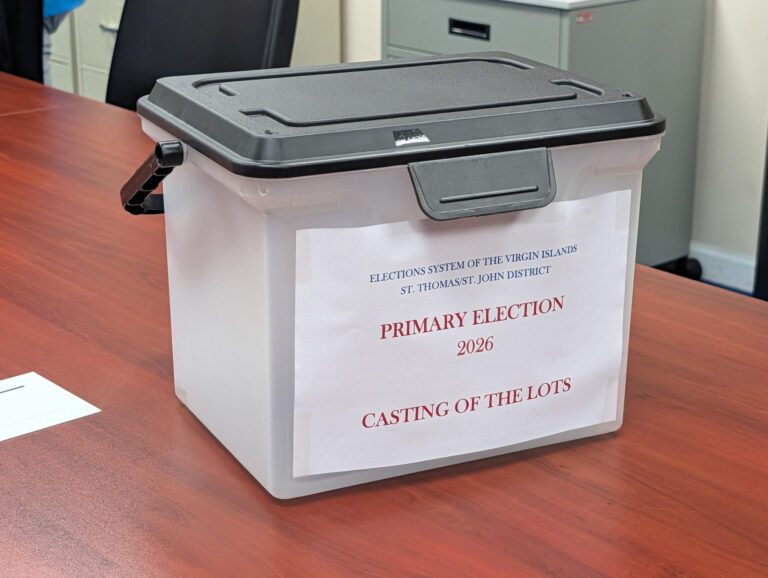
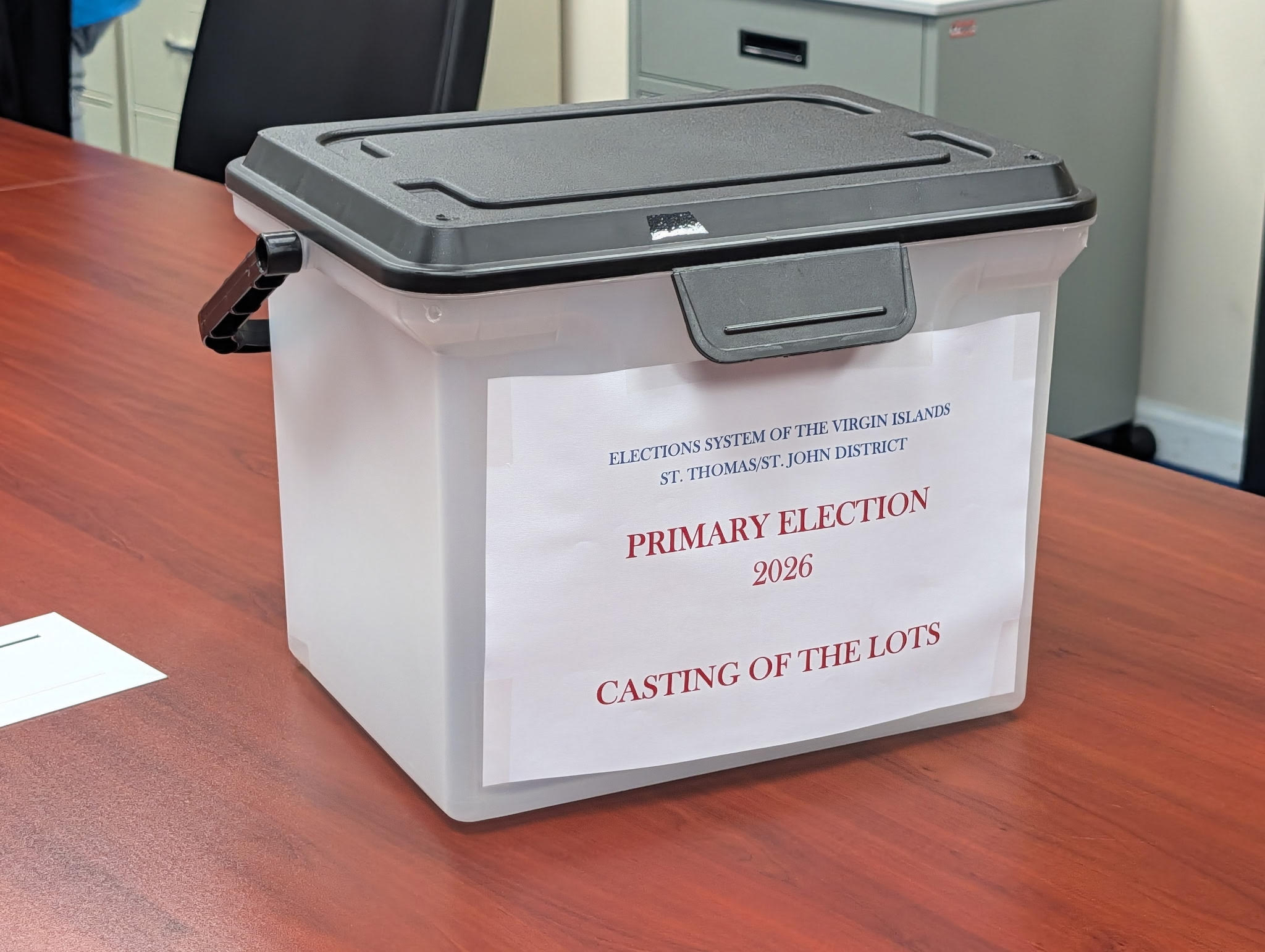
The primary ballot order is set for incumbents, first-time candidates and returning aspirants hoping to be the Virgin Islands’ next Delegate to Congress, governor, senator or board member overseeing the territory’s elections or schools. The primary election is scheduled for Aug. 1.
Supervisor of Elections Caroline Fawkes said the Virgin Islands has long used a numbered ballot system, allowing voters to identify candidates by number as well as by name. While many U.S. states do not use numbered ballot positions in the same way, the system has remained a familiar feature of territorial elections even as voting technology has evolved.
In previous elections, party symbols appeared alongside candidate names, but those design elements have largely been phased out as ballot layouts and election equipment have changed. Candidate numbers, however, remain a prominent feature on ballots and in campaign materials.
Fawkes emphasized that the casting of lots affects only ballot order and does not impact a candidate’s eligibility. The numbering sequence is organized by contest and resets for each race. She said the system helps voters identify their preferred candidates, many of whom are widely recognized by their ballot numbers during election season.
In the race to determine the territory’s next delegate, Emmett Hansen — a former Virgin Islands National Committeeman, Democratic State Chairman and senator — drew the first lot. Former U.S. Attorney Delia Smith came in second, followed by Government House’s Washington representative, Teri Helenese. Former Sen. Janelle Sarauw drew the fourth lot.
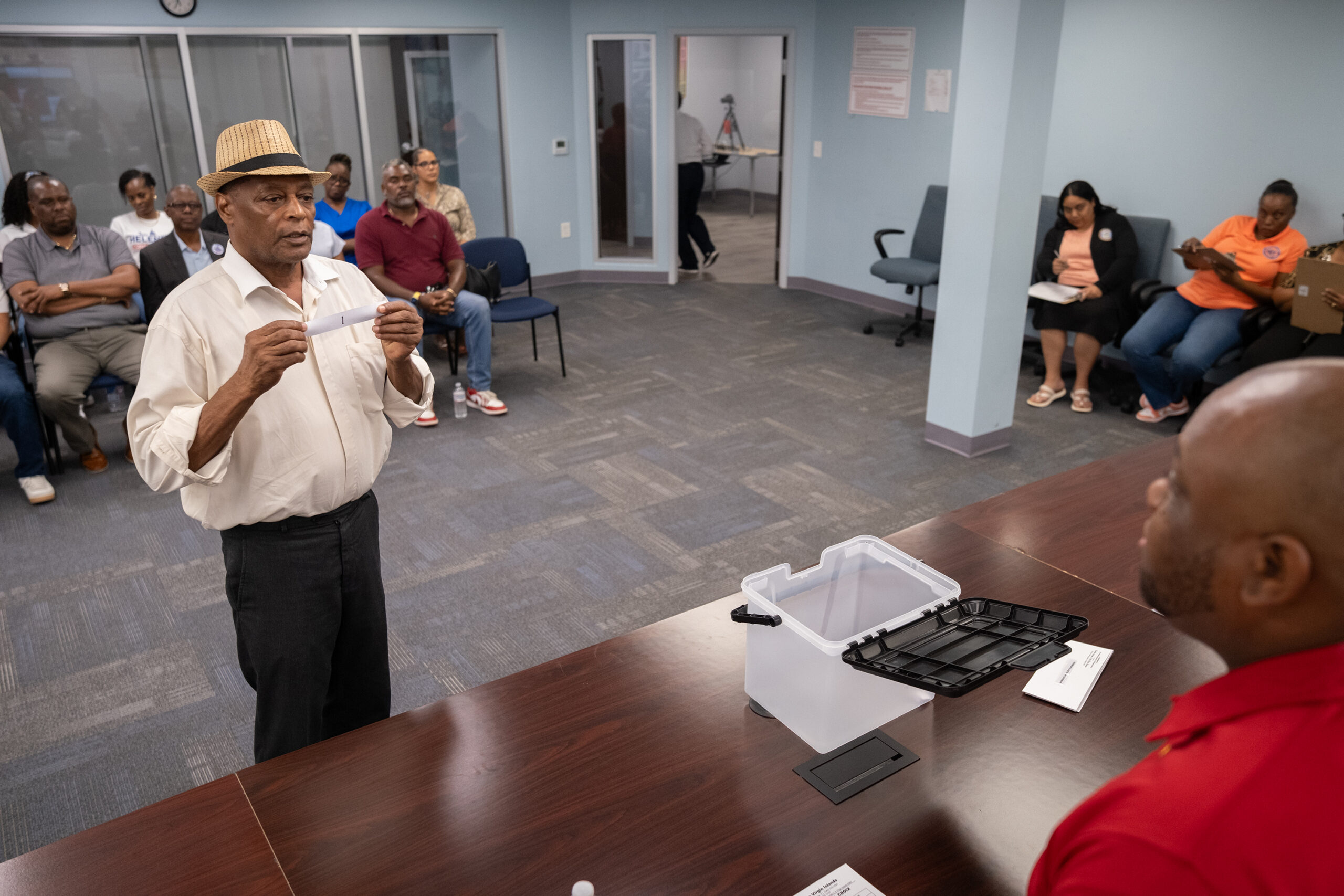
Lt. Gov. Tregenza Roach and Sen. Novelle Francis Jr., who are running to be the territory’s next governor and lieutenant governor, respectively, drew the first lot in their race. They were followed by Delegate to Congress Stacey Plaskett and Milton Potter’s ticket. Former Sen. Donna Frett-Gregory and running mate Rodney Moorehead drew the third lot.
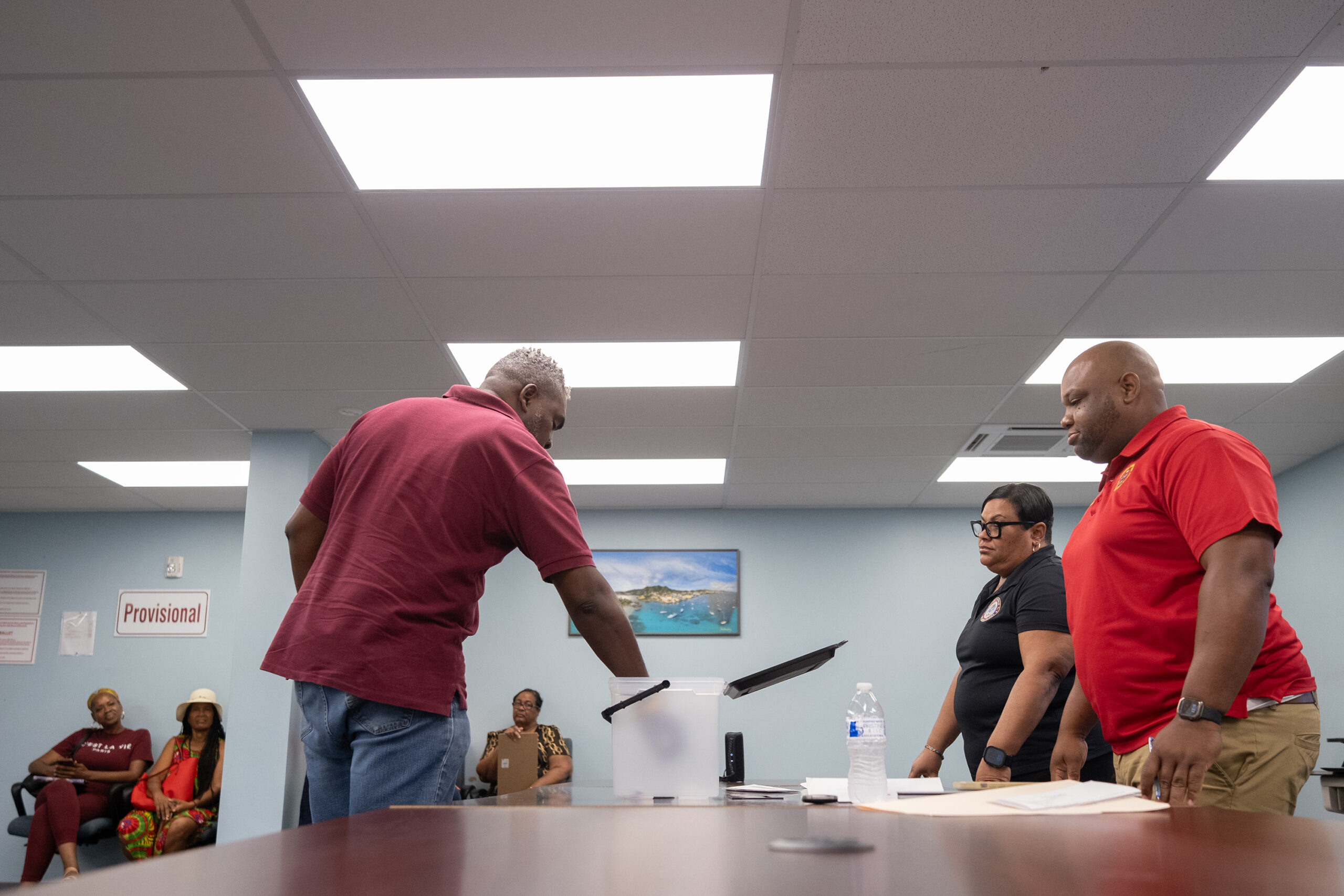
The ballot order for Senate candidates from the St. Thomas-St. John district will be: Kashief Hamilton, Carla J. Joseph, Marvin Blyden, Lawrence Boschulte, Peter Bailey, Avery Lewis, Shenelle Fina Francis, Michael Smith, Mayard Leader, Joel Browne Connors, Ray Fonseca and Rudel Hodge Jr.

The district’s Education Board candidates, from first on the ballot to last, will be Arah Lockhart, Michelle Cawthron, D’Vonte Xavier and Judy Gomez. Kevin Rodriguez’s name will be the first to appear on the ballot for candidates to the Elections Board, followed by Barbara Petersen and Atanya Springette.
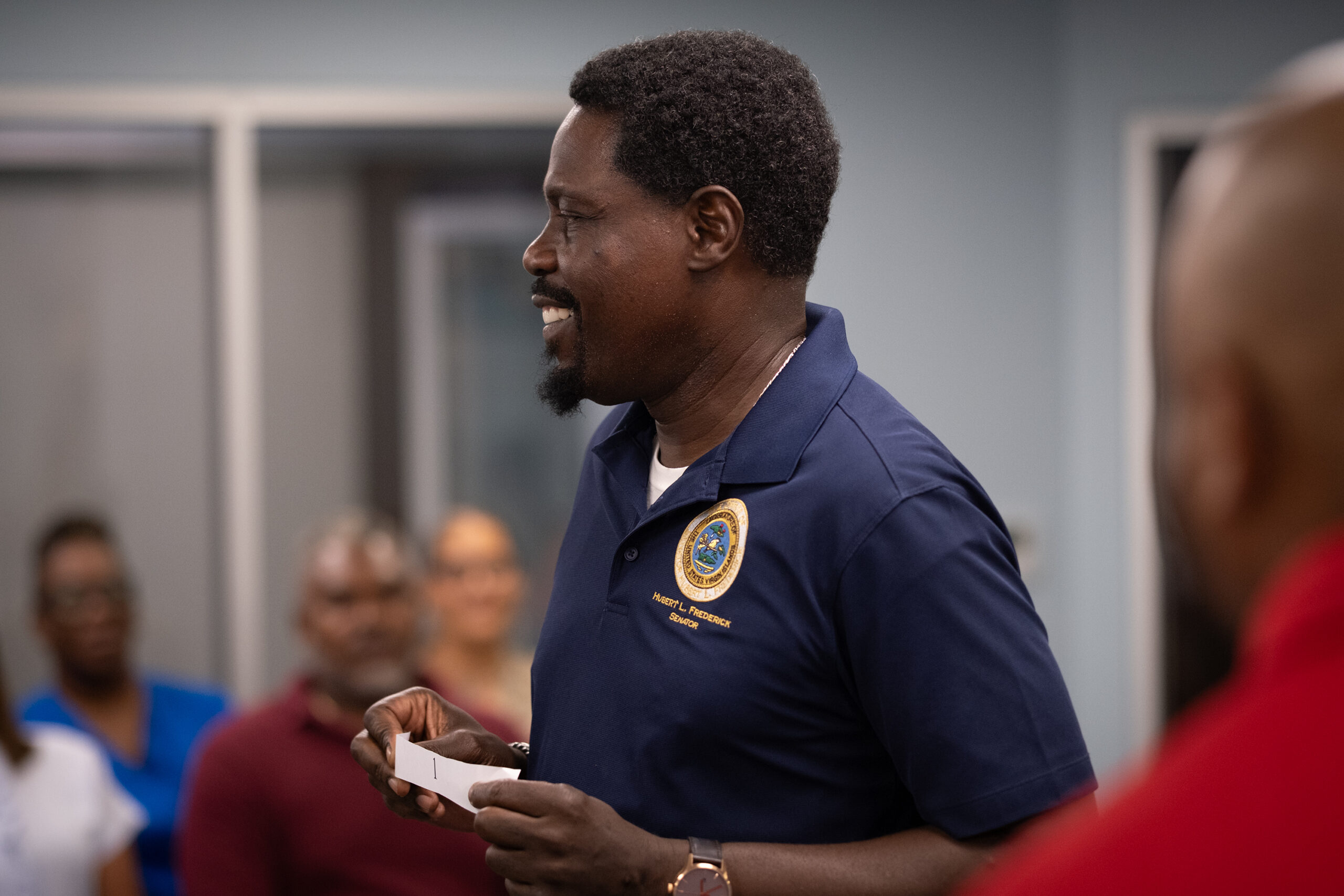
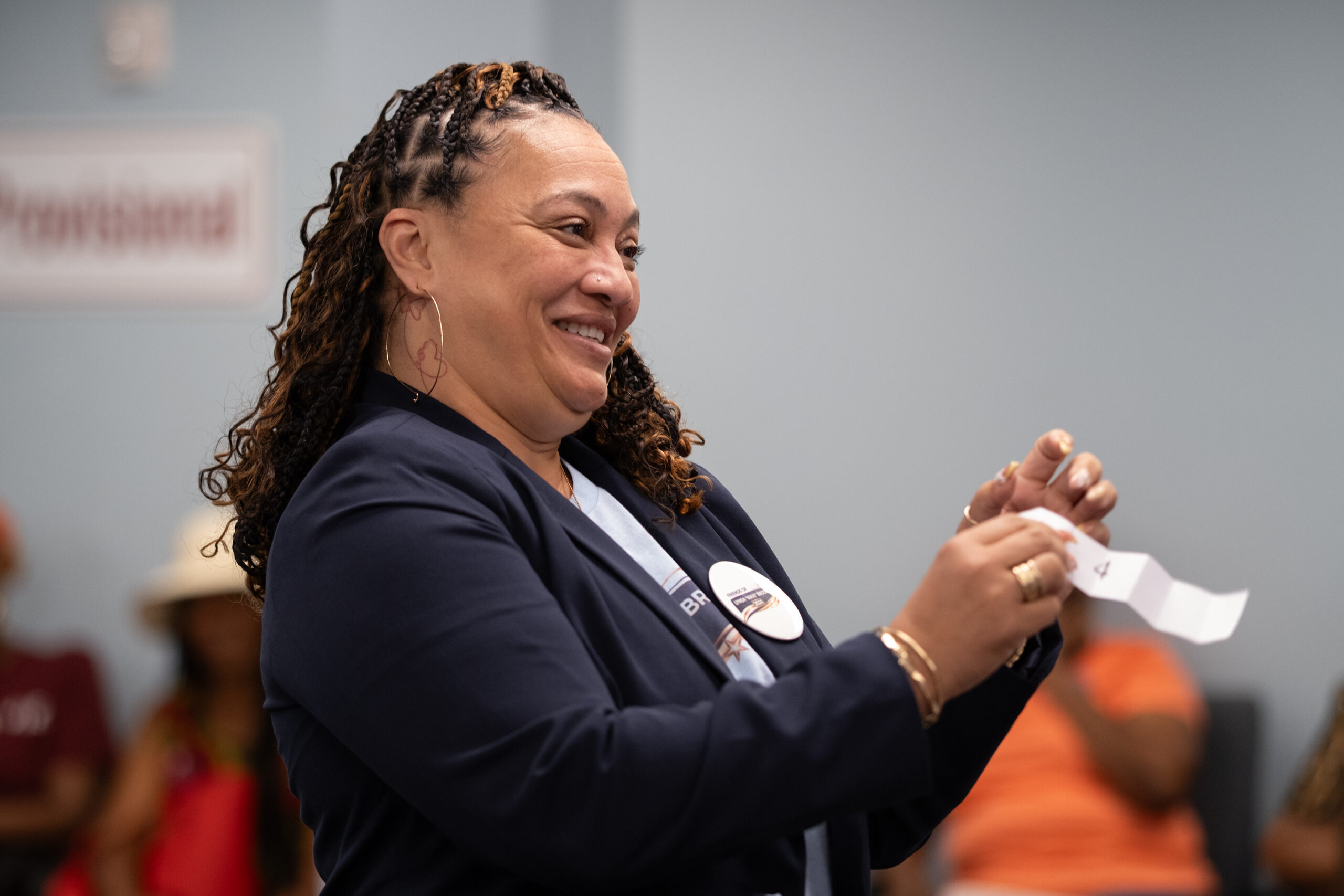
On St. Croix, the order for senate candidates was set at: Hubert Frederick, Clifford Joseph, Dwight Mike Cartier, Lynda Nikki Brooks, Kurt Vialet, Jose Besse Gonzalez, Lisa Charles, Nemmy Williams-Jackson, Omar B. U. Henry and Kenneth Gittens.
Mojania Mo Denis drew the first lot for the Education Board in that district, followed by Terrence Joseph, Christopher Jacobs Jr. and Winona Hendricks.
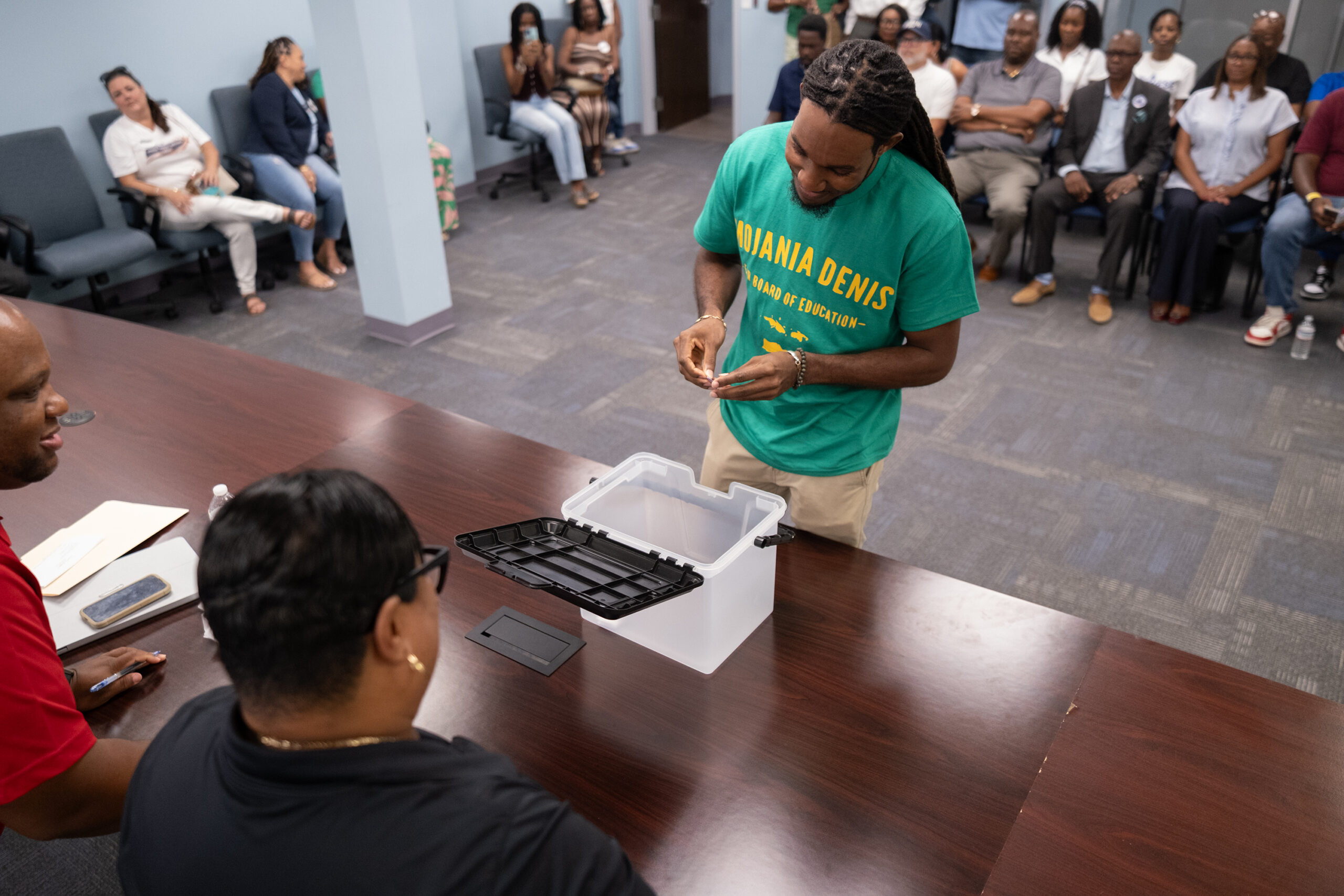
The group of candidates who cast their lots at the V.I. Elections System office on St. Croix included seasoned lawmakers and first-time hopefuls seeking to bring fresh perspectives to the territory’s government.
Mojania Mo Denis and Christopher Jacobs Jr., both of whom are running for a seat on the Education Board, spoke to the Source about the need for candidates who understand the challenges and opportunities young Virgin Islanders have. Denis, a graduate of St. Croix Educational Complex, said he considers himself a successful product of the island’s public school system but that many of his counterparts were not able to realize their full potential.
“I believe it’s important for the Board of Education to have a younger perspective — a perspective that is closer to the reality that students experience today,” he said. “We have good, esteemed individuals on the board, and I’m very grateful for their support and their experience, but I think we need to combine that institutional knowledge that they have with a modern perspective that is more aligned — and more in tune — with the current realities of our world today.”
Other candidates, like Senate Majority Leader Kurt Vialet, hope to continue work they’ve already started during their time in office. Vialet told the Source that if reelected, he intends to do more to help people who have special needs and the territory’s growing aging population.
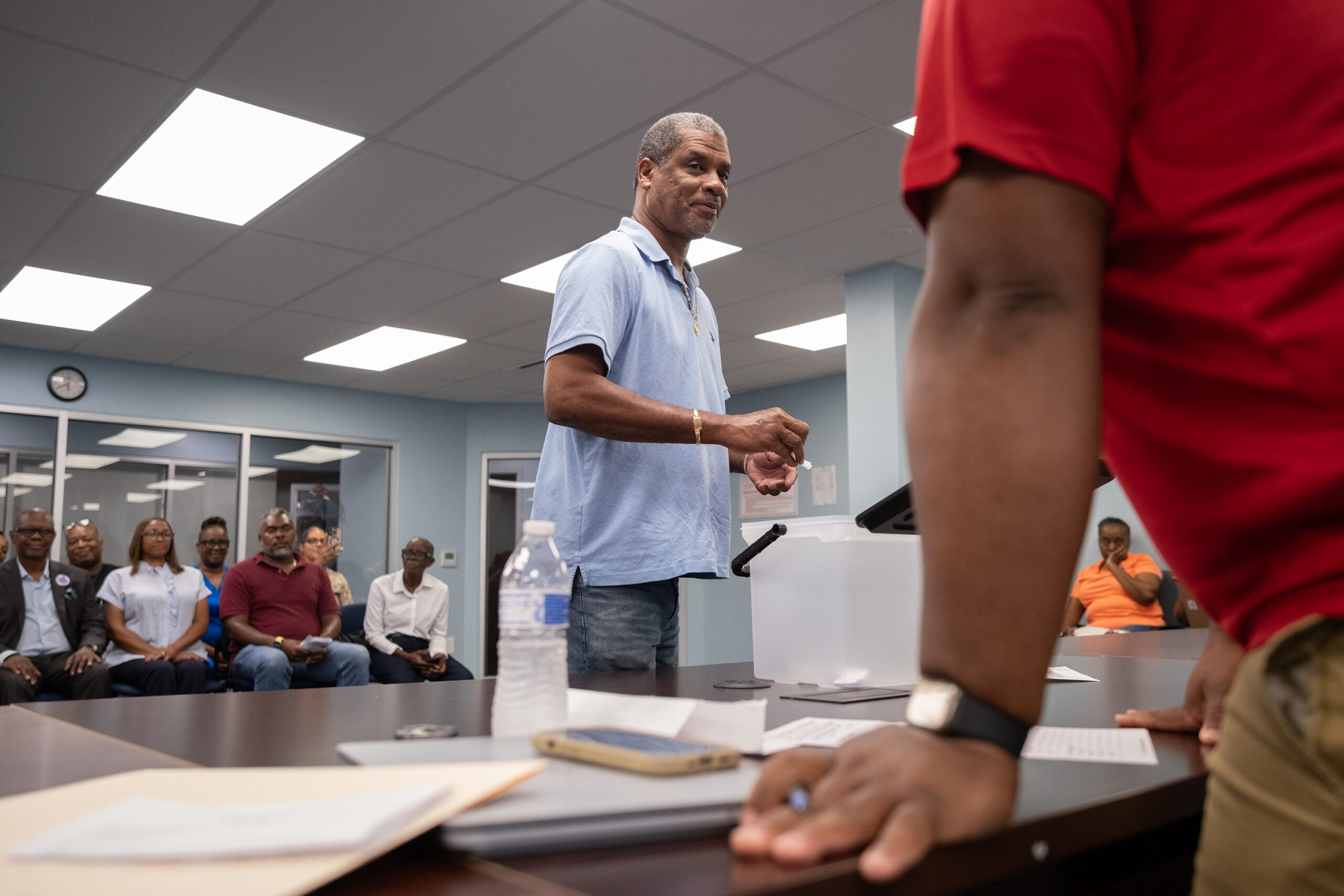
“There’s such a void as to how we can better serve that population,” he said. “The lack of living assisted facilities, the number of individuals that have dementia or Alzheimer’s, the large, growing population of caregivers that are just burnt out — so I’m really looking as to how we can do a better job in those areas, or how we could provide some type of relief.”
Fawkes urged residents to pay close attention to the election calendar, particularly upcoming deadlines for voter registration and absentee voting.
She said the deadline to register to vote in the upcoming election is July 2 and encouraged residents to ensure their registration is active.
“If you’re inactive, become active,” she said, urging voters to check their status ahead of the deadline.
Fawkes encouraged residents to verify their registration status using the Elections website’s voter lookup tool, which allows users to search by name, year of birth and ZIP code.
“We got a lot of information on our website too. We encourage people to go on the website and look it up,” she said.
She said absentee ballot applications will be available beginning June 2 for voters who expect to be off-island during early voting or on Election Day, as well as for military and overseas voters. Local residents may also request absentee ballots.
According to an email from Fawkes, former Board of Elections member Lydia Hendricks will replace Member Lawrence Boschulte.
In a separate update, the email said Jaylen Gabriel of St. Croix has been disqualified after not returning nomination papers with the required number of signatures by the 5 p.m. deadline.

Since 1999 the Virgin Islands Source – the only online newspaper of general circulation in the U.S. Virgin Islands – has been providing the community with reliable, accurate and balanced local journalism.
Contact us: visource@gmail.com
© 1999-2025 Virgin Islands Source