

Meet the Candidates | Hubert L. Frederick
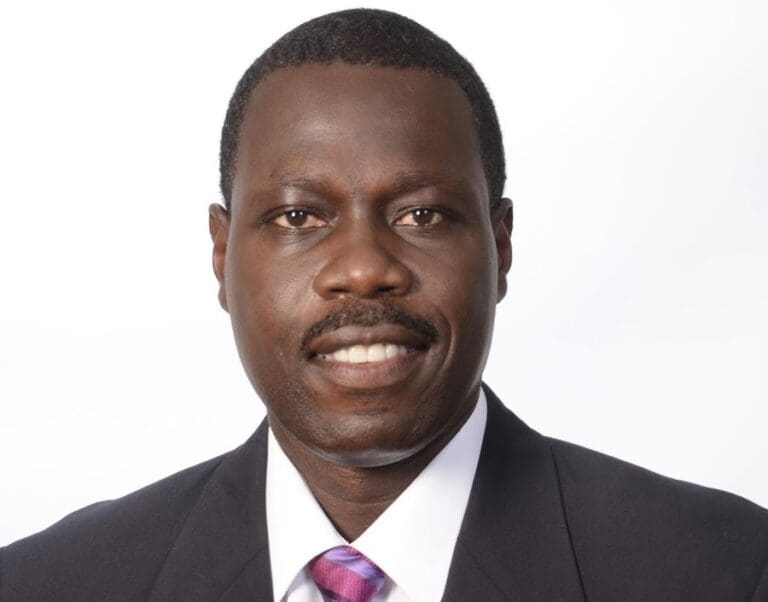
As we gear up for the 2024 Senate elections, it’s crucial to know where each candidate stands on issues that matter most to our community. To keep you informed, The Source has compiled a list of key questions on pressing topics affecting the Virgin Islands. The answers below are from St. Croix District candidate Hubert L. Frederick: Why are you running for office, what are your qualifications, and why should voters choose you? My name is Hubert L. Frederick, and I am running for Senate because I believe our community deserves leadership that understands the complexities of both the local economy and the needs of our people. With a diverse background as a banker, insurance broker, and businessman, combined with prior military service, I bring a unique perspective to the table. My experience in these sectors has equipped me with the skills to navigate financial, regulatory, and operational challenges, and I am committed to using this expertise to create meaningful, sustainable solutions for our territory. Voters should choose me because I am committed to driving economic growth, improving public services, and amplifying the voices of every member of our community. I bring a broader, results-driven perspective to our Legislature, one that emphasizes collaboration, accountability, and bold action. With my experience, I will work tirelessly to create opportunities for local businesses, strengthen our education and healthcare systems, and ensure that government serves the people effectively and transparently. This is not just about progress; it’s about building a thriving future that benefits all of us. How would you address the high cost of living in the territory and the lack of affordable housing? Addressing the high cost of living and the shortage of affordable housing in our territory demands a comprehensive, strategic approach. With the support of my colleagues, one of my primary initiatives will be to advance legislation that promotes the broader integration of renewable energy. By diversifying our energy sources and working to reduce costs through collaboration with WAPA, we can alleviate the financial pressures on our residents while contributing to a cleaner, more sustainable environment. Furthermore, I intend to introduce legislation aimed at establishing a food processing facility in partnership with local agricultural stakeholders. This initiative will enable the preservation of local harvests, facilitate year-round availability, and stabilize food prices by fostering a robust, local supply chain — thus reducing our dependence on imported goods. Lastly, through my St. Croix Community Development Initiative, I will be committed to the revitalization of our towns by increasing the stock of residential housing and commercial properties. This effort is designed not only to address housing affordability but also to reinvigorate economic activity in our downtown areas. How would you improve the territory’s electrical grid and implementation of renewable energy? Upgrading the territory’s electrical grid and expanding renewable energy use requires a focused and strategic approach. With available FEMA funding, there is a clear path to modernizing the power generation and distribution system at WAPA. I will work with my colleagues to introduce legislation that supports relocating power distribution infrastructure to the southside centralized and integrable within the existing industrial zone. This centralization would streamline operations, improve grid reliability, and provide a solid foundation for incorporating renewable energy sources. By prioritizing the use of renewable sources within the construct of our energy infrastructure, we can achieve a more diversified energy portfolio, leading to reduced long-term operational costs, sustainability, and affordability for residents and businesses alike. What would you do to expedite or improve the territory’s disaster recovery, which has dragged on for seven years now? I would collaborate closely with the Administration to identify and address the specific procedural and regulatory obstacles that have delayed effective disaster recovery. This requires a thorough review of existing policies and coordination mechanisms to streamline processes and enhance enforcement, accountability and results. What reforms would you propose to ensure our children are receiving the public education that they deserve? Addressing the challenges in our public education system requires a practical, multifaceted approach. First, it is essential to tackle the significant learning loss experienced over the past seven years. This can be done through targeted intervention programs, curriculum enhancements, and providing teachers with the necessary resources and training to address students’ needs effectively. Equally important is a renewed emphasis on early childhood education, which lays the foundation for all future academic success. Investing in quality early learning programs ensures that children acquire the essential skills and knowledge needed from the start. Lastly, expanding after-school programs would provide structured opportunities for students to reinforce their learning and address any deficiencies. Addressing these key areas will support a stronger, more supportive educational system that truly serves our children and prepares them for academic success. What are your solutions to address violent crime in the territory, especially among young men? Addressing violent crime, particularly among young men, requires a multi-pronged approach that combines prevention, intervention, and enforcement. One effective measure would be to reinstate youth programs that have proven successful in the past. These programs can provide mentorship, skill development, and constructive activities that help steer young people away from criminal influences. In addition to preventive measures, there is a need to strengthen laws to ensure stricter penalties for individuals who deliberately engage in violent activities and sow fear within our communities. This balanced approach — emphasizing both deterrence through stronger legislation and proactive engagement through youth support programs — can help reduce crime rates and create safer environments for our residents. How can the territory improve upon its tourism product while addressing growing concerns about over-tourism? Are we too reliant on cruise tourism and what can be done to bring more overnight visitors? While tourism is vital to our economy, St. Croix has not been a major beneficiary of this sector compared to other parts of the Virgin Islands. However, this island holds significant potential for economic diversification beyond traditional tourism. By focusing on sectors like petrochemical refining, light manufacturing, the marine industry, agriculture, and technology, St. Croix can experience an industrial resurgence that drives sustainable economic growth. These industries will not only contribute to a more stable and diversified economy but also create a permanent workforce that can support our tax base. As for tourism, there is an opportunity to develop a more balanced approach by enhancing overnight stays, promoting eco-tourism, cultural experiences, and boutique hospitality that highlights the unique charm of St. Croix. This shift would reduce reliance on cruise tourism, which often brings short-term economic benefits but does not contribute as substantially to the local economy as long-term visitors. What would you propose to better support people dealing with mental illness, alcoholism, addiction, and homelessness? Supporting individuals dealing with mental illness, alcoholism, addiction, and homelessness requires a coordinated and comprehensive approach. As a former Deputy Commissioner of Health and acting Director of Mental Health, I have firsthand experience working with this population and understand the complexities of these issues. In my proposed comprehensive healthcare initiative, I will advocate for the establishment of a dedicated behavioral health facility with permanent, specialized staff. This facility would be an integral part of a broader healthcare plan for the Virgin Islands, providing continuous, accessible care for those struggling with mental health and substance use disorders. Sustained funding and resources for mental health services are essential in ensuring better prevention, treatment, and rehabilitation, ultimately reducing the number of individuals affected by these challenges. Additionally, collaboration with community organizations and social services would be essential to provide holistic support, including housing assistance and vocational training, to address the root causes of homelessness and addiction. What plans do you have to reestablish the libraries in the territory? With the support of my colleagues, my plan for reestablishing the libraries in the territory involves transforming them into modern, interactive learning centers. Rather than simply restoring traditional libraries, we should focus on recreating these facilities to serve as hubs for education, technology, and community engagement. These centers would provide access to digital resources, educational workshops, and hands-on learning opportunities that complement the technological aspects of modern education. By equipping our libraries with advanced tools and resources, we can construct a more dynamic learning environment that benefits students, professionals, and lifelong learners. Securing funding for this transformation will be a priority, ensuring that our libraries evolve to meet the current and future needs of our community. How can we provide access to affordable healthcare for individuals and small businesses? Given the challenges of a shrinking market and rising healthcare costs, providing affordable healthcare requires innovative solutions. One approach is to explore a regional healthcare cooperative with Puerto Rico, creating a network that offers basic, affordable coverage across both territories — essentially an “Obamacare Lite” model. This would leverage economies of scale, making healthcare more accessible for individuals and small businesses. Please tell us about any of your other priorities for the territory that are not addressed in the questions above. Elderly care is a priority that I hold close to my heart. I intend to collaborate with my colleagues to develop a more comprehensive and dignified system of senior care, ensuring that our aging population receives the support and services they deserve. Additionally, I am committed to addressing the issue of unpaid wages for government employees and outstanding back taxes owed to the community. Resolving these financial obligations would not only honor our commitments but also stimulate the local economy and strengthen our fiscal health. And finally, if you could have one superpower to move the V.I. forward, what would it be and why? If I could have one superpower to move the Virgin Islands forward, it would be the ability to bring people together with a shared vision and purpose. Collaboration is the key to progress, and if we could unite diverse perspectives and energies around common goals, we could overcome any challenge. From economic development to education and healthcare, real, sustainable change requires collective effort, and a stronger sense of unity would propel the territory forward.

Educators, Schools, Students Invited to Honor David Hamilton Jackson’s Legacy Through Art and Activism

0
The Virgin Islands Department of Education’s Division of Cultural Education invites educators, schools, and organizations across the territory to participate in the annual celebration of David Hamilton Jackson—a champion of workers’ rights, free speech, and social justice. The David Hamilton Jackson and All Ah We Project will be held from Nov. 2 to 16, 2024, at the Cane Roots Art Gallery in Christiansted, offering students a platform to creatively address issues of fairness, equity, and workers’ rights, both past and present. Born in 1884 on St. Croix, Jackson co-founded the St. Croix Labor Union in 1913, advocating for laborers’ rights, and launched The Herald in 1915, the first free press for people of color in the territory. His work played a pivotal role in securing labor rights and confronting colonial powers, leaving a legacy of social justice that still inspires movements today. Educators and schools are encouraged to integrate the project into their lessons by guiding students through creative submissions—whether visual art, essays, poetry, or digital media—that reflect David Hamilton Jackson’s contributions to social justice. Submission Information:
  • Deadline for Submissions: Oct. 25
  • Additional resources can be accessed here.
  • Submission Format: Digital copies of artwork, essays, or other media should be submitted in high resolution for possible display. For more details, including project guidelines and helpful resources, visit the official project page or contact the Division of Cultural Education at 340-555-1234 or email culturaleducation@doe.vi.gov.

Schneider Regional Hails Completion of Kidney Dialysis Unit Expansion

Schneider Regional Medical Center Chief Executive Officer Tina Comissiong greets well-wishers and staff of the hemodialysis unit upon completion of a needed expansion project. A ribbon-cutting ceremony took place Wednesday afternoon. (Photo courtesy V.I. Government House)

Top officials of the Bryan Administration and Schneider Regional Medical Center celebrated the completed expansion of the St. Thomas kidney dialysis unit. A ribbon-cutting event was held Wednesday afternoon at the Roy L. Schneider Hospital.

Wednesday’s gathering marked the end of a year-long effort to add 12 more hemodialysis units to the second-floor space that those with advanced kidney disease rely on. Schneider Regional Chief Executive Officer Tina Comissiong said the additional units will allow the hospital to break its reliance on outside health providers to care for kidney patients on St. Thomas and St. John.

A similar expansion project is being planned for the Gov. Juan F. Luis Hospital on St. Croix, officials said.

“This expansion is a wonderful and significant investment in the health and future of the Virgin Islands,” Comissiong said. “Hemodialysis is a life-sustaining treatment that approximately 130 persons in the St. Thomas-St. John district need.”

Up to 60 more patients can now be accommodated, the med center chief said. The dialysis unit nurse administrator said over the years, she has kept a list of patients asking for care at Schneider Hospital.

“Within weeks of working in the hemodialysis unit I had developed a waiting list of patients wanting to come home for care or just wanting to come to SRMC hemodialysis unit. I received numerous calls and emails about patients needing a seat, and many times I had to tell them I’m sorry; we don’t have any more seats,” said Nurse Administrator Anesta Hodge.

But now, with the expansion, she said, the 77 patients currently receiving care will be joined by “many, many more,” Hodge said.

Nursing Administrator Anesta Hodge said she kept a waiting list after getting several calls and emails from patients over the years. (Photo courtesy V.I. Government House)

One of the accommodations SRMC officials said they now hope to make is for visiting kidney patients who live abroad but want to come home to attend family functions and possibly for travelers needing care while on vacation.

In his remarks, Gov. Albert Bryan Jr. said he was grateful to attend the event and to hear from patients who have been able to return from off-island; he also gave thanks for dedicated professionals like Hodge and others —  like Comissiong — who serve in leadership.

“We have to really salute our health care heroes — all of them from the ones who actually administer the care to the ones that perform the maintenance … because we have been through some incredible trials over the last seven years in health care,” Bryan said.

Lt. Gov. Tregenza Roach pointed to the strides being made to improve health care services and restore facilities like the Charlotte Kimelman Cancer Institute. “I am just very proud of being part of this experience, being able to show appreciation to all of those people who are involved, and to continue to work towards a vision and a reality where we can give the best care to people who live in this territory and also be able to care for others who visit us,” Roach said.

Sen. Ray Fonseca, chairman of the 35th Legislature Committee on Health, Hospitals and Human Services, spoke about the value of the work to expand kidney care services.

“You know, kidney dialysis, we have to be able to treat our own right here in the community. As we stand now there are still about 15 Virgin Islanders off island and they cannot return here for this same reason,” Fonseca said.

Contractors at Apex Construction and Bluewater Construction were praised for seeing the expansion project through to completion. SRMC Vice President of Facilities and Engineering Peter John-Baptiste said the work began in November 2023 and proceeded step-by-step to completion a few weeks ago.

“We had some challenges; we had to find finances to finish the project. We worked with OMB to identify the funds to finish the project, but once the funds were identified everything went smoothly,” John-Baptiste said, adding that the contractors were in place and ready to go as soon as the arrangements were put in place.

Alpha Phi Alpha Fraternity and Board of Election System Hosts Senatorial Candidates’ Forum
0
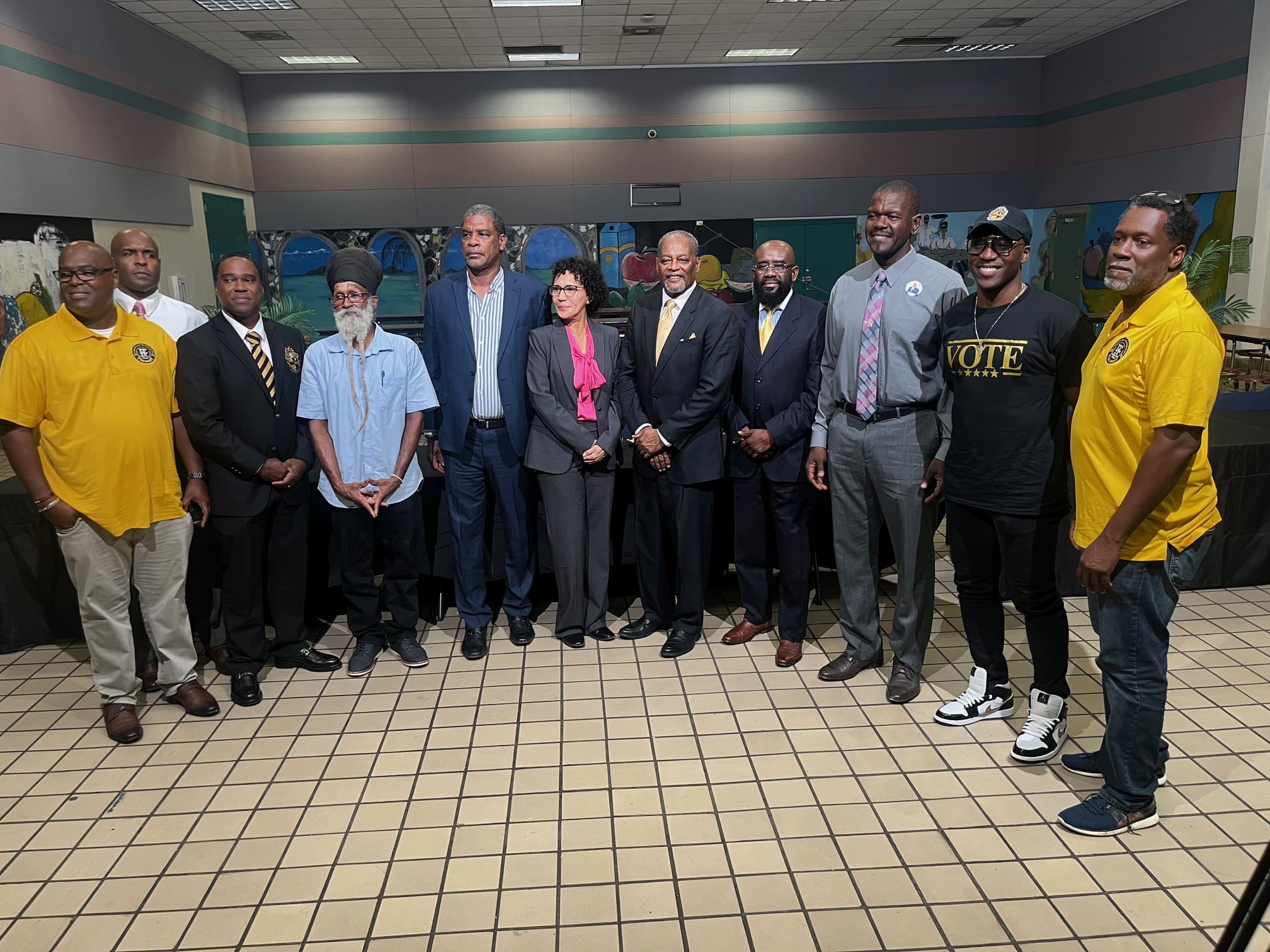
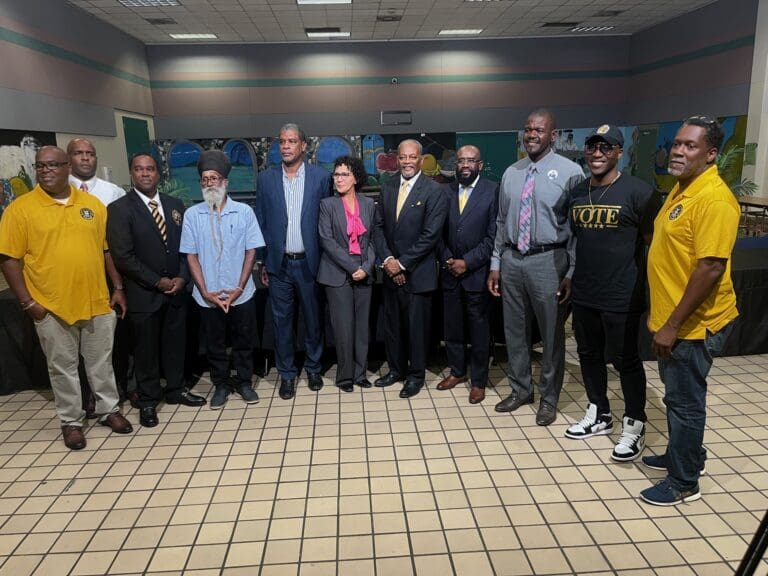
Tuesday night, the Alpha Phi Alpha Fraternity, Inc., in collaboration with the Elections System of the Virgin Islands, hosted a Senatorial Candidates’ forum at the St. Croix Educational Complex High School. (Source photo by Diana Dias)

The Elections System of the Virgin Islands is actively working to keep the community informed during the 2024 Senatorial Election season. On Tuesday night, the Alpha Phi Alpha Fraternity, Inc. partnered with the Elections System of the Virgin Islands to host a Senatorial Candidates’ Forum at the St. Croix Educational Complex High School.

Candidates who participated in the forum included Julian S. Viera, Kurt Vialet, Nereida “Nellie” Rivera O’Reilly, Clifford Joseph, and Oakland Benta. Emit Hansen, a member of the Alpha Phi Alpha Fraternity, Inc., moderated the forum.

The forum aimed to offer additional information about the candidate’s platform and their stance on various community issues. Questions covered topics such as improving the operations of the Water and Power Authority and addressing corruption in leadership spending.

This was not the first time for Vialet, O’Reilly, and Benta, as the three were former senators. Viera and Joseph, who have not served in the Senate seat, gave it their all in representing their platform. The questioning heated up when moderator Hansen asked about the candidates’ thoughts on how to “fix WAPA” from a senatorial point of view.

“Making sure that the sum of 600 million dollars that is available right now to fix St. Croix is used appropriately and what I would recommend as a senator is to move the WAPA plant from where it’s now to the south shore in the industrial area,” Viera said. Viera also recommends using three renewable energies: wind power, solar power, and ocean current, to generate electricity for the Virgin Islands.

Vialet disagreed with the idea of renewable energy as a solution. He stated that every member of the WAPA board should have expertise in a specific subject area, something he and other senators were striving to implement.

“Decisions were being made that were not in the best interest of the Virgin Islands,” said Vialet. “WAPA is plagued by mismanagement. So, no matter what decision is made, if you do not take care of the mismanagement, the debt continues to increase.”

O’Reilly, who is running as a write-in candidate, said, “My record is clear that I have tried to cut WAPA’s legs at the knees and it has really resulted in zero action, and I’ll tell you why because WAPA’s motto is only about enriching people in management and administration at the expense and at the backs of ratepayers.”

O’Reilly stated that this has been a 60-year problem and it will take some time to fix. She emphasized that we need to start negotiations immediately with the refinery that has the ability to generate the power to run St. Croix. “That is the conversation that needs to be happening right now,” said O’Reilly.  Secondly, inquire with FEMA what type of funding they are promising to address the energy crisis on the island. Third, to clear the path for other power generators to come to the island.

The next question tackled the candidates’ stance on high-ranking officials accused of corruption.

Benta said that during his time serving in the 33rd Legislature, he moved for body members to join him in combating this behavior by taking a formative stand. “I knew in the long term the V.I. government, we’ve been placed in that category of corruption,” he said.

Benta said the Legislature recently passed a budget again while in a state of emergency in this territory. “The budget doesn’t make sense because we have not discussed how we are going to take care of the debt or how the state of emergency was executed,” he said.

Joseph stated that it is embarrassing as a Virgin Islander to see people being charged, especially given the small community. “It’s alarming to drive past Henderson School and look at the lumber and listen to different radio programs.”

“Somebody still needs to take the lead, that’s what I’m talking about building a good team. If we see a problem, we need to address the problem. We need to look forward to the people of the Virgin Islands because this is what it all boils back to. We are suffering,” Joseph said.

The hour seemed to pass quickly as some audience members vocally expressed their desire to hear more about other topics, such as the hospital and education.

To view the forum, visit the Elections System Facebook page.

As of Wednesday, the number of voters that have participated in early voting are as follows: St. Croix – 712, St. Thomas – 493, and St. John – 3, bringing it to 1,208 voters territory-wide.

Supervisor of the Elections System of the Virgin Islands Caroline Fawkes said that early voting is scheduled to continue until Oct. 28 from 9:00 a.m. to 6:00 p.m. Voting centers are also open Saturdays and Sundays. Voting centers are:

  • St. Croix – Elections Office-Sunny Isle Shopping Center Unit 26
  • St. Thomas – Elections Office- Lockhart Gardens (above Banco Popular)
  • St. John – Elections Office – The Market Place Suite II

Absentee ballots are also available. Visit the Elections System website for an application and to request an emailed absentee ballot. The General Election is Nov. 5.

Groove Under the Stars: OTF Launches New Music Series at Veterans Memorial Park

Steel-pan artist Kevin Williams will play Friday at “Rhythms at Sunset” in Frederiksted. (Photo from Kevin Williams’ Facebook page)
Beginning Friday, a new music series, “Rhythms at Sunset,” will be held the third Friday of every month at the Verne I. Richards Veterans Memorial Park, south of the Frederiksted Pier, on the West End waterfront on St. Croix. As in the old days of Sun Set Jazz in the early 2000s, Our Town Frederiksted (OTF) will host free monthly live music and poetry events with food, drinks, and vendor items. “Everyone misses it and we miss it,” Aimee Griles-Carino, OTF executive director, said. Friday’s lineup includes three musical artists and two spoken word performers who will entertain from 6-9 p.m. Steel-pan genius Kevin Williams Jr., the Troublemakers Jazz Band and Tony Richards & Friends will fill the night air with lively tones and poets Kaden and Dese will provide thought-provoking dialogue. A wide variety of food and beverages will be available for purchase. While mingling with friends and community members, attendees will be able to shop for holiday gifts for family and friends. Concert attendees can bring chairs and blankets for comfortable seating. “Rhythms at Sunset is a community-driven effort to bring people together and celebrate the rich cultural heritage of Frederiksted,” the executive director said. Founded in 1988, Our Town Frederiksted is an advocate for community empowerment and historic preservation, especially in Frederiksted’s historic district, according to the website. OTF was defunct for five years, Griles-Carino said, following hurricanes Irma and Maria. But the community organization has been reborn with staff and a full board of enthusiastic members. As they were coming back to life, OTF was involved in renovating the Midre Cummings playground and serves as The Children First project’s fiduciary. In previous years, OTF hosted a variety of projects and events. Most recently, a large group of volunteers gathered to clean Frederiksted’s main streets. In September, the organization was granted $100,000 through the USVI Housing Ecosystem Development Grant Program Enterprise Community Partners to enhance affordable housing initiatives, including education and restoring properties. Also, in September, OTF partnered with the V.I. Police Department to add police presence throughout the town and engage the community. Over the years, town hall meetings and art shows were sponsored by the rejuvenated non-profit organization.

Government Officials Issue Heat Advisory, Warn of Developing Weather System, and Prepare for National Earthquake Drill
0
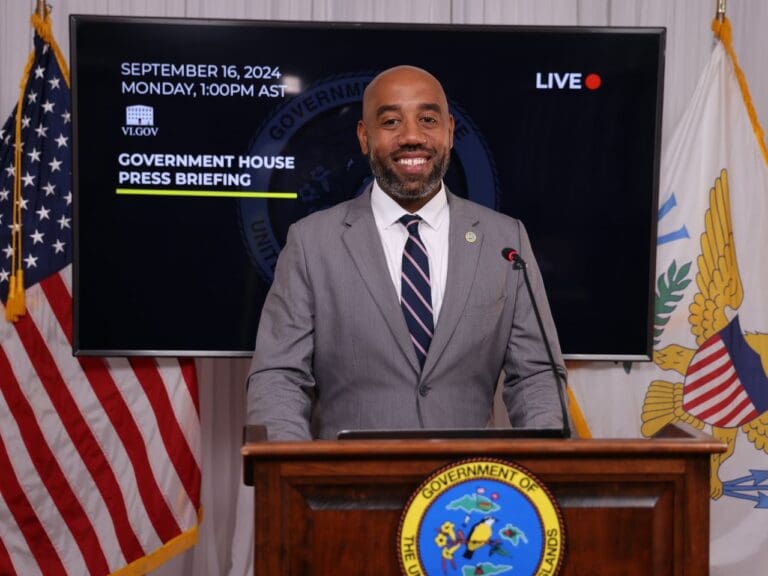
At the weekly Government House briefing on Tuesday, Government House Communications Director Richard Motta was joined by VITEMA Director Daryl Jaschen, Department of Human Services (DHS) Commissioner Averil George, and Territorial Epidemiologist Esther Ellis to provide critical updates on public safety, health, and social services. Heat Advisory and Developing Weather System  VITEMA Director Daryl Jaschen warned territorial residents, especially those on St. Croix, of a heat advisory in effect between 10 a.m. and 4 p.m. “Individuals sensitive to heat should remain indoors, in air-conditioned environments, wear lightweight, loose-fitting clothing, and stay hydrated,” Jaschen advised. He emphasized the importance of taking precautions to avoid heat-related illnesses, especially given the current high temperatures. Jaschen also provided an update on a developing low-pressure weather system, identified as Invest 94, which is currently forming in the Atlantic Ocean and moving westward toward the Lesser Antilles. He informed the public that the system is expected to develop into a tropical depression later this week, but urged vigilance. “Although we are moving closer to the end of Hurricane Season 2024, this system bears watching closely,” Jaschen said. Earthquake Preparedness: The Great ShakeOut  In addition to weather updates, Jaschen reminded residents of the upcoming Great ShakeOut, a national earthquake drill scheduled for Oct. 17. At 10:17 a.m., millions of people worldwide will participate in earthquake drills to practice how to protect themselves during a seismic event. “We encourage everyone to take part, whether at work, school, or home, to ensure readiness in the event of an earthquake,” he said. DHS Announcements: Council on Aging and Child Care Services  DHS Commissioner Averil George took the opportunity to announce key initiatives aimed at supporting vulnerable populations, particularly the elderly and families in need of child care services. George provided details on the re-establishment of the Virgin Islands Council on Aging, which is tasked with advising the governor on policies affecting seniors. The council will work to ensure that older residents have access to necessary services and resources. “We are committed to enhancing the quality of life for our senior population and ensuring they are supported with adequate resources,” George said, encouraging seniors and their families to engage with the council as it begins its work. George also spoke about the expansion of child care services, announcing the launch of new programs designed to provide support for working parents. These initiatives will increase access to affordable child care across the territory, addressing a critical need for many families. “We recognize the importance of supporting working parents, especially those who are struggling to balance their job responsibilities with the needs of their children,” George added. COVID-19 and Public Health Updates  Territorial Epidemiologist Esther Ellis provided an update on COVID-19 and other public health matters. Ellis noted that while COVID-19 cases remain relatively stable, residents should continue to exercise caution, especially in public settings. “We are seeing a slight increase in cases, and while it’s not cause for alarm, it’s important that we continue to follow health guidelines, such as handwashing, mask-wearing in crowded areas, and staying home if feeling unwell,” Ellis stated. Ellis also touched on flu season, reminding residents to get their flu vaccines to avoid compounding illnesses as the territory enters the cooler months. “Flu season is upon us, and we encourage everyone, especially the elderly and those with underlying conditions, to get vaccinated,” she said.

The Fish Fry | Episode 7: Shenelle Fina Francis
0
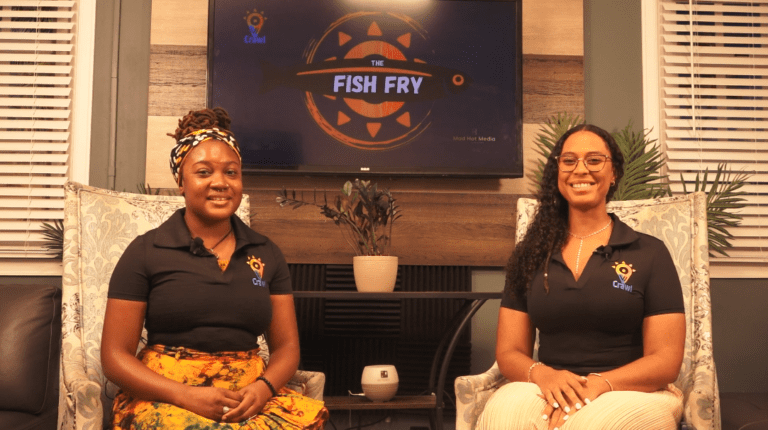
St. Thomas-St. John Senate candidate Shenelle Fina Francis stresses the importance of being able to collaborate with her colleagues to find solutions to the territory’s pressing issues – hear more on this episode of The Fish Fry. The Fish Fry is produced by the VI Crawl, powered by Mad Hot Media and the VI Source. There’s always something new!

Meet the Candidates | Marise C. James
0
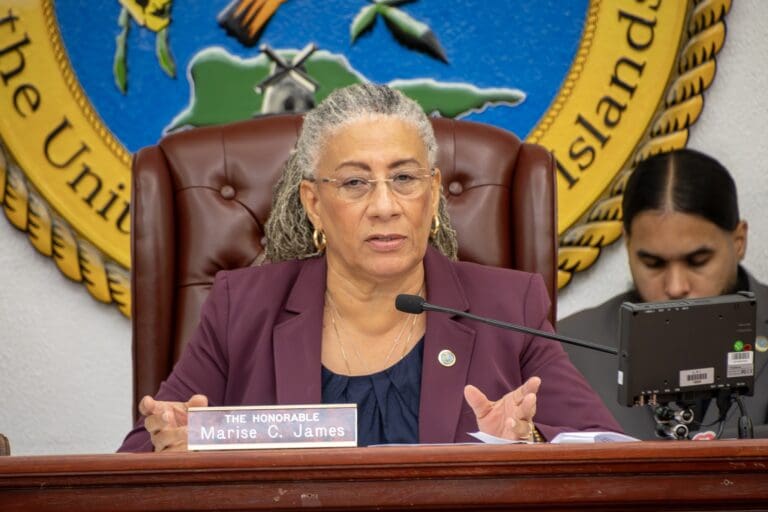
As we gear up for the 2024 Senate elections, it’s crucial to know where each candidate stands on issues that matter most to our community. To keep you informed, The Source has compiled a list of key questions on pressing topics affecting the Virgin Islands. The answers below are from St. Croix incumbent Sen. Marise C. James: Why are you running for office, what are your qualifications, and why should voters choose you? I am running for re-election to the V.I. legislature because I believe in the transformative power of strong, compassionate leadership. As an attorney, I deeply understand the intricacies of lawmaking, which is the core responsibility of a senator. The words we craft into law must be precise, effective, and in the best interest of the people. My experience as a mediator has taught me the immense value of collaboration, a skill I will continue to bring to the Senate as I work with my colleagues to pass meaningful legislation. As a former educator, I know that education is the key to creating a more equitable society. It opens doors and provides opportunities for all, regardless of background. I’ve seen firsthand how a solid education can change lives, and this perspective guides my work in policy to ensure that every child has the tools they need to succeed. Being a mother of three adult children, I understand that children need a strong foundation—nurturing, guidance, and the right opportunities—to grow into responsible, empowered adults. Our policies must reflect this commitment to their future. Additionally, as a business owner, I know that small businesses are the backbone of our economy. They fuel innovation, provide jobs, and drive community development, and they deserve policies that support their growth. There is no one in the Senate with the same blend of education, experience, and expertise that I bring. But what truly sets me apart is my compassion and courage to make the right decisions for our people, even when those decisions are difficult. I am committed to serving with integrity, ensuring that the voices of our community are heard and that our future is brighter for all. — How would you address the high cost of living in the territory and the lack of affordable housing? To reduce the cost of living on our island, we can focus on increasing local production, especially in agriculture, renewable energy, and small-scale manufacturing. By investing in renewable energy, we can lower electricity costs, while supporting local farming and community gardening reduces reliance on imported food. Additionally, improving port efficiency and streamlining import logistics can help lower the price of imported goods, making them more affordable for residents. Encouraging entrepreneurship, providing subsidies for essential goods, and improving public transportation are also key strategies. By empowering local businesses and promoting consumer cooperatives, we can reduce the need for imports and keep money circulating within the local economy. Investing in workforce development and education will build a skilled workforce to sustain these initiatives long-term, creating a more resilient and affordable island economy. To address the housing shortage in the Virgin Islands, the government could implement several targeted strategies. One option is creating a local housing trust fund, which could pool resources from taxes, bonds, and private contributions to finance affordable housing projects. Streamlining the permitting process for housing developments and establishing public-private partnerships could also attract more developers, while using underutilized government land for housing could increase supply. Encouraging adaptive reuse of vacant commercial properties and supporting modular or prefabricated housing could further expand affordable housing options. Additionally, the government could adopt inclusionary zoning laws requiring a percentage of new developments to include affordable units. Expanding financial support programs, such as rent subsidies or down-payment assistance like the V.I. Slice Program and the Williams Delight Grant Program that I initiated in collaboration with the Governor, could help low-income families and essential workers secure housing. Revitalizing public housing projects with energy-efficient upgrades and safety improvements (that is being done now with recovery funds) would ensure these developments remain a viable option for many residents. By leveraging these strategies, the Virgin Islands can address its critical need for affordable and workforce housing. — How would you improve the territory’s electrical grid and implementation of renewable energy? The Virgin Islands can generate reliable and sustainable electricity by utilizing a mix of renewable energy sources such as solar and wind. Solar and wind power are particularly promising due to the abundance of sunlight and wind here, and their intermittency can be addressed by incorporating energy storage systems like batteries. Hybrid systems that combine renewables with existing generators can provide a transition to cleaner energy while ensuring reliability. Energy efficiency improvements and smart grid technologies can also help reduce overall demand and optimize energy distribution. Public-Private Partnerships (PPPs) offer a valuable solution for revitalizing failing utility providers. These partnerships bring private investment, technical expertise, and operational efficiency, enabling upgrades to infrastructure and integration of renewable energy. PPPs allow for risk-sharing between the public and private sectors and can improve service delivery while fostering long-term sustainability. However, they require clear agreements, regulatory support, and community involvement to be successful, ensuring that the benefits are shared, and the projects meet local needs. I have pending legislation that provides a framework for P3 agreements to ensure that the public’s interest is protected. — What would you do to expedite or improve the territory’s disaster recovery, which has dragged on for seven years now? To expedite disaster recovery in the Virgin Islands, we must address key challenges like the labor shortage, housing for workers, and the bureaucracy in the procurement process. Prioritizing workforce housing solutions, such as providing modular units, would support both local and outside labor. Expanding training programs for local workers, offering incentives to attract skilled labor, and establishing a fast-tracked procurement system would speed up recovery efforts, particularly for essential projects like schools and hospitals. Additionally, partnering with third-party project management firms could help overcome capacity issues in the local government and streamline large-scale projects. I support project bundling of recovery efforts – combining several projects into larger contracts—because this strategy allows us to attract more experienced contractors who can manage multiple projects at once, thus moving the recovery process faster. We can streamline the design, contracting, and construction processes, significantly reducing delays. This approach allows us to capitalize on economies of scale, making projects more cost-effective and increasing efficiency across the board. Project bundling also fosters greater collaboration between agencies and contractors during project delivery, ensuring better coordination and faster progress. It took too long for the government to utilize this approach. It offers a comprehensive and accelerated solution for meeting our strategic recovery goals. Supporting small contractors is crucial to ensuring their participation in recovery work. Establishing a Bonding Assistance Program would help local firms secure payment and performance bonds, while also ensuring timely payments through a dedicated fund or loan program. We must also ensure small contractors are paid promptly for their work. Delays in payments from the government or large firms can financially cripple local businesses. Strengthening government oversight, improving transparency, and providing training for local officials in project management would help mitigate delays and hold parties accountable. By focusing on these areas, the territory can overcome the setbacks that have plagued the recovery process and rebuild critical infrastructure more efficiently. The people of the Virgin Islands deserve better, and we must rise to the challenge to rebuild stronger, more resilient communities. — What reforms would you propose to ensure our children are receiving the public education that they deserve? The need to improve the public education system in the Virgin Islands is clear. To ensure that our children receive the quality public education they deserve, we need a comprehensive restructuring of the educational system in the Virgin Islands. Here are the key reforms I propose:
  1. ​Restructuring the Educational System
  • Establish a stronger Board of Education with jurisdiction and control over District superintendents to centralize authority and enhance This will allow for effective monitoring of educational standards and practices throughout the territory.
  2. Engaging Parents
  • Parental involvement is crucial for academic To foster this engagement, we should:
1. Implement Parent-Teacher Collaborations through regular workshops and                           community meetings to help parents understand their children’s academic                         progress and how to support learning at home. 2. Create Family Learning Programs that incentivize participation by                                       educating families on engaging in literacy, numeracy, and critical thinking 3. Implement more effective communication systems between schools and                             families, such as parent portals, regular progress meetings, and even                                 home visits in cases where engagement is low. 3. Office of Early Childhood Care and Education
  • I propose the establishment of an Office of Early Childhood Care and Education to ensure all children begin school prepared. This office would:
1. Provide universal access to high-quality pre-kindergarten programs. 2. Offer training and resources for early childhood educators to develop                                 curriculum and teaching practices focused on early literacy and social-                               emotional development. 3. Develop support services for families to prepare children for the transition                           into formal schooling, particularly in economically disadvantaged (St. Croix                         – the poverty rate for children under five is 42%. 4. Integrate healthcare providers, social workers, and educators to ensure                             that children’s developmental needs (physical, emotional, and mental) are                         met.
  1. Curriculum and Skills Development
  • Our education must prioritize not just academics but also life. To this end, we should:
1. Emphasize critical thinking, problem-solving, and digital literacy within the                          curriculum. 2. Forge partnerships with local businesses and industries to provide                                      vocational training and apprenticeships for high school students. 3. Ensure the inclusion of Virgin Islands’ history, culture, and contributions                            within the school curriculum to foster a deeper connection between                                    students and their heritage. 4. Establish after-school programs that focus on mentorship, arts, sports,                               and community service for holistic development.
  1. Accountability and Transparency
  • Every reform effort should be paired with measures for accountability and transparency. This could include:
1. Publishing annual performance reviews for schools and educators. 2. Incorporating parent and student feedback into evaluations for teachers                            and administrators. 3. Creating a public dashboard that provides data on school performance,                              student outcomes, and resource allocation, making it accessible to the                              community. By implementing these reforms, we can begin to rebuild and strengthen our education system, ensuring that all children in the Virgin Islands receive the public education they deserve, fully prepared to thrive in a competitive world. What are your solutions to address violent crime in the territory, especially among young men? Decreasing crime requires a comprehensive approach that tackles its root causes and involves multiple strategies: (1) Increasing police presence in high-crime areas. Officers patrolling on foot or bike can engage with the community better than those only driving patrol cars. (2) Improved education and youth engagement programs and activities, (3) Job creation and skills development, (4) Mental health and addiction support, (5) Effective law enforcement, (6) Economic and social inequality. Policies that promote equality, such as fair wages, affordable housing, and equal access to healthcare, can lower crime rates over time, (6) Strengthen families and communities, (7) Hotspot policing and using surveillance and technology, (8) Educating the public about crime prevention, such as locking doors, being aware of surroundings, and reporting suspicious activity.. — How can the territory improve upon its tourism product while addressing growing concerns about over-tourism? Are we too reliant on cruise tourism and what can be done to bring more overnight visitors? Improving the tourism product in the Virgin Islands while addressing over-tourism requires a multifaceted approach. Diversifying offerings to include adventure, eco-tourism, and cultural experiences, especially on St. Croix, can attract visitors seeking authentic interactions with local culture and nature. Implementing sustainable tourism practices, such as capacity management and environmental initiatives, will protect natural resources while enhancing the visitor experience. Investing in infrastructure, including better transportation options and a range of accommodations, will also help cater to different types of travelers and promote longer stays. To attract more overnight visitors, targeted marketing campaigns can focus on promoting unique experiences and off-peak travel, while partnerships with travel influencers can broaden reach. Engaging local communities in tourism planning and supporting local businesses will foster authentic experiences for visitors. Additionally, assessing the impact of cruise tourism and implementing policies that promote sustainable practices can create a balanced approach to tourism, ultimately leading to a healthier tourism economy that benefits both visitors and residents. — What would you propose to better support people dealing with mental illness, alcoholism, addiction, and homelessness? Implementation of the following: V.I. Behavioral Health Act passed in 2022 requires the governor to establish at least one Behavioral Health Treatment Facility. The 2025 Budget passed by the legislature appropriated funds received as a result of the Virgin Islands’ civil action against the estate of Jeffrey Epstein includes $18 million in appropriations to the Health Department for completion of a behavioral health facility in Anna’s Hope and $3.5 million to complete the Eldra Schulterbrandt Mental Health Facility in Anna’s Retreat. The Health Resources and Services Administration (HRSA), an agency within the U.S. Department of Health and Human Services (HHS), announced an award of $600,000 to launch and expand mental health and substance use disorder services at Frederiksted Health Care in the U.S. Virgin Islands. I agree with Dan Derima, chair of the Virgin Islands Continuum of Care on Homelessness that the codification of the Virgin Islands Council on Homelessness (VICH) into law is a critical step in working toward ending homelessness in the territory. — What plans do you have to re-establish the libraries in the territory? Reestablishing libraries in the Virgin Islands is essential for enhancing literacy and community engagement, particularly following the devastation caused by hurricanes. A key proposal is to transition library oversight from the Department of Planning and Natural Resources to the Board of Education. This change would foster a more cohesive integration of library services within the educational system. In Hawaii, the Board of Education appoints and evaluates the executive officer of the Hawaiʻi State Public Library System, the State Librarian. Engaging the community in planning through town hall meetings will help identify needs and priorities for the libraries, while a thorough assessment of damaged facilities will guide the restoration process. Funding through federal grants and partnerships with local organizations can provide the necessary resources to rebuild libraries as vibrant community hubs. Incorporating technology into library services is crucial for modernizing resources and ensuring accessibility. This includes establishing digital catalogs and providing technology training for both patrons and staff. Additionally, investing in staff recruitment and training will ensure that libraries are well-equipped to serve the community effectively. Sustainable building practices can also be integrated into the rebuilding process to enhance resilience against future disasters. By implementing these strategies, we can create a robust library system that meets the needs of our community and promotes a love for reading and learning. “FEMA is obligating $5.8 million to five public libraries in the U.S. Virgin Islands for hurricane repairs. Library repairs will include $669,400 in hazard mitigation measures to infrastructure damaged by the 2017 storms.” FEMA.gov DPNR also applied for and received American Rescue Plan Act (ARPA) funding. Even with this funding the Commissioner of DPNR emphasized that the facilities require significant funding to properly staff and operate. — How can we provide access to affordable healthcare for individuals and small businesses? Based my research, in 2018, the U.S. Department of Labor expanded access to affordable health coverage options for small businesses and their employees through Associations Health Plans. It allows small employers to band together, based on common geography or industry, to purchase the types of coverage that are available to large employers, which can be less expensive and better tailored to the needs of their employees. It also allows working owners without other employees to join the association. The Office of the Governor has been working over the past several months to facilitate the Associations Health Plan for small businesses territory wide, including identifying and vetting health insurance carriers that could provide coverage to the Associations Health Plan members. Five organizations have opted in – the St. Thomas-St. John Chamber of Commerce, the St. Croix Chamber of Commerce, the USVI Hotel and Tourism Association, the VI Bar Association, and the VI Realtor Association. I will have to do further research on the effectiveness of the Associations’ Health Plans. To provide access to affordable healthcare for individuals and small businesses, several strategies can be employed. Strengthening health insurance marketplaces a can facilitate affordable coverage options. A public healthcare option could introduce competition in the market, potentially lowering costs for private plans. Additionally, tax incentives for small businesses that offer health insurance can encourage them to provide coverage to their employees. Investing in preventive care and expanding telehealth services can also contribute to reducing long-term healthcare costs, ensuring that essential services are more accessible. Supporting community health centers can provide affordable care for uninsured and underinsured individuals and increasing awareness about available options can empower individuals and businesses to make informed healthcare choices. By combining these approaches, a more accessible and affordable healthcare system can be created for everyone. — Please tell us about any of your other priorities for the territory that are not addressed in the questions above. Education, Housing, Healthcare, and Good Governance. Please visit marisecjames.com to learn more about each priority area. — And finally, if you could have one superpower to move the V.I. forward, what would it be and why? The power to increase our literacy rate to 100% immediately. Literacy is vital for the Virgin Islands’ population as it directly impacts economic development, empowerment, and public health. A literate workforce is more productive and adaptable to new technologies, leading to enhanced economic performance. Additionally, literacy empowers individuals by enabling them to access information, communicate effectively, and advocate for their rights, which fosters informed decision-making regarding their lives and communities. Furthermore, literate individuals tend to have better health outcomes as they can understand health information, access services, and follow medical instructions. Beyond economic and health benefits, literacy contributes to social stability, educational advancement, and cultural preservation. A literate population is more likely to engage in civic activities, promoting social cohesion and reducing crime rates. It also lays the groundwork for further education and lifelong learning, creating a more knowledgeable and skilled workforce. Moreover, literacy plays a critical role in breaking the cycle of poverty, as educated individuals are better equipped to secure higher-paying jobs and improve their families’ living standards, ultimately enhancing our islands’ regional and global competitiveness. Our gratitude to all the candidates for their participation in this important series. Stay tuned as we share their views and priorities, helping you make an informed decision at the polls!

Meet the Candidates | Milton Potter

0
As we gear up for the 2024 Senate elections, it’s crucial to know where each candidate stands on issues that matter most to our community. To keep you informed, The Source has compiled a list of key questions on pressing topics affecting the Virgin Islands. The answers below are from St. Thomas-St. John District incumbent Sen. Milton Potter: Why are you running for office, what are your qualifications, and why should voters choose you? My love for the people of the USVI and my commitment to improving our quality of life are the primary reasons I am running for office. In terms of qualifications, I hold a master’s degree in psychology; a BS in Criminal Justice; I am a Senior Certified Professional with the Society for Human Resource Management.  I served as Personnel Director for the GVI; HR Director for the VIPA; and Executive Director for the VI Board of Education.  I am also a twice-elected Senator representing the St. Thomas-St. John District.  I bring thoughtful, ethical, committed leadership to the people of the Virgin Islands in my role as Senator. — How would you address the high cost of living in the territory and the lack of affordable housing? Regrettably, there is no silver bullet for addressing the high cost of living and the lack of affordable housing in the VI.  It will require a multifaceted approach:
  • We must provide more incentives for developers and local homeowners to build affordable housing units to include tax breaks, reduced permit fees or special grants for low-income and moderate-income projects.
  • More public-private partnerships between government and private developers to create more housing options;
  • Revise zoning regulations to allow for higher density housing and mixed-use developments. Establish more down payment assistance initiatives for first time homebuyers.
  • Work on reducing the cost of WAPA and essential services through subsidies or community programs, which can alleviate some of the financial pressures on residents.
  • Develop community land trusts to keep housing prices down by removing land from the speculative market.
  • Engage stakeholders in an Affordable Housing Summit – to include banking institutions, contractors, DPNR, housing agencies, etc., to develop affordable housing strategies, and an affordable housing model that is specific to the unique needs of the USVI. —
How would you improve the territory’s electrical grid and implementation of renewable energy?
  • Develop Renewables Division at WAPA. Mandate that 75% of energy be derived from renewable sources by 2030.
  • Bifurcate the responsibilities of WAPA by allowing the WAPA CEO to focus of addressing the authority’s internal financial and administrative woes, while empaneling a specialized commission to develop a detailed plan for utilizing the unprecedented billions of federal dollars available to ensure WAPA’s long-term transformation. —
What would you do to expedite or improve the territory’s disaster recovery, which has dragged on for seven years now? Weekly meetings with key recovery agencies, to include the Office of Disaster Recovery, the new Super Project Management Office, the Office of the Governor, the Legislature, as well as local FEMA and HUD representatives, to ensure that we are all on the same page and to ensure that the recovery is expedited and remains focused and on track. — What reforms would you propose to ensure our children are receiving the public education that they deserve?
  • Utilize legislative oversight to ensure that school infrastructure is modernized, properly maintained, and safe for students and school personnel.
  • Develop specific, data driven initiatives aimed at addressing learning loss
  • Consider legislation banning student cell phones on campus during instructional periods.
  • Raise teacher salaries to $80,000 by 2030, which will help with teacher recruitment and retention.
  • Revise and update the curriculum to ensure it is relevant and engaging for students, incorporate technology, VI history, critical thinking and life skills into the curriculum to prepare students for the future.
  • Expand early childhood education programs to ensure children start their education on a strong footing.
  • Require age-appropriate mental health education in school. Prioritize funding to increase access to mental health resources and counseling services in schools to support student’s emotional well-being and academic success. —
What are your solutions to address violent crime in the territory, especially among young men?
  • Hire more police officers to develop and implement a serious community-oriented policing initiative. This would build relationships between officers and the community ensuring better communication and cooperation to apprehend perpetrators.
  • Implement data driven, targeted policing, assigning officers and policing resources to high crime areas. All the studies suggest that crime is deterred more so by certainty of being caught than by severity of punishment.
  • We must also support not for profit agencies and organizations that focus on engaging and deterring juvenile crime. —
How can the territory improve upon its tourism product while addressing growing concerns about over-tourism? Are we too reliant on cruise tourism and what can be done to bring more overnight visitors? I concur that we are over reliant on cruise tourism.  Our territory must engage in a larger discussion about how much is too much with respect to cruise ship visitors and the overall impact on our territory’s infrastructure and environment. We must engage and incentivize our young people to develop micro tourism related businesses that will be fresh and innovative to tourists. Prioritize Sports Tourism by focusing on building and improving recreational facilities to attract a variety of regional and national tournaments to bring thousands of athletes and fans to the territory, enhancing the much more lucrative overnight guest market. — What would you propose to better support people dealing with mental illness, alcoholism, addiction, and homelessness? Identifying additional funding to build facilities to accommodate persons suffering with mental illness, alcoholism, addiction and homelessness, also utilize legislative oversight to ensure they are timely and properly built. Identify funding to recruit and retain high quality mental health professionals. — What plans do you have to re-establish the libraries in the territory? Engage community stakeholders (residents, teachers, nonprofits) to determine community needs and preferences regarding library services. Expand library programming to include a range of activities such as literacy programs, job training, technology workshops, and cultural events. Advocate for additional resources and funding from federal sources and philanthropic organizations, specifically designated for library renovation and operation. Identify funding to build a modern archival facility to house precious books, documents, periodicals, etc., to ensure our rich Virgin Islands history and culture is preserved for posterity. — How can we provide access to affordable healthcare for individuals and small businesses? Advocate for the expansion of Medicaid and the CHIP programs to cover low-income residents.  This can significantly increase access to healthcare services for those who need it most. Identify funding to create subsidies that provide tax credits to small businesses that offer health insurance to their employees.  This can make it more feasible for small employers to provide affordable healthcare options. Promote the use of telehealth services to increase access to healthcare.  Telehealth can reduce costs and make it easier for individuals to consult healthcare providers. Support the expansion of St. Thomas East End Medical Center and Frederiksted Health Center in their efforts to provide healthcare services to underserved populations at reduced costs. — Please tell us about any of your other priorities for the territory that are not addressed in the questions above.
  • Small business incentive program with a focus on millenniums and gen Zs.
  • Initiative to ban polystyrene food containers and amend the plastic bag ban
  • Bill to raise the minimum wage for teachers to $80,000 by 2030
  • Bill to mandate age-appropriate mental health instruction in public schools —
And finally, if you could have one superpower to move the V.I. forward, what would it be and why? The ability to instill a sense of unity and collaboration among the leadership of this territory as well as our diverse communities.  With this superpower, I would foster a spirit of cooperation that transcends differences and encourages all residents, regardless of their background, to come together to address our common challenges.  This unity would enable us to tackle critical issues like economic development, WAPA, education, crime, healthcare, affordable housing, and more.  Together, we could build a more resilient and prosperous Virgin Islands for future generations. Our gratitude to all the candidates for their participation in this important series. Stay tuned as we share their views and priorities, helping you make an informed decision at the polls!

Bryan Vetoes Wire Transfer Fee Bill and Portions of Epstein Settlement Appropriations, Citing Economic and Legal Concerns
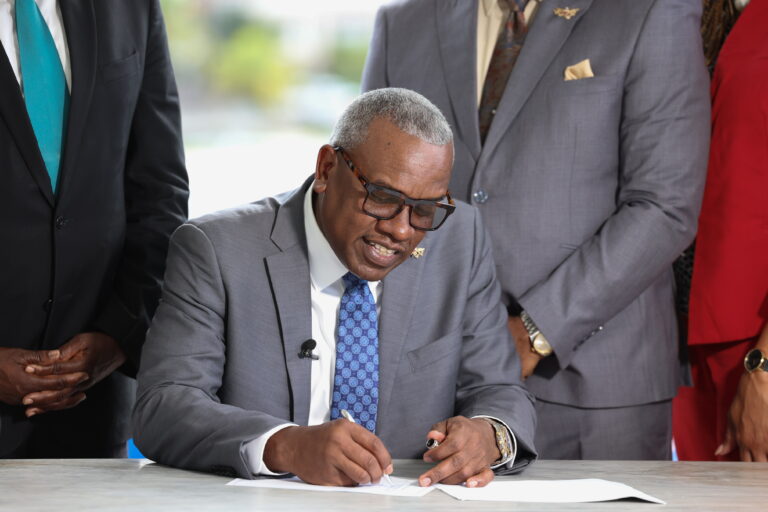

Gov. Albert Bryan Jr. has vetoed two significant bills passed by the Legislature, including a proposal to impose a 3 percent fee on money transfers, as well as portions of an appropriations bill tied to the combined $137.5 million in settlement funds from the estate of Jeffrey Epstein and financier Leon Black, who settled with the territory over his ties to Epstein. Both measures, which were passed by lawmakers in late September, were intended to bolster the territory’s financial resources, but on Tuesday, Bryan raised concerns about their potential unintended consequences. Money Transfer Fee Bill Bill No. 35-0375, introduced by the Senate’s Appropriations and Budget Committee Chair Donna Frett-Gregory, was designed to generate approximately $21 million in new revenue by imposing a 3 percent on wire transfers. The funds were meant to help balance the Virgin Islands’ $1.2 billion budget and establish the Money Laundering and Electronic Transaction Enforcement Fund. While the measure was intended to combat money laundering and boost government revenues, Bryan vetoed the bill, expressing concerns on Tuesday about its broad scope and impact on the business community and consumers. “This measure could unfairly shift the burden of additional costs onto consumers,” Bryan said in a transmittal letter to Senate President Novelle Francis, noting that the fee would affect banks, credit unions, money transmitters, and others. He warned that businesses might pass the costs onto consumers, including college students, military personnel, and small business owners, at a time when inflation is already a concern. Bryan also cited the potential conflict with the U.S. Constitution’s Commerce Clause, which regulates interstate trade, indicating that the wire transfer fee could face legal challenges. Epstein Settlement Appropriations Bryan also exercised his line-item veto authority on Bill No. 35-0380, which appropriated Epstein estate and Leon Black settlement funds for a range of infrastructure, health services, and economic development across the islands. The Senate’s proposal, discussed in two back-to-back meetings on September 26, also included the establishment of the Southern Trust Company Settlement Fund and the Survivors and Mental Health Healing Trust Fund. While Bryan approved many of the bill’s provisions, he issued line-item vetoes for two specific sections, including a section appropriating $10 million to the Economic Development Authority (EDA) for private economic development. Tuesday, Bryan said he had struck down this allocation, explaining that the EDA had already received $67 million from the federal government through the State Small Business Credit Initiative (SSBCI), making the additional $10 million unnecessary. “Allocating additional funds now would not be an efficient use of resources,” Bryan stated. Bryan also vetoed Section 15, which directed that the settlement funds be placed into a high-interest-bearing account. The governor explained that the Epstein funds are already in such an account, making this section redundant. Finally, Bryan vetoed Bill No. 35-0381, which sought to appropriate funds to the Attorney General’s Crime Prevention/Prosecution Fund and establish a new charitable fund for vulnerable and disenfranchised individuals. The bill, tied to $25 million from the Epstein Estate Master Settlement and Release Agreement (MSA), aimed to support crime prevention and prosecution efforts in the territory. In his veto message, Bryan criticized the bill as “unnecessary and flawed,” pointing out that the MSA already ensures the automatic contribution of $25 million to the Attorney General’s Crime Prevention/Prosecution Fund, making the legislation redundant. Bryan further noted that the bill’s provision allowing the governor to contribute funds through the commissioner of Finance was unnecessary, as the contribution is mandated by the settlement agreement itself. The bill also included a transfer of $5.3 million to organizations that assist vulnerable individuals, but Bryan’s veto emphasized that the existing structure of the MSA already covers the intended purpose of the bill. Despite these vetoes, Bryan expressed support for the broader goal of using the settlement funds to improve infrastructure, mental health services, and the economic outlook of the Virgin Islands but emphasized the need for careful management and efficient use of resources. Meanwhile, the governor approved the majority of fiscal year 2025 budget bills passed during the most recent Senate session, including a measure removing restrictions on the government’s existing $100 million line of credit to allow for outstanding vendor payments, among other things. To read the governor’s transmittal letter to the senate president, click here.