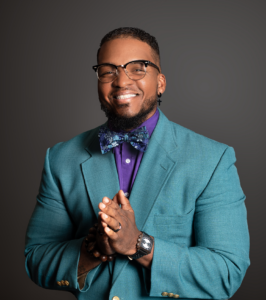
 In his biweekly column, Langley Shazor speaks to issues important to men within the territory.
Many men are more comfortable protecting love than practicing it. We are taught to guard, to provide, and to defend, but not always to open, to express, or to surrender. The idea of love often feels like an assignment rather than an experience, something we are supposed to do well but never taught to do deeply. For generations, love has been filtered through fear: fear of vulnerability, fear of rejection, fear of losing control, or fear of being misunderstood. That fear is what keeps many men in emotional survival mode even when they are standing in the middle of relationships that are safe.
The truth is, love without fear is not something we inherit; it is something we learn. It takes unlearning habits built from old pain, pride, and silence. It requires the kind of courage that goes deeper than physical bravery. It is easy to fight for someone, but it takes real strength to be transparent with them. It takes maturity to admit that you need affection as much as respect, and connection as much as space. Many men struggle with love, not because they are incapable, but because they are unpracticed. They were raised to chase loyalty without intimacy and to equate closeness with weakness.
Fear and love cannot coexist for long. Fear creates distance, even when two people are standing side by side. It makes a man defensive where he should be honest, distant where he should be engaged. It teaches him to measure love by control instead of care. But when fear is allowed to lead, love becomes something you manage instead of something you live. And love managed by fear will always feel fragile, no matter how stable it looks from the outside.

Loving without fear begins with trusting not just in the other person, but in yourself. You have to believe that you are worthy of love, capable of sustaining it, and strong enough to survive it if it ever changes. Fear convinces men that opening up means losing power. But love is not a transaction of power; it is an exchange of presence. The more you learn to trust your emotional intelligence, the more you begin to see that love does not diminish strength but refines it.
Trust also means allowing yourself to be seen, not just respected. Many men only share the polished parts of themselves. They show their competence but not their confusion, their confidence but not their doubt. But love grows through truth, not perfection. When you show up as your whole self, flaws, questions, and all, you create the space for real intimacy. Love without fear says, “This is me, still learning, still growing, still showing up.” That kind of honesty invites closeness that performance can never sustain.
Part of the reason fear lingers in love is because many men have experienced love as conditional. They were praised for being strong, reliable, or successful but rarely affirmed simply for being themselves. When love feels like something you have to earn, you spend relationships performing instead of connecting. You hide the parts of yourself that might disappoint someone, and in doing so, you rob them of the chance to truly know you. But when a man begins to understand that love is not a reward, it becomes a relationship built on choice, not performance.
Loving without fear also requires communication that goes beyond logistics. Too often, men treat conversations like problem-solving sessions. We want to fix, to resolve, to move on. But love requires listening, empathy, and emotional availability. It asks that we sit in discomfort long enough to understand, not just to respond. When a man learns to listen with presence instead of pressure, communication becomes connection. That is where trust deepens.
There is also the fear of dependence or the belief that needing someone makes a man weak. But love is not dependency; it is interdependence. It is the willingness to rely on each other in ways that strengthen both people. Being open enough to receive support does not make a man less capable; it makes him more complete. When you allow someone to love you in your vulnerable moments, you give them the opportunity to know the truth of you. That kind of shared honesty builds unbreakable bonds.
Many men also carry fear from past pain. Betrayal, loss, or disappointment can make love feel like a risk too heavy to take again. But closing yourself off does not protect you from pain, it just protects you from peace. Healing means learning to separate who hurt you from who loves you now. It means refusing to let old wounds decide the fate of new relationships. Love without fear is not about pretending the past did not happen; it is about choosing not to live there anymore.
To love without fear is to love with accountability. It means being honest about your actions and consistent with your words. It means showing affection not just when it is convenient but when it is necessary. It means understanding that love is a verb, a daily decision, not a mood. It means loving even when it requires work, especially when it requires work. The strongest men are not the ones who never struggle in love but the ones who refuse to stop showing up for it.
Love also requires grace. No relationship can survive without it. Grace is what allows two imperfect people to keep choosing each other. It gives room for growth without resentment. It forgives mistakes without forgetting the lesson. Love without fear makes grace a habit and a way of seeing your partner not through their flaws but through their effort. That kind of love builds emotional safety, and safety is what allows love to thrive.
In truth, love without fear is not about perfection or constant harmony. It is about presence. It is about being all in; emotionally, mentally, and spiritually, without needing guarantees. It is about learning that love is not a destination but a discipline. It is the ongoing practice of giving and receiving, of learning and unlearning, of building and rebuilding.
When men learn to love without fear, they stop performing manhood and start living it. They lead with empathy, protect without control, and express without shame. They become partners who nurture instead of dominate, fathers who connect instead of command, and friends who listen without ego. Love without fear is not softness, it is mastery.
The man who loves without fear is not one who never hurts. He is one who keeps his heart open despite the risk. Because he understands that the purpose of love is not to stay safe but to grow.
Editor’s Note: Opinion articles do not represent the views of the Virgin Islands Source newsroom and are the sole expressed opinion of the writer. Submissions can be made to visource@gmail.com.
Related Links:
Op-Ed: The Lounge | A Column for Men: Breaking the Cycle: From Myths to Manhood
Op-Ed: The Lounge | A Column for Men: Breaking the Cycle: Healing the Father Wound
Op-Ed: The Lounge | A Column for Men: Breaking the Cycle: Learning to Lead Without Losing Yourself
Op-Ed: The Lounge | A Column for Men: Breaking the Cycle: Building Emotional Wealth