The University of the Virgin Islands Center for Excellence in Developmental Disabilities concluded its free, three-part virtual wellness series, “The Art of Living: Sustainable Practices for Daily Living,” by equipping participants with practical strategies to promote emotional well-being, resilience and balance in everyday life.
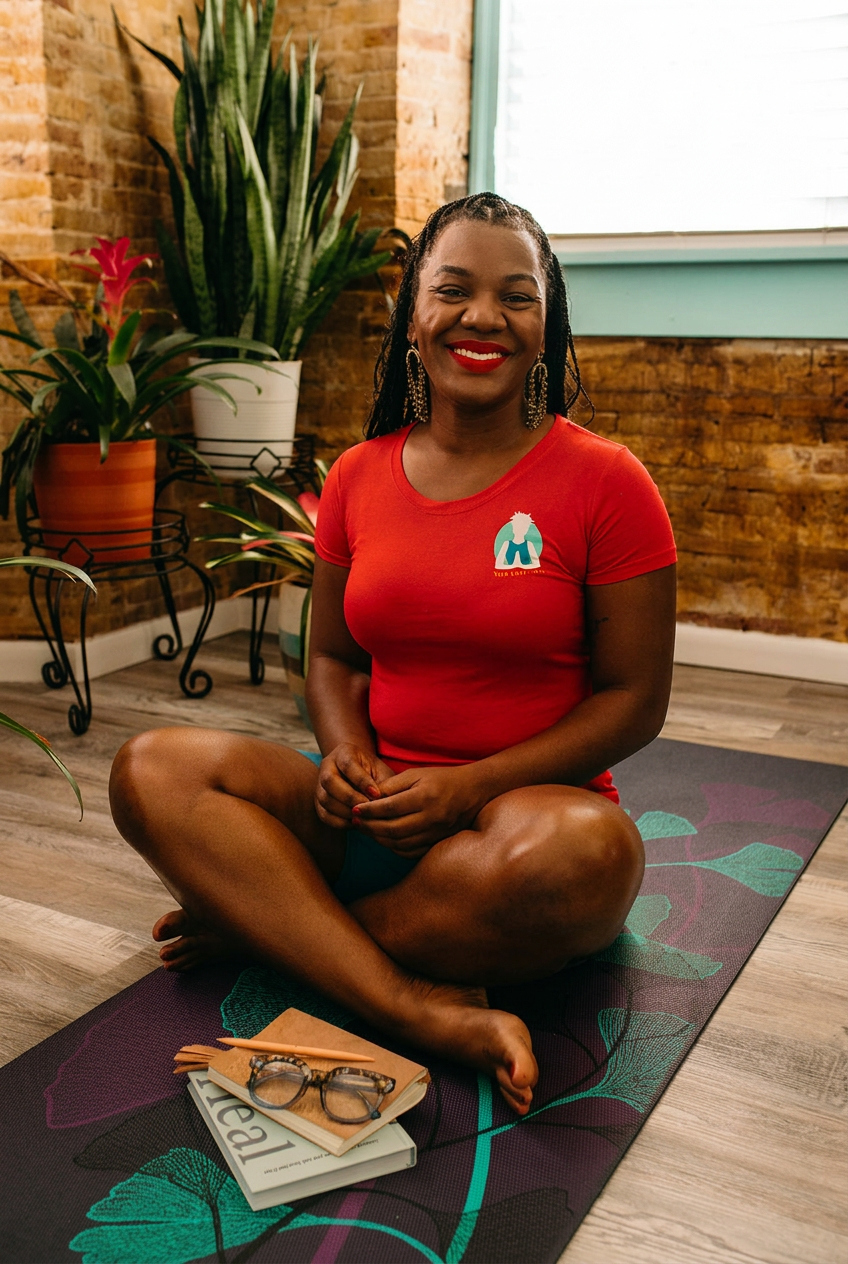
The series finale featured a live Zoom seminar facilitated by Nisha de Jean Charles, LCSW, ACSW, on Monday. De Jean Charles is the clinical director of Buoyant Living, a wellness studio and a “soul-centered refuge for those seeking to reconnect with their bodies, their breath, and their deeper knowing.” As a psychotherapist, transformative life coach and researcher, de Jean Charles is dedicated to helping people find calm amid the chaos of everyday life.
In addition to being a licensed clinical social worker, psychotherapist and veteran, de Jean Charles received advanced clinical and psychotherapy training at the University of Pennsylvania and has nearly two decades of clinical experience providing culturally affirming, evidence-based mental healthcare.
In the seminar, de Jean Charles helped participants explore mindfulness practices, stress-reduction techniques, nervous-system regulation strategies, and sustainable wellness habits designed to fit into real, busy, everyday lives. With clear, explicit and concise guidance, delivered in a warm, composed and inviting tone, de Jean Charles provided practical strategies to support emotional wellness and healthy daily living.
Many participants in the seminar initially described a range of feelings all too common today; emotions likely exacerbated by the frenzy of the 24-hour news cycle and the uncertainty of today’s political and social climate. They spoke about the busyness of their minds, difficulty focusing on their breathing, feelings of exhaustion, or the sense of moving through life on autopilot without truly checking in with themselves. Others described feeling disconnected from their bodies altogether.
Based upon these responses, de Jean Charles utilized a variety of simple exercises and strategies designed to help cultivate awareness of the body, the breath and one’s interior landscape. These exercises and strategies were presented as things participants could repeat on their own and that could be integrated easily into their daily lives.
“We began with a gentle body scan,” explained de Jean Charles, “simply inviting participants to notice how they were arriving in that moment. There wasn’t a right or wrong answer. The goal wasn’t to change their experience – it was to help them become aware of it with curiosity and compassion.”
After a series of mindfulness exercises, participants were invited to share their feelings, to describe how they were impacted by them. “Calm,” “peaceful,” “happy,” “hopeful,” and “at rest” were common responses. One individual who shared that he had successfully overcome drug and alcohol addiction years ago, but that he was still struggling with the more recent loss of his wife, cried tears of gratitude and expressed his heartfelt appreciation to de Jean Charles and all of the participants.
“Wellness isn’t a one-time workshop, it’s a daily practice,” Shamika Thomas, executive director of VIUCEDD and organizer of the seminar said. “This series was built to give our community real, accessible tools that don’t require hours of meditation or a complete life overhaul. Nisha’s sessions help participants leave with one or two small shifts they can actually sustain.”
Reflecting on the seminar afterward, de Jean Charles was encouraged, “I thought it was a wonderful collaboration because it reflected something we increasingly understand through both research and clinical practice: our mental health is influenced by the interconnectedness of our minds, bodies, relationships, and everyday habits.”