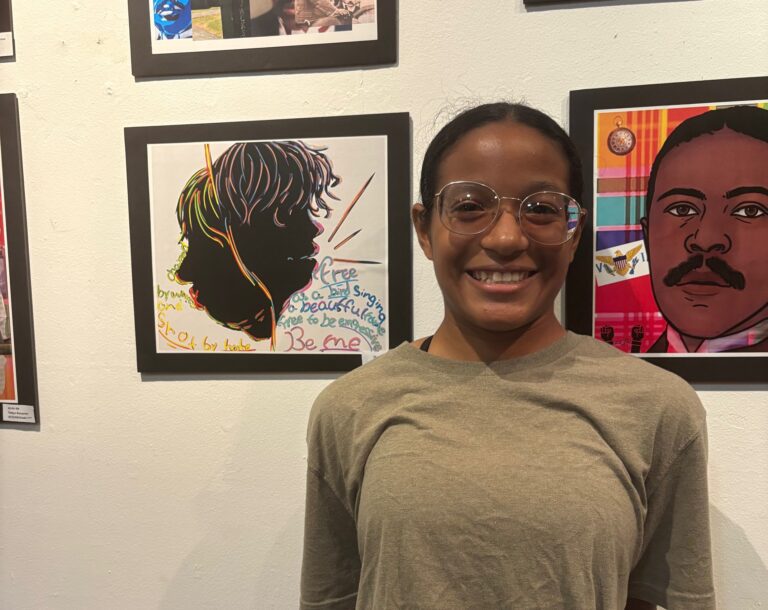
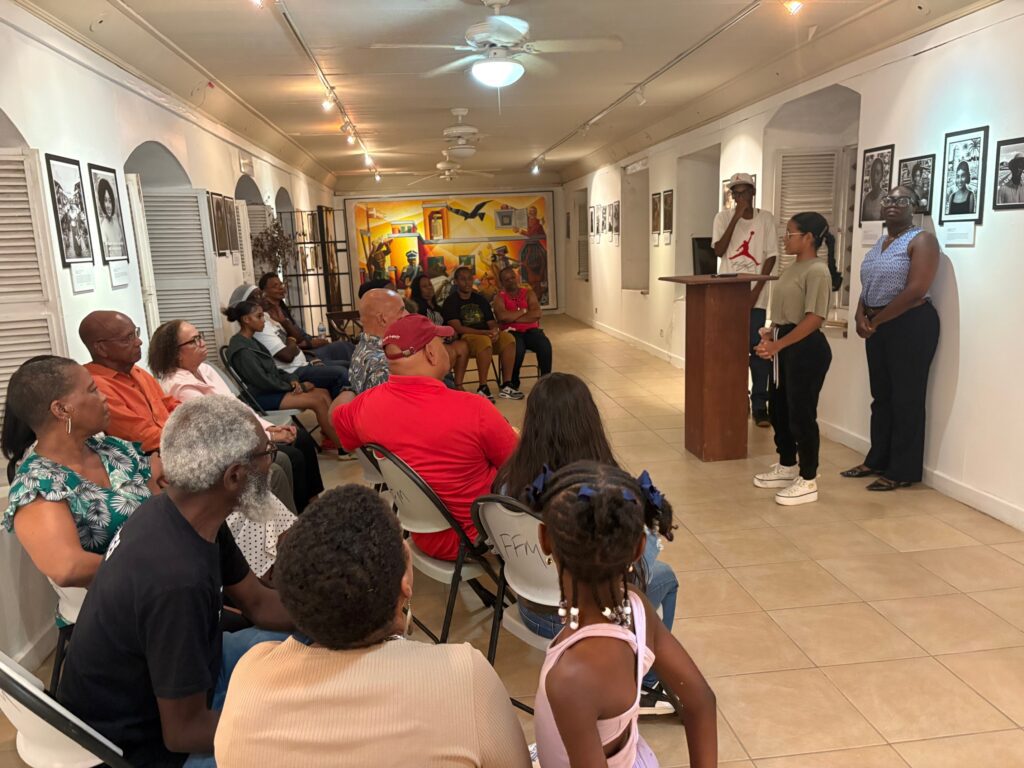
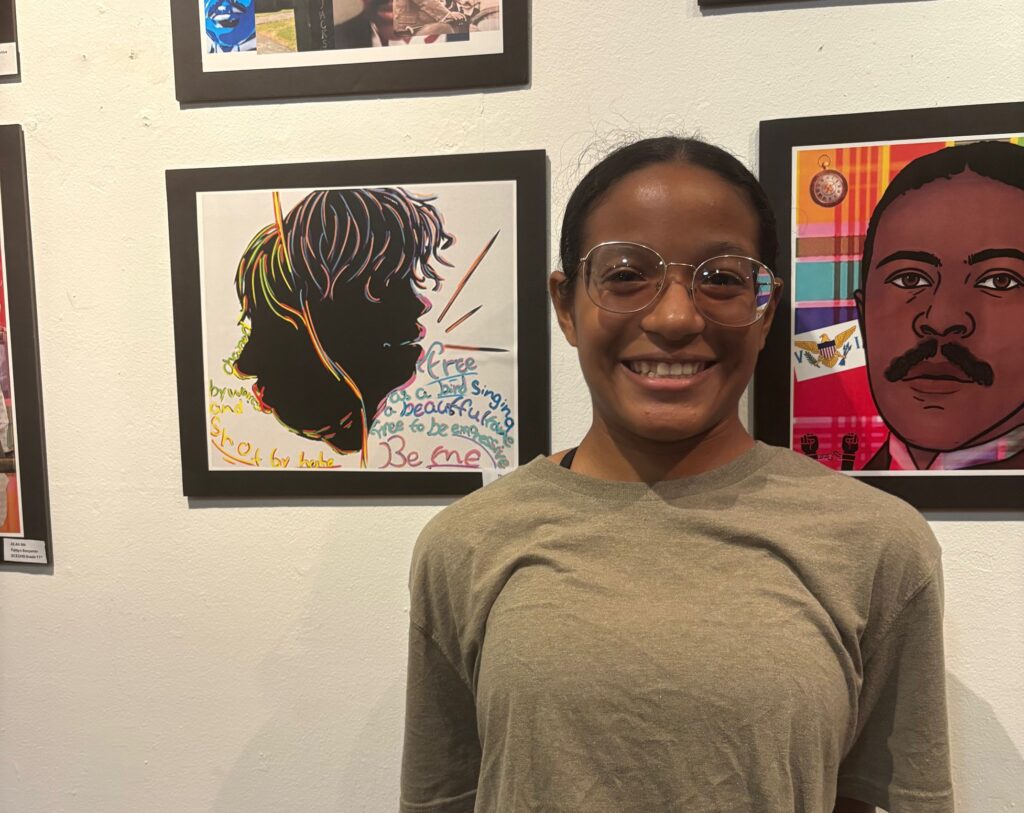
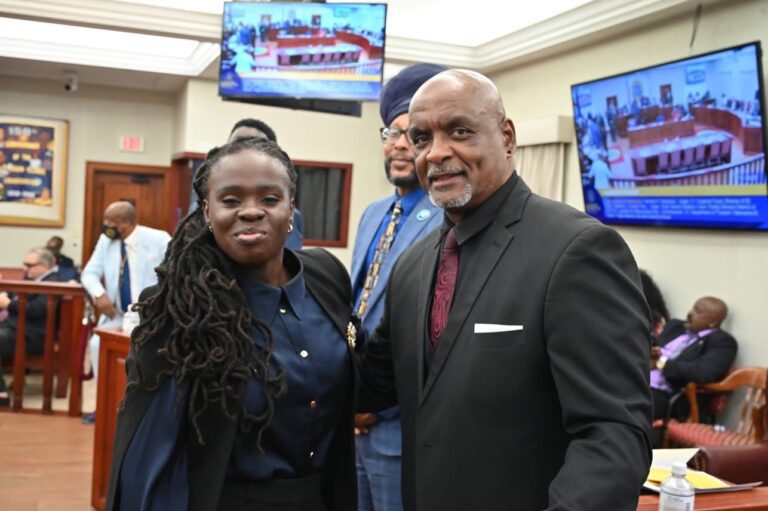
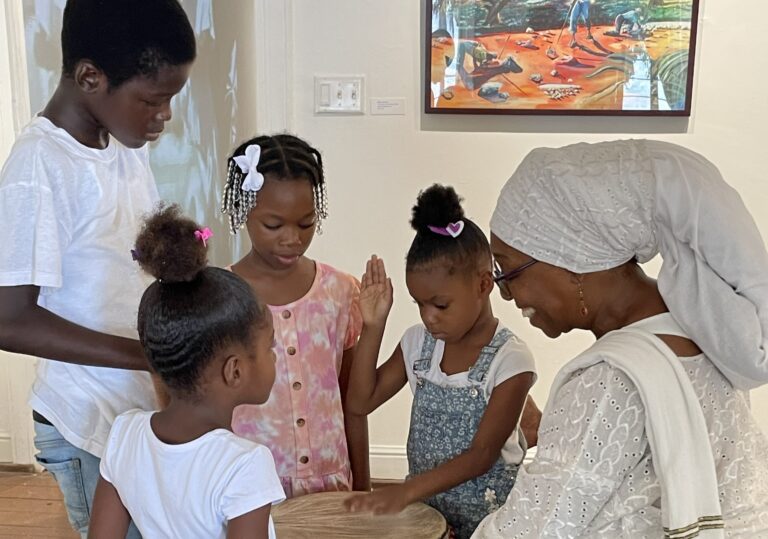
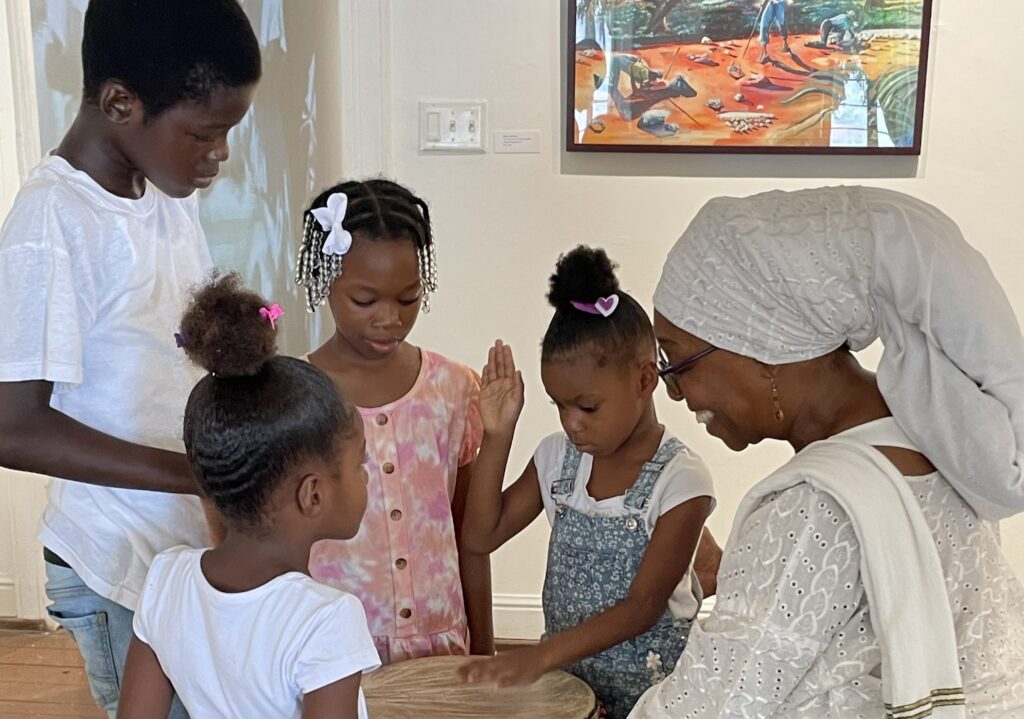
The public was allowed to review artwork by students of the St. Croix Educational Complex on Wednesday in honor of David Hamilton Jackson. (Source photo by Diana Dias)
When students from the St. Croix Educational Complex unveiled their artwork Wednesday night at Fort Frederik Museum, they weren’t just sharing self-portraits and digital collages—they were honoring the legacy of David Hamilton Jackson, whose fight for civil rights reshaped life in the U.S. Virgin Islands.
The display is part of the fifth annual educational art project and exhibition launched by the Division of Libraries, Archives and Museums (DLAM) in November 2021 to honor the legacy of David Hamilton Jackson and his monumental contributions to civil rights in the U.S. Virgin Islands. The exhibition featured pieces created under the instruction of art teacher Danica David and English teacher Cleone Lynch.
Born on St. Croix in 1884, Jackson fought for freedom of the press, voting rights, higher wages, workers’ rights, and founded the St. Croix Labor Union. Students first studied his life and leadership before creating artwork inspired by his advocacy and the broader struggle for civil rights during a time of deep racial inequality in the territory. Through symbolic imagery, storytelling, and reflection on leadership qualities such as bravery, honesty, and vision, they connected Jackson’s legacy to their own identities and values.
Lynch said the project helped her students strengthen both knowledge and identity. “Through their work, whether academic research, poetry, or visual art, my students deepened their understanding of our past and strengthened their sense of identity. I always tell them that while we celebrate athletic achievements, academic competition carries the same importance. I push them to challenge themselves, participate, and be engaged,” she shared.
Daija Hall in front of her piece entitled “The Paradox.” (Source photo by Diana Dias)
Among the featured works was a digital piece by eleventh grader Daija Hall, who used two opposing heads to symbolize the relationship between past and future, with an egg representing the tension and merging of both timelines. She used color symbolically: blue for freedom and loyalty, red for danger and passion, purple for its beauty, and green for nurture and growth. She tilted her piece The Paradox.
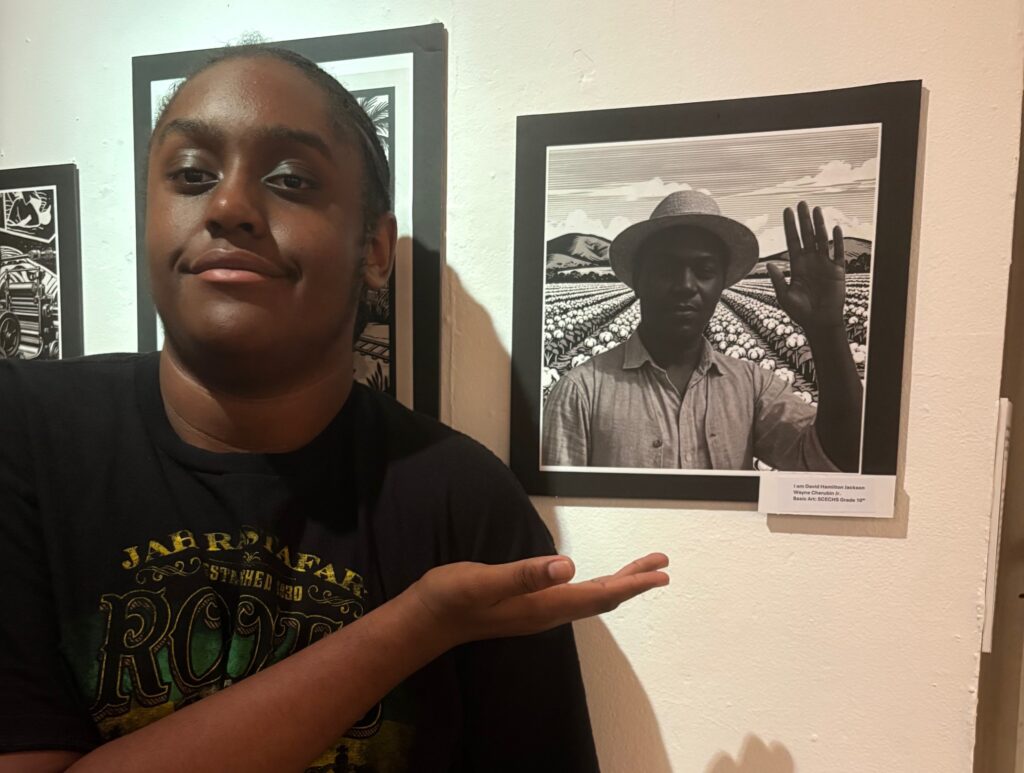
Another student, Wayne Cherubin Jr., transformed a selfie into a historical style portrait inspired by Jackson’s dedication, aiming to reflect the continued importance of hard work and advocacy.
Student Wayne Cherubin, Jr. with his self portrait in honor of David Hamilton Jackson. (Source photo by Diana Dias)
DLAM Chief Curator Monica Marin explained that the initiative began in 2021 as a youth empowerment project encouraging students to become agents of change within their community. The goal, she said, is to help young people use their voices through art, research, and poetry to take a stand on issues affecting the Virgin Islands.
This year’s focus on symbolic self-portraits began with students learning about Jackson’s life through a presentation by Marin. They identified leadership traits they felt embodied his activism and incorporated those qualities into their creative work. Students took selfies and used AI tools to reimagine themselves in Jackson’s era, pairing the images with personal statements.
Marin noted that this is the fifth annual exhibit, an initiative that encourages students to step into their own power just as Jackson once did. She also gave special acknowledgement to Stephanie Chalana Brown, the Education Department’s Territorial Director of the Division of Cultural Education, for her contributions and support of the program.
After reconvening in full session Wednesay, the 36th Legislature moved quickly through a crowded agenda—confirming two judges, a new Tourism Commissioner, and a board appointee before advancing some of the year’s most consequential energy, tourism, and economic development measures.
Senators voted to confirm Venetia H. Velazquez to the Superior Court Division of St. Croix, Melanie L. Turnbull to the Superior Court Family Division on St. Thomas–St. John, Jennifer M. Matarangas-King as Commissioner of Tourism, and Bernesha B. Liburd to the Virgin Islands Cannabis Advisory Board.
Matarangas-King’s confirmation places the Territory’s top industry under new leadership as the USVI continues to see record-breaking visitor arrivals. A St. Croix native with more than 30 years of experience in communications, public affairs, and organizational leadership, she has spent her first 90 days stabilizing internal operations at the Department of Tourism, deepening airline and cruise partnerships, and rebuilding the Territory’s visibility at global industry events. She met with major carriers at Routes Americas, engaged cruise executives during the Florida-Caribbean Cruise Association Conference, represented the USVI at CTO’s State of the Industry Conference, and launched the “WOW Wednesday” career-development collaboration with the University of the Virgin Islands.
“Strengthening partnerships, investing in people, and setting a clear path forward is our mission,” she said after the vote. “Together, we will continue to showcase the authenticity, excellence, and opportunity that define our islands.”
With confirmations complete, senators turned to the measures discussed earlier in Committee of the Whole, beginning with two major solar proposals for St. Thomas. Lawmakers voted to ratify the Coastal Zone Management permits for the proposed arrays at Estate Fortuna (Bill No. 36-0214) and Estate Bovoni (Bill No. 36-0215), projects central to the Territory’s long-term renewable strategy. The decisions followed hours of testimony earlier in the day, where senators pressed developers and WAPA officials on engineering standards, storm-resiliency, insurance protections, community notification, and environmental safeguards. Supporters argued the projects are essential to grid reliability and cost reductions, while residents raised concerns grounded in past storm damage.
The Legislature also approved Bill No. 36-0138, transferring several government-owned parcels in Subbase to the Virgin Islands Port Authority for the Crown Bay Redevelopment Project. The more than $200 million public-private initiative aims to modernize the port, expand cruise capacity, and create a year-round waterfront district for residents and visitors. Senators stressed the need for cultural integration, tenant protections, and meaningful community involvement as planning advances.
A major financial vote came with Bill No. 36-0216, amending the Hotel Development Act to authorize a wholly owned Public Finance Authority subsidiary to issue tax-exempt bonds for the Frenchman’s Reef financing structure. Advisors told lawmakers the arrangement will safeguard the hotel asset, ensure it is maintained to first-class standards throughout the bond term, and ultimately return the property to government ownership after repayment.
Additional measures passed during the session included updates to the Caregivers Leave Act (Bill No. 36-0086), expedited building permit provisions (Bill No. 36-0135), a mandate for electronic payment systems through the V.I. Taxicab Commission (Bill No. 36-0148), and appropriations for capital projects using excess debt service reserve funds (Bill No. 36-0196).
Senators also adopted two resolutions:
Bill No. 36-0044, honoring seven-year-old brothers Kruz and Stefon Wilson for saving a drowning man at Magens Bay; and
Bill No. 36-0075, posthumously recognizing Austin A. Venzen for his contributions to music education and the arts.
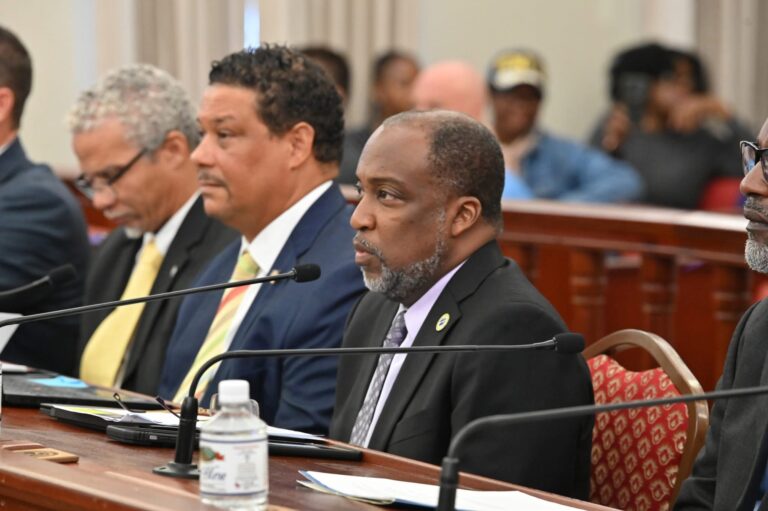
A Committee of the Whole hearing Wednesday stretched for hours as senators worked through testimony on three major issues shaping the territory’s energy and economic future: two proposed solar farms on St. Thomas, the Crown Bay Redevelopment Project, and a financing structure tied to Frenchman’s Reef.
Meeting as the Committee of the Whole meant no votes were taken, but lawmakers pressed testifiers for hours as they weighed reliability concerns, community distrust, and the long-term financial stakes of the territory’s largest ongoing projects before convening after in full session.
Much of the morning and mid-afternoon centered on the solar farm applications for Estates Fortuna and Bovoni, which developers hope to move through quickly given compressed federal deadlines tied to renewable energy tax credits. Planning and Natural Resources Commissioner Jean-Pierre Oriol told lawmakers the projects were critical to stabilizing the St. Thomas grid and closing the gap with St. Croix, where new solar and storage units now deliver 45 megawatts of reliable daytime power.
Meanwhile, V.I. Water and Power Authority CEO Karl Knight said the arrays would add 35 megawatts of daytime capacity—more than half of the district’s peak daytime demand—and save millions in fuel each year. But residents raised familiar and forceful concerns, blaming earlier installations for storm-related debris and calling for genuine community engagement before further approvals.
The debate grew more technical as senators pressed for details on anchoring systems, environmental safeguards, liability, archaeological findings, battery protections, insurance coverage, and notification requirements. Several lawmakers acknowledged the tight federal timelines but said the concerns from residents were rooted in lived experience, not speculation.
The hearing shifted next to the Crown Bay Redevelopment Project, a $200 million public-private investment requiring the transfer of several government parcels in Subbase to the V.I. Port Authority. Officials from VIPA, Cruise Terminals International, and Royal Caribbean Group described a multi-year revitalization that includes a new cruise berth, expanded commercial space, a waterfront day resort, and new event areas. Senators questioned the 40-year waiver of submerged land fees in exchange for a $7 million up-front payment, sought clarity on lease protections for existing tenants, and pushed partners to incorporate more authentic local and cultural elements instead of creating what one senator called “a cruise-port-in-a-box.”
Testimony concluded with discussion of a proposed amendment to the Hotel Development Act to create a Public Finance Authority subsidiary capable of issuing bonds for the Frenchman’s Reef transaction. Finance Commissioner Kevin McCurdy said the move was needed to allow broader investor participation while keeping the bonds secured solely by hotel revenues, with no government guarantee. Advisors said the structure safeguards the asset and allows the resort to revert to government ownership once the bonds are repaid.
Lawmakers later reconvened in full legislative session to approve the project-related bills and send them onto the governor for final signature.
After waiting an hour to reach quorum, the St. Thomas Coastal Zone Management Committee convened a public hearing Wednesday to review two hurricane-related renovation projects — but the thin turnout left the committee unable to vote on either proposal.
The virtual meeting started an hour behind schedule as the committee awaited a two-person quorum to be met to conduct the public hearing. The required number of members was met, but only enough to hold the public hearing and not the three-member minimum required for the decision meeting. Jawanza Hilaire, committee chairman, said the committee will meet next week to address any items that need decisions.
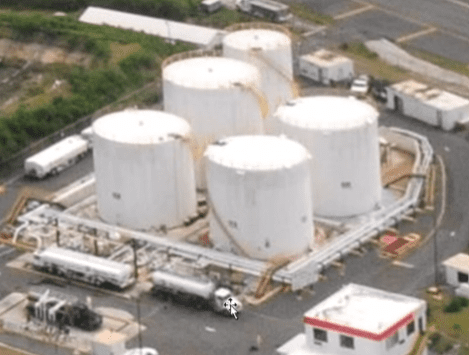
The public hearing began with a presentation by Total Energies Marketing Puerto Rico Corporation for a modification project at their terminal location at Cyril E. King Airport. Attorney George Dudley, representative of Total Energies, spoke on behalf of the company and said they are requesting to renew or replace the expired CZM permit that went into effect in 2005.
“We’re also expanding and upgrading the facility to comply with practices under the new federal EPA,” Dudley said of the company’s upcoming project.
The project includes modification of their jet fuel storage and delivery, the construction of a new loading rack, a firefighting system, and a remodel of the administrative building. Representatives shared plans of site layouts, structural reinforcements against hurricanes, and upgrades to existing tanks and facilities.
Speaking on the fuel, Adrian Perez said, “We bring it in by vessel and we deliver it by truck to all the commercial airlines. We are delivering [to] almost 95 percent of the jets used in St. Thomas.”
He further shared that a bigger building for the firefighting pumphouse and the relocation of the main distribution breakers and sea loading rack will occur.
“Being so close to the sea is not very good from the point of view of the liability or resilience,” said Perez, who spoke on the experience with the 2017 hurricanes.
“There will be no changes to any of the existing facilities or structures that are on the sea floor,” Dudley later added.
Questions from community members and officials addressed issues like fuel tank capacity, spill response, storm surge impacts, and structural safety. The Total Energies project ensures environmental safety with containment systems and spill prevention measures.
Additionally, the public heard about an improvement project to the administrative and office building in Subbase for the Virgin Islands Economic Development Authority including the addition of new parking spaces. The construction plans include demolishing parts of existing damaged structures, reinforcing foundations, raising building elevations, and installing storm-resistant features. The design incorporates a second-story addition over a previously damaged wing, with steel framing to reduce weight and ensure strength.
“This is the second phase of a project that is funded by FEMA through the office of Disaster Recovery,” said John Woods, the project’s architect. “The first phase of it has been completed, which was the restoration of the remaining portion of this complex.”
Woods added that the complex, constructed in the early 1990s, was damaged by hurricanes Irma and Maria. Though FEMA granted a 100 percent replacement value, “the structural evaluation of the existing structure in place show that most of what was in place could remain,” he said. He added that remaining funds will be used to expand the footprint of the facility.
The design includes an expanded parking lot to accommodate 14 new spaces. The second floor will house offices, conference rooms, and amenities like restrooms and kitchens, all with modern HVAC systems designed to handle the increased space. Also, a new roof will be installed as a concrete deck.
Hilaire informed the public that “For the next seven days, the public does have the ability to submit any questions, comments, concerns” on the proposals made.
Committee members Jawanza Hilaire and Calford Martin were present. Kai Smith and Vance Pinney were absent.
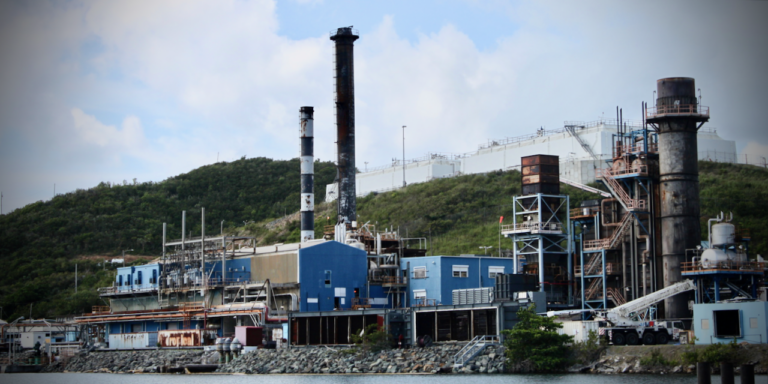
A rotation that was expected to begin at noon Thursday was pushed back to 4 p.m. in the St. Thomas–St. John district as the Virgin Islands Water and Power Authority awaited a fuel delivery from St. Croix — a delay officials said underscored how limited renewable resources on the island left the system without a buffer.
WAPA said in a midday release that it had activated all available diesel units to keep most feeders online until the shipment arrived. But with the LPG terminal offline and only about four megawatts of solar available on St. Thomas, the district faced what officials described as a roughly 30-megawatt shortfall. Communications Director Shanell Spencer told the Source Thursday that the gap reflected a long-standing structural problem: “We have all of our energy in one bucket on St. Thomas–St. John. We’re heavily reliant on shipping fuel, and when there’s a delay like this, there’s no cushion.”
Spencer contrasted that with St. Croix, where just over half of daytime power can come from solar and battery storage that’s able to carry the system past peak demand. “St. Croix has upwards of 40 megawatts from solar,” she said. “On St. Thomas, four megawatts is nothing in a situation like this.” The Donoe solar farm provides some daytime support, but without batteries it drops off immediately with cloud cover — offering no stability during a fuel delay. “Battery storage could give up to another four hours of power,” Spencer said. “That’s the kind of flexibility St. Croix has today.”
WAPA said the outage was shortened once it confirmed the fuel shipment was already on its way. Instead of a full daytime rotation, the Authority shifted to one-hour blocks beginning around 4 p.m., with Spencer stressing that the delay was not tied to payment or procurement issues but to transit timing and an aging plant that lacks alternative generation.
In its statement, WAPA placed Thursday’s disruption within its broader push toward renewable projects, battery installations, and system modernization — work officials say is critical to reducing the frequency and severity of forced rotations. CEO Karl Knight said the day’s events highlighted why that transition cannot move slowly. “These renewable projects are not just environmental choices — they provide operational resilience. Unlike fuel shipments, sun and storage cannot be delayed.”
WAPA said customers would continue receiving updates through its website, social media, radio partners, and its Everbridge-based WAPA Alerts system.
For residents on St. Thomas and St. John, the shortened rotation may have softened the blow — but the episode once again revealed a system that depends heavily on fuel arriving on time, and a district still years behind St. Croix in the build-out of solar and storage. As Spencer put it, “Until we diversify, moments like this will continue to show how exposed the system is.”
The Virgin Islands Water and Power Authority announced today that rotating outages will begin at approximately 12 p.m. for customers in the St. Thomas–St. John District.
Virgin Islands Water and Power Authority
The current situation highlights the limits of a power system that relies primarily on fuel to meet demand. While light fuel oil and liquified petroleum gas have served the district, interruptions—whether operational or due to transit delays—can reduce available generation. This underscores the importance of a broader, more flexible energy mix.
Across the territory, progress in renewables and storage has already proven valuable, and the experience in St. Croix demonstrates how additional resources on the grid can help buffer the impact of short-term challenges. WAPA’s ongoing investments in solar, storage, and system modernization aim to bring the same level of resilience and balance to St. Thomas and St. John, reducing the need for rotating outages and improving long-term energy security for all Virgin Islanders.
Immediate Operational Response
Upon confirmation of the delay, WAPA activated all available diesel generation capacity to maintain power for as many customers as possible. While this allows the Authority to keep the majority of the grid online, the temporary loss of LPG terminal will result in a generation capacity shortfall, necessitating a structured rotating outage plan to safely balance electrical load impacting customers on St. Thomas and St. John.
The 2-hour outage rotation schedule, including the sequence of feeder blocks, will be shared publicly and updated throughout the day as system conditions evolve.
Structural Context and Long-Term Strategy
The Authority acknowledges the bigger challenge is structural—WAPA depends heavily on maritime fuel deliveries to keep the St. Thomas/St. John district powered.
To permanently address challenges like this, WAPA is advancing a long-term energy strategy that includes expanding new solar projects, adding battery storage for greater operational stability, diversifying the overall energy mix, and continuing generation upgrades and modernization to strengthen reliability and resilience.
“These renewable projects are not just environmental choices—they provide operational resilience,” said WAPA CEO and Executive Director Karl Knight. “Unlike fuel shipments, sun and storage cannot be delayed. Accelerating renewable development is essential to increasing energy security across the Territory.”
Customer Communication and Updates
WAPA is committed to transparent, continuous communication throughout this event. Customers will receive updated information through: WAPA’s website (www.viwapa.vi), social media channels, radio and broadcast media partnerships, and customer notifications through WAPA Alerts that can be received by text, email, and voice directly to your phone (https://member.everbridge.net/892807736728730/new)
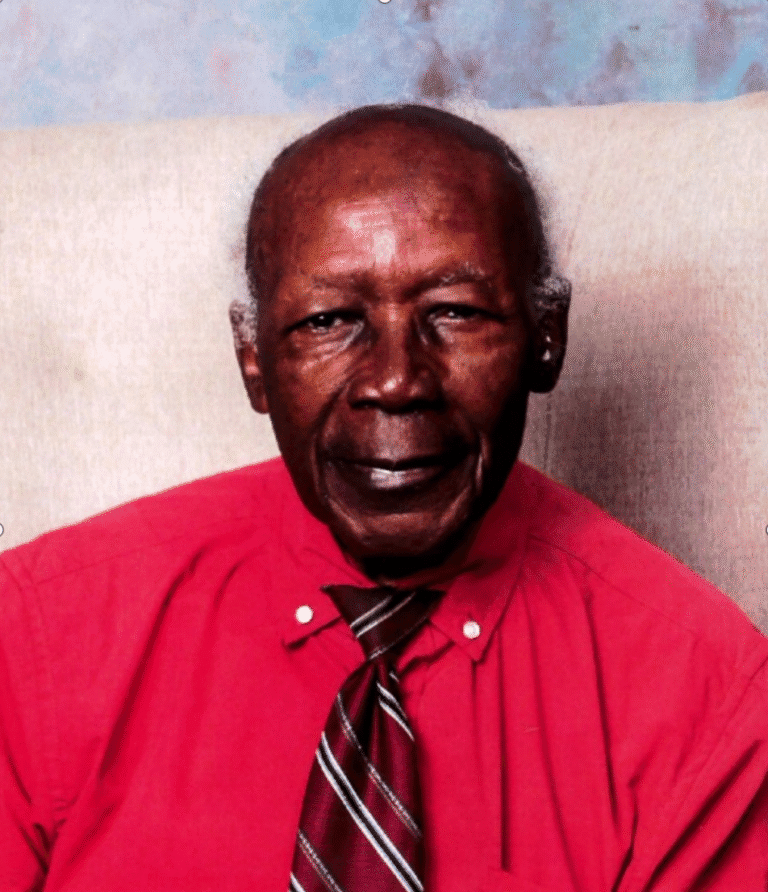
It is with heartfelt sorrow that we announce the passing of James Alexander Maynard of Grove Place. On November 9, he transitioned at his residence at the age of 97.
James Alexander Maynard
James Maynard was a nurse for 34 years at Charles Harwood & Juan Luis Hospitals. A veteran of the U.S. Army and a devout Adventist. He believed one should enjoy life by getting out and socializing. Some of his favorite spots were the Independent Living Center, Sunny Isles Food Court, and Rodgers Variety Store. He touched many with his compassion and giving heart.
He was preceded in death by his mother, Jane Elizabeth Rodgers Maynard; father, Dudley Maynard; brother, Leroy Alphonso Moore; special cousin, Camille Clark, Evelyn Williams, Gwendolyn Burke; aunts, Hilda Maynard, Clarissa Lynch; uncles, Alexander Rodgers, Cebert Maynard, Archibald Maynard.
He is survived by his family, Galen Williams, Merissa Williams, Valence & Natasha Modeste, Patricia Williams, Thelma Battiste, Ashton Battiste, Harold Francis, Letitia Hurley, Ophelia “Nemmy” Jackson, Natalia Felix, Melbourne Adams, Sr., Risa Adams, Melbourne Adams Jr., Kathleen Smith-Maccow, Dolores Braithwaite, George “Rudy” Clarke, Glenwood Charles MD, Carol, Carolyn & Robert Burke, Maureen Ventura, Roy Rodgers, Lenore Rodgers, Leonard Rodgers Jr., Williams, Maynard, Rodgers, Trent, Adams, Burke, McWatt, Clarke, Sackey, Charles & Barry, Milligan, Braithwaite Families; close friends, Orsil “Sweelo” Samuel, Stafford Gilliard, Alvin Claxton, Cyril, Martin, George Hurley, Peter Thomas, Garfield Claxton, Zelda Massiah, Lazarine Alfred, Wayne Hurley, Adalow Fleming; godchildren, Frederick Mohammed, Paul A. Edwards; other precious families and friends too numerous to mention.
He will be laid to rest on December 11 at Central Seventh-day Adventist Church in Grove Place/ Plessen. Viewing begins at 10 am with service at 11 am. Interment will be held at the Frederiksted Cemetery. The family requests attendees wear yellow, light blue, or white to respect the deceased’s wishes.
Funeral arrangements entrusted to James Memorial Funeral Home.
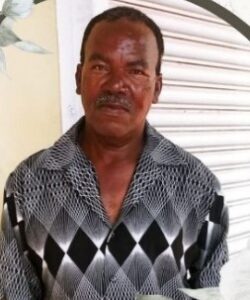
It is with heavy hearts that we announce the passing of Clancy Clement Peltier, who departed this life on Oct. 15, 2025.
Clancy Clement Peltier
Service Information:
A viewing will be held Saturday, November 29, 2025 from 9 a.m. to 10 a.m. at Turnbull Funeral Chapel, followed by a service immediately after.
Clancy will be laid to rest at Eastern Smith Bay Cemetery.
Family Remembrance:
Clancy is survived by his loving stepmother, Rodette Peltier, and his cherished siblings: five brothers, Johnny Jakes, Preston Celaire, David Peltier, Augustus Norde, and Stephenson Peltier; as well as seven sisters, Edwina Joseph, Celina Peltier-Petty, Christine Clavia Peltier, Francisca Peltier, Rose Linzie Peltier, Rosemarie “Rosie” Peltier, and Sandra Peltier. Nephews are Devon Peltier, Elijah Peltier, Kysion David, Joshley Peltier, Jahmal Green, Oneal Peltier, Malik Neal, Rohan Mulcare Jr., Davion Harvey, R’Sean Donastorg, and Shawn Mark. Nieces are as followed Anesta Joseph, Miranda Zephyr, Latisha Mike, Yasmine Peltier, DeyAnn Peltier, Deva Peltier, Kennedi Peltier, Shareka Ferris, Shanell Ferris, Sharina Mark, Sherelle Marks, Yadesh Peltier, Kellisha Peltier, Macy Mills and R’Anna Donastorg.
Clancy will be remembered for his kindness and the joy he brought to those around him. He will be deeply missed by all who knew and loved him.
Donations:
In lieu of flowers, the family requests donations be made to the GoFundMe page.
Arrangements Entrusted to Turnbull’s Funeral Home & Crematory Services.
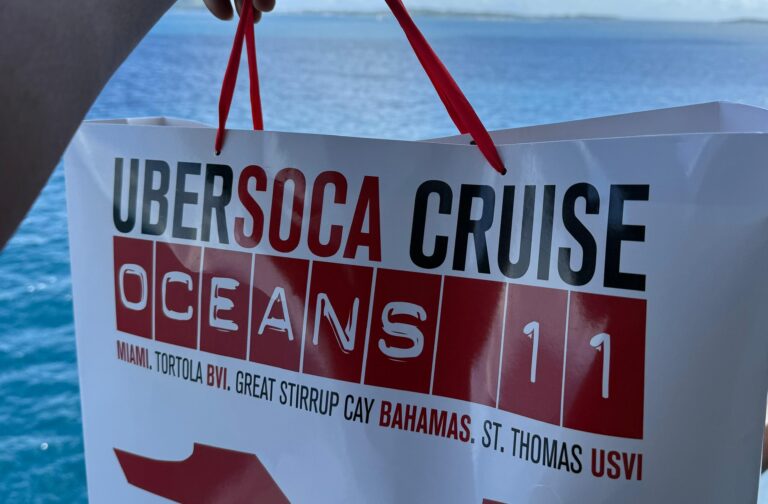
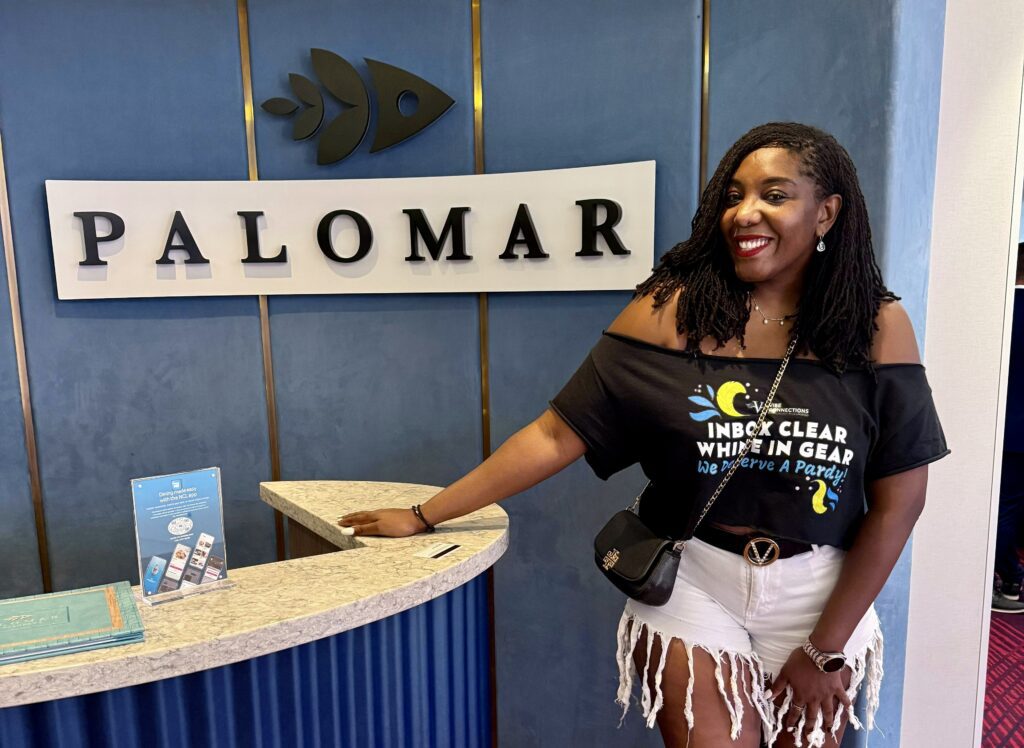
Amina Blake-Foreman aboard the UberSoca Cruise after winning this year’s CBN x UberSoca business pitch competition. (Submitted photo)
When the UberSoca Cruise touched down on St. Thomas Wednesday, one passenger arrived with a mission that stretched far beyond the music and the revelry. Trinidad and Tobago entrepreneur Amina Blake-Foreman, founder of the virtual staffing firm Vibe Connections, stepped off the ship carrying the momentum of a recent business-pitch win — and a much bigger vision for how Caribbean talent can connect to global work without leaving home.
Blake-Foreman earned her spot on board after winning this year’s CBN x UberSoca business pitch competition in Brooklyn, where she convinced a panel of judges that her company’s model — sourcing, training, and placing Trinidad and Tobago professionals in U.S.-based remote jobs — offered a clear, scalable solution. The prize included more than $12,000 in cash and promotional support, along with a balcony cabin on the seven-night UberSoca voyage.
Her victory, highlighted in Newsday and The Trinidad & Tobago Guardian, underscored what she says many in the region already know: the Caribbean has no shortage of skilled workers, only a shortage of accessible pathways. Vibe Connections has placed more than 140 professionals since launching, generating an estimated generating an estimated US$2.2 million for the Trinidad’s economy — numbers that helped Blake-Foreman stand out during the competition.
But the cruise has offered something different: room for real conversations. Between Tortola, Great Stirrup Cay, and St. Thomas, Blake-Foreman has found herself in the company of fellow entrepreneurs, policymakers, and creatives — a mix of people all thinking about the region’s future in one way or another.
“Remote work is a lifeline for a lot of Caribbean families,” she said during one of the informal sessions aboard the ship. “The question is how we build the systems around it so people can thrive at home and still have access to global opportunities.”
Those systems, she argues, include more than job placement. Vibe Connections helps employees secure computers through a soft-loan program, supports youth sports in Trinidad, and contributes to food programs in Africa and Sierra Leone. The company’s next steps include expanding its training bootcamp to Grenada and continuing conversations with Trinidad’s Ministry of Labor about developing a workplace HIV/AIDS policy suited for remote environments — potentially a first for the region.
Blake-Foreman’s own path — from selling spices as a child in Trinidad to managing teams in U.S. real estate before launching her company — threads through all of it. Her story isn’t framed as a personal triumph as much as evidence that the region can build the digital workforce it needs, if the right bridges are in place.
By the time the UberSoca Cruise docked in St. Thomas, the energy on board had shifted from celebration to possibility. Blake-Foreman met with several potential partners while in port, treating each stop as its own case study in regional opportunity.
“This week isn’t about the prize cruise anymore,” she said as passengers disembarked. “It’s about using this platform to move the conversation forward — how we keep our people rooted in their culture, but connected to the world.”
And, as the ship continues on toward Grenada, her message remains steady: Caribbean talent has always been global. The next chapter is making sure the opportunities are, too, she said.
A photograph from the CMCArts exhibition “Bamboula Journeys: Retrospective Indigenous Caribbean Afrakan Arts,” curated by Dr. ChenziRa Davis Kahina, was chosen for the cover of the 2025 Kids Count USVI Data Book unveiled to the public Wednesday morning on the video conferencing platform Zoom. (Photo courtesy of the St. Croix Foundation for Community Development.)
The St. Croix Foundation for Community Development unveiled the 2025 Kids Count “Data Book” in a virtual presentation Wednesday, offering policy shapers, lawmakers and community stakeholders a wealth of data about child welfare, education, health and more.
This year, the Kids Count USVI team brought that data to life with testimonials and first-hand accounts from the kids themselves. The 2025 book is titled “When Data Speaks: The Voices of Our Children.”
Kids Count is a nationwide initiative of the Annie E. Casey Foundation. For the past five years, the St. Croix Foundation for Community Development has collected data from territorial government agencies, nonprofits and other sources to provide a thorough, complex picture of the issues affecting youth and families in the U.S. Virgin Islands. The foundation’s president and chief executive, Deanna James, told the Source Wednesday the annual report is part of an effort to address those issues in a comprehensive, holistic way.
“I think what happens is that there’s so much siloed work that happens that everyone has one piece of the puzzle, and our hope is that — through this work and how we are presenting the data — that people begin to see the intersections between the data points,” she said, “and between the stories of the lived experience of our children, so that we can collectively create real coherent solutions.”
Pulling the data together isn’t without its challenges. James noted that the project receives no funding from local government sources.
“I think that’s one of the challenges and frustrations for us, is that this work benefits our nonprofits, it benefits our government partners in very real, measurable ways, and yet we have been unsuccessful in making… a sound enough case for an investment in this work,” she said.
The book also acknowledges data gaps which “limit our ability to form a full picture of child and family well-being in the territory.” This year, researchers were unable to include key data points like the number of children enrolled in Medicaid or child maltreatment statistics, which are typically tracked and reported by the V.I. Human Services Department, or statistics on crimes committed by youth, which the V.I. Police Department usually tracks.
Even the exact number of children in the territory is difficult to pin down. Population counts are only done by the U.S. Census every 10 years, and the last Virgin Islands Community Survey was published in 2018 — and used data from 2015.
“This data book contains around 53 charts and hundreds of bullet points, the product of our collaboration with our partners… but I think even some of the agencies will agree that data sharing is an Achilles’ heel in the U.S. Virgin Islands,” the project’s principal investigator and data analyst, Saul Santiago, said during Wednesday’s presentation.
Some of the data points that were shared show a 20-percent decline in the territory’s overall population between 2000 and 2020, and the number of children fell by half.
“In past years… we discussed the decreasing population of children in the USVI. This year, we discussed the implications of the decrease,” Santiago said. By looking at local fertility rates tracked by the World Bank, he explained that the average number of births won’t sustain a stable population without migration. “And one of the implications of a smaller child population is the dependency factor.”
Fewer children means there will eventually be fewer working-age adults, who will in turn have to support a larger number of older members of the community.
Other charts, like one showing a steady uptick in graduation rates — from 70.9 percent in 2020 to 80 percent in 2024 — gave the Kids Count team cause for optimism.
“It’s one of those things where it’s just eking forward, bit by bit by bit,” said Lilli Cox, the foundation’s vice president of communications. “And to see that sort of continual progress would be wonderful. Once they’ve figured out what the magic levers are, maybe they can scale it and sort of increase that a little bit more. It’s really encouraging.”
Those who attended Wednesday’s virtual presentation heard from Gifft Hill School sophomore Yosairy Rodriguez-Sanchez, who highlighted a 2022 U.S. Bureau of Labor Statistics finding that the territory’s average hourly wage was $6.75 below the national average.
“That $6.75 may not sound like a huge difference, but it adds up. It’s one of the main reasons why so many young people decide to leave the island,” she said. “They want jobs that can pay enough to cover the increasing cost of living and still let them save up for their goals.”
Rodriguez-Sanchez also noted that one third of the territory’s children live below the poverty line and recounted how a friend of hers struggled in school after hurricanes Irma and Maria and the COVID-19 pandemic, adding that the girl would have benefitted from educational opportunities her family couldn’t afford.
“So watching her go through that made me realize how much money — or the lack of it — can change a kid’s whole education,” she said. “The point is, kids shouldn’t have to depend on luck or favors to have the same opportunity. If leaders focus on raising wages and giving families more support, then kids can live up to their potential and believe they have a future here at home. We should be able to stay, work and build our lives in the Virgin Islands, not feel forced to leave because of our economy.”
James acknowledged the territory’s challenges during Wednesday’s presentation and said she hoped attendees “will walk away a little scared.”
“Maybe even a little petrified,” she said, “but ultimately resolute to use the data to act, to act decisively and to act boldly and to act collectively.”
The 2025 Kids Count USVI Data Book can be found online here, and an interactive Kids Count dashboard can be found here.