Man Arrested in St. Croix Domestic Violence Assault

Weekly Weather Forecast With Jesse Daley
Photo Focus: As Evening Falls, Kids Celebrate Halloween on St. John
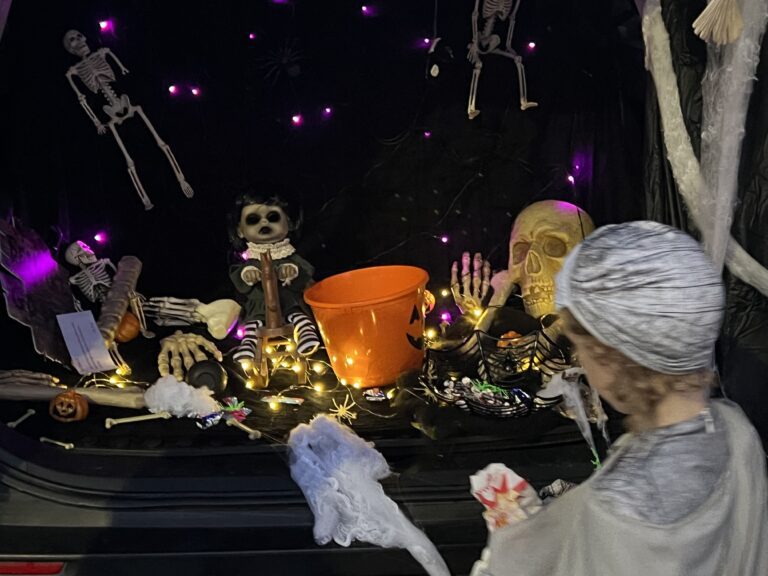
Youngsters on St. John had no trouble finding candy this Halloween on St. John. Trick-or-treaters found plenty of goodies at Mongoose Junction and at the Trunk-or-Treat event at the gravel lot in Cruz Bay.
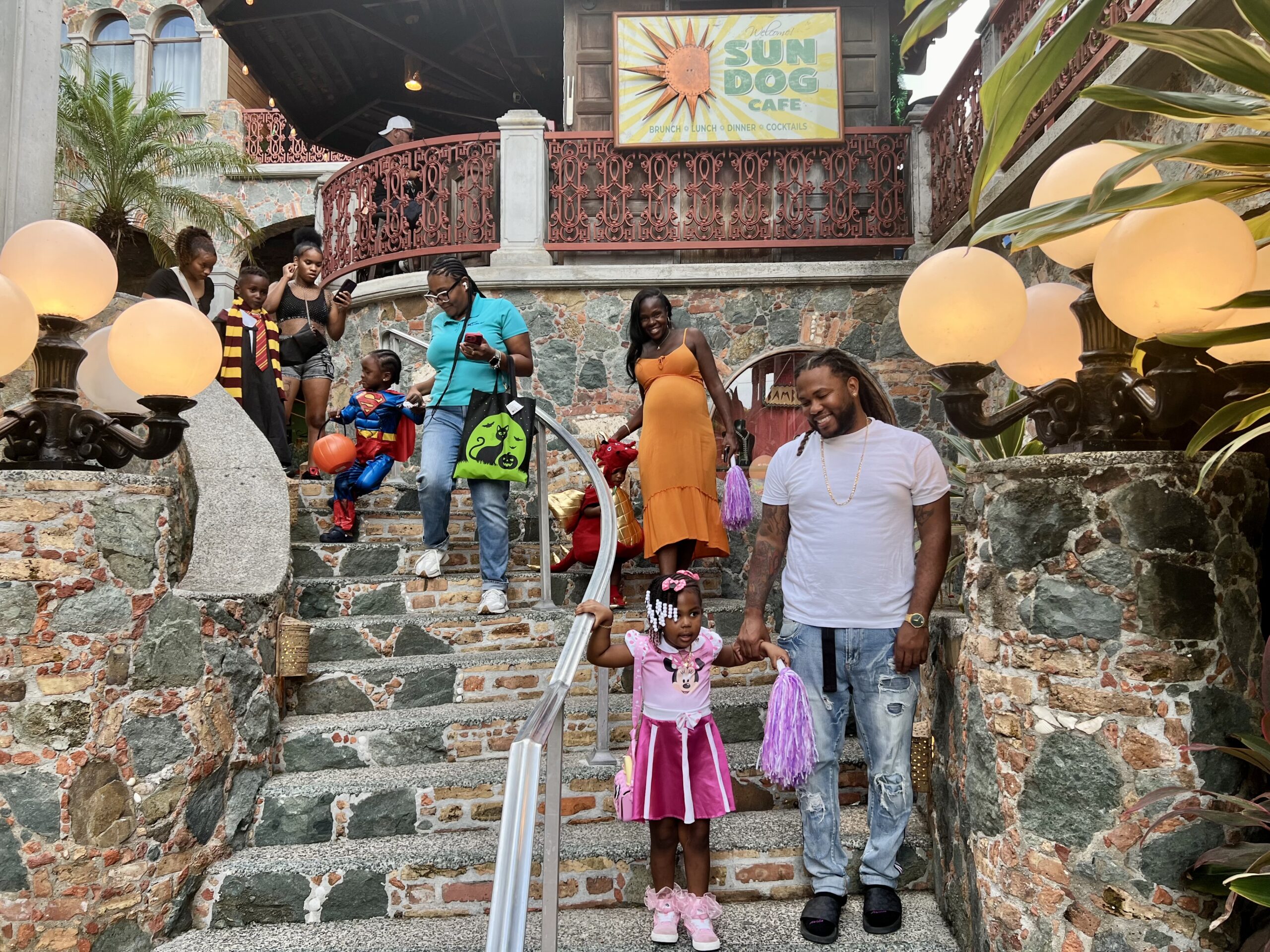
Parents held on to their little ones as they made their way down the main staircase at Mongoose Junction.

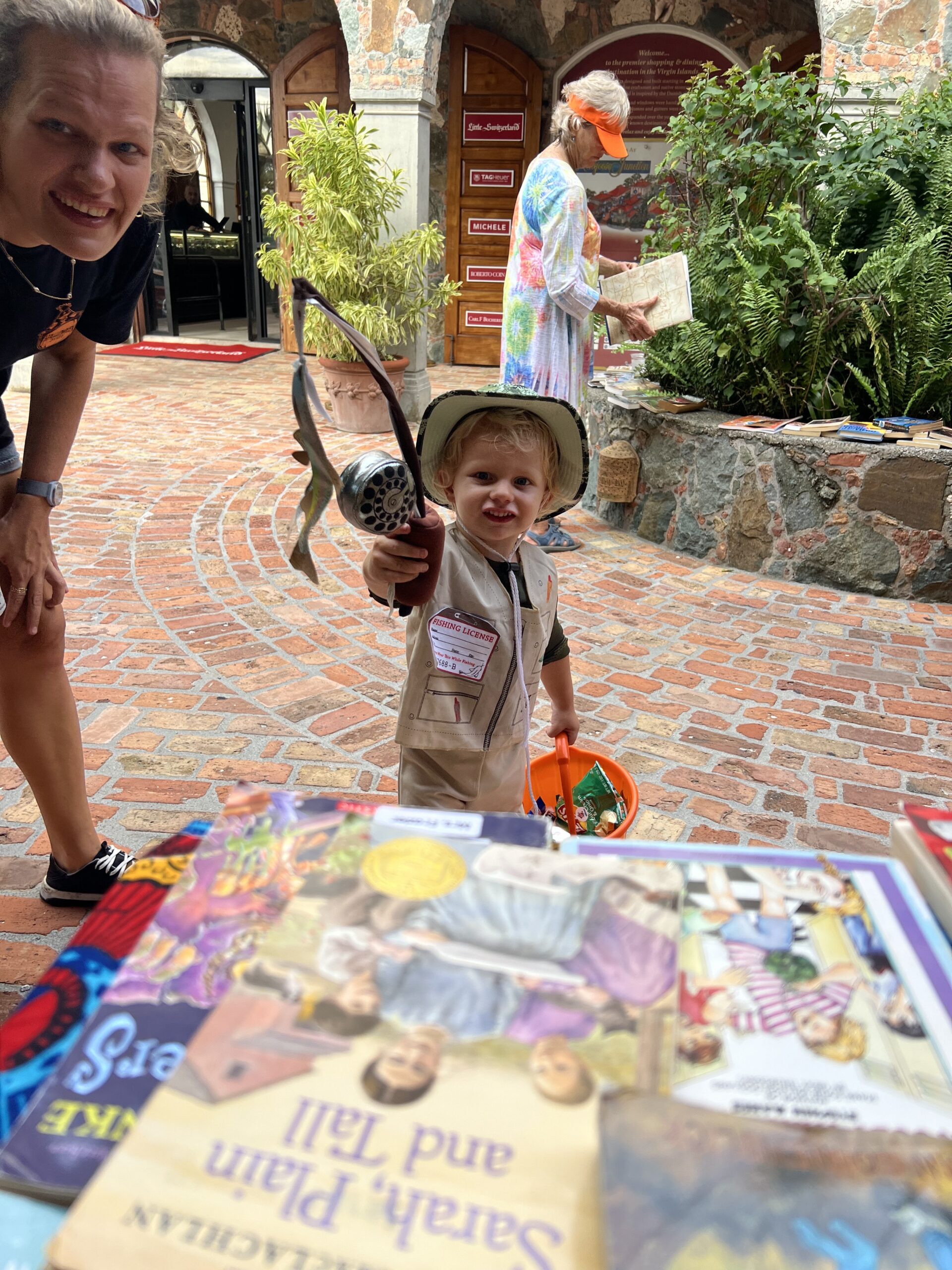
There they met up with Raven Phillips (right) of Bajo El Sol, who distributed candy to children, including this Curious George (Finn) and his mom, Willow Melamet.
Those who got to Mongoose before 5 p.m. received a gift of free books from the Little Free Library.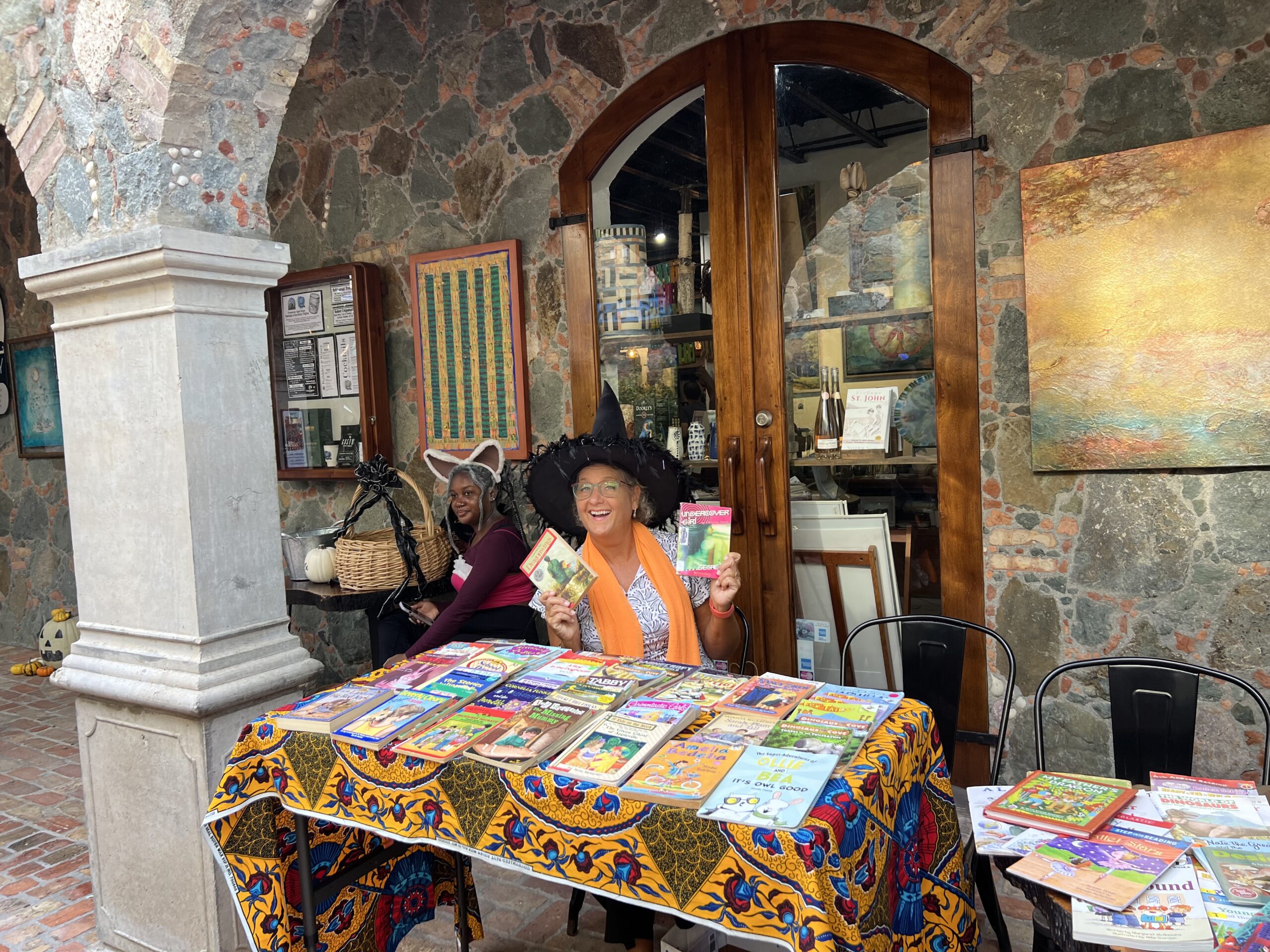
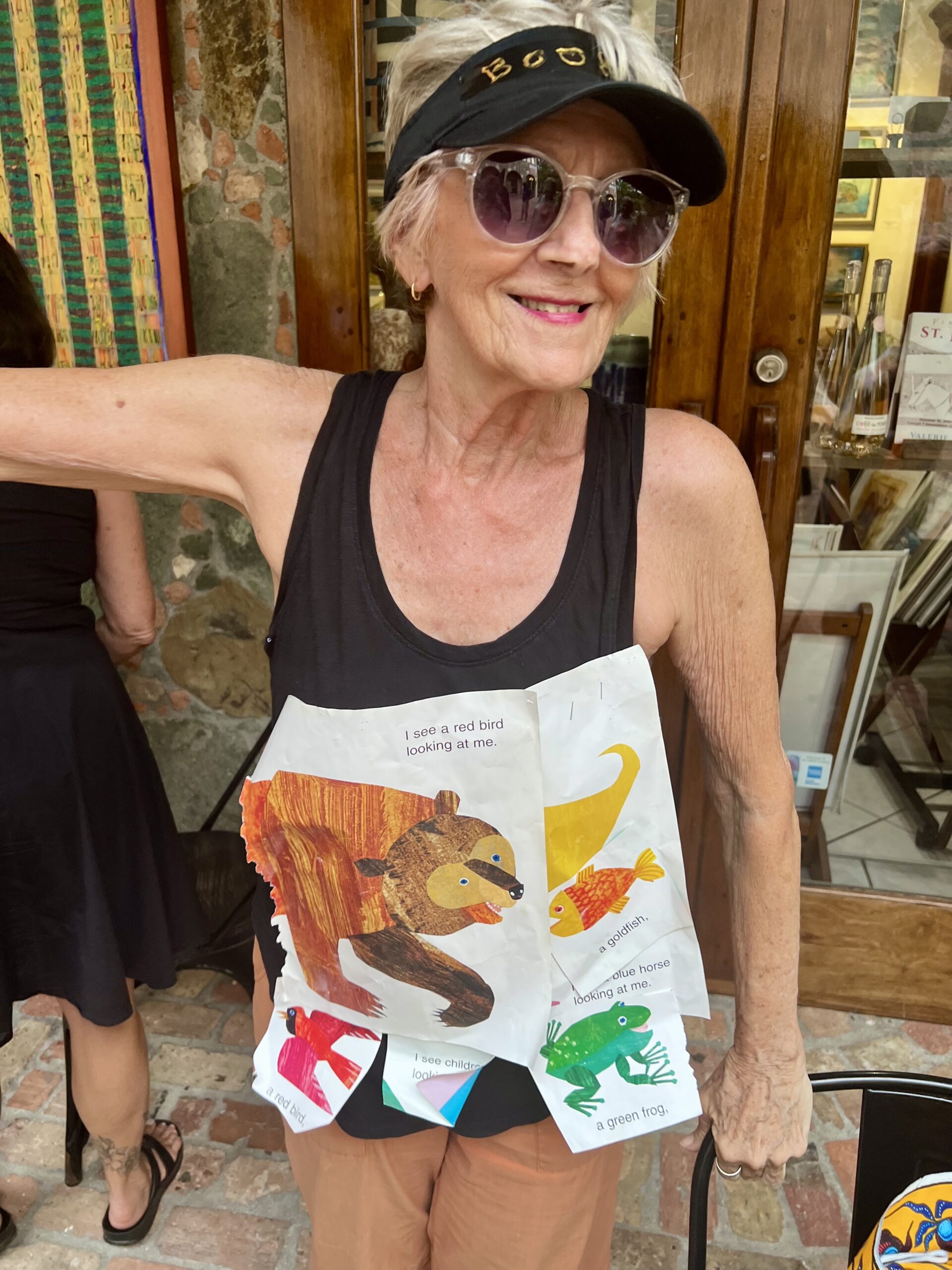
Janet Cook-Rutnik, who helped give out books, decorated herself as one of her favorite Eric Carle books.
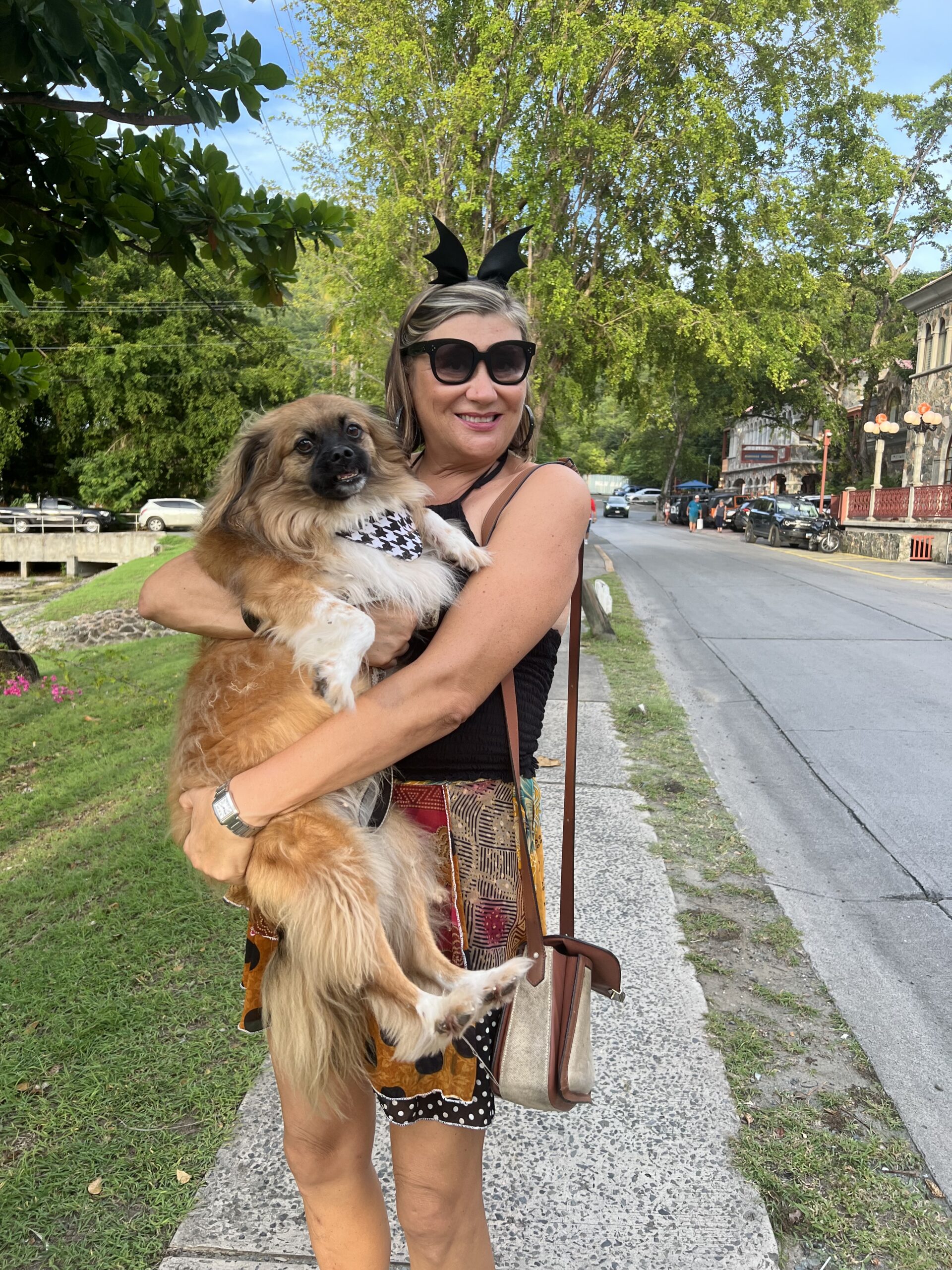
Photographer Yelena Rogers and her pup posed for a photo as they left Mongoose.
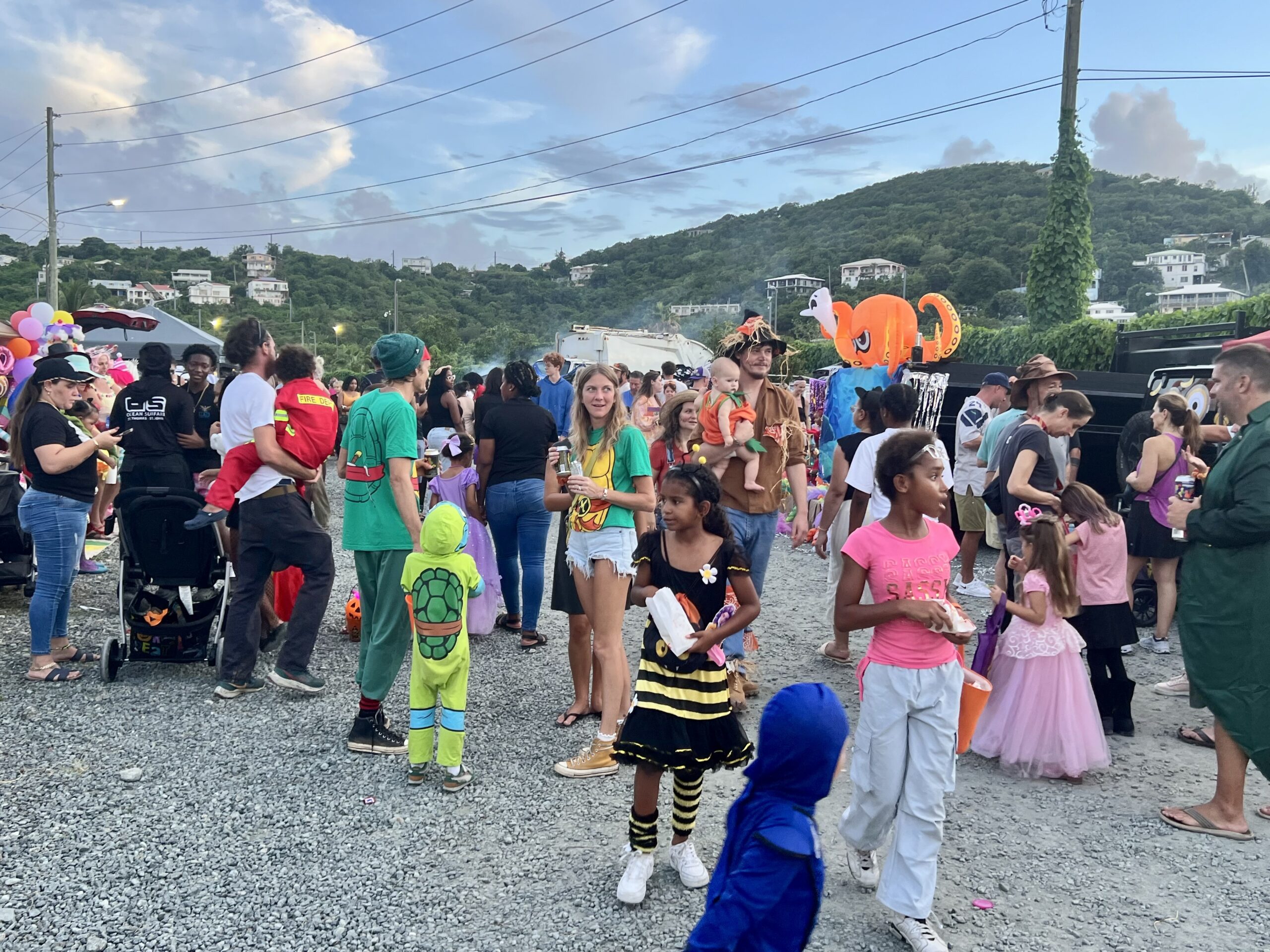
As daylight faded, most trick-or-treaters moved on to the gravel lot for Trunk-or-Treat.
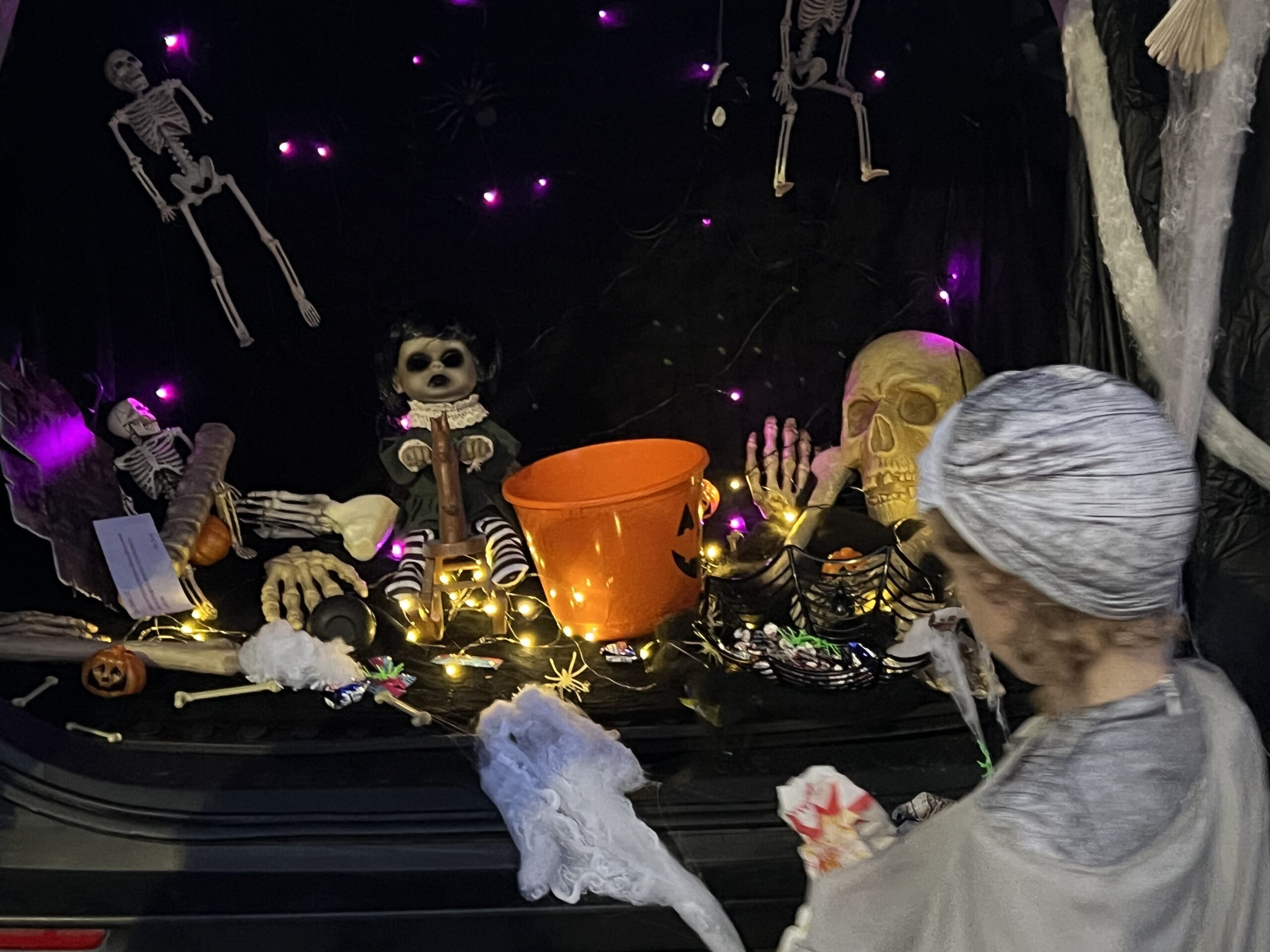
Adults set up some spooky scenarios in the trunks of their cars, like this tableau by Jennifer Costanzo and Tessa Chilson of Moms Who Trunk.
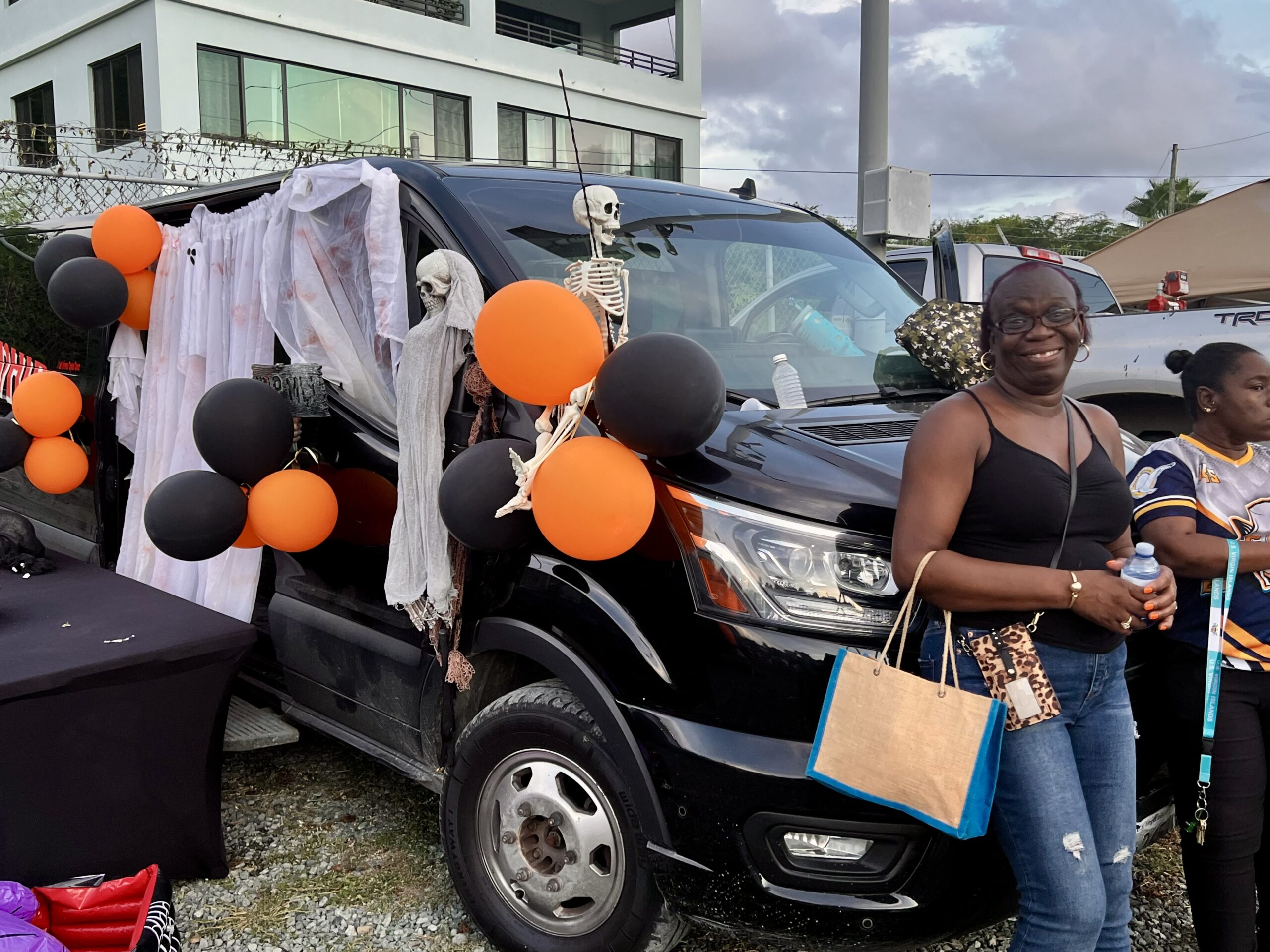
Recently-retired teacher Lucille Parsons took a moment to rest on Dawn Samuel’s black taxi, IslandVybz Whipz, decorated at its Halloween best.
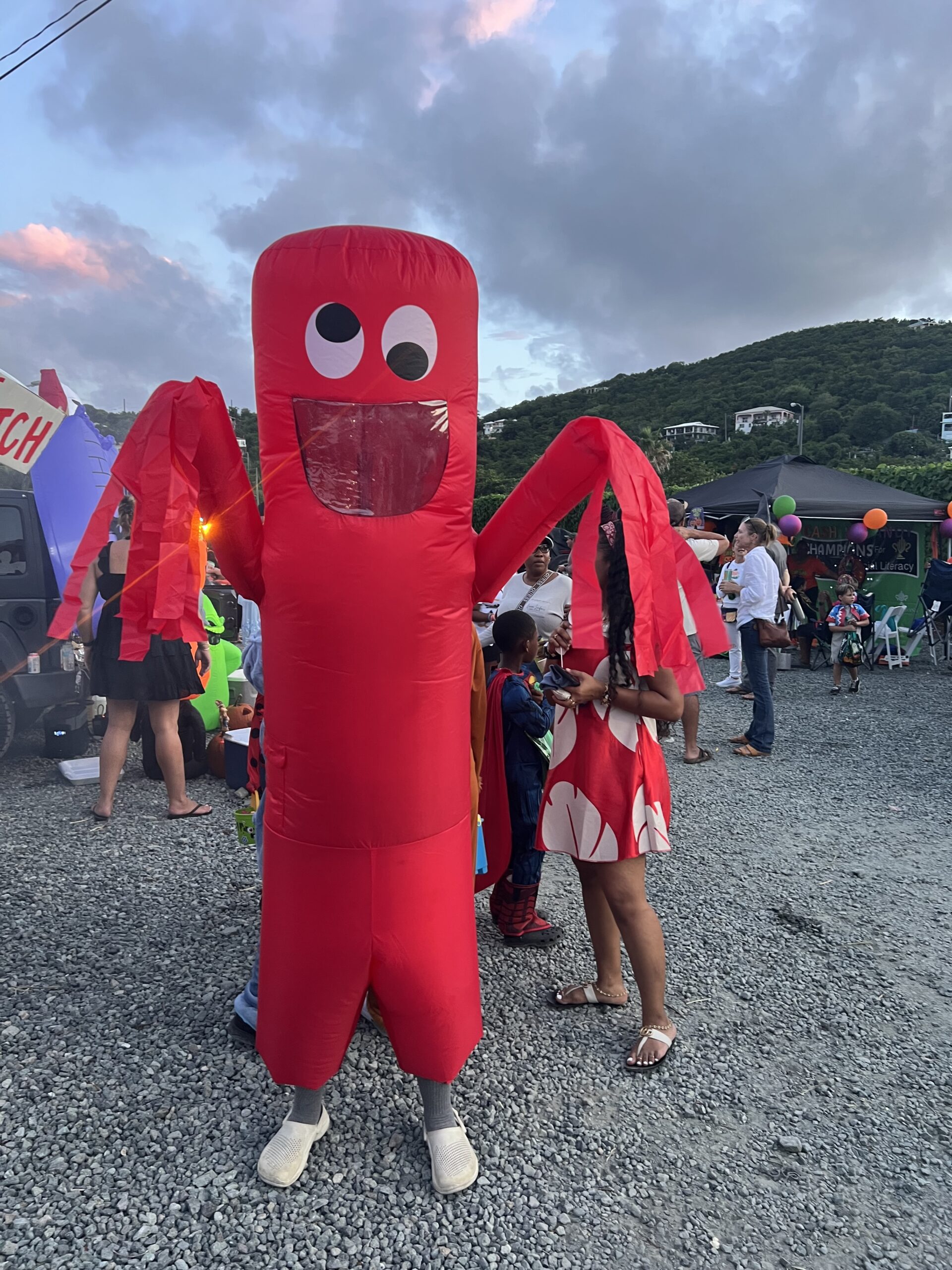
This trick-or-treater had to get pumped up for Trunk-or-Treat.
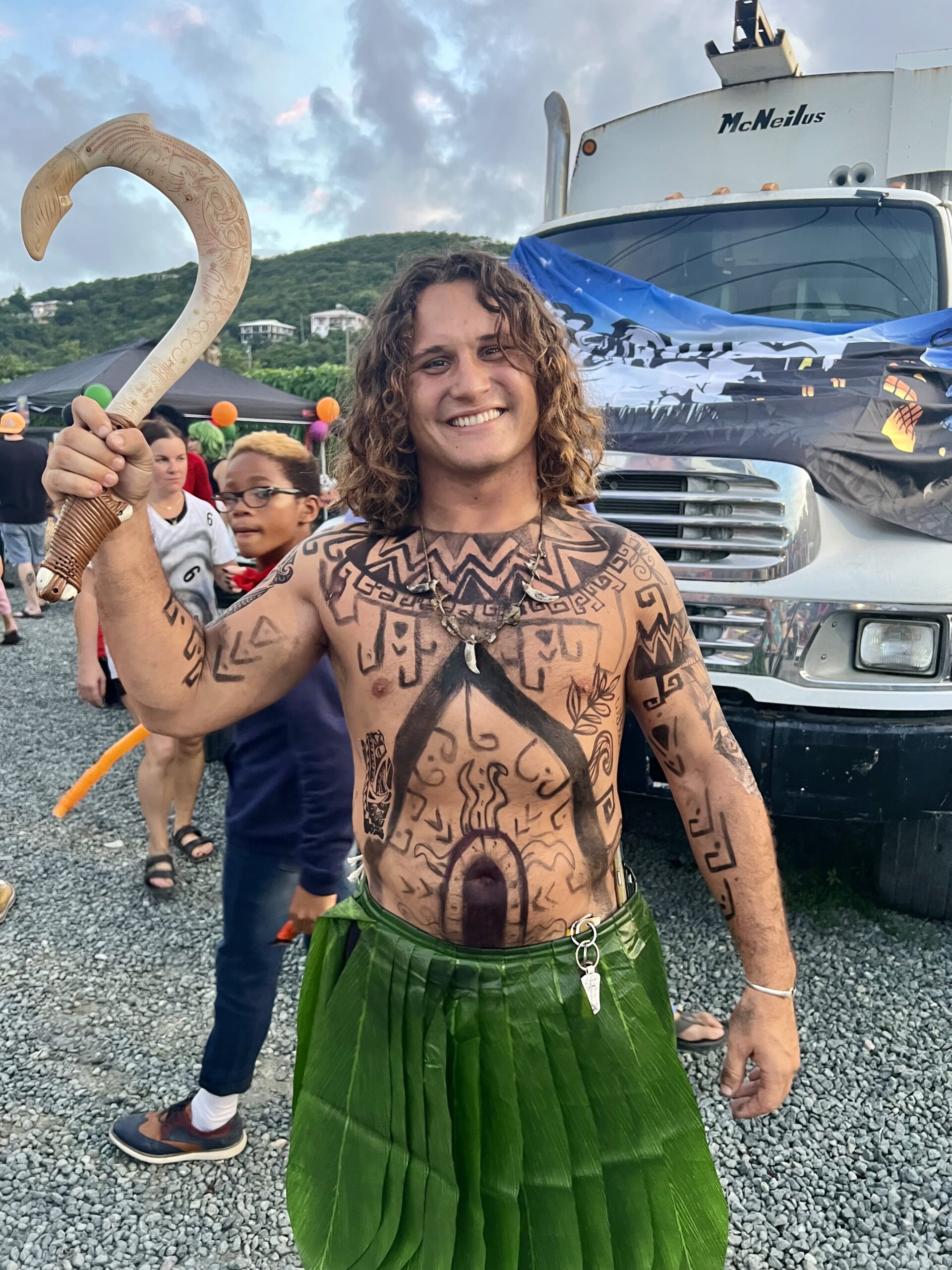
Bo Ransom was also pumped up. His body paint was the work of three female friends.
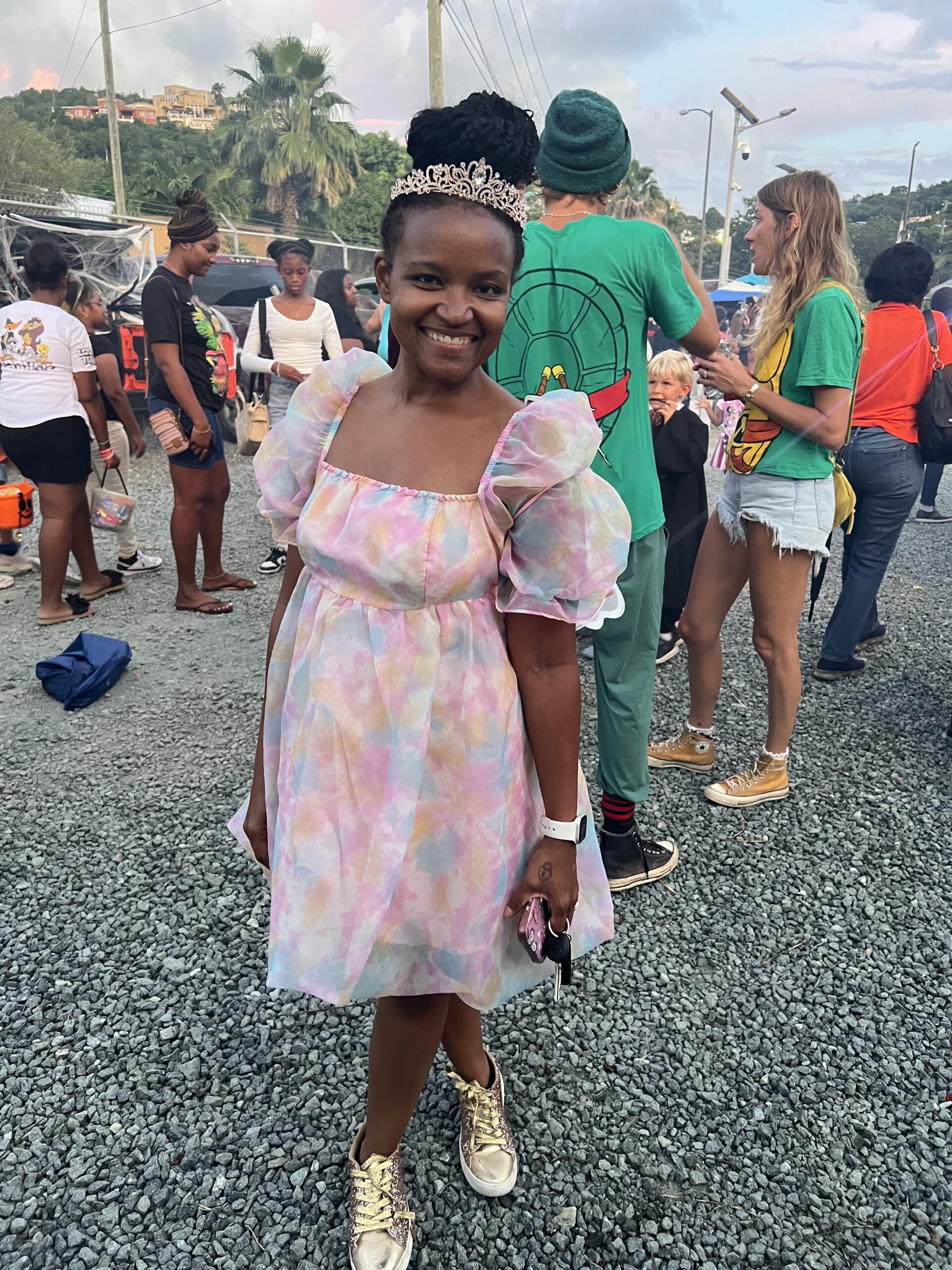
St. John School of the Arts director Jeune’ Provost almost passed as a little princess.
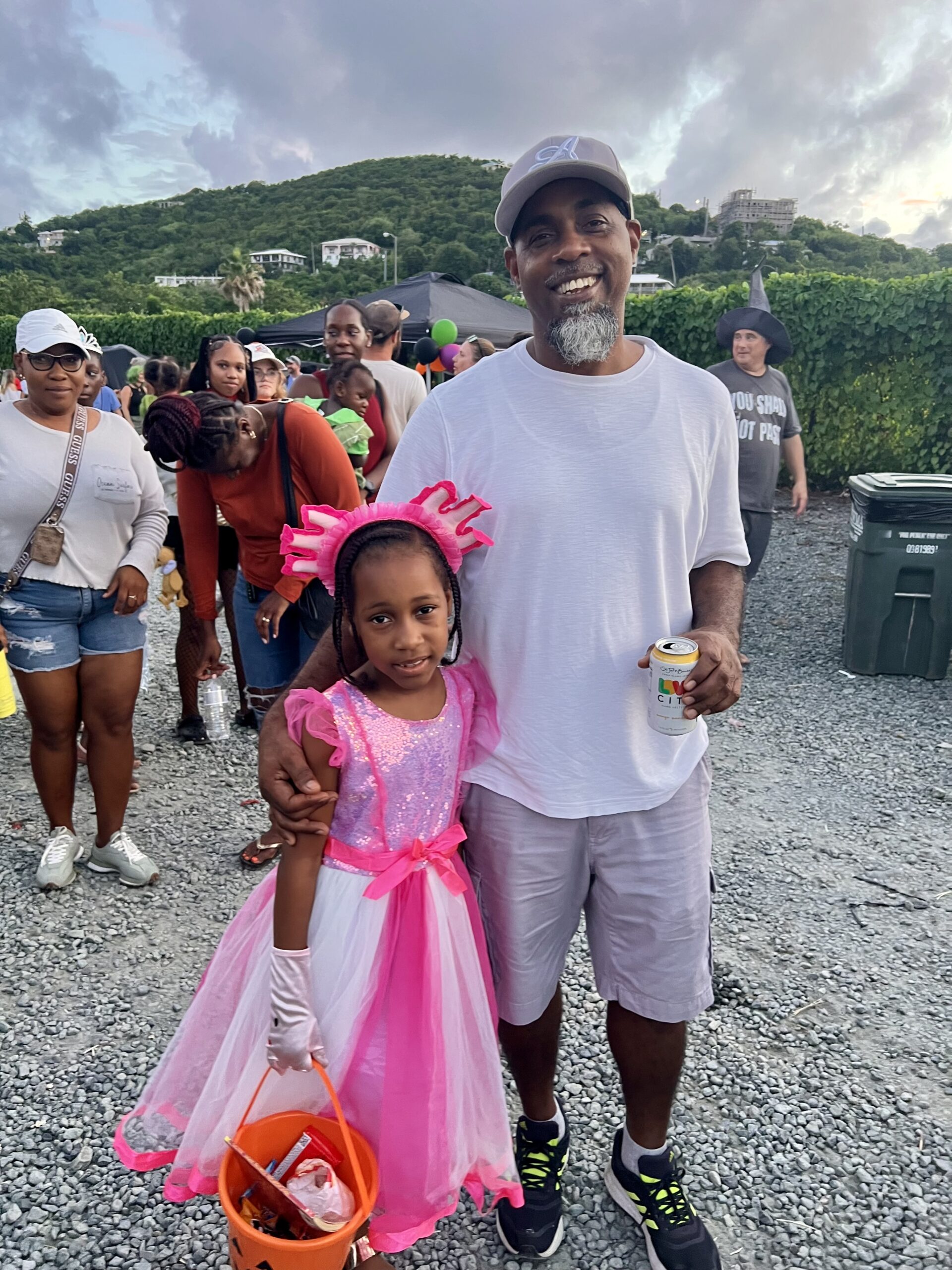
Meanwhile, she had some competition from some real princesses, including Nailah Cazaubon, who was escorted by her dad, Edward.
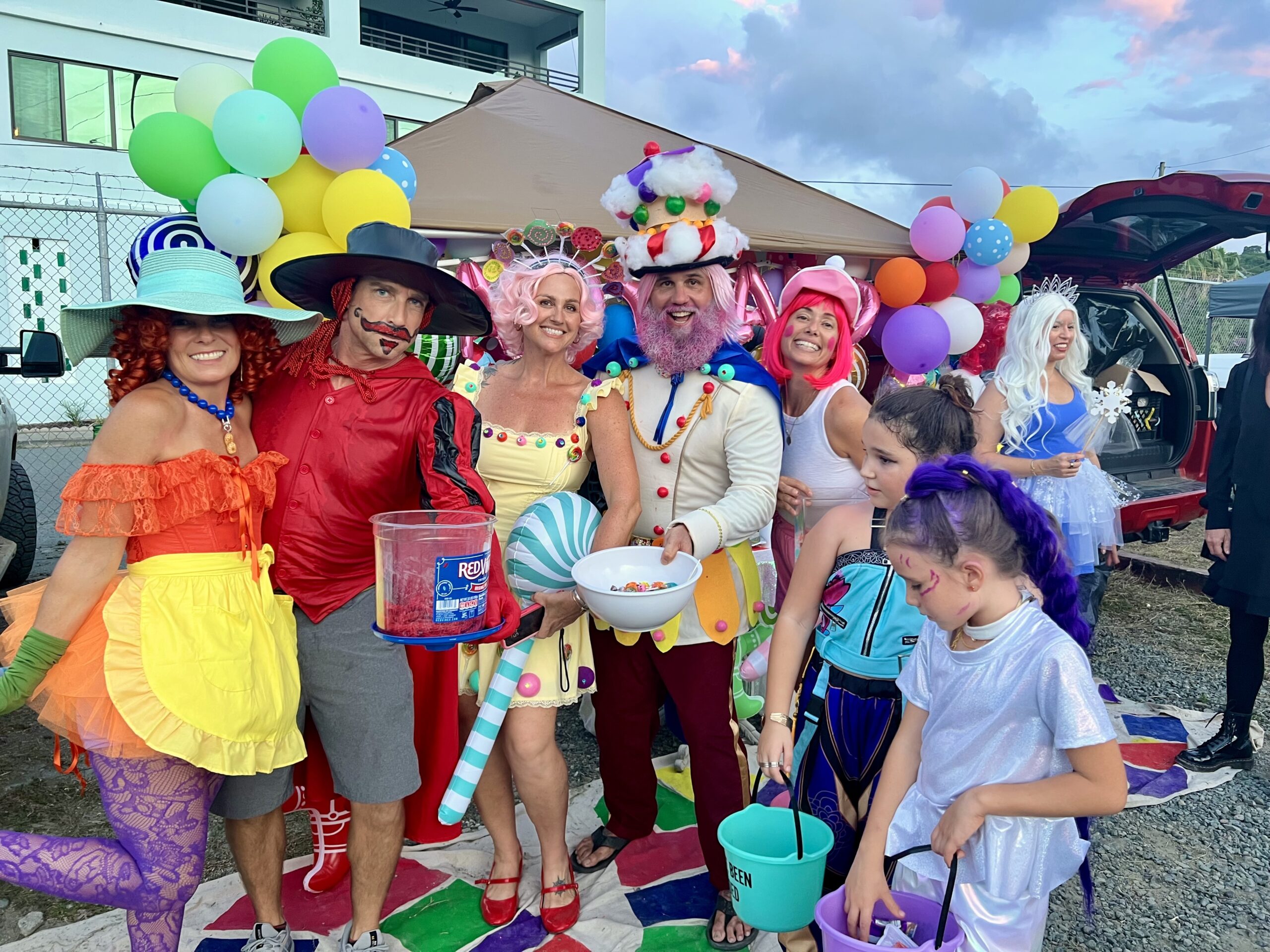
The adult crew from “We Are Candyland” had as much fun dressing up as the kids.
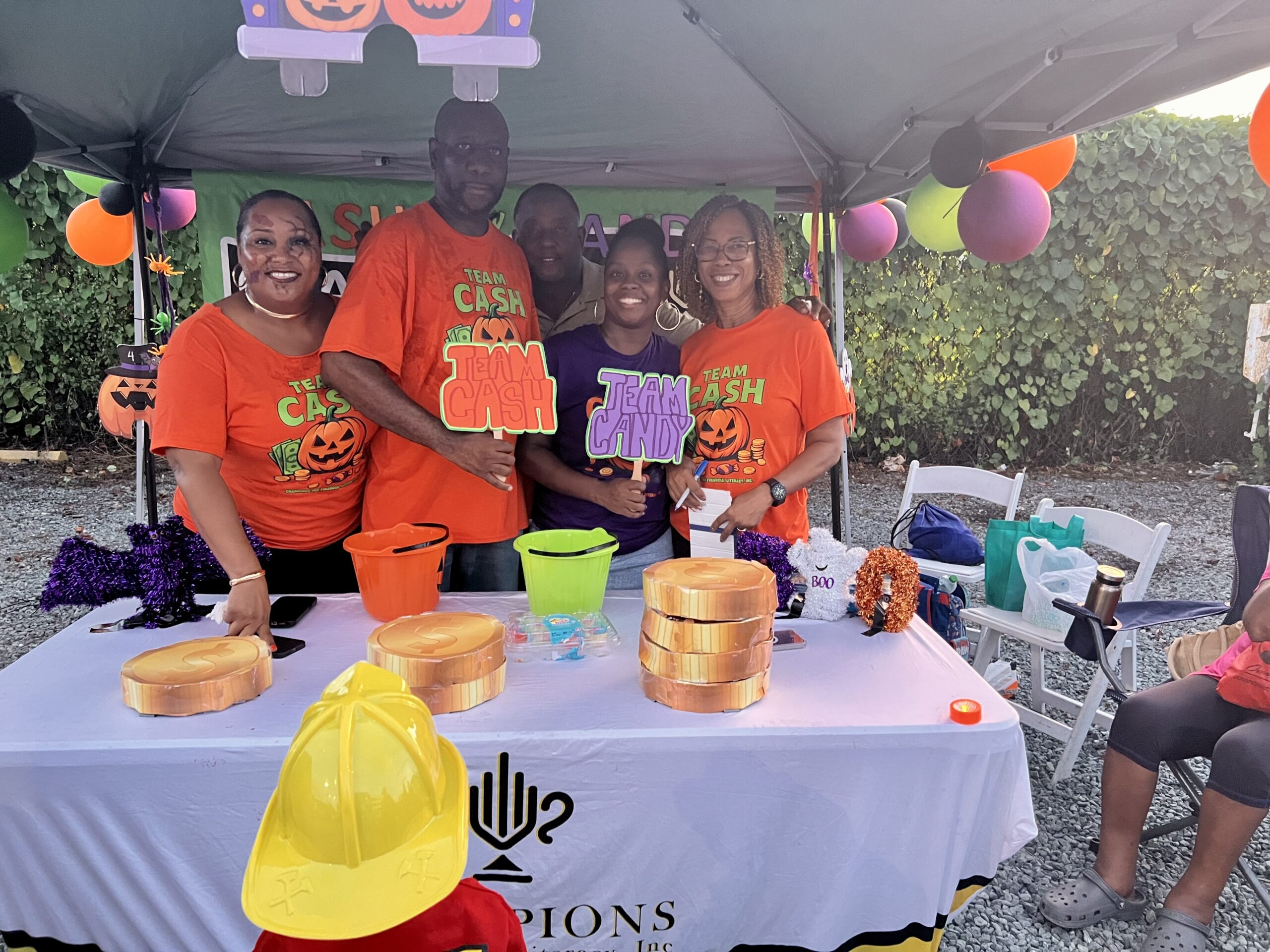
The Champions for Financial Literacy (founded by educator Racquel Berry-Benjamin) invited youngsters to consider the value of candy versus cash. From left, Racquel Berry-Benjamin, Ivan Williams, David Marsh, Deitra Powell, Lisa Penn.
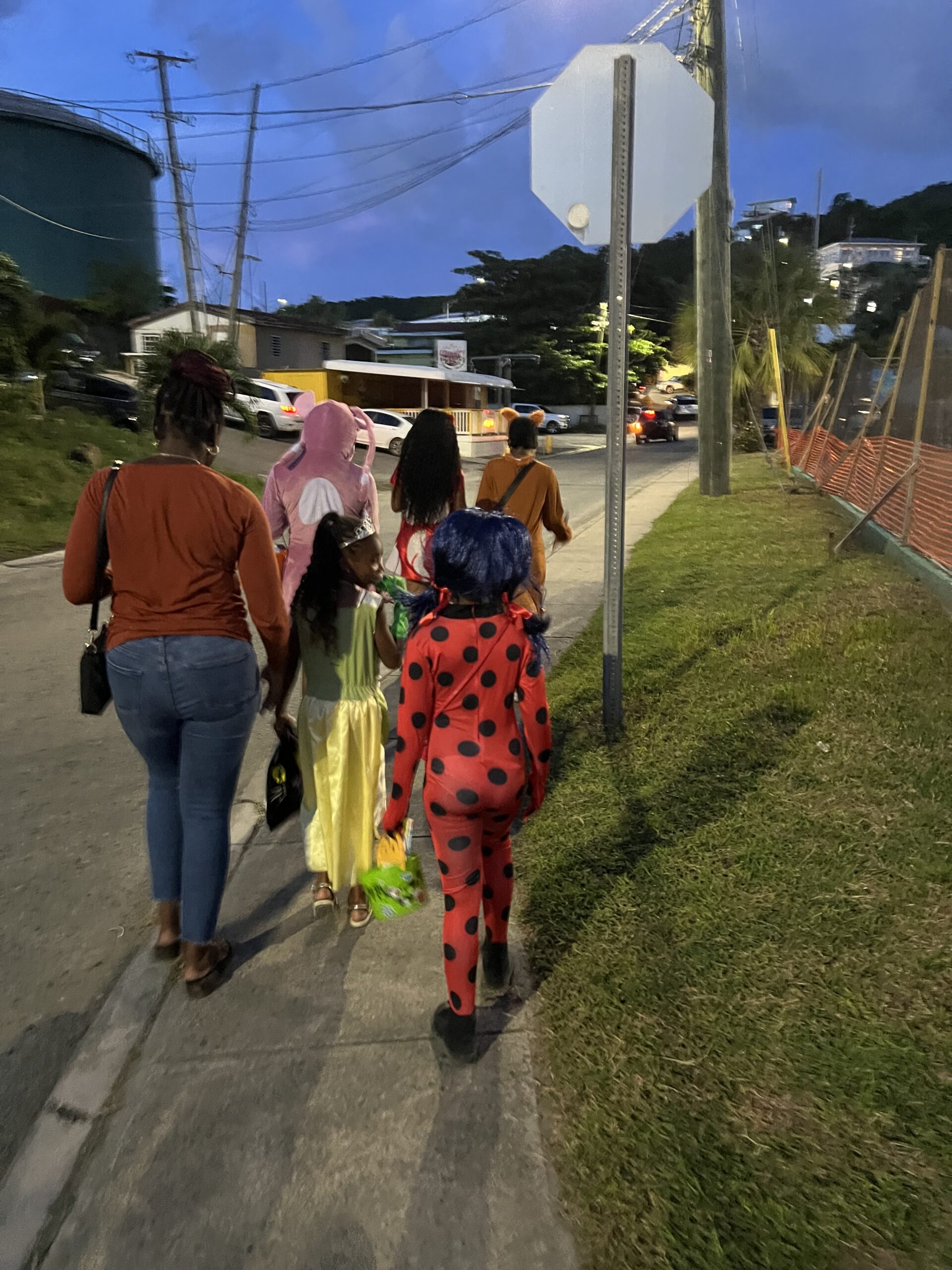
After a hard afternoon of collecting candy, trick-or-treaters headed home.
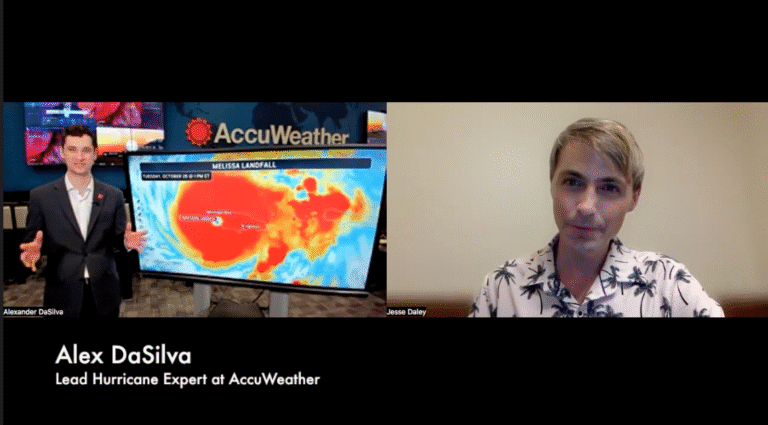
AccuWeather’s Alex DaSilva Breaks Down 2025 Atlantic Hurricane Season in Exclusive Interview
The (Mis)Measurement of VI Children


Bryan Signs Bill to Protect SNAP Benefits During Federal Shutdown
Lawmakers Hear Testimony on Youth Violence, Education, and Workforce Challenges Across the Virgin Islands
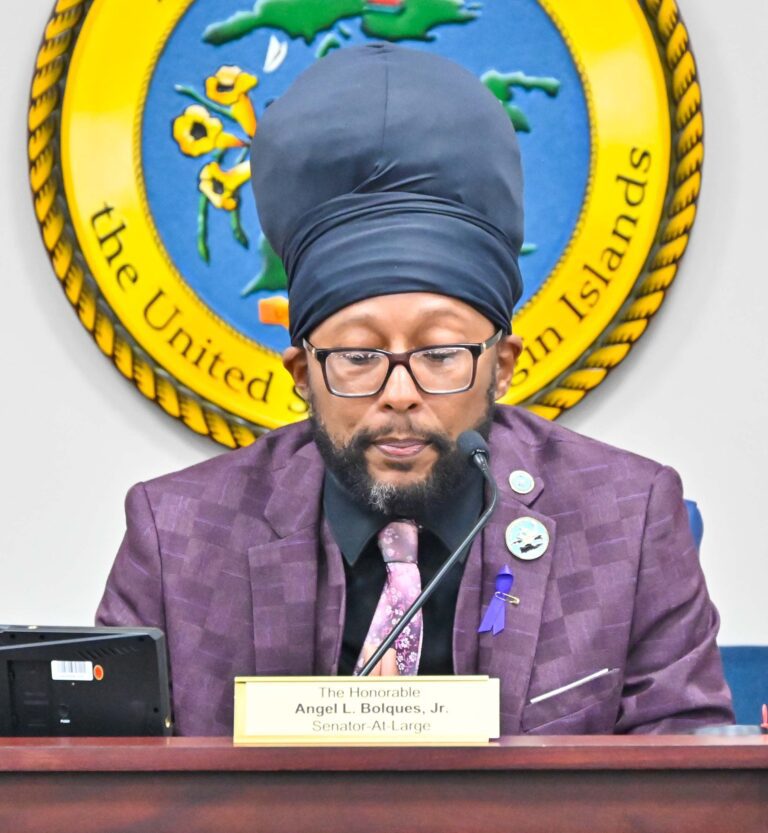
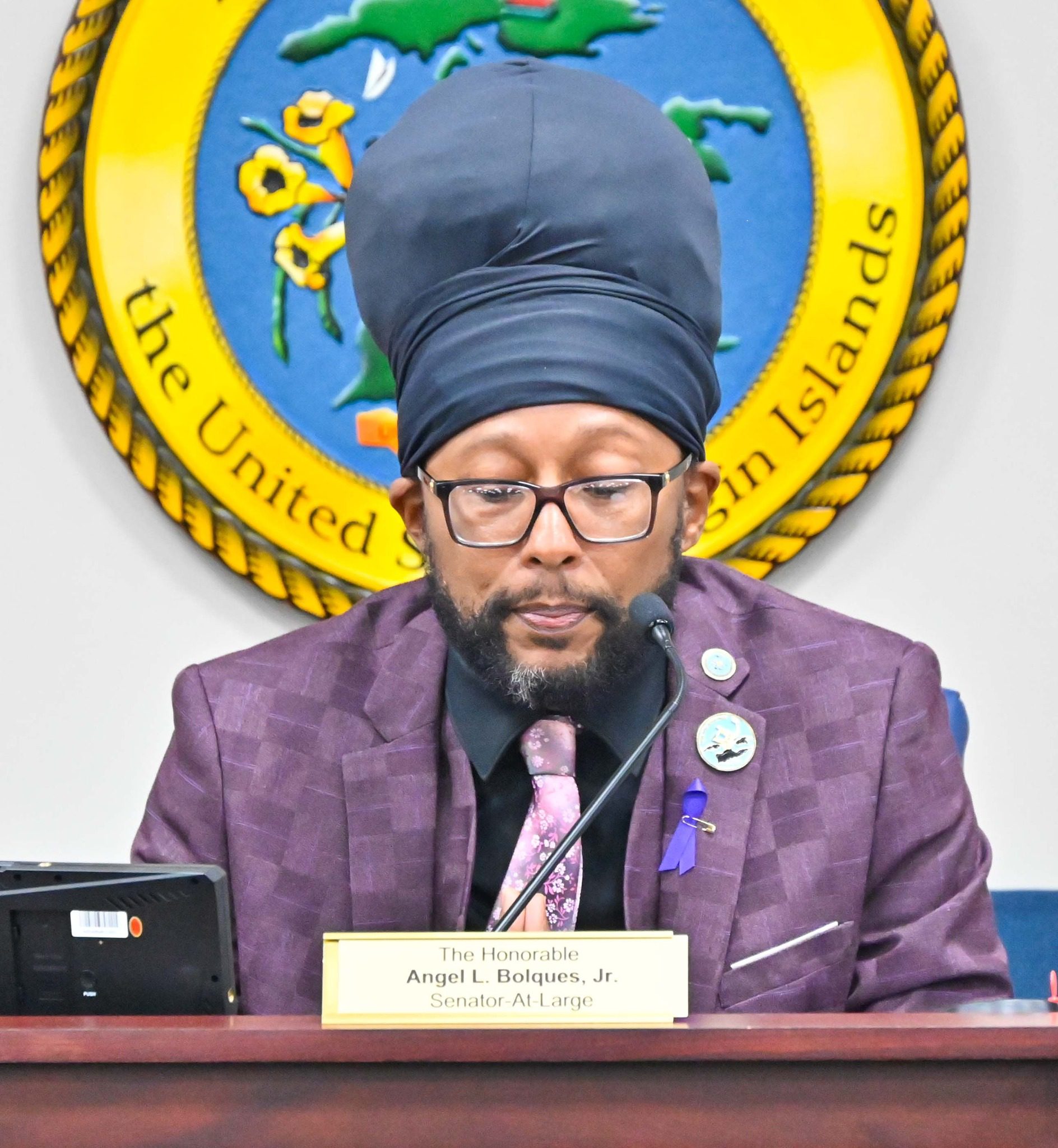
The Senate Culture, Youth, Aging, Sports, and Parks Committee, chaired by Sen. Angel L. Bolques Jr., heard testimony Friday addressing the growing challenges affecting the territory’s youth. Testifiers discussed youth violence, education, and workforce readiness—issues linked to broader concerns of public health, inequality, and community well-being, the Virgin Islands Legislature announced in a press release.
Nicole Craigwell-Syms, assistant commissioner of the V.I. Health Department, testified on behalf of Commissioner Justa Encarnacion, calling youth violence a public health crisis rooted in poverty, trauma, and limited behavioral health resources. Nearly one-third of local children live below the federal poverty line, she said, contributing to chronic stress and aggression. Craigwell-Syms cited the lingering effects of hurricanes Irma and Maria, the COVID-19 pandemic, and community violence as major factors contributing to depression, anxiety, and suicidal behavior among young people. She highlighted several ongoing prevention efforts, including the Behavioral Health Division’s school outreach programs, the “Zen Van” counseling service, and the “Positive Vibes Alone” campaign, the press release stated.
Antonio Emanuel, executive director of the Office of Gun Violence Prevention, said the agency continues to treat gun violence as a public health issue through partnerships with law enforcement, schools, nonprofits, and faith-based organizations. The office has held more than 100 prevention events, including anti-bullying and conflict resolution programs. Sergeant Danisha Samuel-Santos, representing the V.I. Police Department’s Juvenile Bureau, said the department supports stronger interagency coordination, increased school-based behavioral health services, and expanded youth mentorship programs, the release stated.
Attorney General Gordon Rhea said youth firearm incidents and juvenile reoffending remain concerns, despite national declines in youth arrests. The Justice Department urged investment in youth engagement programs, safe spaces, and technical training, the release stated.
Chystie Payne, program and development director at My Brother’s Workshop, testified that workforce training should be viewed as violence prevention. She recommended greater investment in community-based initiatives and sustainable funding for intervention programs, the release stated.
The committee also examined broader structural issues shaping youth success, including disparities in education, employment, and vocational training, it stated.
Haldene Davis, director of the V.I. Bureau of Economic Research, reported a youth unemployment rate of 25.3 percent in 2024 and a 4.6 percent dropout rate among 16- to 19-year-olds in 2022. There were 263 youth arrests for violent crimes in 2023, he said. Davis urged targeted, sustainable programs that offer living wages and early intervention for at-risk youth, according to the release.
Davis noted that the 2020 Census recorded a population decline to 87,146 residents, though 2025 estimates show growth to 103,792. The population is aging, with 37 percent over age 55 and just 15 percent under 14. Public school enrollment has dropped by 3,000 since 2017, and while graduation rates have climbed to 83.9 percent, academic proficiency remains low, the release stated.
V.I. Education Department Assistant Commissioner Victor Somme III reported 10,263 public school students across both districts. The 2024–25 dropout rate was 3 percent, down from previous years, which he credited to early intervention strategies that allow students to retake failed courses immediately. Somme also highlighted Career and Technical Education pathways that prepare students with practical skills and industry certifications. However, he said many classrooms lack updated equipment and sufficient resources, it stated.
CTE Board Executive Director Genevieve Whitaker said programs in high-demand sectors such as health sciences, hospitality, IT, construction, and finance have expanded despite persistent instructor shortages and infrastructure challenges. She renewed the board’s request for a $600,000 appropriation to establish the “Ms. Lena Schulterbrandt CTE Fund” to support internships, equipment repairs, and instructor training, the release stated.
Labor Commissioner Gary Molloy said the Virgin Islands Workforce Development System is focused on building a “talent pipeline” aligned with key industries through the American Job Center and apprenticeship programs for ages 14–25, the release stated.
Renee Hansen, assistant commissioner of the Department of Sports, Parks, and Recreation, outlined initiatives to empower youth through safe spaces, mentorships, and recreation programs, including “Recreation-in-Motion” and the “Summer Cultural Arts Series.” She also cited challenges such as aging infrastructure, limited funding, and unequal access across islands, it stated.
Right to Democracy Hosts Discussion on Militarization in U.S. Territories
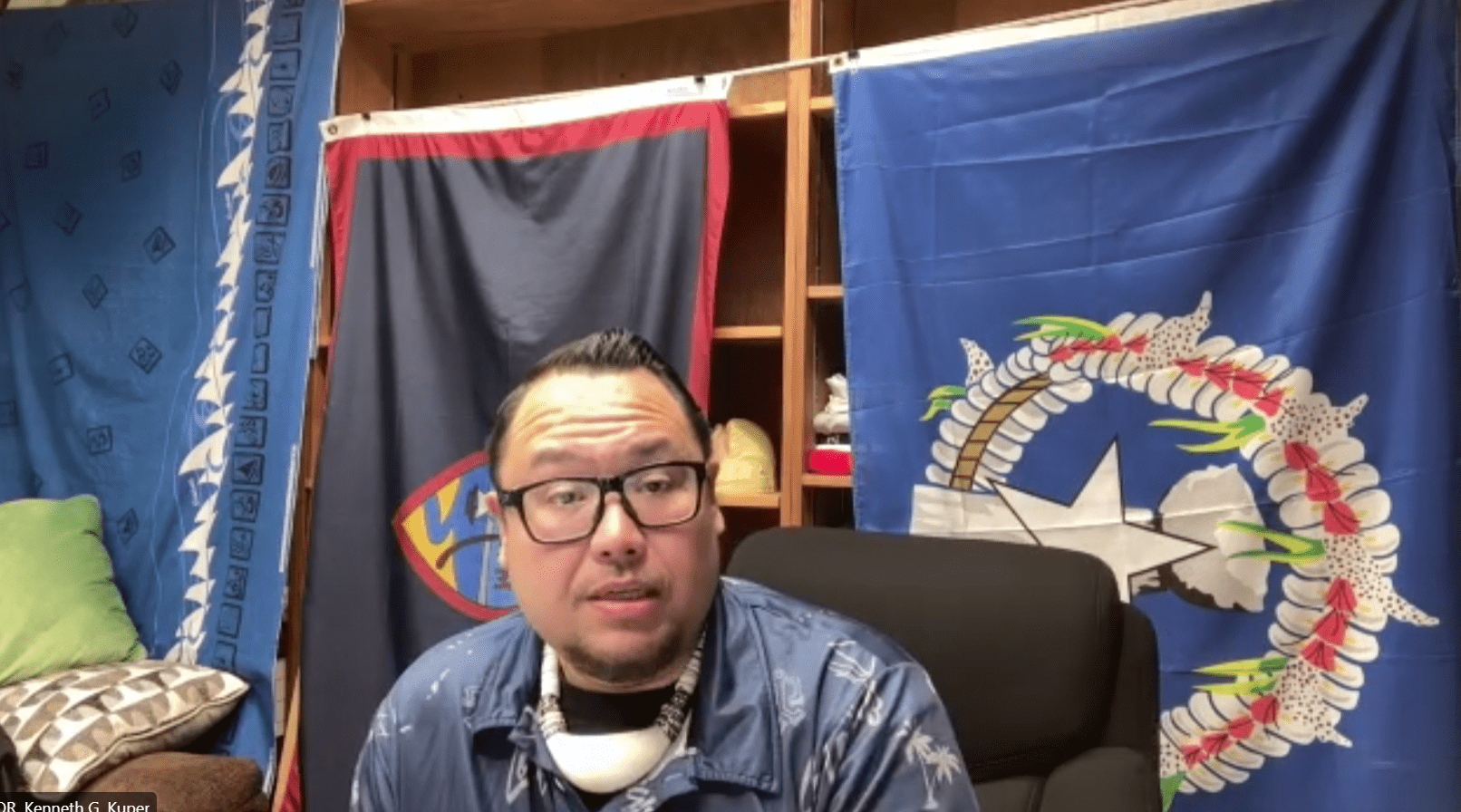
In a cross-territorial discussion hosted Wednesday by the advocacy group Right to Democracy, scholars and organizers from U.S. territories convened to examine both the history and contemporary impacts of militarization.
“Our focus as an organization, and the focus of this conversation, is on ensuring that people in the U.S. territories have power and agency over decisions that impact them,” said Adi Martínez Román, co-director of Right to Democracy and co-moderator of the event. “U.S. military activities are having profound impacts on the communities across the territories, and our belief is that these communities should have a say in these activities, whether as part of the U.S. political body or on their own.”
Panelists from Puerto Rico, Guam, and the Northern Mariana Islands, along with moderators from the U.S. Virgin Islands and Puerto Rico, discussed the wide-ranging impacts of militarization, from rising costs of goods to environmental and public health concerns. They also examined the historical roots of U.S. military presence in the territories.
“In our contemporary history, the change in colonial administration that occurred in 1898 created a new model of occupation and militarization,” said Melody Fonseca Santos, associate professor of political science at the University of Puerto Rico. “Puerto Ricans have a long history of engagement with the U.S. military, marked by moments of struggle, resistance, and even victories.”
That same year, Guam was ceded from Spain to the United States. “After the Spanish-American War, just as Puerto Rico and the Philippines were transferred to the United States, so was Guam, though Guam was much smaller,” said Kenneth Gofigan Kuper, associate professor of political science at the University of Guam’s Micronesian Area Research Center and director of the Pacific Center for Island Security, a think tank offering independent foreign policy analysis for the Asia-Pacific region.
“At that time, we were put under a naval government. So the highest ranking naval official pretty much ran Guam and these officers were not made for civilian government.” Kuper said.
The consequences, he explained, remain visible today. “Twenty-seven percent of our land is currently occupied by the U.S. military,” Kuper said. “A lot of times, what is good for Guam security and U.S. security will line up. But what do we do in the instances in which they don’t? … We need to exercise our agency.”
For the Northern Mariana Islands, the transition to U.S. association came through negotiation rather than conquest. “At that time, [we] negotiated our political status with the United States, which resulted in our current status as a U.S. Commonwealth,” said Theresa “Isa” Arriola, an assistant professor in the Department of Sociology and Anthropology at Concordia University.
Arriola also chairs Our Commonwealth 670 (OCW 670) on Saipan, a community advocacy group dedicated to research, education, and awareness about military planning in the Mariana Islands. “The arrangement gave us a level of political autonomy that we had not had before, yet the United States maintained complete authority, essentially over foreign affairs and defense,” she said.
Hadiya Sewer, a U.S. Virgin Islands native and co-moderator of the panel, discussed how the U.S. Virgin Islands, purchased from Denmark in 1917 for $25 million in gold, became a strategic outpost, a status whose effects can still be felt in many ways. “St. John is over two-thirds National Park, St. Croix had one of the largest oil refineries in the Western Hemisphere, and St. Thomas was a polling station during the naval administration,” Sewer said.
Panelists agreed that the effects of militarization are still felt across the territories, reshaping economies, housing markets, and local environments. “If the military is a 12-foot giant in your house, he’s bound to step on you sometimes,” said Kuper. “Our two pillars of our economy are military spending and tourism.” He noted that raising concerns can carry a social cost: “Sometimes to criticize even remotely the military, you get labeled as, like, anti-American … which is quite odd,”
Santos told the panel that U.S. military activities have left deep and lasting scars on Puerto Rico’s environment and public health, particularly in Vieques. She noted that in Vieques, “the prevalence of cancer …[is] 30% higher than in the rest of Puerto Rico,” with especially elevated rates among children and youth. She described these areas being treated as “sacrifice zones,” where residents have faced displacement, toxic exposure, and ongoing threats to water and land.
“To this day, they have not finished cleaning these territories, and there is no idea of when these territories will be transferred from the military to the communities,” she said, warning that the consequences of contamination remain unresolved, with no clear timeline for environmental restoration or the return of local control.
Santos also emphasized Puerto Rico’s ongoing strategic importance to U.S. military plans in the Caribbean. “After decades of active militarization, the strategic position of Puerto Rico has again become of high interest to the United States,” she said, citing recent troop deployments and increased use of local bases. She cautioned that these military activities carry tangible social and environmental costs.
The island’s central role in U.S. military strategy has also sparked long-standing local resistance. “In Puerto Rico, there are community groups and political organizations that have sustained a culture of anti-militarization and anti-imperial struggle,” said Santos.
She said she feels that the costs of militarization outweigh the economic benefits. “There’s no discourse of economic development that is worth it if we put into perspective that other cost. The health, the contamination, the loss of land.”
Panelists made clear that dissent is not about opposing individuals in uniform, but about standing for community agency. “To critique systems of power that are directly benefiting from violence, and war, and war preparation does not mean we’re in opposition to military personnel …” said Arriola. “It means privileging and centering self-determination, centering indigenous agency, and actually exercising the right to your political future.”
As the discussion closed, Román said, “It is very important that we have these conversations,” she continued. “It is important to recognize that the territories need to have agency, actual agency, in these decision making processes, because the decision making that is being done … is affecting our communities, it is affecting our economy, and it is subjugating our leaders and our local governments into acquiescence with models that might not be the best for the development of our people and our communities.”
Woman Arrested After Intimate Images Shared on Social Media, Police Say
Woman Arrested Following Cane Bay Shooting Investigation