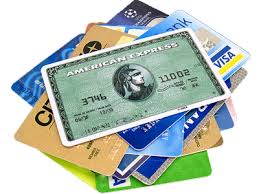
The Virgin Islands Police Department Economic Crime Unit is urging all business owners and employees to avoid manually entering credit card numbers during transactions in the absence of a physical card. This outdated and risky practice can lead to serious consequences for your business and your customers.
Why This Matters:
Increased Risk of Fraud & Identity Theft: Manual entries are more vulnerable to fraud and unauthorized use. This puts your business at higher risk for chargebacks and financial losses.
This has already led to several fraudulent use of credit cards investigations in the territory.Legal Consequences:
Improper handling of credit card data may violate Payment Card Industry Data Security Standard (PCI DSS) compliance standards, and could result in fines, civil penalties, or criminal investigation.Employee Misconduct:
Manual entry creates opportunities for dishonest employees to steal or misuse customer card information.
Reputation Damage: Customer trust is critical. A single incident can result in long-term harm to your business reputation.
VIPD-Economic Crimes Unit Recommendations:
• Always require the physical card for in-person transactions.
• Use chip, tap, or swipe methods with secure, PCI-compliant terminals.
• Train all staff on proper card-handling procedures.
• Report any suspicious activity by contacting 911
From July 6th through July 13th, the CAHS Class of 1980 celebrated its 45th High School Reunion in grand style!
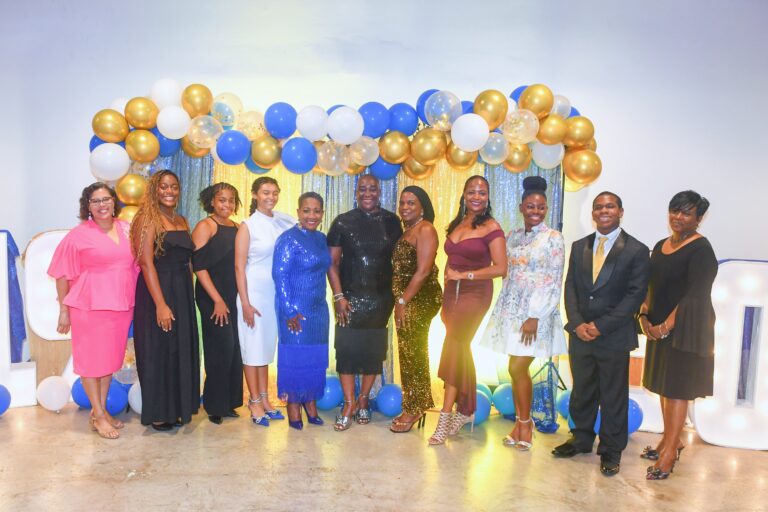
Scholarship Committee Members (Center): Mrs. Ceciley Grant-Robinson, Mrs. Jemma Padmore Boler, and Mrs. Phylis Jones-Hodge. Scholarship Recipients: (L-R) Kibwe Belle Jr. (represented by his mom Mrs. Zolayme Belle), Abigail Jaboin, Se’Niya-Monae Hodge, Laila Carter, Shawriya Benjamin, Jerelle Berkeley Jr., and Siara Abbott (represented by her mom Mrs. Sherri Abbott). Assistant Principal, Mrs. Nneka Howard-Sibilly 4th from (R) chaperoned the students.
With two years of careful planning, the reunion committee orchestrated a week filled with joy, reflection, and purpose. Classmates gathered from across the nation and the Virgin Islands for a variety of events that rekindled childhood memories, enriched minds, and honored the legacy of their alma mater.
The schedule included a church service, meet-and-greet, educational wellness workshops, a historical scavenger hunt, fun-filled group activities, and a spectacular formal banquet themed ‘Retro Night,’ where glitz and glamour took center stage. The week concluded with our ‘Last Lap’ event at Magens Bay — a heartfelt celebration featuring fine cuisine, fellowship, the sweet sounds of Pan in Motion, and a dove release in remembrance of classmates no longer with us.
A highlight of the week was the presentation of $7,500 in scholarships to seven outstanding students from the CAHS Class of 2025 — generously donated in full by members of the Class of 1980.
Each recipient submitted a compelling essay responding to the prompt: “If you had the power to change one thing in the territory, what would it be and why?”
Their visionary responses addressed critical issues such as improving educational access, strengthening agriculture, reducing gun violence, enhancing infrastructure and tourism and expanding affordable housing.
The seven scholarship recipients (Kibwe Belle Jr., Abigail Jaboin, Se’Niya-Monae Hodge, Laila Carter, Shawriya Benjamin, Jerelle Berkeley Jr., and Siara Abbott) will be attending top institutions including the University of Missouri–St. Louis, Embry-Riddle Aeronautical University, University of Michigan, Oral Roberts University (ORU), University of Pennsylvania, University of the Virgin Islands, and the Conservatory Acting for Camera Program. Their aspirations range from becoming commercial pilots and attorneys to pursuing careers in screenwriting and acting, computer science, radiological technology, agricultural development, and corporate finance.
This marks the second consecutive reunion year that the CAHS Class of 1980 has spearheaded its scholarship initiative, reaffirming its commitment to investing in the next generation.
The CAHS Class of 1980 “A Class with Class” continues to lead by example — celebrating the past while empowering the future and Excelling Always!
Scholarship Committee Members were Mrs. Ceciley Grant-Robinson, Mrs. Jemma Padmore Boler, and Mrs. Phylis Jones-Hodge.
Scholarship Recipients were Kibwe Belle Jr. (represented by his mom Mrs. Zolayme Belle),Abigail Jaboin, Se’Niya-Monae Hodge, Laila Carter, Shawriya Benjamin, Jerelle Berkeley Jr., and Siara Abbott (represented by her mom Mrs. Sherri Abbott). Assistant Principal, Mrs. Nneka Howard-Sibilly 4th from chaperoned the students.
Senate Calendar Aug. 4 – Aug. 15
FRIDAY, AUGUST 8
Committee on Government Operations, Veterans Affairs and Consumer Protection
9:30 A.M.
Earle B. Ottley Legislative Hall
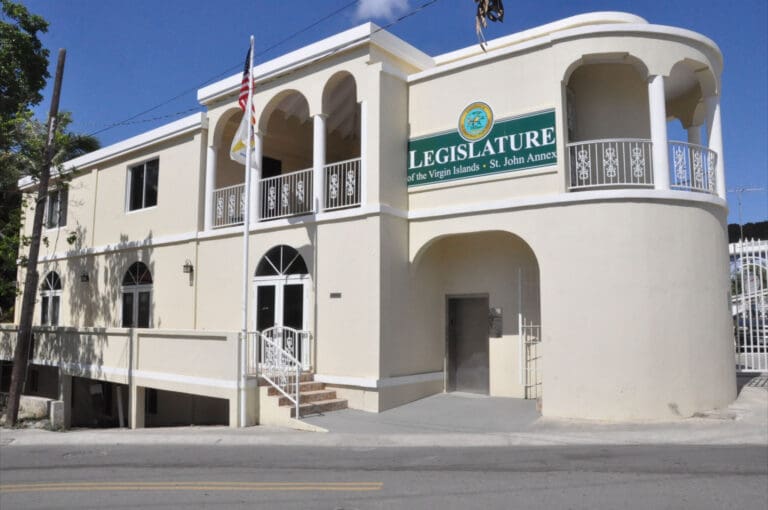
The Committee on Government Operations, Veterans Affairs, and Consumer Protection has scheduled a meeting for Friday, August 8, 2025, at 9:30 AM in the Earle B. Ottley Legislative Hall, St. Thomas, Virgin Islands to provide updates on the following agency and bills:
BLOCK I 9:30 A.M. – 11:00 A.M.
The Committee will receive testimony on the operations of the Board of Elections including but not limited to enabling law and jurisdiction, current department challenges, a plan of action to resolve challenges and the following:
All matters relative to the discussion on the status, functions and operations of the agency.
Invited Testifier:
Mr. Raymond J. Williams, Chairman of the Board of Elections
LUNCH 11:00 A.M. – 11:30 A.M.BLOCK II 11:30 A.M. – 1:30 P.M.
Bill No. 36-0071 An Act amending title 18 Virgin Islands Code, section 232 to provide the process for political parties to choose their nominees for public offices.
Invited Testifiers:
Mr. John Yob, Chairman of the Republican Party
Ms. Carol Burke, Chairperson of the Democratic Party
Ms. Caroline Fawkes, Supervisor of the Board of Elections
Bill No. 36-0073 An Act amending title 18 Virgin Islands Code, chapter 1, section 4 and title 18 Virgin Islands Code, chapter 3, section 41 relating to the powers of the Supervisor of Elections and the Board of Elections.
Invited Testifier:
Mr. Raymond J. Williams, Chairman of the Board of Elections
MONDAY, AUGUST 11
Committee on Budget, Appropriations and Finance
10:00 A.M.
Frits E. Lawaetz Legislative Conference Room
The Committee on Budget, Appropriations and Finance will meet on Monday, August 11, 2025, 10:00 A.M. in the Frits E. Lawaetz Legislative Conference Room on St. Croix to receive testimony on the Fiscal Year 2026 Budget.
BLOCK I 10:00 A.M. – 12:00 P.M.
Virgin Islands Election System
Caroline Fawkes, Supervisor
BLOCK II 1:00 P.M. – 3:00 P.M.
Water & Power Authority
Karl J. Knight, Chief Executive Officer and Executive Director
BLOCK III 3:00 P.M. – 5:00 P.M.
Schneider Regional Medical Center
Tina Comissiong, Esq., MPA, Chief Executive Officer
WEDNESDAY, AUGUST 13
Committee on Budget, Appropriations and Finance
10:00 A.M.
Earle B. Ottley Legislative Hall
The Committee on Budget, Appropriations and Finance will meet on Wednesday, August 13, 2025, 10:00 A.M. in the Earle B. Ottley Legislative Hall on St. Thomas to receive testimony on the Fiscal Year 2026 Budget.
BLOCK I 10:00 A.M. – 12:00 P.M.
Bureau of School Construction and Maintenance
Craig Benjamin, Executive Director
BLOCK II 1:00 P.M. – 3:00 P.M.
Government Employees Retirement System
Angel E. Dawson, Jr., Administrator and Chief Executive Officer
BLOCK III 3:00 P.M. – 5:00 P.M.
Virgin Islands Police Department
Honorable Mario M. Brooks, Commissioner
Law Enforcement Planning Commission
Moleto A. Smith, Jr., Executive Director
THURSDAY, AUGUST 14
Committee on Budget, Appropriations and Finance
10:00 A.M.
Earle B. Ottley Legislative Hall
The Committee on Budget, Appropriations and Finance will meet on Thursday, August 14, 2025, 10:00 A.M. in the Earle B. Ottley Legislative Hall on St. Thomas to receive testimony on the Fiscal Year 2026 Budget.
BLOCK I 10:00 A.M. – 12:00 P.M.
Department of Tourism
Jennifer Matarangas-King, Commissioner Nominee
BLOCK II 1:00 P.M. – 3:00 P.M.
West Indian Company Limited
Charlene Turnbull, Acting Chief Executive Officer
FRIDAY, AUGUST 15
Committee on Budget, Appropriations and Finance
10:00 A.M.
Frits E. Lawaetz Legislative Conference Room
The Committee on Budget, Appropriations and Finance will meet on Friday, August 15, 2025, 9:00 A.M. in the Frits E. Lawaetz Legislative Conference Room on Croix to receive testimony on the Fiscal Year 2026 Budget.
BLOCK I 9:00 A.M. – 11:00 A.M.
Juan F. Luis Hospital and Medical Center
Darlene Baptiste, Chief Executive Officer
BLOCK II 11:00 P.M. – 1:00 P.M.
Department of Agriculture
Honorable Louis E. Petersen, Jr., PhD, Commissioner
BLOCK III 1:00 P.M. – 3:00 P.M.
Public Employees Relations Board
Pierina Jacobs-Feldman, Chairperson
Virgin Islands Labor Management Committee
Yirah Tutein, Executive Director
BLOCK IV 3:00 P.M. – 5:00 P.M.
Legal Services of the Virgin Islands
Shelby King Gaddy, Esq., Executive Director
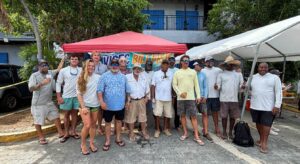
Weather and high levels of sargassum have postponed the Virgin Islands Game Fishing Club’s Inaugural USVI Billfish Shootout, scheduled for Saturday, August 2, 2025, out of IGY’s American Yacht Harbor Marina, in Red Hook, St. Thomas. Even so, four intrepid teams, Abigail III, Backlash, Coquito, and Double Header, cast off to the U.S. Virgin Islands’ waters on both the South and North Drops in search of marlin, tuna, wahoo, and mahi. In the end, tropical wave conditions and excessive seaweed made it a day for fishing rather than catching. This means the top prizes of $5000 catch for the boat that releases the most billfish, and $1000 apiece for the boats that catch the largest mahi-mahi, tuna, and wahoo, are still on the table.
Intrepid sports fishermen who tested the waters on Saturday. (Photo by VIGFC)
“We’ve set a new date for September 6 for the USVI Billfish Shootout,” says Kelvin Bailey, Jr., president of the board of the Virgin Islands Game Fishing Club. “Like our other events, the Dolphin Derby and Wahoo Windup, the USVI Billfish Shootout will be fished in U.S. Virgin Islands waters. We invite local and visiting anglers from neighboring islands and abroad to register now and fish with us. We’re looking forward to better weather, less sargassum, and great fishing next month. September usually produces large billfish.”
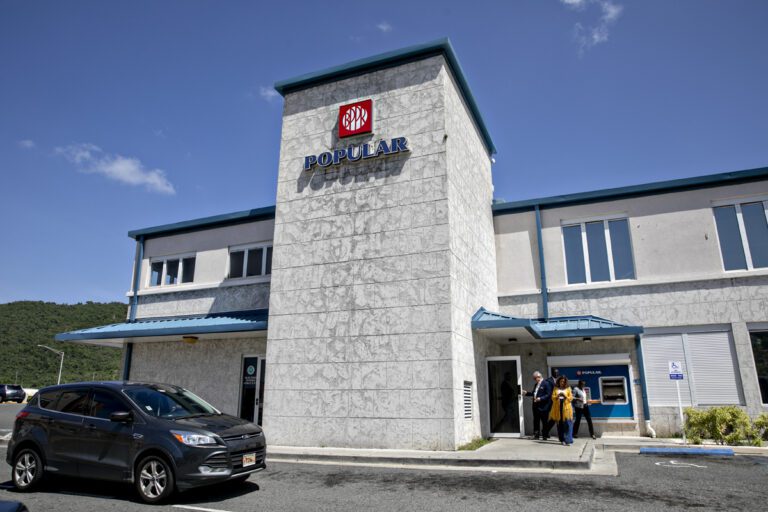
Banco Popular announced temporary service interruptions and operation relocations in its Orange Grove branch in St. Croix.
To improve its facilities to better serve customers, from Sept. 2 – 12, the Orange Grove branch will be closed, and during this period, the branch teams will operate from the Sunny Isle and Sunshine branches.
From August 18, 2025, the Mortgage, Commercial, and Administrative Offices will be temporarily relocated to the Sunny Isle Branch. Additionally,more information about the Popular branches in St. Croix is available athttps://www.popular.vi/locator/.
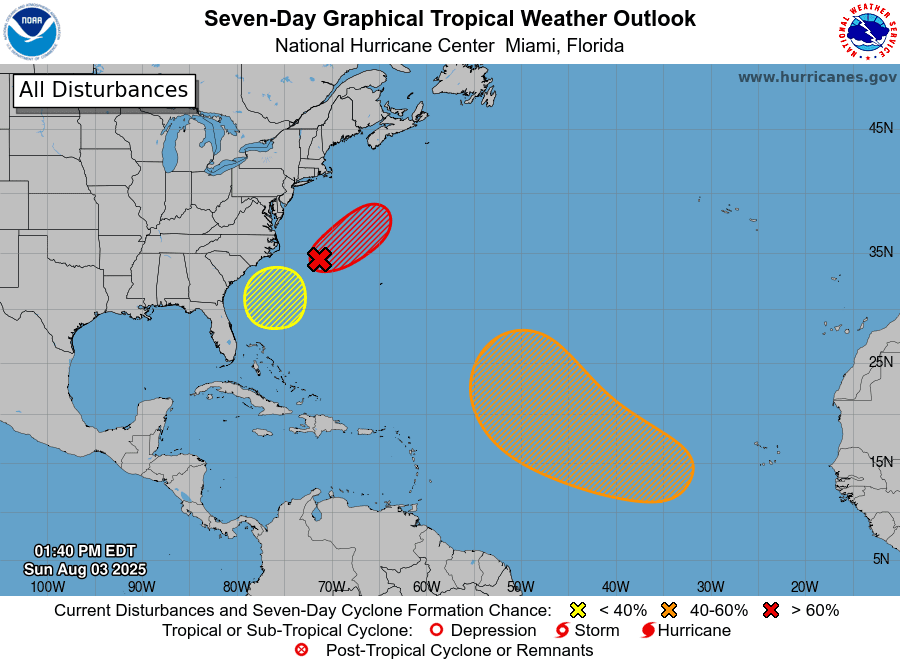
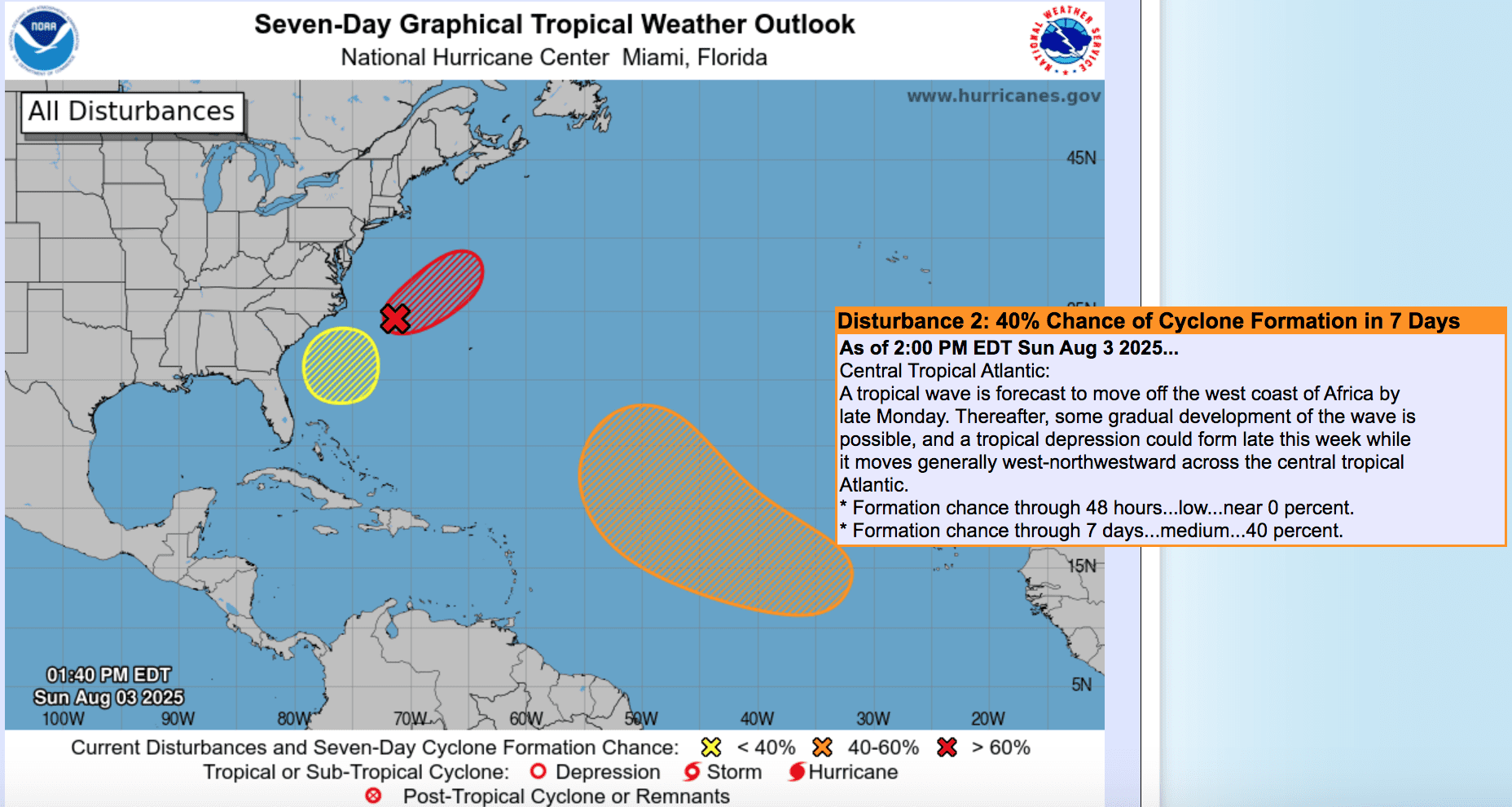
The NHC is currently monitoring three areas across the Atlantic basin. (Photo courtesy NHC)
The National Hurricane Center is monitoring three areas for potential development across the Atlantic basin, including a tropical wave expected to move off the west coast of Africa, which could strengthen as it travels across the Atlantic Ocean. The NHC has also flagged two areas near the U.S. East Coast.
Tropical Wave Expected to Move Across Atlantic
“A tropical wave is forecast to move off the west coast of Africa by late Monday,” according to an update on Sunday afternoon from the NHC. “Thereafter, some gradual development of the wave is possible, and a tropical depression could form late this week while it moves generally west-northwestward across the central tropical Atlantic,” the NHC explained.
Among the areas being watched by the NHC is a tropical wave expected to move off the west coast of Africa that could strengthen as it moves across the Atlantic Ocean. (Photo courtesy NHC)
As of Sunday afternoon, the potential tropical wave has a moderate chance of development. In a phone call on Sunday, Tyler Roys, a senior meteorologist with AccuWeather, told the Source that the tropical wave expected to move across the central Atlantic will likely pass to the northeast of the Lesser Antilles.
Still, in an update on Sunday, meteorologists at the National Weather Service in San Juan, Puerto Rico, noted that computer forecast models are not in total agreement on the track of the tropical wave and its possible impacts on the local islands. While there is no immediate hurricane threat to the U.S. Virgin Islands or Puerto Rico, residents and visitors are urged to remain prepared and monitor official updates closely.
Two Areas Under Watch Near U.S. East Coast
The NHC is also watching two areas located off the east coast of the U.S. for possible cyclonic development.
One disturbance, currently designated “Invest 95L,” is situated off the coast of North Carolina and has a high chance of strengthening into a tropical storm soon. An “invest” is an area under investigation by the National Hurricane Center for possible development. If this system intensifies into a tropical storm with maximum sustained winds of at least 39 mph, it would be named Dexter, the fourth named cyclone of this year’s Atlantic hurricane season.
A second area off the U.S. East Coast, located southeast of the Carolinas, is also being monitored, and it has a low chance of intensification by the middle of this week.
As predicted in a recent Global Tropics Hazards Outlook from the National Oceanic and Atmospheric Administration’s Climate Prediction Center, conditions across the Atlantic basin are expected to become more favorable for cyclone formation. Environmental factors, including a reduction in wind shear, may improve the chances for storms to organize and strengthen throughout August.
Local Weather Information and Staying Informed
Finally, the NWS in San Juan reminded individuals on Sunday about weather-related threats that will continue to affect the USVI and Puerto Rico over the coming days, including the chance of rainfall and thunderstorms, very warm temperatures with the potential for heat alerts, gusty winds generating wind-driven choppy seas, and an elevated risk of rip currents.
Additionally, a plume of Saharan dust is forecast to arrive on Monday, deteriorating air quality and causing hazy conditions.
It is crucial to remember that the forecast can change very quickly. USVI residents and visitors are encouraged to continue to remain prepared. Weather information is available from the NWS, the NHC, and NOAA.
Additionally, the local weather forecast for the U.S. Virgin Islands is regularly updated on the Source Weather Page and VI Source YouTube Channel. A weekly Tropical Outlook article from the Source is also published throughout hurricane season to provide in-depth updates.
Residents and visitors can find additional weather alerts and preparedness information from the Virgin Islands Territorial Emergency Management Agency.
Virtue of the Week – Nobility
Virtue of the Week focuses on building peaceful and caring communities through understanding and fostering the practice of virtues. The Source supports the Virtues Project and will publish one virtue developed by the project each week.
Nobility
Nobility is keeping faith with our true value as spiritual beings and living up to the virtues. We treat ourselves and others with dignity and respect. We speak and act with integrity. We remain steadfast to what we know is right, remembering our true worth. Our sense of decency is our touchstone. We don’t follow the path of least resistance just because it is easy. We lead a life of principles and purpose.
Quote: “Nobility without virtue, is a fine setting without a gem.” —Jane Porter
The Practice of Nobility
I know I am noble.
I have high ethical standards.
I treat people and things with dignity.
I am guided by decency.
I don’t allow others to mislead me.
I am my own leader.
Questions for Discussion
How can we honor each other’s nobility in our social justice work?
What will guide our social justice work?
What does the path of least resistance look like in our social justice work?
What temptations/distractions may divert us from our social justice work?
Sign up to receive the Virtue of the Week by email!
Visit https://cfvi.net/Virtues-Project, and scroll to the end of the page to fill out the form.
Virtue of the Week is provided by the Community Foundation of the Virgin Islands (CFVI) in partnership with the VI Source and Virtues Matter.About the Community Foundation of the Virgin Islands
Since 1990, CFVI has been a catalyst for positive change in the territory through initiatives committed to youth, learning, family support and the environment. With a professional staff and a volunteer Board of Directors composed of community leaders, CFVI is a trusted advocate and supporter of programs that ensure opportunity and sustainability for current and future generations. CFVI is a registered non-profit organization entirely supported by individual donors, grants, trusts, corporate donations and estate planning. For more information, visit cfvi.net.
About Virtues Matter
Virtues Matter was started by a passionate wife-husband team of social entrepreneurs seeking to positively uplift as many lives as possible. We aim to inspire and empower, to build capacity, strengthen relationships, and help everyone lead lives of passion and purpose.
Virtues Matter believes in a world where people are committed to kindness and respect, strive to be their best, and live with hope, courage, and in unity. We built the Virtues Cards mobile app, an interactive personal and team development tool, to help people identify and develop key virtues skills. We also offer dynamic workshops, online training, and customized programs to help people cultivate these positive qualities of character. To learn more, visit virtuesmatter.com.
To learn more about the Virtues Project, visit virtuesproject.com.
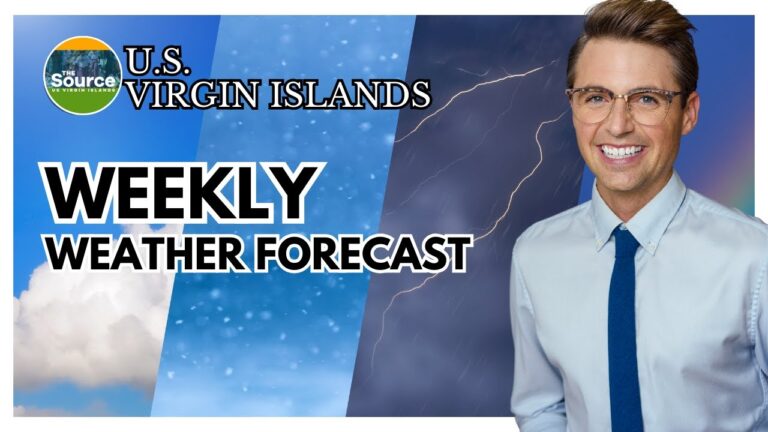
Check out our weekly weather forecast with Jesse Daley, covering Sunday, Aug. 3, through Saturday, Aug. 9. Our YouTube playlist is updated every week, AND check out Jesse’s daily weather updates here.Please note: After the filming of this week’s Weekly Weather Update video, some adjustments were made to the tropical weather forecast. As of Saturday, Aug. 2, the National Hurricane Center is now watching a couple of areas across the Atlantic basin for possible cyclonic development over the next seven days. While no hurricanes are expected to directly affect the U.S. Virgin Islands in the immediate future, individuals are urged to follow the latest updates from the NHC at hurricanes.gov.
A massive 8.8 magnitude earthquake off the coast of Russia on July 29 triggered tsunami alerts across the Pacific Ocean, serving as a reminder that coastal regions must stay prepared. While the U.S. Virgin Islands were not impacted, seismic activity is common in the Caribbean, and the risk remains.
The U.S. Virgin Islands and Puerto Rico lie within an active seismic zone, making it crucial for residents to understand the risk of a major earthquake or tsunami. Knowing where to go, how to interpret warnings, and what to do in an emergency are vital across the local islands. The sections below detail evacuation zones, siren testing protocols, alert systems, and essential resources for staying safe and informed.
Earthquakes and Tsunamis in the Caribbean
The National Weather Service defines tsunami waves as “a series of waves that can cause dangerous fluctuations of water along shorelines and are generated by earthquakes, volcanic eruptions, or landslides that cause a large-scale and rapid displacement of the water.”
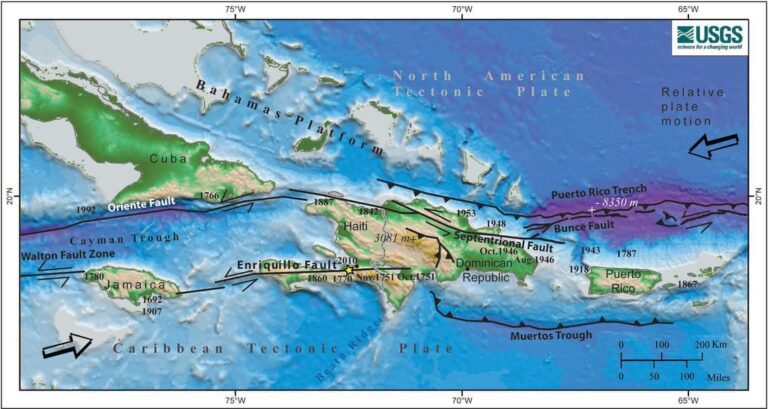
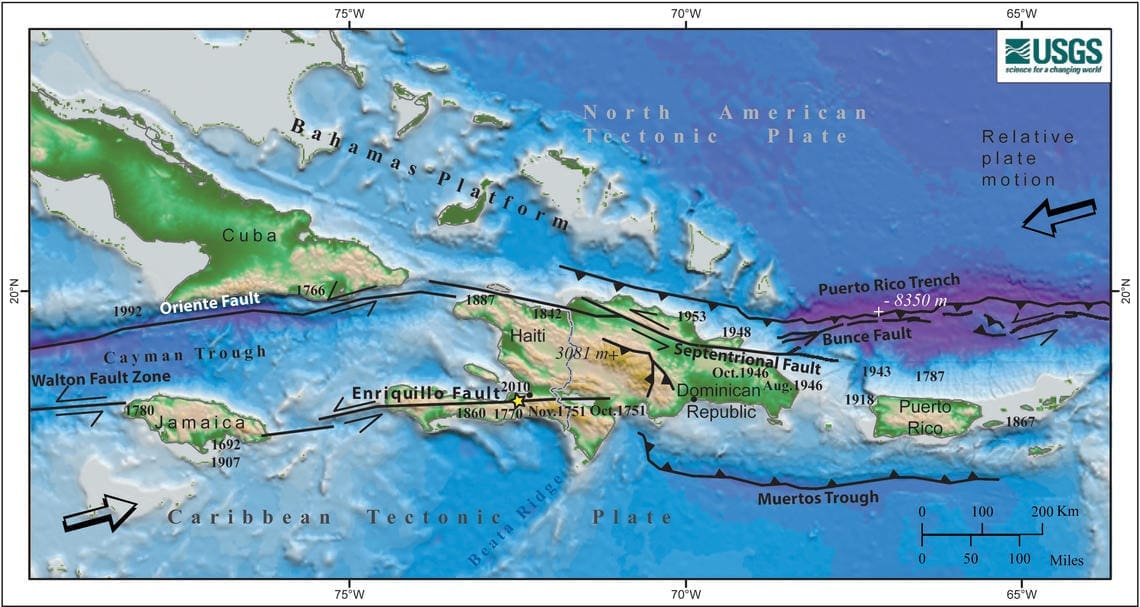
United States Geological Survey map of tectonic plates in the Caribbean region. Caribbean islands are located where earthquakes frequently strike due to their proximity to tectonic plates and fault systems. (Photo courtesy USGS)
Caribbean islands are situated where temblors frequently strike due to their location among tectonic plates and fault systems.
“The tectonic plates divide the Earth’s crust into distinct ‘plates’ that are always slowly moving. Earthquakes are concentrated along these plate boundaries,” according to the United States Geological Survey.
“Puerto Rico and the Virgin Islands are located at an active plate boundary between the North American plate and the northeast corner of the Caribbean plate. Plate movements have caused large magnitude earthquakes and devastating tsunamis,” according to the USGS website.
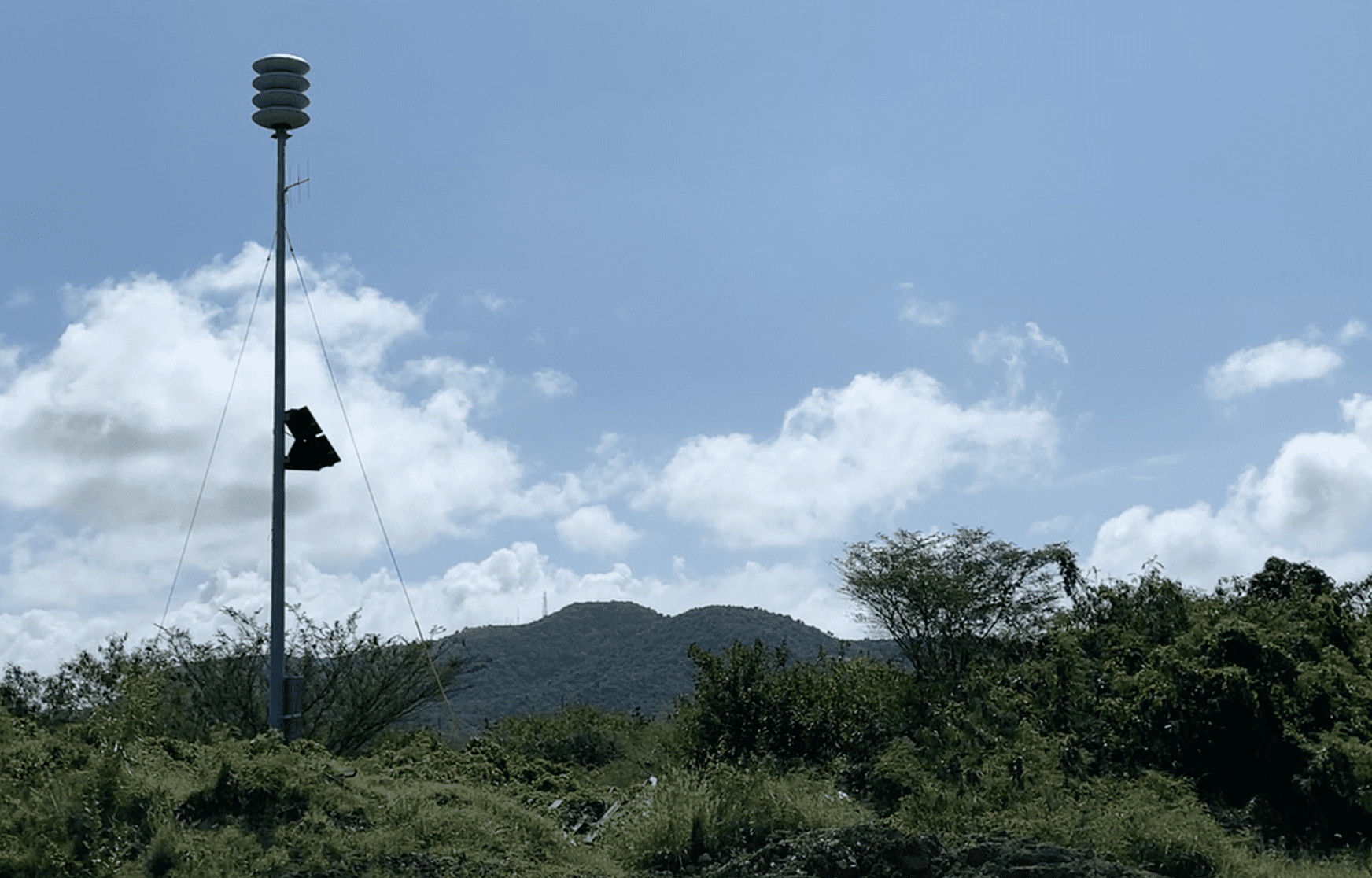
Tsunami Siren on St. Croix, one of numerous sirens that are a part of the Territory Tsunami Warning System. (Source photo by Jesse Daley)
Indeed, as recently as February, tsunami alerts were issued across parts of the Caribbean—including a tsunami advisory for the U.S. Virgin Islands and Puerto Rico—after a magnitude 7.6 earthquake struck near the coast of Honduras. Although the advisory was later canceled, it was issued quickly, underscoring how little time there may be to respond once alerts are activated.
Based in Mayagüez on Puerto Rico’s west coast, the PRSN monitors seismic activity across Puerto Rico and the Virgin Islands to help keep residents informed and safe.
The Source recently reconnected with Vanacore following the powerful earthquake and tsunami across the Pacific to gather updated guidance on how individuals in the U.S. Virgin Islands can prepare for a tsunami event.
Brief History of USVI and PR Quakes and Tsunamis
Vanacore provided a brief history of two of the most recent major temblors and tsunamis that significantly impacted the local area.
“In Puerto Rico, the last significant tsunami causing significant damage occurred in 1918, due to a 7.2 magnitude earthquake in the Mona Canyon northwest of Aguadilla, Puerto Rico,” Vanacore said. “The 1918 tsunami is recorded to have had wave heights of up to a little over 6 meters, roughly 20 feet. The 1918 earthquake and tsunami in Puerto Rico is considered to have caused approximately 118 deaths,” Vanacore explained.
“The last tsunami causing significant damage to the Virgin Islands occurred in 1867 due to an approximate 7.2-7.5 magnitude earthquake in the Anegada Passage,” Vanacore recalled. “Tsunami wave heights from this event were up to approximately 15 meters, roughly 50 feet, across the island of Saba and some parts of St Croix,” she noted.
“In Christiansted, wave heights were approximately seven to nine meters, about 20 to 30 feet. In St Thomas, wave heights were on the order of five to seven meters, approximately 15 to 20 feet, which inundated the coastal areas,” Vanacore said. “Official deaths linked to the 1897 earthquake and tsunami are listed as 24 in the NOAA NCEI historical tsunami catalog. However, there are additional deaths linked to factors such as disease during the aftermath of the earthquake and tsunami.”
Vanacore pointed out that in each instance, there was very little time to get to a safe area before waves started rolling inland.
“In both cases, the first tsunami waves for PR and the VI began to arrive within as little as five minutes of the earthquakes,” she stated.
Evacuation Zones and Maps
Tsunami evacuation zones are established across the U.S. Virgin Islands to guide residents and visitors to safer ground in the event of a tsunami warning. These zones are typically based on elevation, proximity to the shoreline, and modeled tsunami inundation areas.
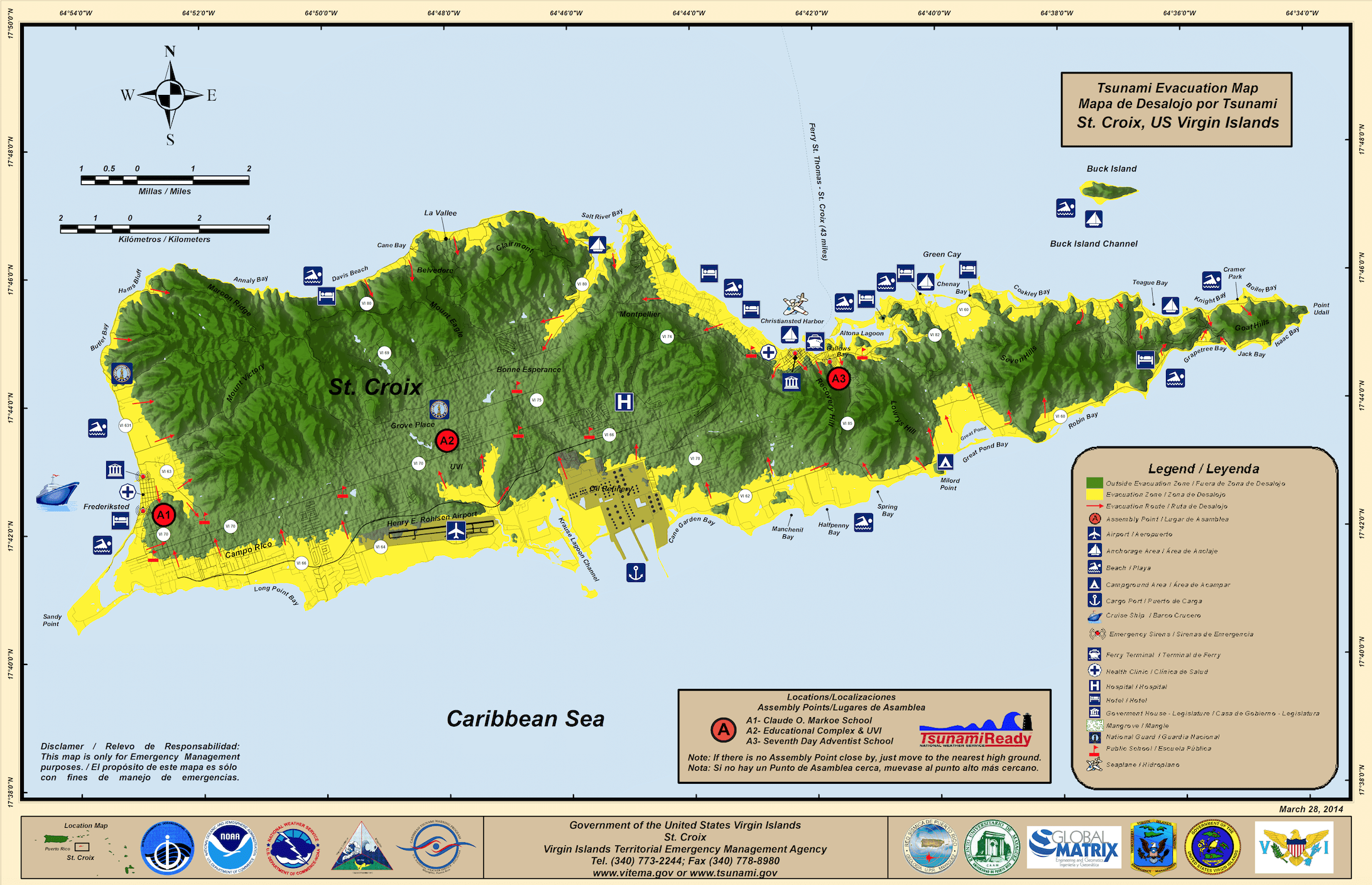
Evacuation map of St. Croix in the event of an actual tsunami. Evacuation zones are pictured in yellow, and a safe height for tsunami evacuation zones is determined to be 82 feet above sea level. (Photo courtesy VITEMA)
According to information available on the Virgin Islands Territorial Emergency Management Agency’s official website, areas located within a quarter mile of the coast and below 82 feet in elevation are considered at higher risk during a tsunami. Individuals in these zones may be instructed to evacuate uphill or inland following a strong earthquake or official tsunami alert.
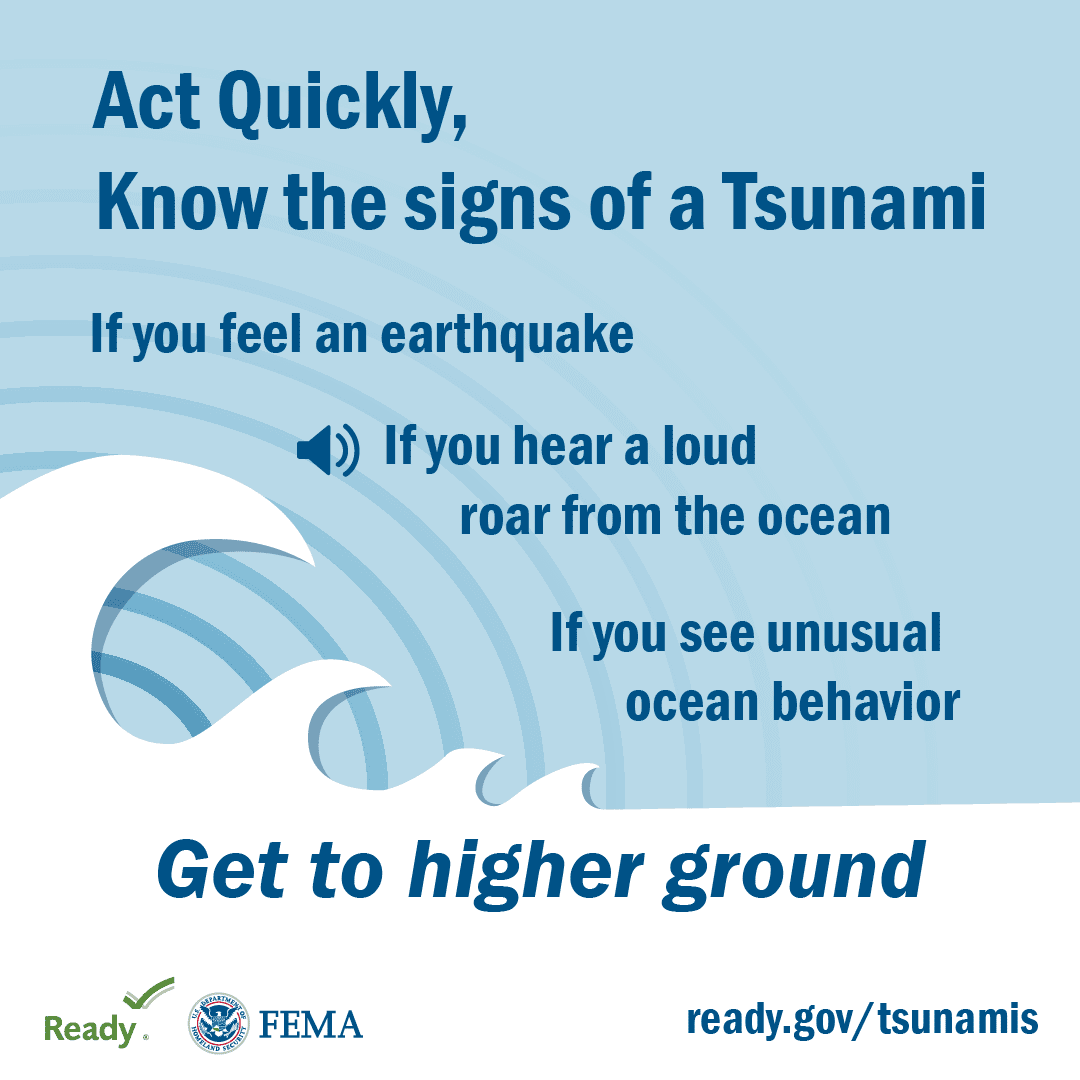
In addition to physical elevation, tsunami evacuation guidance emphasizes the importance of time. Coastal areas in the territory may only have minutes to respond after a nearby quake. As a general rule, those near the water who feel strong shaking or see the ocean recede rapidly should head inland or to higher ground immediately, even before receiving an official alert.
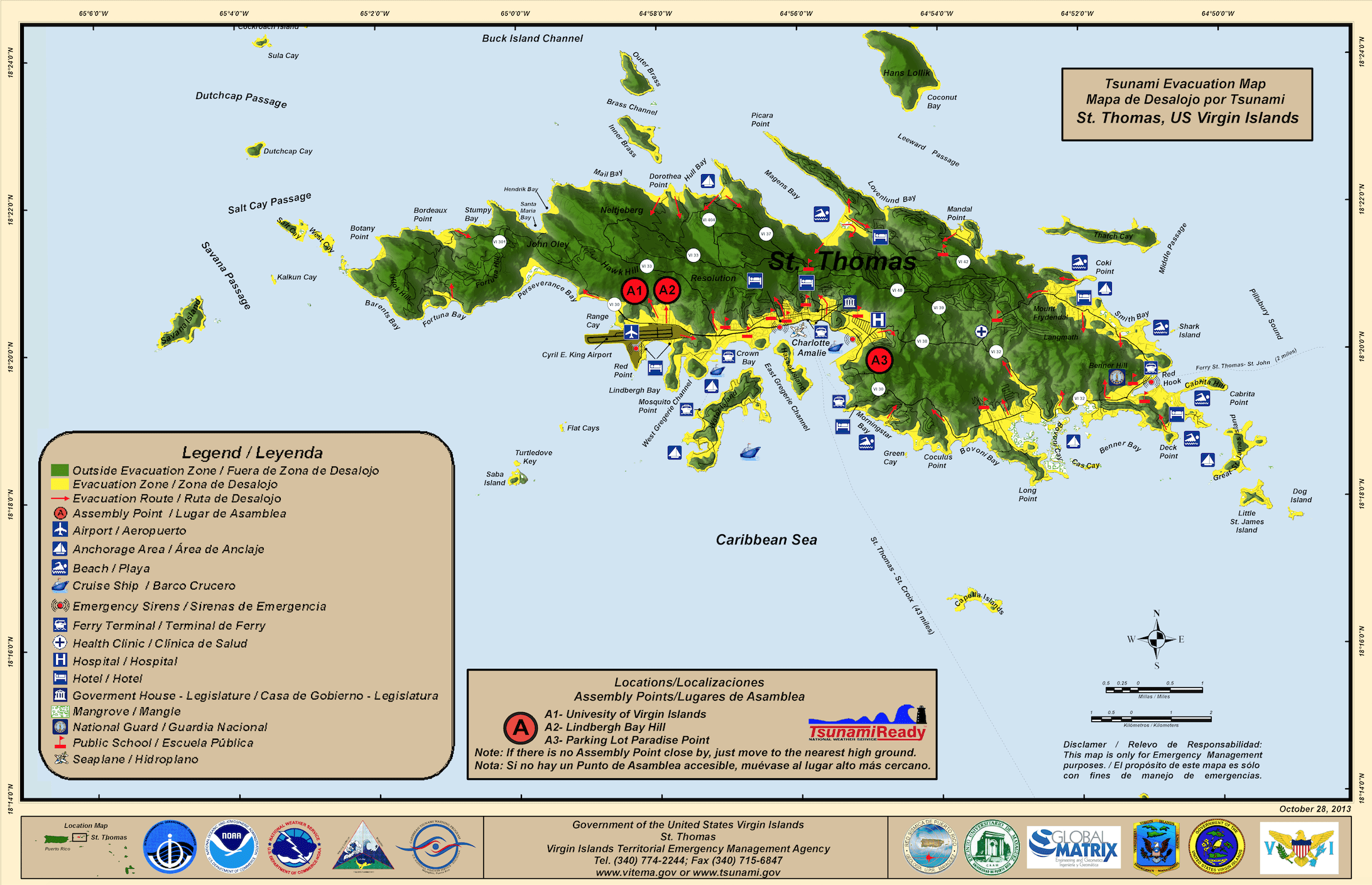
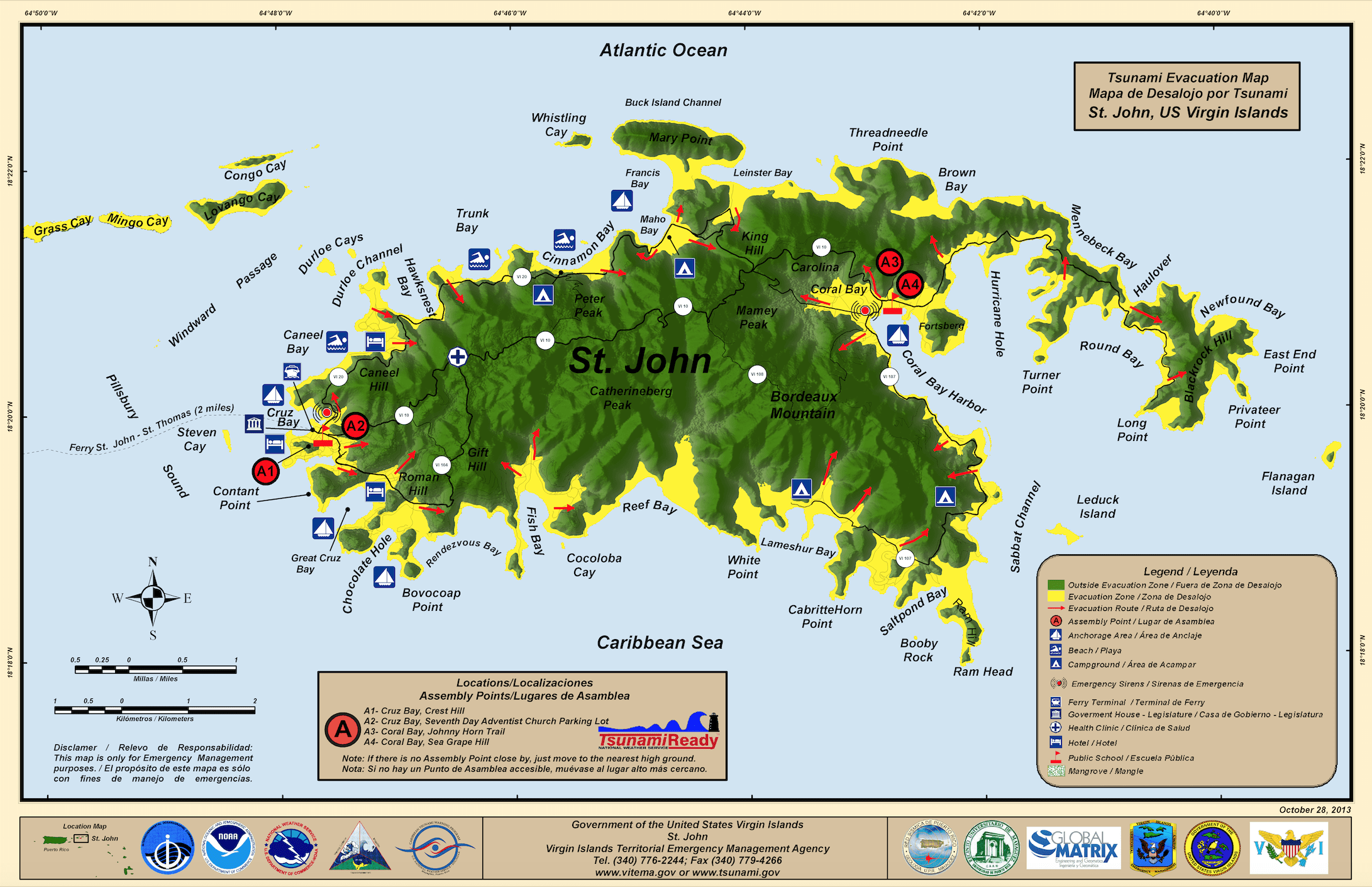
Tsunami evacuation map for St. Thomas. (Photo courtesy VITEMA)Tsunami evacuation map for St. John. (Photo courtesy VITEMA)
VITEMA provides printable and interactive evacuation maps for St. Thomas, St. Croix, and St. John. These maps mark evacuation zones and show safe routes to higher ground. Virgin Islands tsunami evacuation maps are available on the VITEMA website under the “Preparedness” section and are also distributed during public outreach events and yearly tsunami drills, including the annual “Caribe Wave” exercise. Additionally, evacuation maps for Puerto Rico are available on the PRSN website.
VITEMA also tests its territory-wide alert system on the third Thursday of each month, activating sirens which would be utilized in the event of an actual emergency. In addition to sirens, VITEMA uses the Alert VI system to send emergency notifications via text, phone call, and email. Residents are encouraged to register for these alerts, and USVI residents and visitors can sign up for emergency alerts, including earthquake and tsunami notifications, on the agency’s website.
Tsunami Notifications and Their Meanings
Powerful earthquakes can cause destructive tsunamis, and it’s important to recognize the natural signs of a potential tsunami. (Photo courtesy FEMA)
“Tsunami Warning: Take Action—Danger! A tsunami that may cause widespread flooding is expected or occurring. Dangerous coastal flooding and powerful currents are possible and may continue for hours or days after initial arrival. Follow instructions from local officials. Evacuation is recommended. Move to high ground or inland (away from the water).
Tsunami Advisory: Take Action—A tsunami with potential for strong currents or waves dangerous to those in or very near the water is expected or occurring. There may be flooding of beach and harbor areas. Stay out of the water and away from beaches and waterways. Follow instructions from local officials.
Tsunami Watch: Be Prepared—A distant earthquake has occurred. A tsunami is possible. Stay tuned for more information. Be prepared to take action if necessary.
Tsunami Information Statement: Relax—An earthquake has occurred, but there is no threat, or it was very far away, and the threat has not been determined. In most cases, there is no threat of a destructive tsunami.”
Final Thoughts
Vanacore at PRSN shared additional thoughts regarding being prepared for temblors and tsunamis, and she shared the following tips:
“If an earthquake is long or strong, that natural signal may be the first warning you receive to take action. But what can you do today?
Know if you live, work, or play in a tsunami evacuation zone. Evacuation maps for Puerto Rico are available on the PRSN website, and maps for the VI are available on the VITEMA website.
Have a family plan and an emergency backpack. Both PRSN and VITEMA have resources available to help you come up with a plan.
Have a way to receive official information (e.g., a NOAA radio). It is possible that after evaluation of an earthquake and/or tsunami, tsunami alert levels can change.
Know what actions are needed for each tsunami alert level: watch, advisory, warning.
Participate in the ‘Great ShakeOut’ exercise in October and the ‘Caribe Wave’ event in March to practice your plan.
Remember that while we cannot predict an earthquake and tsunami, we can prepare for them. The power rests in your hands.”
Local Weather Information
While tsunamis are relatively rare, the threat is real—and rapid. Continued public education, regular drills, and accessible evacuation tools are essential in protecting lives across the U.S. Virgin Islands. Staying informed, knowing where to go, and responding quickly can make all the difference when seconds matter.
The Department of Planning and Natural Resources announces that the Beach Water Quality Monitoring Program, which evaluates weekly water quality at popular swimming beaches throughout the Territory by sampling for Enterococci Bacteria and Turbidity, a measure of water clarity, advises the public of the following:
DPNR performed water quality analysis at 27 designated beaches throughout the Territory during the week of July 28 – August 1, 2025. Beaches on St. John and Water Island were not sampled this week.
Based on the analytical results, the following beaches did not meet water quality standards for safe swimming and fishing: Coki Point and Vessup Bay, both on St. Thomas.
Please be advised that anyone swimming in waters contaminated with stormwater, sewage, or with large amounts of sargassum may be at an elevated health risk due to higher concentrations of bacteria or other contaminants. Water impacted by stormwater runoff (i.e., guts, puddles, and drainage basins), sewage, large amounts of sargassum, or any area that appears discolored or has foul odors should be avoided.
For additional information regarding water quality, call the Division of Environmental Protection at 773-1082 in St. Croix or 774-3320 in St. Thomas.





 Virtue of the Week – Nobility
Virtue of the Week focuses on building peaceful and caring communities through understanding and fostering the practice of virtues. The Source supports the Virtues Project and will publish one virtue developed by the project each week.
Nobility
Nobility is keeping faith with our true value as spiritual beings and living up to the virtues. We treat ourselves and others with dignity and respect. We speak and act with integrity. We remain steadfast to what we know is right, remembering our true worth. Our sense of decency is our touchstone. We don’t follow the path of least resistance just because it is easy. We lead a life of principles and purpose.
Quote: “Nobility without virtue, is a fine setting without a gem.” —Jane Porter
The Practice of Nobility
I know I am noble.
I have high ethical standards.
I treat people and things with dignity.
I am guided by decency.
I don’t allow others to mislead me.
I am my own leader.
Questions for Discussion
Virtue of the Week – Nobility
Virtue of the Week focuses on building peaceful and caring communities through understanding and fostering the practice of virtues. The Source supports the Virtues Project and will publish one virtue developed by the project each week.
Nobility
Nobility is keeping faith with our true value as spiritual beings and living up to the virtues. We treat ourselves and others with dignity and respect. We speak and act with integrity. We remain steadfast to what we know is right, remembering our true worth. Our sense of decency is our touchstone. We don’t follow the path of least resistance just because it is easy. We lead a life of principles and purpose.
Quote: “Nobility without virtue, is a fine setting without a gem.” —Jane Porter
The Practice of Nobility
I know I am noble.
I have high ethical standards.
I treat people and things with dignity.
I am guided by decency.
I don’t allow others to mislead me.
I am my own leader.
Questions for Discussion
 About the Community Foundation of the Virgin Islands
Since 1990, CFVI has been a catalyst for positive change in the territory through initiatives committed to youth, learning, family support and the environment. With a professional staff and a volunteer Board of Directors composed of community leaders, CFVI is a trusted advocate and supporter of programs that ensure opportunity and sustainability for current and future generations. CFVI is a registered non-profit organization entirely supported by individual donors, grants, trusts, corporate donations and estate planning. For more information, visit cfvi.net.
About the Community Foundation of the Virgin Islands
Since 1990, CFVI has been a catalyst for positive change in the territory through initiatives committed to youth, learning, family support and the environment. With a professional staff and a volunteer Board of Directors composed of community leaders, CFVI is a trusted advocate and supporter of programs that ensure opportunity and sustainability for current and future generations. CFVI is a registered non-profit organization entirely supported by individual donors, grants, trusts, corporate donations and estate planning. For more information, visit cfvi.net.
 About Virtues Matter
Virtues Matter was started by a passionate wife-husband team of social entrepreneurs seeking to positively uplift as many lives as possible. We aim to inspire and empower, to build capacity, strengthen relationships, and help everyone lead lives of passion and purpose.
Virtues Matter believes in a world where people are committed to kindness and respect, strive to be their best, and live with hope, courage, and in unity. We built the Virtues Cards mobile app, an interactive personal and team development tool, to help people identify and develop key virtues skills. We also offer dynamic workshops, online training, and customized programs to help people cultivate these positive qualities of character. To learn more, visit virtuesmatter.com.
To learn more about the Virtues Project, visit virtuesproject.com.
About Virtues Matter
Virtues Matter was started by a passionate wife-husband team of social entrepreneurs seeking to positively uplift as many lives as possible. We aim to inspire and empower, to build capacity, strengthen relationships, and help everyone lead lives of passion and purpose.
Virtues Matter believes in a world where people are committed to kindness and respect, strive to be their best, and live with hope, courage, and in unity. We built the Virtues Cards mobile app, an interactive personal and team development tool, to help people identify and develop key virtues skills. We also offer dynamic workshops, online training, and customized programs to help people cultivate these positive qualities of character. To learn more, visit virtuesmatter.com.
To learn more about the Virtues Project, visit virtuesproject.com.