


WAPA Quells St. Thomas Garage Fire
Special Session Was Unnecessary, Senator Gittens Says
13-0: Senate Rejects Insurance Bill that Sidelines GESC Board
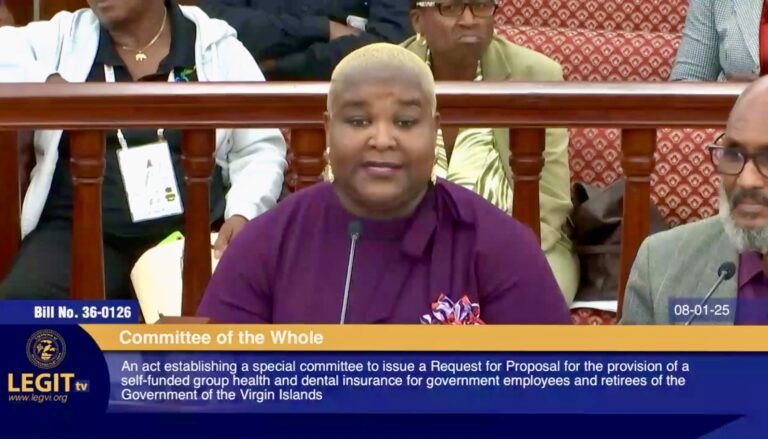
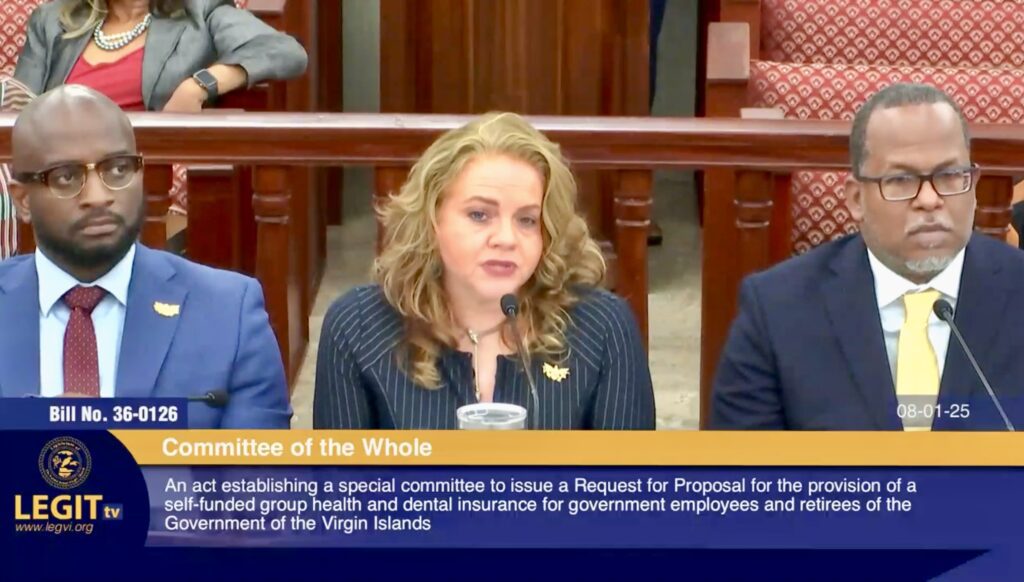
“Under the fully insured model, we do not have to pay for the claims that exceed our premium — that is the insurance company’s obligation,” Joseph explained. “But under the self-insured model, we would need a fallback strategy to pay the claims and would have had to absorb those excess claims costs or risk loss of coverage.”
Joseph said the plan is currently in a $32 million deficit due to rising claim costs over the last three years, a gap that would have put the government on the hook had it already moved to a self-funded model. “Without the right expertise, infrastructure, and contingency planning, these plans can jeopardize not just fiscal health, but the well-being of the public workforce and the reputation of the government body itself,” she said.
She added that while the self-funded model offers greater flexibility and cost control, it also exposes the government to substantial risks — particularly in the absence of robust reserve funds, experienced third-party administrators, and a reliable payment structure for high-cost claims.
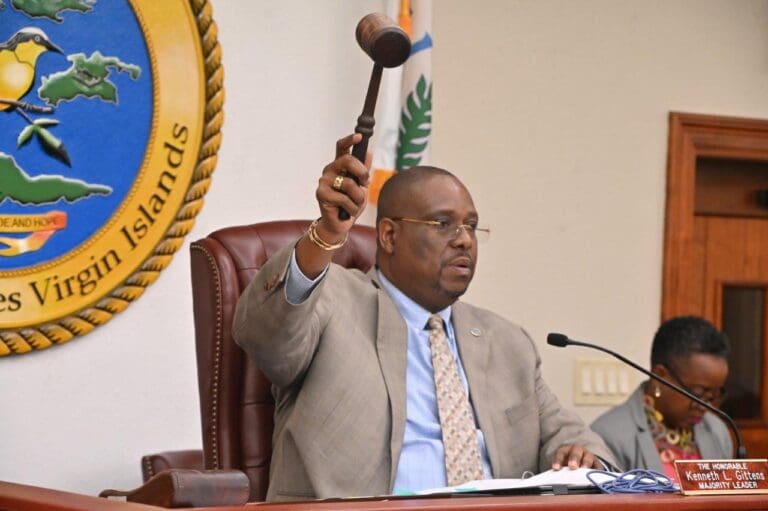
Reactions: Oversight, Conflicts, and Data Concerns Once testimony concluded, senators quickly took issue with the administration’s decision to exclude the board from the process. Sen. Kenneth Gittens asked Richardson directly whether she, as a nonvoting member of the GESC board, had supported the board’s statutory obligations. Richardson said she could not, as the Division of Personnel does not have that authority. When pressed by Gittens about whether the board had discussed issuing an RFP, Richardson said, “In my time there, there has been no discussion about them issuing an RFP to be able to go this route.” Richardson also said that the GESC Board was created by statute to oversee the government’s health insurance plan, but said that Section 6 of the bill was included to allow for a separate process.“If Section 6 is asking for them to not have a role in this, there has to be a reason,” she said, adding that the board had been presented with the self-funding option multiple times and that their own consultant had also been encouraged exploring cost-saving alternatives. “I do feel there may be a little bit of conflict of interest as well, and the separation needs to be there,” Richardson said. “That’s why Section 6 was included in the bill — so that a separate committee can be formed to go and get the information needed and then present it back to them. It’s not eliminating them fully — it’s just presenting it for this RFP process.”
In response, Senate President Milton Potter called the exclusion of the board “off-kilter,” given its statutory mandate. “It’s clear that the GESC health insurance board was developed by statute to do what the governor is asking this other committee to do,” he said. “Almost like you’re saying the governor is in disagreement with the posture of the board — so this is now a way around to achieve the ends that the governor may be seeking.”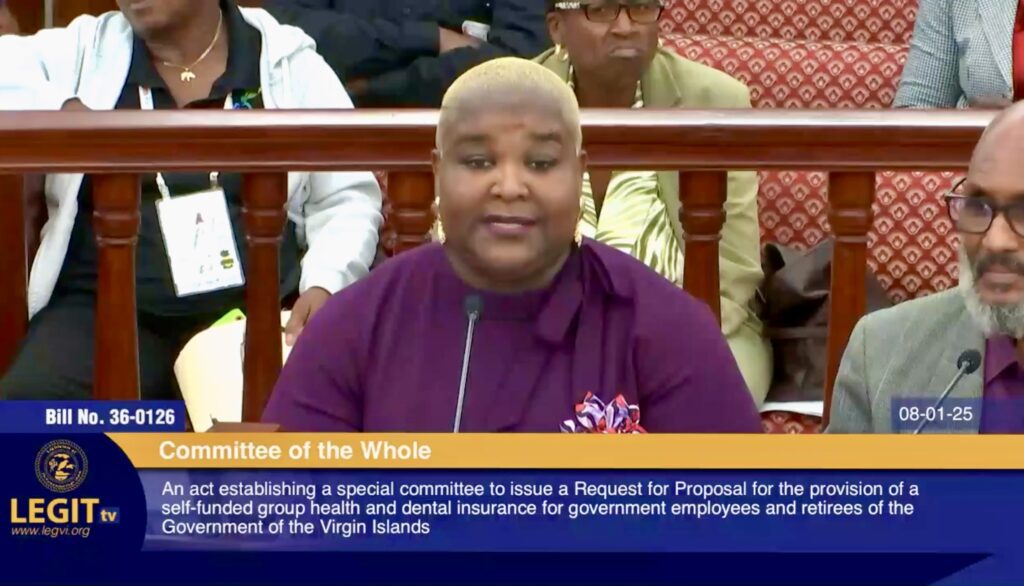
She added, “This was not an emergency. This was an individual that was upset that the Legislature took away his $50,000 raise, and he was looking for something to throw back at us.” She questioned why a new committee would be formed when the board had already undertaken the assessments being requested.
Potter also pressed officials on the administration’s claim that transitioning to a self-funded model could save the government between $25 to $30 million. “It seems very arbitrary —the numbers that were just put out there,” Potter said. “With no real analytics, with no real data, it has a way of skewing the whole conversation. Instinctively, you just say $25 to $30 million — wow — but those numbers are not based on any real, live information.”
Rhymer acknowledged that the estimate was preliminary, but said potential savings could come from several areas, including pharmaceutical rebates and a more customized benefits structure. “Currently, insurance companies benefit from rebates,” Rhymer said. “In a self-funded model, the government could capture those – about $10 to $15 million a year. That’s one thing.” He added that moving away from a standard plan to tiered coverage based on employee demographics could also reduce costs.
Later, Sen. Marise James focused on what she described as inconsistencies in the bill itself. “Words matter,” she said, pointing to Section 6, which bars the GESC Board from participating in any contract implementation resulting from the act. She contrasted that with another section of the bill that empowers the board to adopt rules and regulations related to third-party contracting. “It’s inconsistent,” she said.James later engaged in a brief exchange with McCurdy, who questioned whether $1.2 billion in government insurance spending had led to better health outcomes. McCurdy suggested that the territory might benefit more by investing directly in local hospitals. “What we need to do is maybe put that money into things like the hospital — things that maybe help us to get to a healthier workforce and community,” he said.
James responded, “When we cut out a lot of waste, fraud, and abuse and start to see that investment in our hospitals in the Virgin Islands — yes.”
It was after James’s last sentence — and hours of unresolved questions about process, authority, and motive — that the power went out in the Senate chambers on St. Thomas, the result of a scheduled outage on St. Thomas. With six senators still waiting to speak, the body voted to waive the remainder of the debate. Instead, all of the 13 members present voted against the measure.Governor Slams Senate for Sidelining Reform Bills, Doubling Down After 13-0 Defeat on Health Insurance Proposal
The Senate’s morning session opened with the removal of two bills — Bill No. 36-0124, which sought to allow government employees to retain their jobs while running for elected office, and Bill No. 36-0125, which aimed to prohibit sitting lawmakers from receiving a legislative salary and retirement annuity simultaneously. Both were reassigned to their committees of jurisdiction after Sen. Kurt Vialet cited the Legislature’s preemption rule, with one measure sponsored by Sen. Alma Francis Heyliger and the other by Sen. Marise James.
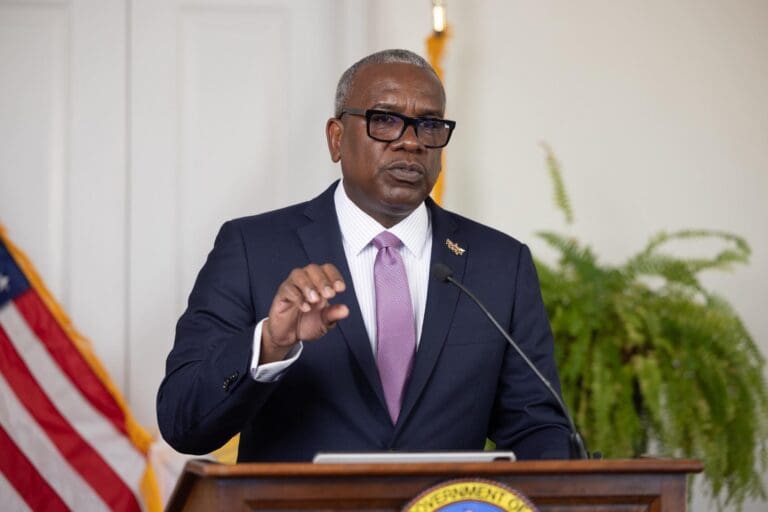
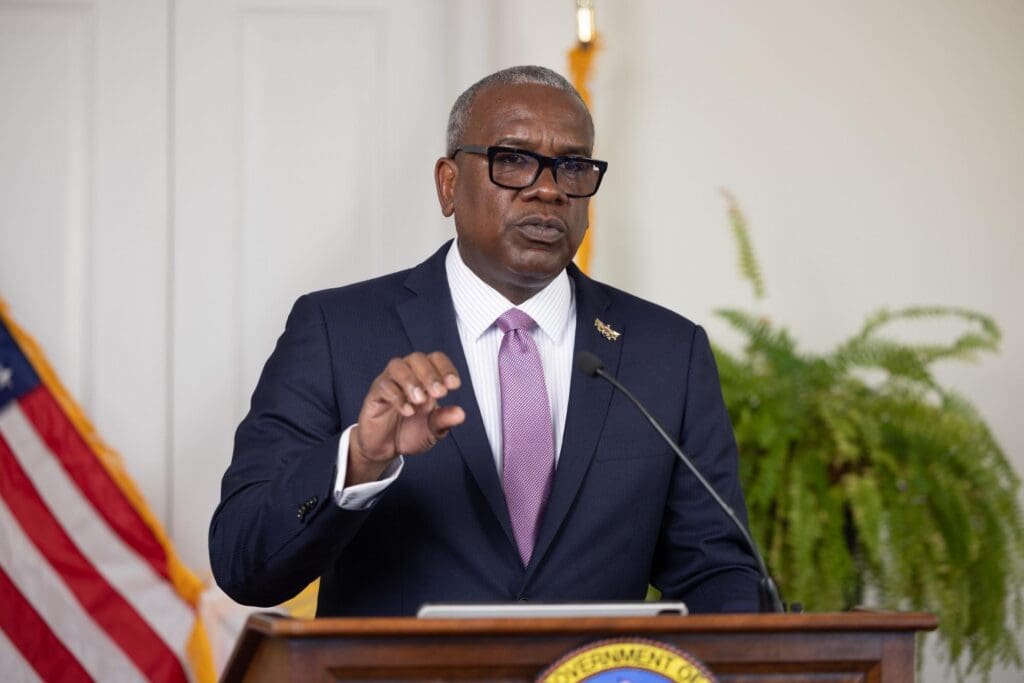
In a blistering statement issued by Government House Friday afternoon, Bryan said senators had “quietly removed” the bills to avoid public debate and accountability.
“That choice shields legislators from public accountability and puts self-interest ahead of critical change,” he said. “This is not leadership. It is preservation of perks.”
Bryan’s office argued that the employee election bill would eliminate the requirement for government workers to take six months of unpaid leave before running for office, making public service more accessible to working-class residents who cannot afford to forgo pay or health insurance. The reform, he said, would level the playing field for Virgin Islanders “who cannot sacrifice pay or insurance to serve.”
The governor also reiterated that Bill No. 36-0125 was designed to end “double dipping” by current and former senators — prohibiting them from collecting a legislative salary while simultaneously drawing retirement benefits from the same system. Such practices, he said, “drain GERS and undermine integrity,” and are incompatible with the Legislature’s earlier stated commitment to pension reform.
Bryan further warned that with a 3% employer contribution hike to the Government Employees’ Retirement System set to take effect on Oct. 1 — at a cost of roughly $12 million to $14 million annually — the cost of inaction would be borne by jobs, public services, or taxpayers. He contrasted this local inaction with what he called “a win for stability” at the federal level: a permanent extension of the $13.25 rum cover-over rate that will help support pension funding, schools, and core services.
The failed effort to advance either bill was followed by a lengthy and contentious hearing on Bill No. 36-0126, a measure that proposed creating a five-member special legislative committee to explore whether a self-funded group health and dental insurance model could reduce premium costs for the government and its employees.
That proposal, too, was met with resistance — particularly for its exclusion of the Government Employees Service Commission Board, the body legally tasked with managing the government’s insurance plan. Board Chair Beverly Joseph said much of the analysis the administration claimed it needed had already been completed by the board’s consultant, and warned that transitioning to a self-funded model without a financial safety net could jeopardize both the government’s fiscal health and employee coverage.
With six senators still waiting to speak and a scheduled power outage hitting the St. Thomas Senate chambers, members voted to waive the remainder of the debate. The final vote: 13-0 against.
In his response, the governor called the Legislature’s rejection of the health insurance bill “shortsighted,” adding, “We must act decisively to reduce health care costs while maintaining quality coverage, and we remain ready to work collaboratively to achieve that goal.”
WMA Board Discusses Fees, Enforcement
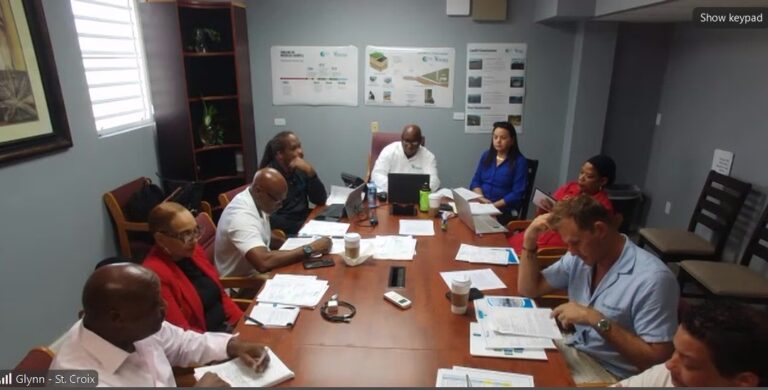
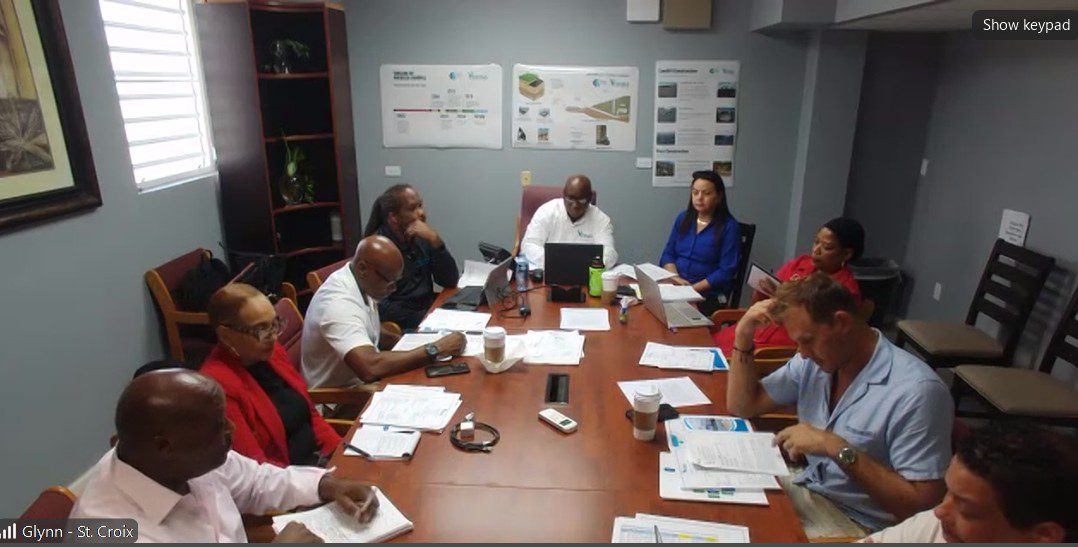
After years of underfunding and still with millions of dollars owed to vendors, the V.I. Waste Management Authority is considering implementing multiple fees to boost revenues.
During his report to the authority’s board of directors Friday, Interim Executive Director Daryl Griffith said that a $5 million infusion from Jeffrey Epstein-related settlement funds in April helped the authority break even this year and helped them lower their accounts payable from $25 million to $22 million.
“So it’s still a lot owed to our local contractors,” he said. “But that’s why we’re pushing so hard on getting garbage collection fees, so that we can be at break even and then start knocking out what we owe the contractors from the tremendous expenses that were done from the hurricane — and also from just always being underfunded in the budget.”
Griffith said the key to whittling down the authority’s arrears in the coming years will be securing approval from the V.I. Public Services Commission to impose garbage collection fees, which he said could net the WMA $6.8 million per year.
“After that, if I get that passed, I’m immediately going to come back with higher fees and oil collection fees and white goods,” like refrigerators and other large household appliances, he said, “just because those are some of the biggest expenses that we receive in terms of garbage collection.”
Griffith said that it’s impossible for a territory with approximately 80,000 people to pay for garbage generated by 1.8 million visitors.
“So after we get the local stuff taken care of, we then have to go on to charge for the tourists,” he said. “And it’s done on almost every island and every country that I’ve visited. There’s not an island or country that I’ve visited … that doesn’t have some fee for that.”
Board members discussed several ways to impose the fees. One way would be to include them in residents’ property taxes. Another way would be to charge residents through the V.I. Water and Power Authority’s electric meters.
“My real fear about WAPA is: I really feel that if WAPA hits an emergency and there’s an oil ship out there, and they’re saying that if we don’t pay this vendor, we’re not going to be able to get oil and … we’re not going to be able to provide power for you, they’ll use the funds,” Griffith said. “And we’ll forgive them for using the funds, as a territory … just because the reality is that you have to have power on.”
The board also discussed challenges faced by the authority’s enforcement division, which issued 204 citations in the last quarter alone. Griffith said last year’s total — 350 — should have netted the authority approximately $300,000, but the WMA has only collected approximately 10% of that.
At one point, Griffith acknowledged that crews working on a lateral wastewater pipe in Frederiksted had started digging up parts of King Street without a permit. Public Works Commissioner Derek Gabriel, who chairs WMA’s board of directors, said DPW regularly meets with the utilities and that the permit requirement should have come up in one of those meetings.
“But what my thing is now — and I’m saying it in a public forum — with the Waste Management Authority and with the Water and Power Authority, if the government itself isn’t following our processes, it’s hard to ask the public and the private citizens to follow our processes,” he said. “That’s it. I mean … we can’t think it’s okay to block off King Street without even issuing a public notice.”
Gabriel later credited Griffith’s work at the authority.
“We’re making progress,” he said. “There’s still a lot of work left to be done, but we are making progress.”
At the start of Friday’s meeting, the board authorized a $1.47 million contract with Vivot Industries to purchase, ship and install pump station equipment at the Fig Tree pump station on St. Croix.
Territory Weighs Move to Internet Gambling, Sports Betting at Industry Summit
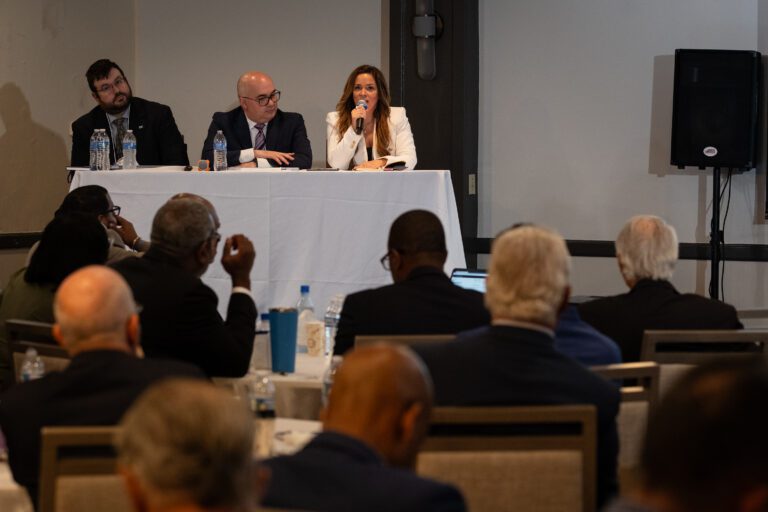
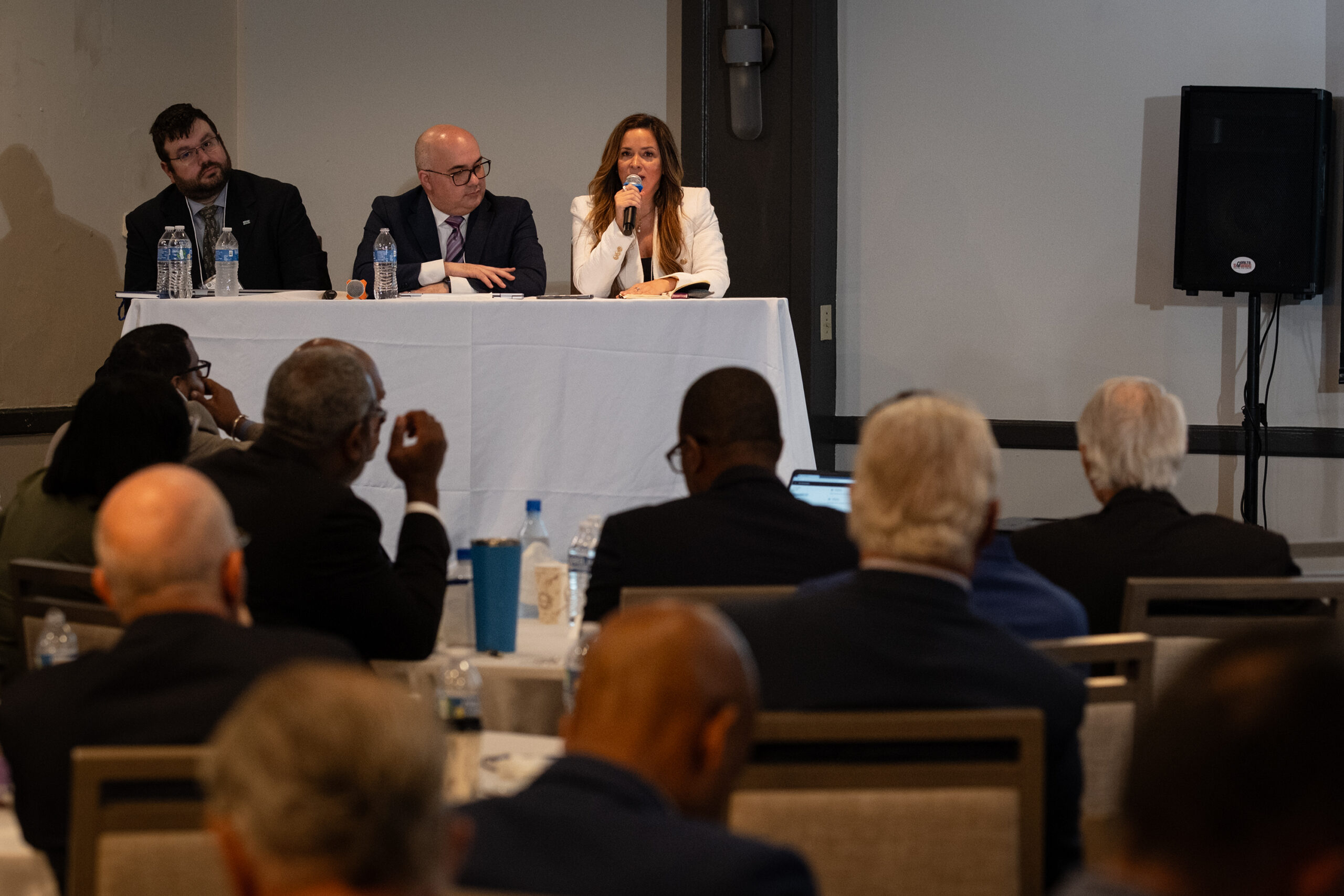
Legal online gambling and sports betting could be on the horizon for the U.S. Virgin Islands, nearly two and a half decades after the U.S. Virgin Islands enacted the Internet Gaming and Internet Gambling Act.
The territory’s online gaming law was passed in 2001, but put on hold because of the federal Interstate Wire Act’s prohibition against betting in online gaming, also known as iGaming. In 2018, the U.S. Supreme Court overturned the Professional and Amateur Sports Protection Act and opened the door for states to allow sports betting. On Thursday, industry experts, elected officials and stakeholders met at the Carambola Beach Resort for the V.I. Casino Control Commission-sponsored Internet Gaming and Internet Gambling Summit.
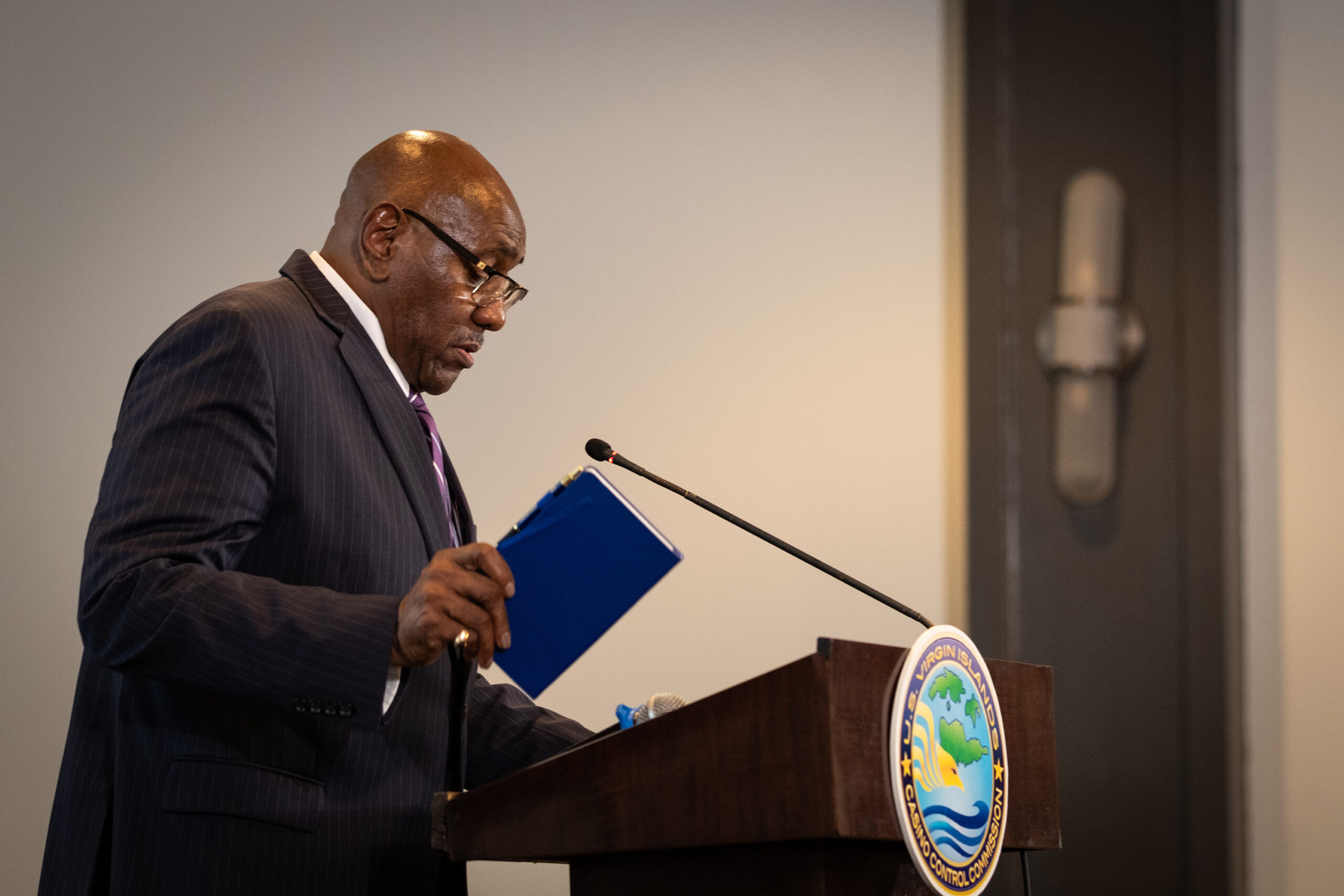
VICCC Chair Marvin Pickering told the Source that developing the territory’s iGaming framework has been part of his vision since he became the commission’s chief executive in 2020.
“Instituting and implementing, revising the statutes, the rules and regs of the Internet Gaming and Internet Gambling Act was one of my top 10 priorities,” he said. “It took a little while to get us here today … but once we engaged with [Gaming Labs International] and The Innovation Group to move forward, you know, it was no stopping us now.”
The Innovation Group’s President and Chief Executive, Brian Wyman, told summit attendees during a market impact presentation that developing online gaming and sports betting could generate up to $17 million within 10 years. Approximately $5 million of that, he acknowledged, would be shifted over from traditional “land-based” gaming revenues and video lottery terminals.
During a presentation from industry experts at GLI, Gov. Albert Bryan Jr. asked how the shift from brick-and-mortar casinos could impact surrounding businesses.
“I mean, one of the main initiatives was to get hotel rooms, when we started gaming,” he said. “Now, it’s like commercial activity. So I don’t game — maybe my girlfriend, she games, she goes out to the casino. I sit down there, I get hungry, I buy a couple of drinks, I take a walk around — put a couple of drinks on me and buy a Rolex, you know. That’s the kind of concept that we want to encourage. How do we structure this to support that type of activity — or that’s not the goal of what we’re trying to do here?”
Karen Sierra-Hughes, GLI’s vice president of Latin America, the Caribbean and Spain, said existing casino operators will have an opportunity to expand their offerings.
“So maybe you don’t want to sit at the table because you find that boring, but you want to bet on esports events,” she said. “And you can do it on your phone. While your girlfriend is sitting at the table, betting, you are doing something different, but under the same … operator, with the same account, with a different experience.”
Presenters also acknowledged the risk factors that come with the relative ease of online gambling. A “casino in your pocket” means 24/7 access to games that are designed for fast, continuous play, Wyman said, creating new addiction pathways. Citing a study from the peer-reviewed journal The Lancet, Wyman said online gamblers exhibit problematic behaviors at 1.5 times the rate of casino gamblers, and 43% exceed the recommended 1% of income spent on gambling. Young adults are disproportionately impacted, and low-income households’ rates of “non-responsible” gambling are five times higher.
Lt. Gov. Tregenza Roach said the territory has to be conscious “that while we maximize the potential of these digital means, that we must also approach it from a place of social responsibility for the people who we serve.”
Attempt at Jury Selection for 2020 Kidnapping Case Falls Short; Justice Determined To Try Again

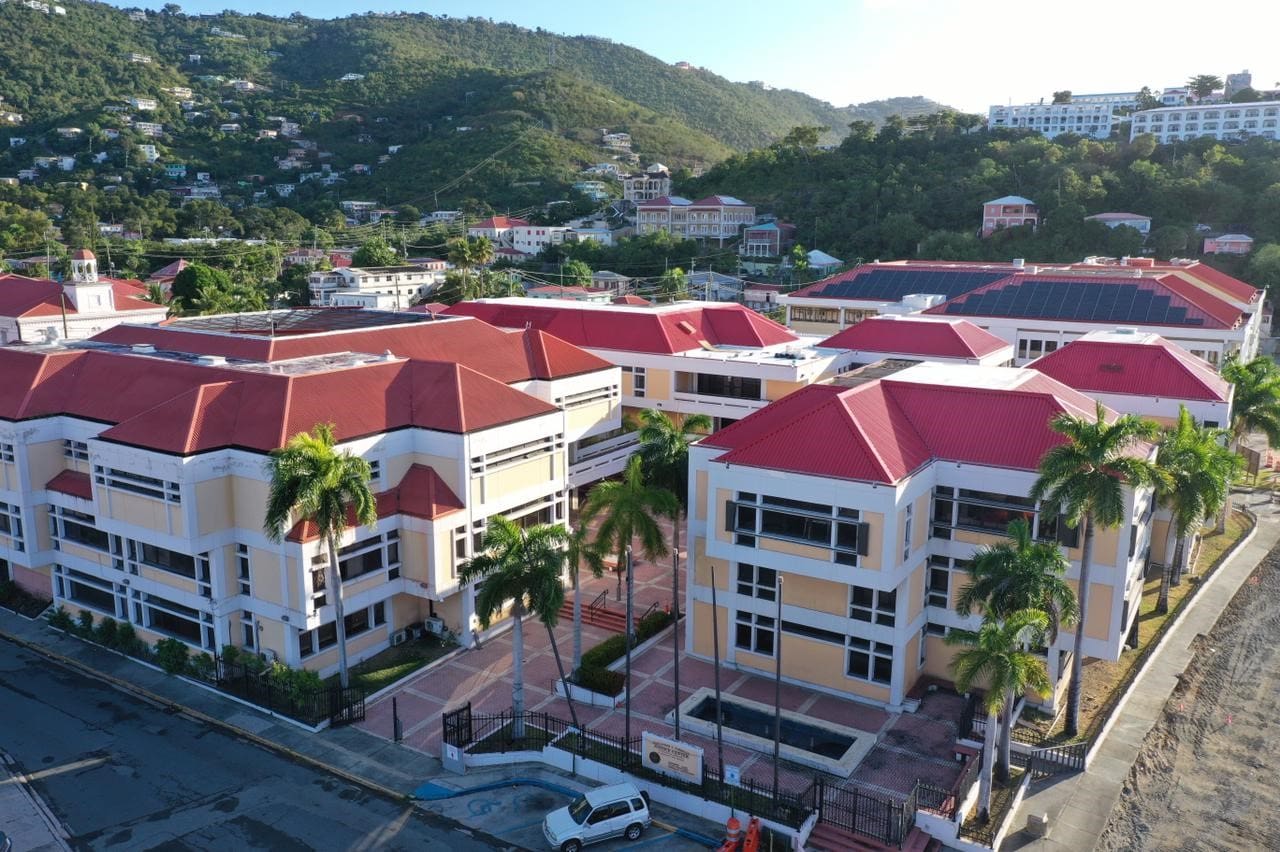
Failure to empanel a jury has delayed the anticipated start of a criminal trial for two men accused of kidnapping and assault. A top official at the Justice Department said another attempt will be made before the end of 2025.
Had enough jurors and alternates been chosen from the pool of candidates who showed up Monday in Superior Court, the trial for defendants Troy Harrigan and Desie C. Henry Jr. could have begun the following day. But several candidates were excused for various reasons, said Attorney General Gordon Rhea.
Rhea also expressed confidence that Harrigan and Henry will face justice. “The matter will be reset for trial using the next jury panel, likely at the end of the year, and the People’s trial team will (again) be ready to prosecute the case at that time,” he said.
Aside from those excused for personal or business reasons, a number of jurors told the court they knew either one of the accused or knew the victim, and did not feel they could deliberate fairly or impartially.
The two defendants are accused of luring the brother of Harrigan’s female companion to an undisclosed location on St. Thomas in September 2020. Charges appearing in a Third Amended Information include kidnapping to exact money, assault, illegal weapons possession, and conspiracy.
Investigators said the victim was held in chains, beaten and abused for several hours in an apparent attempt to extort money. Charges against a third defendant — a relative of the victim — were dismissed without prejudice by prosecutors on July 21.
If found guilty on the kidnapping to exact money charge, the defendants face a maximum penalty of life in prison under V.I. Code Title 14, Chapter 53, Sec. 1052.
WICO Interim CEO Meets With Board Amid Infrastructure Challenges

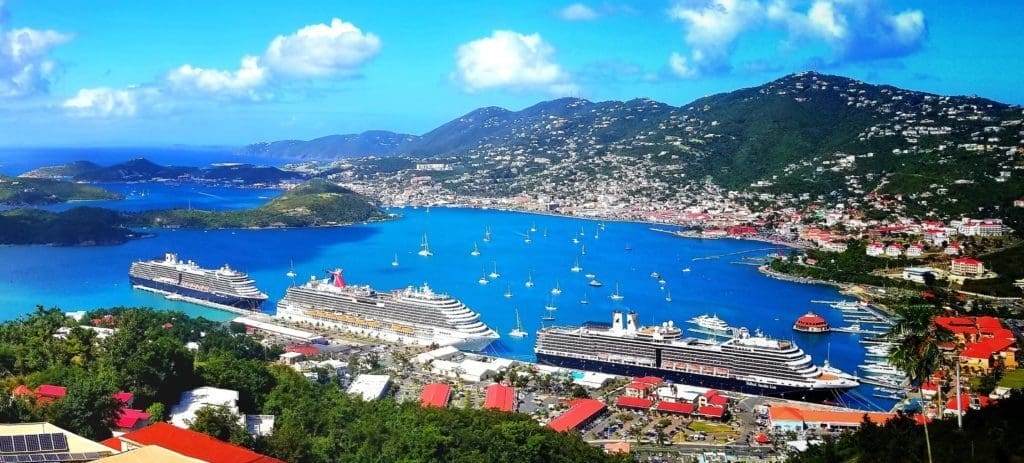
The West Indian Company Limited’s newly appointed interim CEO, Charlene Turnbull, delivered her formal report to the board Friday, outlining critical infrastructure constraints and operational concerns amid rising cruise ship traffic.
Speaking at the board meeting, Turnbull said she was honored to assume the role and committed to ensuring WICO remains a vital gateway for the Virgin Islands’ tourism economy.
“It is with a great sense of pride that I approach this position,” Turnbull said. “I understand the importance of my role as captain of the ship, and my intent is to keep the ship steady and moving forward towards WICO’s intended home, which is to remain a premier cruise port and gateway for tourists coming to our shores.”
As of Friday, WICO had hosted 265 cruise ships carrying more than 875,000 passengers during fiscal year 2025. Looking ahead, fiscal year 2026 projections indicate a 29% increase in ship visits, with 362 calls expected to bring approximately 1.2 million passengers.
WICO’s finances remain stable with slight year-over-year growth, according to Finance Committee Chair Hugo Hodge. “Revenues are almost exactly the same — $7.878 million versus $7.897 million — so slightly more,” Hodge said, “we’re continuing the trend in the right direction, revenues going up, expenses going down.”
Cruise ship capacities continue to exceed 90%, and WICO anticipates maintaining this high utilization level throughout the coming year as operations return to pre-pandemic normalcy.
Despite this growth, Turnbull highlighted a significant challenge: the port’s limited berthing capacity remains a bottleneck, preventing WICO from fully capitalizing on market demand.
“Berthing capacity continues to be an impediment to reaching our full potential,” she said. “We are consistently experiencing berthing due to excess length combinations, time conflicts, and berth restrictions, which ultimately restrict our revenue opportunities.”
Turnbull noted that these constraints have led to difficult decisions, including turning away ships when no suitable berths are available. A dredging project in the Charlotte Amalie harbor is underway and expected to alleviate some of these limitations by increasing depth and reducing berth conflicts.
Until the dredging and related infrastructure improvements are complete, WICO works closely with cruise lines to optimize berth assignments and communicate available capacity.
“Simply put, we cannot keep pace with the market’s demand for ship calls, as is,” Turnbull said.
Board members emphasized the urgency of addressing the port’s limitations. “We have to make a decision in the U.S. Virgin Islands — not just from a WICO perspective, but politically — on how to accommodate larger ships,” one member said. “This is the premier cruise ship port, but it’s becoming too small to handle where the industry is headed.”
Board members noted recent port expansions in Saint Kitts, Saint Lucia, and Saint Martin, and said increased cruise activity from Puerto Rico could be leveraged with corresponding infrastructure upgrades in the Virgin Islands.
WICO is undertaking infrastructure upgrades to support increased cruise ship traffic and maintain safety standards, including the Charlotte Amalie dredging project.
Work is ongoing on the bulkhead fender adjustment project, which involves repositioning 20 arch fenders on the main bulkhead at the middle and inner berths. Turnbull noted that the project is 25% complete and expected to be finished by the end of the year. This work is necessary to accommodate larger ships carrying up to 7,000 passengers.
Maintenance of security and electrical systems continues. Camera and access reader maintenance is in progress, additional backup batteries have been installed, and a new security golf cart is operational. Cybersecurity upgrades funded by federal grants are planned for fiscal year 2026. Other maintenance projects include painting exterior walls, dock repairs, and cleaning parking areas.
As cruise traffic grows, WICO faces increasing pressure to modernize its infrastructure to meet industry demands. According to WICO board members, ongoing upgrades, including berth expansions and safety improvements, are critical to supporting future growth and maintaining the port’s role as a key gateway for the Virgin Islands.
Love the Caribbean’s $1,000 Photo Contest


- Sailing & Yachting Adventures – capture the magic of life on the water: adventure, freedom, and connection with the sea.
- Caribbean Nature & the People Who Love It – showcase the plants, animals, and landscapes or the daily harmony between people and nature, where wild beauty is not just a backdrop, but a way of life.
- Audience Choice – decided by popular vote.


Public Invited to March in Support of Democracy Saturday on St. Thomas
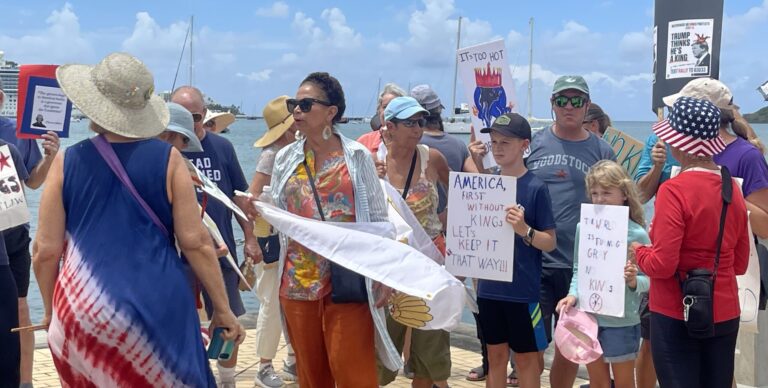
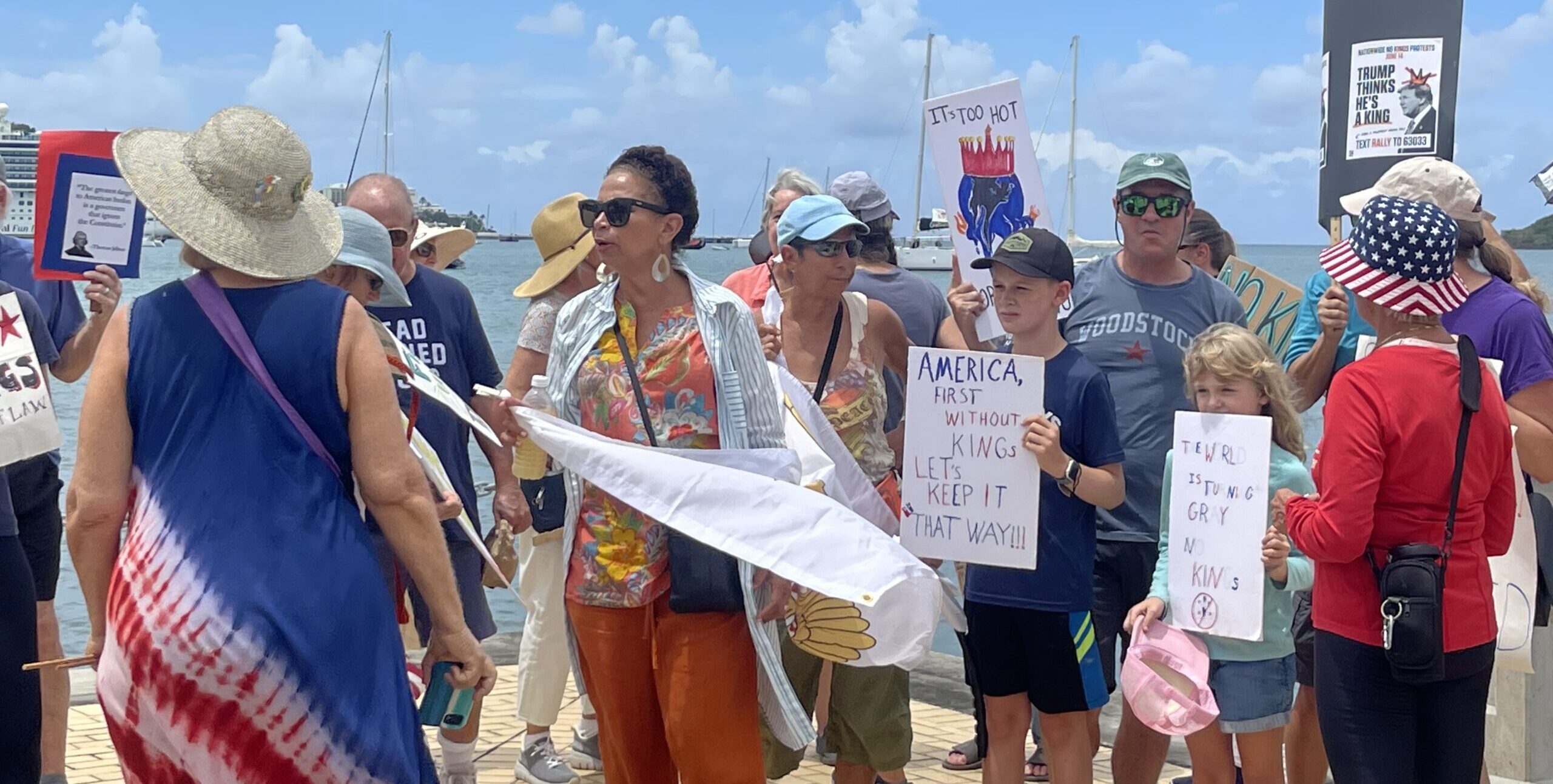
The public is invited to join a Pro-Democracy March on St. Thomas on Saturday from 11 a.m. till noon. Marchers will gather on the waterfront in Charlotte Amalie directly across from the Windward Passage Hotel and march east to the promenade across from the Territorial Court.
“We believe in peaceful, non-violent, positive actions in support of all of our citizens’ rights,” said Jane Higgins, the event organizer, “and our goal is to stand up for our rights.”
The march is one event in an ongoing series of protests throughout the country and around the world organized by the Indivisible movement. For further information, follow this link https://www.mobilize.us/indivisible/event/820063/.
A core principle of the movement is non-violence. Participants are expected to de-escalate any situations with others who disagree with their beliefs. Higgins has organized two other marches, both of which have been small but enthusiastic and peaceful.
For this event, marchers will gather near the fruit stand on the waterfront to avoid the armed police presence at the Blyden ferry terminal, an international checkpoint.
For further information, please contact Jane at jhigginswear@gmail.com.

