PL Partners LLP a participant in the Virgin Islands Economic Development Incentive Program of the US Virgin Islands, has a procurement requirement to purchase goods and services locally in the Virgin Islands to the maximum extent practicable and regularly purchases the following types of goods and/or services:
If you are an Eligible Virgin Islands Supplier as defined in the Virgin Islands Economic Development Commission’s (“VIEDC”) Rules and Regulations but are not on the VIEDC’s list of Eligible Suppliers, you are encouraged to request being added to the list by having your business certified by the Chief Executive Officer of the Virgin Islands Economic Development Commission. Applications for certification may be obtained online at www.usvieda.org or by contacting the VIEDC Office. Completed applications should be filed with the Virgin Islands Economic Development Commission at:
ST. CROIX OFFICE
Virgin Islands Economic Development Commission116 King Street, FrederikstedSt. Croix, Virgin Islands 00840(340) 773-6499ORST. THOMAS OFFICE
Virgin Islands Economic Development CommissionPO Box 305038St. Thomas, Virgin Islands 00803(340) 714-1700ORVirgin Islands Economic Development Commission8000 Nisky Shopping Center, Suite 620St. Thomas, VI 00802
Tuthill Corporation, a participant in the Virgin Islands Economic Development Incentive Program of the US Virgin Islands, has a procurement requirement to purchase goods and services locally in the Virgin Islands to the maximum extent practicable and regularly purchases the following types of goods and/or services:
General Office Supplies(Ex: pens, paper, toner, etc)Computer and telephone supportOffice Cleaning Supplies(Ex: Paper towels, hand soap, etc.)Coffee
Contact Person:Tuthill Corporation, Douglas Tilley
PH: 340-692-0532
If you are an Eligible Virgin Islands Supplier as defined in the Virgin Islands Economic Development Commission’s (“VIEDC”) Rules and Regulations but are not on the VIEDC’s list of Eligible Suppliers, you are encouraged to request being added to the list by having your business certified by the Chief Executive Officer of the Virgin Islands Economic Development Commission. Applications for certification may be obtained online at www.usvieda.org or by contacting the VIEDC Office. Completed applications should be filed with the Virgin Islands Economic Development Commission at:
ST. CROIX OFFICE
Virgin Islands Economic Development Commission116 King Street, FrederikstedSt. Croix, Virgin Islands 00840(340) 773-6499ORST. THOMAS OFFICE
Virgin Islands Economic Development CommissionPO Box 305038St. Thomas, Virgin Islands 00803(340) 714-1700ORVirgin Islands Economic Development Commission8000 Nisky Shopping Center, Suite 620St. Thomas, VI 00802
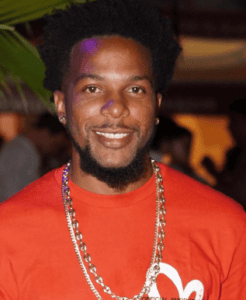
Rashaun Malik Edwin, aka “Rashy Rash,” passed away on June 11. He was 30 years old.
Rashaun Malik Edwin
He is survived by mother, Veronica L Edwin; father, Link. A. Edwin Sr.; daughters, Ne’Layah Edwin, A’Leiyah Edwin; sisters, Donna Edwin, Monique Edwin, Latisha Edwin; brother, Omai Phillip, Link Edwin Jr; companion, Jahshema Michael; nieces, Janae Isaac, Deniya Williams; nephews, Kieran Rhymer, Kameron Edwin, Jashaun Isaac, Kyree Edwin; aunts, Lea Gustave, Evelyn Joseph; uncles, David Gustave, Christopher Edwin Jr, Nelvin Williams Jr; godparent, Doreen Rodgers; special friends, Jahshema Michael; cousin and other relatives, Kendall Mason, Jimmilia Plante, Rose Plante, Brittany Williams, The Whyte Family, The Samuel Family, Harris Family, Constable Family and precious friends and other relatives too numerous to mention.
Funeral service will be held on Aug. 1 at Original Pentecostal Church. Viewing begins at 9 a.m., with service at 10 a.m. Interment will be held at Kingshill Cemetery.
Funeral arrangements are entrusted to James Memorial Funeral Home, Inc.
A driver died Tuesday night after losing control of a vehicle and crashing into a utility pole on Kingshill Road near Kingshill Cemetery on St. Croix, according to the Virgin Islands Police Department.
The single-vehicle collision occurred at about 7:10 p.m. on the eastern shoulder of the southbound lane of Route 663, according to a VIPD police report.
Police said the driver was operating a red 2007 Nissan Sentra southbound at a high rate of speed when he lost control while negotiating a curve and struck a utility pole.
The driver was transported by ambulance to Juan F. Luis Hospital, where he was pronounced dead after suffering head injuries, police said.
Police identified the driver as Kenneth Belony after notifying his next of kin.
The crash remains under investigation by the VIPD Traffic Investigation Bureau.
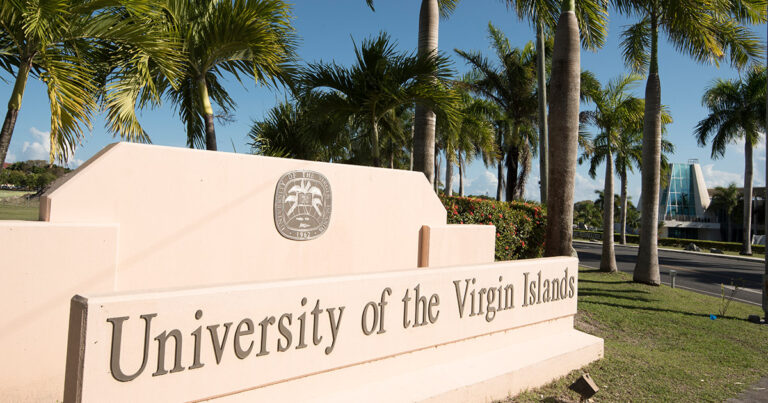
The University of the Virgin Islands remains fully accredited after the Middle States Commission on Higher Education placed the institution on show-cause status, requiring university officials to demonstrate by Sept. 1 that concerns related to finances, governance and delayed audits have been resolved. (Source file photo)
The University of the Virgin Islands remains fully accredited but has been placed on “show cause” status by the Middle States Commission on Higher Education, requiring the institution to demonstrate by Sept. 1 why its accreditation should not be withdrawn because of ongoing concerns related to its finances, governance, and delayed audits.
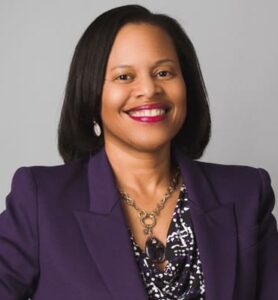
University of the Virgin Islands President Safiya George said the institution is confident it will satisfy the Middle States Commission on Higher Education’s requirements and retain its accreditation following the commission’s decision to place UVI on show cause status. (Photo courtesy UVI)
The action, approved by the commission on June 25 and posted publicly this week, does not remove UVI’s accreditation. Instead, it requires the university to submit extensive documentation demonstrating that it has the financial resources, planning processes, governance structure, and completed audits necessary to remain in compliance with accreditation standards. The university will remain accredited while on show cause, after which commission representatives are expected to conduct another campus visit before making a final determination.
In an interview Wednesday with the Source, UVI President Safiya George said the university is confident it can satisfy the commission’s requirements.
“We received a notice from the Middle States Commission on Higher Education that they decided to have a show cause action, which just requires the university to submit a very detailed report by Sept. 1, 2026, and then have a follow-up site visit, probably in October, showing that we have sufficient financial resources to support the university,” George said.
She stressed that the commission’s concerns center on two accreditation standards — financial resources and governance — and said the lengthy public notice reflects every element contained within those standards, not deficiencies across the board.
“They cite Standards Six and Seven,” George said. “Although that’s all they’re concerned about, they still have to list everything under that standard. Any school that has to do this has to describe every criterion within the standard, even though we’ve already shown that we’ve met many of those.”
Among the commission’s requirements are evidence of adequate financial resources, a sustainable budgeting process, responsible fiscal management, completed audited financial statements for fiscal years 2022 through 2025, and documentation showing the institution can maintain compliance with accreditation standards moving forward. The commission also directed UVI to prepare a teach-out plan, which is a standard requirement during a show cause process to protect students in the unlikely event accreditation is ultimately withdrawn.
George said the timing of the government’s allotments has been inconsistent. For example, although the university has received its March 2026 allotment, its September 2025 allotment remains outstanding.
The commission also cited the absence of completed audits for fiscal years 2022 through 2025. George said those delays predate her arrival as president in August 2024.
“When I got here, the last audit that had been completed was 2020,” she said.
The delay has been attributed by UVI trustees and officials to a previous auditing firm, BDO, which took an extended period to complete the 2020 audit, creating a backlog that affected subsequent years.
The university has since transitioned to Ernst & Young. George said the 2021 audit has been completed and published, while audit work for fiscal years 2022 through 2025 has already completed its substantive procedures and is now in the final stages of review before issuance.
She also said some delays stemmed from waiting for financial and personnel data from government agencies, including information related to employee retirement records that auditors required to complete their work.
The financial challenges outlined by Middle States mirror concerns university officials raised before lawmakers in May. During a Senate Education and Workforce Development Committee hearing, administrators warned that UVI’s free tuition program could be suspended without additional funding. At the time, officials said the university was carrying a deficit tied to the scholarship program while also awaiting approximately $8.5 million in overdue government allotments, creating cash-flow pressures affecting payroll, vendor payments, and daily operations.
They estimated the university would need roughly $2.6 million to fund tuition awards through the 2026 academic year, followed by about $3 million annually to sustain the program.
Despite the challenges, George expressed confidence that UVI will satisfy the commission’s requirements by the Sept. 1 deadline.
“We’re going to do everything that we need to do to ensure that doesn’t happen,” she said when asked about the possibility of losing accreditation. “I’m pretty confident that we will not lose our accreditation.”
George said the university is working closely with the Government of the Virgin Islands to resolve the outstanding allotments while continuing to finalize the remaining audits.
She also said UVI is pursuing additional revenue through fundraising, donor support, partnerships, and other initiatives designed to strengthen the institution’s long-term financial position.
“We’re fundraising, talking to donors,” George said. “Our deans and administrators are also identifying ways to increase revenues. We’re working on a number of things, including partnerships to generate additional revenue.”
George said she remains confident the university will retain its accreditation.
“I don’t think the Government of the Virgin Islands is going to let that happen either,” she said. “I know the senators won’t let that happen. I will do whatever I need to do to ensure that doesn’t happen.”
Contacted by the Source Wednesday, Gov. Albert Bryan Jr. said the university’s funding challenges are part of broader fiscal pressures affecting the territory’s entire government, rather than an issue unique to UVI. While acknowledging delays in allotment payments, he said the university will receive its regular budget allotments and noted that UVI’s outstanding September 2025 allotment now requires a legislative appropriation because the fiscal year ended before the payment was made.
The governor attributed much of the territory’s budget strain to rising personnel costs approved by the Legislature, including increases to the minimum wage for government employees to $35,000 and higher government contributions toward employee health insurance. Those additional expenses were previously offset by federal American Rescue Plan Act funding, Bryan said, but that source of revenue has now been exhausted. He estimated the initial impact of those increased personnel costs at roughly $8 million.
Meanwhile, in responding to questions Wednesday about the processing of the university’s allotments, Finance Commissioner Kevin McCurdy also emphasized that the delays stem from the timing of cash flow.
“While General Fund collections remain above prior-year levels, they have not kept pace with the revenue assumptions reflected in the FY2026 financial forecast. At the same time, the Government has experienced significant growth in recurring expenditures, including a 13% year-to-date increase in active employee healthcare costs,” McCurdy said by email. “Together, these factors have required the Department of Finance to be especially deliberate in managing cash flow and prioritizing payments across all government obligations.”
Like several agencies and instrumentalities, UVI has experienced delays in the timing of allotments as the government has managed cash flow during periods when revenues have fallen short of forecast, McCurdy added.
“The University received a payment of approximately $2.9 million on June 17, and we are scheduled to make a similar payment next week. To date, the government has provided approximately $17 million to UVI during the current fiscal year, and it remains our intention to ensure the University receives its full appropriation. Like many institutions of higher education, UVI continues to face long-term operating cost pressures that extend beyond the timing of government allotments. Addressing those structural challenges will be important to supporting the University’s long-term financial sustainability,” he said.
The Humane Society of St. Thomas suspended animal intake and other government-contracted services Wednesday, saying delayed government payments have left it unable to continue providing those services while caring for 163 cats and 27 dogs already at its shelter.
The nonprofit says it is also now questioning whether it can meet its July payroll while continuing to care for 190 animals already at its shelter.
Services were curtailed after the Humane Society received none of the $181,250 appropriated under its Fiscal Year 2026 Notices of Grant Award for work that board members and nonprofit reps say has already been performed. The suspension also includes the organization’s high-volume spay and neuter initiatives.
HSSTT Board President Randy Knight said the organization has managed to remain operational through community support, thrift store sales, fundraising events and private donations.
“With a budget of approximately $1.8 million, we are highly dependent on our thrift store sales, fundraising events and contributions from the private sector and those caring community members supporting animal welfare,” Knight told the Source. “For the services outlined in the GVI NOGAs, HSSTT should receive a minimum of $1 million.”
Knight said the shelter is currently caring for 163 cats and 27 dogs despite reducing services and staff hours in an effort to avoid layoffs.
“It is questionable if we can meet our full July payroll,” he said.
Knight said the funding delays have already created confusion over where animals should go. He said the Department of Agriculture’s Dorothea facility recently declined to accept an animal, even though HSSTT has suspended the government intake services covered under its agreement.
“It is this agency’s responsibility to do so, and they are possibly violating the territory’s animal anti-cruelty law by this inexcusable action, which I now have an attorney investigating,” Knight said.
Knight’s announcement prompted a flurry of responses from those copied on his original email to government officials, senators and the media. Among them was animal advocate Sharon Hupprich, who noted that HSSTT had repeatedly warned the government that animal intake would be suspended if funding was not received by June 30. With the deadline now passed, she urged the administration to act quickly, saying the longer the delay continues, the more animals are left without needed services.
In response to questions from the Source, Finance Commissioner Kevin McCurdy said the government has begun processing payments to the Humane Society. He said a $37,500 payment was processed June 30, reducing the outstanding balance under the current Office of Management and Budget release letter, while the remaining $131,250 is undergoing the department’s standard review and approval process.
Knight said that, as of Wednesday afternoon, HSSTT had not yet received any payment or the fully executed Notices of Grant Award. He said the organization is still awaiting what amounts to five delinquent government payments.
In its statement, Humane Society said it remains committed to caring for the animals already in its custody but warned that restoring suspended services depends on the government honoring its financial commitments.
Brett “Mac” McClafferty and Ida Smith, both delegates to Congress aspirants whose disqualification appeals were denied by the Board of Elections in a tense special meeting on Wednesday. (Photos from Brett “Mac” McClafferty and Ida Smith Facebook pages)
The Virgin Islands Board of Elections met Wednesday for a lengthy special meeting in which it upheld prior decisions that disqualified Brett “Mac” McClafferty and Ida Smith from the 2026 delegate to Congress ballot.
Although the meeting was scheduled for 10 a.m., it did not convene until 10:32 a.m. as a result of a brief loss of power at the Elections System Office on St. Thomas that left one attendee stuck in an elevator.
At 10:46 a.m., board members moved to enter an executive session, estimating that it would last 50 minutes. The executive session lasted approximately two hours, concluding at 12:48 p.m. Chair Raymond Williams gave the following summary:
“The Board rose into executive session to discuss matters that were filed based on disqualifications by the Office of the Supervisor, specifically for Ida Smith and Mr. McClafferty. The Board took no action in the executive session. It was just a discussion where the Board was allowed to ask questions of Supervisor [Caroline] Fawkes on the value of the disqualifications,” he said.
McClafferty, who was disqualified from running for a seat in the Virgin Islands Legislature due to his status as a convicted felon, later shifted his political focus and began campaigning to be the territory’s Delegate to Congress. However, landing his name on the Delegate ballot has presented its own challenges.
On June 15, Supervisor of Elections Caroline Fawkes disqualified McClafferty from the delegate race following an investigation by the Elections System. According to Fawkes, the investigation was prompted by six complaints that alleged signatures necessary to qualify for the ballot were obtained through false or misleading representations.
McClafferty promptly appealed Fawkes’ decision, and argued that Fawkes did not have the authority to disqualify him from the ballot unilaterally, a position that at least two Board of Elections members also hold.
“I just want the public to know that six letters were sent to Supervisor Fawkes. They were not notarized. Some of them don’t have a signature, some of them don’t have a date, some of them don’t have a title, and I think that is wrong. I also think that investigative duties are for the Board with section 47 and 92 of title 18. Nowhere does it give the supervisor any kind of authority to investigate anybody. That’s the job of the board,” said Cleopatra Peter, a member of the Board of Elections.
Member Cornelius Jason JnBaptiste introduced a motion to “uphold the position of the Supervisor,” thereby disqualifying McClafferty to run for delegate. The motion was seconded by Lydia Hendricks, and passed with seven votes in favor and two against.
The meeting became heated as members Cleopatra Peter and Barbara LaRonde sought to prevent the board from taking what they believed was a premature vote on Ida Smith’s appeal.
Smith’s candidacy hinges on a request from Fawkes to prove her residency on St. John. Fawkes also disqualified Smith from the delegate race during the 2024 election cycle, though the Board of Elections opted to overrule her after a similarly contentious meeting that year.
Attempts to read correspondence from Smith and her associates into the public record were met with apparent hostility from Williams, who stated that the matters had already been discussed in the earlier executive session.
“We have correspondence that came to the board, it is on our agenda, and I think we should have it appropriately read before we make decisions,” LaRonde said.
After a drawn-out back-and-forth between LaRonde and Williams, LaRonde was given the opportunity to read several correspondences into the public record, some of which seemed to focus on Fawkes’ personal character. In one document, the author accused Fawkes of trespassing on their property.
“The alleged trespass was particularly serious because the Supervisor of Elections holds a public position requiring integrity, restraint, respect for private property rights, and compliance with applicable laws … I respectfully and firmly demand that Chairman Williams and the Board of Elections of the Virgin Islands take immediate actions to terminate Supervisor Fawkes,” the document read.
A motion by member Kareem T. Francis to “support Supervisor Fawkes’ decision and dispose of Ida Smith’s appeal” was ultimately passed with eight votes in favor.
Shortly before members voted to formally adjourn the meeting, a motion to appoint Hendricks as vice chairperson of the board was passed without objection. Hendricks is a veteran member of the Board of Elections, and returned with Wednesday’s meeting to serve the balance of Vice Chair Lawrence Boschulte’s term following his resignation.
After members voted to formally adjourn the meeting, Hendricks said the following:
“As I sit here today, I am very discouraged by members who are … acting like personal attorneys for these people … You know who you are, acting like personal attorneys for Ida Smith.”
Hendricks’ assertion provoked a strong response from Peter, though her words could not be made out over other board members’ shouting.
The meeting was attended by members Franz Christian, Nathan Fletcher, Francis, Hendricks, JnBaptiste, LaRonde, Lilliana Belardo de O’Neal, Peter, and Williams.
After the meeting, McClafferty emailed, “It’s my understanding that members of the Board of Elections ruled against my candidacy on partisan grounds, and completely ignored the law. It is also obvious that should we challenge this disqualification in court, that we’d win. Everybody knows that. The major development since then has been that we’ve reached out to a certain competitive campaign, and would love to have a discussion. This opponent of mine is a remarkable public servant, even if we have disagreements. I’d love to see how these conversations develop, because there’s a belief that there’s more that unites us than divides us; and if those conversations devolve, we’ll simply sue and easily get back on the ballot because the law is clear.”
From left, Virgin Islands Area Labor Federation President Carver Farrow and the board of executives at the ALF press conference announce the results of the gubernatorial straw poll. (Source photo by Gyselle Ready)
The U.S. Virgin Islands Area Labor Federation announced Wednesday that Delegate to Congress Stacey Plaskett received the most support in a preliminary gubernatorial straw poll conducted following the organization’s Democratic gubernatorial debate last week.
According to the federation, Plaskett received 50% of the vote, followed by Lt. Gov. Tregenza Roach with 33.4% and former Sen. Donna Frett-Gregory with 16.6%.
The results were announced during an ALF news conference Wednesday, five days after the federation hosted the first Democratic gubernatorial debate of the 2026 election cycle on June 26.
The debate featured Frett-Gregory, Plaskett and Roach, who outlined their visions for the territory and answered questions about issues facing the U.S. Virgin Islands. Moderated by Moleto Smith Jr. and Emily Carter, the debate gave voters and ALF members an opportunity to hear directly from each candidate before participating in the straw poll.
ALF officials said the poll was open to both federation members and members of the public who attended the debate or completed the online survey afterward.
Although Plaskett received the highest level of support, ALF President Carver Farrow emphasized that the straw poll was only preliminary. He said a second poll will be conducted exclusively among ALF members to determine which candidate the organization should support in the Democratic primary.
Farrow also noted that the federation has not decided whether it will endorse a candidate in the general election.
During the news conference, Farrow discussed the federation’s priorities and the role organized labor plays in the territory. He said 77% of government employees are unionized and rely on labor organizations to advocate for higher wages, safer working conditions and employee benefits.
When they are discarded, it sends the message that working people’s voices and concerns are not important, he said.
Virgin Islands Area Labor Federation Vice President Leontyne Jones and President Carver Farrow at the AFL press conference as Vice President Jones reads the results of the straw poll. (Source photo by Gyselle Ready)
Farrow said only three labor unions currently have contracts with the government and argued that unions are often excluded from important policy discussions.
“The organization intends to support a candidate who will listen to the people,” he said.
Founded to give organized labor a stronger voice in government, the Area Labor Federation represents more than 4,000 members. The organization has also partnered with more than 8,000 retirees to advocate for issues including health care, homeowners insurance, the rising cost of living and infrastructure.
Farrow said improving wages remains the federation’s top priority.
“We don’t have a living wage … the governor only put 5 million dollars for wage increases for all 28 unions … That tells us that we are not a priority,” he said.
Farrow said the federation believes its membership will play a significant role in the upcoming election.
“When a governor gets in there are only two types of people he recognizes. The people with the money that helped him get in … and also the people who have the vote. We are gonna have the vote,” he said.
Attorney General Gordon Rhea promised vigorous prosecution of gun crimes after recent violence. (Photo courtesy DOJ)
Attorney General Gordon Rhea announced a new “uncompromising approach” to gun-crime prosecution Wednesday, saying the emphasis was needed as the Virgin Islands “confronts an alarming rise in gun violence.”
Rhea said in a written statement that gun-related crimes would be met with the “full force of the law.”
“We will not tolerate individuals who terrorize our communities with illegal firearms. We will take a tough stand in court, vigorously prosecute these cases, and hold violent offenders fully accountable. Those who bring guns into the commission of crimes should expect that we will seek every lawful measure available to protect the people of this territory,” he said.
Several high-profile shootings in recent weeks, including the yet-unsolved June 12 killing of 15-year-old Tre’Vante Etienne, have sparked renewed concern about gunplay in the territory. May ended with a double homicide and a third person injured in a shooting at Lindbergh Bay in St. Thomas. June ended with the shooting of a man and a woman at Lorraine Village, St. Croix. A string of shootings and unlicensed firearms arrests in the days between left community leaders calling for calm and for witnesses to come forward.
The first two weeks of June, a St. Croix man was charged with allegedly robbing people at gunpoint on Christiansted’s Market Street, masked gunmen reportedly robbed a man in Bovoni, a St. Croix man was allegedly found with an unlicensed firearm during a domestic dispute, two people were shot to death and two others injured at a Peter’s Rest bar, a St. Thomas man allegedly tried to smuggle 500 bullets into the territory for resale, and Etienne was killed at a Savan basketball court.
On June 13, a St. Thomas man was arrested allegedly in possession of ammunition and an unlicensed firearm after allegedly threatening to “shell down” a man after being ejected from a strip club.
June 14, a new revised firearms control law praised by Rhea was enacted. Rhea said it marked a “major milestone in strengthening public safety while ensuring compliance with constitutional protections.”
On June 15, a man died from multiple gunshot wounds in the Whim area of St. Croix; a person was shot at the Walter I.M. Hodge community the same day; two men were allegedly found in possession of unlicensed firearms at separate traffic stops in St. Thomas and another in St. John. The next day, police were investigating a Hospital Ground homicide.
On June 17, Lt. Gov. Tregenza Roach addressed the violence at a press conference.
“The police cannot be everywhere, and if … the people who have information are not going to share — to assist — the police in making arrests and in investigating these crimes, then we’re going to be living in an environment that does not generate and produce the results that we want to see, in terms of justice being delivered and suspects being apprehended and charged,” Roach said.
During the following brief reprieve in gun crimes, U.S. Customs and Border Protection acknowledged airlines did not alert federal officers when firearms were brought into the territory in checked baggage. It was the importer’s duty to report the firearm to local law enforcement officers at the airport, but few, if any, safeguards were in place to ensure they did.
On June 25, a man was found dead next to a firearm in Mahogany Run. Police had few details to share but were investigating the incident as a homicide. Two days later, a licensed gun owner allegedly gunned down a man at a St. Croix gas station.
On Jun 29, Gov. Albert Bryan Jr. said he was temporarily reassigning executive branch peace officers to help bolster police ranks. It was the same day police were searching for the Lorraine Village shooting suspect.
It wasn’t clear to what degree Rhea planned to change how criminal gun cases were prosecuted. Very often, plea agreements allow a defendant to admit to one charge to avoid another.
The Virgin Islands’ chief public defender, former Superior Court Judge Jomo Meade, said the Attorney General’s office had a constitutional obligation to bring criminal charges when it’s appropriate. Likewise, the Public Defender’s Office is required to defend the accused zealously, within the confines of the law, he said.
“There is a lot of gun violence,” Meade said. “But studies have shown that harsh penalties don’t really deter crime.”
Meade said taking a case all the way to trial or allowing for a plea agreement depended on many circumstances gathered and debated by defense attorneys and prosecutors.
“A prosecutor’s job is not to convict but to see that justice is done,” Meade said.
Sargassum remained at very high levels across the Atlantic basin during June, with the seaweed continuing to affect coastlines across the region. The latest outlook from the University of South Florida’s Optical Oceanography Lab suggests more shoreline impacts are possible in the weeks ahead.
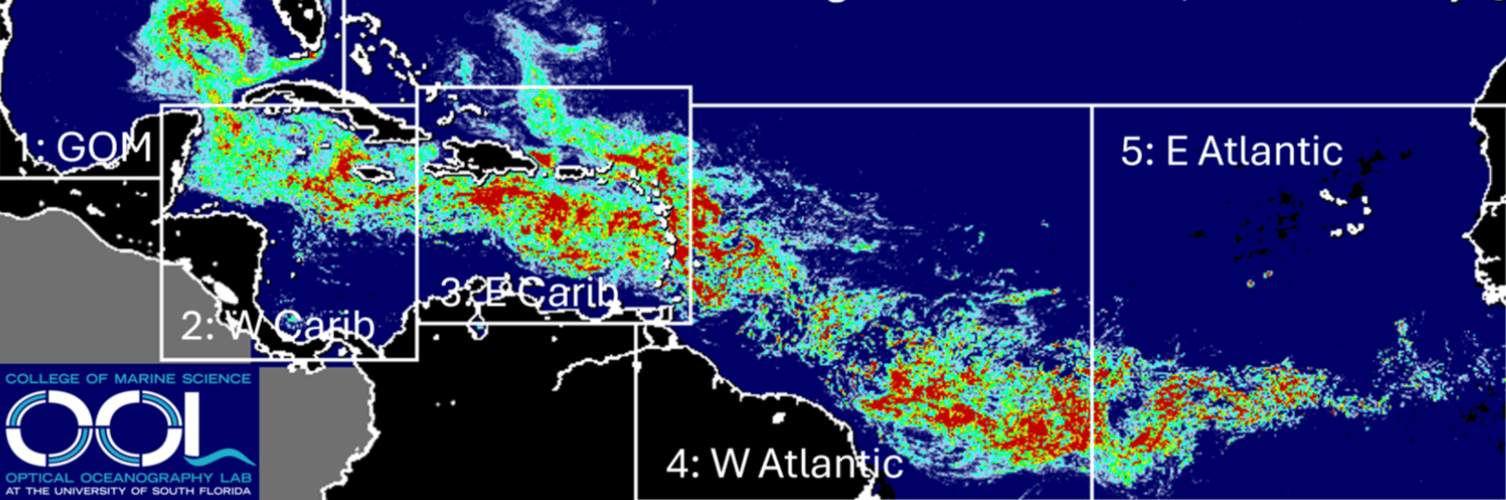
The Optical Oceanography Lab at USF monitors the presence of sargassum across the Atlantic, Caribbean, and Gulf regions using satellite imagery. In its June 30 bulletin, USF reported that the seaweed continued to increase in most monitored areas during June, while the Caribbean Sea remained at record-high levels for the month.
A June 2026 satellite map from the University of South Florida’s Optical Oceanography Lab shows sargassum distribution across the Caribbean, Atlantic and Gulf regions. Warm colors indicate higher amounts of sargassum. (Photo courtesy USF)
“As predicted in May, total sargassum amount in all but the East Atlantic region continued to increase in June, while the distribution patterns remained stable,” the USF report said. “The Caribbean Sea continued to show record-high sargassum amount for the month of June, and the total sargassum amount in the Gulf reached 5 million metric tons, which nearly doubled the historical record in 2025. As a result, severe beaching events have been reported along the southeast coast of Florida. Likewise, beaching events have also continued around the Caribbean and Lesser Antilles islands,” USF continued.
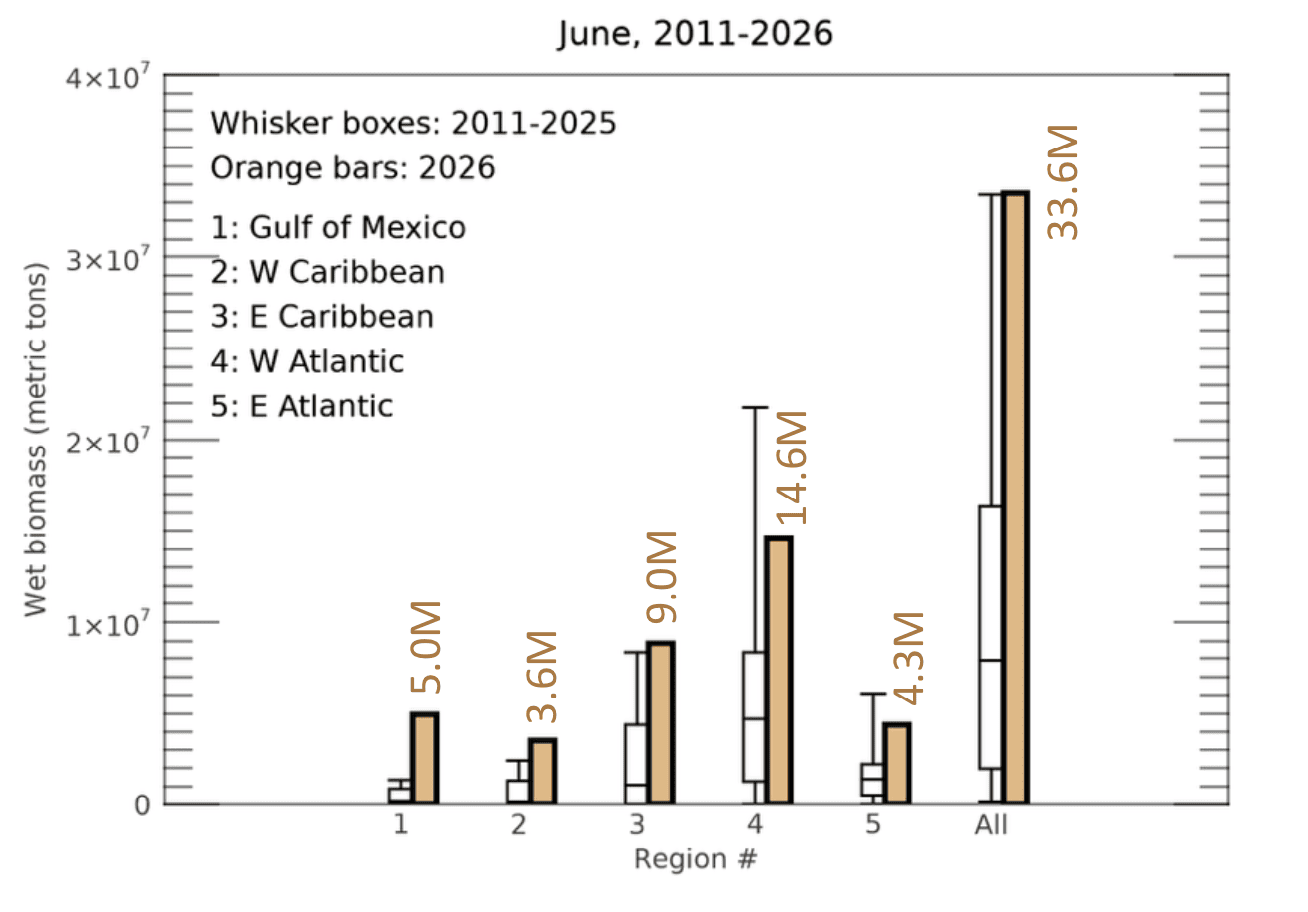
The bulletin included a chart that depicted an estimated 33.6 million metric tons of sargassum across all monitored regions during June, compared to historical values for the month of June between the years 2011 and 2026.
For June 2026, the chart showed 9 million metric tons in the eastern Caribbean — the region nearest to the Virgin Islands — and 14.6 million metric tons in the Western Atlantic. The Gulf region reached 5 million metric tons, while the Western Caribbean was listed at 3.6 million metric tons. The eastern Atlantic was listed at 4.3 million metric tons.
A chart from the University of South Florida’s Optical Oceanography Lab shows June 2026 sargassum amounts compared with historical values from 2011 to 2025. (Photo courtesy USF)Local Sargassum Effects
For the U.S. Virgin Islands and Puerto Rico, impacts from the seaweed will continue to depend on winds, currents, tides, swell direction, and nearshore conditions. Even when the broader region is active, conditions can change quickly from one beach to another and from one day to the next.
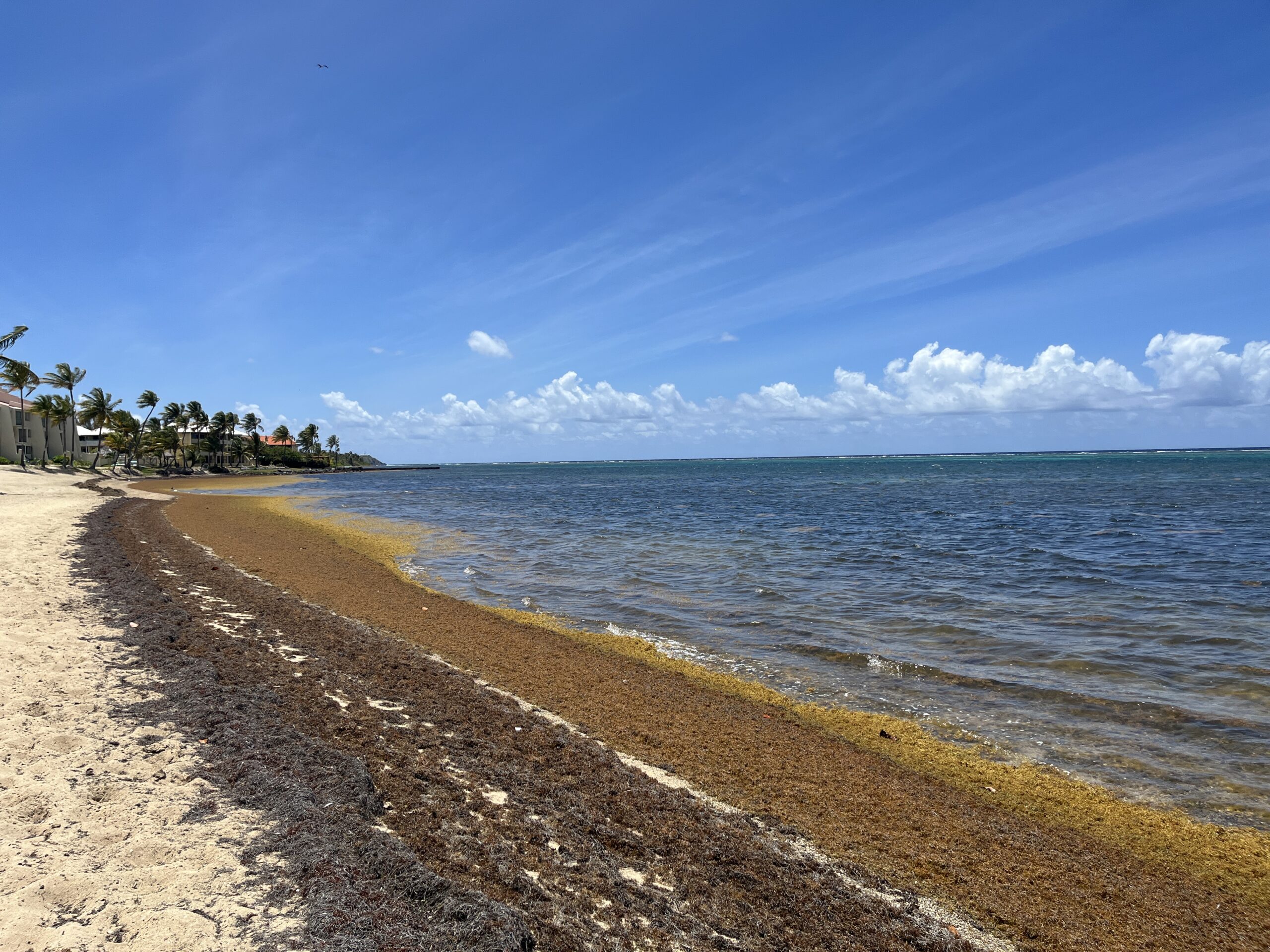
Patches of sargassum at Sugar Beach on the north side of St. Croix on June 17. (Source photo by Jesse Daley)
Because both U.S. territories sit within the eastern Caribbean and Lesser Antilles region, additional arrivals of the seaweed remain possible in the weeks ahead. Residents and visitors are encouraged to monitor local beach conditions, particularly during periods of changing winds or currents.
USF said amounts are expected to fluctuate in July and may not rise as sharply, but beaching events are still expected to continue.
“Sargassum amount in most regions is likely to change slightly, either increase or decrease, in July,” USF predicted.
The lab added that shoreline impacts are also expected to remain a concern.
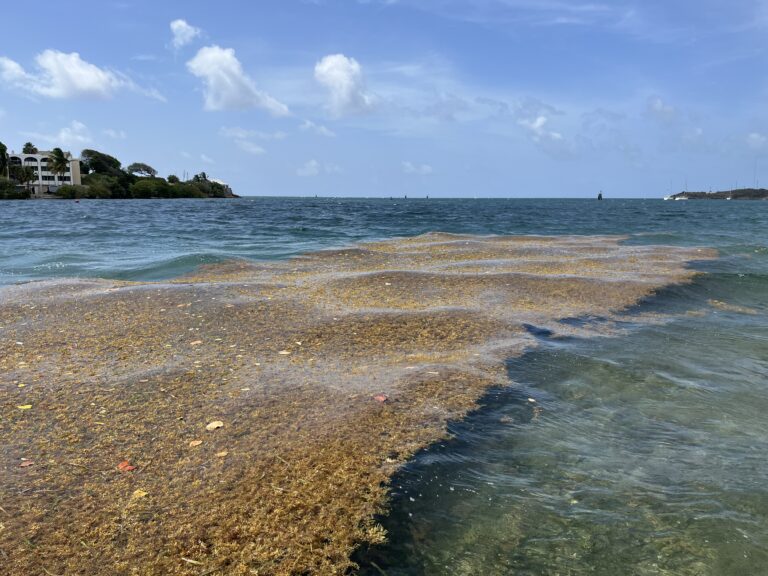
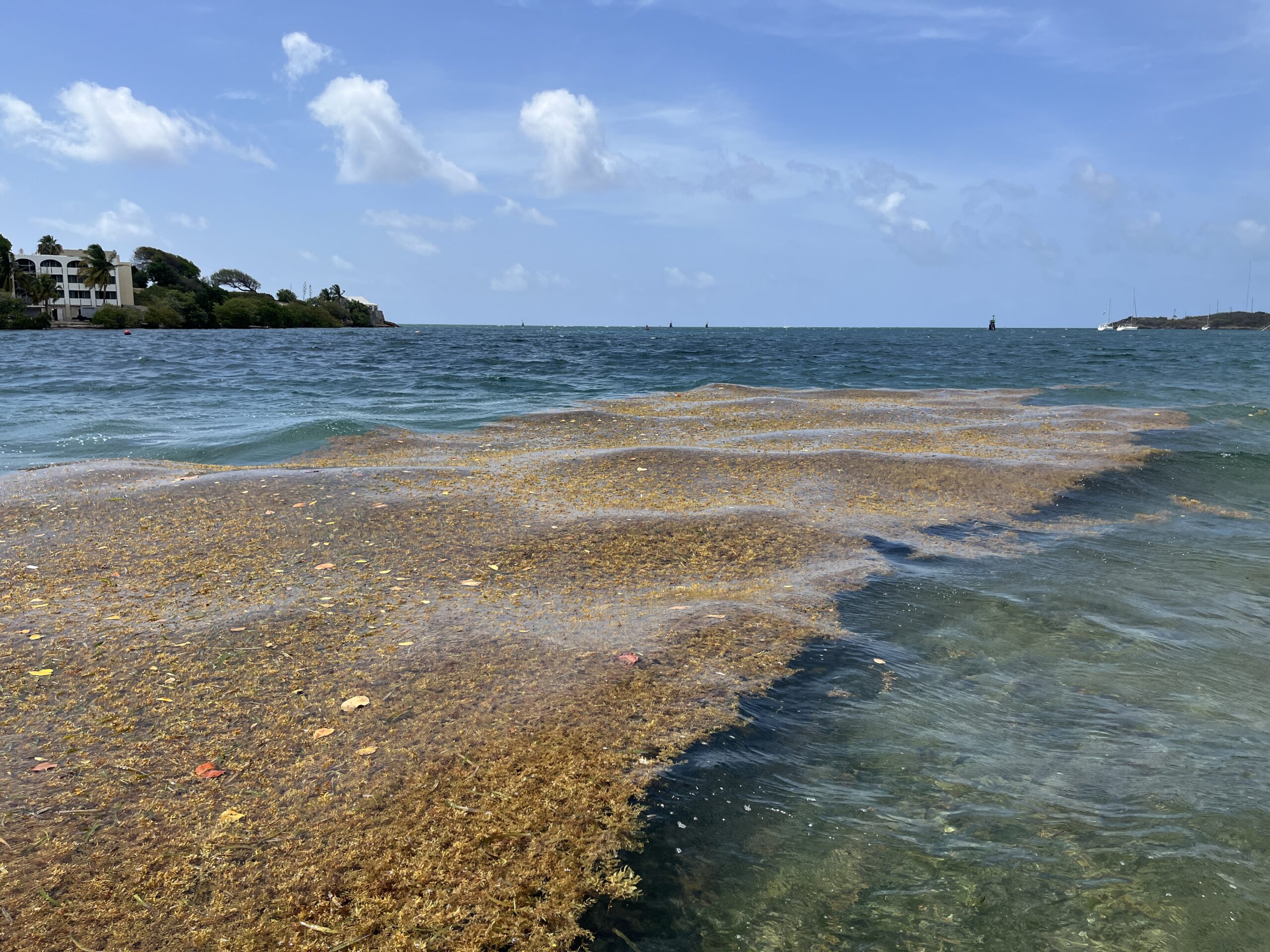
Sargassum is observed in Christiansted Harbor on St. Croix on June 24. (Source photo by Jesse Daley)
“Beaching events around the Caribbean and southeast coast of Florida will continue and likely increase. Some beaching events may also occur around Florida’s Panhandle region. The year of 2026 is set to be at least the second largest sargassum year, as the total amount in June is only 10% lower than the historical record in 2025,” according to the USF bulletin.
Sargassum ExplainedAs the Source previously reported, sargassum seaweed plays an important role offshore as habitat for marine life, but it can also create problems when winds and currents carry large mats ashore, according to the National Oceanic and Atmospheric Administration.
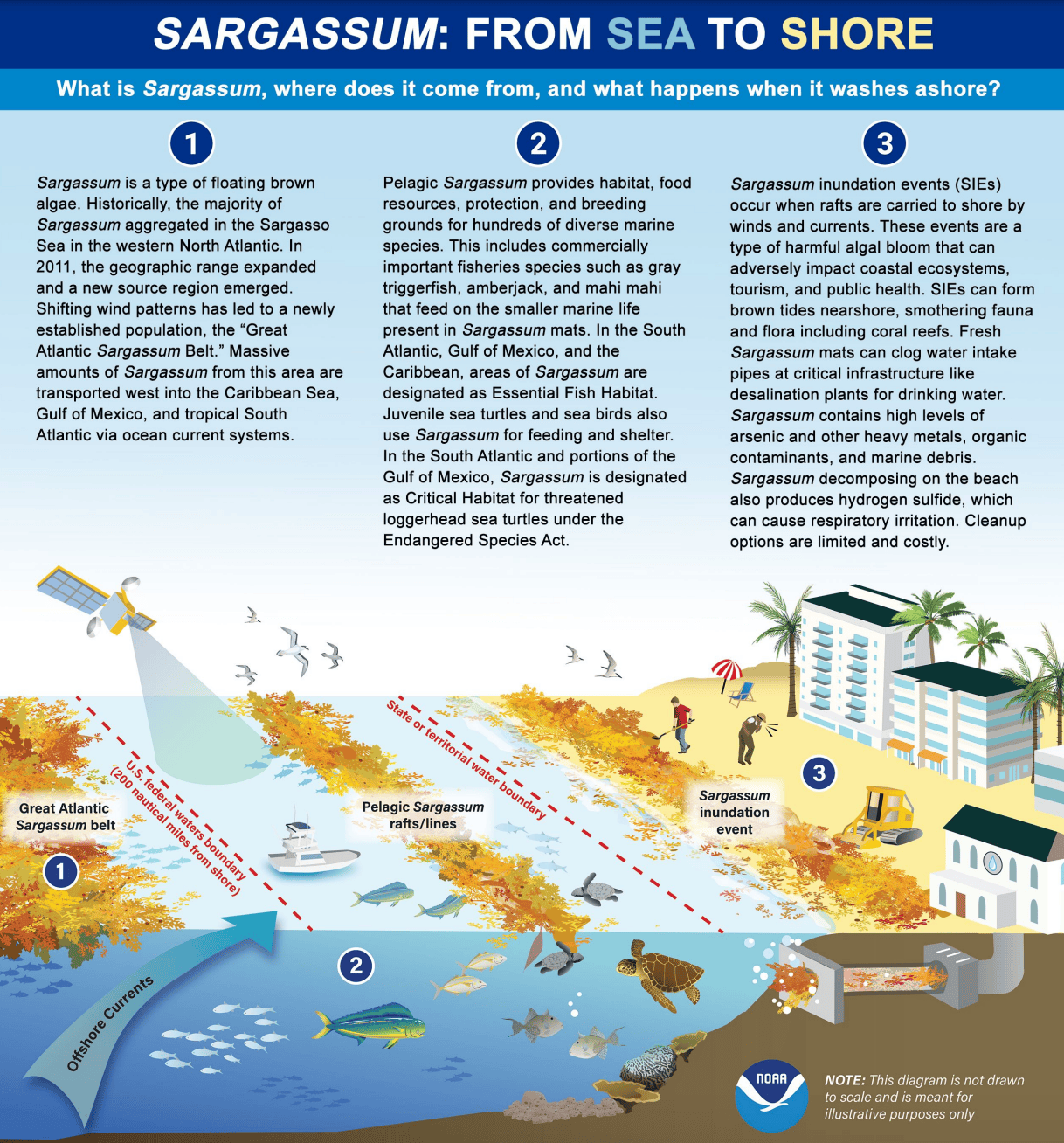
A NOAA graphic explains how sargassum moves from offshore waters to shorelines and how large inundation events can affect coastal ecosystems, tourism, and public health. (Photo courtesy NOAA)
“Sargassum is a type of floating brown algae that provides food, protection, and habitat for many marine species. While sargassum plays an important role in the health and biodiversity of open ocean ecosystems, it can also be harmful in certain situations, when rafts of this brown algae are carried to shore by winds and currents,” NOAA said.
Efforts to help contain beaching events along the USVI were reported in a previous Source interview with Amy Dempsey, a marine biologist and founder of the consulting firm Bioimpact, Inc. Officials in the territory have begun using floating barriers to divert incoming mats of sargassum before they reach the shoreline. The booms have shown promise in keeping beaches clearer, but they require constant upkeep due to strong currents and storm damage and must be removed ahead of approaching cyclones.
Monitoring Local Conditions
Individuals can follow the progression of the current algae bloom through USF’s Sargassum Watch System. Previous monthly bulletins and daily imagery are available through the system, while high-resolution maps for selected coastal regions are also available through USF’s Optical Oceanography Lab satellite data products.
Residents and visitors across the U.S. Virgin Islands are also encouraged to follow local weather and marine forecasts, since winds, currents and sea conditions can influence where and when sargassum reaches the shoreline. Weather information is available from the National Weather Service, in San Juan, Puerto Rico, the National Oceanic and Atmospheric Administration, and the Source Weather Page.