Amid unconfirmed reports of federal immigration agents visiting public schools in the territory, Homeland Security Investigations (HSI) has stated that no such enforcement actions have yet taken place.
The statement comes as Gov. Albert Bryan Jr. issued a directive clarifying that local government employees, including school officials and law enforcement, are not required to assist federal immigration authorities unless legally mandated.
Responding to questions from the Source Tuesday about visits, particularly to public schools on St. Croix, Sandra Colón, Public Affairs Officer for HSI in Puerto Rico, said, “No immigration enforcement actions have been done in schools in the U.S. Virgin Islands.” However, she encouraged individuals with defined immigration status to carry documentation in case they are approached by federal authorities, emphasizing that under Title 8 of U.S. law, individuals who cross the border illegally may face legal consequences, including deportation, prosecution, and a five-year reentry ban.
HSI and ICE officials have recently increased immigration checks at transportation hubs, including ferry terminals. Late last month, nearly 400 individuals were stopped and questioned at the St. John car ferry, with 49 briefly detained for document verification and one person taken into custody.
Meanwhile, Bryan offered guidance in a directive Jan. 29, clarifying that local government employees, including teachers, school administrators, and local law enforcement officers, are not required to assist with federal immigration enforcement unless legally mandated.
The directive states that if approached by an ICE agent:
Schools should not allow the agent to enter a school building without a warrant signed by a judicial officer. Administrative warrants are not sufficient to gain entry to nonpublic locations, and should be provided to legal counsel to determine validity and authority;
ICE agents should not speak with students without parental consent, nor should they answer immigration-related questions on behalf of a student or parent;
Schools should immediately notify their supervisor of ICE presence;
The Education commissioner shall immediately notify the attorney general of any reported ICE activity.
Bryan emphasized the importance of ensuring that schools remain places of learning and community support, stating: “As Virgin Islanders, we celebrate our community’s diversity, and we will continue to protect the rights of all our residents.”
The U.S. Virgin Islands is not alone in addressing local roles in federal immigration enforcement. Other Democratic-led jurisdictions have issued similar policies limiting cooperation with ICE in schools and public institutions.
In Delaware, Attorney General Kathy Jennings released “Know Your Rights” materials outlining legal protections for residents in encounters with federal immigration authorities.
In Wisconsin, Gov. Tony Evers has pledged to veto legislation that would require local law enforcement to assist in ICE operations.
In Illinois, Governor JB Pritzker signed a law restricting state and local police from detaining individuals based solely on immigration status.
Conversely, Republican-led states have moved to strengthen cooperation with federal authorities.
Florida Gov. Ron DeSantis called for a special legislative session to implement stricter state-level immigration laws.
Indiana Gov. Mike Braun mandated full cooperation between state law enforcement and ICE.
West Virginia Gov. Patrick Morrisey issued an executive order requiring state agencies to assist in federal immigration operations.
Bryan has reiterated that local law enforcement does not sanction or assist federal ICE operations. Speaking to the Source, the governor added he does not anticipate pushback from federal authorities, emphasizing that they know and understand the law. He also affirmed that the government stands by its employees ensures their protection.
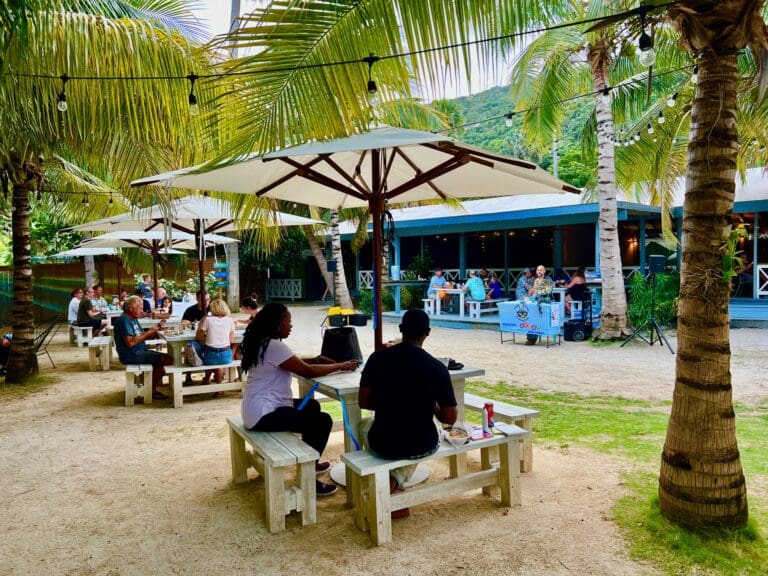
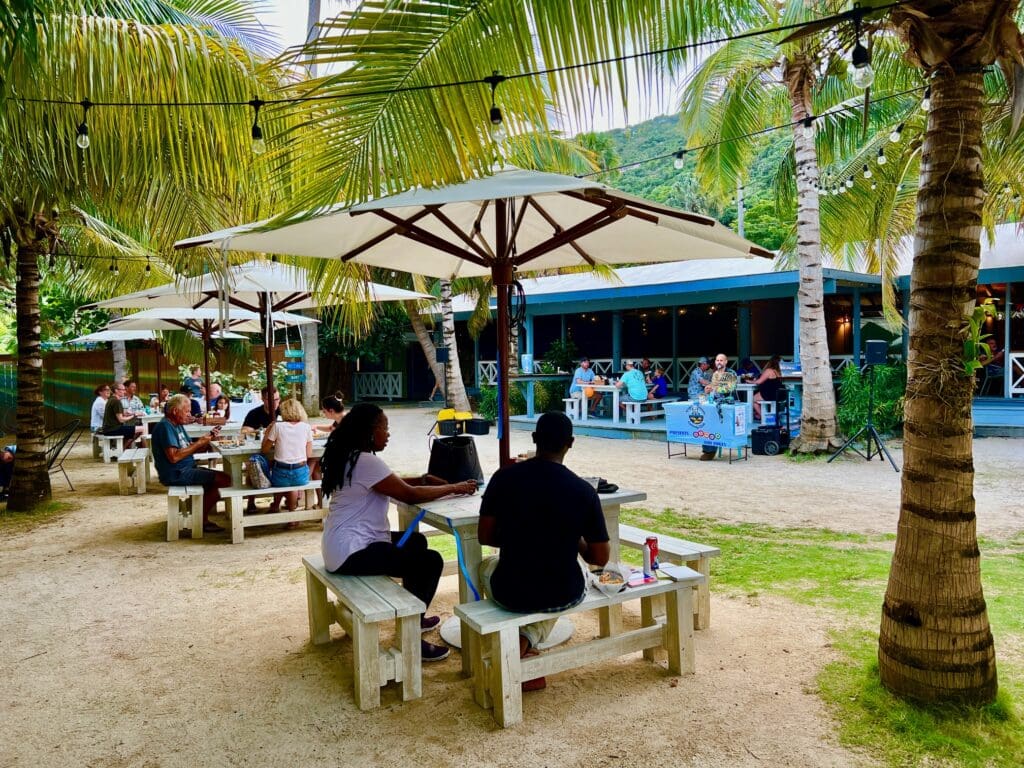
The Shack at Hull Bay reopened Tuesday with a limited menu and staff days after a fire ripped through the back portion of the property (Ananta Pancham photo)
Just days after fire tore through the back portion of The Shack at Hull Bay, the beachside restaurant was back in business Tuesday, offering a limited menu and hosting its regularly scheduled bingo night.
“We got lucky,” said owner Lee Steiner. “The fire was already going when the morning crews got here to open up, but no one was hurt. It could have been much worse.”
The fire broke out early last Friday morning, damaging the back portion of the property, including the kitchen, storage areas, laundry room, and bathrooms. Virgin Islands Fire and Emergency Medical Services responded to the scene around 7 a.m. and battled the flames for over two hours before bringing them under control by 9:45 a.m. No other structures were affected.
In the aftermath, the Hull Bay community wasted no time coming together to get the restaurant up and running again, Steiner said. Staff and volunteers worked around the clock to restore water and electricity, clean up the affected areas, and make necessary adjustments to keep the restaurant operational.
“We’ve been working nonstop to get things back to normal,” Steiner said. “The back portion is screened off, as we’ve been asked to do, but we’re open. The community really stepped up, and that means everything – it was amazing to see the support, and we are grateful for the efforts of Fire Services, which got everything under control quickly.”
The cause of the fire remains under investigation by the Arson Investigation and Prevention Team. In the meantime, the team at Hull Bay Hideaway is focusing on rebuilding.
“We’re taking it one step at a time,” Steiner said. “But we’re hoping to get back to full operating capacity as soon as possible.”
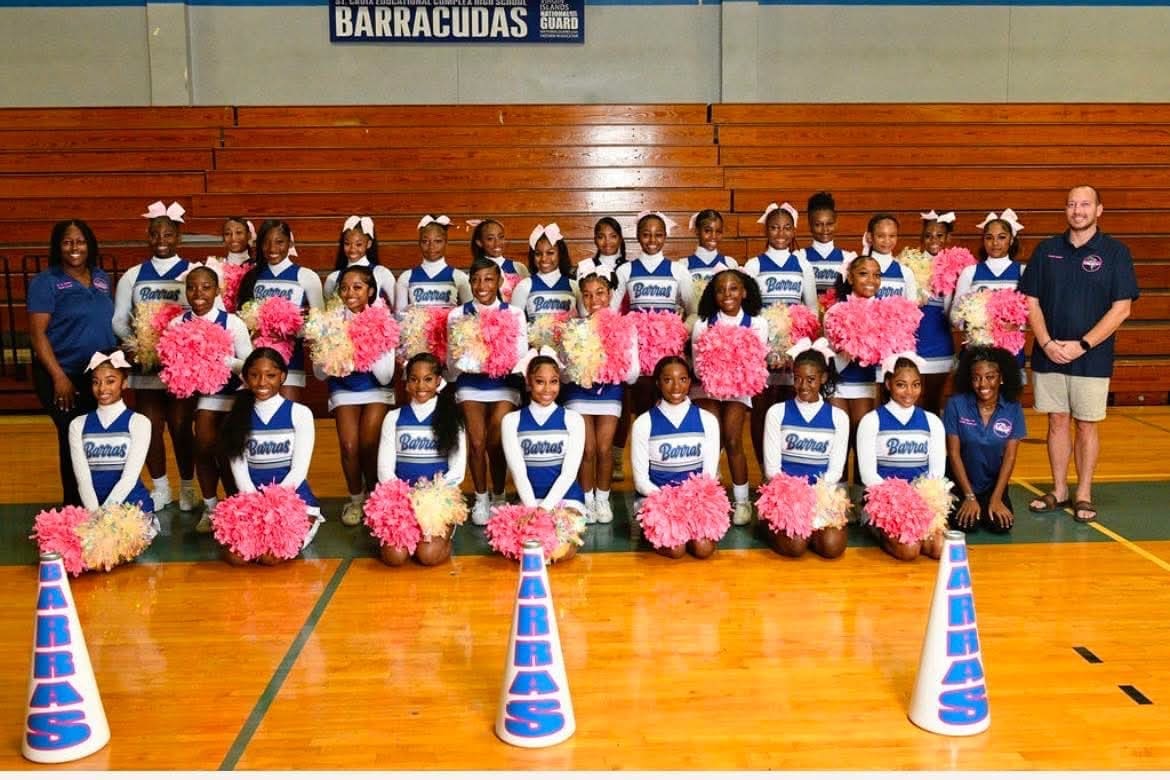
St. Croix Educational Complex High School Barras Cheer Squad. (Photo courtesy Dana Philogene-Victor)
The St. Croix Educational Complex High School’s Barras Cheer Squad will be traveling to Orlando, Florida, to compete in the 2025 World School Cheerleading Competition.
The 30 athletes are set to leave Wednesday and will have a few days to enjoy Disney World before the competition. Their first performance is scheduled during the National High School Cheerleading Championship, which takes place on Saturday and Sunday.
According to a press release from the Virgin Islands Education Department, “The World School Cheerleading Competition, hosted by the Universal Cheerleaders Association (UCA), is one of the most prestigious events in high school cheerleading, bringing together elite teams from across the globe.”
Up against premier teams, the Barras Cheer Squad is set to demonstrate its power, accuracy, and relentless energy on the world stage. Head Coach of the Barras Cheer Squad, Dana Philogene-Victor, said, “They can’t stop talking about it. It has been a ray of emotions from excited to nervous. “
This is the squad’s second time competing in the competition. Last year, they placed fifth out of seven teams in the Small Varsity Non-Tumbling Division and secured third place in the Competition of Nations.
This year, the team plans to leave it all on the mat as they have been conducting intense training. “We’ve been practicing from May 2024 through the summer and straight through. We’ve been working extremely hard and still managing to cheer for volleyball, basketball and other games within the school,” said Philogene-Victor. The students have also made many sacrifices to not miss out in practices, including missing some events, parties and other gatherings to train.
Even though their practices have been aggressive, they’ve still managed to fit in some fun. Creating TikToks and other bonding activities have contributed to their unity and team spirit.
Philogene-Victor not only trains the St. Croix Educational Complex Cheer Squad but also works with the Lew Muckle Elementary School team.
The Barras Cheer Squad members include Alia Osborne, Aminah Emanuel, Alyna Richards, Aniyah Williams, Arielle Chery, Aure’ Baptiste, Carilyz Marmolejos, India Ragnauth, Jahilah Carroll, J’Neolise Green, K’Asia O’Brvan, Kavda Baird-Williams. Kavlee Corcino. Kiara Gumbs, K’Layah Parris, K’Taesha Brewster, Kyla Miles, Leiani Byron, Mah’Kaijah Jean, Marley Cassius, Melanie Lewis, Nayelis St. Omer, Ne’zah Barnes, Samyrah Lake, Sa’Nivah Morris, Se’Kaijah Freeman, Sophia Henry, Terrise Mitchell, Zahaira Cromwell, Aamvah Petersen (alternate) and assistant Coach Aniah John.
The Caribbean Writer has recognized the work of graphic novelist Devon Pelle, who recently published his first book, “The Mortal Pulse – The New Humans,” under the pen name GuzBez, the University of the Virgin Islands announced.
“The Mortal Pulse” cover (Photo courtesy UVI)
The book follows a new generation of humans with powerful mental abilities who struggle without proper guidance, leading to disruptions in society. The story takes a turn when a mute boy from the U.S. Virgin Islands with telepathic powers forms an intense friendship in a girl’s dream, leading to a real-world encounter that reveals unexpected truths, according to the press release.
Pelle, a second-year English and Fine Arts student at the University of the Virgin Islands, said he was inspired to create the book by a desire to see stories he wished existed, the press release stated.
“Before the start of the pandemic, I’d watch a daily comic book podcast called “Cartoonist Kayfabe,” hosted by two comic book writers and artists from Pennsylvania,” Pelle said. “I remember one of the hosts mentioning that what drives him creatively is to create comics that he’d love to read but didn’t exist yet. “The Mortal Pulse” is that comic for me.”
He acknowledged that bringing his vision to life took time and effort. “Truthfully, I had early drafts of the characters drawn up but no idea of what to do with them,” he said. “I had read Wilmar Shiras’ “Children of the Atom,” and I wanted to explore some of the themes of gifted children who needed guidance and a sense of belonging at the risk of going astray. “The Mortal Pulse” starts with a character who has ‘found family,’ but who might not have the best influence on her.”
Pelle highlighted the importance of representing Virgin Islands heritage in his work, particularly on the book’s cover. “It was important to me to have the main characters, both Black Caribbean teens, depicted in full color on the cover,” he said. “I wanted no ambiguity, no denying who they were and where they were from.”
Even with a full class schedule and work commitments, Pelle remains dedicated to his craft. “Drawing has always been therapeutic for me. I think it’s what helps me get through those tough times,” he said. “My biggest push is how overactive my imagination can be. I’m constantly hounded by an idea or thought until I can get it down on paper, and that helps me turn my daydreaming into something productive.”
His artistic influences include webcomics, Japanese manga, and a variety of renowned creators. “Katsuhiro Otomo of “AKIRA” is a big influence as well as Hirohiko Araki of “JoJo’s Bizarre Adventure,” Pelle said. “There’s a certain playful ‘attitude’ that I loved seeing in Araki’s work and also Hugo Pratt’s “Corto Maltese” that I try to incorporate into my drawings.” He also cited Stan Sakai (“Usagi Yojimbo”), Dwayne McDuffie and Jean Paul Leon (“Static”), Kazuki Takahashi (“Yu-Gi-Oh!”), Oshimi Shuzo (“Aku no Hana”) and Barry Windsor-Smith (“Conan the Barbarian”).
Pelle credited his high school teacher, John Obafemi Jones, with helping him develop his artistic voice. “From the get-go, he identified my key strengths and always encouraged me to lean into them. I think whatever sense of individuality my style brings is almost completely thanks to that,” Pelle said.
The story of “The Mortal Pulse” is far from over. Pelle has already sketched out thumbnails and penciled the first page of the next installment. Beyond continuing the series, he hopes to teach others how to create comics. “I want to be able to read more Virgin Islands comics and write another comic for younger readers to enjoy,” he said.
The Caribbean Writer Editor Alscess Lewis Brown praised Pelle’s debut work. “Pelle’s compelling illustrative storytelling exposes not only the nature of our flawed humanity but also the redemptive themes that propel us forward,” Brown said. “We are always delighted to recognize up-and-coming writers. It is encouraging to welcome fresh voices, which to us is a sign of steady advancement toward improving literacy and literature, not only within the Virgin Islands but across the Caribbean region.”
The Caribbean Writer is published by the University of the Virgin Islands under the College of Liberal Arts and Social Sciences. For more information, visit www.thecaribbeanwriter.org.
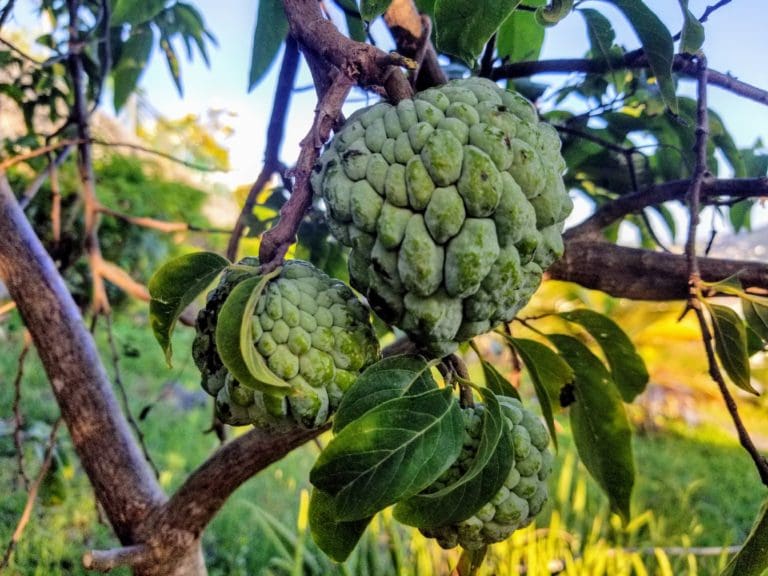
Sapodilla (Manilkara zapota) is also known as mespel locally. In his botanical history report of St. Croix in the 1890s, Charles F. Millspaugh mentioned that several varieties and sizes of mespel were grown wild on the island with oval, or egg-shaped, fruit about the size of an American apple. (Photo by Olasee Davis)
It is that time of the year for the Virgin Islands Agriculture & Food Fair festival. The theme for this year’s 2025 Agrifest is “From Soil to Soul, Nurturing Virgin Islands Agriculture.” I have written two articles to be published in the Agriculture & Food Fair book. They are “The History and Potential of Tropical Fruits as an Industry in the U.S. Virgin Islands” and “The Protection of Soil and Prime Agricultural land in the U.S. Virgin Islands.”
Olasee Davis (Submitted photo)
The articles are too long to be published in the newspaper with citations, etc. But both articles are critically important to educate the public about food security in the Virgin Islands. I will write a narrative of the history of fruits and the potential fruits have as a major industry in Virgin Islands agriculture. When the Amerindians migrated to the Virgin Islands from South America, between the second and third millennia, wild fruits were part of the landscape of these islands.
These fruits were gathered by the indigenous people of the islands, who used them for food, ritual, and capturing wild animals by using fruits as bait. By the time Christopher Columbus encountered the islands and claimed St. Croix for Spain during his second voyage to the so-called New World on Nov. 14, 1493, the island was “Well cultivated and well populated,” as reported by one of the crew that landed at Salt River Bay west bank.
Some of the wild native fruits that were once in abundance to the first inhabitants of these islands were West-Indian locust (Hymenaea courbaril), wild guava (Eugenia pseudopsidium), cocoplum (Chrysobalanus icaco), swamp apple or pond apple (Annona glabra), and sweetpea or pomshock, or Spanish oak as known by Crucians (Inga laurina). These fruits are now rare in the Virgin islands, particularly on the island of St. Croix.
During the early colonial history of St. Croix, there was a large variety of tropical fruit trees growing wild, especially on the northwestern, west, and central valleys in streambed banks across the island. Many of these fruit trees were planted by enslaved Africans and the movement of wildlife such as bats, birds, and deer. C.G.A. OLdendorp was a Moravian missionary who visited the Danish West Indies from 1767 to 1768. He was an inspector for the Moravian churches who gathered information and interviewed both free and enslaved people for the purpose of compiling a report on the progress of evangelizing the enslaved in the Danish West Indies.
In his report, he mentioned, “the wild bush provides him with a quantity of fruit, which costshim nothing more than the time that he spends to gather.” According to the late George A. Seaman, it was common practice for the planting of fruit trees to occur along “guts” and streams for conservation purposes and cultural uses. Today, you can still find some large fruit trees, particularly mangoes, growing along stream banks.
The carambola (Averrhoa carambola) fruit tree grows very well in most Virgin Islands soils. The fruits have a wide range of uses, from juice to medicinal applications. (Photo by Olasee Davis)
From 1854 to 1923, an American botanist named Charles F. Millspaugh, who wrote Flora of theIsland of St. Croix, mentioned estates on the north side of St. Croix with extensive fruit plantations. In 1895, Estate Little La Grange had an extensive banana field, and over 10,000 pineapples were grown. Estate Spring Gardens in the northwestern mountainous region of St. Croix was also a large plantation planted with coffee, cocoa, mango, orange, lemons, bananas, coconut, and vanilla, etc.
In 1892, the government of the Danish West Indies established an agricultural experiment station on Estate Grange for the purpose of advising planters on sugar growing, but also to carry out experiments on other crops such as fruit trees. In 1910, another agricultural experiment station was established at Estate Anna’s Hope, not too far from Grange Estate. It conducted research on a variety of crops including fruit trees.
When Charles Millspaugh visited St. Croix in the 1890s, he said, “There is no doubt that thefuture prosperity of the island depends largely on the growing of fruit.” In his report he mentioned a host of fruit trees growing wild on St. Croix. He described the shape, color, taste, size, and the potential these fruits would have in the agricultural industry of the Virgin Islands.
In 1949, a study was conducted on the economic development of the Virgin Islands, titled The Virgin Islands of the United States: An Opportunity and a Challenge, by Axel H. Oxholm. The study brought out the potential of using fruit as an industry in the Virgin Islands. Oral history is also an important factor whereby older people talked about their grandparents and great-grandparents who planted fruits along “gut” roadsides, and plantation settings.
According to former Assistant Commissioner of Agriculture, Horatio A. Millin, somewhere between 1962 to 1963 a shipment of new varieties of mangoes were brought into the Virgin Islands from Trinidad, St. Kitts, Montserrat, Dominican Republic, Haiti, Mexico, and several other tropical countries. Over the years, new varieties of mangoes have been developed. There are approximately 70 to 100 varieties of mangoes in the Virgin Islands, particularly on St. Croix.
St. Croix was not called for nothing at one time in its history the “Garden Spot of the Antilles.” It was a garden of fruits and other agricultural crops, which made the island the fourth largest sugar-producing island in the world for its size during 1760 to 1814 when sugar was king. In the 1990s, the late Clinton George and other of my colleagues from the School of Agriculture of the University of the Virgin Islands created or established the mango festival known as “Mango Melee & Tropical Fruits.” Today, thousands upon thousands of people attend the mango festival.
The initial idea behind the mango and tropical fruit festival was to get farmers and home growers to establish fruit orchards, particularly mango, as a business. Historical records made it clear that these islands have the potential for a fruit industry. Modern technology, drying, processing, and other means of adding value to local fruits will enhance the agricultural industry in the Virgin Islands.
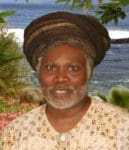
— Olasee Davis is a bush professor who lectures and writes about the culture, history, ecology and environment of the Virgin Islands when he is not leading hiking tours of the wild places and spaces of St. Croix and beyond.
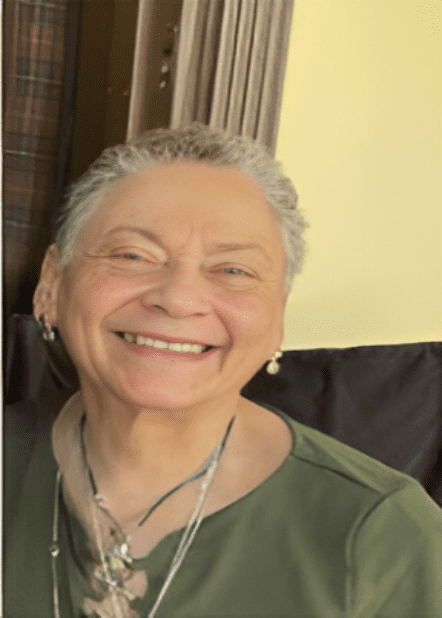
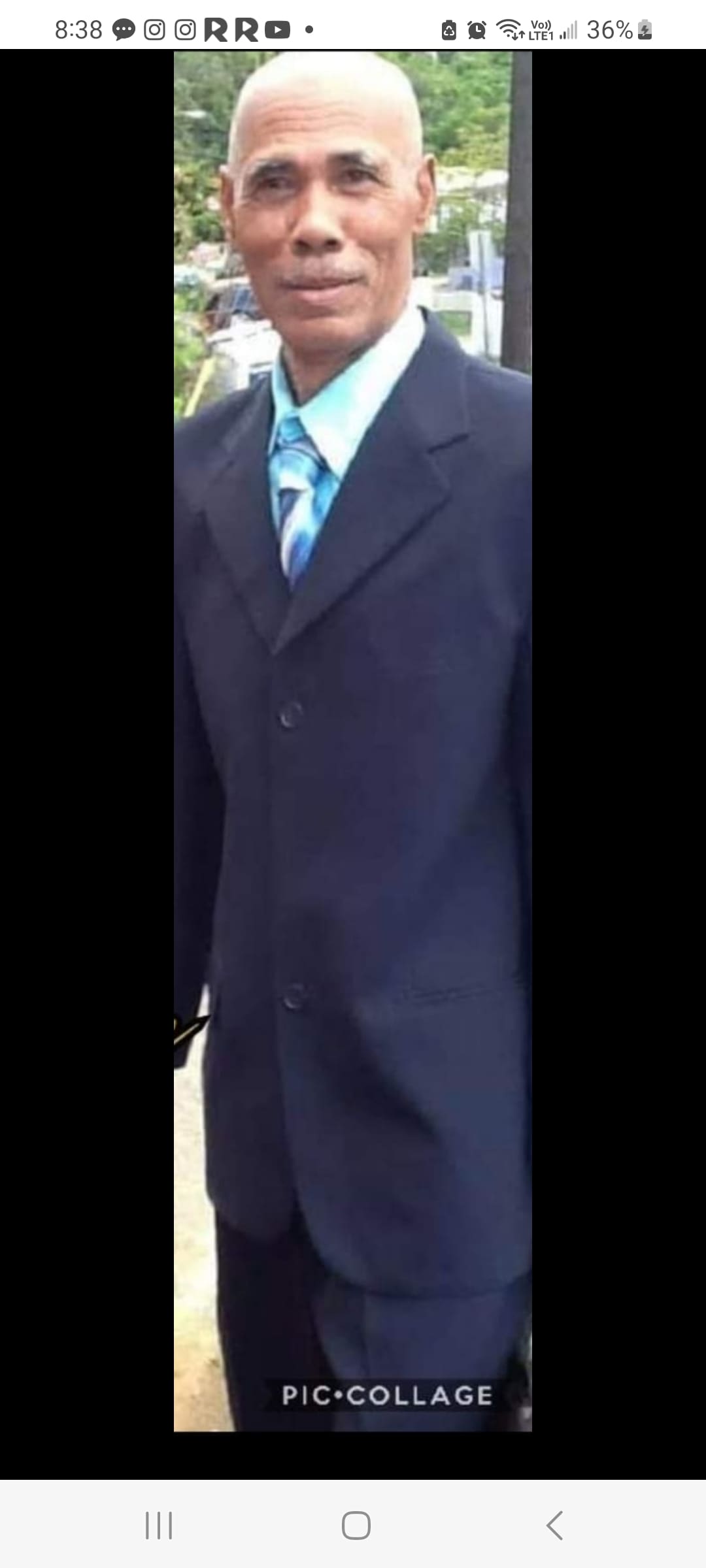
Mary Sankitts Gonzalez transitioned into eternal life on Jan. 25. She was 81 years old.Mary Sankitts Gonzalez
She was preceded in death by her spouse, Jorge Gonzalez; mother, Annicasia Sankitts; father, Antonio Sankitts; sisters, Ana S. Parilla, Josefina Delgado, Susana Sankitts; brothers, Antonio Sankitts, Trubusio Sankitts, Fautino Sankitts, Luka Sankitts; niece, Evelyn Sankitts; nephews, Manrique Sankitts, David Sankitts.
She is survived by her daughters, Yvette M. Diaz, Gina G. Johnson; sons, Jorge Gonzalez Jr., Gibeon A. Gonzalez; grandchildren, Richard Diaz Jr., Jemia L. Johnson, Leia M. Johnson, Rodel E. Johnson Jr.; brother John Sankitts Sr.; nieces, Sonia Delgado, Leticia Andujar, Edna Vega, Peggy Delgado Levinson, Naomi Sankitts Bingham, Gail Sankitts Savidis, nephews, Jose Delgado, Jorge Delgado, Ricardo Ruiz, David Delgado, John Sankitts Jr., Ulysses Sankitts, Edwin Sankitts, Ernesto Sankitts, Ezekiel Sankitts; son-in-law, Richard Diaz, Rodel E. Johnson; special friends, Ada Ruiz, Laverne Hodge; other precious close friends and family too numerous to mention.
Funeral service will be held on Feb. 13 at St. Ann’s Catholic Church (Barren Spot). Viewing and tributes starts 9/9:45am and service at 10am. Interment to be held at Kingshill Cemetery.
Professional services entrusted to James Memorial Funeral Home, Inc.
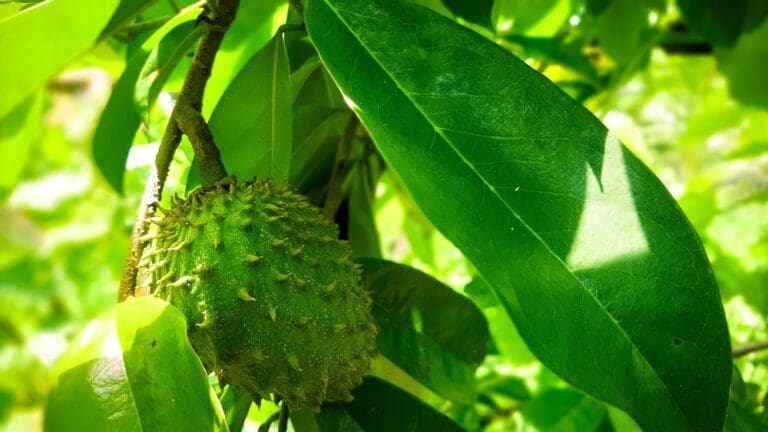
You could always find him there in the evening time, sitting on his stool, his back against the soursop tree, as if he gained strength from it. It was good to see him there, something certain: he seemed like our man of always and forever. Yes, it was always good to see Papa Boula. Boula was short for bamboula, because since he was a child — now approaching his eighth decade — he’d been known as a great drummer, a sentinel of heritage. As well as mastering ka and conga, life had touched him with wisdom.
Demonstrating the deep respect he generated amongst us, only those of his generation called him Boula; for the rest of us, it was Papa Boula, Papa B or Papa.
People would gather around him, sitting or laying on the grass or mats. And there was always a cup of soursop for everyone; he never seemed to run out of it. Of course, others would make contributions, bringing lime, cinnamon, honey, sugar or milk: or ice.
One time, while sitting here on St. Thomas, around the Soursop Shrine, he took us to Burkina Faso. Some had not heard of it, so he explained that it was the country directly north of Ghana; that the biggest film festival in Africa takes place in that country, every two years, in the capital called Ouagadougou. He told us of the Golden Stallion, as every Hollywood director, wants to win the Oscar. He took us to Burkina Faso, because of the calabash, known here as squash. You see, we’d been talking about an upcoming concert in Charlotte Amalie, featuring Stanley and the Ten Sleepless Knights. Anyway, amongst the Mossi — some say Moose — there is a sacred drum called Bendre; the player of the drum, lauded by his fellow musicians, carries that name also. They take a large calabash, cut the top off, covering it with goatskin. Traditionally, it was only played on special occasions, when the chief had given permission. Like the jali of the Mandinka, or others who come under the generic title of griot, the bendre is genealogist and historian, as well as storyteller.
And as we have learnt and laughed with Anansi, so the Mossi have done the same with Mba Soambe, the hare: another alumni of the trickster academy. That evening became known as the Calabash Workshop; all from talking about the squash of quelbe
Sometimes, no one would want to leave the presence of Papa Boula. There was always knowledge to be shared, digested with the soursop juice; and there was always gentleness there also.
— Due to the dearth of provision in Oxford, England, in 2009, Natty Mark Samuels set up African School, offering African Studies to the general public. Teaching has taken place in a wide range of settings; schools, community projects, museums, colleges, youth clubs, universities, libraries, carnivals and botanical gardens. It has a specialism in African and Caribbean folklore. He is the founder of Rootical Folklore and Birago Day: African and Caribbean Folklore Day. He wrote the Encyclopedia of Rootical Folklore and The Birago Diop Trilogy.
Lloyd Elridge Isaac died Jan. 10 at the age of 70.
Lloyd Elridge Isaac
Viewing will be Friday, Feb. 7 at Turnbull Funeral Home from 4 p.m. to 6 p.m. A service at Faith Westleyan Church will be held Saturday, Feb. 8 from 9 a.m. to 10 a.m. with interment Western Cemetery #2 to follow.
He was preceded in death by his mother and father, Winifred Isaac and Charles Twells.
He is survived by his sons, Dwight Isaac and Dwayne Isaac; his grandchildren, Iori Isaac, Kya Isaac, Cherrice Richardson, and Tyrese Richardson; his sisters, Vancellyn Isaac, Darlene Thomas, and Vanetta Parquite; his brothersVernon Aubrey Isaac, Aurthurlyn Isaac, Vernon Twells, Errol Edmeade, Lawerence Twells, Dennis Twells, Trevor Twells, and Charles Twells Jr.; his daughter and son in law, Anita Isaac and Tyler Isaac; his nephews, Venon Isaac Jr, Vance Isaac; his nieces, Alison Isaac and Vanessa Isaac; his cousins, Dora Isaac, Sylvie Isaac, Orville Isaac and many others. Special friends include Patricia Maynard, Georgiana and Philmore Woodley, Donna Kline, Karen Kline, Cheryl Kline, Winston Gardner, Arnold Rouse many others.
Funeral arrangement by Turnbull’s Funeral Home and Crematory Services
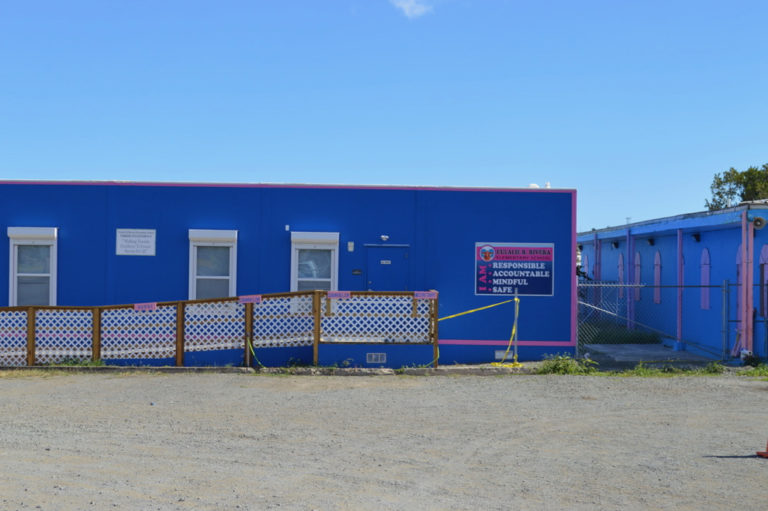
Virgin Islands Police Department officers responded Monday to a burglary at Eulalie Rivera K-8 School on St. Croix, where kitchen appliances were stolen from the cafeteria, which is undergoing renovations.
The theft is believed to have occurred between 8:30 p.m. on Sunday and 4:50 p.m. on Monday. Stolen items include a stainless steel ice machine, a Ridge brand tile cutter, two commercial-grade six-burner ovens, an orange and silver electric drill, and a commercial hood with double ventilation, according to the police report.
“This is another setback for the school, which has been without a cafeteria since Hurricane Maria,” said Principal Loretta Moorhead. “Many students and parents rely on the breakfast and lunch provided here.”
The Virgin Islands Police Department urges anyone with information to contact 911, call 340-778-2211, or contact Crime Stoppers VI at 800-222-8477 (TIPS).
Anyone with information may also call the Education Department’s Compliance Line. The anonymous helpline operates through an outside company that is staffed by trained professionals for students, employees, or anyone to report any wrongdoing or concerns to include: theft, child abuse, bullying, campus threats, fraud etc. The line is available 24 hours a day, seven days a week, safely, and is confidential. Call or text the word report to 1-800-403-2461 or visit videcomplianceline.com.
“You can remain anonymous. If you know something, say something,” the department said in a release announcing the hotline contact information.
Friends of Virgin Islands National Park has opened registration for the 22nd Joe Kessler’s Beach To Beach Power Swim which takes place on Sunday, May 25. One of the most beautiful swims in the world, the Power Swim is on the list of theWorld’s Top 100 Open Water Swimsand theWorld’s Top 100 Island Swims.
Every Memorial Day weekend, hundreds of swimmers take to the azure waters of Virgin Islands National Park on St. John to raise funds for kids’ swim programs, marine conservation, education outreach and more! Last year the 365 registered swimmers aged 6 to 81 years old came from near and far.Participants choose their distance starting at Maho Bay beach and swimming to Cinnamon Bay, Trunk Bay, or, the full 3.5 miles, to Hawksnest Bay. In 2024, St. Croix’s Kaeden Gleason set a new record finishing the unassisted long course from Maho to Hawksnest in 1 hour, 9 minutes and 26 seconds. The top female finisher for the third straight year, was Lindsay Barr from St. Thomas who finished in 1:23:04 and was third overall.
As much a community event as a swimming race, the event was renamed Joe Kessler’s Beach To Beach Power Swim last year in recognition of its founder, Joe Kessler. A former Director of Friends of Virgin Islands National Park, Joe passed away alongside his wife, Cristina in an accident shortly before the 2024 race.
Every year, a creative member of our community designs the event logo. The 2025 event logo was designed by avid swimmer and Friends’ supporter, Kate Nesbitt. A synchronized swimming Olympian, Kate swims alongside her young daughters. In addition, the family businesses of Salty Daze Charters and Dazey Drive In are sponsors.
Registration for the 2025 event can be found on the Friends of Virgin Islands National Park’s website at www.friendsvinp.org.Space is limited and registration will close on Wednesday, May 21 or when capacity has been reached. Registration for this popular event often closes in April.
This event is made possible thanks to the local business community and sponsors. Anyone interested in sponsoring the 2025 race should contact Jennifer Stone at jstone@friendsvinp.org or (340) 779-4940.