




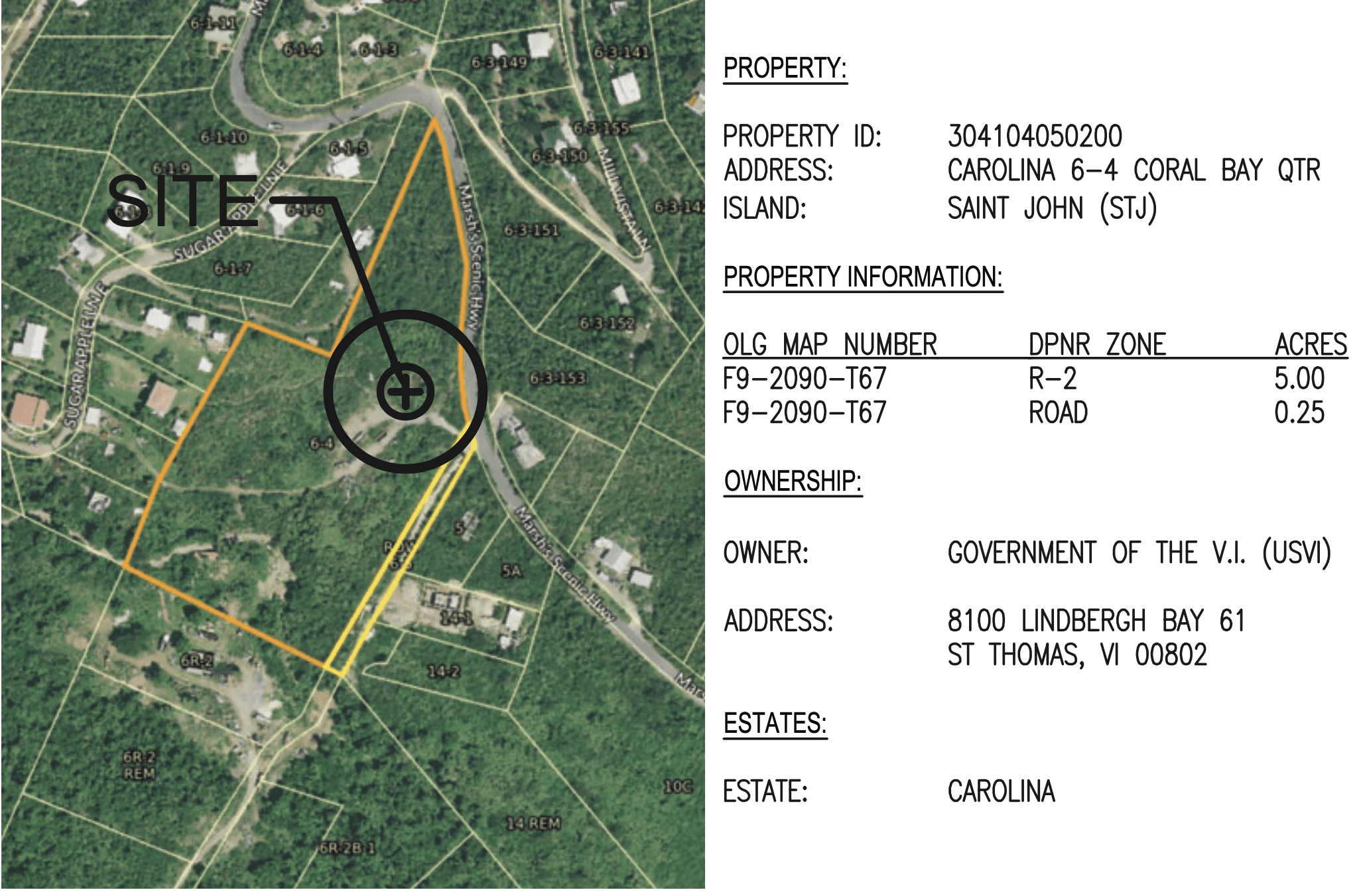
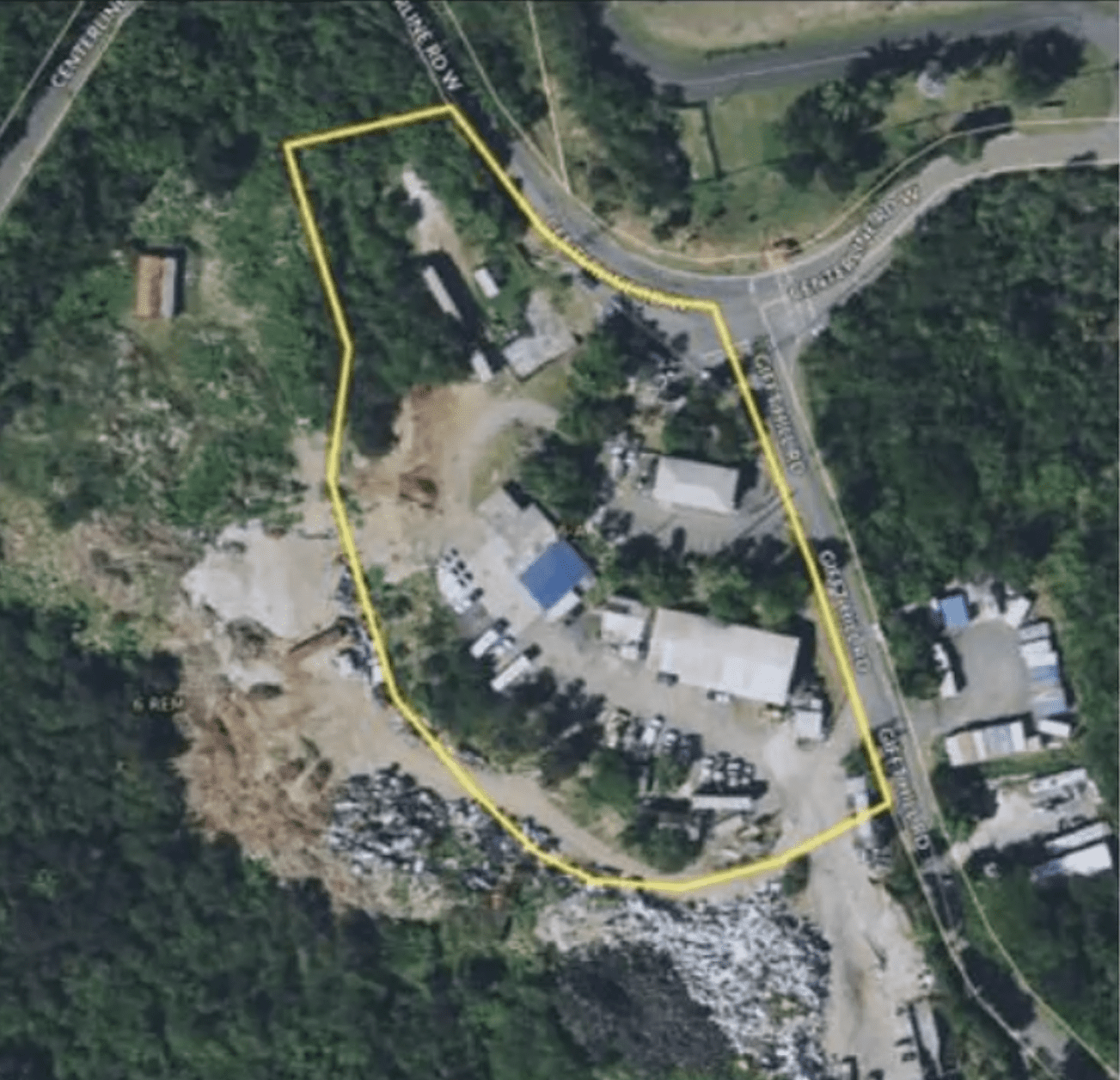

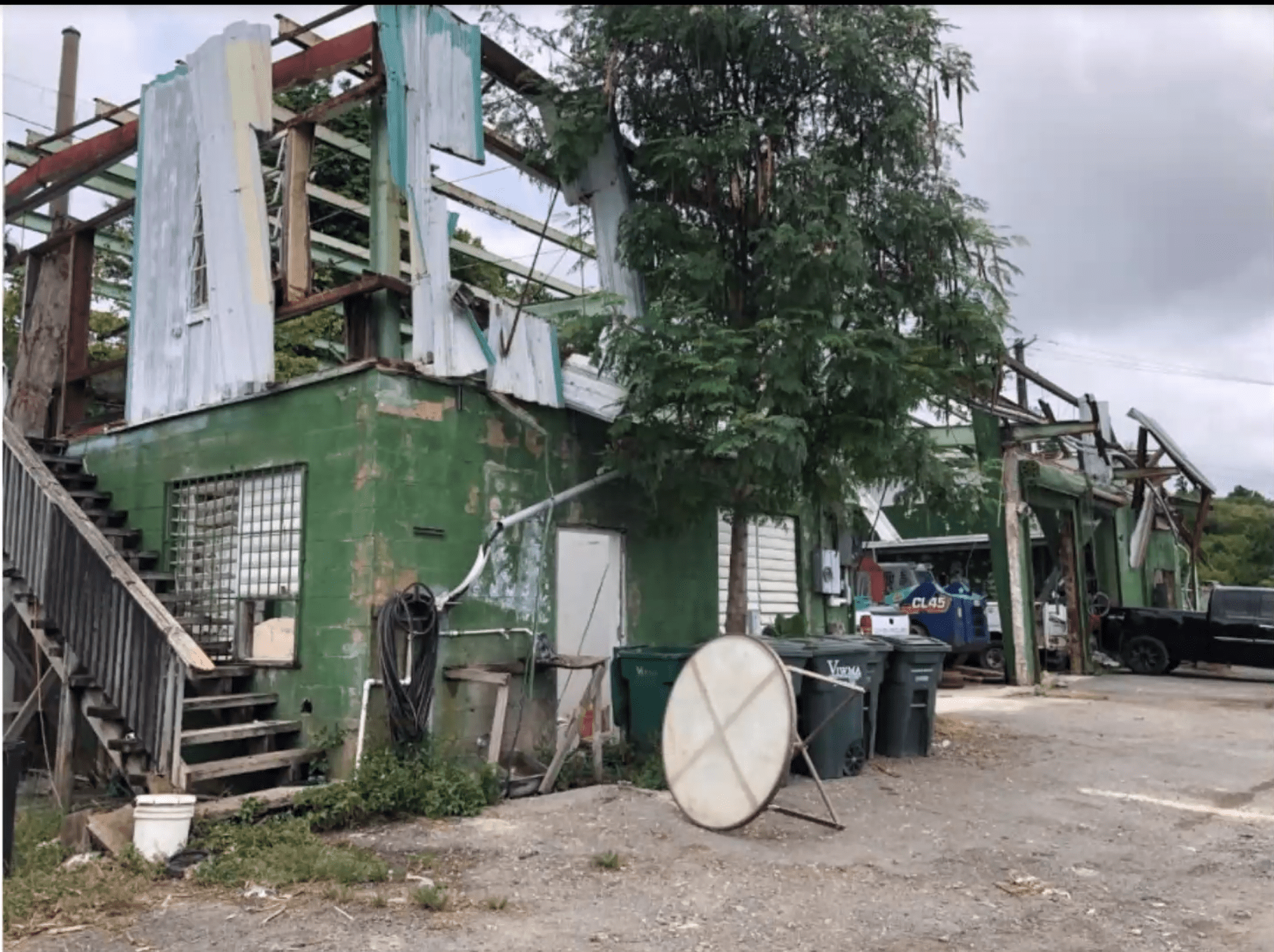


For further details on the DPW project, follow this link: https://dpnr.vi.gov/coastal-zone-management/what-we-do/federal-consistency/
All public comments should be sent to CZM Director Hibbert (marlon.hibbert@dpnr.vi.gov) by Nov. 21.

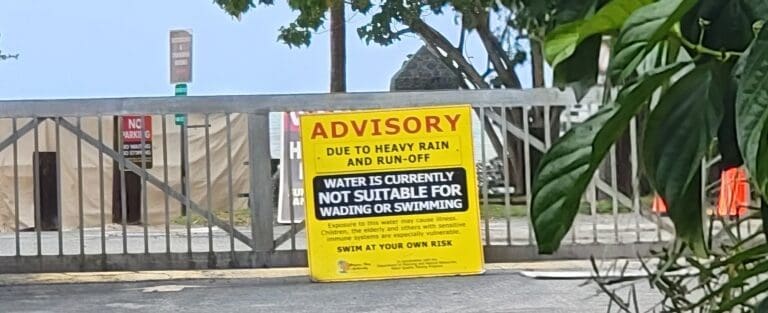
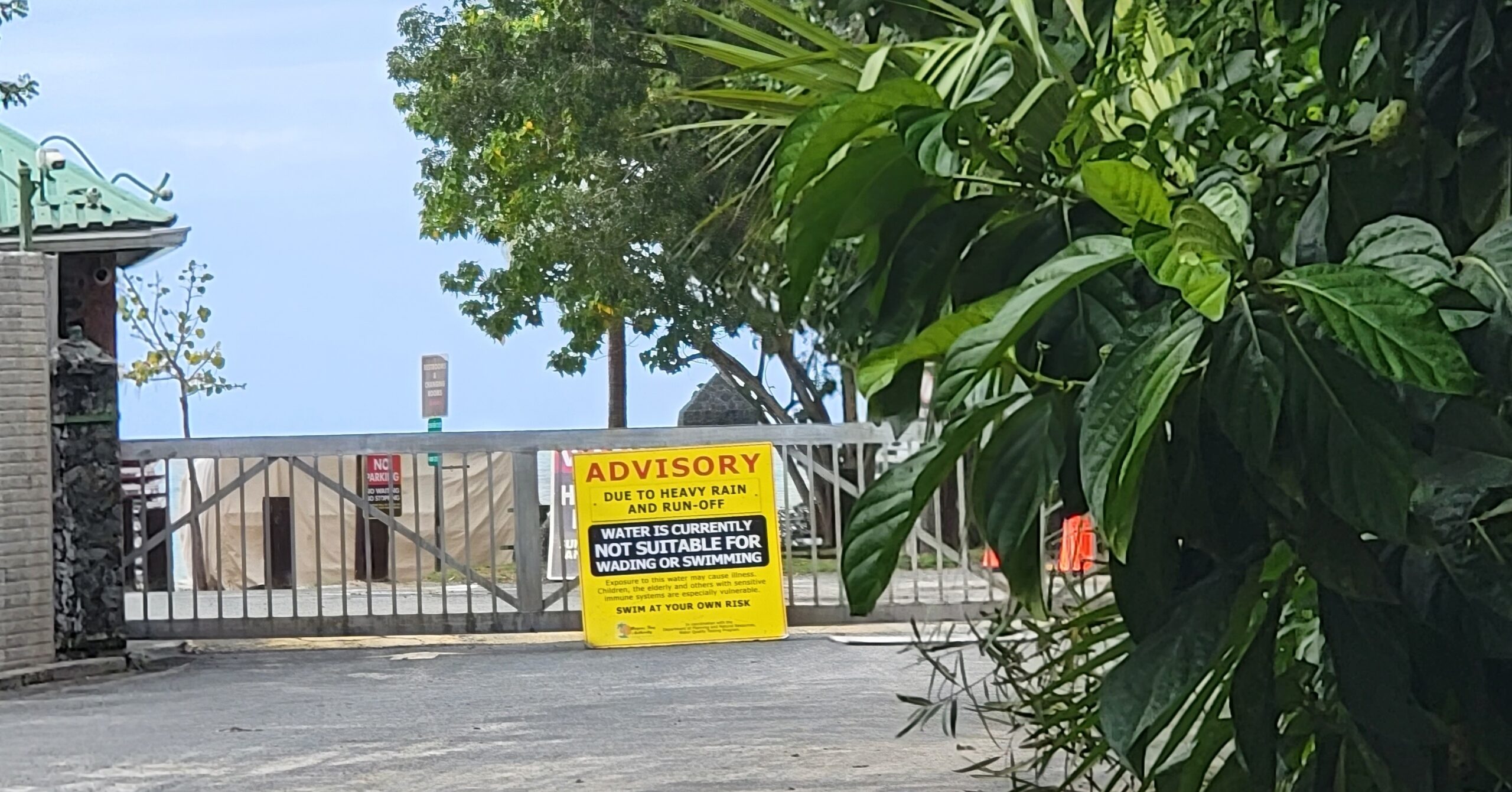
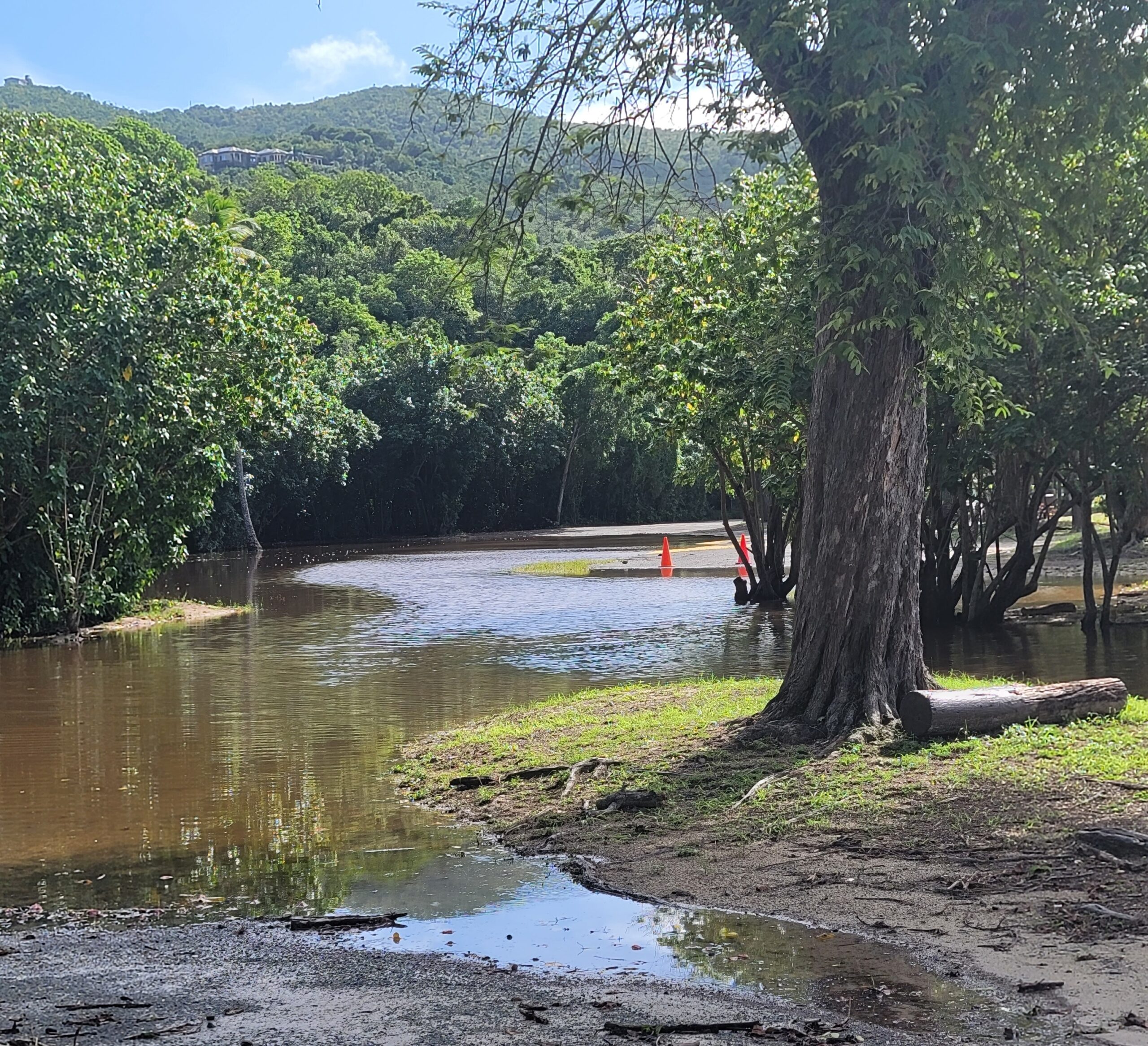
After more than a week of heavy rain, Magens Bay Beach on St. Thomas remained closed Friday amid flooding and hazardous sea conditions.
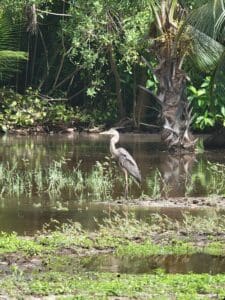
The authority first announced the closure on Monday along with a “Red Flag Status” — signaling that rough conditions such as strong surf and/or currents are present. While the gate is closed to vehicles, walkers are still allowed but not encouraged, it said.
According to the National Weather Service in San Juan, Puerto Rico on Friday, hazardous sea conditions and showers are expected to persist over the next few days. Follow the Source Weather Page for updated information.
“It is crucial to emphasize that swimming at these beaches is also discouraged, since lifeguard assistance will not be available and water testing is currently in process. The Magens Bay Authority further advises that persons that disregard this notice and enter the water, do so at their own risk,” the notice said.
“Rest assured, the Magens Bay Authority is committed to reopening the beach quickly, however the well-being and safety of all beachgoers and staff of the MBA is our priority,” it said.
For more information, call 340-777-6300, email info@magensbayauthority.org or visit www.magensbayauthority.org.


Gloria Esther Encarnacion Gawrych, age 77, of St. Croix, passed away on October 7, 2024. Her final days were spent peacefully, surrounded by family, in Vermont. She spent her entire career with the USVI Department of Education and all her free time in her garden. Gloria was a devoted wife, mother and grandmother; she will be greatly missed by all who knew her.
She is predeceased by her parents (Andres Encarnacion & Delia Brandt Brodhurst Encarnacion), her husband (Len Gawrych) and siblings (Maria LaMotta, Jose Alberto, Miguel, Pedro “Pedrito” Encarnacion & Herbert Brodhurst). She is survived by siblings: Luis “Bullfoot” Encarnacion, Corrine Brodhurst, Linda Radix (Paul), Maria Hector (Darwin) and Ana Flores (Enrique), her daughter and son-in-law (Margaret “Meg” & Derek Hathaway), four grandchildren (Molly, Lionel, Cassia & Katherine Hathaway) and numerous nieces and nephews.
A memorial service will be held at Lord God of Sabaoth Lutheran Church, Christiansted, St. Croix, on Thursday, November 21, 2024, at 10:00 a.m.
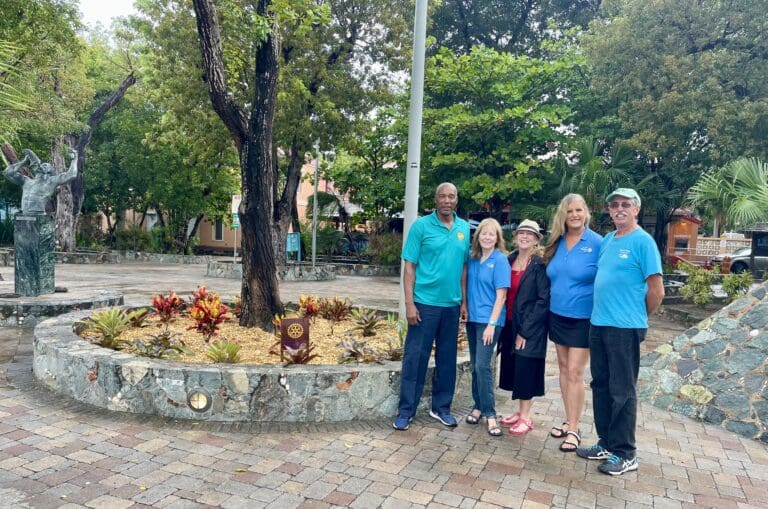

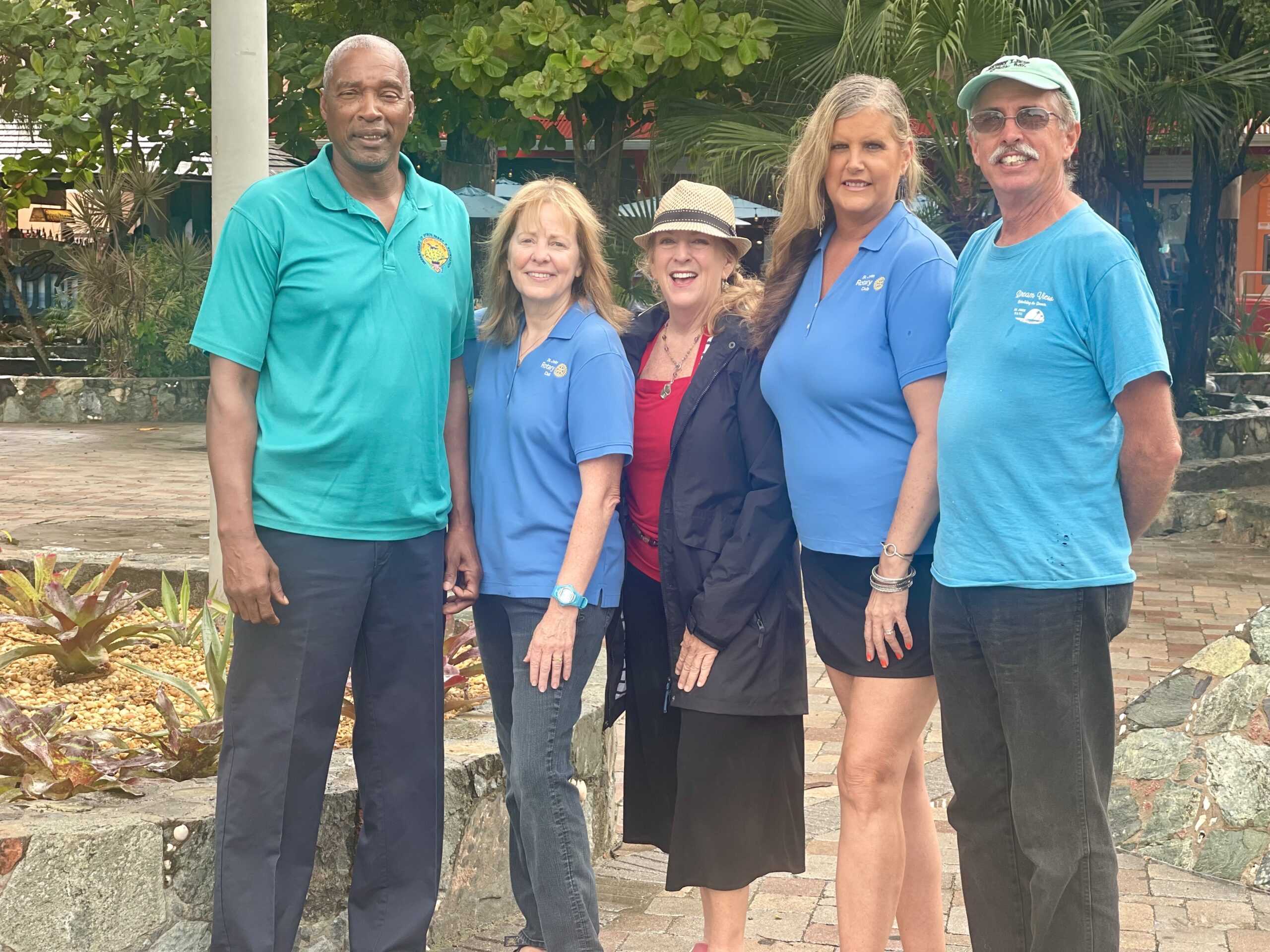
The Rotary Club of St. John has officially unveiled a newly completed planter in Franklin A. Powell Sr. Park, a project made possible through a partnership with Elroy Hill, St. John deputy director of the Sports, Parks, and Recreation Department. This initiative aims to enhance the park’s entrance with sustainable landscaping, offering a beautiful and inviting space for residents and visitors.
Project Details:
1. Location: The designated planter is situated at the park’s front edge, conveniently
located as you exit the ferry terminal.
2. Design and Maintenance: Alfredo’s Landscaping designed the planter and
recommended a routine maintenance plan to ensure the planter’s longevity.
3. Maintenance: The Rotary Club of St. John members will provide ongoing
maintenance, including plant care, trash removal, and general upkeep.
Beautification of the Park:
During the event to formally present the planter to the Sports, Parks, and Recreation Department, Hill expressed his appreciation to the Rotary Club of St John, and he welcomed other organizations and businesses to adopt more planters in the park. Hill and Jennifer Stone, president of the Rotary Club of St. John, agreed to work together to see if there was further interest in adoption of planters by the community.
To be considered in this Beautification of the Park effort, please email Jennifer Stone at JenniferStoneSTJ@gmail.com or any member of the Rotary Club of St. John.
About the Rotary Club of St. John:
The Rotary Club of St. John is committed to supporting and enhancing the community through service projects, partnerships, and volunteer efforts, aligning with Rotary International’s mission to create lasting change in local communities and globally. With a motto of “Service Above Self,” Rotary unites people from all continents, cultures, and occupations to tackle pressing challenges, from health and education to environmental sustainability.
For those interested in making a positive impact, we invite you to connect with us by messaging us via our Facebook page for membership information or by attending our monthly meeting on the first Wednesday of each month at 8:30 a.m. at The Marketplace.

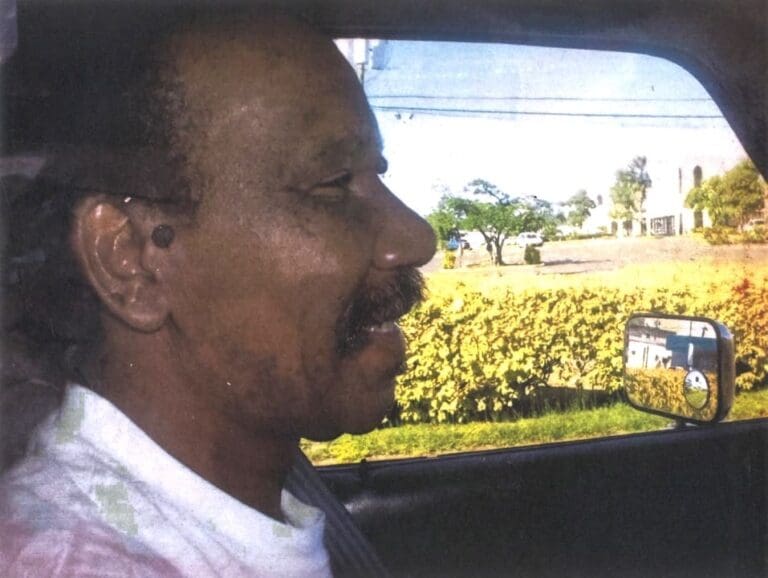
Douglas M. Williams, the son of Rupert and Evelyn Williams, died on Nov. 13.
He is survived by his wife, Gloria J. Williams, his sister Janet Williams-Lake and brother-in-law Edgar O. Lake. Douglas is survived by family and friends too numerous to mention.
A Memorial Service will be held at Holy Cross Episcopal Church (Estate Upper Love) at 9 a.m., on Tuesday, Nov. 19.
Funeral arrangements are entrusted to James Memorial Funeral Home, Inc. In lieu of flowers, donations should be made to the Queen Louise Home for Children (340) 772-0090.
Since 1999 the Virgin Islands Source – the only online newspaper of general circulation in the U.S. Virgin Islands – has been providing the community with reliable, accurate and balanced local journalism.
Contact us: visource@gmail.com
© 1999-2025 Virgin Islands Source


Op-Ed: Our National Bird and St. Croix’s Onetime Sugar Economy
I got to thinking the other day as I was conducting a hike that my audience didn’t know why the Yellow Breast became our territory bird. Nor did they know that we had native parrots, very large birds, but they are now extinct.
The Yellow Breast (Coereba flaveola) is called by many common names such as Bananaquit, Sugar Bird, etc., in the Virgin Islands. But why did we choose the Yellow Breast as our territory bird?
Believe me, St. Croix was not called the “Garden Spot of the West Indies or the Caribbean” or “The Garden Spot of the Antilles” for nothing due to it sugar history. A book titled “Stick From the Hawk Nest,” by our beloved late native naturalist George A. Seaman, mentions this about our territory bird: “In our case, the Yellow Breast was chosen because of its ubiquitous distribution, cheery and friendly disposition, and above all because of its historic association with the sugar economy of the Virgin Islands.”
Therefore, one can say from the first primitive animal mill in the colonial era of the Virgin Islands to when Estate Bethlehem Sugar Factory on St. Croix phased out sugar production in 1966, the Yellow Breast was part of the sugar industry of these islands. These birds used to fly into the sugar factories in the hundreds and eat the sugar. The bird got its name, like I mentioned before, by constantly entering the sugar factories, particularly the curing-houses at different sugar estates through the barred windows.
The managers and overseers of estates on St. Croix gave the birds a bad reputation for stealing sugar from the hogsheads. However, older Crucians believed it was the swarms of flies that attracted the Yellow Breast, which led them to the newly made muscovado. The birds were such a part of the Virgin Islands culture and history. It is for this reason one of the common names was Sugar Bird. They love sugar. On the other hand, the word Bananaquit derived from its yellow color and the English word quit, which refers to any bird of the order Passeriformes, which includes more than half of all bird species.
Nonetheless, the Yellow Breast has been identified with the making of sugar in the Virgin Islands. The bird is recognized by its short, strongly curved bill, black above with a dark gray throat, and bright yellow belly, thus the common name Yellow Breast. Other distinctive features include white eye stripes extending from the nostril to the nape.
Believe me, these birds are bold, noisy, and acrobatic. They are constantly in motion, flitting their wings as they feed in forests on flower nectar, insects, fruits, and spiders. They also are attracted to gardens and patios if you have sugar water feeders for them. At times, they might just invite themselves to the family sugar bowl in your house. By the way, they love to sing. Their singing has been described as “zee-e-e swees se tee.”
On May 6, 1970, the Virgin Islands Legislature passed Bill No. 4263 naming the Yellow Breast as our official bird. Now, what about our native parrot of the Virgin Islands? The Brown-Throated Parakeet, known on St. Thomas’ northwest side, particularly the Magens Bay area, is endemic to the U.S. Virgin Islands, also to some French West Indies Islands, and other countries in Central and South America. They are also known as St. Thomas Conure or Brown-Throated Conure.
However, the parrot that I am talking about is distinguished and only found on St. Croix. In the 1730s, Reimert Haagensen, a Danish planter of St. Croix, mentioned in his book, “Description of the Island of St. Croix in America in the West Indies,” parrots on St. Croix. In the countryside, Haagensen mentioned you can find both blue doves, the scaly-naped pigeon (Columba squamosa), and the Puerto Rican parrot (Amazona vittate).
“There are many parrots on the island. They are green in color and their nests are found in the forests by slaves, who sell them for two to three marks apiece. It is an easy matter to teach them to talk. Through found quite commonly on the island, they would be worth 100 Rdlr here,” noted Haagensen. Haagensen talked about when the grain ripened in the fields, how parrots appeared in large flocks to eat the grain. To protect the grain, managers and overseers of estates on St. Croix had enslaved Africans posted in the fields to save their corn crops from being eating by parrots.
Slaves in the grain fields on estates were armed with fowling pieces to keep the parrots away. This would continue daily until the crop was harvested from the fields. It is interesting to note that both the Yellow Breast and the parrots had a bad reputation of stealing sugar or eating grain crops. The sad note is that our native parrots became extinct due to extensive deforestation on St. Croix, especially old-growth forests, and the clearing of thousands of acres for agriculture, thus destroying habitats, particularly in the countryside of the island.
These native parrots were probably mostly green as Haagensen described them, although they could have a red band above their beak and blue on their head and wings. They might also have featherless rings around their eyes or white rings around their eyes. They could have been about 12 inches long, which is about the size of the parrot in Puerto Rico. The St. Croix parrot could have been a subspecies or related species to the Puerto Rican parrot.
The Puerto Rican parrot is now rare and an endangered species due to many factors, mainly human impact on the forest habitat of the island. According to historians, the island supported a parrot population of about 100,000 to 1 million at the end of the 15th century. In 1968, there were only two dozen individual birds in the wild. By 1994, the population of the parrot had risen to 36 birds and six breeding pairs.
Believe me, it is a struggle for scientists to increase the population of parrots in Puerto Rico. There is a lesson in all of this: protect the natural and cultural resources for a healthy economy of these islands.
— Olasee Davis is a bush professor who lectures and writes about the culture, history, ecology and environment of the Virgin Islands when he is not leading hiking tours of the wild places and spaces of St. Croix and beyond.