



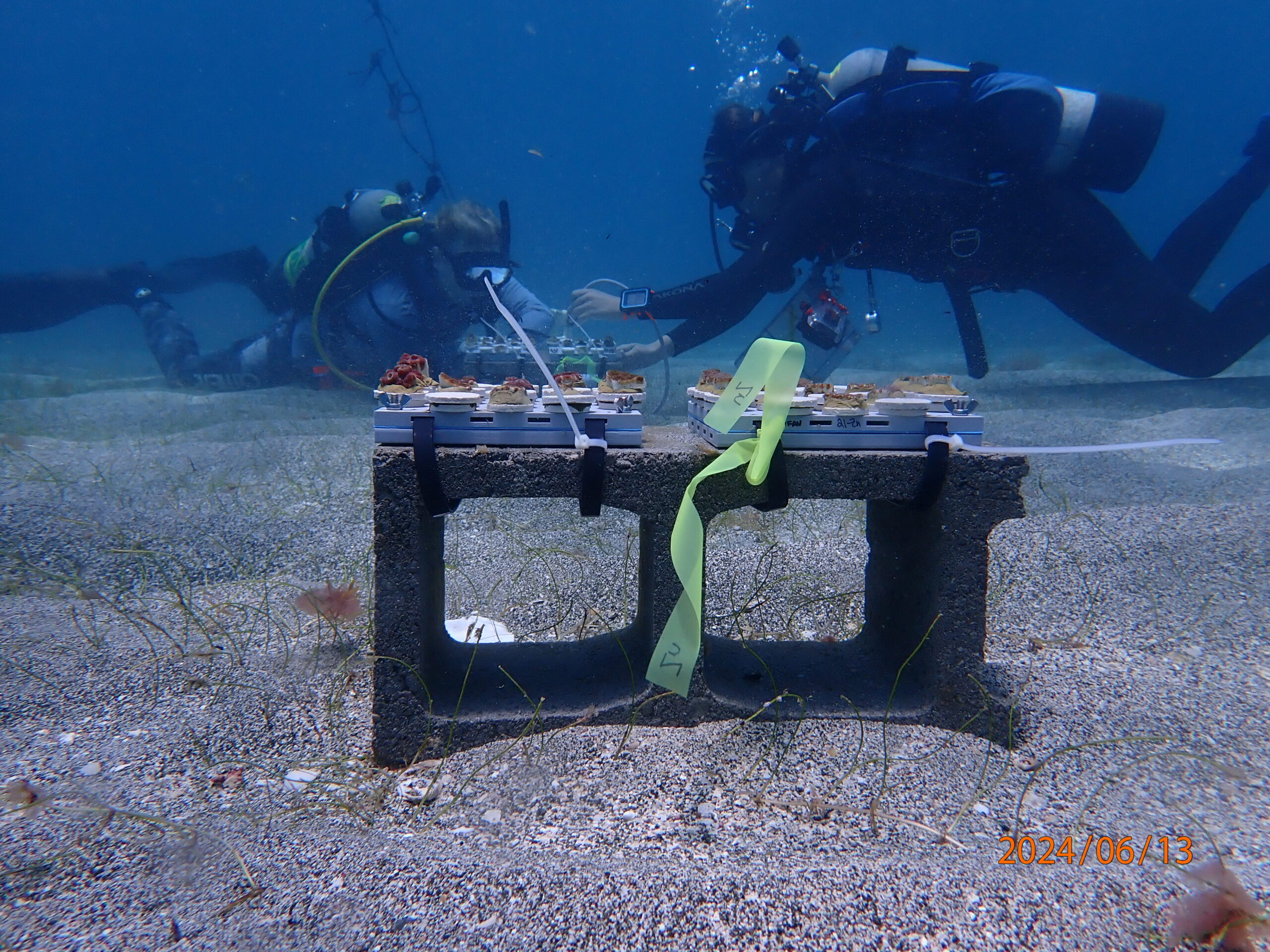
Could a multivitamin boost the health and resilience of coral reefs? Preliminary testing says “Yes,” the Woods Hole Oceanographic Institution announced.
Like humans, these critical ecosystems rely on nutrients in the surrounding environment. Researchers at Woods Hole Oceanographic Institution (WHOI) have been lab testing nutrient-infused tiles to determine whether they would boost the immune system of corals, helping them withstand stressors like warming ocean temperatures that lead to coral bleaching, and better recover from extreme climate events such as hurricanes, according to the press release.
“We are studying how corals react when grown on substrates that have been infused with essential metal micronutrients, like manganese, zinc, and iron,” explained Colleen Hansel, a senior scientist and marine chemist at WHOI. “The rapidly warming waters coupled with an active hurricane season has made it difficult to conduct field trials of our substrates. But preliminary data collected during more than a year of lab experiments shows that corals that had the early benefit of multivitamins were more resistant and resilient to heat stress.”
The team plans to embed these nutrient-infused tiles in the concrete structure of a 20 sq. meter (216 sq. ft.) artificial reef designed by experts at the University of the Virgin Islands. The structure will provide a solid foundation to plant juvenile corals and for coral larvae to settle on, while the tiles will disperse essential nutrients and vitamins into the surrounding waters for them to absorb, building their resilience toward environmental stressors, the press release stated.

“The artificial reef we’re building is going in next to a natural reef that has been severely impacted by marine heat waves and extreme storm events,” explained Marilyn Brandt, a coral disease ecologist at the University of the Virgin Islands. “The artificial reef will protect the shoreline from storm surge and erosion while providing habitat for corals struggling from climate change as we work toward restoring natural reefs in the area.”
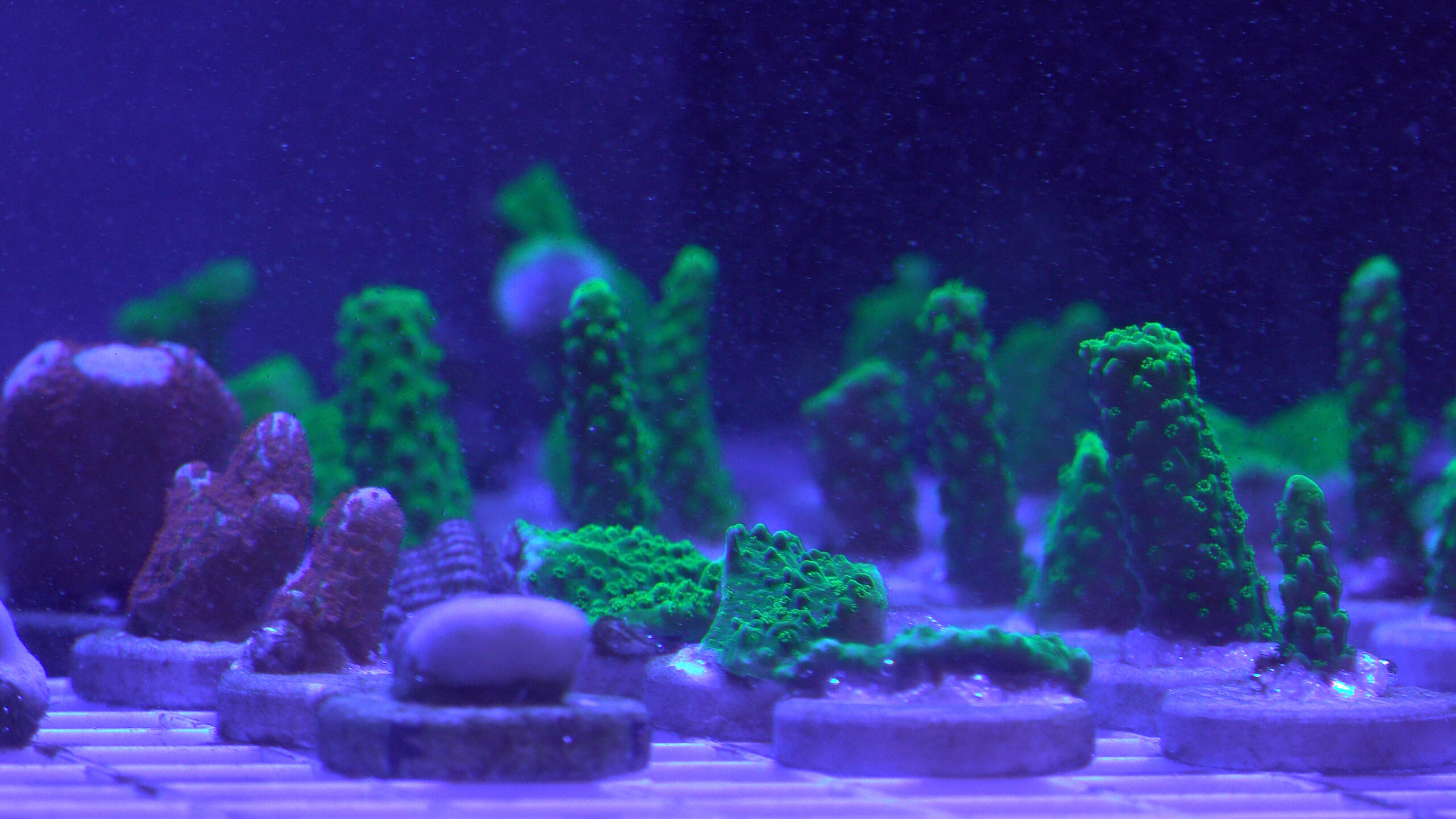
Field testing is still needed to ensure that additional environmental nutrients don’t cater to one specific type of coral or promote the growth of undesired or invasive species. Brandt, Hansel, and their colleagues hope utilizing these nutrient tiles, alongside an artificial reef structure, will create a diverse environment for reefs and species that rely on them, the release stated.
“It is important to create an ecologically sound, diverse coral reef,” Hansel continued. “We need to be sure an artificial reef looks and sounds as similar to a natural reef as possible. That doesn’t consist of just coral, but also sponges, anemones and other biogeochemical components of the reef ecosystem. These interactions and feedback are necessary to make the whole habitat healthy.”