



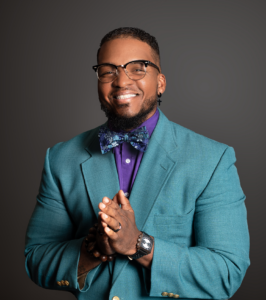
 In his biweekly column, Langley Shazor speaks to issues important to men within the territory.
Traditionally, these two terms have been reserved for the financial sector. An asset is something that increases in value or provides a residual return on the initial investment. On the contrary, a liability is something that has the potential to cost you; whether by devaluation, continued investment with a low or negative return, or simply being something that you can’t do anything with. We sometimes associate these terms with people as well, although often hear it in the financial context. Remember the whole table conversation and how we had to rethink that? This is the same opportunity. We are also going to offer some other attributes for consideration to the human existence for you to think about.
When it comes to people, their perceived value to you must be housed in how they make you feel foundational. Someone who is good to you is the starting place of qualifying that placement in your life. You should want to be around them, enjoy the conversations and interactions, and be building good memories together. The next item for consideration is if they are good for you. Do they support your goals? Do they hold you accountable? Do they help you find solutions to issues? Do they challenge you to be better while empowering you to take the next steps? We have become so wrapped up in someone’s net worth, their salary, credit score, and material possessions that we completely miss much more important aspects of human interaction. Those who enhance your life by their presence, actions, mindset, as well as contributions, are those humanistic assets that increase in value.
We cannot speak to one without speaking to the other. A person that would be considered a liability does more than spend money frivolously. This person lowers your vibrational frequency. They are condescending, rude, inconsiderate, manipulative. They do not take your feelings into account; they feel more important in the relationship. These types of people will push you to your absolute limit to elicit a response and then pretend to be surprised at the reaction. In more extreme circumstances, they will play victim to try and slander your name, ruin your reputation, or even attempt to have you arrested. This person is a threat to your freedom and your very existence. This relationship is draining, debilitating, and costing you everything. The definition of a liability in that context. This isn’t reserved to romantic relationships; plutonic, social, and professional are not immune to this type of behavior.

There is another aspect that we must explore when it comes to the concept of assets and liabilities: your habits. Everything from your daily routine to your entertainment choices, to your regular hobbies and interests, to even your self-perception must be evaluated. We do not like to admit that we are often our own worst enemy. Accountability is also realizing that some of what we have endured and recovered from was our doing. It is also understanding that we are faced with the opportunity to change the now and, ultimately, the future.
Asset management, when it comes to us, is a fancy way of saying growing up, maturing, or developing. Philosopher Rene Descartes famously said, “I think, therefore I am”. This phrase is deeper than simply the recognition of being sentient, having the capacity to think critically, creatively, and abstractly. It also implies that what you think influences who you are. The Bible says in Matthew 12:34, “…for the mouth speaks what the heart is full of”. What is significant about this is that the heart gets filled with thoughts. Those thoughts are assets when they are propelling us to become better. Positive thoughts create positive attitudes, behaviors, and outcomes. It all starts with you. I understand that sometimes, things will happen that can throw you off. However, you can still take those thoughts captive and redirect the energy. I have had to learn to do this myself, take a moment to breathe (quite literally), assess whether my reaction (not my feelings) is warranted, and calm down so I can think clearly. I have spoken about verbal affirmations frequently, because I know they work. So, whatever you need to tell yourself to turn “that frown upside down,” you do it, and as often as you need to.
Habits also include the places you frequent as well as how that fits into your overall routine. This is a priority evaluation. Your routine can set the tone for your day and your plans, as well as keep you bound to poor decisions. If you lack structure in your day, start there. Healthy habits are a foundation to creating a high quality of life. As mentioned, I believe that creating a routine/schedule will assist in turning poor practices into value-added activities. Practice creates habits and habits create culture, the culture then becomes part of your character. This is part of the change in thinking to transform how you perceive yourself and the world around you. If there are specific venues that keep you from the pursuit of the best version of yourself, they are liabilities. Change where you go as often as you need to change who you are surrounded by.
I would like to recommend a book that is an easy read, and I think anyone who reads this column, follows me on social media, or is trying to take steps toward betterment can benefit from. “As a Man Thinketh” by James Allen is short but profound. Originally published in 1903, this self-help book lays the foundation of the introduction to the power of thought and how it affects every part of our lives. This can be found on eBay, Amazon, Barnes & Noble, and Books-a-Million, just to name a few. If you read it, reach out to me. I would love to have a discussion and hear your thoughts.
Langley “Casual-Word” Shazor is a poet, author, publisher, entrepreneur, public speaking coach, podcast host, and pastor who is an advocate for youth and men. His goal is to enlighten, empower, and liberate those who are silenced, marginalized, and enslaved to self-destructive thoughts and behaviors.
Visit thecasualword.com.
Editor’s Note: Opinion articles do not represent the views of the Virgin Islands Source newsroom and are the sole expressed opinion of the writer. Submissions can be made to visource@gmail.com.