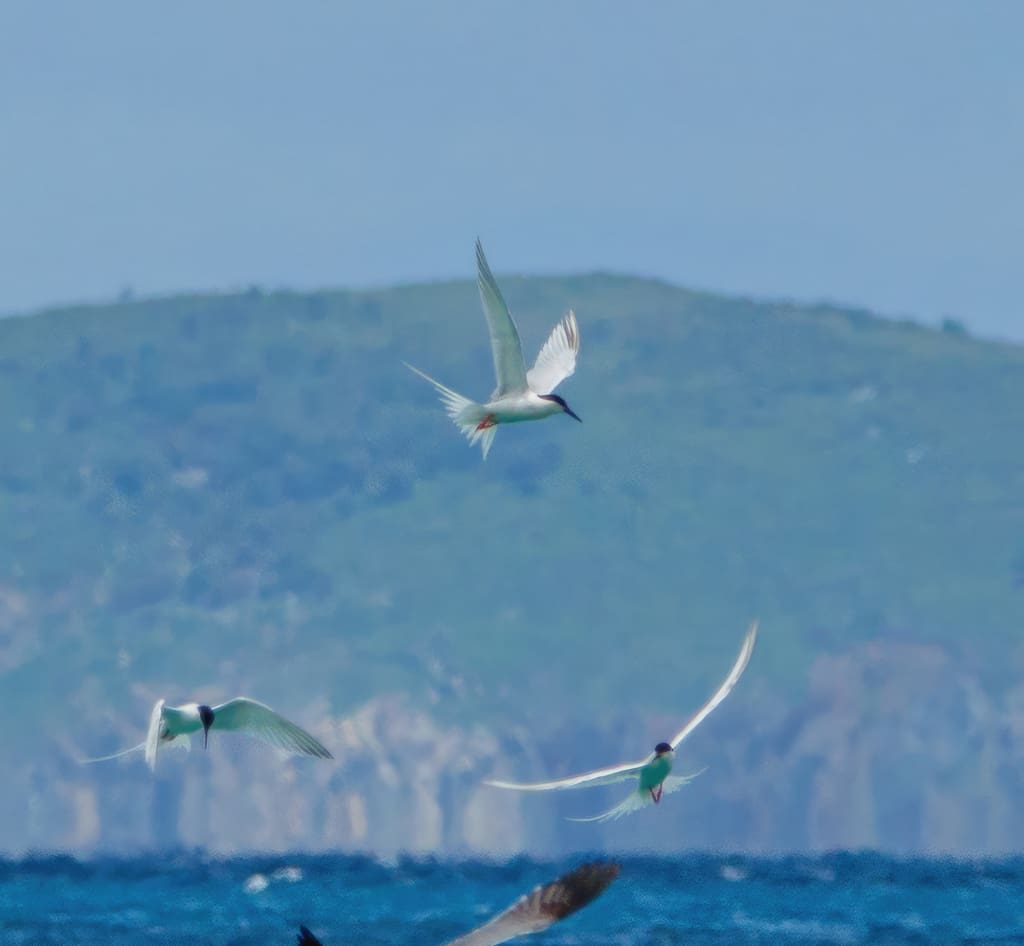
The Department of Planning and Natural Resources recently issued a public reminder that recreational bird hunting is prohibited in the U.S. Virgin Islands.
The DPNR emphasized in a recent press release that no hunting permits will be issued for species such as pigeons, doves, ducks, plovers, hawks, and thrushes.
The collection or possession of eggs from booby and parakeet species is also forbidden. Violations may result in fines or other enforcement actions under territorial and federal law.
These rules reflect long-standing territorial policy and are consistent with the federal Migratory Bird Treaty Act of 1918 — a landmark law that makes it illegal to hunt, capture, or possess migratory birds without a permit.

The act currently protects more than 1,000 species across the United States and its territories, including those native to the Caribbean, and was created to safeguard species that travel and migrate across international borders, ensuring their survival through coordinated protections.
“Nearly 10 percent of all migratory nongame birds that are likely to become endangered reside in the USVI for at least part of the year,” said Nicole Angeli, director of the Division of Fish and Wildlife for the DPNR. “More than 150 other species of bird are known to reside in the territory full-time or for part of their lives. These new protections ensure that birds are protected where they nest, forage, and roost in the USVI so that they continue to thrive.”
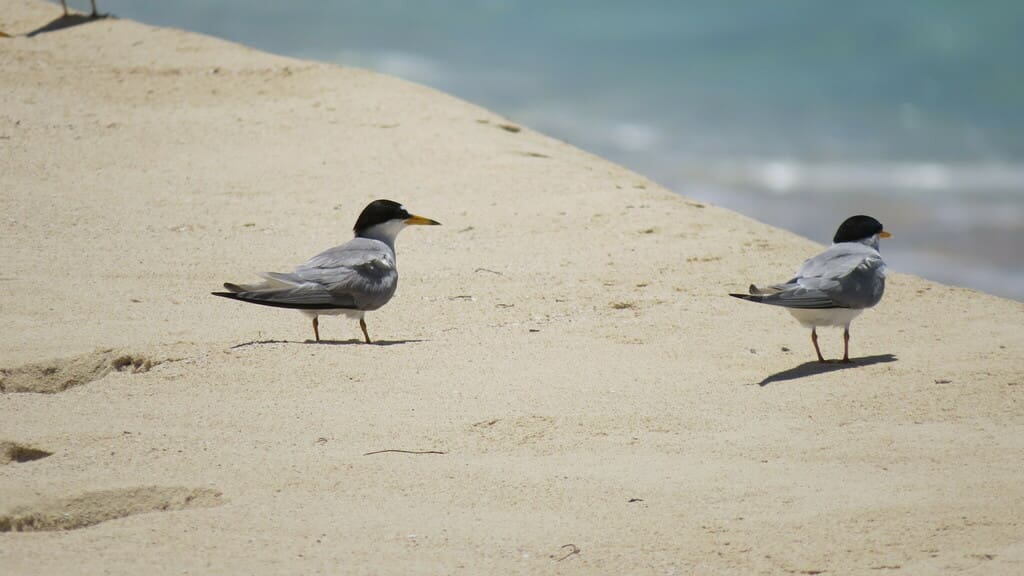
DPNR officials noted that the rules are not new but serve as a seasonal reminder, particularly during times when residents might mistakenly assume hunting is allowed. The agency has observed increased public inquiries during summer months, when certain species are more visible and active.
The Virgin Islands’ rich biodiversity makes these protections especially important. The territory is home to several native species and serves as a key migratory stopover for birds traveling between continents.
Local Virgin Island habitats support nesting, feeding, and resting for a wide range of avian life. Many of these ecosystems are under pressure from development, pollution, and climate change, making regulatory protections even more vital.
Under current territorial guidelines, DPNR only issues wildlife permits for research, culling, or nuisance control — not for recreational hunting. Officials say this policy underscores their commitment to conservation and ensures territorial laws align with federal standards.
For more information on DPNR permits and applications, click here.