


On Friday, lawmakers met with Fire and Emergency Medical Services leaders to address paramedic shortages, overtime, aging stations, FEMA projects, and plans for a revenue-generating Emergency Medical Services billing system.
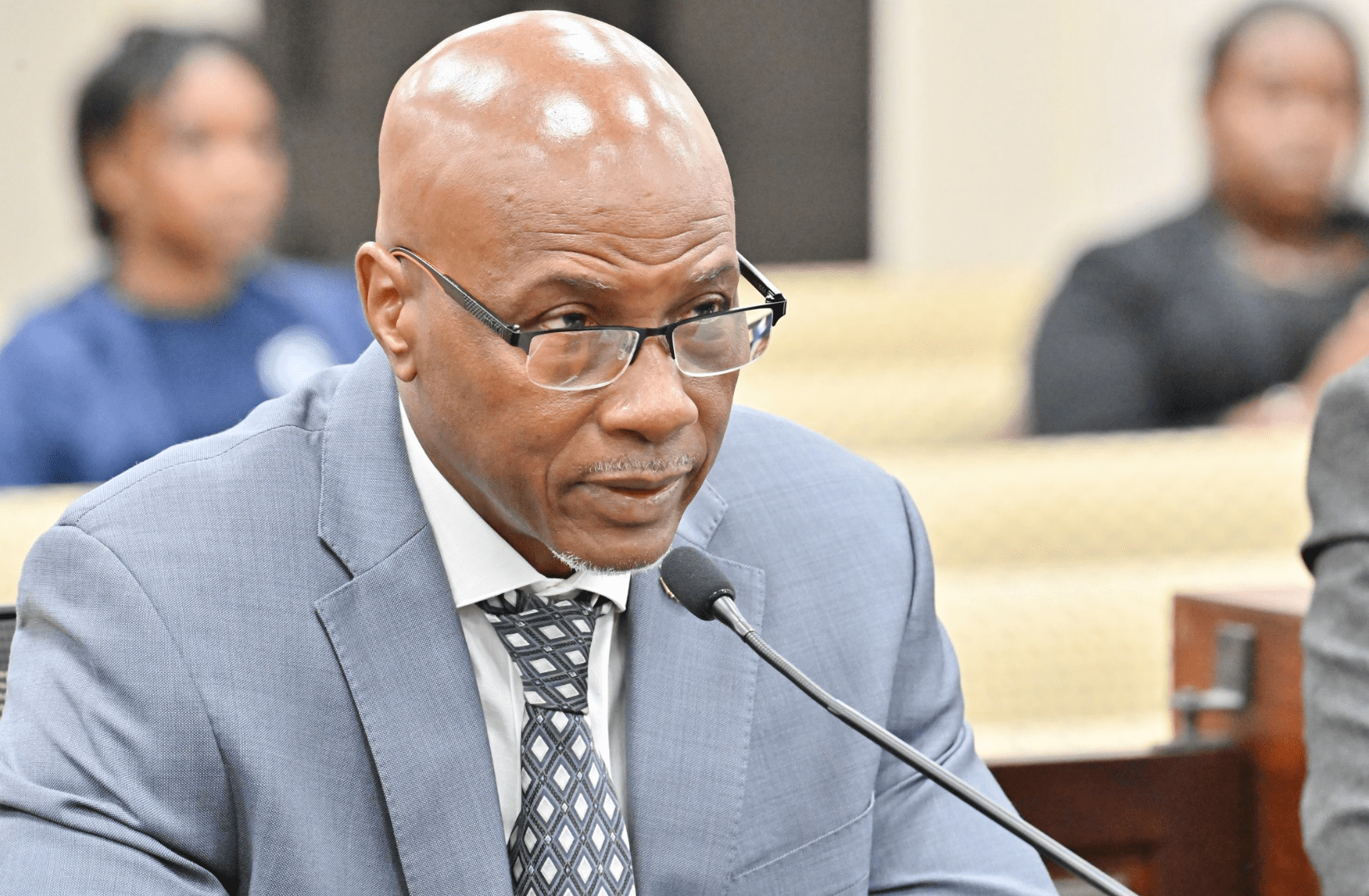
Virgin Islands Fire and Emergency Medical Services Director Antonio Stevens told the Senate Homeland Security, Public Safety and Justice Committee that four stations are barely serviceable, even as the agency struggles to staff them with enough paramedics to meet demand.
“All those facilities are currently operational. Put it bluntly, they’re holding on by a thread,” Stevens said of four firehouses awaiting FEMA-funded reconstruction. On staffing, he said the territory has only 10 paramedics between St. Croix, St. Thomas, and St. John and needs at least 16. “We still need at least six more.”
Stevens said recent hires have helped slightly, with supervisors still covering shifts. “Hiring two paramedics did assist. It helped us out significantly. But that’s just a drop in the bucket right now,” he said. He noted the agency is training existing firefighters as EMTs and building a paramedic pipeline to meet future needs. Human Resources and Payroll Director Barbara Williams‑Brown told senators that retirements and other separations have cut into hiring gains

Lawmakers also pressed about aging, storm‑vulnerable stations. Stevens said the station in Cotton Valley could not remain open during a Category 1 storm or higher. On broader FEMA projects, he added, “Every week we continue to meet, and every week we continue to move forward … It is a process.”
FEMS is preparing for a financial shift once it can bill directly for ambulance service instead of having billing handled by the Health Department. Assistant Director of EMS Lisle Evelyn Jr. said the agency recently secured its own federal tax ID and lockbox and expects the system to go live soon. “Once the EMS billing comes online, we are projecting possibly between $2.5 and $3 million a year,” they said, adding that officials hope to launch it later this month or early March.
Training and operational readiness were also highlighted. FEMS officials described weekly in-station drills and territory-wide training covering wildland, extrication, live fire, and hazmat operations. Senators urged the territorial training coordinator to attend live incidents more frequently to ensure field tactics match training. Equipment readiness remains a concern: ladder trucks require constant attention due to hydraulic leaks, and bay doors on some St. Croix stations only function manually.
Senators focused on firefighter safety, highlighting concerns about aging protective equipment. Many veteran personnel in the St. Thomas–St. John district still use turnout gear, the specialized clothing firefighters wear to protect against heat, flames, and hazardous materials, that exceeds the 10-year lifespan recommended by the National Fire Protection Association, a U.S.-based organization that sets safety and performance standards for fire equipment and procedures. Gear beyond this age can lose its protective qualities and may contain chemicals linked to increased cancer risk.
FEMS has secured an Assistance to Firefighters Grant to replace self-contained breathing apparatus and plans to target the next grant cycle toward new bunker coats and pants. Officials said stations are equipped with specialized washing machines to clean gear after fires and that the department is working to bring all protective equipment in line with current NFPA standards.
Senators argued that once direct EMS billing is fully online, ambulance revenues should be structured to cover medications, supplies, and fleet upkeep, rather than leaving crews short of the tools they need in the field.
When asked about filling the fire marshal vacancy, Stevens cited a shortage of captains. Sen. Novelle Francis Jr. suggested temporarily elevating a lieutenant under the collective bargaining agreement to fill the role.