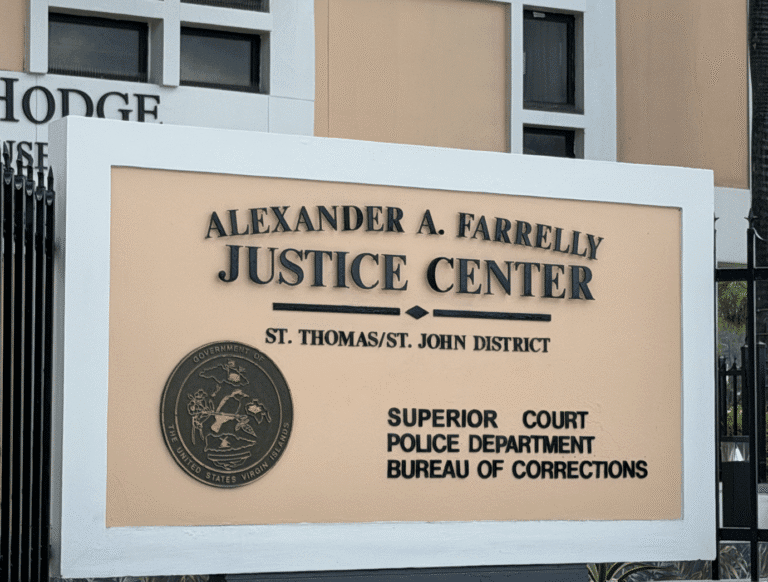
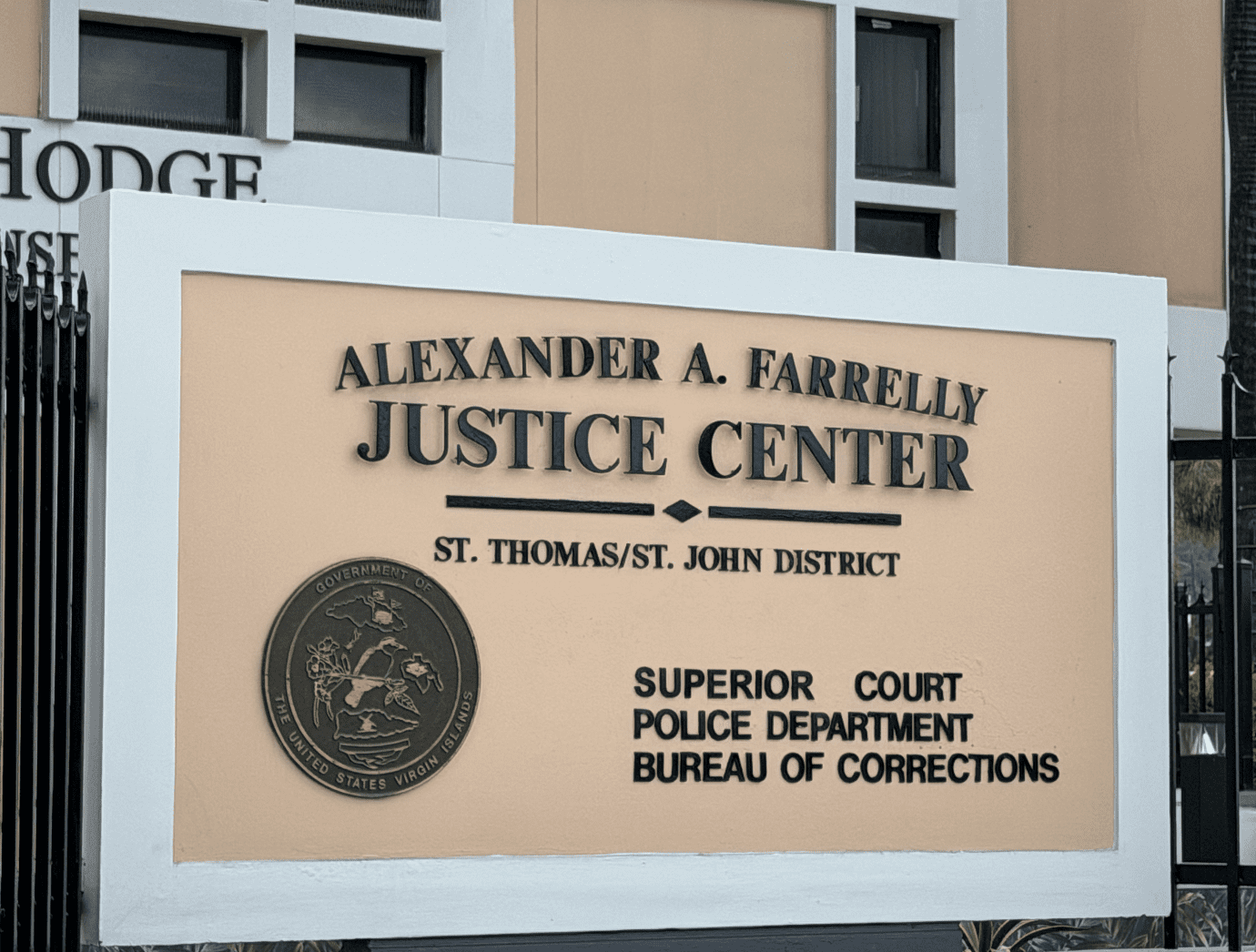
Tuesday’s hearing was set to review the progress made in the mental health treatment of Mohammed Salem, accused of murder and assault in March 2025. (Source photo by Michele L Weichman)
Lawyers and officials from the Virgin Islands Health Department appeared in court on Tuesday for a court-ordered review of a suspect charged with murder and assault stemming from an incident in March 2025. Few details emerged at the end of the hourlong hearing before Superior Court Judge Denise Francois.
The subject of that hearing — Mohammed H. Salem — is charged in connection with the stabbing death of Hakim Salem and the wounding of Jamil Salem at their family home in Hull Bay. The defendant in the case has been the subject of mental health evaluations and court-issued treatment orders to determine if he is fit to stand trial.
Since his arrest on March 5, Mohammed Salem has been held in custody of the Bureau of Prisons, but reports of threatening and sometimes violent behavior while behind bars led Francois to order his transfer to a treatment center in Florida in August. The judge also scheduled a February 2026 hearing to evaluate any progress made since then.
Salem’s evaluation was one of two reviews conducted in Francois’ courtroom on Tuesday; just after calling Health Department Mental Health Division Case Manager Genae Gonzalez to testify, the judge cleared the courtroom.
“We’re going to be discussing the defendant’s medical records,” Francois said, adding that the details must be kept confidential.
At the hearing’s end, Assistant Attorney General Jeremy Weddle, representing the Justice Department’s criminal division, was asked whether the judge had issued a ruling. Weddle declined to comment.
By Tuesday afternoon, Justice Department spokesperson Sandra Goomansingh released a statement reflecting the court’s sentiment.
“Some hearings involve sensitive medical information, including confidential diagnoses. For this reason, the court closes certain proceedings to the public. Accordingly, the Department of Justice is unable to comment,” Goomansingh said.
Former BVI Premier Andrew Fahie filed an appeal of his 2024 cocaine and money laundering conviction Tuesday. (Photo courtesy BVI GIS, Ronnielle Frazer)
Former BVI Premier Andrew Fahie filed an appeal of his 2024 cocaine and money laundering conviction Tuesday, claiming a lack of evidence, unreliable government agents, and judicial slip-ups.
In February 2024, a Miami jury convicted Fahie of a 2022 plot to import thousands of pounds of cocaine bound for the U.S. mainland with the help of the BVI’s Ports Authority director, her son, and other government employees not charged. They’d been fooled, however, by undercover federal agents posing as members of the Sinaloa Cartel.
Oleanvine Pickering-Maynard and her son, Kadeem Maynard, who had brokered a side deal to import cocaine for sale in the BVI, both accepted plea agreements and were sentenced to nine and five years, respectively, according to court records. They were both released after less than three years’ imprisonment.
Fahie fought the charges and, after conviction, argued he had played only a minor role in the scheme — and that the U.S. Drug Enforcement Agency was the real ringleader. Fahie, once the British Virgin Islands’ top elected official, was sentenced to 11 years in prison.
In his filing with the 11th District Court of Appeals, Fahie’s attorneys argued three reasons the conviction should be vacated.
“Magic cocaine”
Fahie couldn’t be guilty of conspiring to import cocaine because there was no actual cocaine and the fictional narcotics he’d agreed to import were supposedly treated in a way that made them undetectable, according to court records.
Fahie, who was secretly recorded saying he could see through any deception with the help of his personal clairvoyant, had been told boatloads of cocaine would arrive from Colombia in a chemical state resembling liquid concrete. It would then be turned back into cocaine after leaving the BVI.
Even the trial judge had trouble with this whopper and asked prosecutors why the undercover agents had muddied their investigation by inventing “magic cocaine,” according to transcripts of a pre-trial conference. Prosecutors said they weren’t sure of the reason but that it didn’t really matter. Fahie was guilty, they said, if he believed he was agreeing to smuggle cocaine regardless of there being any real contraband involved. The judge agreed.
In the appeal, Fahie’s attorneys argued the fictional drugs were not illegal if in their pre-transformation state — even if that state was also fictitious. A substance isn’t cocaine if it doesn’t test positive for cocaine. Fahie was conspiring to import concrete mix, the argument went.
Unreliable agent
One of the undercover agents who duped Fahie had previously worked on a public corruption case in Mexico. The investigation did progress to trial, however, because local officials found the DEA operative lacked “reliability,” according to court records.
Fahie’s trial attorneys brought the incident up during the proceedings but the judge ruled the confidential informant’s testimony admissible. The opinion of one foreign jurist, without further contextualization, was not cause to throw out key evidence, according to transcripts of the interaction.
In the appeal, Fahie’s lawyers argued prosecutors knew about the informant’s Mexican designation as unreliable and did not immediately make the defense team aware of it.
“This egregious misconduct was brought to the attention of the district judge, who refused to dismiss the charges based on government misconduct,” Fahie’s attorney Benedict Kuehe wrote in the appeal. “Andrew Fahie is entitled to a dismissal of his charges due to the egregious government misconduct and false testimony concerning the finding by a foreign tribunal that the confidential informant was unreliable. Because the entire prosecution depended on the informant’s actions and recorded statements, this error caused substantial prejudice to the defendant. Additionally, the evidence did not prove that the defendant conspired to import a substance containing a detectable amount of cocaine, requiring that the drug conspiracy conviction be vacated for insufficient evidence.”
Fahie also secretly photographed the undercover agent posing as a drug runner.
Jury jitters
After hearing evidence of “magic cocaine” gathered by an allegedly freewheeling undercover narcotics officer, a jury of Fahie’s peers found the BVI leader guilty on all counts. The judge asked each juror if their verdict was that Fahie was guilty. All said yes, according to court records.
Then a highly unusual thing happened. Two jurors, separately, said they were unsure of Fahie’s guilt. One even wondered what the next steps were in Fahie’s defense. Although not completely unprecedented, attorneys for both sides and the trial judge scrambled for a proper way forward. They needed to respect the sanctity of the jury’s decision as well as the two jurists’ post-trial misgivings.
After speaking with the two jury members, the judge was satisfied they indeed thought Fahie was guilty when they rendered their verdict.
Fahie’s attorneys framed the verdict as less than unanimous.
“Finally, the jury’s failure to unanimously agree on its verdict requires the court to declare a mistrial or remand the case with instructions for the district court to conduct an evidentiary hearing to determine whether the jury’s verdict was unanimous,” Kuehe told the appeals court.
It was not clear when the appeals court might rule on Fahie’s appeal.
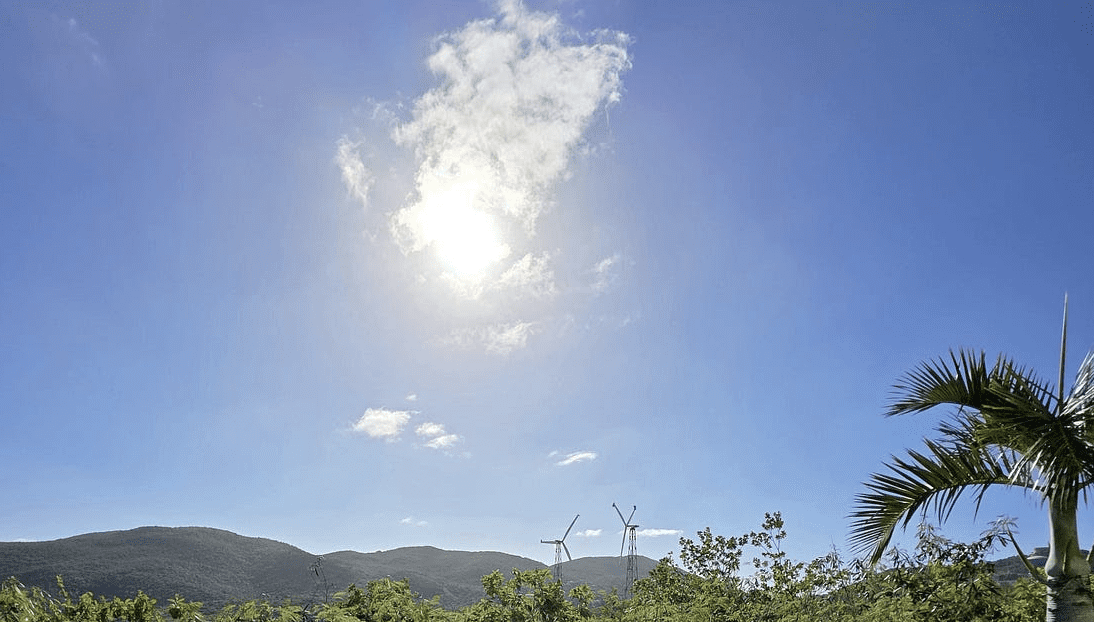
Solar, waste-to-energy, wind and hydro have been on the political tables of the Virgin Islands for two decades, all of it doable. (Source photo by Shaun A. Pennington)
I got choked up this morning when learning that Mother Nature thwarted the 40 or so scientists who had spent a couple of weeks making their treacherous way to Antarctica from New Zealand with the major intent of dropping a very long instrument into a huge glacier in order to better understand how fast it is cracking and melting.
Shaun A. Pennington (Source file photo)
The 40 scientists aboard South Korean icebreaker, Araon, were gleeful, according to The New York Times, which has two reporters aboard, when they reached the Thwaites Glacier on Jan. 7.
Should Antarctica’s largest glacier break up and thus turn slowly — or God forbid quickly — from ice to water, the science suggests coastal areas across the globe would rapidly rise at least two feet, but potentially 10-15 over a longer time.
The mission included not just the drilling project, which should “go a long way toward helping scientists predict how quickly Thwaites will melt,” according to British oceanographer Peter Davis, who was quoted by The Times in January.
Good thing the crew had other missions for tracking the glacier’s demise, because the NYT article that brought me to tears Wednesday morning said “the expedition suffered a significant setback when instruments the scientists were lowering down a half-mile hole in the glacier got stuck and then froze over.”
It wasn’t just me sitting in my tropical bungalow surrounded by the humming of generators 6,000 miles from the slippery glacier who felt the defeat, “It was a gutting moment for the crew. A project almost a decade in the making had crumbled at the final stage,” The Times stated.
Note, this daring, decade-long project wasn’t to explore what was causing the glacier to melt away, but how fast it is going to happen.
Toxic fumes from coal, oil and gas-fired electrical energy plants represent 25 percent of global greenhouse gas emissions. One quarter.
Renewable energy is the answer. And it doesn’t even take our tropical climate of sun, wind and water to do it. Denmark leads Europe in renewable heating and electricity production at 96 percent, followed by Sweden.
Solar, waste-to-energy, wind and hydro have been on the political tables of the Virgin Islands for two decades … all of it doable. All of it.
It is the under the political tables that was and is the problem.
We the people who don’t live the lush life of the highly corruptible elected and other public servants in a position to be reached under the table, many of whom demand it, need to take back our power. It is an election year.
Hopefully, when the sun shows again after a few days of unprecedented wind, waves, rain, gloom and as-yet-unexplained power outages, we will grab that power again, stop whining about WAPA and DEMAND the power of the Sun be ours … not the power of the greed. We can win this one.
Co-Presidents Adi Martínez Román and Neil Weare (Photo courtesy of Right to Democracy)
The nonprofit organization, Right to Democracy, is hosting a virtual forum Thursday: “What Greenlanders and Everyone in the United States Should Know About Being a U.S. Territory.”
This event moves beyond recent headlines to provide a substantive experience-based examination of America’s territorial model, its historical context, and its real-world consequences.
The session is particularly urgent following the renewed geopolitical discourse around the United States’ desires to acquire Greenland, citing its vast mineral resources, which are deemed critical for green energy and defense technologies, as well as its strategic Arctic location. This proposal raises profound questions about the self-determination of Greenland’s 56,000 predominantly Indigenous Inuit residents and spotlights the U.S.’s existing territorial framework as a potential blueprint.
The U.S. currently holds five populated, permanently inhabited territories: Guam, Puerto Rico, the U.S. Virgin Islands, American Samoa, and the Northern Mariana Islands. Together, they are home to over 3.5 million U.S. nationals and citizens who lack full political representation in the government that governs them. Right to Democracy’s panel will examine the legal and practical architecture of this relationship, rooted in the Insular Cases, a series of controversial early-20th-century Supreme Court rulings that established the doctrine of “separate and unequal” status for acquired territories.
This virtual event is intentionally scheduled to accommodate time zones across the nation’s territories:
Thursday at 5 p.m. EST/6 p.m. AST (Puerto Rico, USVI)/11 a.m. SST (American Samoa)
Friday at 8 a.m. ChST (Guam and the Northern Mariana Islands)
There will also be live Spanish interpretation, reflecting the linguistic diversity of the territorial populations.
This session is an opportunity for anyone seeking to understand the full landscape of American power, governance, and the unfinished business of its democracy.
To register for this event, visit https://us02web.zoom.us/webinar/register/WN_gGZYVaw3R_iFSpgkf2SEMw#/registration
The Local Food and Farm Council will now offer an online option for upcoming workshops. (Photo courtesy VI Local Food and Farm Council)
To reach more participants across the territory, the Local Food and Farm Council has expanded its free TAP Grant Academy to a hybrid format. Attendees can now choose to join the upcoming sessions either in person at the University of the Virgin Islands campuses or virtually from any location.
The workshops are designed to support farmers, fishers, food producers, and related organizations in developing the skills needed to secure funding. Two sessions remain in the current series, scheduled for Friday, Feb. 6, and Friday, March 6, from 2 p.m. – 4 p.m.
The initiative addresses a critical need in the territory, where approximately 97% of the food supply is imported. By helping local producers access grants and loans, the program aims to strengthen food sovereignty, create a more resilient local economy, and provide communities with fresher, more affordable food options.
The upcoming sessions will cover distinct topics essential for navigating the funding landscape. The February 6th workshop will focus on Writing Successful Grant Proposals, offering practical guidance on crafting strong applications. The March 6 session, Grants, Loans, and Other Resources for Farmers and Fishers, will direct participants to available financial opportunities and support programs.
Experts from the University of the Virgin Islands Office of Sponsored Programs, the Agriculture Business Center, Virgin Islands Good Food, and experienced TAP fellows are slated to lead presentations.
Attendance Details:
Advance Registration is required for all participants. To register, visit https://bit.ly/TAPGrantAcademy or call 340-693-1003.
Registrants will select their preferred attendance method:In person on St Croix: UVI Albert Sheen Campus, Research and Technology Park, Large Conference Center.
In person on St. Thomas: UVI Orville E. Kean Campus, School of Business, Chase Auditorium.
Virtual Attendance: A secure access link will be provided after registration.
The LFFC is responsible for guiding the implementation of the Territorial Agriculture Plan. Its membership includes the commissioners of the Departments of Agriculture and Education, the President of the University of the Virgin Islands, and appointed honorary farmers and fishers.
For more information about the TAP Grant Academy or the Local Food and Farm Council, contact 340-693-1003, email vilocalfoodandfarmcouncil@doa.vi.gov, or visit the official website.
Editor’s Note: This story has been corrected to list the correct number for information about the TAP Grant Academy and Local Food and Farm Council. It is 340-693-1003.
Joel A. Lee, CPA, Director of the Virgin Islands Bureau of Internal Revenue reminds taxpayers of the 90-day amnesty that will allow taxpayers with outstanding gross receipts and corporate and individual income taxes to obtain relief. This amnesty period will end on Tuesday, February 17, 2026.
Virgin Islands Bureau of Internal Revenue (Submitted photo)
The amnesty program will cover all delinquent periods up to tax year 2023. For gross receipts, this covers up to December 2023. For gross receipts, the taxpayer must pay the outstanding tax, and interest and penalties will be waived. For corporate and individual income taxes, the amnesty covers up to the 2023 tax year. The taxpayer must pay outstanding tax and interest, and the penalties will be waived.
If there are any questions concerning the amnesty, please contact the Delinquent Accounts and Returns Branch, at 340-715-1040 or 340-773-1040.
Liberty VI kicks off 2026 with new fiber network construction projects throughout St. Thomas and St. Croix
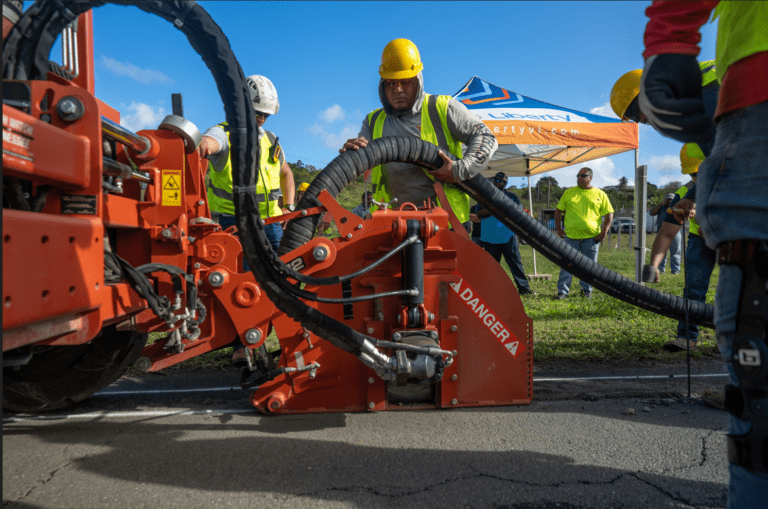
Placing aerial fiber optic cables to provide Liberty’s Fiber to the Home broadband service to the residents of that area. (Submitted photo)
As it acquires the necessary permits, the company is moving forward with the work, which will provide access to high-speed internet connectivity to all homes and businesses in the territory.
Liberty VI has already kicked off the new year with a slate full of fiber installation projects throughout St. Thomas and St. Croix. New projects will begin tomorrow at Lindbergh Bay in St. Thomas and Two Brothers in St. Croix. Both jobs are expected to be completed by Saturday, Feb. 28. A phase 1 job will begin at Kings Quarter in St. Thomas on Friday, Feb. 27 and is expected to conclude on Tuesday, March 31.
“As we acquire the necessary permits, we are moving forward with our Fiber to the Home construction projects so more locations in the territory can have access to our fiber fast internet,” said Ravindra Maywahlall, general manager of Liberty VI. “We will continue informing VI consumers about the next areas where we will schedule Fiber to the Home construction projects.”
The work entails installing aerial fiber optic cables to provide FTTH service to the residents and businesses in these communities. Overall, 865 serviceable homes and businesses will be benefited. Construction will take place on weekdays from 8 a.m. to 5 p.m. Work times may change depending on the work to be performed.
The jobs will be performed with minimal traffic impact. However, residents and drivers within the areas should expect delays due to lane and partial road closures and must exercise caution when traveling on the narrow roadways.
In addition to these jobs, Liberty VI is already completing work in sections of Lindbergh Bay and Estate Kings Quarter in St. Thomas, and in Estate Diamond Ruby in St. Croix.
Liberty VI will be providing updates on its website https://www.libertyvi.com/news on when and where the company will be working around the territory so people can plan their daily commutes ahead of time.
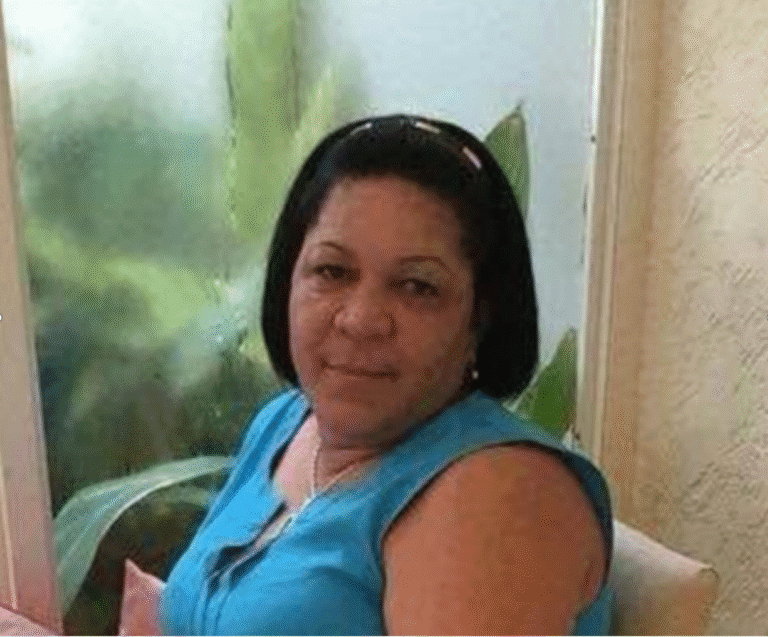
It is with profound sadness that we announce the passing of Elsie Augusta Christian Hughes (formerly Vanterpool), born on Oct. 1, 1942, and departed this life on Jan. 1, 2026, at 2:20 a.m.
Elsie Augusta Christian Hughes
She was predeceased by her parents, Joseph Randolph and Arina Melvina Webster.
Born in Anguilla, Elsie Augusta Christian Hughes, spent most of her lifein St. Croix, U.S. Virgin Islands, where she was known for her strength,
straight-forward nature, and generous heart. She had a deep love for people, especially the elderly, and in her later years gave of her time
and talents to care for those in need. She loved God and served faithfully in various church positions.
She leaves to mourn her loving children and their families: Dr. Clyde Vanterpool and his children: Joseph, Sabrina, Brielle, and Brieoni, Kareen Rogers, her husband Vernon, and daughter Karee-Anne, Darin Christian and his children: Trayvon and Janaj, Diane Baptiste and her children: Jamell and Charles.
She is also survived by the families of her late brothers: Alfred Webster, Clarence Webster, John Hughes and Joseph Maxwell Webster
She is survived by her siblings: Carmen Proctor, her husband Cyril Proctor, and family, Mudie Cassie Webster and family, Stanley Vanterpool and family, Morris Vanterpool, his wife Toni, and family, Hermina Webster, and Noreen Hodge and her husband Nat Hodge
Other relatives in Anguilla and the Virgin Islands include the Vanterpool, Webster, Ruan, Lake, and Harrigan families.
Funeral service for the late Elsie Augusta Christian Hughes will be heldon Sunday, Feb. 8, 2026, at 10 a.m. at Mt. Fortune Seventh-day Adventist Church, East End, Anguilla.
A memorial service will be held in St. Croix on Thursday, Feb. 12, at 5:30 p.m. at Central Seventh-day Adventist Church 17A Estate Plessen, Frederiksted, St. Croix.
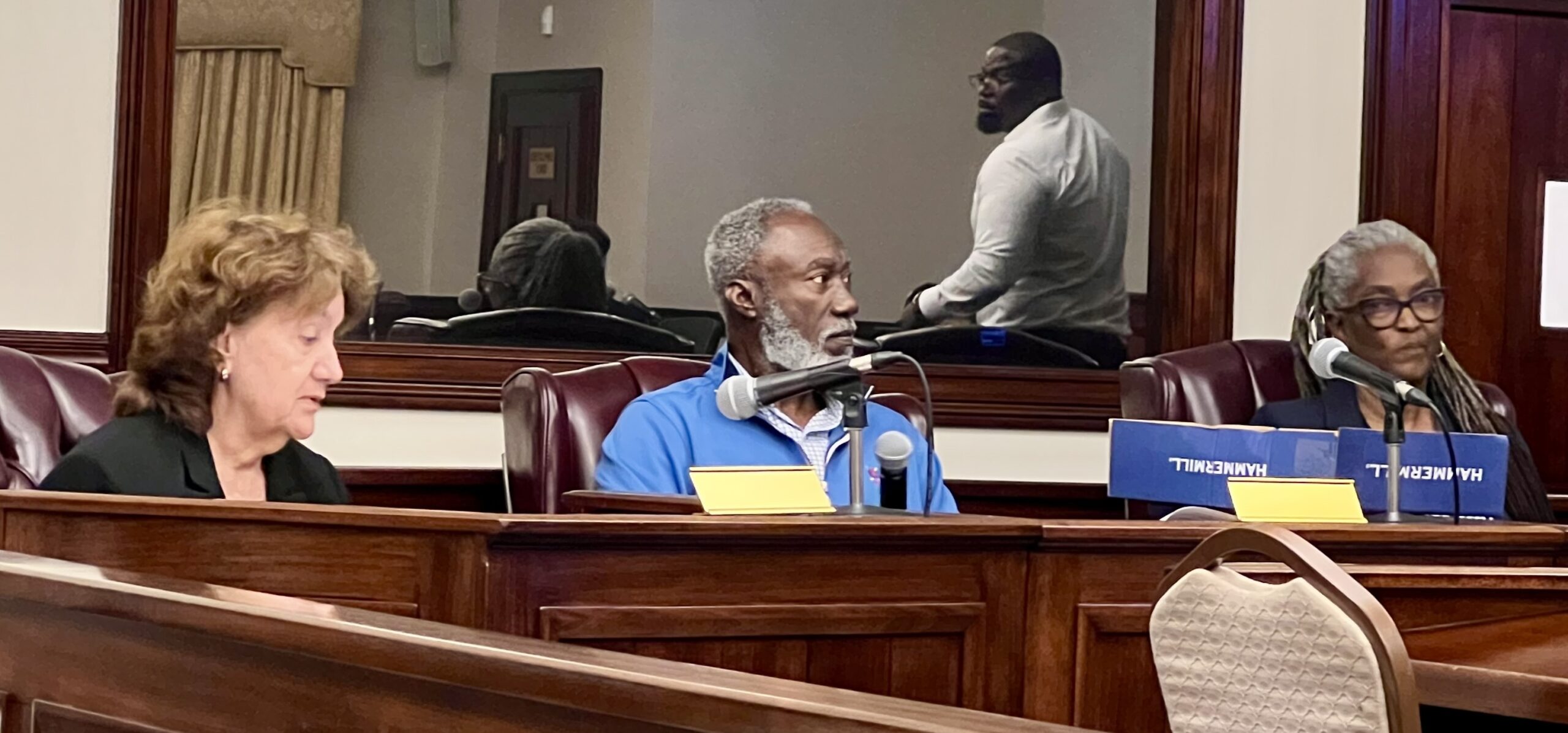
Representing the ferry companies at Monday’s meeting are, from left, Maria Tankenson Hodge, Avery Williams, and Delrise Varlack. (Source photo by Amy H. Roberts)
The Public Services Commission shared the latest proposals for increasing ferry rates between St. Thomas and St. John Monday evening at a public hearing in Cruz Bay. A similar meeting will be held Tuesday night on St. Thomas at the Public Services Commission’s office at Barbel Plaza from 6 to 7:30 p.m.
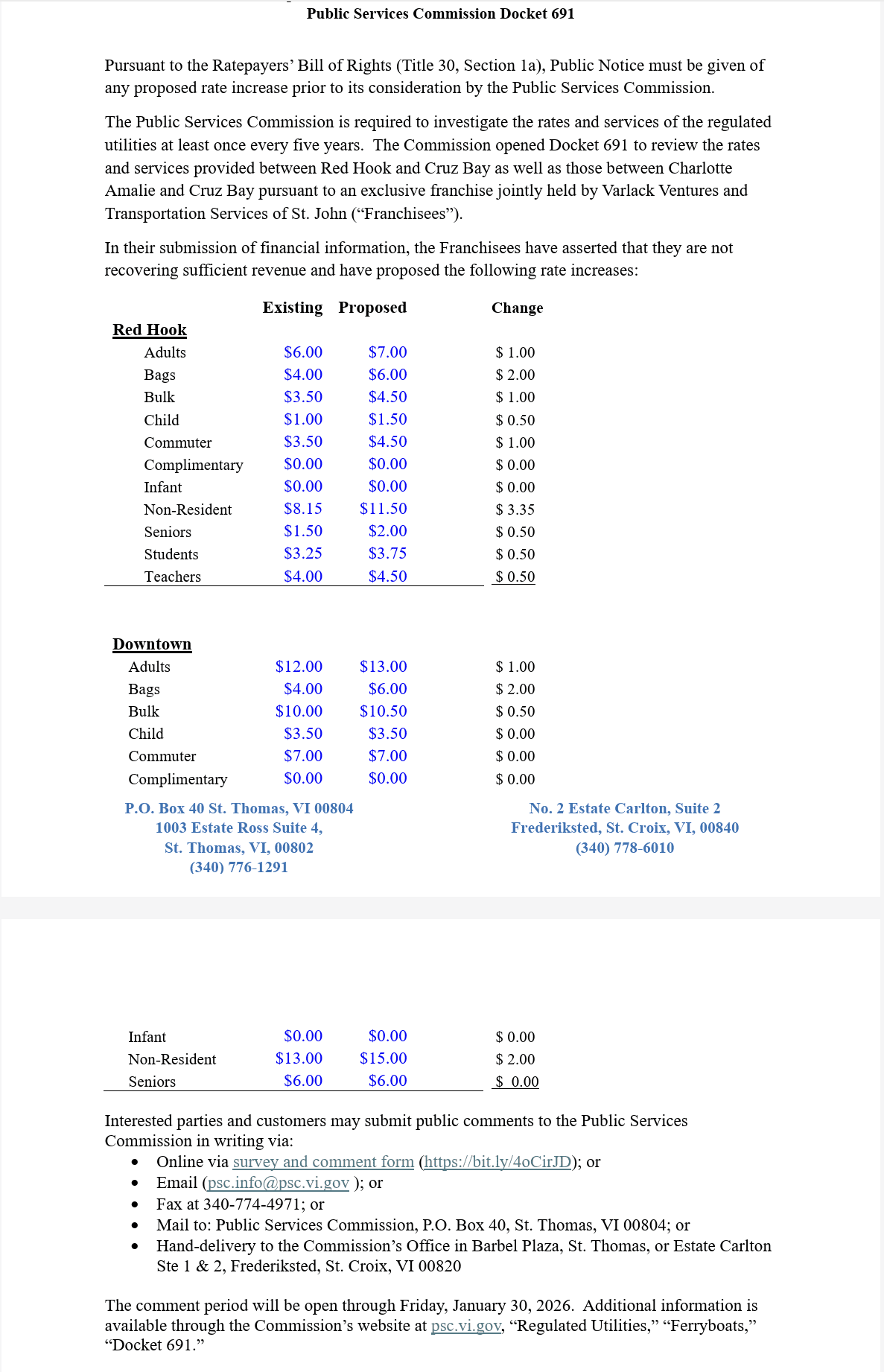
Rates for all categories of passengers will increase, but non-resident passengers will see the steepest increase in rates, according to information presented at the meeting. The rates are also posted on the PSC’s website along with links to submit comments and respond to a survey regarding ferry service.
Resident adult one-way fares from Cruz Bay to Red Hook will go from $6 to $7, a 16.7% increase, while fares for non-resident adults will go from $8.15 to $11.50, a 41.1% jump.
Fares for students, teachers and seniors will be increased 50 cents for each one-way passage.
Residents and visitors will pay $2 more for each bag as the rate jumps from $4 to $6, a 50% increase.
The ticket rates are designed to provide an 8% profit for the two ferry companies, Transportation Services of St. John and Varlack Ventures, which have held the exclusive franchise to provide transportation between Cruz Bay and Red Hook and Cruz Bay and downtown Charlotte Amalie since 1976.
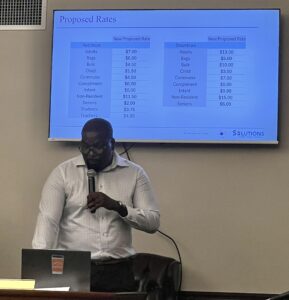
PSC hearing examiner Jed JohnHope stands in front of a graphic listing the proposed fees. (Source photo by Amy H. Roberts)
Although the PSC is supposed to hold hearings to adjust the rates every five years, the rates have not been increased since 2013.
At Monday’s meeting, Avery Williams, a technical consultant hired by the ferry companies, stated, “Based on the projected ridership for the five-year period starting at 2026, if the current rates are maintained, the franchise will lose an average of $300,000 a year. A rate increase is needed to avoid persistent losses.”
Members of the audience agreed with the concept that fares must increase. “I support a rate increase, especially for tourists,” said Clarence Stephenson.
“Tourists choose to come here,” added Waclin Castillo, a barge captain.
Maria Tankenson Hodge, an attorney representing the ferry companies, said the courts have ruled that it’s legal to set separate rates for residents and visitors because “Our taxes support infrastructure.” She said residents need the ferries to get to work, to school, to hospitals and to other government services, and there’s evidence that “locals can’t afford more, and visitors can pay more.”
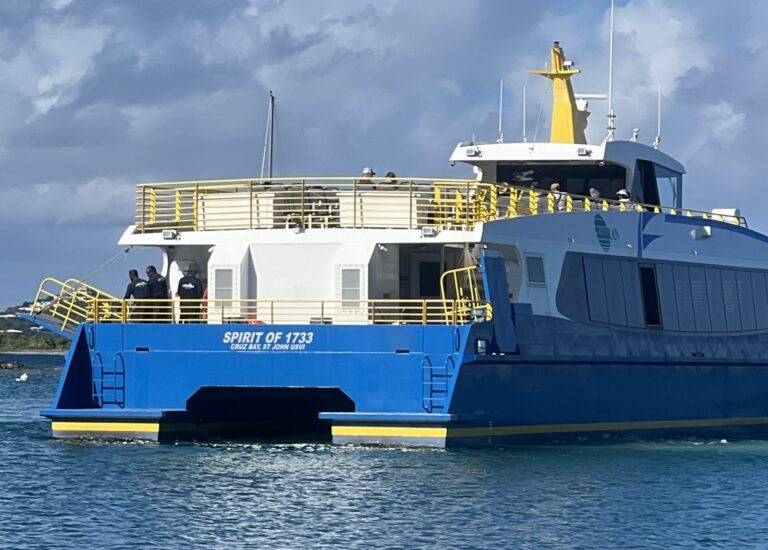
The routes are designated as part of the Federal Highways system and therefore qualify to compete for federal grants. Federal grants funded two new ferries (the Cruz Bay 1 and Red Hook 1) that went into operation in 2014. The Spirit of 1733, also funded by federal monies, was launched in 2024.
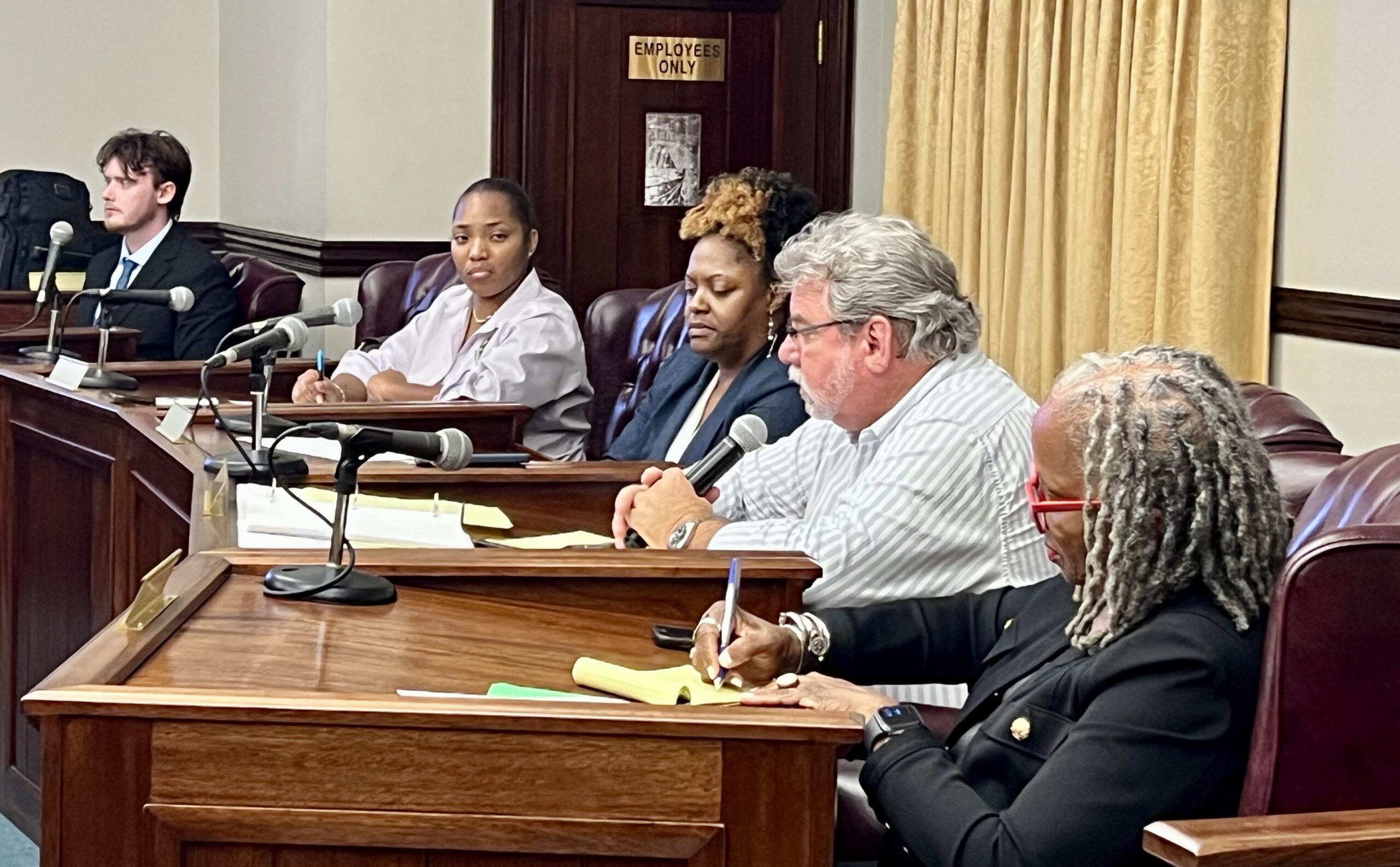
Members of the Public Services Commission staff listen as attorney Boyd Sprehn testifies at Monday’s hearing. (Source photo by Amy H. Roberts)
Boyd Sprehn, an attorney for the PSC, said the commission will consider a number of issues as it deliberates the final rates. Since federal grants have provided funding for three ferries in the past 12 years, there’s a question of whether non-resident Americans actually support the territory’s infrastructure as well.
Sprehn said another question was whether the Cruz Bay to Charlotte Amalie route should continue to be included as part of the franchise. The franchise agreement calls for year-round service, but the ferry companies generally cease operation of this route during the slow summer and fall months.
The ferry companies also are slated to receive $200,000 annually in local government subsidies. St. John resident Hadiya Sewer asked whether the ferry companies have received these subsidies regularly.
“It’s fair to ask what is the annual subsidy,” said Sprehn. “It varies wildly. Some years the Legislature hands it out, and some years they don’t.”
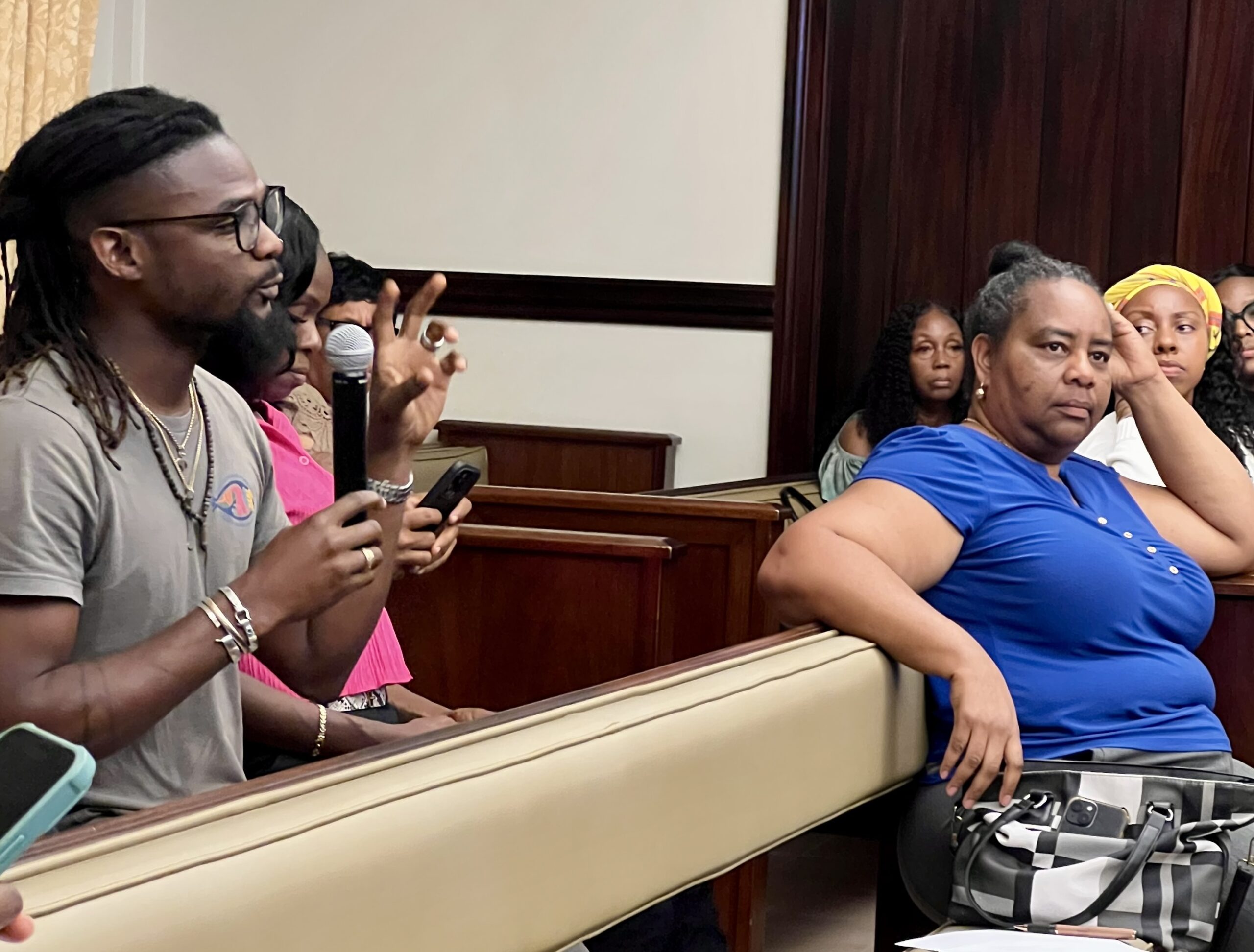
Kurt Marsh questioned why barges aren’t under the jurisdiction of the PSC. (Source photo by Amy H. Roberts)
St. John resident Kurt Marsh asked PSC officials why the Virgin Islands Port Authority is not under their jurisdiction when “VIPA has levied fees on these (ferry) companies, and now we have to raise the rates.” Fees for ferry dockage were recently increased and will be phased in over the next three years.
Marsh also asked that the PSC consider regulating the barges that operate between Cruz Bay and Red Hook.
Sprehn responded that the PSC does not set its own jurisdiction. “That’s the Legislature’s choice. We’re open to discussing this with the Legislature,” he said.
Deborah Charles, a resident of St. John, asked whether the “new” ferries have provided relief in operational costs.
“There has been improvement with our image,” said Delrise Varlack, general manager of Varlack Ventures, “but they are more technically involved. The parts and supplies cannot be found in the Virgin Islands, so we have to go abroad to get parts, even as far as Germany.”
Varlack said the two ferry companies were not consulted when the V.I. Public Works Department applied for the grants to fund the ferries in 2014 and did not participate in their design. However, the ferry companies were involved in the design of the ferry acquired in 2024.
Hearing examiner Jed JohnHope urged the public to fill out the survey and provide comments on the PSC’s website.
The proposed rates for new ferry fees are posted on the PSC’s website.