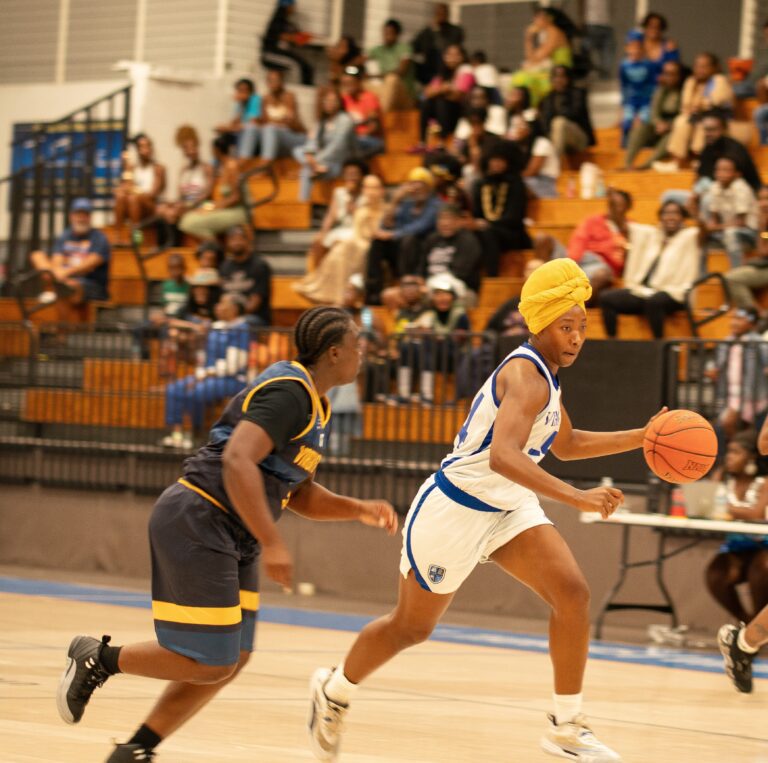
The University of the Virgin Islands women’s basketball team found itself on the wrong side of an overtime thriller against Virgin Islands Elite Women on Friday night at Elridge W. Blake Sports and Fitness Center. With regulation not being enough, an extra five-minute period was needed to decide the result in a 78-74 loss for the Lady Buccaneers.
UVI lost to VI Elite Women in overtime. (Submitted photo)
UVI got off to a hot start in the first period of the game, shooting 40% from the field and 40% from behind the arc. A three-point shot at the buzzer by junior guard Atalia Thomas gave the Lady Buccaneers a commanding 23-11 lead at the end of the quarter.
The Lady Buccaneers would take their foot off the gas slightly in the second quarter, allowing VI Elite to close the gap, but would keep them at bay, taking a nine-point advantage into half, 38-29.
The third quarter saw defensive struggles for UVI, resulting in a 14-2 run by VI Elite, who would take the lead
48-46 late in the period.
The Lady Buccaneers responded resiliently, battling from behind until junior forward Natalie Williams reclaimed the lead with a jump shot in the fourth quarter, making it 55-54. The teams exchanged baskets for the remainder of the period, with neither side able to assert dominance. With under 30 seconds left and the score tied at 69, both teams made attempts to clinch the game in regulation, but neither succeeded.
In Overtime, the Lady Buccaneers’ Offense would stall, shooting woes would allow VI Elite to cling to a four-point lead and escape with a 78-74 win.
“We took the game into overtime, which is a testament to our defense and offense,” said head coach Stephanie Cooper. “We just have to remember to stay focused for the entire 40 minutes. We had some possessions with crucial turnovers, which ultimately cost us the game, and the numbers worked in their favor late in the game.”
Junior forward Keshara Romain achieved her third consecutive double-double this season, scoring 18 points and adding 12 rebounds. Romain has now recorded a double-double in three of the five contests for the Lady Buccaneers this season. The 5-foot-11 forward also contributed three steals and two assists.
Junior forward Natalie Williams also recorded a double-double, with 14 points and 10 rebounds, marking her second of the season.
The Lady Buccaneers will now travel to Austin, Texas, for their upcoming games. They will face Jarvis Christian University on Friday, November 7, followed by the opening of Historically Black Colleges and Universities Athletic Conference (HBCUAC) schedule against the Stillman College Lady Tigers on November 8. Both games will be held at a neutral site during the Tiffany Jackson HBCU Classic at Branch Gymnasium, located on the campus of Hutson-Tillotson University.
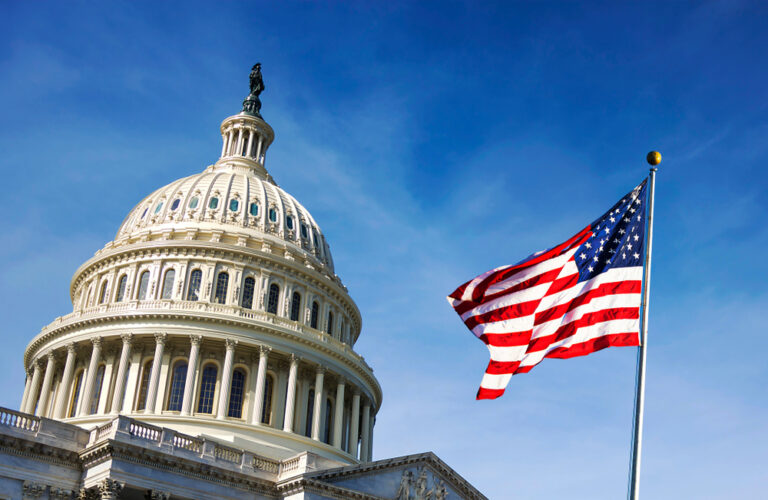
The Capitol building in Washington, D.C. (Shutterstock image)
Democracy in America — and throughout its territories — stands at a crossroads. The institutions that once embodied public trust now struggle under the weight of cynicism, polarization, and disinformation. Yet this moment of fragility also offers a profound opportunity: to reimagine democracy not as a mere system of governance, but as a shared moral enterprise.
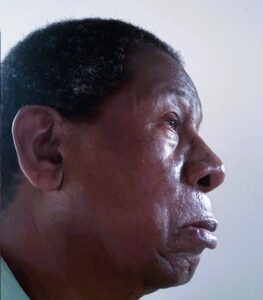
Omar B.U. Henry (Submitted photo)
For too long, civic life has been reduced to elections, party battles, and policy debates. But democracy’s true strength lies not in its procedures, but in its people — in the habits of empathy, honesty, and cooperation that make self-government possible. When those habits erode, no constitution can save us. When they flourish, even imperfect institutions can endure.
Beyond the Machinery of Government
The Founders designed a framework of checks and balances, but they could not legislate civic virtue. Martin Luther King Jr. later gave that framework a conscience, reminding the nation that democracy is a moral covenant, not a mechanical process. Today, we must give it life again — through participation, integrity, and shared purpose.
The Virgin Islands, with its proud tradition of community engagement and resilience, can be a model for this renewal. Our history teaches that democracy is strong when citizens see themselves not as spectators, but as stewards of the common good.
The Case for a New Democratic Institution
To rebuild trust and participation, America needs a new democratic institution — one that restores civic faith and moral purpose. Imagine a National Civic Assembly composed of everyday citizens selected by lot, meeting regularly to deliberate on major national issues. Imagine a Civic Service Corps that engages youth and adults in projects of justice, education, and environmental stewardship.
These are not utopian ideas; they are practical expressions of shared responsibility. Such institutions would not replace Congress or the courts. They would revitalize the moral foundation upon which those institutions depend — the belief that democracy is a living relationship among citizens, not a transaction between voters and politicians.
Restoring Faith Through Shared Purpose
Public faith cannot be legislated. It must be lived. When citizens work side by side — rebuilding communities, debating ideas, serving the common good — they rediscover what unites them. The act of participation itself becomes sacred, a reaffirmation that democracy is not something done for us, but something done by us.
This renewal must also be local. In the Virgin Islands, public forums, youth assemblies, and civic education programs could serve as laboratories of democratic engagement. By empowering citizens to deliberate and act together, we can strengthen both our local governance and our national identity.
A Moral Republic Reborn
The next chapter of American democracy will not be written by one leader or one party. It will be written by millions of citizens who choose to see democracy as a moral vocation. If we can rekindle that faith — in one another and in the promise of shared self-rule — we may yet transform our fractured system into a living testament of civic virtue.
Democracy, after all, is not a machine to be repaired. It is a soul to be renewed.
— Omar B.U. Henry is a writer, civic advocate, and commentator in the U.S. Virgin Islands. His work focuses on democratic renewal, moral leadership, and community engagement across the Caribbean and the broader American experience. He is committed to fostering a culture of integrity, dialogue, and shared responsibility in public life.
Editor’s Note: Opinion articles do not represent the views of the Virgin Islands Source newsroom and are the sole expressed opinion of the writer. Submissions can be made to visource@gmail.com.
The Face of Emmett Till Play
November 7 – 16, 2025 at CCT
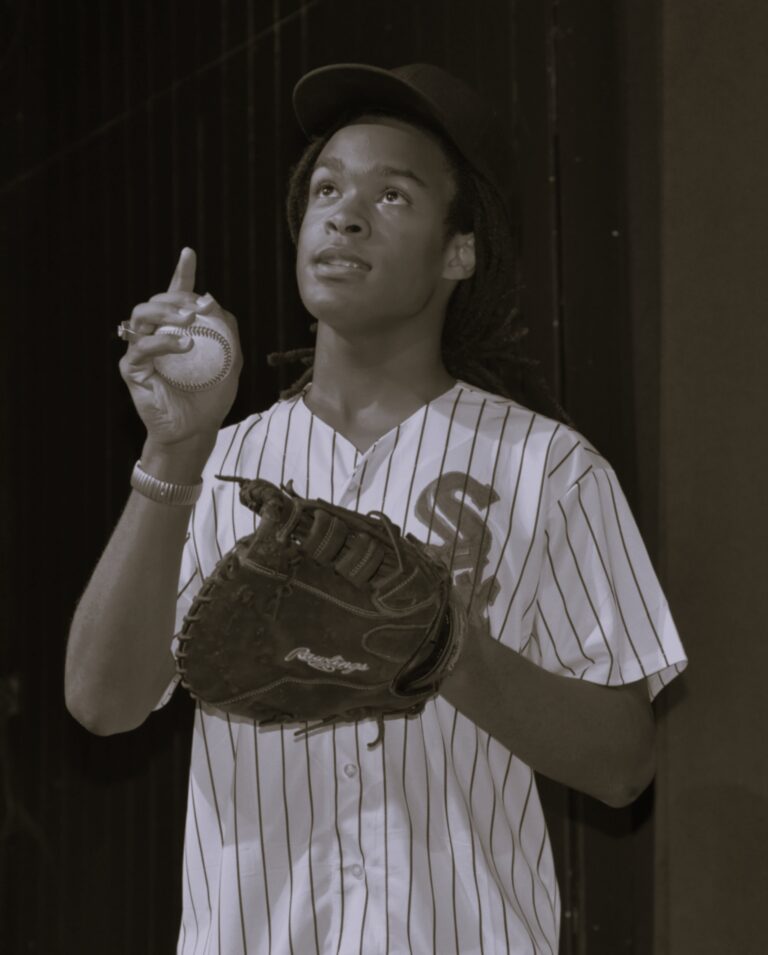
A scene from Caribbean Community Theatre’s The Face of Emmitt Till. (Submitted photo)
Caribbean Community Theatre opens its 41st season with THE FACE OF EMMETT TILL – a play by Mamie Till-Mobley and David Barr III. There are six performances over two weekends of this play at CCT: Nov. 7, 8 and 9, and 14, 15 and 16, Fridays and Saturdays at 8 p.m., and Sunday matinees at 4 p.m.
Lionel C. Downer directs the cast of Michael Baker, Will Cooper, Paul Del Rio, Charles Fox, Sheelene Gumbs, Tom Guthrie, Shakir Guzman, Wanson Harris, Dalmari Holder, Paul Knipler, Krissy McKown, Shanell Petersen Spencer, Sherri Poree, David Pugh, Kelly Pugh, Tydus Queiroz, Robert Reffell, Patricia Scott, and Kelvin L. Vidale.
This play is a true-to-life dramatization of the death of 14-year-old Emmett Till, a Chicago teenager who, while visiting relatives in Money, Mississippi in August 1955, was kidnapped, tortured and murdered by white men who claimed they wanted to teach him a lesson for “allegedly” whistling at a local white woman. The horror and brutality of this crime were magnified even more when his mother, Mamie Till-Mobley, made the fateful decision to invite the media to the funeral where she had an open casket. The shocking pictures were published by the American Black Press and later republished around the world. The ramifications of this act are still being felt today. The play chronicles this tragedy, its aftermath, and Mamie Till-Mobley’s heroic crusade for justice. This “hate crime changed America” and sparked the civil rights movement.
General admission tickets may be purchased in advance online at Eventbrite.
–For reservations, discounted tickets, more information, or for handicap assistance, email: eileencct@gmail.com.
–Tickets are $20 for adults; $18 for seniors (age 65+), and $15 for college students and CCT members; and may be purchased (for cash only) at the CCT box office prior to each show, which opens 45 minutes before curtain.
This play has adult content and is NOT recommended for children under age 15.
Performances are held at the Caribbean Community Theatre at #18 Estate Orange Grove in Christiansted, St. Croix.
CCT productions are jointly supported by a grant from the Virgin Islands Council on the Arts and the National Endowment for the Arts.
This show is also co-sponsored by Susan & Crystal Atkins-Weathers, The Comanche, Marshall + Sterling Insurance/Baker Magras & Associates, The New Medicine Shoppe Pharmacy, Team Consultants, The VIVOT Group, Armrey Industries and Crucian Gold.
CCT — bringing live theater to St. Croix for 41 seasons!
Caribbean Community Theatre
PO Box 25793, Christiansted, VI 00824
Website: www.cct.vi
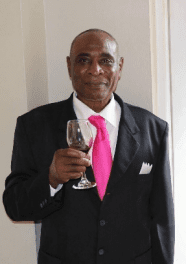
The family of the late Denis Vernon Munrose is deeply saddened to announce his passing on October 4, 2025.
Denis Vernon Munrose
He was preceded in death by his mother, Muriel Etienne; daughter, Uella Dautruche; son, Cletus Munrose; and brothers, Gilbert A. Monrose and Nathan Etienne.
He is lovingly remembered by his children: Denise V. Monrose, Alvin Munrose, and Johnny Charlery Monrose; grandchildren: Chantel Charlery, Nadine Charlery, Emma Charlery, Johnny Paj Modeste, Jordan Charlery, Guy Dautruche Jr., Daniel Dautruche, Alvin Munrose Jr., Alaya Munrose, Shanavia Lattimore, Alyse Munrose, Jestus Munrose, Jamel Munrose, Jamaine Munrose, and Jessica Lloyd;
Great-grandchildren: Azariah Lattimore and Catalina Skyye Charles.
He is also survived by his sisters: Catherine “Hermina” Monrose, Esther James, Naomi Etienne, Rachel Flood, Oliver Roger, and Augusta Peter;
Nieces: Lydia Sprauve, Dyan Pascal, Jessica Monrose, Dr. Janis Monrose-Modeste, Dr. Nadia Mills, Bernella Charlemagne, Shama Etienne, Tessa Charlemagne, Eunice Monrose, Lusca Peter, Janilia Etienne, and Jannia Mangault;
Nephews: Marcus Monrose, Gauis Monrose, Dr. Gifford Monrose, Thadeus Monrose, Gregory Monrose, Rie Etienne, Alphaeus Flood, JohnJohn James, and Eric Etienne.
He will also be fondly remembered by his cousins: members of the Thomas family of St. Lucia, the U.S., and the U.K.; the Raquil family of Martinique; the Callender family of St. Lucia and the U.S.; the Monrose families of Martinique, St. Lucia, and the U.S.; and the Noel family of Martinique.
He is survived by his in-laws: Elizabeth Monrose (sister-in-law), Wilson Peter (brother-in-law), and Shelia Munrose (daughter-in-law).
Special friends who shared in his life and memories include Heather Lewis, Mr. Mike Flavius and family, Mr. John Hunt and family, Mr. Samuel Jonas and family, Cyril George, Celestine Jacobs, Bill Noel, Cynthia Richard, Joscia Thomas, Janis Etienne, Cecil Munrose and family, Seibert Lewis and Family and Mary (Erica) Leon.
Denis will be remembered for his warmth, humor, and the love he shared with all who knew him. His legacy lives on through his family and the many lives he touched.
Family and friends viewing will be held on Wednesday, November 5, 2025, at Divine Chapel, 129 Peter’s Rest between 3-5pm.
Funeral Service will be held on Thursday, November 6, at Way of the Cross, 23B Work and Rest, viewing 9am, service 10am.
Interment follows Kingshill Cemetery.
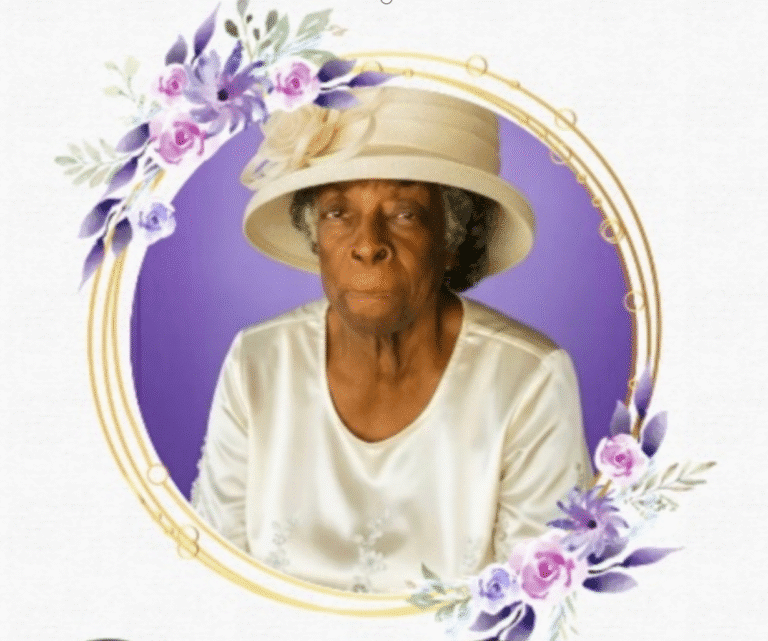
The family of the late Phyllis Johnson is deeply saddened to announce her passing on October 17, 2025.
Phyllis Johnson
She was preceded in death by her beloved brothers: Hilvin and Aldan Johnson.
She is survived by her loving daughters: Sylven Glasgow, Yolande Jackson, Rose-Ann Phillip, Carmen, Jonell, and Floreen Johnson; son,: Leari, Lyndon, Anson, and Irnil Johnson, grandchildren: Desron and Moreisa Glasgow; Rosmuldo, Danielle, and Quinn Jackson; Laurette, Joneilia, Danny, Anisha, Atiya, Acori, Shamori, Liam, and Addison Johnson; Petra Johnney; Jenna and Jonathan Honore; Anrol, Anique, and Anson Ryan-Johnson; sister: Irma Mornix; niece: Sharon Young Glasgow; nephews: Neil Young and Dougal Durrant.
She is also remembered with love by her special friends, Pamcita Johnson and the rest of her extended family and friends, who will forever cherish her memory.
Phyllis will be remembered for her kindness, warmth, and the love she shared with all who knew her. Her legacy lives on through her children, grandchildren, and all the lives she touched.
Family and friends viewing will be held on Friday, November 7, 2025, at Divine Chapel, 129 Peter’s Rest between 3-5pm.
Funeral Services is scheduled to be held on Saturday, November 8, 2025, at New Testament Church of God in Whim, viewing begins at 9am, service 10 am.
Interment follows Kingshill Cemetery.
SENATE CALENDAR
November 3, 2025 – November 14, 2025
NOVEMBER 04, 2025Committee on Budget, Appropriations, and Finance
10:00 A.M.
Earle B. Ottley Legislative Hall
The Committee on Budget, Appropriations and Finance will meet on Tuesday, November 4, 2025, 10:00 A.M. in the Earle B. Ottley Legislative Hall on St. Thomas to receive testimony on the following bills:
BLOCK I
Bill No. 36-0092 An act approving the lease agreement between the Government of the Virgin Islands and St. John Taxi Services Corporation, for Parcel No. D-2 Estate Cruz Bay Town, Cruz Bay Quarter, St. John, Virgin Islands
Invited Testifiers:
Honorable Lisa M. Alejandro, Commissioner, VI Department of Property and Procurement
Mr. Sean L. Claxton, President, St. John Taxi Services Corporation
Ms. Carmen Wesselhoft, Taxi Driver
Bill No. 36-0045 An Act appropriating the sum of $400,000 from the Tourism Advertising Revolving Fund to the Virgin Islands Taxicab Commission for the implementation of technological upgrades
Invited Testifiers:
Honorable Kevin G. McCurdy, Commissioner, VI Department of Finance
Ms. Melissa Smith, Executive Director, Virgin Islands Taxicab Commission
Mr. Rupert O. Ross, Director, VI Bureau of Information Technology
Mr. Julio A. Rhymer, Sr., Director, Office of Management and Budget
Mr. Lawrence Ramdhansingh, President, VI Taxi Association (STT)
Mr. Dhiony Lalanne, President, St. Thomas Taxi Association
Mr. Charles Sealey, President, St. Croix Taxicab Association
Mr. Sean L. Claxton, President, St. John Taxi Association
36th Legislature of the Virgin Islands
BLOCK II
Bill No. 36-0196 An act appropriating excess debt service reserve funds for certain capital projects in the territory
Invited Testifiers:
Honorable Derek A. Gabriel, Commissioner, VI Department of Public Works
Mr. Julio A. Rhymer, Sr., Director, Office of Management and Budget
Mr. Carlton Dowe, Executive Director, VI Port Authority
Mr. Nathan Simmonds, Director, Finance & Administration, VI Public Finance Authority
Bill No. 36-0122 An act amending title 3 Virgin Islands Code, chapter 27, section 711 and chapter 28a, section 760, by requiring the Government Employees Retirement System to discontinue making disability retirement annuity payments to a member who resumes any employment
Invited Testifier:
Mr. Angel E. Dawson, Jr., CEO/Administrator, Government Employees Retirement System
MONDAY, NOVEMBER 10, 2025
Committee on Economic Development and Agriculture
10:00 A.M.
Frits E. Lawaetz Legislative Conference Room
The Committee on Economic Development and Agriculture has scheduled a hearing for Monday, November 10, 2025, at 10:00 AM in the Earle B. Ottley Legislative Hall on St. Thomas, Virgin Islands to provide testimony on the following:
BLOCK I 10:00 A.M. – 12:00 P.M.
The Committee on Economic Development and Agriculture will receive testimony from the Department of Licensing and Consumer Affairs on business licensing modernization, consumer protection enforcement, oversight and compliance mechanisms for licensed businesses, small business support, and operational challenges; from the Department of Tourism providing an overview of 2024 tourism performance and its economic impact, including visitor arrivals, key performance indicators, and the status of cruise tourism by district; and from the West Indian Company, Limited (WICO) on port operations, cruise tourism activity, and related economic contributions. The Committee will also conduct oversight on the financial management of the Tourism Revolving Fund, departmental expenditures, staffing levels across the Territory, and essential tourism-related infrastructure such as public restrooms. Additional areas of oversight will include marketing and sponsorship efforts outside the Territory and their measurable outcomes, as well as cultural tourism initiatives featuring calypso, music, and local artists. Further review will cover the 2024 Crucian Christmas Festival, St. John Celebration, and St. Thomas Carnival—highlighting achievements, challenges, and opportunities for improvement—alongside plans for the 2025 festival season.
Invited Testifiers:
Honorable H. Nathalie Hodge, Commissioner, VI Department of Licensing and Consumer Affair
Jeniffer Matarangas-King, Commissioner Nominee, VI Department of Tourism
Charlene Turnbull, Interim CEO, West Indian Company, Limited
BLOCK II 12:30 P.M. – 2:30 P.M.
The Committee on Economic Development and Agriculture will receive testimony from the Department of Planning and Natural Resources on the Division of Fish and Wildlife’s programs and management strategies, including updates on environmental education outreach, territorial fisheries management and enforcement, wildlife conservation, territorial fishery policies, and the Invasive Species Eradication Community Program, and from the Caribbean Fishery Management Council on regional fisheries management and its impacts on the U.S. Virgin Islands, including updates on island-based fishery management plans, collaboration with local fishers and government agencies, sustainable fisheries strategies, impacts of federal regulations, and available funding opportunities
Invited Testifiers:
Honorable Jean Pierre-Oriol, Commissioner, VI Department of Planning & Natural Resources
Miguel A. Rolon, Executive Director, Caribbean Fishery Management Council
BLOCK III 2:30 P.M. – 4:30 P.M.
The Committee on Economic Development and Agriculture will receive testimony from the Virgin Islands Department of Agriculture on the state of agriculture in the Virgin Islands, including updates on Act 8854 regarding agricultural maintenance and equipment purchases, the USDA’s Resilient Food Systems Infrastructure Program, the department’s equipment maintenance plan, pricing of goods and services, Act 8306 establishing the Virgin Islands Agricultural Caribbean Conference, and Act 8404 implementing the Territorial Agriculture Plan, and from the University of the Virgin Islands on the Territorial Agricultural Plan and the V.I. Agricultural Caribbean Conference, including status updates, stakeholder engagement, funding sources, expenditures, projected outcomes, challenges, and solutions, as well as conference objectives, planning milestones, participants, goals, and budget details.
Invited Testifiers:
Honorable Dr. Louis Petersen, Commissioner, VI Department of Agriculture
Dr. Safiya George, President, University of the Virgin Islands
WEDNESDAY, NOVEMBER 12, 2025
Committee on Education and Workforce Development
10:00 A.M.
Frits E. Lawaetz Legislative Conference Room
The Committee will assess education policies, review compliance with statutory mandates, and consider proposed legislation designed to enhance educational outcomes and strengthen the Territory’s public education system.
BLOCK I
Electronic Device Policy and the impact of cell phones on school campuses
Invited Testifiers:
Kyza A. Callwood, PhD, Chairperson, Virgin Islands Board of Education
Honorable Dionne Wells-Hedrington, Ed.D, Commissioner, Virgin Islands Department of Education
BLOCK II
Promotion and Retention Policy as it pertains to the new Virgin Islands and Caribbean History
Curriculum Implementation mandate
Invited Testifiers:
Kyza A. Callwood, PhD, Chairperson, Virgin Islands Board of Education
Honorable Dionne Wells-Hedrington, Ph.D., Commissioner, Virgin Islands Department of Education
BLOCK III
Proposed Legislation
Bill No. 36-0188 An act amending title 17 Virgin Islands Code, chapter 23, by adding a subchapter III establishing the Virgin Islands Technical College; amending title 3 Virgin Islands Code, chapter 7, subchapter I section 99 to increase the membership of the Board for Career and Technical Education; amending title 17 Virgin Islands Code chapter 23, subchapter I, section 262 to clarify the duties of the Board for Career and Technical Education relating to the Virgin Islands Technical College and section 263 relating to the Career-Technical Education Training Fund, and for other related purposes
Invited Testifiers:
Honorable Dionne Wells-Hedrington, Ph.D., Commissioner, Virgin Islands Department of Education
Mario Francis, Principal, Raphael O. Wheatley Skills Center, Virgin Islands Department of Education
Christa-Ann Molloy, Ph.D., Principal, St. Croix Career & Technical Education Center, VI Department of Education
Sana Joseph Smith, Policy Advisor (Education, Workforce, Labor), Office of the Governor
Joanne Murphy, Chairperson, Virgin Islands Career & Technical Education Board
Kyza A. Callwood, PhD, Chairperson, Virgin Islands Board of Education
Lora Bailey, PhD., Provost and Vice President of Academic Affairs, University of the Virgin Islands
Israel Popo, Student, St. Croix Central High School, St. Croix Career & Technical Education Center
Meridith M. Prince, Tradesman
THURSDAY, NOVEMBER 13, 2025
Committee on Rules and Judiciary
10:00 A.M.
Earle B. Ottley Legislative Hall
FRIDAY,
NOVEMBER 14, 2025
Committee on Government Operations, Veterans Affairs and Consumer Protection
9:00 A.M.
Earle B. Ottley Legislative Hall
The 1733 St. John African Revolution Commemoration Committee is planning for the 41st annual pilgrimage and commemoration of the 1733 revolution by enslaved Africans on St. John.
A depiction of the St. John 1733 Revolt
Participants are invited to experience the courage and revolutionary spirit of our ancestors. This year’s observance will be held on St. John Friday, November 28, 2025, from at the Cruz Bay beach by the ferry dock, where a short welcoming program will be held before boarding the safaris. Those joining from St. Thomas would take the 9:00 a.m. ferry to be on time. Space will be limited, and participants are asked to bring their own lunch/snacks.
To express interest in participating, please register at www.fortsberg1733.org or through this direct link by November 15th: https://forms.gle/DKF1D9Fqow5j1P2PA.
Call 340-423-3578 or 340-203-3885 by November 15, 2024, for more information.
Costs are $47 for 12 years and above ($12 for ferry and $35 for land transportation) or $22 for 11 years and under ($2 for ferry and $20 for land transportation).
Following the opening ceremony at the beach in Cruz Bay at 9:30 a.m., the tour stops at Susannaberg, Adrian will be pointed out on the way to Catherineberg, then there will be a brief pause at the Coral Bay Overlook before moving on to the Fortsberg and Annaberg sites. Any updates or reminders will be posted on the Fortsberg 1733 Facebook page and event: https://www.facebook.com/events/1186486246696398
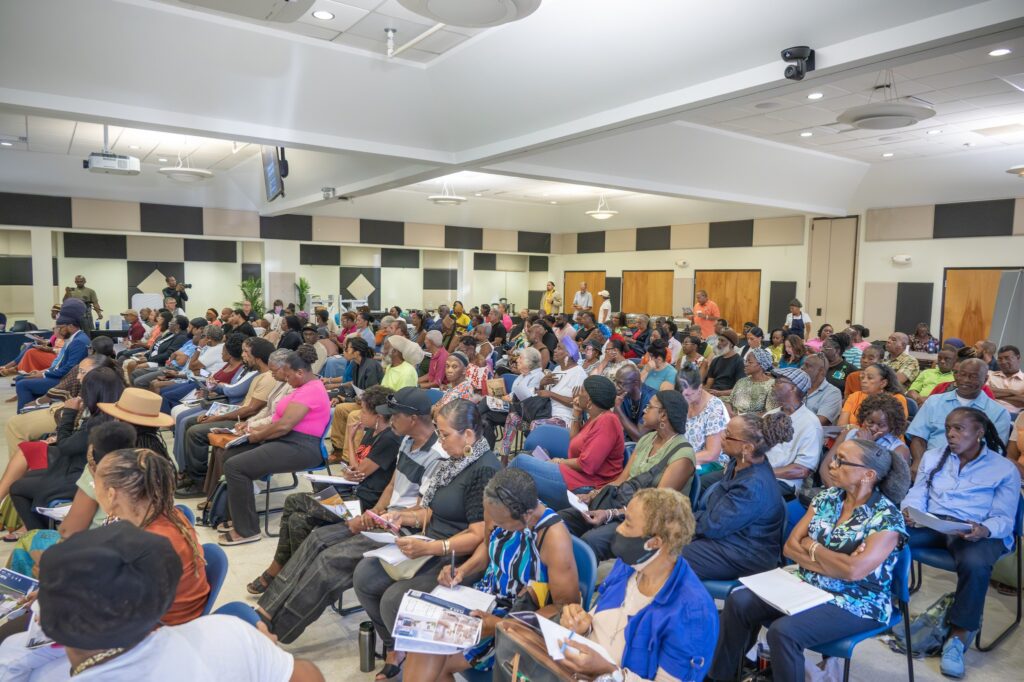
Residents packed the UVI Great Hall on St. Croix to hear more from Summit panelists (Submitted photo)
More than 600 residents attended the Innovative Housing Construction Summit held last week on St. Thomas and St. Croix, reflecting growing public interest in how new building technologies could help reduce construction costs in the territory.
The summit, hosted by Sen. Marvin Blyden in partnership with the Virgin Islands Territorial Association of REALTORS, focused on approaches that proponents say could lower the cost of home construction by as much as 40 to 50 percent while improving resilience and energy efficiency.
The two-day event featured panel discussions, hands-on demonstrations, and presentations from local and visiting construction firms, government agencies, developers, and financial institutions. Exhibitors highlighted a range of options, including insulated concrete forms, modular components, compact “tiny home” designs, and alternative wastewater systems.
Representatives from the Virgin Islands Housing Finance Authority, the Licensing and Consumer Affairs Department, the Virgin Islands Housing Authority, and several private lenders provided information on financing, permitting, estate planning, contractor bonding, and homeowner support services.
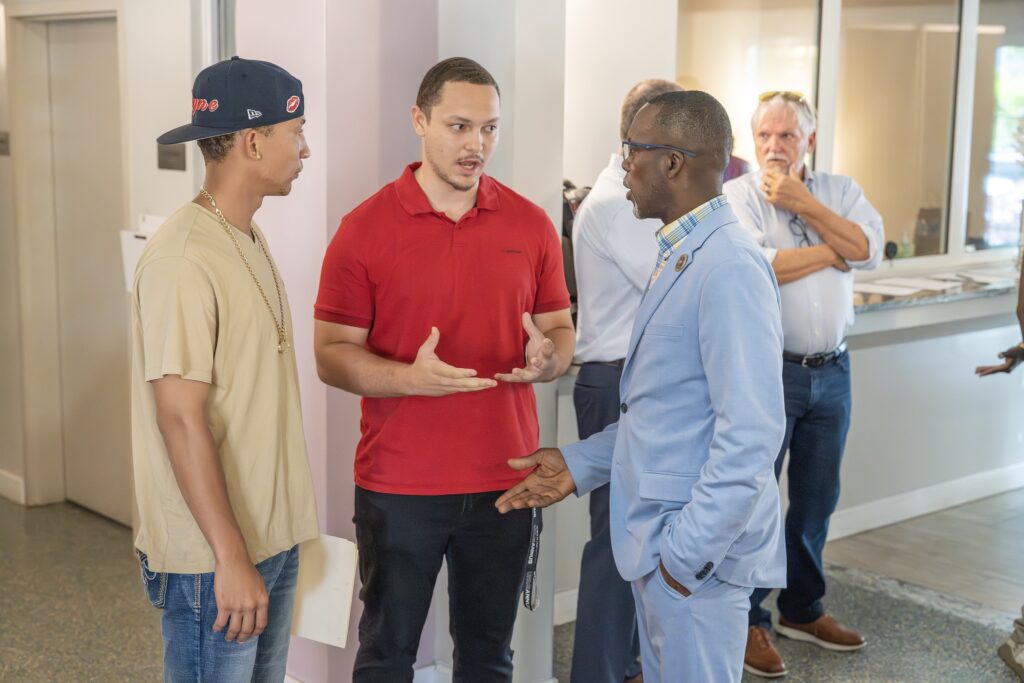
Elijah Hood (middle) speaks to Sen. Marvin Blyden about housing construction options (Submitted photo)
On St. Thomas, panelists discussed the challenges facing residents who want to build or buy homes amid high material and labor costs. Speakers included VIHFA Executive Director Eugene Jones, former Sen. Clifford Graham of Jackson Development Corporation, Historic Preservation Commission member Enrique Rodriguez, and FirstBank representative Andres Amaro. The discussion centered on balancing affordability and building standards, as well as how banks and developers might approach new construction models. A second panel on St. Croix included Jones, Office of Disaster Recovery Executive Director Adrienne Williams, and contractor Darien Jackson, focusing on resiliency and disaster recovery planning.
While Blyden organized the summit in his role as chair of the Senate Housing, Transportation and Telecommunications Committee, attendees represented a broad cross-section of public and private stakeholders. Several participants said the event was the first time they had seen multiple construction approaches, permitting guidance, and financing information presented in one setting. Some noted that the demonstrations made alternative building methods easier to understand, though others said questions remain regarding contractor availability, insurance acceptance, and timelines for local approval.
Blyden said he hopes the summit will help residents better evaluate construction options and connect directly with vendors and agencies. “Attendees left not just informed but inspired,” he said in closing remarks, adding that discussions are underway to hold another summit in the spring. VITAR board member Jamila Harris also noted the value of bringing industry groups and homeowners into the same conversation, pointing to ongoing territory-wide concerns about rising housing costs and limited affordable inventory.
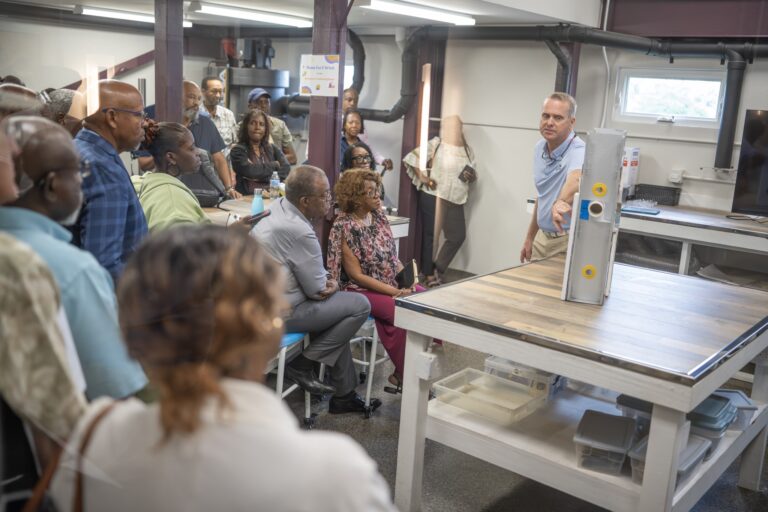
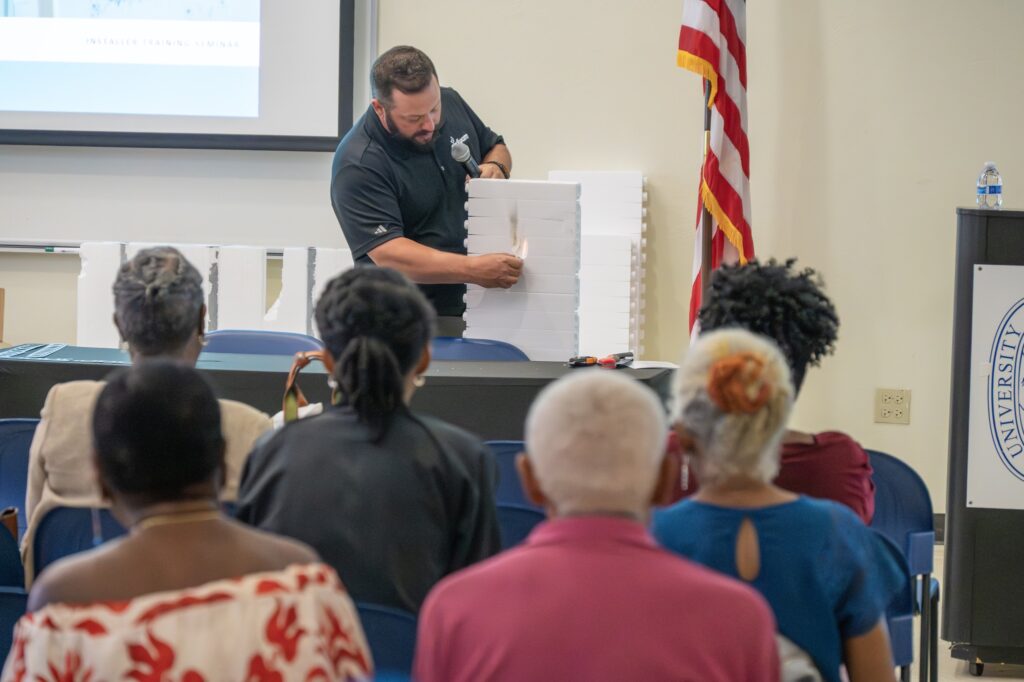
Presenters on St. Croix demonstrate fireproof building technology (Submitted photo)
The event also highlighted the need for continued coordination on long-term planning and policy alignment — especially in areas such as permitting, contractor capacity, and financing. Panelists and agency officials said those conversations are expected to continue in the months ahead as stakeholders look for practical ways to expand affordable home construction across the territory.
Exhibitors at the St. John Home Expo join host members from the Board of Realtors: from left, Dwight Lascaris, Jessica Williams, NaOmi Cagan and Luchia Polius. (Source photo by Judi Shimel)
A group of St. John professionals invited the public to explore different aspects of home and land ownership at a weekend event held in Estate Enighed. Saturday’s St. John Home Expo gave visitors a chance to learn about owning property, acquiring property, managing and maintaining property, and passing property along to future generations.
One of the exhibitors at the event brought word of a plan to fulfill a promise of home ownership to residents at an affordable housing development built in 2005.
Members of the St. John Board of Realtors staged this year’s event at the Marketplace shopping center with the goal of “strengthening our neighborhoods and supporting the future of homeownership in the Virgin Islands,” said chief organizer Keleigh Rees.
Exhibitors handed out business cards and shared details about services being offered to property owners and villa managers.
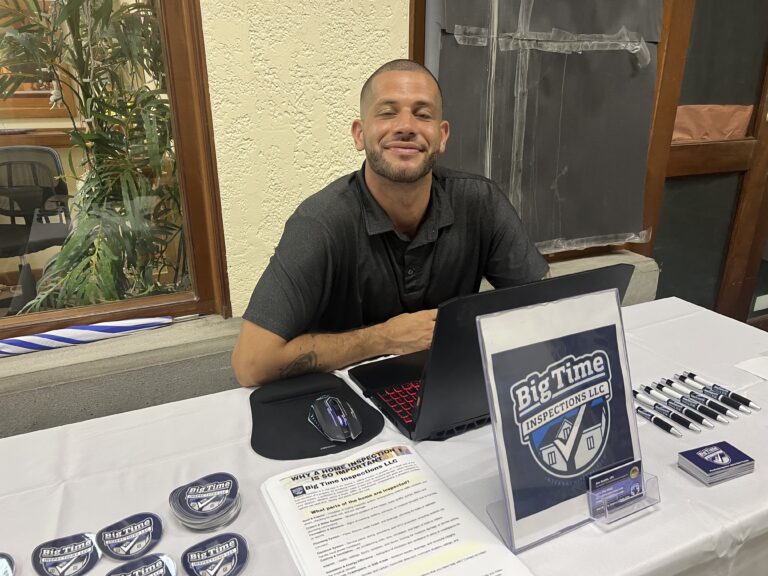
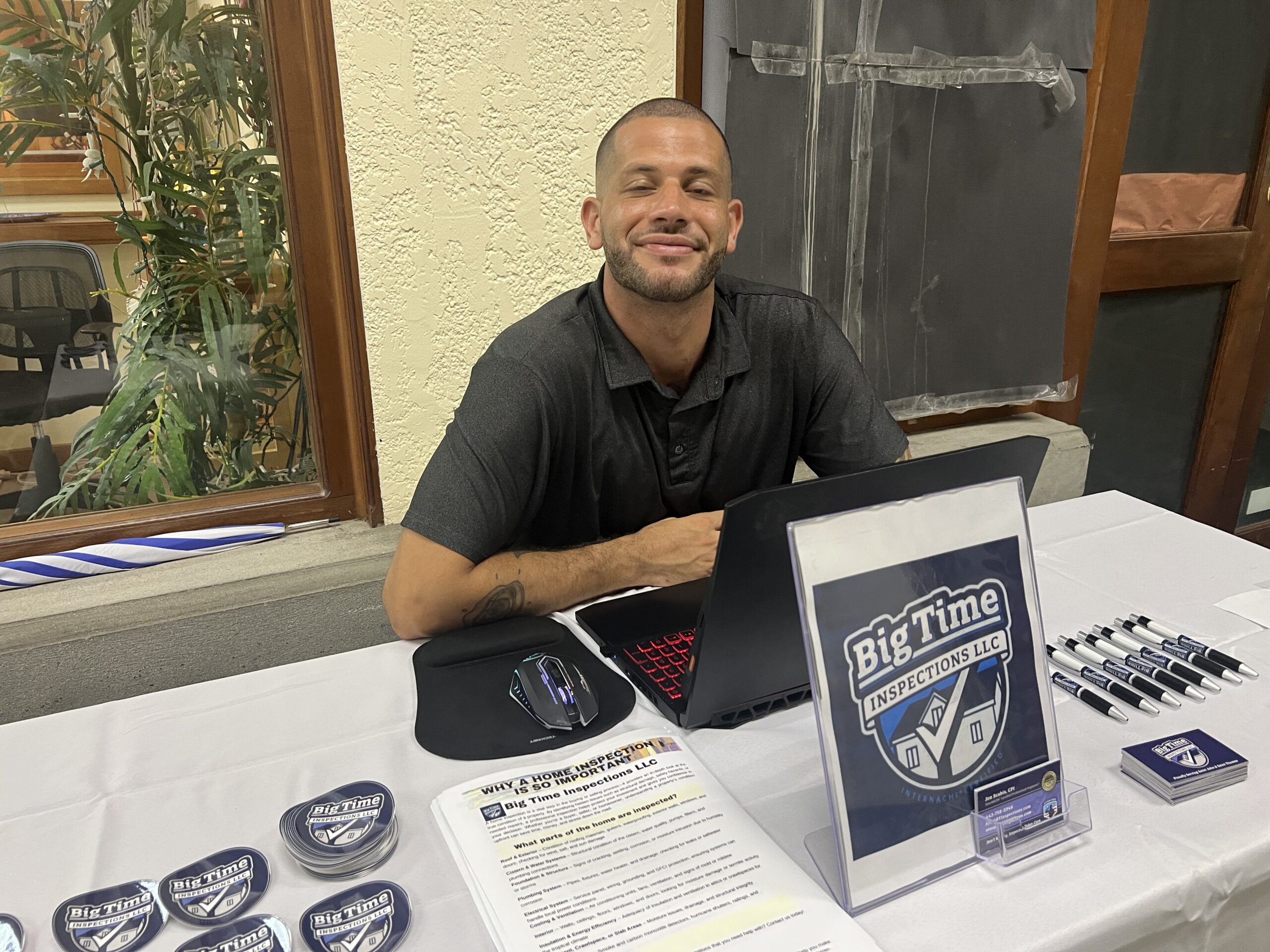
John Scabis explains the home inspection process to expo visitors. (Source photo by Judi Shimel)
For two new business owners, it was a way to introduce themselves to potential clients. “One of the things I try to get into people’s heads is preventive maintenance,” said John Scabis, owner of the company Big Time Maintenance, “It’s the small things that go unnoticed that turn into big things down the line.”
For the founder of My Estate Shield, wills and trusts are essential tools for family property management. “Across the country in America, 75 percent of folks don’t have something as simple as a will,” said business owner Steve Lowe.
Without having the formalities in place, he said, families can’t make good decisions about protecting, managing or sharing homes and land. “We’re completely focused on helping families get their affairs in order. We have about $170 million of V.I. wealth from average people like you and me protected with proper estate plans,” Lowe said.
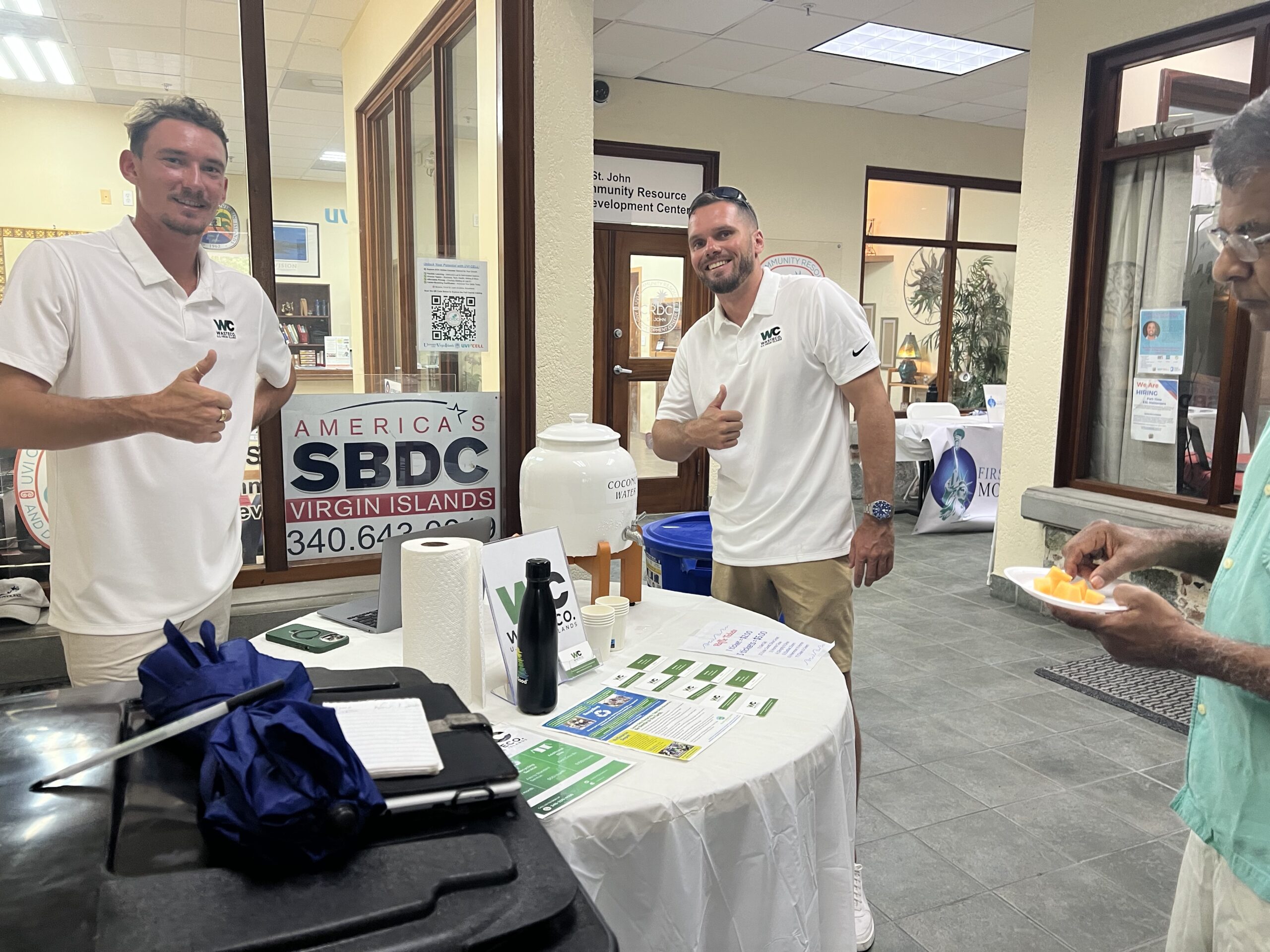
In another corner of the expo, new business owners Scot McQuaide and Kade Wallace told the story of buying a waste management business to relieve St. John villa renters from having to drop off recyclable plastics and aluminum.
“We pick up primarily from villas, but we also do some local and residential pickups at custom rates,” McQuaide said.
Kade Wallace and Scot McQuaide introduce their customized recycling system. (Source photo by Judi Shimel)
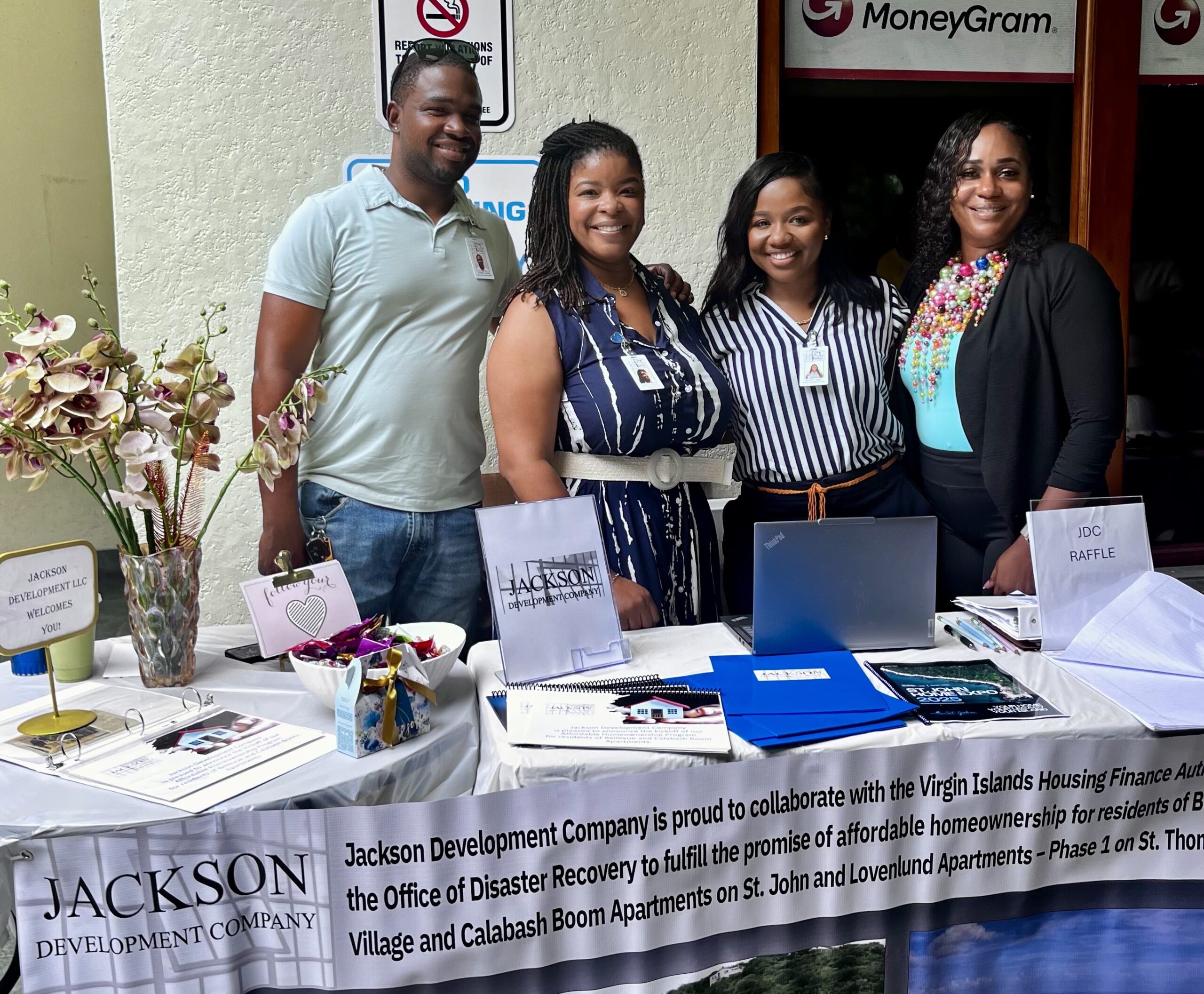
Housing contractor Robert Jackson sent a team to help spread the word about a plan to make good on a promise made when Bellview Housing Community was built 20 years ago. The promise was made to ground-floor occupants of duplex apartment buildings who stayed in their units for a specified time.
At that time, those residents were supposed to be given an option to buy their apartments. But when their company, Jackson formed, was sold, the new owners did not follow through with the rent-to-homeowner commitment, said team member NaOmi Cagan.
So, Johnson bought the company back and sought financial support from the Community Development Block Grant Program. “He’s trying to do his part by doing right by the locals, and sell them back their units,” she said.
In her biweekly column, “State of the Territory,” former Sen. Janelle K. Sarauw delves deeper into issues of concern for V.I. residents.
If the Legislature is the people’s house, the Executive the hands and feet, and the Judiciary the conscience, then the Delegate to Congress is the voice of the Virgin Islands in the nation’s capital. It is a role born out of compromise, shaped by colonial status, and sustained by the determination of Virgin Islanders to be heard in the halls of American power.
The position of Delegate is not a local creation. It comes directly from federal law, specifically the Revised Organic Act of 1954, which was amended by Congress in 1972 to authorize the Virgin Islands to elect a non-voting Delegate to the United States House of Representatives. The details are codified in Title 48 of the United States Code, Chapter 16, sections 1711 through 1715. These provisions spell out the role: how the office is elected, the length of the term, privileges in the House, and the Delegate’s ability to serve on committees, speak on the floor, and introduce bills, but not cast final votes. The Virgin Islands Code does not create or define the Delegate’s powers, because it is a federal office, not a territorial one. The Code only governs the mechanics of how we elect the Delegate, but not what the Delegate does once sworn into Congress.
The seat itself is relatively young in American political history. In 1972, Congress amended the Revised Organic Act to create the office, and later that year Virgin Islanders held their first election. Ron de Lugo became the inaugural Delegate to Congress in 1973, bringing the Virgin Islands a formal presence in Washington for the first time. From that moment forward, Virgin Islanders finally had an elected voice in Congress, even if it was a limited one. Through the 1980s, 1990s, and into the present, the office has matured into a critical link between the territory and the federal government.
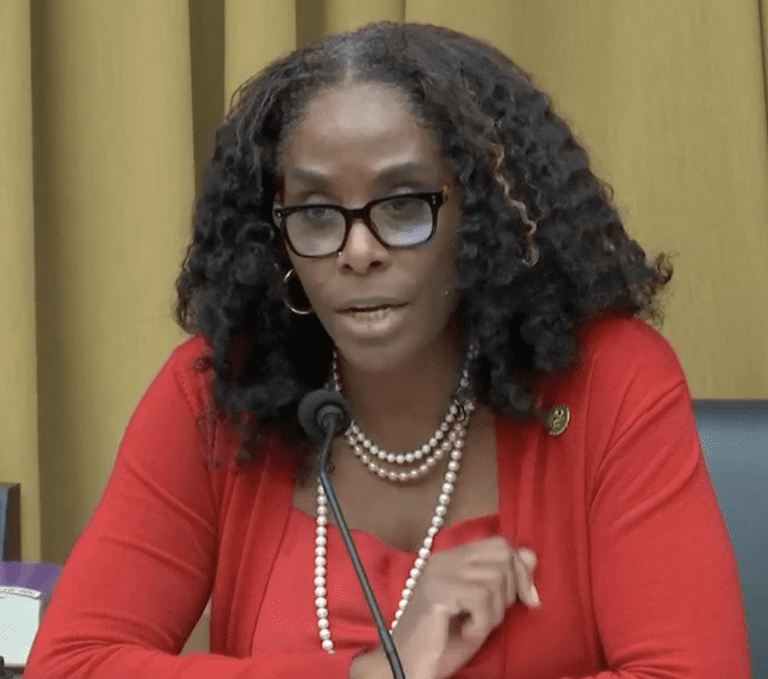
Each Delegate has used committee assignments to push Virgin Islands priorities. Ron de Lugo served on the Interior and Insular Affairs Committee, where he was able to advocate for territorial issues such as infrastructure and natural resources. Donna Christian Christensen sat on the influential Energy and Commerce Committee, where she shaped national health policy and worked to secure parity for Virgin Islanders in Medicare and Medicaid. Stacey Plaskett has served on both the Ways and Means Committee, which oversees taxation and trade, and the House Agriculture Committee, where she has fought for programs that support farmers and rural communities in the territory. These assignments reflect the quiet but critical influence that Delegates can wield, even without a final floor vote, because much of the real work of Congress happens in committees.
This makes the office both powerful and powerless at the same time. Powerful, because the Delegate is the official bridge between the Virgin Islands and the federal government, with the ability to introduce bills, negotiate with colleagues, and secure federal funding. Powerless, because when history is written in votes on the House floor, our Delegate cannot cast a binding vote. The paradox is a reminder that the Virgin Islands is not a state but an unincorporated territory, subject to the authority of Congress yet without full representation in it.
The role is also unique because the Delegate wears two hats. At home, Virgin Islanders often view the office as a kind of fourth branch of government, holding town halls, addressing constituent concerns, and explaining federal law. In Washington, the Delegate joins a small coalition of territorial representatives from Puerto Rico, Guam, American Samoa, and the Northern Mariana Islands who push together for greater equity. Few political roles in America demand such constant translation between local needs and federal realities.
Still, the position is often misunderstood. Many Virgin Islanders expect the Delegate to wield the power of a full voting member of Congress, able to deliver sweeping reforms or guarantee specific outcomes. In truth, the Delegate’s influence lies in advocacy, coalition building, and persistence, not in final votes. Expecting the Delegate to deliver state level results is like asking a coach to win the game without being allowed on the field. The coach can draw up the plays, rally the team, and argue with the referees, but someone else has the ball when the score is tallied.
The Delegate’s role also highlights the unfinished business of democracy in the Virgin Islands. More than a century after transfer from Denmark, Virgin Islanders are United States citizens who can fight in wars, pay federal taxes, and serve in federal service, but who cannot vote for president and whose voice in Congress is constrained. The office itself is a daily reminder of both progress and limitation. Progress in that we have a representative, limitation in that the representation is incomplete.
Yet the Delegate to Congress remains indispensable. Without a seat in Washington, the Virgin Islands would be voiceless in federal debates that shape our daily lives. With it, we have a platform, a messenger, and an advocate who can carry our stories, our struggles, and our aspirations into the halls of Congress. A voice without a vote is like a singer without a microphone. You can still hear the tune, but not at full volume. Until full equality is achieved, the role of the Delegate will remain both a symbol of our persistence and a measure of our unfinished fight for self-determination.
Editor’s Note: Opinion articles do not represent the views of the Virgin Islands Source newsroom and are the sole expressed opinion of the writer. Submissions can be made to visource@gmail.com. Editor’s Note: Opinion articles do not represent the views of the Virgin Islands Source newsroom and are the sole expressed opinion of the writer. Submissions can be made to visource@gmail.com.
Related Links:
Op-Ed: State of the Territory | The People’s House: Understanding the Role of the Virgin Islands LegislatureOp-Ed: State of the Territory | The Executive Branch: Governing at the Front LinesOp-Ed: State of the Territory | The Lieutenant Governor: The Most Unique Office in American GovernmentOp-Ed: State of the Territory | The Judiciary: The Guardian of Justice







 In her biweekly column, “State of the Territory,” former Sen. Janelle K. Sarauw delves deeper into issues of concern for V.I. residents.
If the Legislature is the people’s house, the Executive the hands and feet, and the Judiciary the conscience, then the Delegate to Congress is the voice of the Virgin Islands in the nation’s capital. It is a role born out of compromise, shaped by colonial status, and sustained by the determination of Virgin Islanders to be heard in the halls of American power.
The position of Delegate is not a local creation. It comes directly from federal law, specifically the Revised Organic Act of 1954, which was amended by Congress in 1972 to authorize the Virgin Islands to elect a non-voting Delegate to the United States House of Representatives. The details are codified in Title 48 of the United States Code, Chapter 16, sections 1711 through 1715. These provisions spell out the role: how the office is elected, the length of the term, privileges in the House, and the Delegate’s ability to serve on committees, speak on the floor, and introduce bills, but not cast final votes. The Virgin Islands Code does not create or define the Delegate’s powers, because it is a federal office, not a territorial one. The Code only governs the mechanics of how we elect the Delegate, but not what the Delegate does once sworn into Congress.
The seat itself is relatively young in American political history. In 1972, Congress amended the Revised Organic Act to create the office, and later that year Virgin Islanders held their first election. Ron de Lugo became the inaugural Delegate to Congress in 1973, bringing the Virgin Islands a formal presence in Washington for the first time. From that moment forward, Virgin Islanders finally had an elected voice in Congress, even if it was a limited one. Through the 1980s, 1990s, and into the present, the office has matured into a critical link between the territory and the federal government.
Each Delegate has used committee assignments to push Virgin Islands priorities. Ron de Lugo served on the Interior and Insular Affairs Committee, where he was able to advocate for territorial issues such as infrastructure and natural resources. Donna Christian Christensen sat on the influential Energy and Commerce Committee, where she shaped national health policy and worked to secure parity for Virgin Islanders in Medicare and Medicaid. Stacey Plaskett has served on both the Ways and Means Committee, which oversees taxation and trade, and the House Agriculture Committee, where she has fought for programs that support farmers and rural communities in the territory. These assignments reflect the quiet but critical influence that Delegates can wield, even without a final floor vote, because much of the real work of Congress happens in committees.
This makes the office both powerful and powerless at the same time. Powerful, because the Delegate is the official bridge between the Virgin Islands and the federal government, with the ability to introduce bills, negotiate with colleagues, and secure federal funding. Powerless, because when history is written in votes on the House floor, our Delegate cannot cast a binding vote. The paradox is a reminder that the Virgin Islands is not a state but an unincorporated territory, subject to the authority of Congress yet without full representation in it.
The role is also unique because the Delegate wears two hats. At home, Virgin Islanders often view the office as a kind of fourth branch of government, holding town halls, addressing constituent concerns, and explaining federal law. In Washington, the Delegate joins a small coalition of territorial representatives from Puerto Rico, Guam, American Samoa, and the Northern Mariana Islands who push together for greater equity. Few political roles in America demand such constant translation between local needs and federal realities.
Still, the position is often misunderstood. Many Virgin Islanders expect the Delegate to wield the power of a full voting member of Congress, able to deliver sweeping reforms or guarantee specific outcomes. In truth, the Delegate’s influence lies in advocacy, coalition building, and persistence, not in final votes. Expecting the Delegate to deliver state level results is like asking a coach to win the game without being allowed on the field. The coach can draw up the plays, rally the team, and argue with the referees, but someone else has the ball when the score is tallied.
The Delegate’s role also highlights the unfinished business of democracy in the Virgin Islands. More than a century after transfer from Denmark, Virgin Islanders are United States citizens who can fight in wars, pay federal taxes, and serve in federal service, but who cannot vote for president and whose voice in Congress is constrained. The office itself is a daily reminder of both progress and limitation. Progress in that we have a representative, limitation in that the representation is incomplete.
Yet the Delegate to Congress remains indispensable. Without a seat in Washington, the Virgin Islands would be voiceless in federal debates that shape our daily lives. With it, we have a platform, a messenger, and an advocate who can carry our stories, our struggles, and our aspirations into the halls of Congress. A voice without a vote is like a singer without a microphone. You can still hear the tune, but not at full volume. Until full equality is achieved, the role of the Delegate will remain both a symbol of our persistence and a measure of our unfinished fight for self-determination.
Editor’s Note: Opinion articles do not represent the views of the Virgin Islands Source newsroom and are the sole expressed opinion of the writer. Submissions can be made to visource@gmail.com.
Editor’s Note: Opinion articles do not represent the views of the Virgin Islands Source newsroom and are the sole expressed opinion of the writer. Submissions can be made to visource@gmail.com.
Related Links:
Op-Ed: State of the Territory | The People’s House: Understanding the Role of the Virgin Islands Legislature
Op-Ed: State of the Territory | The Executive Branch: Governing at the Front Lines
Op-Ed: State of the Territory | The Lieutenant Governor: The Most Unique Office in American Government
Op-Ed: State of the Territory | The Judiciary: The Guardian of Justice
In her biweekly column, “State of the Territory,” former Sen. Janelle K. Sarauw delves deeper into issues of concern for V.I. residents.
If the Legislature is the people’s house, the Executive the hands and feet, and the Judiciary the conscience, then the Delegate to Congress is the voice of the Virgin Islands in the nation’s capital. It is a role born out of compromise, shaped by colonial status, and sustained by the determination of Virgin Islanders to be heard in the halls of American power.
The position of Delegate is not a local creation. It comes directly from federal law, specifically the Revised Organic Act of 1954, which was amended by Congress in 1972 to authorize the Virgin Islands to elect a non-voting Delegate to the United States House of Representatives. The details are codified in Title 48 of the United States Code, Chapter 16, sections 1711 through 1715. These provisions spell out the role: how the office is elected, the length of the term, privileges in the House, and the Delegate’s ability to serve on committees, speak on the floor, and introduce bills, but not cast final votes. The Virgin Islands Code does not create or define the Delegate’s powers, because it is a federal office, not a territorial one. The Code only governs the mechanics of how we elect the Delegate, but not what the Delegate does once sworn into Congress.
The seat itself is relatively young in American political history. In 1972, Congress amended the Revised Organic Act to create the office, and later that year Virgin Islanders held their first election. Ron de Lugo became the inaugural Delegate to Congress in 1973, bringing the Virgin Islands a formal presence in Washington for the first time. From that moment forward, Virgin Islanders finally had an elected voice in Congress, even if it was a limited one. Through the 1980s, 1990s, and into the present, the office has matured into a critical link between the territory and the federal government.
Each Delegate has used committee assignments to push Virgin Islands priorities. Ron de Lugo served on the Interior and Insular Affairs Committee, where he was able to advocate for territorial issues such as infrastructure and natural resources. Donna Christian Christensen sat on the influential Energy and Commerce Committee, where she shaped national health policy and worked to secure parity for Virgin Islanders in Medicare and Medicaid. Stacey Plaskett has served on both the Ways and Means Committee, which oversees taxation and trade, and the House Agriculture Committee, where she has fought for programs that support farmers and rural communities in the territory. These assignments reflect the quiet but critical influence that Delegates can wield, even without a final floor vote, because much of the real work of Congress happens in committees.
This makes the office both powerful and powerless at the same time. Powerful, because the Delegate is the official bridge between the Virgin Islands and the federal government, with the ability to introduce bills, negotiate with colleagues, and secure federal funding. Powerless, because when history is written in votes on the House floor, our Delegate cannot cast a binding vote. The paradox is a reminder that the Virgin Islands is not a state but an unincorporated territory, subject to the authority of Congress yet without full representation in it.
The role is also unique because the Delegate wears two hats. At home, Virgin Islanders often view the office as a kind of fourth branch of government, holding town halls, addressing constituent concerns, and explaining federal law. In Washington, the Delegate joins a small coalition of territorial representatives from Puerto Rico, Guam, American Samoa, and the Northern Mariana Islands who push together for greater equity. Few political roles in America demand such constant translation between local needs and federal realities.
Still, the position is often misunderstood. Many Virgin Islanders expect the Delegate to wield the power of a full voting member of Congress, able to deliver sweeping reforms or guarantee specific outcomes. In truth, the Delegate’s influence lies in advocacy, coalition building, and persistence, not in final votes. Expecting the Delegate to deliver state level results is like asking a coach to win the game without being allowed on the field. The coach can draw up the plays, rally the team, and argue with the referees, but someone else has the ball when the score is tallied.
The Delegate’s role also highlights the unfinished business of democracy in the Virgin Islands. More than a century after transfer from Denmark, Virgin Islanders are United States citizens who can fight in wars, pay federal taxes, and serve in federal service, but who cannot vote for president and whose voice in Congress is constrained. The office itself is a daily reminder of both progress and limitation. Progress in that we have a representative, limitation in that the representation is incomplete.
Yet the Delegate to Congress remains indispensable. Without a seat in Washington, the Virgin Islands would be voiceless in federal debates that shape our daily lives. With it, we have a platform, a messenger, and an advocate who can carry our stories, our struggles, and our aspirations into the halls of Congress. A voice without a vote is like a singer without a microphone. You can still hear the tune, but not at full volume. Until full equality is achieved, the role of the Delegate will remain both a symbol of our persistence and a measure of our unfinished fight for self-determination.
Editor’s Note: Opinion articles do not represent the views of the Virgin Islands Source newsroom and are the sole expressed opinion of the writer. Submissions can be made to visource@gmail.com.
Editor’s Note: Opinion articles do not represent the views of the Virgin Islands Source newsroom and are the sole expressed opinion of the writer. Submissions can be made to visource@gmail.com.
Related Links:
Op-Ed: State of the Territory | The People’s House: Understanding the Role of the Virgin Islands Legislature
Op-Ed: State of the Territory | The Executive Branch: Governing at the Front Lines
Op-Ed: State of the Territory | The Lieutenant Governor: The Most Unique Office in American Government
Op-Ed: State of the Territory | The Judiciary: The Guardian of Justice 
