As well-wishes for the recovery of Jamaica from the ravages of Hurricane Melissa rise in voices throughout the Caribbean, international teams have set emergency response in motion. And among the initial efforts came a tiny team from the U.S. Virgin Islands willing to lend a hand.
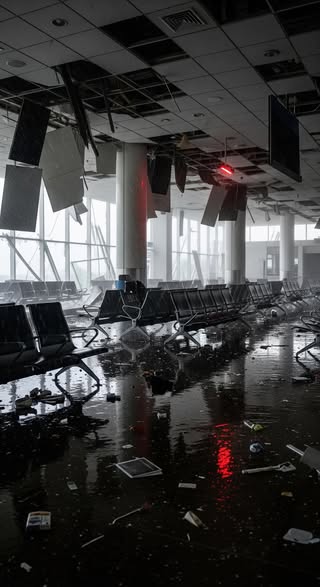
Sangster International Airport in Montego Bay, Jamaica, was badly damaged by Hurricane Melissa. (Facebook photo)
Speaking to the Source from Florida on Monday, Chris Watson told the story of how he and Jose Trotman made their way onto the stricken island in the hours after Hurricane Melissa — with winds of 185 mph — tore through Montego Bay and Jamaica’s western end.
In his daily life, Watson works with a St. Thomas-based medical ambulance company. He described conditions on the ground in the stricken areas as “ten times worse” than depicted in media reports.
As of Nov. 2 — four days after the storm had passed — the BBC was reporting Jamaica’s death toll at 38. The immediate task upon arrival, he said, was saving lives.
“We went to Jamaica; we were working alongside the Jamaica Defense Force. We were staging out of Montego Sangster Airport,” Watson said. “We were effectively given a helicopter — a Bell 407 — which is set up for passenger carrying operations.”
Together, the hosts and their guests retrofitted the chopper using spare parts. “We retrofitted this thing with what equipment we could find and turned it into a fully-functioning helicopter air ambulance. We then were tasked with going to different hospitals in the disaster area and evacuating medical patients from those hospitals to a higher level of care.”
The rescue crew shifted into continuous motion over the course of five days, he said, sleeping when they could in storm-damaged airport buildings in Montego Bay. A few days into the effort, safety concerns made further evacuations doubtful, and available supplies ran out toward the end.
With help from Jack Brewer — a U.S.-based supporter — Watson and Trotman boarded a flight to Ft. Lauderdale to catch some breath and process the experience. When asked how many missions they flew in the converted rescue chopper, Watson couldn’t say.
“I don’t know, I can’t remember, I don’t even know what day it is now,” he said. “I think we spent five days on the ground … We helped some people; some hadn’t made it despite best efforts, but we got a critical care paramedic — flight paramedic — on our team and they’re doing these things.”
Trotman has since headed back home with praise from his teammate. Watson held out hope that with additional support, the medevac missions may soon resume.
The territory can expect to attend the Economic Development Authority’s Estate Planning Conference Tuesday on both St. Croix and St. Thomas and receive a great deal of information on how to manage one’s assets.
The event is being conducted through the Enterprise Zone Commission and was originally scheduled for Sept. 18. Now, rescheduled for Tuesday, interested persons can receive answers and detailed information to many questions surrounding estate planning. Those who attend can expect to hear conversations about wills, trusts, and the role estate planning plays in preserving property.
Since 2010, the EZC has hosted estate planning conferences to reduce the number of vacant buildings within the enterprise zones.
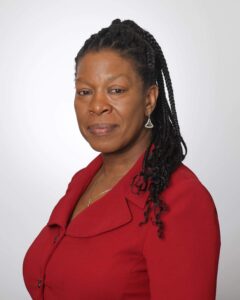
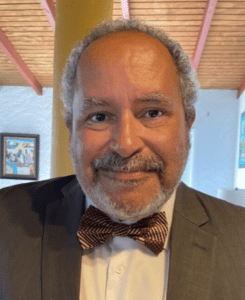
Nadine Marchena Kean is the managing director of the Enterprise Zone Commission. (Photo from the EDA website https://usvieda.org/team/)
“The Economic Development Authority through the Enterprise Zone Commission has been doing this for the last fifteen to eighteen years. However, this will be the last for a while,” said Nadine Marchena-Kean, the managing director of the Enterprise Zone Commission.
According to Marchena-Kean, the EZC has been able to conduct the estate planning conference for the last four years through a grant from the Department of the Interior. Now that the grant is ending, the estate planning conference will not be happening again “for a while.”
Marchena Kean added that the purpose of the estate planning conferences allows for the rebuilding of the community.
“We are doing this because as we go through the zones, we see that there’s lots of buildings that appear to be abandoned. So in looking into the ownerships of the buildings we found that there were multiple owners over multiple generations that are potential heirs to these buildings, and lack of proper estate planning had not been completed,” she said. “There’s so many different owners that they don’t know how to go about dealing with it.”
On St. Croix, the event will be held at the University of the Virgin Islands Great Hall at the Albert A. Sheen Campus. On St. Thomas, it will be held at Muse Meetings & Events on Waterfront. The event will occur simultaneously at both locations from 5 p.m. to 8 p.m. Interested persons must register by phone by contacting the VIEDA office on St. Thomas at 340-714-1700 or on St. Croix at 340-773-6499, or online at https://usvieda.org/2025/10/21/ezc-estate-planning-conference/. In-person and online access is available.
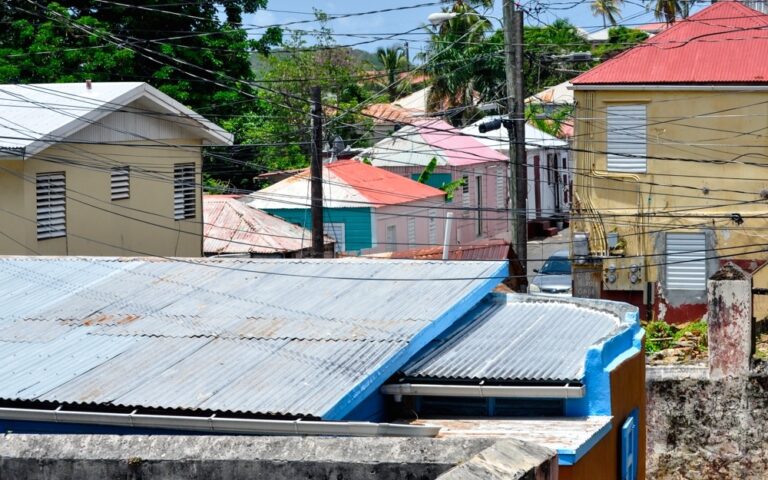
The Savan neighborhood on St. Thomas, one of the enterprise zones on the island. (Source file photo)
“This is a critical moment in our history. We as a people need to move forward to build wealth amongst the people of the Virgin Islands,” said Marchena Kean. “[It] really means you can build wealth if you hand it off to the next person and not create family infighting. We need to rise as a people.”
When asked if estate planning is easily accessible for the average person, Marchena Kean replied, “I think the average person will be able to do something.”
She used the example of owning a car and having an only child, expecting the car to be passed down generationally to that child after loss of life. However, problems arise without proper estate planning.
“If somebody owns a car and they pass, you can’t just say because you only had one child and the car is going to go to that child anyway, that you can just leave it like that. Because in truth you can’t register a car if the car is not in your name,” said Marchena Kean. “The car must go through probate. There is a simple form you can fill out that can take you to the next step,” she added.
Additionally, Marchena Kean highlighted that the conference will provide an understanding of where to begin with estate planning.
“I think the conference will provide your first step,” said Marchena Kean. “A lot of people have come to these conferences and their main question is where do I start?” She added that, “It may seem like it’s difficult, but it’s easy first steps.”
Legal experts and members from the Office of the Lieutenant Governor will be there to answer questions. The managing director said there will also be a special tool introduced that was created to assist in estate planning and there will be feedback from individuals involved in a pilot program to assist families with the process.
More information about the estate planning conference can be retrieved by contacting ezc@usvieda.org or by phone at the phone numbers referenced.
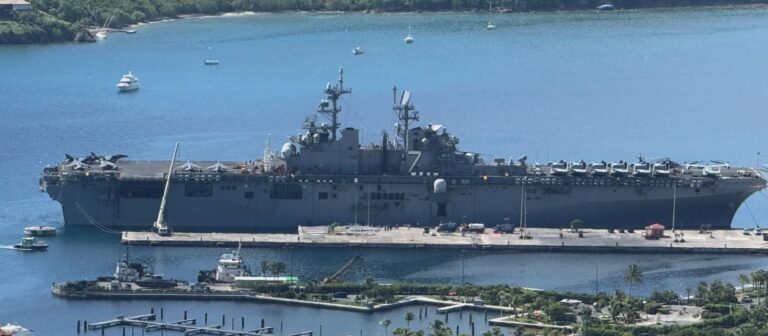
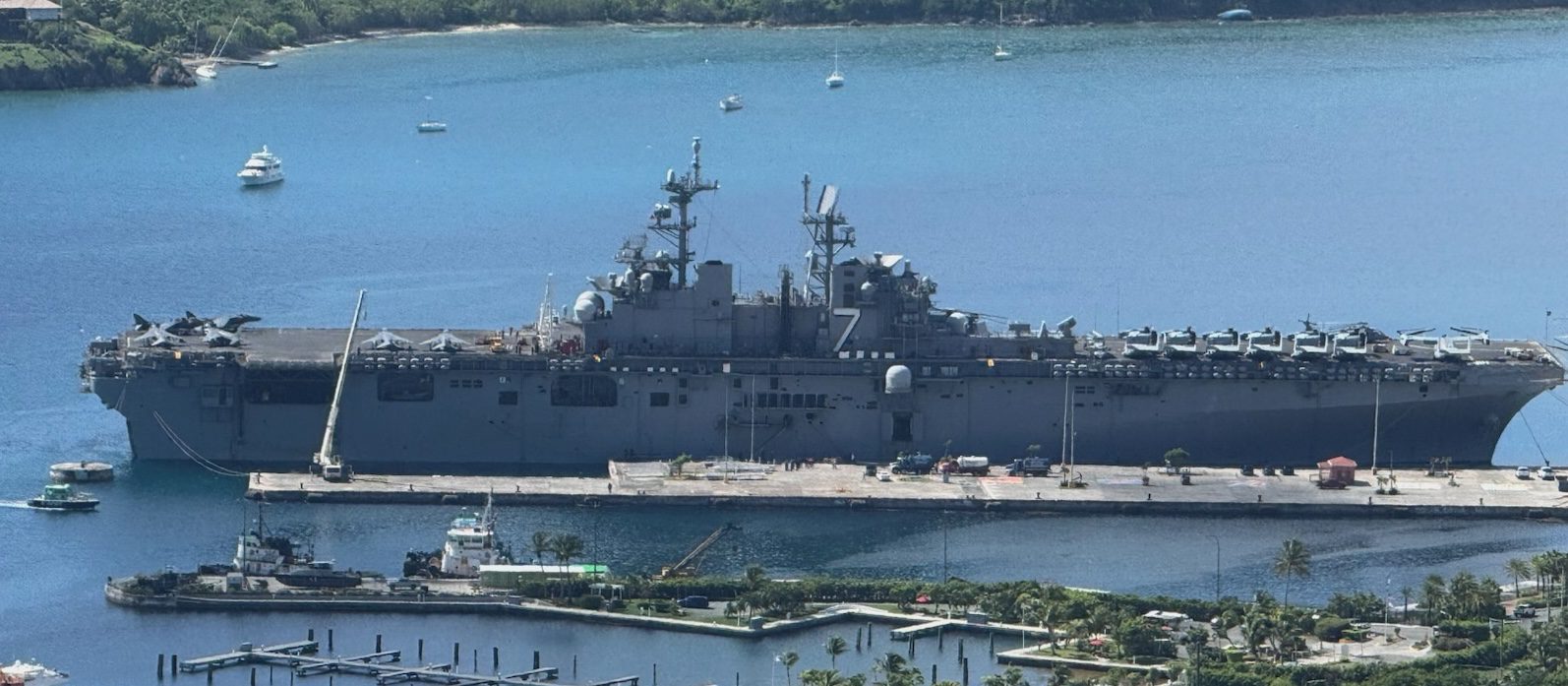
The USS Iwo Jima, an amphibious assault ship of the United States Navy, docks at Crown Bay in early October. (Source file photo by Michele L Weichman)
Rising Tensions and Increased Military Presence in the Caribbean
Mark D. Wenner
Tensions and fears are escalating throughout the Caribbean Basin as the military presence in the region reaches its highest level since 1983, when the United States invaded Grenada with 7,600 military personnel and 16 naval ships. Historically, the Caribbean has been characterized by peace and stability, with regular democratic elections and peaceful transfers of power. While there have been occasional incidents of military action or political violence — most notably in Haiti, the Dominican Republic, Grenada, and Cuba — the region has generally remained free from large-scale conflict. Since World War II, the Caribbean Sea has predominantly been a route for cruise ships, yachts, and passenger aircraft, rather than warships, fighter jets, or heavy bombers.
Recent U.S. Military Deployments and Operations
On Aug. 19, 2025, Donald Trump ordered three Navy warships into the Southern Caribbean to intercept suspected drug-carrying vessels leaving Venezuela. Since then, the deployment has rapidly expanded to eight warships, a nuclear submarine, the Special Forces-unmarked converted cargo ship MV Ocean Trader, and approximately 83 planes, helicopters, and drones. The number of military personnel now exceeds 4,500, and the USS Gerald Ford aircraft group is en route to further augment the U.S. forces in the area.
By Nov. 1, 2025, U.S. forces had conducted 15 kinetic strikes on 16 vessels, resulting in 64 deaths and three detentions. Nine of these strikes occurred in the Caribbean off the coast of Venezuela, while seven took place in the Eastern Pacific near Ecuador, Panama, and Colombia.
Strategic Use of U.S. Territories and Regional Partnerships
Puerto Rico and the U.S. Virgin Islands, both unincorporated U.S. territories in the Caribbean, are being used to house military personnel and provide logistical support for operations. The Jose Aponte Torre airport — formerly part of the Roosevelt Roads Naval Station in Puerto Rico — is serving as a base for 10 F-35s and most land-based personnel. On St. Croix in the U.S. Virgin Islands, additional military personnel are housed at the Port Hamilton Refining and Transportation (PHRT) “Man Camp.” A restricted flight zone has been announced by the FAA, affecting airspace off the southeast coast of Puerto Rico from Nov. 1, 2025, to March 31, 2026, to facilitate high-tempo military operations near Jose Aponte de la Torre Airport.
U.S. military capacity is also being expanded in the Southern Caribbean, with requests to install a military radar at Grenada’s Maurice Bishop International Airport, and joint training exercises with the Trinidad and Tobago Defense Force have taken place. U.S. Special Forces Aviation Units have also been observed conducting “proficiency training” offshore Trinidad.
Escalation of Covert Operations
Further heightening regional tensions, Trump authorized the Central Intelligence Agency (CIA) on Oct. 15, 2025, to conduct covert operations inside Venezuela, coinciding with the rapid buildup of U.S. naval forces.
Analysis of U.S. Actions Against Venezuela
The stated rationale for targeting Venezuela — preventing the flow of fentanyl and cocaine to the United States — is unsubstantiated. Transnational criminal organizations in Mexico, supported by China and India (which provide precursor chemicals), are the principal source of fentanyl to the U.S., not Venezuela. Likewise, Venezuela is not a major producer of coca or cocaine; instead, it serves as a transshipment hub for cocaine produced in neighboring countries. While some ex-FARC combatants have recently established labs in Venezuela’s border states, Colombia remains by far the largest producer of coca and refined cocaine.
Efforts to interdict supply have historically failed to reduce demand. As long as there is strong demand for illicit products some ambitious and risk-loving parties will find a way to supply the demand. Despite decades of “Wars on Drugs” declared by Nixon and Reagan, the prevalence of illicit drug use in America has increased, from 10% of Americans aged 12 and older in 1971 to 16.8% in 2023. Cocaine consumption reached an estimated $28 billion among 5.1 million Americans in 2023, compared to minimal use in 1971.
If the goal were truly to disrupt cocaine supply, military action would be more logically directed at Colombia, which cultivates the majority of the world’s coca (65%) and produces most of the world’s refined cocaine (70-80%), according to the United Nations Office on Drugs and Crime and the Drug Enforcement Agency (UNDOC). Other significant producers include Peru and Bolivia, with Venezuela playing a minor role in the processing of these commodities. Furthermore, Trump’s decision in January 2025 to pardon Ross Ulbricht, creator of the Silk Road dark web marketplace, who was convicted in 2015 and sentenced to double life terms on multiple counts for continuing a criminal enterprise, distributing illicit drugs on the internet, and using BITCOIN to facilitate payment of drug transactions, undermines claims of dedication to fighting drugs and protecting Americans from “poison.”
These facts suggest that the Trump administration’s actions are not aimed at curbing drug trafficking, but rather at achieving regime change in Venezuela and installing a pro-American government that favors U.S. business interests, especially in the oil sector. This pursuit follows the expropriation of ExxonMobil and ConocoPhillips assets by Hugo Chávez in 2007.
Legal and Constitutional Concerns Regarding Use of Force
There is no legal justification for the use of lethal force against non-combatant foreign nationals in international waters. Trump’s actions violate international law by employing the U.S. military for extrajudicial killings. The administration has reclassified “criminal organizations” as foreign terrorist organizations and individuals on suspected drug vessels as “unlawful combatants,” bypassing established legal procedures for maritime interdiction. Historically, the U.S. Coast Guard has adhered to a standard protocol, including intercepting vessels, seizing evidence, ensuring due process for alleged smugglers, charging smugglers in a court, and either sentencing or deporting smugglers of contraband. The sudden shift to military involvement in crime-fighting activities, law enforcement, and the reclassification of transnational criminal organizations lacks credibility.
Additionally, the administration appears to be preparing for direct military action —potentially including aerial attacks, incursions, or blockades — without obtaining the required congressional approval as mandated by the War Powers Resolution of 1973. This law requires consultation and notification of Congress before deploying troops into hostilities, with a request for formal authorization for engagements lasting more than 60 days. Previous Authorizations to Use Military Force (AMUFs) have expired (Iraq and ISIS), and Venezuela does not qualify as a terror actor, so it does not qualify for the AMUF for Global Terror. Trump argues that his commander-in-chief powers allow him to act against drug cartels and non-state actors, but this rationale is questionable.
Unlike previous presidents, Trump has not presented evidence to Congress or the public to justify intervention. There is no imminent threat to U.S. national security: alleged smugglers have not attacked U.S. personnel, Venezuela’s armed forces have not engaged U.S. forces, and Venezuela’s small and inept armed forces have no offensive capabilities of striking or invading the USA. Admiral Alvin Hosley’s abrupt resignation after disagreements about the legality of fast boat strikes raises further questions about the operation’s legitimacy. Ultimately, the demand for cocaine is driven by millions of American consumers, not by Venezuela’s production or trafficking activities.
Political and Economic Implications for the U.S. Virgin Islands
The U.S. Virgin Islands (USVI) and Puerto Rico are being separated from most (CARICOM) nations, which generally seek to de-escalate the situation and avoid militarization. Only Trinidad and Tobago and Guyana have openly supported U.S. escalation, while 11 former CARICOM prime ministers have condemned U.S. military deployment. Under the leadership of Gov. Albert Bryan Jr., the USVI has welcomed the U.S. presence, expecting economic benefits from military visits, such as the recent Iwo Jima liberty visit that injected money into the local economy. The presence of military personnel at the Man Camp and local hotels has also provided economic stimulation, with future naval visits expected to further benefit local businesses.
As a fiscally constrained territory reliant on federal transfers and welfare programs, USVI political leadership is cautious about antagonizing the Trump administration, fearing potential reductions in assistance or unfavorable treatment. However, it is essential that Virgin Islands residents understand the broader power dynamics, historical precedents, and legal and ethical implications of these developments. The Trump administration’s actions represent reckless imperialism, extrajudicial killings, and an attempt to engineer regime change in Venezuela under the guise of combating drug trafficking.
Broader Regional and Ethical Considerations
The current situation is fundamentally a contest over control of valuable natural resources, reopening Venezuela to American businesses, and reducing Chinese influence in a vulnerable, weak country that is in a state of economic and political turmoil. The USVI, as a territory of the United States, serves primarily as a recreational destination for military personnel and a minor logistical hub. In the event of a full-scale conflict, the USVI would likely remain physically safe, but tourism throughout the region would suffer, especially in countries closer to Venezuela. Both the USVI and Puerto Rico may become increasingly isolated from sovereign Caribbean states for their complicit role.
Intellectuals, artists, activists, and conscientious citizens should recognize and resist manipulation and power plays, advocating for pan-Caribbean unity, transparency, accountability, good governance, and justice. The current U.S. policy will harm more people than it benefits and will undermine the international rule of law. Virgin Islanders, while limited in their ability to influence mainland U.S. policy, should strive to speak the truth, remain informed, and avoid parroting imperialist propaganda. While economic pragmatism may dictate continued commerce with military personnel, residents should remind them of the risks and improprieties inherent in these operations. It is crucial to oppose reckless policies, encourage congressional oversight, and maintain moral clarity and conviction in the face of imminent geopolitical challenge.
— Mark D. Wenner is an assistant professor of economics at the University of the Virgin Islands who resides on St. Thomas.Editor’s Note: Opinion articles do not represent the views of the Virgin Islands Source newsroom and are the sole expressed opinion of the writer. Submissions can be made to visource@gmail.com.
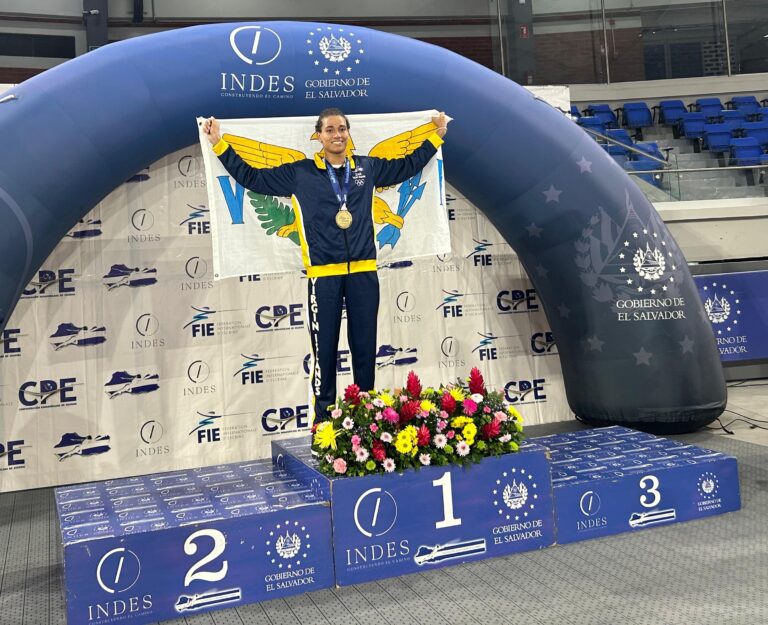
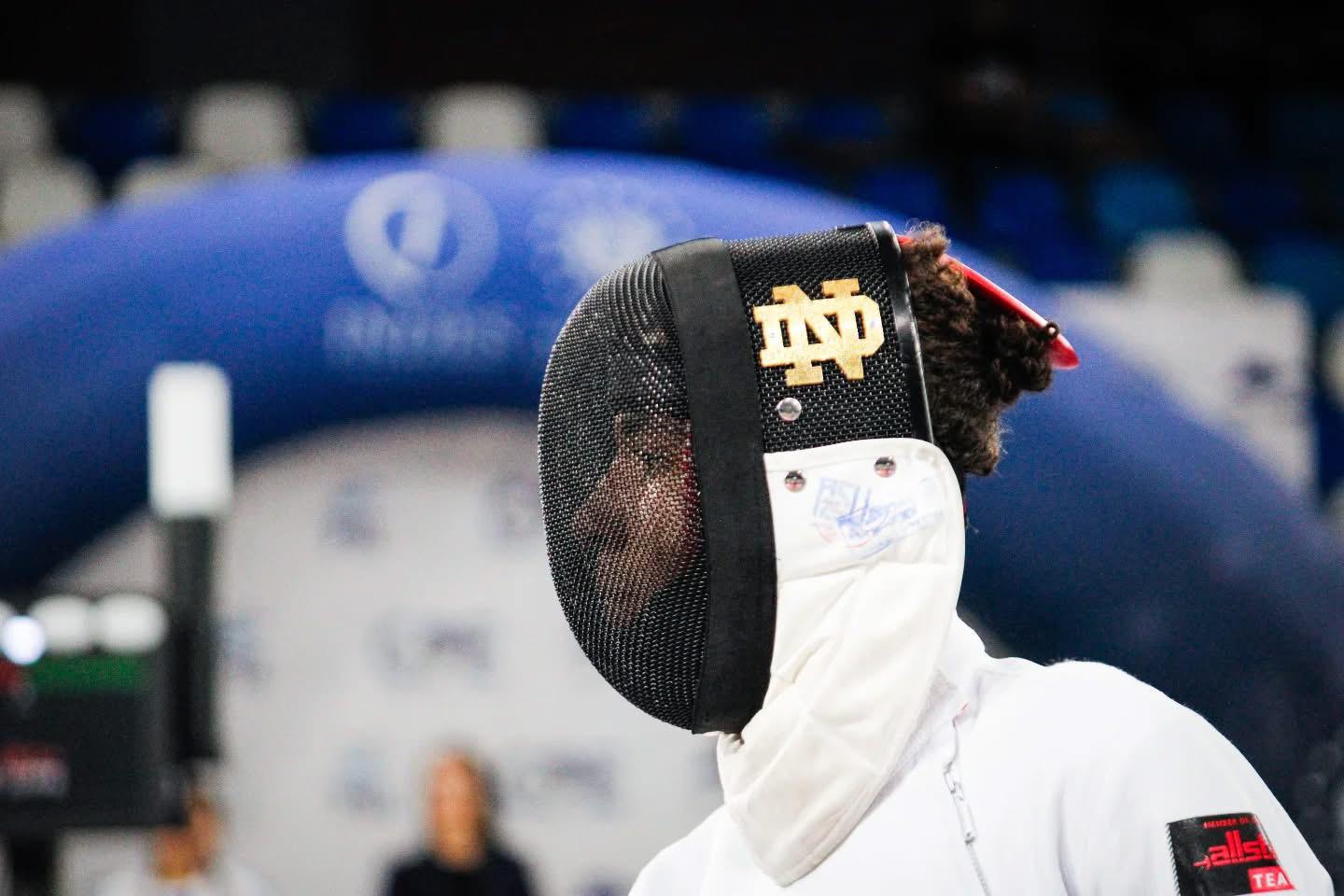
Schembri posed with the USVI flag atop the podium at El Salvador’s Junior World Cup after placing first in the men’s individual épée. (Photo courtesy Kruz Schembri)
Kruz Schembri spent the weekend after his birthday in El Salvador doing something 19-year-olds rarely do: winning a gold medal at the Fencing Junior World Cup.
The Notre Dame freshman with Crucian roots captured first place in men’s individual épée with 32 points. Team USA took second and third place with Alexander Bezrodnov scoring 26 points, while Jonathan Wu and Simon Lioznyansky tied with 20 points each.
Schembri was the only fencer representing the U.S. Virgin Islands at the event.
19-year-old fencer Kruz Schembri celebrated a dominant first-place victory at the Junior World Cup in El Salvador. (Photo courtesy Kruz Schembri)
“It was a very long day, but I fought hard and well each bout,” Schembri said.
Building on the momentum of his historic gold at the Jr. Pan-Am Games in August, Schembri rose to the top of a field of 83 fencers. He is currently ranked fourth in the world in the junior men’s épée.
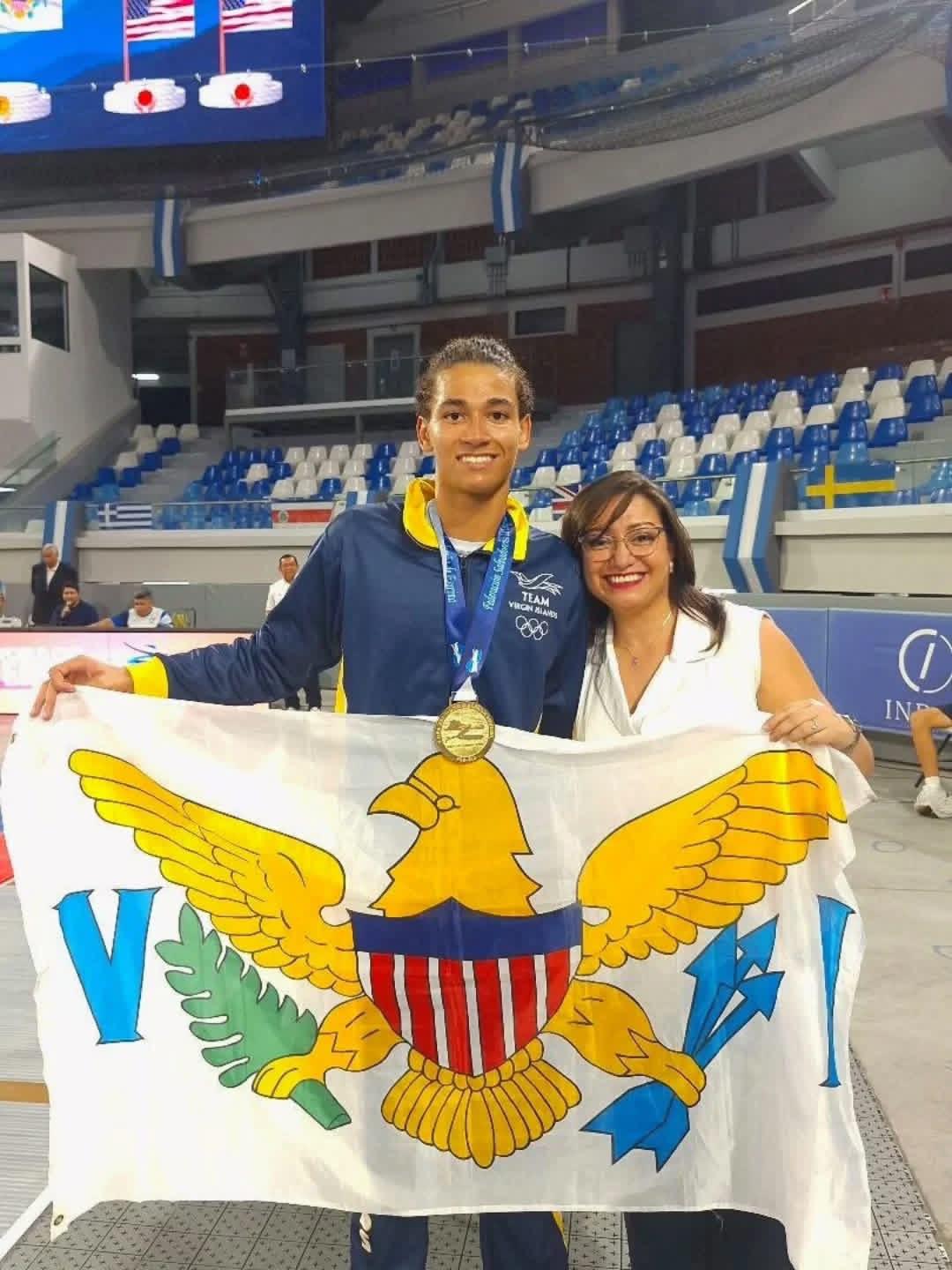
Schembri, donning his first-place hardware, posed behind the USVI flag with Melissa Alvarenga, executive secretary of the Pan American Fencing Confederation. (Photo courtesy Kruz Schembri)
“I feel like I have definitely gotten better as a fencer,” Schembri said. “Notre Dame has taught me discipline and work ethic inside and outside the classroom that translates to my fencing.”
Kruz Schembri, Notre Dame freshman with Crucian roots, captured first place in men’s individual épée with 32 points. (Photo courtesy Kruz Schembri)
It’s a balance that the finance major seems to be managing remarkably well. Between coursework at one of the nation’s premier business schools and the demanding training schedule required for international competition, Schembri has found a rhythm that allows both pursuits to enhance each other.
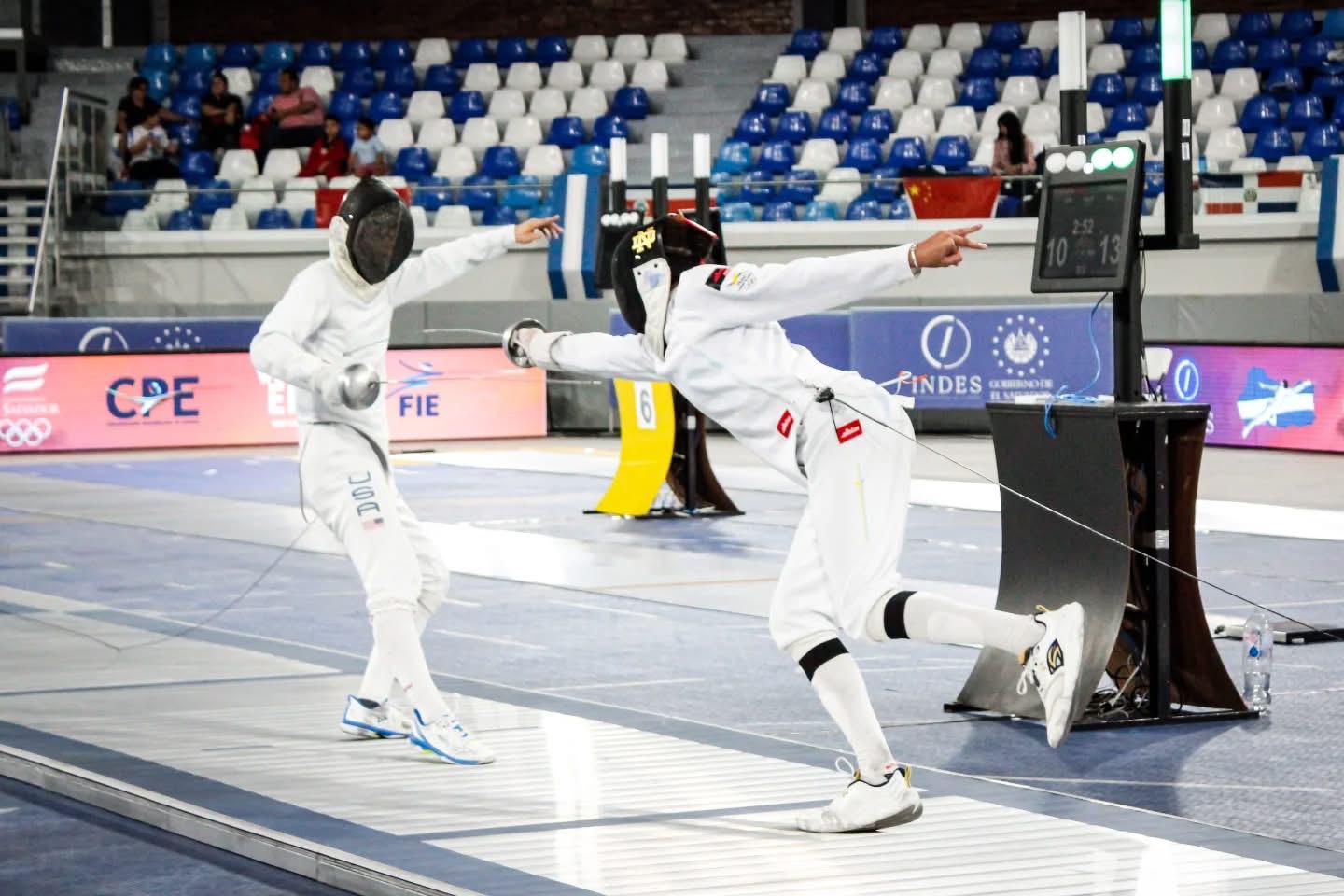
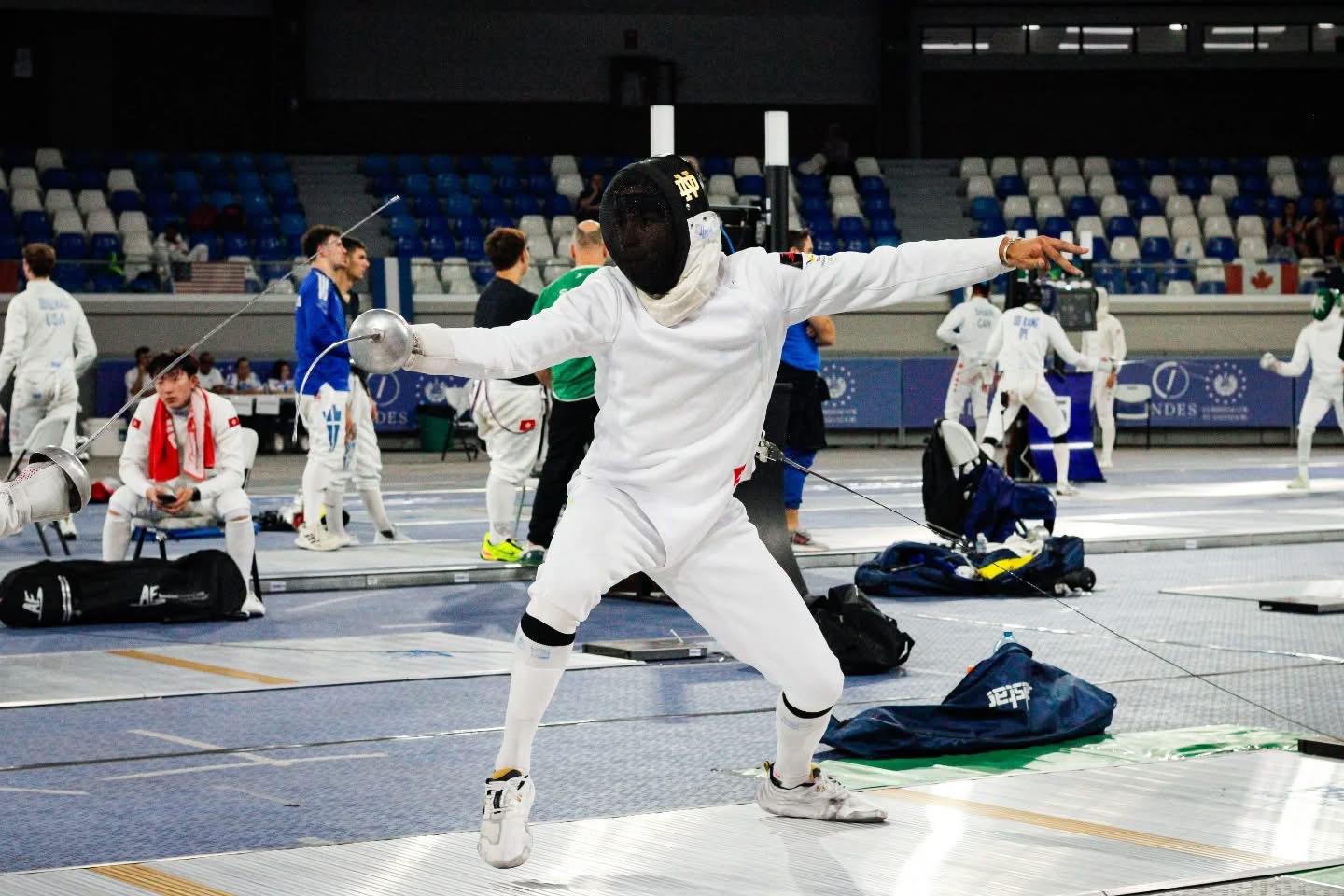
Kruz Schembri landed a critical hit in the junior men’s individual épée, racking up a total of 32 points to win the gold medal. (Photo courtesy Kruz Schembri)
With the 2028 Los Angeles Olympics less than three years away, competitions have taken on added weight for Schembri, who hopes to make a strong showing for the Virgin Islands on the global stage.
Schembri took the strip for the men’s individual épée at Saturday’s Junior World Cup. (Photo courtesy Kruz Schembri)
For the USVI, Schembri’s success adds another chapter to a growing narrative of athletic excellence emerging from the islands. While the territory’s Olympic teams have historically been small, athletes like Schembri are proving that with the right development and opportunities, Caribbean competitors can stand on podiums anywhere in the world.
A St. Thomas man was arrested early Monday morning after allegedly stabbing his girlfriend in the leg during a domestic dispute, the Virgin Islands Police Department reported.
Police said that at about 5:46 a.m. Sunday, a woman called 911, reporting that she had been stabbed near her knee and identified the suspect as her boyfriend, Achille Alexander. Officers responding to the call located Alexander at the couple’s residence and found the victim at a nearby home.
According to the report, the woman told police that she had rolled to one side of the bed to make room when Alexander woke up, began fighting her, and stabbed her in the outer thigh near her knee with a knife. She said she ran out of the apartment to seek help in fear for her life.
Police said Alexander resisted arrest but was detained, advised of his constitutional rights, and transported to the Richard Callwood Command, where he was charged with third-degree assault, simple assault, and disturbance of the peace, all under domestic violence.
He was taken to Roy L. Schneider Hospital for treatment of minor injuries before being returned to the command for booking and processing. Alexander was unable to post $27,000 bail and was turned over to the Bureau of Corrections pending his advice of rights hearing.
Police arrested 34-year-old Pedro Juan Figueroa Sunday following a domestic dispute in which he allegedly assaulted his girlfriend and damaged property, the Virgin Islands Police Department reported.
According to the VIPD, officers from the Patrol Division responded to a call around 1:11 p.m. Sunday afternoon. The investigation revealed that the argument began when the victim asked Figueroa to turn off the air conditioner. Police said the situation escalated when Figueroa struck the victim and willfully damaged two televisions and a fan before leaving the residence.
The victim sustained bruising to her left knee during the altercation, police said.
Because the case involves domestic violence, no bail was set. Figueroa was remanded to the John A. Bell Adult Correctional Facility pending his advice of rights hearing.
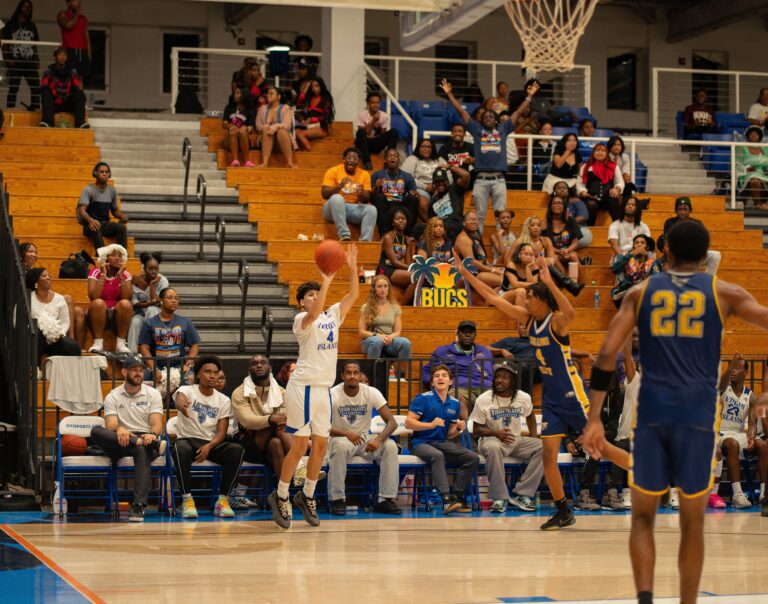
The University of the Virgin Islands men’s basketball team was dominant in a 93-73 victory over VI Elite in their Homecoming game on Friday night and the Elridge W. Blake Sports and Fitness Center.
UVI Bucs score a win against VI Elite. (Submitted photo)
Initially, UVI was stunned as VI Elite surged to a 14-7 lead early in the first half. However, graduate forward Brandon Rasmussen ignited the Buccaneer offense, scoring 10 consecutive points to bring his team within three. The tide turned when junior guard Devin Binyard converted one of his three steals into an assist for sophomore Ahijaa Sweeney’s layup, giving UVI the lead. This moment would be pivotal as the Buccaneers would build on their lead and would not look back, taking a 49-34 lead into halftime.
“We started a bit sluggish, but we managed to pick up the pace and play our style, forcing turnovers,” said head coach Kevin Sheppard. “We capitalized on steals, turning them into easy points on the other end of the floor. That was our identity last season, and we aim to replicate it this year again. We didn’t shoot well from beyond the three-point line, and that’s going to happen at times, which is why we will continue to focus on our defense. We did perform well on offense, though. Ninety-three points isn’t something to overlook.”
In the second half, the Buccaneers maintained their intensity, forcing 11 turnovers and converting them into immediate offense, further extending their lead. UVI led by as much as 23 points in a game that featured only one tie and one lead change, highlighting their dominance.
As a team, the Buccaneers shot 48% from the field and 30% from beyond the arc. Notably, they scored 62 of their 93 points in the paint, establishing their offensive presence around the basket.
Rasmussen led the way for the Buccaneers, scoring a game-high 25 points
Junior guard Chad Molloy would chip in 21 points of his own, along with five steals on the defensive end of the floor.
Senior forward Eliyah Stevens and Binyard would be two other Buccaneers who each contributed 14 points.
For VI Elite Micaiah Jones had 24 points.
With the exhibition schedule now concluded, UVI turns its focus to the regular season. The Buccaneers will open the regular season on the road, traveling to Little Rock, Arkansas, to face Philander Smith University, a fellow member of the Historically Black Colleges and Universities Athletic Conference (HBCUAC), on November 15.
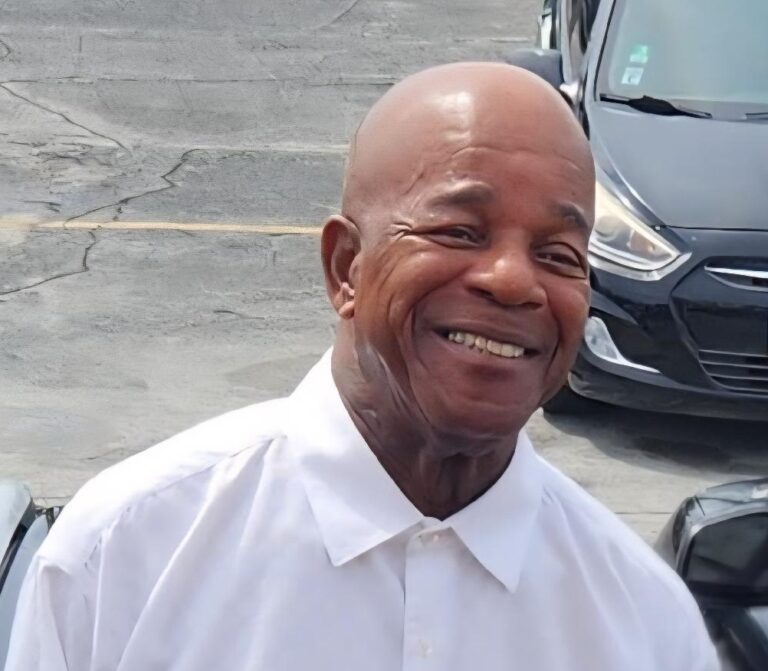
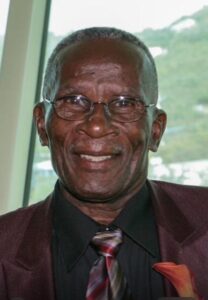
Harry R. Andrews, 80, of St. Thomas, passed away Monday, Sept. 29, 2025.
The First Viewing will be held on Monday, Nov. 10, from 4 p.m. until 6 p.m. at Turnbull’s Funeral Home. The Second Viewing will be Wednesday, Nov. 12 from 9 a.m. until 10 a.m. at Cathedral of All Saints. followed by the Celebration of Life. Interment will be private.
Harry R. Andrews
Survivors List:
Children: Ronald Andrews (Mother: Rosemond Farrell), Rory Andrews (Mother: Eileen Payne)
Daughter-in-law: Wendy Bougouneau-Andrews
Grandchildren: Nathan Andrews, Ryley-Nicole Andrews
Sisters: Manuelita Andrews, Estrina Heyliger,
Brothers: Ralph DaSant Sr., Robert DaSant Sr., Vicroy Andrews
Nephews: Ralph A DaSant Jr., Malik R. DaSant, Ray DaSant Jr., Deano DaSant, Robert DaSant Jr.(Benjo), Carlos Robles, Juanito (Tito) Robles, Ramon Robles, Victor George
Niece In-Law: Ursula Robles
Nieces: Kim DaSant Newell, Raquel DaSant, Carolie Heyliger, Clarice George, Suzette George Garcia,Crystal DaSant
Great-Nieces: Kira Robles, Kerish Robles, K’yana Robles
Great Great Niece: Nafia Yarborough
Great Great Nephew: Ramon Robles Jr.
Cousins: Janice Thomas Hodge, Jackie Thomas, Princess Malone York, Janet Malone Edwards, CecilyMalone, Lencie Dennery Davis, Ernest Dennery Jr., Celestino Dennery, Sinclair Dennery, Valencia, Dennery David
Friends: Venus Green, Colette Farmington
Many other relatives and friends too numerous to mention.
Tributes can be emailed to HarryAndrews_Tributes@outlook.com
The cutoff date for tributes is Wednesday, Nov. 5
A determined group of triathletes took on “The Beast of the East” on Sunday morning, battling not only the grueling course but also strong easterly winds. The Beauty and The Beast Triathlon was hosted by the Virgin Islands Triathlon Federation.
Allison Janusziewicz, winner of the Sprint (Photo by Alejandro Ashe)
Staged at Cramers Park, the featured Olympic-distance triathlon included a 1-mile swim, 25-mile bike, and 10K run, with a relay option for teams. Competitors also had the choice of a Sprint-distance event (800-meter swim, 14.5-mile bike, 5K run).
The race began with a short delay after organizers discovered that one of the swim buoys had drifted away and needed to be reset. Once underway, athletes immediately felt the challenge of the conditions—swimmers contended with a stiff current on the return leg, while cyclists battled a relentless headwind on the way back from the turnaround near Cane Garden on Southside Road. Despite overcast skies, it proved to be a demanding but rewarding day of racing.
Relay swimmer Bob Halk led the group out of the water with an impressive time of 24:50. He was followed by Antonio Galiber in 27:26 and Stacey Stone in 27:49.
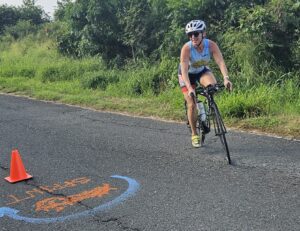
On the bike, the Virgin Islands’ top triathlete and elite cyclist Stephen Swanton surged ahead, overtaking the field and completing the 25-mile course in just 1:09:23. His wife, Robin Seila, dominated the women’s division with the second-fastest time overall (1:17:23). Sue Brown, cycling for Team Halk/Brown/Nadler, posted the third-fastest bike split.
Swanton maintained his lead through the run, conquering the challenging double climb to Point Udall and finishing the 10K in 49:15. Chris Ray turned in the fastest run of the day (48:53) to move his relay team into third place overall, while Mollie Nadler’s strong 10K secured first place for her team in the relay division.
Olympic Division Results
Men: 1. Stephen Swanton, 2. Billy Bohlke, 3. Mike Nantz
Women: 1. Robin Seila, 2. Esther Ellis, 3. Kat Brownsdon
Olympic Relay Results
Bob Halk / Sue Brown / Mollie Nadler
Stacey Stone / Kevin Burton / Chris Ray
Jaiden Cintron / Mervin Mills / Paul Adjodia
In the Sprint Division, Allison Janusziewicz and Megan Mault went head-to-head. Janusziewicz built a strong lead on the bike and held off Mault’s faster run to take the win in 1:47:04. Mault finished close behind in 1:52:45.
The VITF has a busy schedule ahead:
Sunday, Nov. 16: Fall Fling Splash ‘N Dash at Bungalows, a swim/run event for kids ages 5–15
Sunday, Dec. 7: Reindeer Run Half Marathon & 5K at Cane Bay
For more information on multi-sport events, please contact info@vitf.org or call 340-513-2707.
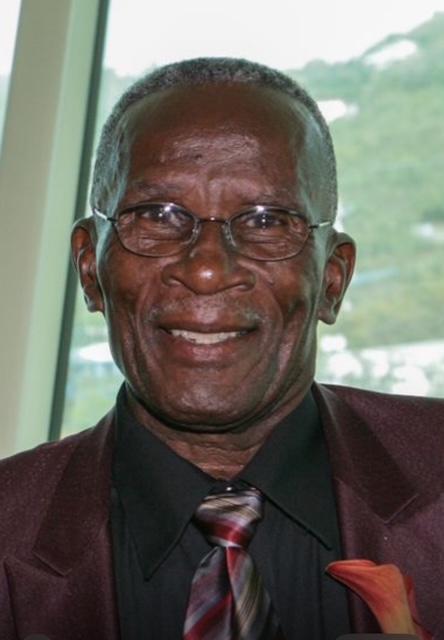
Relatives and Friends are advised of the passing of Raphael Farrington, also known as “Farry” or “Why Worry”, of Long Path, St. Thomas who departed this life on Tuesday, Oct. 7, 2025. He was 92.
Raphael Farrington
He was preceded in death by his parents, Grace Christiana Dawson Freeman Farrington and Daniel Munnings Farrington, son Mitchel Farrington, his brothers Cecil, Conrad, Edric, Elridge, Reginald, Recardo, Offernell and Nathaniel Farrington, and Earl Dawson, sisters Leona Rabsat, Iva Dunlop, Marjorie Dessuit, Ena Christopher, Modesta Brown, Milliecencia Ahearne, and Myrtle Farrington.
He’s survived by his sons Miguel and Raphael Farrington: Grand Children – Aiden, Christinique, Christinay, Mikayla, Shania, Tristan, Saphire, Trent, DeVaungh, Rhael Farrington, Shamell Thomas, Kevon and Keanu Ritter
Great Grandchildren – Jiselle, Jennell and Jamel Thomas
Sisters – Magdalene Martin, Rosalie Farrington, Iris Reed and Arona Fahie and many nieces, nephews other relatives and friends too numerous to mentioned
He’s also survived by his God Children Patricia Rawlins and Berecia Todman
Caregivers – Yudelka Batista, Nuris Ramirez,Eliana Rijo, Arona Fahie, Iris Reed, Debra Turnbull and Faye Reed;
Special friends – Arturo Watlington, Jr., Sarah Connel and Family, Lillian Garfield, Maxwell Turnbull, Stephanie Henley, Donald Blyden and Rudolph Freeman
Viewing will be held on Wednesday, Nov. 12 at Turnbull’s Funeral Home 4 p.m. – 6 p.m.
Funeral services will be held on Thursday, Nov. 13 at Christ Church Methodist, Market Square. Viewing begins at 9 a.m. with the service at 10 a.m. Interment will be held at Eastern Cemetery, Smith Bay.
Professional services are entrusted to Turnbull’s Funeral Home and Crematory Services