

Woman Arrested After Allegedly Pointing Gun at Wendy’s Employee on St. Croix

STJ Kids Get Free “BOO-ks” on Halloween


Federal Shutdown Forces Local Relief Plan; Lawmakers Assess Broader Economic Strain
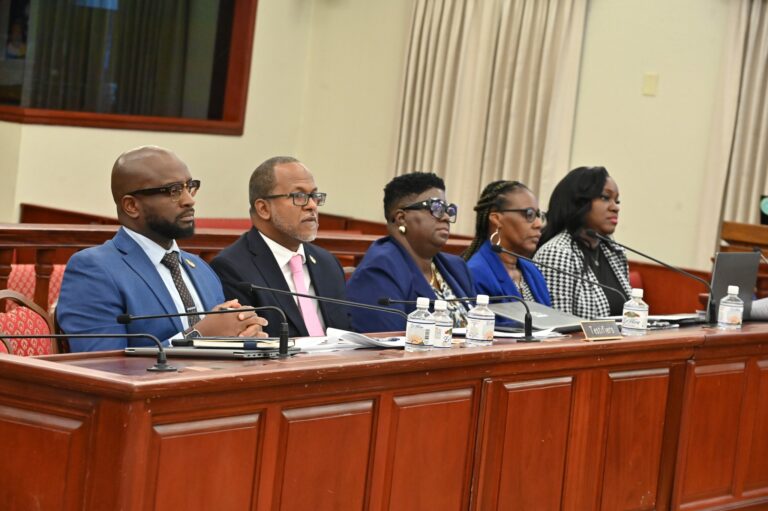
As the federal shutdown stretched into its fourth week, lawmakers convened Wednesday to confront what Senate President Milton E. Potter called a moment that demands “urgency, clarity, and compassion” — because, he said, for thousands of Virgin Islands families, the suspension of federal nutrition aid is not a political inconvenience, but a crisis at the kitchen table.
“For many, these benefits are not merely a supplement,” Potter said. “They are the difference between a meal and an empty plate.”
The shutdown, which began Oct. 10, halted the release of November SNAP benefits, affecting roughly 10,600 households — more than 21,000 people — or about one in four residents locally. That includes seniors who stretch fixed incomes, parents balancing bills and groceries, and children whose school meals are among the most reliable nutrition they receive all week, said Human Services Commissioner Averil George.
“These are not abstract numbers,” she said. “There are real people facing real hardship — the empty lunchbox of a child, the bare refrigerator in a senior’s home.” In response, Gov. Albert Bryan Jr. has authorized an emergency local relief plan to provide paper checks covering half of November’s usual SNAP benefit. That totals $2.7 million across 10,635 households, according to DHS and the Department of Finance — a stopgap measure until federal funding resumes.Checks are being mailed by zip code, with a hotline and dedicated email for families needing to verify addresses or request reissuance. Undeliverable checks will be held securely for pickup. The shift to paper rather than EBT loading was not a preference, but rather based on a constraint: the federal EBT system contractor advised that reprogramming cards for partial benefits would take at least a month, delaying relief into late November, George said.
But food insecurity hasn’t been the only concern. The shutdown has also halted pay for approximately 1,000 federal employees in the territory, representing about $12.5 million in monthly wages removed from circulation. The territory stands to lose $2.5 million in withholding revenue tied to those paychecks alone. And another 1,200 Territorial Government employees funded by federal grants could be affected next if the shutdown continues — representing $70 million in annual salaries at risk, according to OMB Director Julio Rhymer.
“This is not only a social safety issue,” Rhymer said. “It is an economic stability issue.”
He added that the estimated loss of SNAP spending alone — roughly $5 to $6 million per month — has a cascading effect on the private sector, with an estimated 16 local jobs at risk as household spending constricts.
Senators pressed both the administration and one another on what must happen next. Sen. Carla Joseph zeroed in on workforce exposure across agencies, noting that the effects would not land evenly. Sen. Dwayne DeGraff raised concerns about mortgage defaults and consumer credit stress if workers continue reporting without pay. Sen. Franklin Johnson questioned whether federal employees would eventually receive back pay; OMB responded that, legally, yes — but noted the uncertainty in current federal negotiations.
Sens. Marvin Blyden and Alma Francis Heyliger emphasized that only the Legislature can authorize sustained relief. “This body,” Blyden said, “is the appropriating body. We don’t ask for permission. We act.”
Meanwhile, DHS urged caution as nonprofits and informal community groups rush to fill the gap, reminding residents to verify any organization requesting personal information in exchange for food assistance. And the clock is ticking: WIC benefits also end Nov. 1 without federal approval, compounding pressure on families with infants and small children.
Rhymer and Finance Commissioner Kevin McCurdy told lawmakers that if the shutdown extends past Dec. 1, the territory may need to reallocate its $100 million line of credit — $50 million for operating continuity and $50 million for reserves — to maintain payroll, health services, and basic government operations. Discussion also touched on how quickly legislators can move and what longer-term preparations must be made if the federal shutdown drags on.
“Hunger cannot wait for politics,” Potter said in closing. “The decisions we make here ripple through homes, families, and futures.”
Plan for Bryan Documentary Draws Scrutiny Over Use of Public Funds
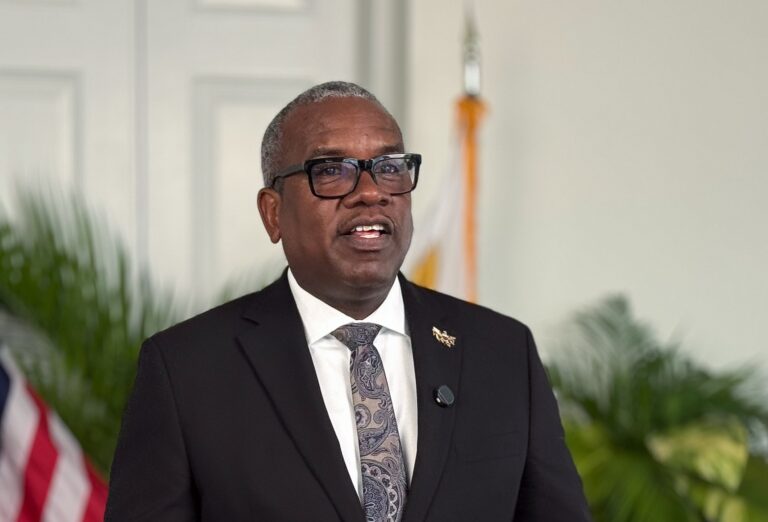
If a proposed documentary chronicling Gov. Albert Bryan Jr.’s final year in office moves forward, it could begin with a familiar scene: the governor preparing for his last State of the Territory Address, collecting his notes before stepping into the Senate chambers.
From there, Government House Communications Director Richard Motta said, the film would follow the final months of the administration — not as political messaging, he emphasized Monday, but as a real-time account of how a period of crisis and recovery unfolded. Whether the documentary is ever produced, however, will depend on the cost.The Request for Proposals, issued Oct. 15 by the Property and Procurement Department and first reported on by the Virgin Islands Daily News, seeks a production company to create a feature-length documentary that interweaves behind-the-scenes footage, interviews with colleagues and family, and archival material tracing Bryan’s political rise and the defining events of his first and second terms. It calls for filming key meetings, public engagements, travel, and private reflections, along with interviews with current and former officials, community voices, and those who worked closely with the Governor through storms, the pandemic, and the territory’s long recovery.
The proposal also requires that raw footage and full-length interviews be preserved as part of the Government House archive — not just the final cut of the documentary. Motta said that distinction is central. “Those archives don’t exist now,” he said. “Retrospectives are usually made years later, based on memory. This would document events while they’re happening.”
Motta said funding for the project would come from the executive budget of the Office of the Governor, not through a new or additional appropriation. He also stressed that the administration has not committed to producing the documentary. “This is exploratory,” he said in a call with the Source Wednesday. “That’s why it’s a proposal. If the bids come back at an exorbitant amount, then we could determine it’s not worth doing.”
Even so, the possibility quickly struck a nerve within the community. In a letter circulated to senators Wednesday, one St. Croix resident objected to the use of public funds, writing that the documentary amounted to “a film about ‘himself’ using taxpayers’ money,” and adding: “If the governor wishes to make a ‘film’ about himself, let him use his own money. This has been an awful seven years for the USVI, and now he wants a ‘look at how good I did’ film? Not with our tax money.” The resident urged lawmakers to intervene to “stop this fiasco.”
Bryan, in an interview with the Source, rejected the idea that the documentary is intended as self-promotion. “It’s a straight RFP to document the term,” he said, noting that public broadcasting stations like WTJX Channel 12 have produced retrospective documentaries on previous governors. He argued that the past seven years — hurricanes, pandemic, economic instability, and efforts to stabilize the Government Employees’ Retirement System — constitute a period that deserves to be documented while firsthand perspectives are still available.
“I think history is important,” Bryan said. “There are so many landmark things that we have accomplished as an administration and as a people. Our media spends so much time detracting from what incredible people Virgin Islanders are and so little on our resilience.” Preserving this period, he said, would “chronicle an extraordinary time in our history.”
The territory, he added, was still “changing course” after two Category 5 hurricanes when it was hit with a global pandemic — a period he described as a test of the islands’ resilience. He cited efforts to stabilize the Government Employees’ Retirement System “that no one thought could be saved,” negotiate the Medicaid cap and rum cover-over agreement, implement the first comprehensive land and water use plan, reduce the local match requirement to 2 percent, and secure billions in federal funds for rebuilding.
“We started from a point where we didn’t have street signs or lights and the government was set to go broke in 30 days,” he said, adding that the administration’s approach traces back to the early 2000s and Generation Now, a nonprofit Bryan co-funded, which championed public investment and access.
“Twenty years later,” Bryan said, “we have free college education, we’re rebuilding hurricane-damaged homes at no cost to residents, and we have a program that offers $100,000 toward a first home.”
Motta echoed the sentiments, framing the project less as a tribute film than as a record of governance. “If we do this, it becomes part of the public record — owned by the government for use by people of the Virgin Islands.”
The RFP does not list an estimated project cost. Proposals are due Oct. 31, after which the administration will evaluate qualifications, approach, and pricing before deciding whether the project proceeds — or ends at the proposal stage.
VIPA Board Approves Adjusted Fee Hikes After Public Outcry
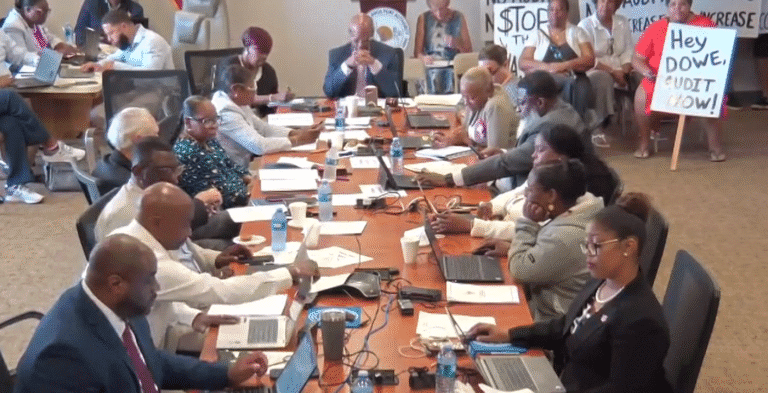
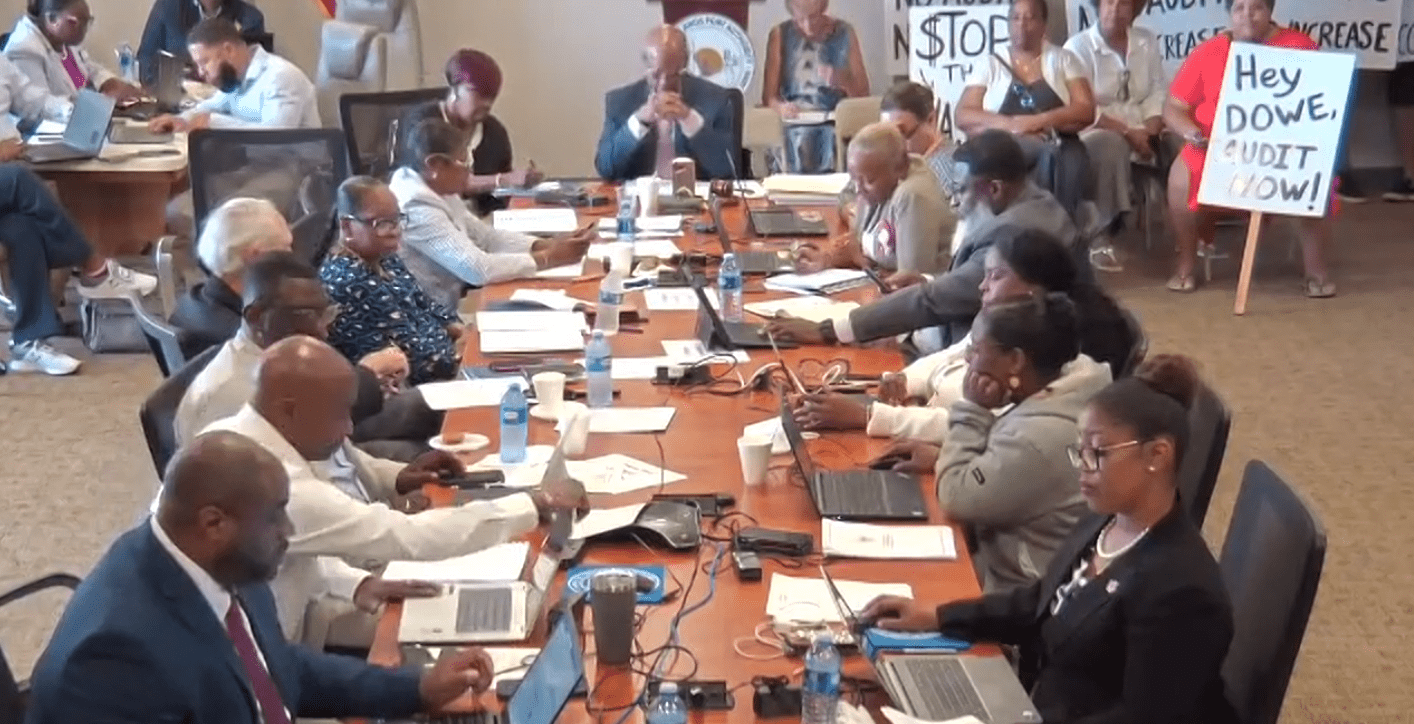
After hearing residents’ concerns during a trio of standing-room-only town hall meetings on St. John, St. Thomas and St. Croix this month, the V.I. Port Authority’s governing board on Wednesday approved an altered slate of fee adjustments scheduled to take effect in April.
The proposed fee hikes — which covered, among other things, ship dues and wharfage, docking fees, barge ramp fees, cargo overflow staging fees, and parking fees — were roundly condemned for overburdening Johnians who rely on regular travel to and from St. Thomas for access to basic services. VIPA leadership has repeatedly maintained that the adjustments are key to bringing in revenue for the authority, which is a semiautonomous entity that does not receive annual budget appropriations from the Virgin Islands government.
The adjusted schedule approved by the board Wednesday lessened the sting of some of the proposed increases while doing away with others completely. The authority’s Financial Affairs Director, Ava Penn, said a proposed $2 fee on additional barge ramp passengers had been eliminated, along with plans to develop a paid parking lot in Cruz Bay. Other proposed changes, like a series of cargo overflow staging fees, were kept in.
“Adjustments to the proposed fees lower the $5 million in potential revenues to $2.1 million annually, primarily due to reduced docking fee rates,” Penn said, and will reduce the authority’s 2026 revenue projections by approximately $3.5 million, assuming the fees are implemented in April.
Carlton Dowe, VIPA’s executive director, acknowledged during Wednesday’s meeting that some residents suggested raising rates for nonresidents but was noncommittal about the idea, saying it’s something the authority could consider “sometime in the future.”
“Is it difficult to consider it now we have our board members here?” board member Kevin Rodriguez asked. Dowe said it had been discussed but that it “wouldn’t be appropriate at this juncture.”
Board members voted to approve the fee adjustments after roughly one hour of discussion before approving a renewal of the authority’s marine liability insurance and a series of engineering matters.
Preston Beyer, the authority’s engineering director, said VIPA has been working on developing a community park in Cruz Bay since 2022 with funds allocated from Act 8920, which directed the spending of settlement money received from the territory’s civil lawsuits against the estate of Jeffrey Epstein and financier Leon Black. The authority tapped its architectural consultant, Moffatt and Nichol, to begin early work in July. On Wednesday, the board authorized a more than $1 million change order to include program management, project permitting and design development.
The same firm was selected to provide a $97,000 analysis and modeling services for a possible “mobile harbor crane” to replace the decades-old gantry crane at the Wilfred “Bomba” Allick container port on St. Croix. Beyer said the authority is still considering funding sources for the project.
“We’re still exploring all of those opportunities and options,” he said. “We have had high-level discussions with [Tropical Shipping] about, potentially, a partnership in which they are to purchase the crane. We’ve also looked at the potential for the use of bonds in order to purchase that crane — to maintain revenue streams. So we’re still in the early stages, and once we understand that the wharf can handle the mobile harbor crane, we’ll further analyze that and come up with a funding source for your review and approval.”
The board then approved a $42,000 change order to its contract with Energy Efficient Builders to replace windows and install air conditioning at VIPA’s temporary aircraft rescue and firefighting station at Cyril E. King Airport on St. Thomas and a $1.74 million change order to its contract with Stantec for geotechnical work related to the CEKA runway.
Bryan Administration Proposes Tax-Exempt Bond Financing for Frenchman’s Reef Ownership
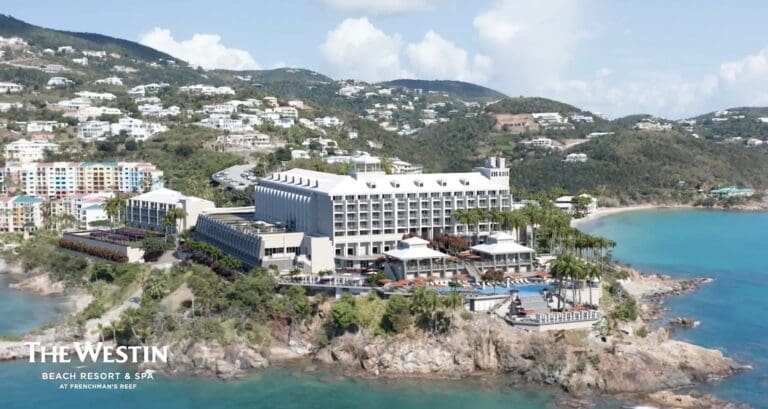
Gov. Albert Bryan Jr. said in an exchange with the Source Wednesday that the proposal was initiated by the ownership group of Frenchman’s Reef following the completion of major reconstruction and redevelopment work at the property. The current owner of the Frenchman’s Reef property is an affiliate of Fortress Investment Group, a global private investment firm that acquired the resort from DiamondRock in 2021 and financed its redevelopment following Hurricanes Irma and Maria.
The amendment would allow the owner to refinance its private construction debt at tax-exempt interest rates. “This was actually a request from the investors, and we thought it was a great opportunity,” Bryan said, adding that the financing mechanism is standard in the hospitality finance industry. He emphasized that “the bonds are the developer’s responsibility” and that there is no pledge of government revenues or assets.A press release issued Wednesday stated that the refinancing would be structured through a Public Finance Authority subsidiary and compared the arrangement to industrial development bonds commonly issued in other jurisdictions. The administration said the approach reduces private borrowing costs, accelerates tourism investment, and does not create taxpayer liability.
In a transmittal letter delivered Oct. 22 to Senate President Milton Potter, Bryan wrote that the tax-exempt financing would replace the developer’s current private financing structure, and that the public benefit comes at the end of the repayment period. “The benefit for Fortress is that the tax-exempt bonds would replace the corporate debt and equity on the Frenchman’s Reef property,” the letter states. “The direct benefit for the Government is that upon the final redemption of the bonds, in 30 years or so, the Frenchman’s Reef property would revert to government ownership.”
Bryan said the proposal aligns with a model already used across the territory, where major hotels operate under long-term leases on government-owned land. He cited Emerald Beach, the former Beachcomber Hotel, Hotel on the Cay, and portions of Yacht Haven as examples. During his term, the administration executed a new long-term lease for Hotel on the Cay, is preparing to rebid the Beachcomber site, and noted that the Emerald Beach lease will expire soon. “The concept of leasing government land for developments that revert back to the government is not new,” Bryan said. “What’s new is using this financing structure to acquire the asset at the end.”The governor also noted that the Frenchman’s Reef proposal would not result in public operation of the hotel and would not alter its current hotel management contract. Davidson Hospitality would continue managing the property.
The proposal now moves to the 36th Legislature, where lawmakers are expected to review the financing structure, the scope of the amendment to the Hotel Development Act, and the conditions surrounding eventual public ownership of the property. No hearing date has yet been set.
Police Consent Decree Report Delayed Amid Federal Shutdown


A report from U.S. Justice Department attorneys overseeing the V.I. Police Department’s compliance with a 16-year-old federal consent decree will be delayed because of the ongoing shutdown of the federal government.
The department’s Civil Rights Division wrote U.S. District Court Chief Judge Robert Molloy last week to request a stay, saying that they would not be able to file this month’s report because attorneys had been furloughed while Democrats and Republicans in Congress continued to spar over a federal appropriations bill. Molloy granted the request Wednesday but said the parties are still required to attend an evidentiary hearing in December, barring a subsequent order to continue.
Molloy told police officials, Justice Department attorneys, and a court-appointed monitor during the last evidentiary hearing in September that local law enforcement was on the “right track” and “right path” to complying with the consent decree, which was entered in 2009 following allegations that VIPD officers habitually deprived Virgin Islanders of their constitutional rights. That recent hearing covered reporting periods up to May 31. Since then, officers on St. Croix and St. Thomas have shot and killed at least two men: Alejandro Torres III, 48, on July 17 and Tyler Simpson, 36, on St. Thomas.
The Source has repeatedly sought information about those killings. Earlier this month, VIPD finally provided a copy of its body-worn camera policy, which states that public records requests for bodycam footage “shall be accepted and processed, in accordance with the provisions of federal and territorial law and forwarded to the Project Administrator.’ Further, “Public and Media request [sic] will be forwarded to the Public Information Officer.”
Another section states that body-worn camera footage “for release pursuant to a public records request or as authorized by the Commissioner or designee, shall be redacted, as required by law and Department procedures, prior to release.”
The Source responded by again requesting footage recorded by officers involved in the shootings of Torres and Simpson but has not received a response.
Though U.S. Justice Department attorneys were unable to submit a report this month, attorneys for the V.I. Justice Department submitted their own status report on behalf of the VIPD. According to Assistant Attorney General Ariel Smith, the department has one Force Review Board report awaiting Commissioner Mario Brooks’s review and signature, and investigative reports into two “Level 1” use of force incidents have been sent to supervisors for review before being forwarded to the board.
The only explicit acknowledgment of the summer’s killings was a statement that “VIPD is currently providing training (i.e., building entry) to their officers based on the body-worn camera reviews of officers of the most recent Officer-Involved Shooting Incidents,” according to the report.
Residents Speak Out Against Two Rezoning Applications for St. John
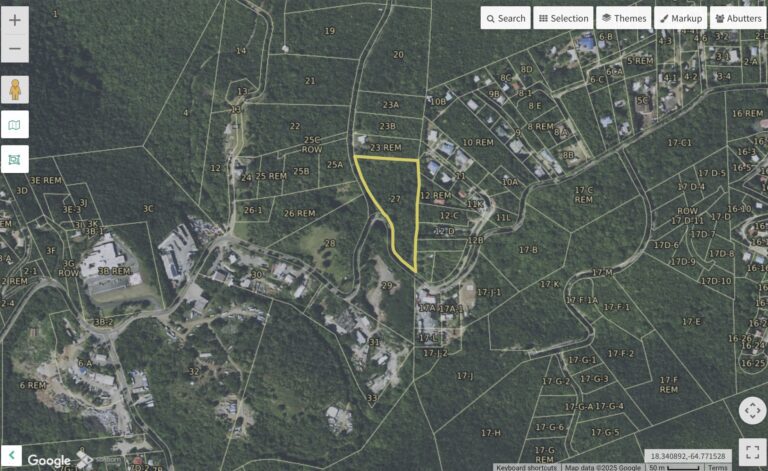
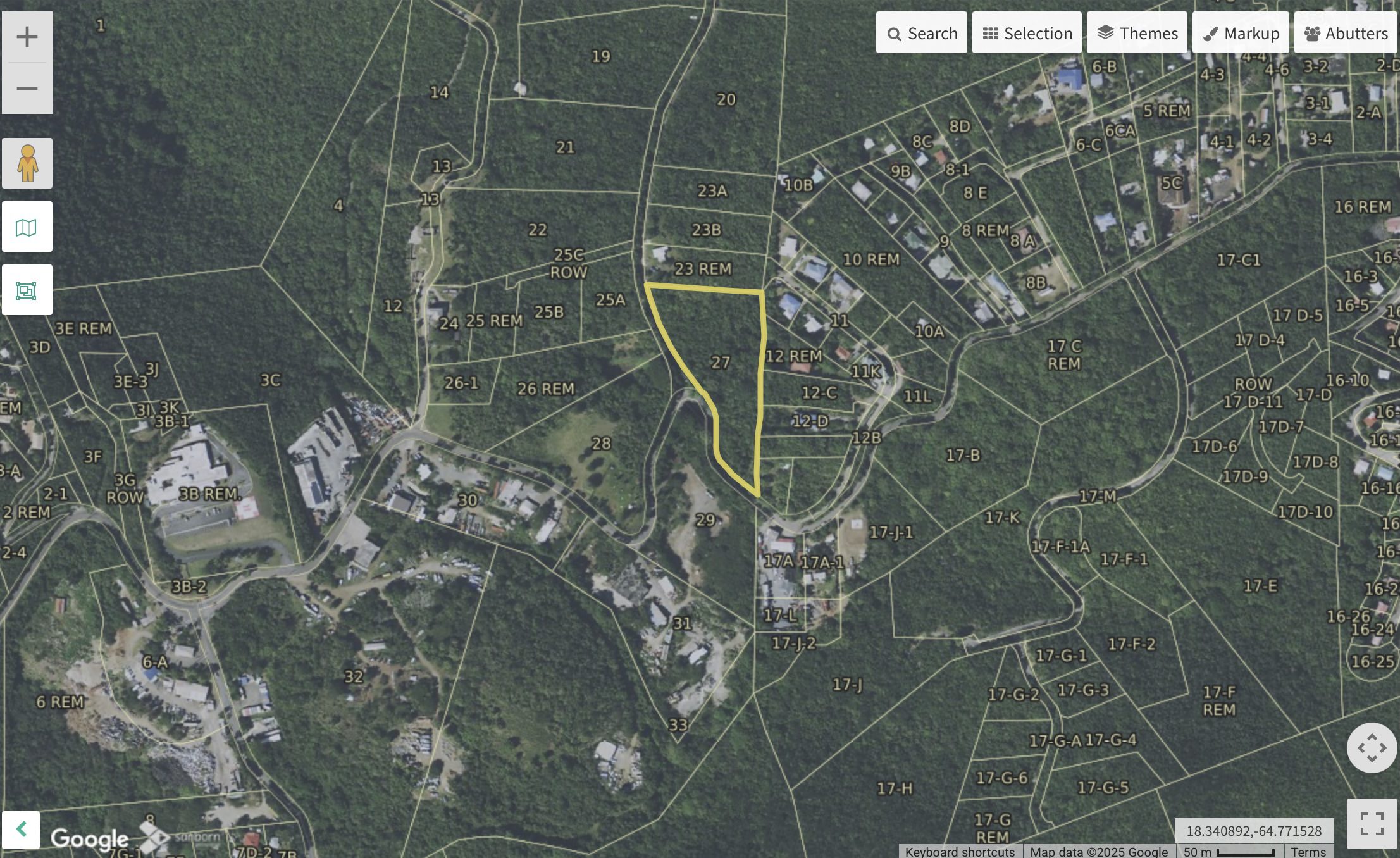
use. (Image from Map Geo)
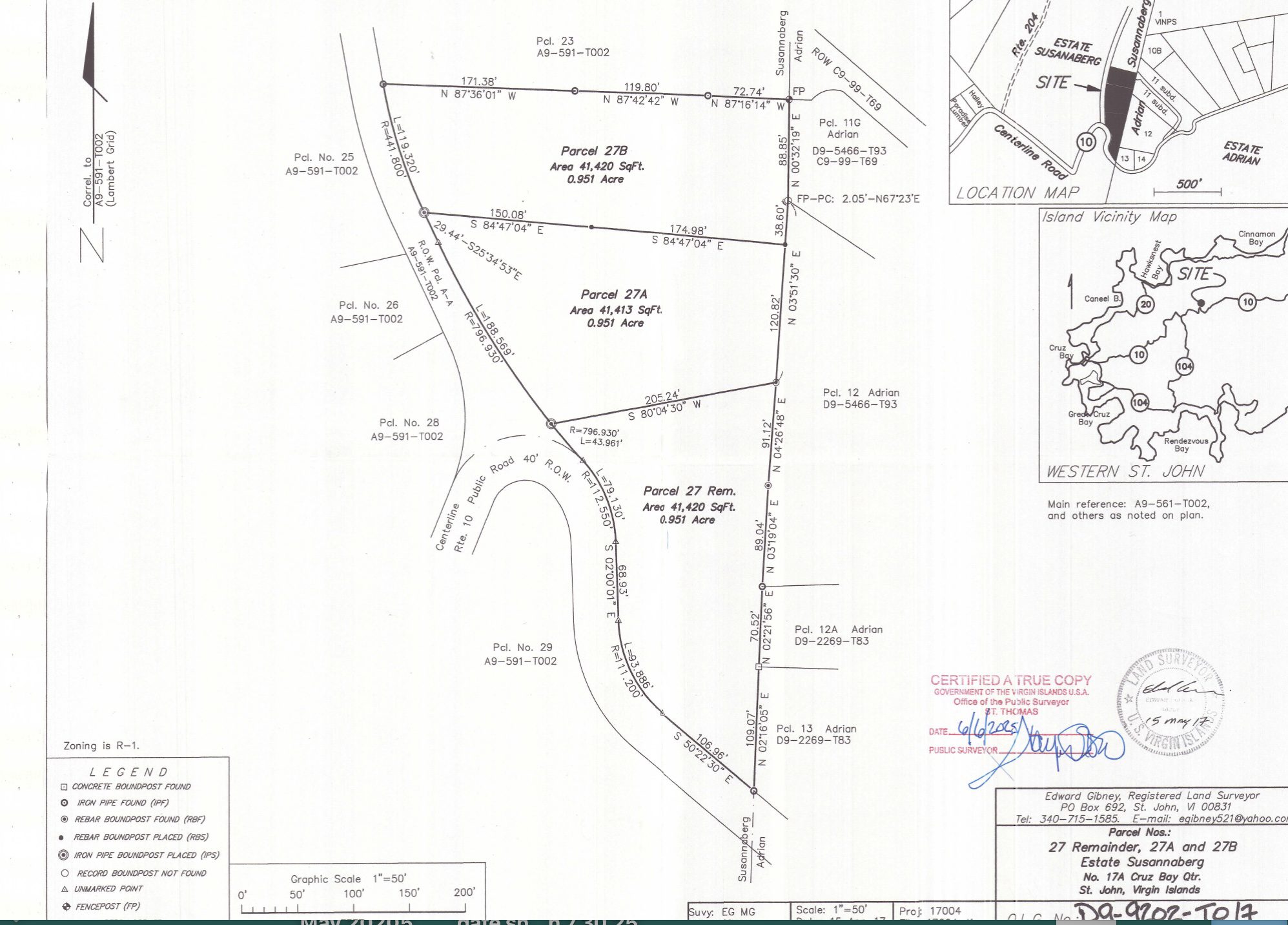

to the Jesse Lee Richards Irrevocable Trust. (Image from DPNR zoning meeting held Oct. 29, 2025)
DPNR Holds Zoning Map Amendment Hearing for Estate Morningstar Rezoning Request
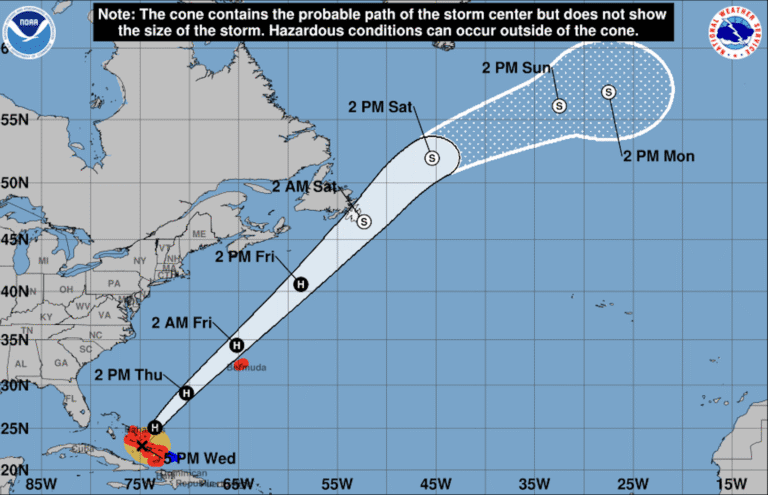
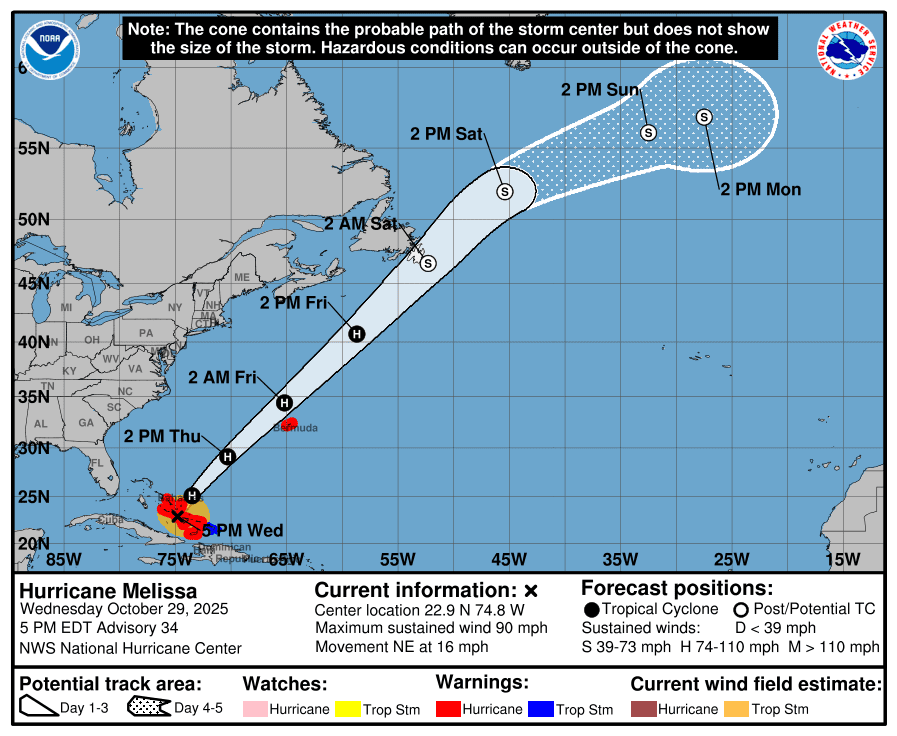
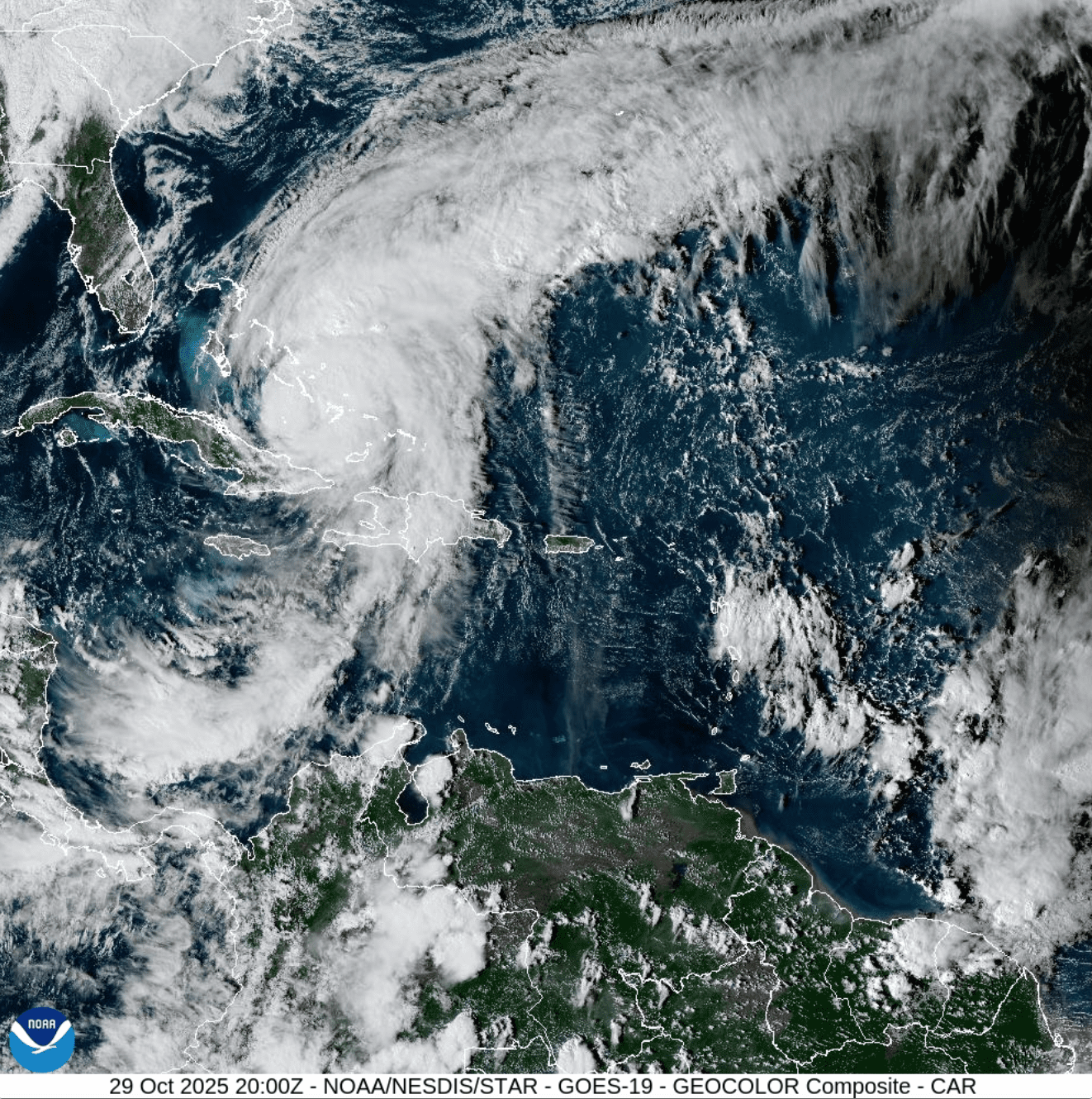
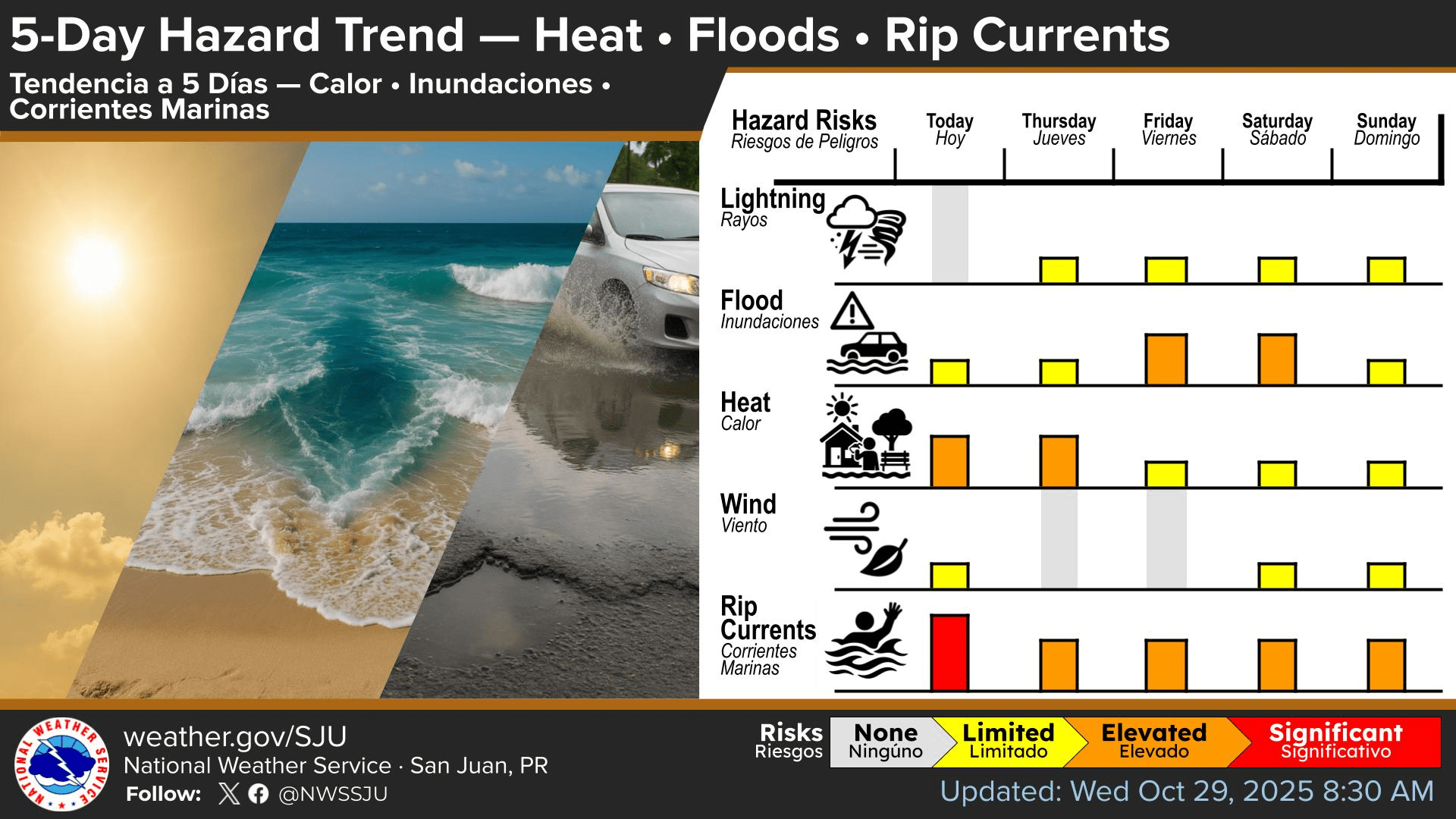
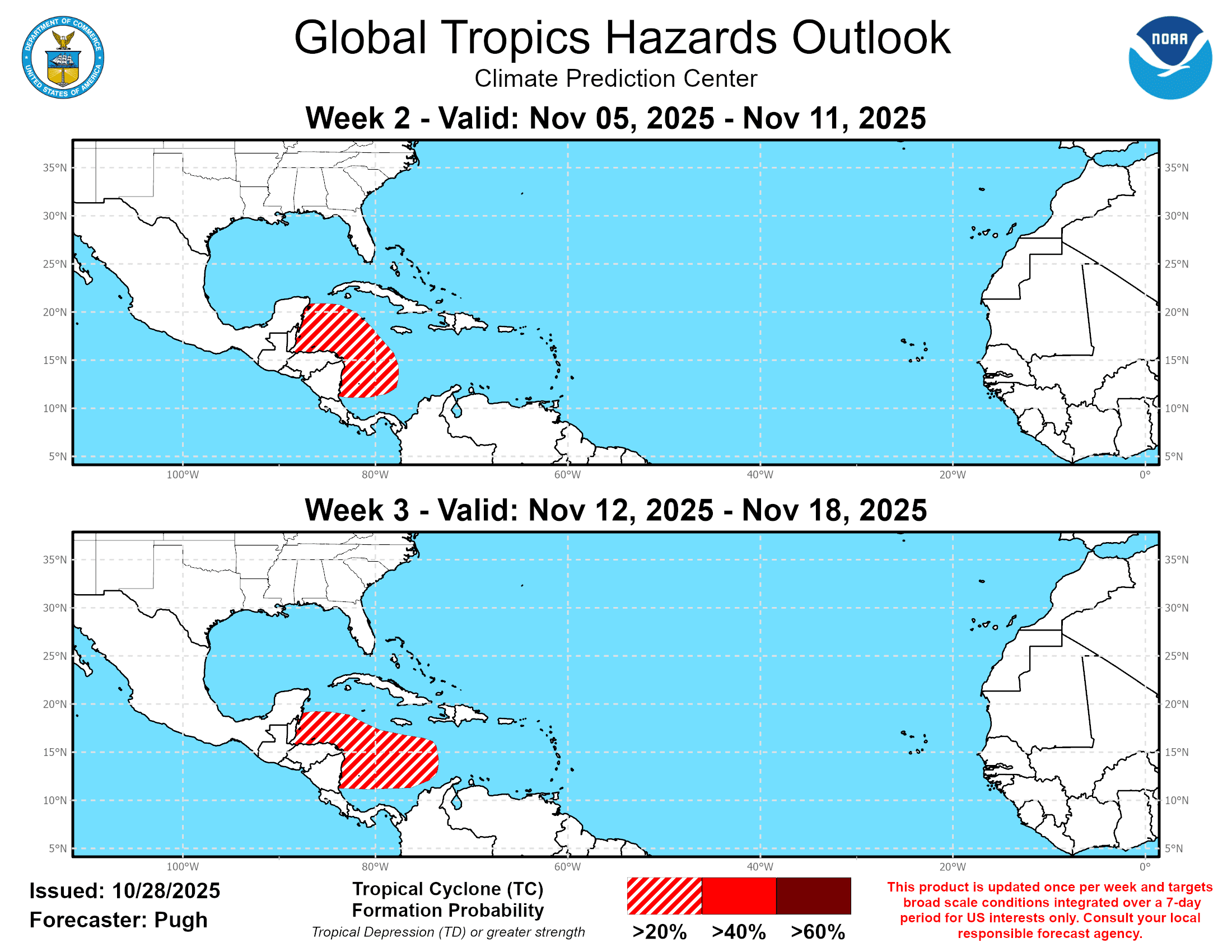
Tropical Outlook: Hurricane Melissa Tears Across Jamaica and Cuba; Bahamas and Bermuda in Path