





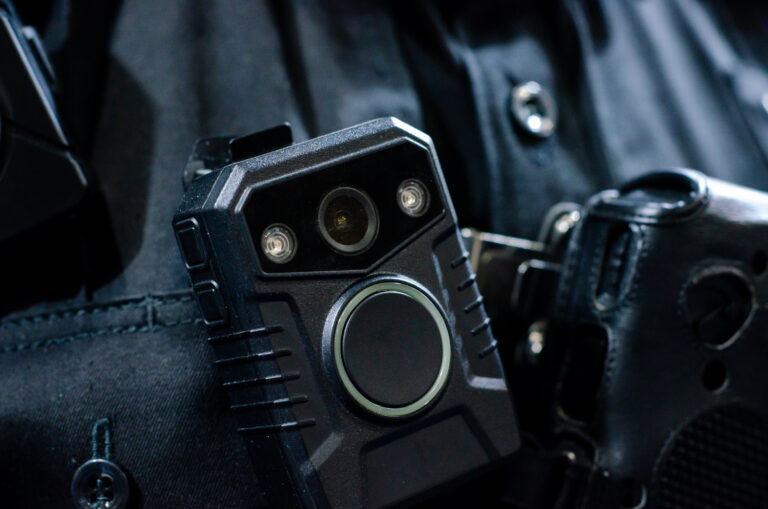
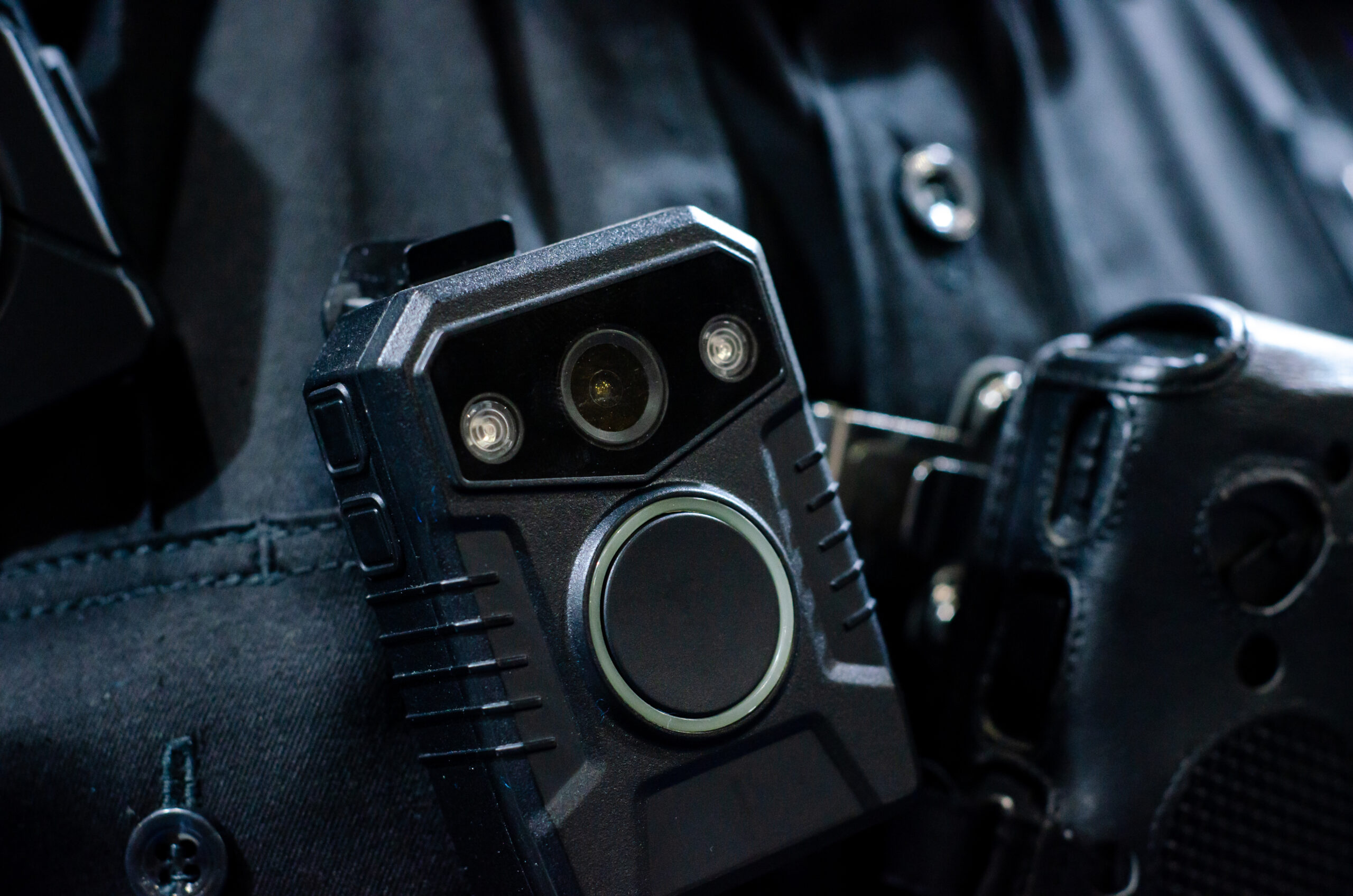
The body-worn camera policy that the V.I. Police Department shared with the Source Friday outlines procedures for releasing redacted videos to the public, but requested footage from fatal shootings in July and August has not been released.
The V.I. Police Department’s body-worn camera policy states that “Copies of BWC video files for release pursuant to a public records request or as authorized by the Commissioner or designee, shall be redacted, as required by law and Department procedures, prior to release.”
According to another section of the policy titled “Non-Departmental Requests,” public records requests “shall be accepted and processed, in accordance with the provisions of federal and territorial law and forwarded to the Project Administrator.” Further, “Public and Media request [sic] will be forwarded to the Public Information Officer.”
To date, VIPD has not provided the Source with requested body-worn camera footage — redacted or not.
Following police officers’ killings of Alejandro Torres III on July 17 and Tyler Simpson on Aug. 24, the Source reached out to VIPD multiple times seeking information about the department’s investigation into those incidents. Responses from a VIPD spokesperson included assertions that “Any Audio or Video content involved in an ongoing investigation cannot be shared with the public.” During a Sept. 15 Government House press briefing, Gov. Albert Bryan Jr. told the Source that “if we have a camera — a police body camera policy — you’ll get it this afternoon.”
The Source did not get it that afternoon.
On Sept. 24, VIPD spokesperson Glen Dratte told the Source that there are two investigations related to Torres’s killing: “1. Criminal 2. Internal/ Administrative.”
“Therefore, the bodycam footage is not available, audio, or visual. We are reviewing the policy and will get back to you as soon possible [sic],” Dratte said.
VIPD leadership and other officials attended a court hearing on Sept. 26 as part of the department’s 16-year-old federal consent decree. Afterward, Police Commissioner Mario Brooks told the Source that the policy would be released, but that there were concerns about officers’ safety, the disclosure of investigative tools and the department’s collective bargaining agreement with union members.
The Virgin Islands government extended its contract with members of the Police Benevolent Association, which expired in 2023. That agreement does not address bodycam footage but states that “The employer shall not publish in any news media or for public consumption the names of employees covered by this Agreement who have been disciplined under internal disciplinary proceedings.”
Virgin Islands officials have also tried to suppress public disclosure of video footage in the name of officers’ safety before. In late 2018, the American Civil Liberties Union published a video depicting a St. Thomas corrections officer assaulting a prisoner. Attorneys for the V.I. Corrections Bureau — which has operated under a federal consent decree for even longer than the V.I. Police Department — argued that disclosing the footage posed security concerns about camera placements and the possibility of repercussions on jail staff.
“In addition to the significant security risk presented, the emotional and social impact of the video is substantial, as it connects sight and sound with a viewer’s emotions which may include rage and sympathy,” attorney Shari D’Andrade, representing the territory, wrote in an effort to suppress the video. “Those who view the video online are able to share the video with others which increases the video’s exposure exponentially. It goes without saying that St. Thomas is a small island and tight knit [sic] community. There are few degrees of separation. While the intent of releasing the video may have been to educate the wider public on the jail conditions, Defendants are seriously concerned with the possible repercussions for the staff involved in the use of force incident and the BOC staff in general in this small community.”
Chief Judge Robert Molloy of the U.S. District Court of the Virgin Islands denied the request in 2023 and gave the defendants in that case 10 days to file objections if they believed that “providing access to the video footage in question would compromise the health or safety of Bureau of Corrections employees, officers, or inmates.”
Read the bodycam policy below:

A man accused of firing multiple shots outside the Frontline Night Club on St. Croix in July has been extradited to the Virgin Islands to face several charges, the Virgin Islands Police Department.
The 911 Emergency Call Center received numerous reports of gunfire at the Frontline Night Club around 1:16 a.m. on July 5. A detective from the Criminal Investigation Bureau responded and spoke with several witnesses who identified the shooter as Jose Osorio Jr., according to the police report.
Investigators later determined that Osorio did not have a license to possess a firearm or ammunition in the territory. Despite multiple attempts to locate him, detectives learned that Osorio had fled to the U.S. mainland. A Superior Court judge subsequently issued an arrest warrant, followed by a warrant of extradition to bring him back to St. Croix, the police report stated.
On Friday, the 31-year-old suspect was returned to the territory and taken into custody. He was booked and unable to post bail, set at $50,000. Osorio was charged with reckless endangerment in the first degree, carrying firearms openly or concealed, discharging or aiming firearms, possession or sale of ammunition, and reckless driving, the report stated.
He has been remanded to the custody of the Bureau of Corrections pending his advice of rights hearing Monday in Superior Court, it stated.
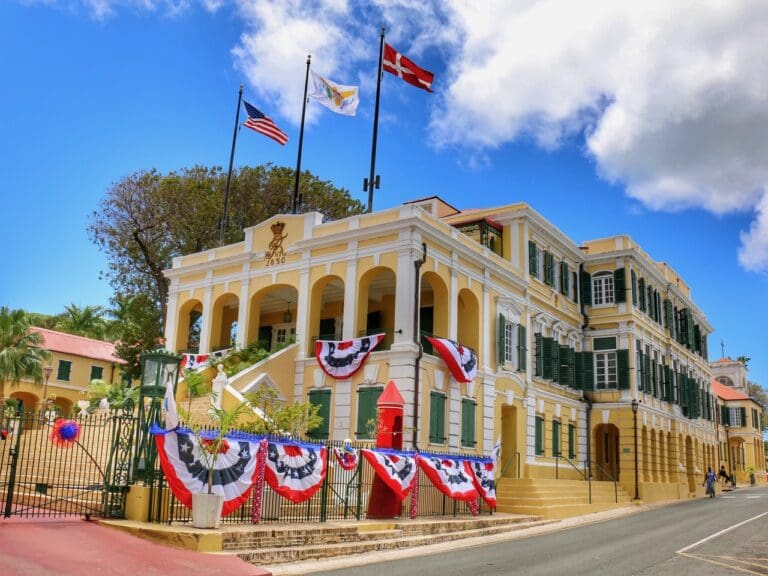
 In her biweekly column, “State of the Territory,” former Sen. Janelle K. Sarauw delves deeper into issues of concern for V.I. residents.
If the Legislature is the people’s house, then the executive branch is the hands and feet of government. It is where the decisions made in law are carried out in practice, where policies become programs, and where the promises of governance meet the day-to-day lives of Virgin Islanders.
The authority of the executive branch rests in the Revised Organic Act of 1954, particularly Section 11, which vests the executive power in the governor. Title 3 of the Virgin Islands Code further outlines the organization of executive departments and the duties of commissioners. Together, these documents place the responsibility of execution, administration, and enforcement of laws firmly in the hands of the executive.
The executive branch, as we know it today, has not always existed. For much of Virgin Islands history, governors were appointed by the President of the United States, not chosen by the people. That changed in 1970, when Virgin Islanders gained the right to elect their own governor for the first time. This shift was not merely symbolic. It transformed the office into the central seat of political power in the territory, placing in the hands of the electorate the ability to choose the individual who would guide government administration, negotiate on behalf of the islands, and represent the Virgin Islands to the nation and the world.
Unlike senators, who craft and appropriate, the governor and the executive agencies are tasked with carrying things out. Roads must be paved, schools staffed, permits processed, and programs administered. These are not legislative tasks. They are executive ones. The governor is the chief executive officer of the territory, supported by commissioners who head agencies ranging from Education and Health to Public Works and Licensing and Consumer Affairs.
The executive branch is also the chief negotiator for the territory. When corporations consider doing business in the Virgin Islands, it is the executive who sits at the table. Governors and their teams negotiate tax incentive agreements, economic development packages, and deals to lure investment. The Legislature plays a vital role in ratifying or rejecting such agreements, but it is not senators who court Walmart, Kmart, or major hotel chains. That responsibility rests with the executive.
But the governor’s influence does not stop with agencies. Through appointments, the governor fills dozens of boards and commissions that shape life across the territory. From zoning and planning boards to licensing boards, hospital boards, and university trustees, these appointments give the governor an extended political reach. The web of appointees stretches far and wide, embedding executive influence into almost every corner of public life. The sheer breadth of this appointment power makes the governor of the Virgin Islands one of the most politically powerful figures in both the nation and the Caribbean.
The uniqueness of the Virgin Islands makes this role even more critical. Unlike in most states, where cities and counties carry out significant governmental functions, our territory consolidates nearly all administration into the executive branch. There are no mayors of St. Thomas, St. Croix, or St. John to maintain parks, oversee zoning, or manage waste collection. Those responsibilities fall on executive agencies, answerable to the governor. This concentration of duties means that the governor carries far more weight than a typical state governor, with direct responsibility for services that elsewhere would be spread across local governments.
Yet, like the Legislature, the executive branch is often misunderstood. Many residents approach senators for matters that belong to the governor and his commissioners. When the road is filled with potholes, the school roof leaks, or the garbage has not been collected, the complaint is hurled at the Legislature. In truth, those are executive failures or successes. Commissioners, not senators, direct the public works crews, the educators, and the administrators who deliver daily services. Expecting a senator to fix a pothole is like calling the fire department because your water is not running. They both serve the community, but each has a completely different role. Government is no different.
This is not to say the executive acts without check. The governor may propose budgets, but only the Legislature can appropriate. The governor may sign agreements, but many must come before the Senate for ratification. And the executive is bound by the laws already on the books. But within those bounds, it is the governor and commissioners who determine how services are delivered and how priorities are implemented.
The stakes are high because the executive branch is where the people feel government most directly. It is the branch that fixes the streetlight, opens the clinic, issues the driver’s license, and responds to the storm. When it succeeds, the community thrives. When it fails, frustration builds.
In a system of checks and balances, each branch has its role. The Legislature, under Sections 4 through 7 of the Revised Organic Act and Title 2 of the Virgin Islands Code, makes the laws and appropriates funds. The executive, under Section 11 of the Revised Organic Act and Title 3 of the Virgin Islands Code, executes and enforces those laws and administers government. The judiciary, under Section 21 of the Revised Organic Act, interprets the laws. It is when each branch stays in its lane but works in harmony with the others that democracy functions at its best.
The executive branch is not perfect, no branch is, but it remains the face of government to the public and the branch most responsible for turning words on paper into results in people’s lives. Strong executive leadership, accountable commissioners, and responsive agencies are not luxuries. They are necessities for good governance in the Virgin Islands.
In her biweekly column, “State of the Territory,” former Sen. Janelle K. Sarauw delves deeper into issues of concern for V.I. residents.
If the Legislature is the people’s house, then the executive branch is the hands and feet of government. It is where the decisions made in law are carried out in practice, where policies become programs, and where the promises of governance meet the day-to-day lives of Virgin Islanders.
The authority of the executive branch rests in the Revised Organic Act of 1954, particularly Section 11, which vests the executive power in the governor. Title 3 of the Virgin Islands Code further outlines the organization of executive departments and the duties of commissioners. Together, these documents place the responsibility of execution, administration, and enforcement of laws firmly in the hands of the executive.
The executive branch, as we know it today, has not always existed. For much of Virgin Islands history, governors were appointed by the President of the United States, not chosen by the people. That changed in 1970, when Virgin Islanders gained the right to elect their own governor for the first time. This shift was not merely symbolic. It transformed the office into the central seat of political power in the territory, placing in the hands of the electorate the ability to choose the individual who would guide government administration, negotiate on behalf of the islands, and represent the Virgin Islands to the nation and the world.
Unlike senators, who craft and appropriate, the governor and the executive agencies are tasked with carrying things out. Roads must be paved, schools staffed, permits processed, and programs administered. These are not legislative tasks. They are executive ones. The governor is the chief executive officer of the territory, supported by commissioners who head agencies ranging from Education and Health to Public Works and Licensing and Consumer Affairs.
The executive branch is also the chief negotiator for the territory. When corporations consider doing business in the Virgin Islands, it is the executive who sits at the table. Governors and their teams negotiate tax incentive agreements, economic development packages, and deals to lure investment. The Legislature plays a vital role in ratifying or rejecting such agreements, but it is not senators who court Walmart, Kmart, or major hotel chains. That responsibility rests with the executive.
But the governor’s influence does not stop with agencies. Through appointments, the governor fills dozens of boards and commissions that shape life across the territory. From zoning and planning boards to licensing boards, hospital boards, and university trustees, these appointments give the governor an extended political reach. The web of appointees stretches far and wide, embedding executive influence into almost every corner of public life. The sheer breadth of this appointment power makes the governor of the Virgin Islands one of the most politically powerful figures in both the nation and the Caribbean.
The uniqueness of the Virgin Islands makes this role even more critical. Unlike in most states, where cities and counties carry out significant governmental functions, our territory consolidates nearly all administration into the executive branch. There are no mayors of St. Thomas, St. Croix, or St. John to maintain parks, oversee zoning, or manage waste collection. Those responsibilities fall on executive agencies, answerable to the governor. This concentration of duties means that the governor carries far more weight than a typical state governor, with direct responsibility for services that elsewhere would be spread across local governments.
Yet, like the Legislature, the executive branch is often misunderstood. Many residents approach senators for matters that belong to the governor and his commissioners. When the road is filled with potholes, the school roof leaks, or the garbage has not been collected, the complaint is hurled at the Legislature. In truth, those are executive failures or successes. Commissioners, not senators, direct the public works crews, the educators, and the administrators who deliver daily services. Expecting a senator to fix a pothole is like calling the fire department because your water is not running. They both serve the community, but each has a completely different role. Government is no different.
This is not to say the executive acts without check. The governor may propose budgets, but only the Legislature can appropriate. The governor may sign agreements, but many must come before the Senate for ratification. And the executive is bound by the laws already on the books. But within those bounds, it is the governor and commissioners who determine how services are delivered and how priorities are implemented.
The stakes are high because the executive branch is where the people feel government most directly. It is the branch that fixes the streetlight, opens the clinic, issues the driver’s license, and responds to the storm. When it succeeds, the community thrives. When it fails, frustration builds.
In a system of checks and balances, each branch has its role. The Legislature, under Sections 4 through 7 of the Revised Organic Act and Title 2 of the Virgin Islands Code, makes the laws and appropriates funds. The executive, under Section 11 of the Revised Organic Act and Title 3 of the Virgin Islands Code, executes and enforces those laws and administers government. The judiciary, under Section 21 of the Revised Organic Act, interprets the laws. It is when each branch stays in its lane but works in harmony with the others that democracy functions at its best.
The executive branch is not perfect, no branch is, but it remains the face of government to the public and the branch most responsible for turning words on paper into results in people’s lives. Strong executive leadership, accountable commissioners, and responsive agencies are not luxuries. They are necessities for good governance in the Virgin Islands.
Editor’s Note: Opinion articles do not represent the views of the Virgin Islands Source newsroom and are the sole expressed opinion of the writer. Submissions can be made to visource@gmail.com.
Related Link: Op-Ed: State of the Territory | The People’s House: Understanding the Role of the Virgin Islands Legislature







Since 1999 the Virgin Islands Source – the only online newspaper of general circulation in the U.S. Virgin Islands – has been providing the community with reliable, accurate and balanced local journalism.
Contact us: visource@gmail.com
© 1999-2025 Virgin Islands Source