


Shots Fired at Night Club, One Gunshot Victim in Stable Condition

Calypso Monarch John Gotti Wins the Crown Again
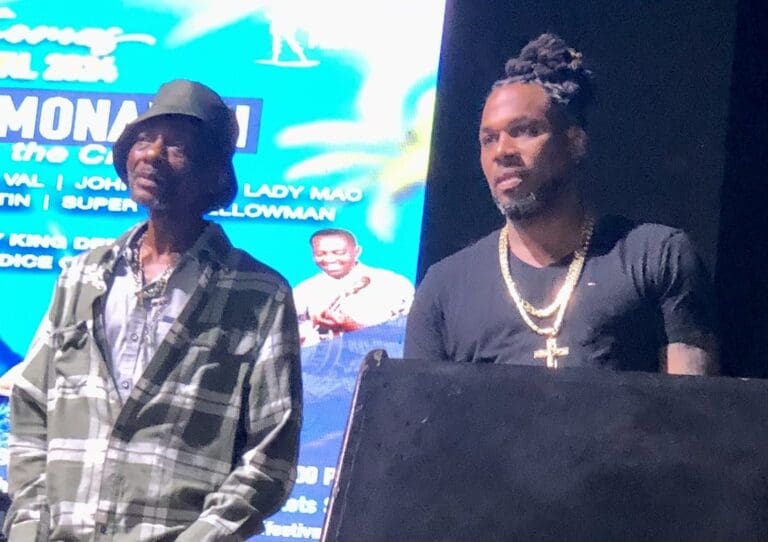
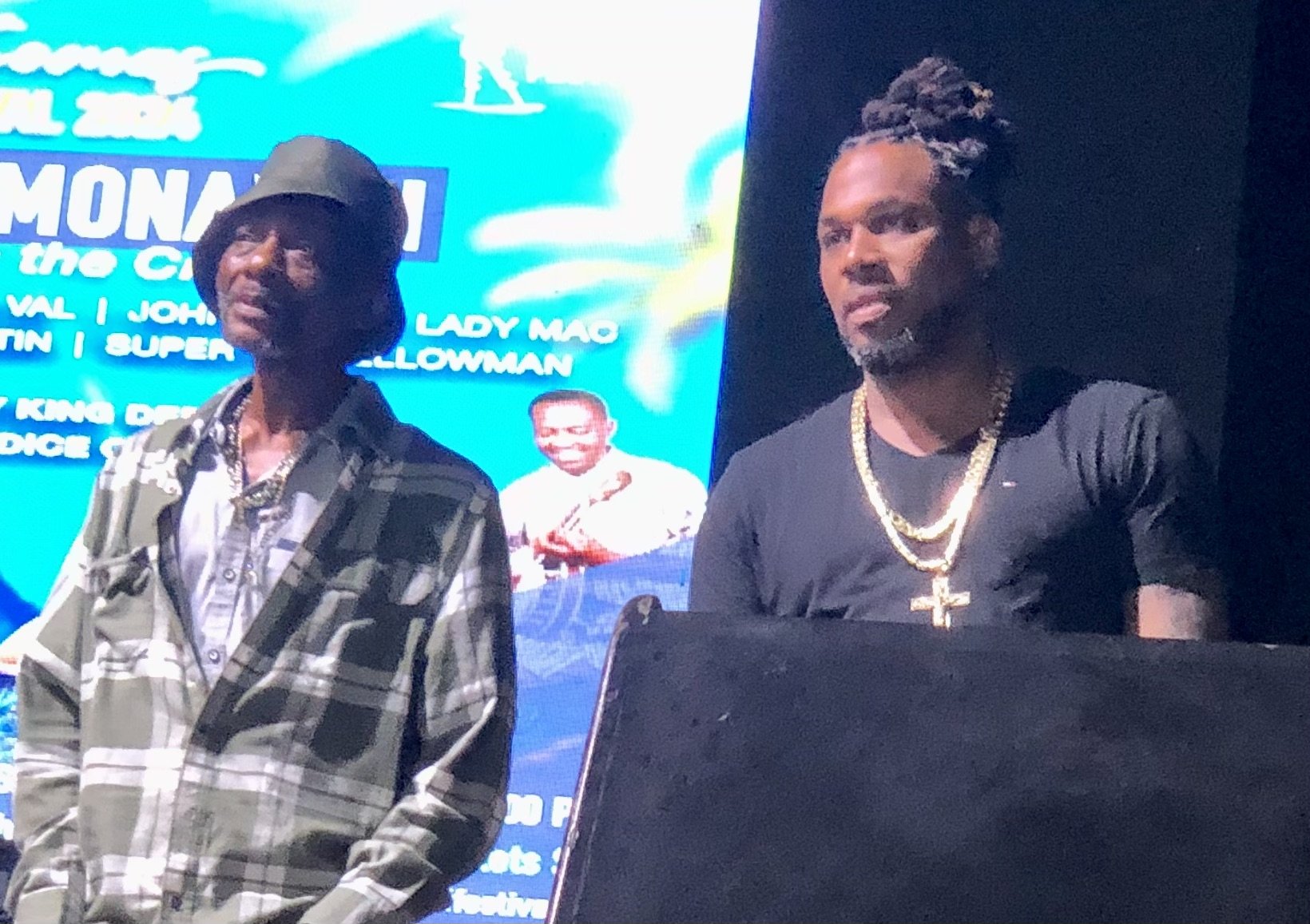
The official opening of St. Thomas Carnival Village has yet to come, but Saturday night brought the Fort Christian Parking Lot to life with the 2024 Calypso Monarch Competition. Nine calypsonians brought their creativity to the stage with lyrics, humor, political insights, costumes, stagecraft and a house band.
A crowd of about 400 filled the seats and milled around in groups near those vendors’ booths opened to serve refreshments.
Four hours and two rounds of entertainment later, the 2018 monarch hailing from St. John had again won the crown. Going by the stage name John Gotti, the singer left the audience howling with a satire about female body enhancement called Inflate It.
The now twice-crowned calypsonian also won the prize for Best Humor.
Veteran calypsonian Myrel Tonge, performing under the stage name Super T, took first runner-up with a bouncy tune about power outages. Tonge also won honors for Best Commentary, while the title of Best Political Song went to Lady Mac.
Mac — known by her given name as Karen Mc Intosh Bruce — is the reigning St. Croix Calypso Monarch. She also won second runner-up in the overall contest.
Tonge also captured the second top spot twice before and said he thought he had it in the bag on Saturday but was satisfied. “I write my own songs, I compose my own lyrics, I compose my own melody; I came up along with Daddy Jones from St. Croix. Daddy Jones is my producer as well, and my arranger and musical engineer.”
Fans, family and friends rushed the stage moments after the announcement was made. They danced, celebrated and hoisted the winner’s trophies high in the air.
The winner was clearly exuberant, accepting hugs and fist bumps backstage. He thanked his supporters, his musical team and his wife for helping him. “And I am representing Love City,” he said.
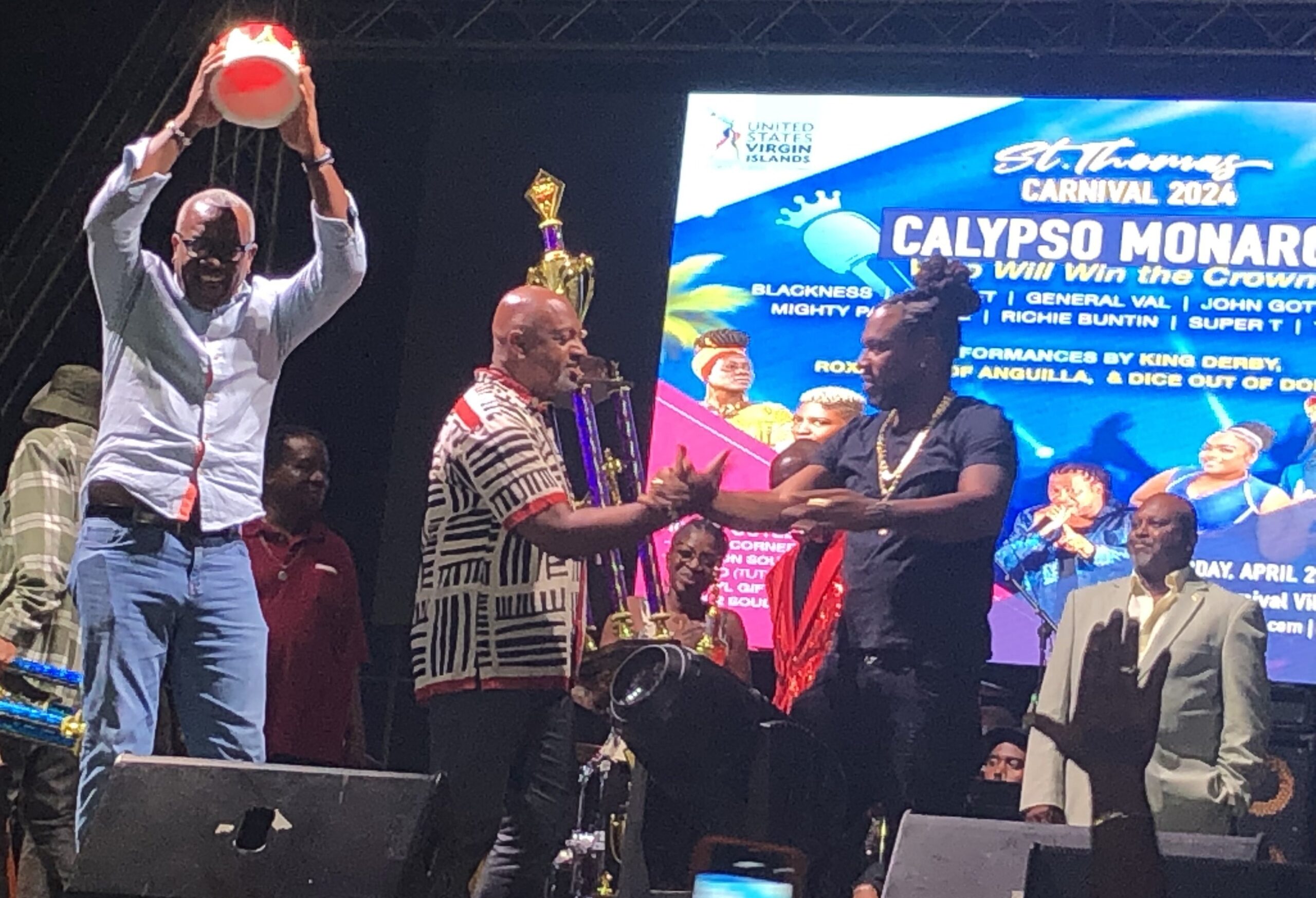
Among those congratulating the monarch was four-time Calypso King Louis Ible Jr. When he was asked what made Gotti the judge’s choice, Ible pointed to several qualities that make a winning performance. “Diction, clarity, humor,” he said, “attainable to the audience. Some of these guys act like they’re afraid to reach out to the audience. (Gotti) reaches out with his lyrics and his humor.”
Several members of the audience showed their appreciation for a night of entertainment under patchy clouds and moonlight. “Everybody’s been doing their thing with the lyrics. The band is good,” said St. Thomas native Earl Haynes, visiting from Tampa.
“The performances are better than I’ve seen in a while,” said Carnival fan Francis Wenner. Four-time Junior Calypso King Kyza Callwood sat close to the stage to savor the performances.
“I enjoy the show. The orchestration is very important, and of course the lyrics and the message is in the music. You also have to go up there and have fun, because if you don’t have fun it’s not a performance,” Callwood said.
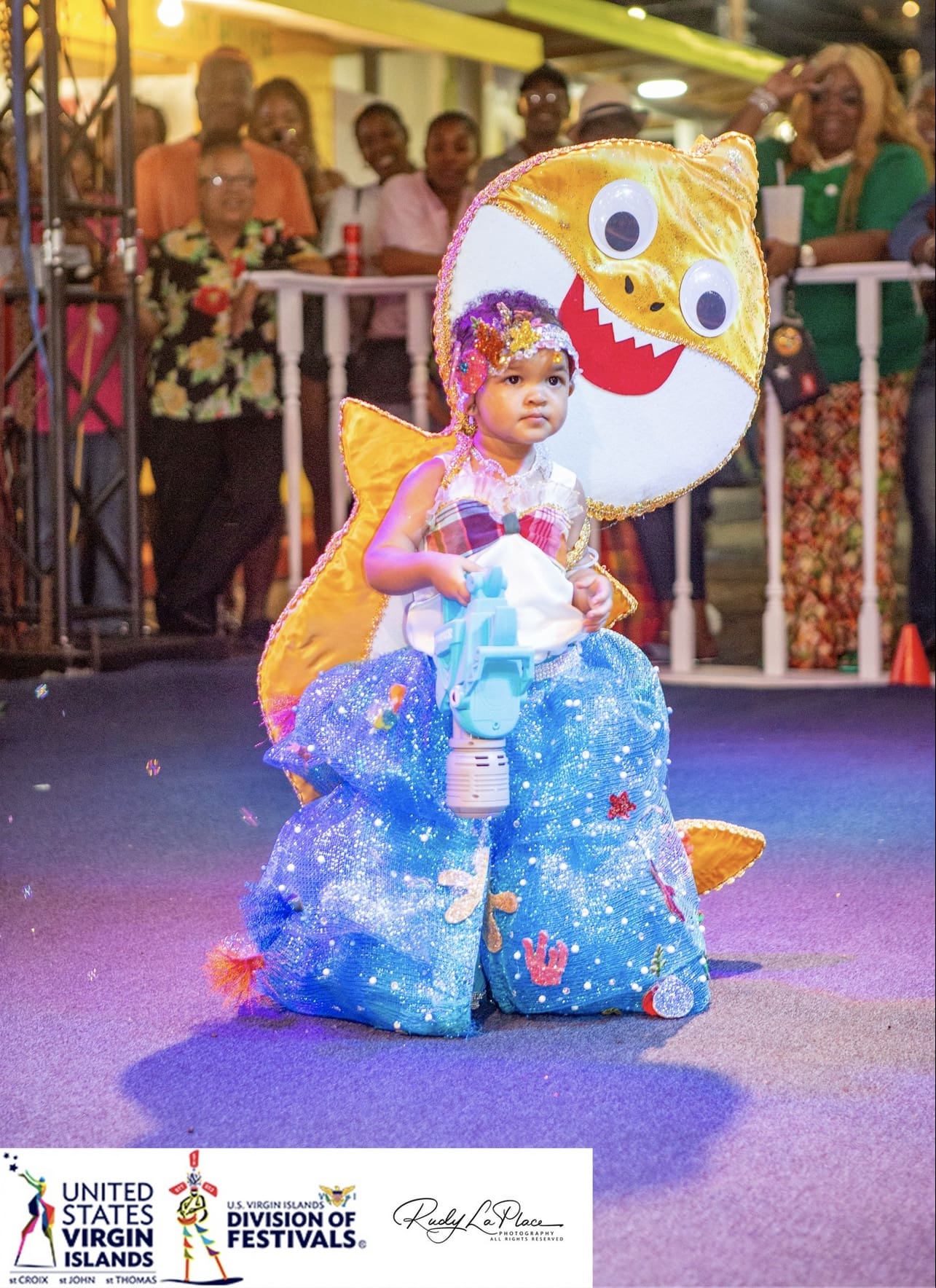
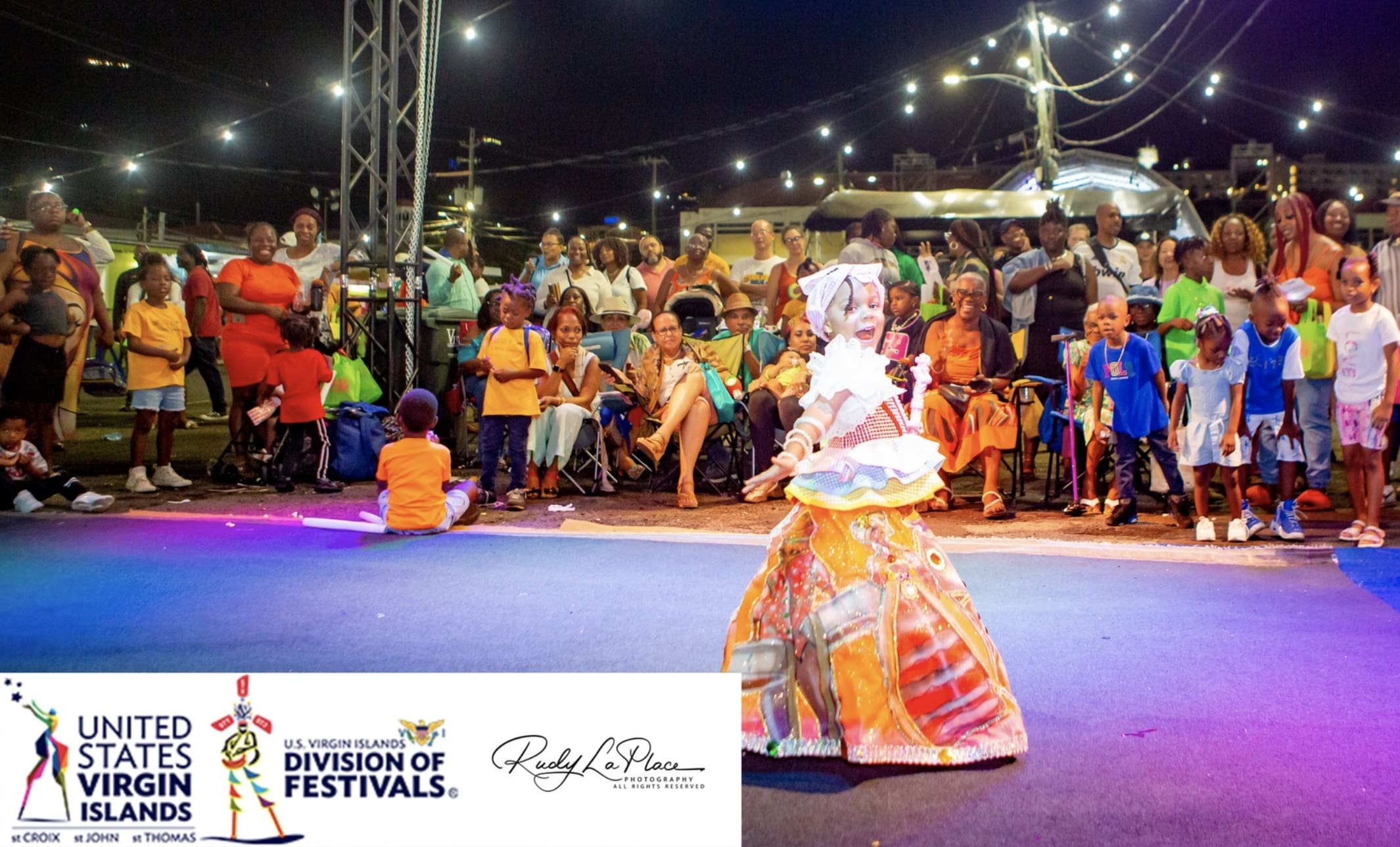
2024 Kids Night Out: Best Dressed Doll and Toddlers Derby Competition







State of the Territory | Liberating Justice: The Imperative for an Elected Attorney General in the U.S. Virgin Islands
 In her bi-weekly column, “State of the Territory,” former Sen. Janelle K. Sarauw delves deeper into issues of concern for V.I. residents.
In the U.S. Virgin Islands, justice is held captive by the chains of political patronage. The office of the attorney general meant to uphold the rule of law, has become a pawn in the game of political manipulation. It is time to shatter these chains and usher in a new era of integrity and accountability by electing an attorney general who answers to the people, not political agendas.
Since the resounding mandate expressed in the 1998 referendum, where an overwhelming 73.76 percent of the electorate demanded the transition to an elected attorney general, the call for change has echoed through the corridors of power. However, bureaucratic hurdles and legislative inertia have stymied the implementation of this democratic mandate, leaving the will of the people unfulfilled.
As the constitutional convention unfolds and the people of the Virgin Islands grapple with self-determination, there is an undeniable impatience simmering beneath the surface. Dr. Martin Luther King Jr. once eloquently stated, “There comes a time when the cup of endurance runs over, and men are no longer willing to be plunged into the abyss of despair. I hope, sirs, you can understand our legitimate and unavoidable impatience. Then you will understand why we find it difficult to wait.” These words resonate deeply with the people of the Virgin Islands, who have long endured injustices perpetuated by a system that grants the governor unchecked control over the attorney general.
An elected attorney general brings numerous benefits to the Virgin Islands. Firstly, it ensures accountability to the people, as the attorney general is directly elected by the citizens and, therefore, beholden to their interests, not political agendas. Secondly, it promotes transparency and independence in the administration of justice, as the attorney general can act free from undue political influence or pressure. Thirdly, it fosters public trust and confidence in the justice system, as citizens have a direct say in choosing the individual responsible for upholding the rule of law and protecting their rights.
The unethical demands placed upon attorney generals under the DeJongh and Bryan administrations, particularly regarding giving Jeffrey Epstein preferential treatment, only underscore the urgent need for justice to be independent. Senator Alma Francis Heyliger, the author of legislation to allow Virgin Islanders to elect their attorney general, has championed this cause against a backdrop of political resistance. Most recently, her attempt to special order the direct election of the attorney general failed in the March 25th session, and instead, the body voted to send it to committee. It is a glaring contradiction that while the Senate has expedited the passage of trivial bills through the special order process, legislation aimed at depoliticizing the office of the attorney general was sent to committee, delayed and diluted by political maneuvering.
The incumbent Democrats, fearful of upsetting the delicate balance within their own party, have shied away from confronting this critical issue head-on. The disparity between the Virgin Islands and the majority of U.S. states is stark and unacceptable. While 45 out of 50 states have embraced the democratic principle of electing their attorney generals, the Virgin Islands remain ensnared in a web of political patronage, where justice is compromised for the sake of political expediency.
The fate of justice in the Virgin Islands hangs in the balance, and the time for action is now. Let us seize this historic opportunity to break free from the chains of political patronage, empower the people to choose their own guardian of justice, and usher in a new era of integrity and accountability in the U.S. Virgin Islands. Anything less would be a betrayal of the democratic ideals upon which our nation was founded.–
“When you get, give and when you learn, teach.”
In her bi-weekly column, “State of the Territory,” former Sen. Janelle K. Sarauw delves deeper into issues of concern for V.I. residents.
In the U.S. Virgin Islands, justice is held captive by the chains of political patronage. The office of the attorney general meant to uphold the rule of law, has become a pawn in the game of political manipulation. It is time to shatter these chains and usher in a new era of integrity and accountability by electing an attorney general who answers to the people, not political agendas.
Since the resounding mandate expressed in the 1998 referendum, where an overwhelming 73.76 percent of the electorate demanded the transition to an elected attorney general, the call for change has echoed through the corridors of power. However, bureaucratic hurdles and legislative inertia have stymied the implementation of this democratic mandate, leaving the will of the people unfulfilled.
As the constitutional convention unfolds and the people of the Virgin Islands grapple with self-determination, there is an undeniable impatience simmering beneath the surface. Dr. Martin Luther King Jr. once eloquently stated, “There comes a time when the cup of endurance runs over, and men are no longer willing to be plunged into the abyss of despair. I hope, sirs, you can understand our legitimate and unavoidable impatience. Then you will understand why we find it difficult to wait.” These words resonate deeply with the people of the Virgin Islands, who have long endured injustices perpetuated by a system that grants the governor unchecked control over the attorney general.
An elected attorney general brings numerous benefits to the Virgin Islands. Firstly, it ensures accountability to the people, as the attorney general is directly elected by the citizens and, therefore, beholden to their interests, not political agendas. Secondly, it promotes transparency and independence in the administration of justice, as the attorney general can act free from undue political influence or pressure. Thirdly, it fosters public trust and confidence in the justice system, as citizens have a direct say in choosing the individual responsible for upholding the rule of law and protecting their rights.
The unethical demands placed upon attorney generals under the DeJongh and Bryan administrations, particularly regarding giving Jeffrey Epstein preferential treatment, only underscore the urgent need for justice to be independent. Senator Alma Francis Heyliger, the author of legislation to allow Virgin Islanders to elect their attorney general, has championed this cause against a backdrop of political resistance. Most recently, her attempt to special order the direct election of the attorney general failed in the March 25th session, and instead, the body voted to send it to committee. It is a glaring contradiction that while the Senate has expedited the passage of trivial bills through the special order process, legislation aimed at depoliticizing the office of the attorney general was sent to committee, delayed and diluted by political maneuvering.
The incumbent Democrats, fearful of upsetting the delicate balance within their own party, have shied away from confronting this critical issue head-on. The disparity between the Virgin Islands and the majority of U.S. states is stark and unacceptable. While 45 out of 50 states have embraced the democratic principle of electing their attorney generals, the Virgin Islands remain ensnared in a web of political patronage, where justice is compromised for the sake of political expediency.
The fate of justice in the Virgin Islands hangs in the balance, and the time for action is now. Let us seize this historic opportunity to break free from the chains of political patronage, empower the people to choose their own guardian of justice, and usher in a new era of integrity and accountability in the U.S. Virgin Islands. Anything less would be a betrayal of the democratic ideals upon which our nation was founded.–
“When you get, give and when you learn, teach.” Join the Conversation: Ecosystems Survey with Dijani Laplace
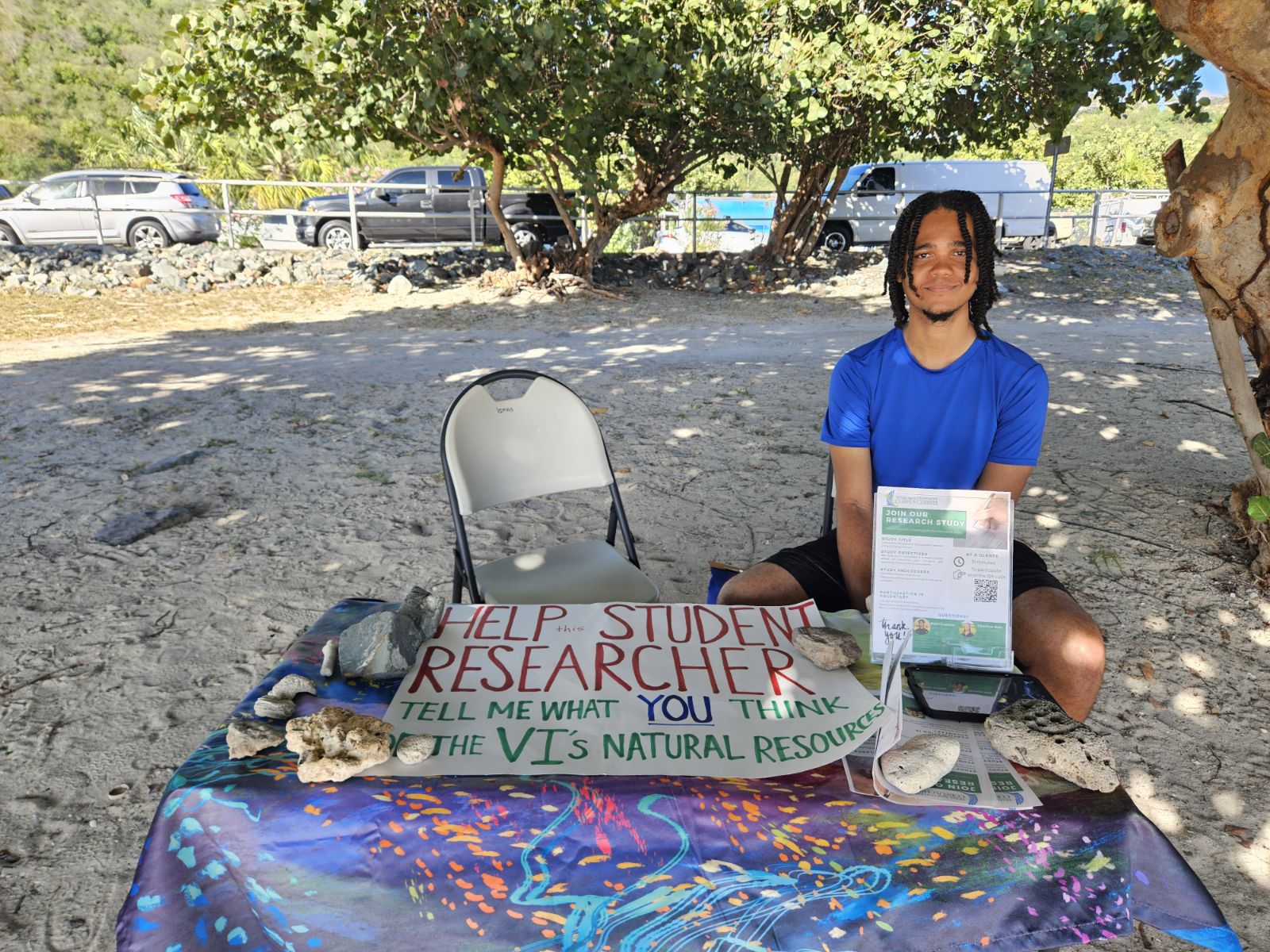
Laplace’s journey into this topic began during his time at UVI, where he earned his bachelor’s degree in biology. His curiosity was piqued while working with VI-EPSCoR, first as an intern in 2020 and later as an employee in 2022, on the Hazard Mitigation and Resilience Plan. In 2021, he collaborated with the Harte Research Institute for Gulf of Mexico Studies on an ecosystem services assessment for the territory.
“I’ve always liked science and studying the environment from a young age… I can’t really pinpoint a driver for that since it’s been that way since I remember,” shared Laplace. “I guess (emphasis on guess) you could potentially point to the hurricanes as an indirect driver of the path I am currently on since the work I’ve done in the past has been in relation to them.”
In his study, Laplace identifies seven ecosystems in St. Thomas for analysis: forests (referred to locally as “bush”), guts mangroves, beaches, salt ponds/salt flats, coral reefs, and seagrass beds. He believes that understanding these perceptions is crucial for effective ecosystem management. By documenting how communities use and perceive their natural environment, he hopes to gain insights into their views on the welfare and future outlook of local ecosystems.“One of the things I found interesting was that much of what was known or what residents thought of our ecosystems in the USVI was either local knowledge by experts or anecdotal experiences that weren’t documented in the literature I had access to at the time,” said Laplace. “I thought it was important to collect that in a formal way, hence, it was one of the drivers of my thesis research.”
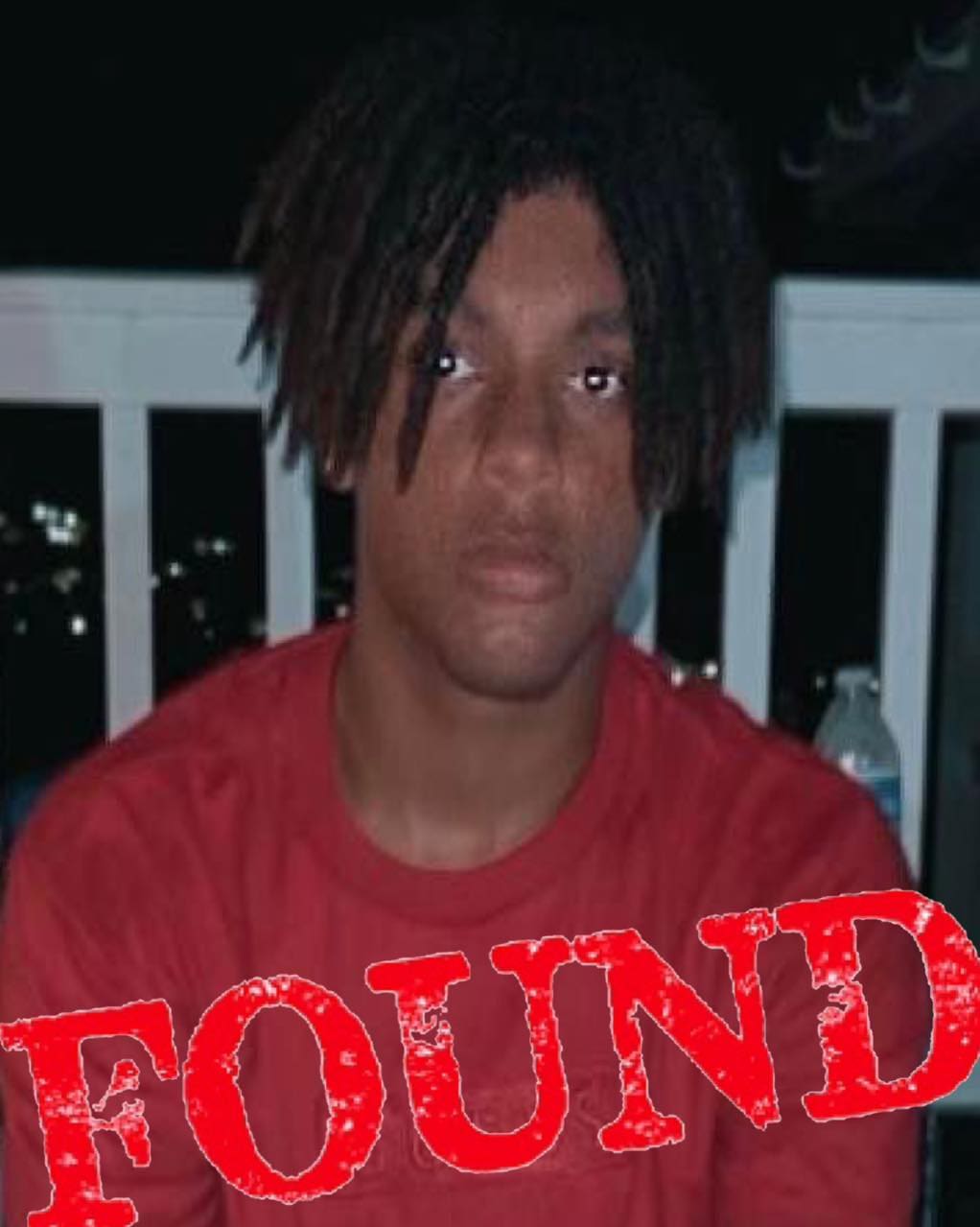
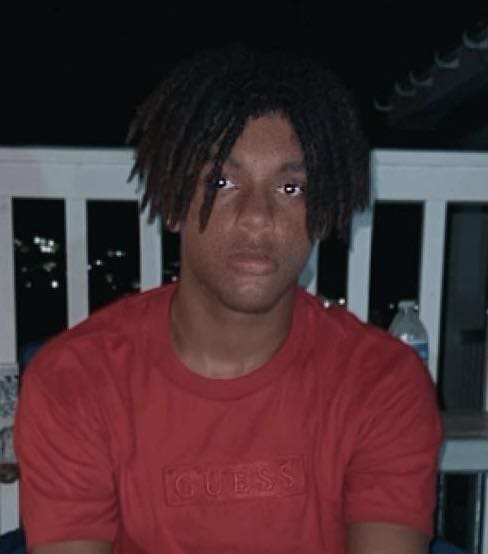
Residents of St. Thomas who are 18 years or older are encouraged to participate in Laplace’s research by completing an easy 10-minute survey online. Those interested in learning more about the project can contact Dijani Laplace at dlaplace@islander.tamucc.edu or visit his profile on the Harte Research Institute’s website. To participate in the survey click here.Amber Alert: Jhonmar Colon-Rogers Found

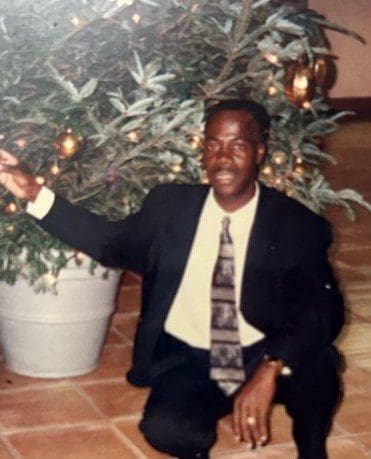
Norris Evan Edmead Dies at 64

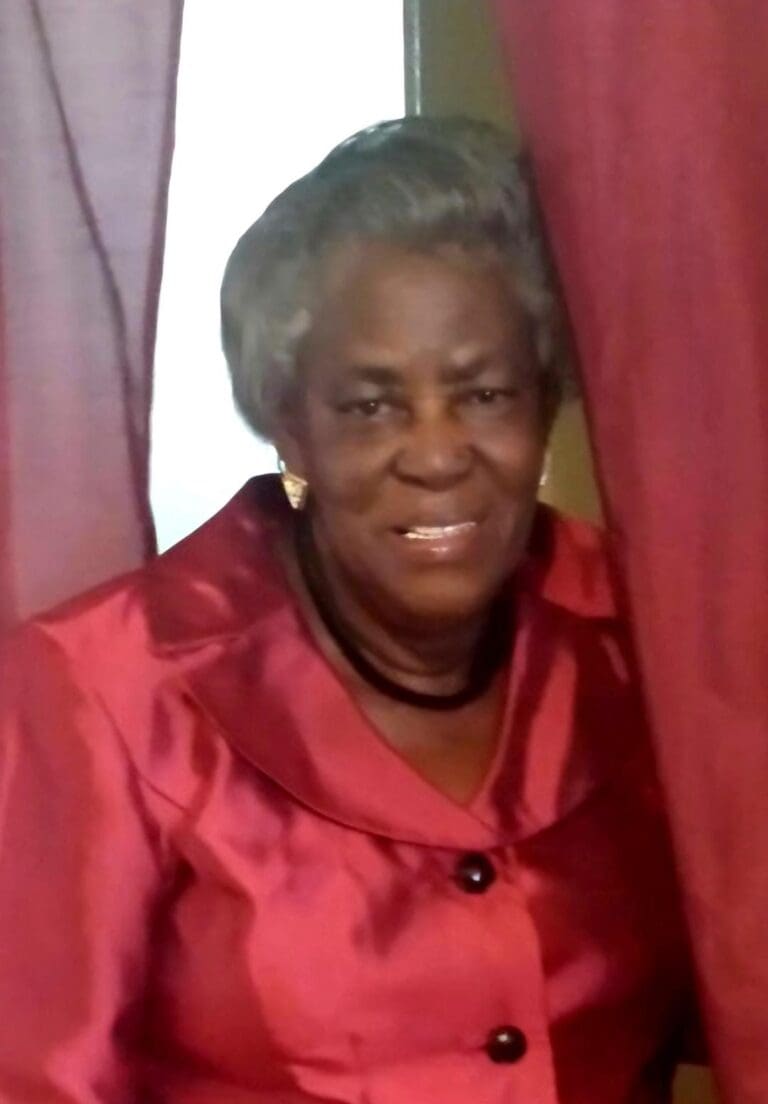
Lucia Adella Petty Frett Dies
Weekly Weather Forecast with Jesse Daley
Local Butterfly Orchids Have Adapted to Dry Conditions
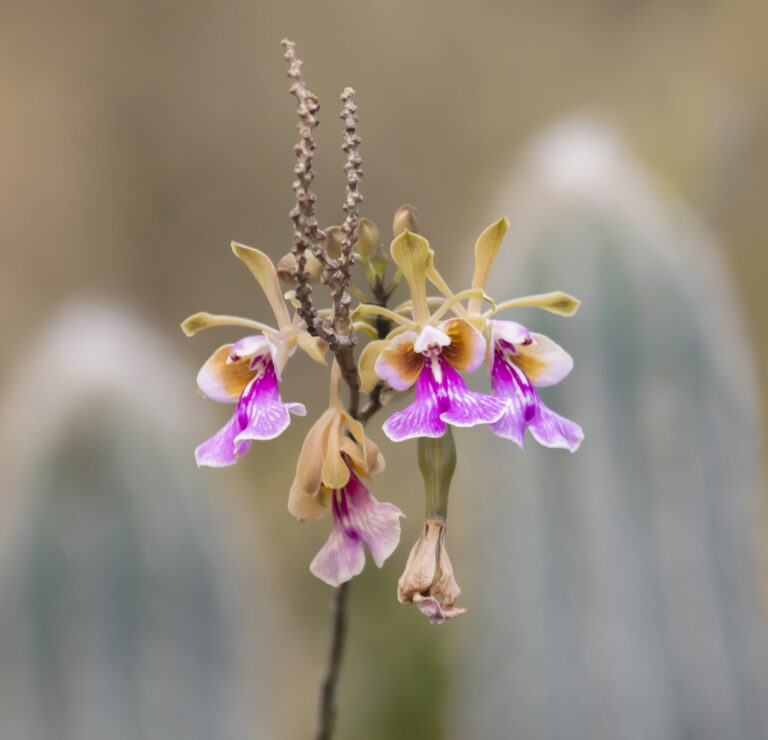
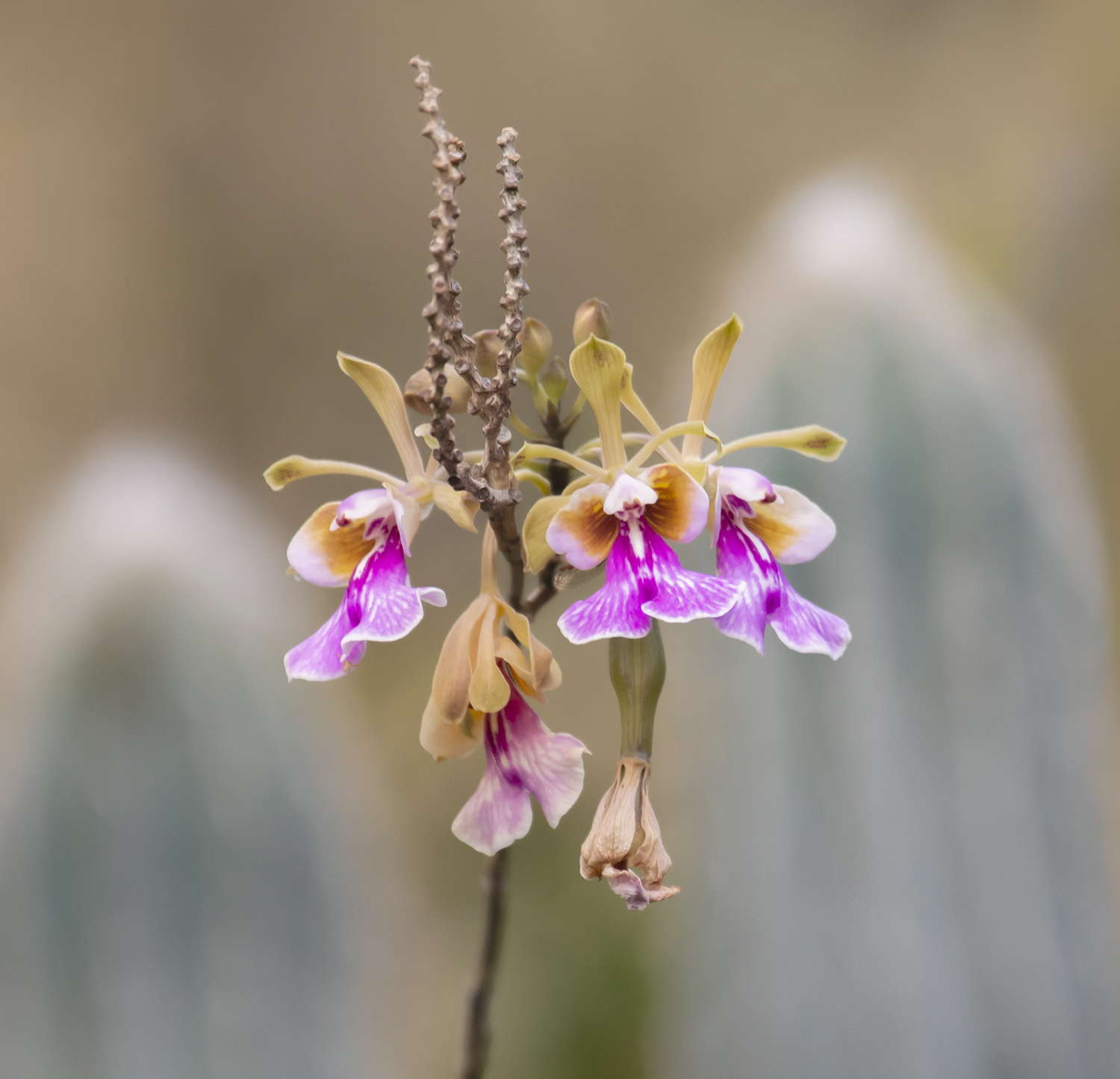
I usually see the small flowers of these native orchids (Psychilis macconnelliae) sticking up on long stalks on the dry southern hillsides of St. John. They are special because they only grow in the Virgin Islands and Puerto Rico.
On St. Croix and Anegada, they grow down low, in the sand dunes, but in other areas they are at higher elevations. They may also look a bit different from one island to another.
The local name Butterfly Orchid seems to refer to their bright, purple-toned petals, which resemble a pair of delicate little wings. Orchids often produce flowers that look like the insects they hope to attract as pollinators but, unfortunately, I haven’t seen any butterflies on St. John looking like that.
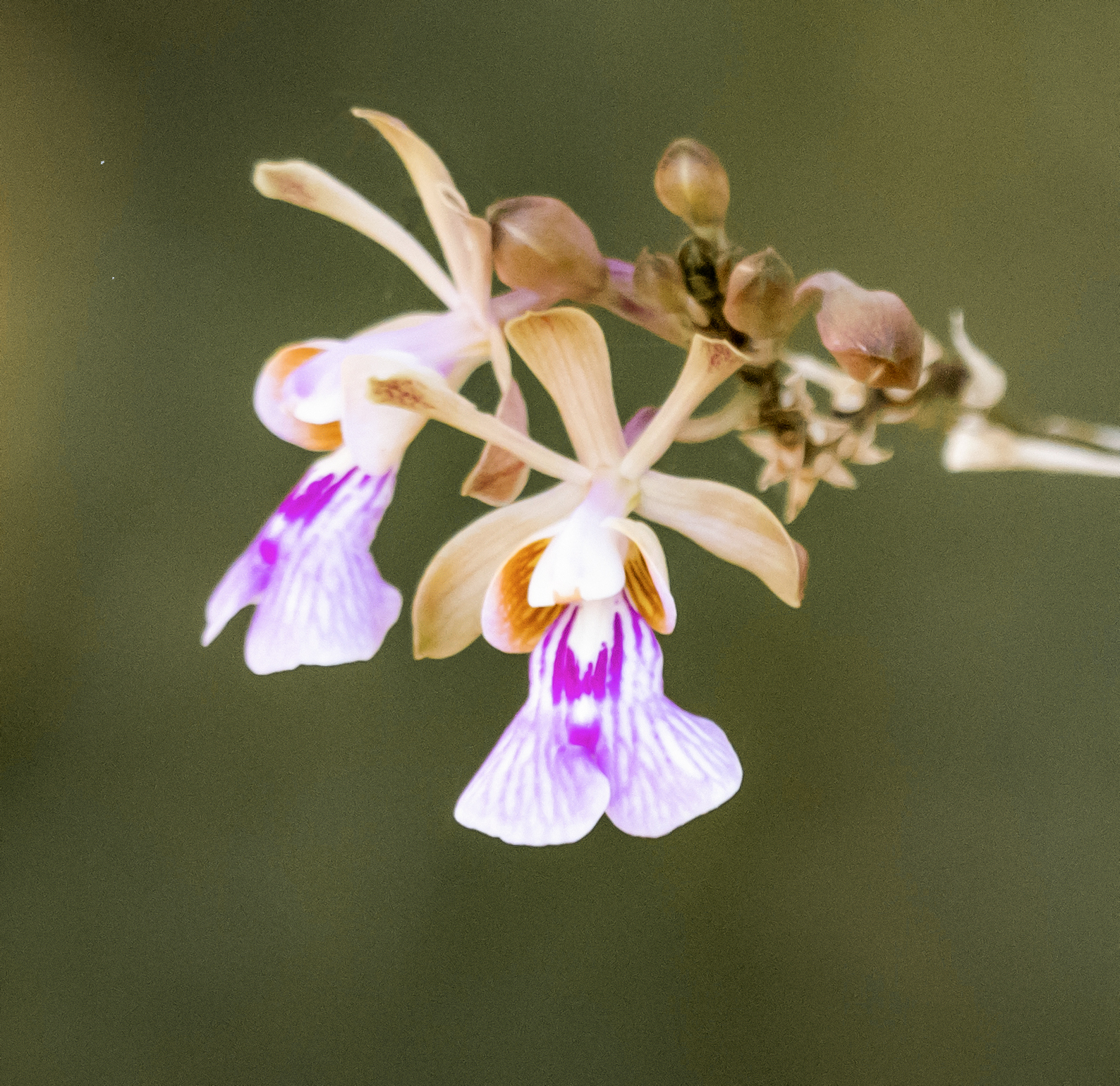
The official U.S. Department of Agriculture name is Island Peacock Orchid, though I don’t see any resemblance to peacocks either.
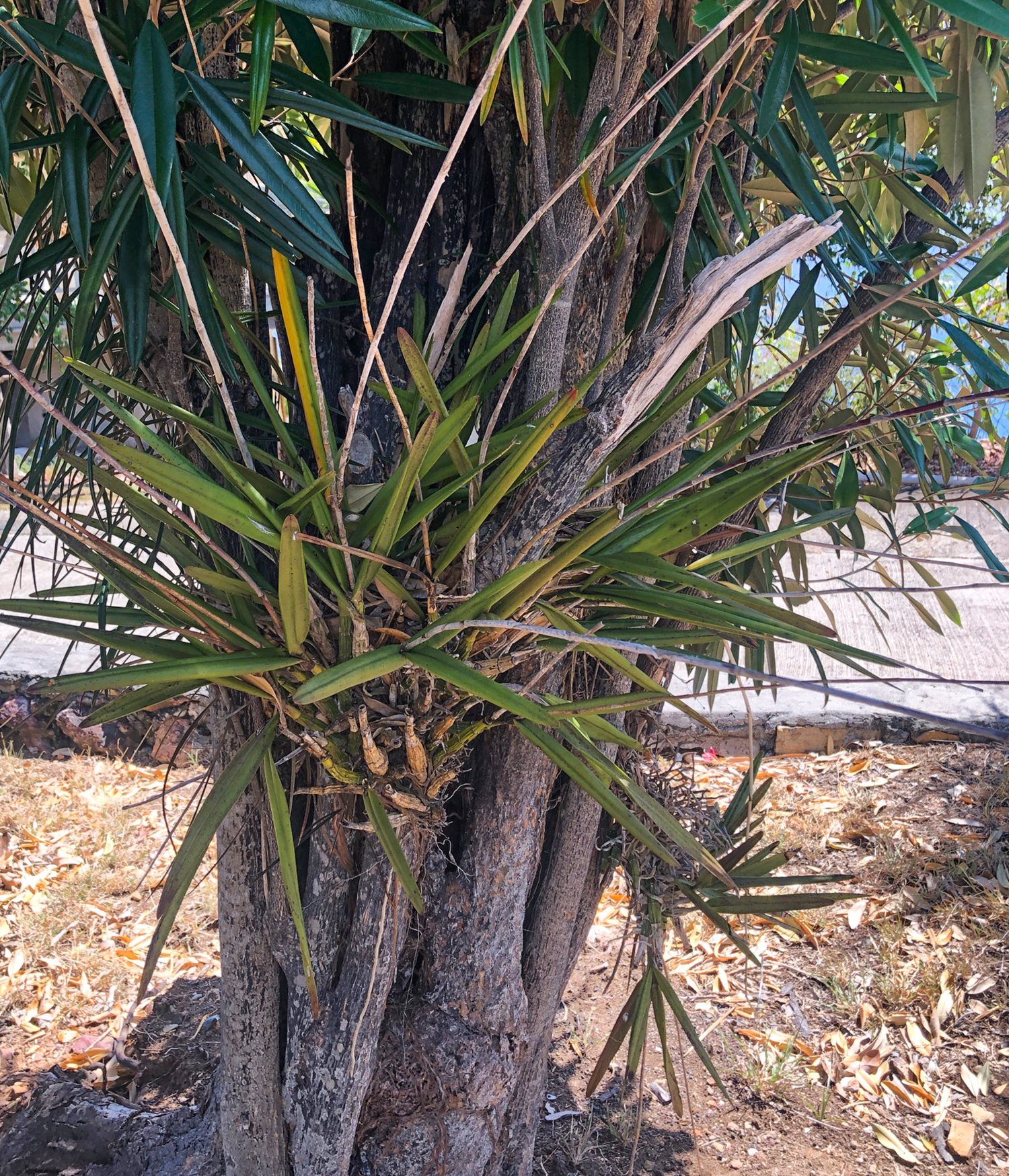
Like many other orchids, these are ‘epiphytes’, which means they don’t grow in soil but on other plants. Their roots are often attached to small trees or bushes for support. They get nutrients from the air and rainwater, and from dead leaves and debris on the trees. They also interact with any fungi or insects on the bark of their host tree. However, they are not parasites and don’t break through the bark or otherwise harm the trees.
Some of the Butterfly Orchids will also attach to rocks, and when they do that, they are called ‘lithophytes’.
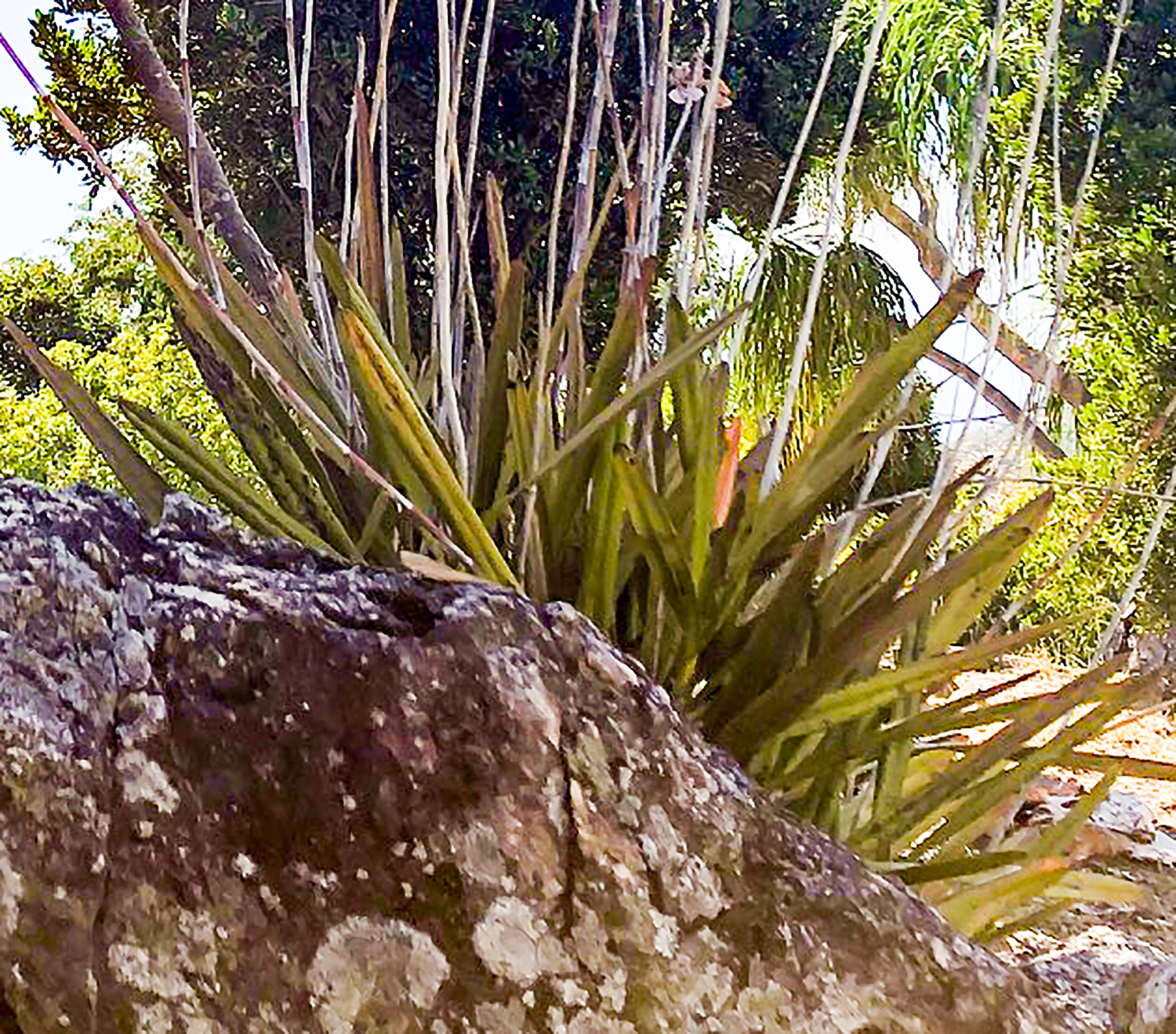
These orchids may look frail, perched on top of their long thin stalks, but they are actually quite hardy. They are well adapted to hot weather and drought, with fleshy, tuberous roots that can hold enough water and nutrients to allow them to keep going during dry periods. They can bloom over and over again for many years.
The Butterfly Orchids on St. John even managed to survive and recover fairly well from the 2017 hurricanes.
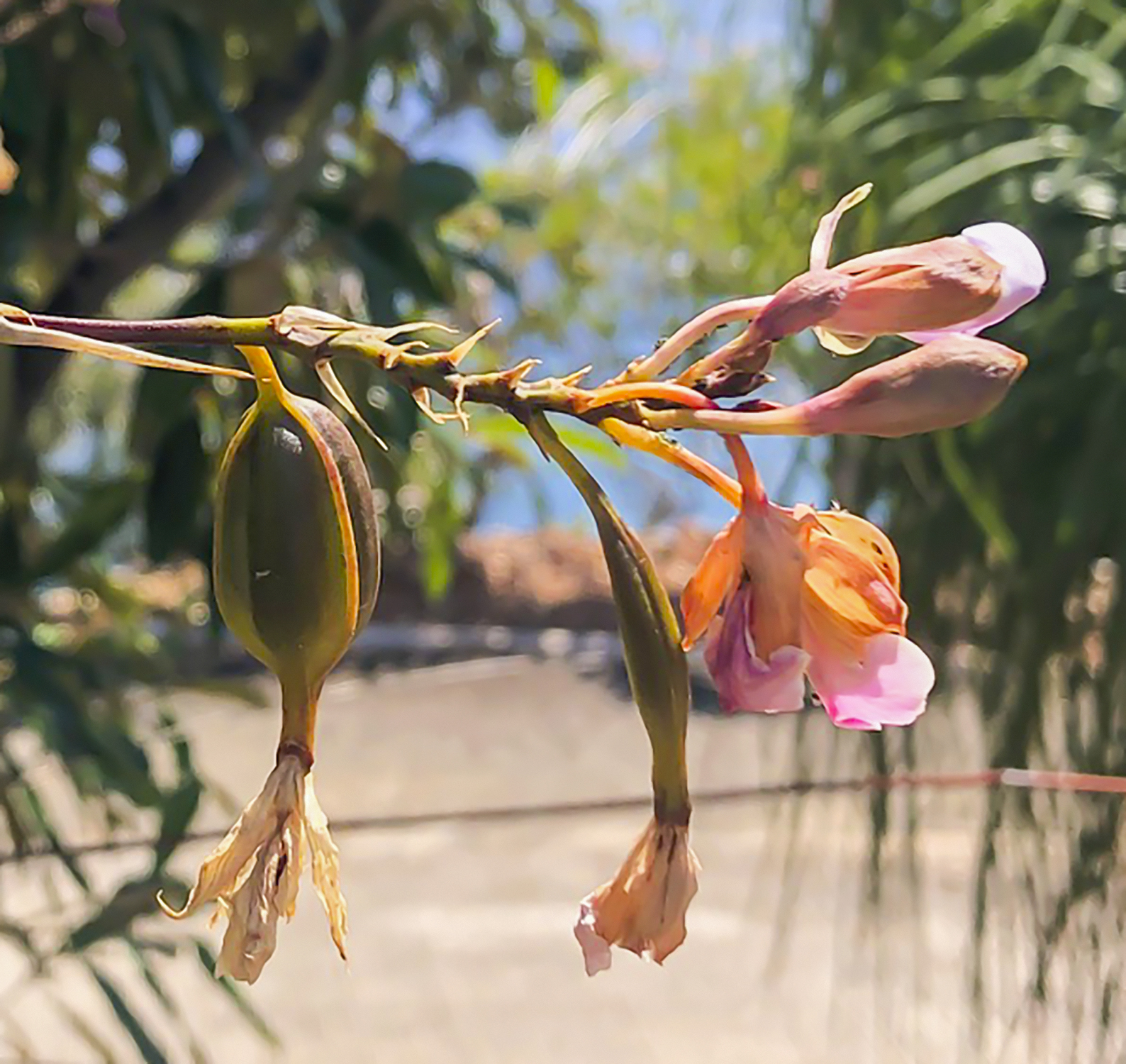
The seed pods from orchid plants can contain millions of very tiny seeds, which are released into the wind when the pod breaks open. An orchid seed is so small because it doesn’t have any nutrients surrounding it to help it grow. The seed has to happen to fall onto the right type of fungus that will help it germinate, and onto a tree or rock which also has appropriate grooves to cradle the seed and catch water, and which offers just the right amount of shade and light, and air circulation.
Very few of the seeds actually grow into plants, but apparently this strategy of mass production of seeds sent out to seek the right combination of conditions has evolved to work successfully for many orchids.
So I was sorry to read that in 2016 Butterfly Orchids were listed as ‘Near Threatened’ by the scientists working for the International Union for the Conservation of Nature. This listing was based on evidence that the orchids have been losing important areas of habitat, mostly due to construction of roads and residential houses, and expanded recreational areas.
Despite the remarkable adaptations that allow them to survive the hot, dry weather in these islands, as well as periodic devastating hurricanes, these special orchids may well be in existential danger because of human land clearing activities. In addition, on St. John they are also molested by introduced grazers, including cliff-climbing feral goats, as well as white-tailed deer.
I am hoping that the Butterfly Orchids can be properly recognized and valued, and protected or relocated if necessary, so that they are not listed as ‘Threatened’ when the next IUCN review takes place.
Gail Karlsson is an environmental lawyer, writer and photographer. She is the author of two books about the Virgin Islands – The Wild Life in an Island House and the guidebook Learning About Trees and Plants – A Project of the Unitarian Universalist Fellowship of St. John. She has also recently published A Birds’ Guide to The Battery and New York Harbor. Follow her on Instagram @gailkarlsson and at gvkarlsson.blogspot.com.