


Nicholas D’Amour Performs Well in Shanghai at Stage I of the World Cup 2024

WAPA Customer Service and Business Offices Adjusted Hours for May 1-3


- St. Thomas and St. John offices will close at noon.
- St. Croix office will be open from 7:30 a.m. to 4 p.m.
- St. Thomas and St. John offices are closed.
- St. Croix will be open from 7:30 a.m. to 4 p.m.
- Call: 774-3552 or 773-2250 – Select Option 3
- Pay online: Visit www.viwapa.vi and click on the “Pay Your Bill Online” button in the top right corner.
- Make payments at First Bank, Banco Popular or Bank of St. Croix branches.
- Drop box can be used to pay via check or money order at all business locations.
“What We Have Here Is a Person Who Was on a Rampage”; Bruce Smith Gets 35 Years in Prison
A former high school hall monitor and track coach was sentenced Friday to 35 years in federal prison for sexually abusing a dozen student athletes over a period of 15 years.
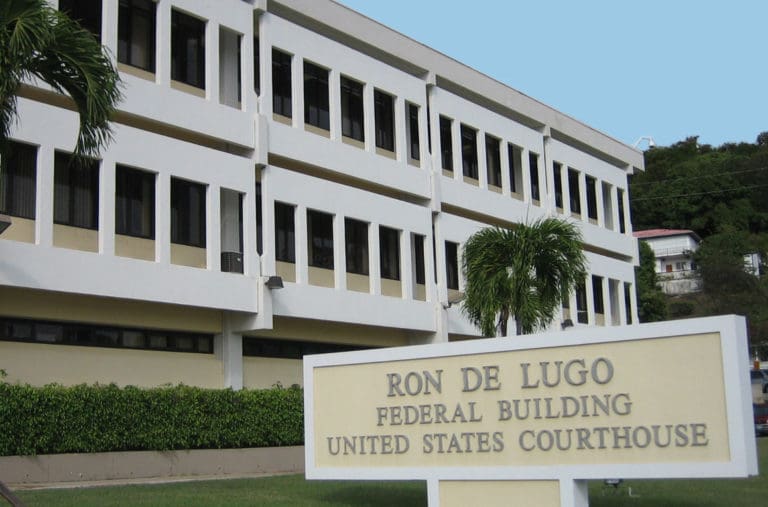
Alfredo Bruce Smith, 53, stood at the podium of the main courtroom in the Ron deLugo Federal Building as Chief District Judge Robert Molloy pronounced sentencing. As the lengthy hearing began, the judge asked lawyers in the case if they agreed that the penalty resulted from a plea agreement reached with the defendant.
Because, Molloy said, if not for that plea deal Smith’s fate would be far worse. According to a calculation performed from the bench, applying sentencing guidelines to the 20 offenses where Smith admitted guilt, it added up to life in prison.
The longtime Charlotte Amalie High School monitor and coach was arrested in September 2021 and has been in federal detention since. Prosecutors with the U.S. Attorney’s Office told the court the defendant deserved the harshest penalty possible. “It doesn’t matter to me where he is in prison. It matters how long he stays,” said Assistant U.S. Attorney Natasha Baker.
Lead prosecutor Everard Potter said he was, “troubled that for 15 years this kind of conduct could be going on at this school … These offenses occurred on campus, in respective school hours, in classrooms, on the beaches, using the Charlotte Amalie High School van to perpetrate offenses.”
An investigation conducted by the Department of Homeland Security provided details of the 12 instances of rape, sexual assault, coercion of minors, and production of child pornography committed by the defendant. Prosecutors also mentioned the three occasions where Smith was confronted about his behavior, but continued to accost and assault children placed in his care.
The 15-year reign of abuse came to an end after an off-island trip with students to a track meet in Puerto Rico. Lawyers for the government said Smith arranged for one of the students to share a hotel room with him, but when the youth realized what was going on he fled the room, called his parent and said he wanted to come home.
“I myself have never seen anything like this in my career,” Baker said. “What I saw traumatized me, and I was not even a victim,” she said. “Because they were boys I was wondering if they were completely forthcoming about their experiences.”
Federal Public Defender Matthew Campbell pleaded for Molloy to apply the lighter end of the sentencing range. “Thirty years may very well be a life sentence for him,” Campbell said, “he has admitted his wrong. He accepted responsibility.”
Campbell pointed out that his client had no prior criminal record, and that based on research, the 30-to-35-year sentence was reserved for “the worst of the worst.”
“We are requesting the type of sentence that Congress has determined would cause multiple damages … the point here is that 30-year sentences are recommended for the worst of the worst,” Smith’s lawyer said.
“Don’t you think this case qualifies as on the high end of one of the worst of the worst?” the judge said.
When Smith was given a chance to address the court, he said he was sexually abused as a child but never told anyone. He thought his interactions with the students were normal, he said. But while doing time in the detention in Puerto Rico he worked in the prison library and had a chance to read about situations like his own.
“I am truly sorry for the wrongs I have committed,” Smith said.
But the judge was not persuaded, saying the statement reflected a sense of relief for the defendant being able to speak aloud about his plight with little reflection on the harm he caused.
“You are a dangerous person. You only stopped because you were caught,” Molloy said. The judge added that the facts in the case reflected the behavior of “a person on a rampage.”
Op-Ed: Preservation of V.I.’s Historic Bridges is Critical to Our Cultural Heritage
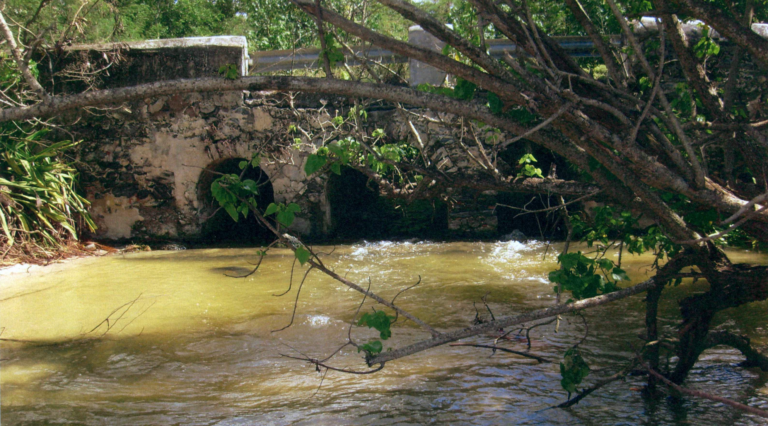
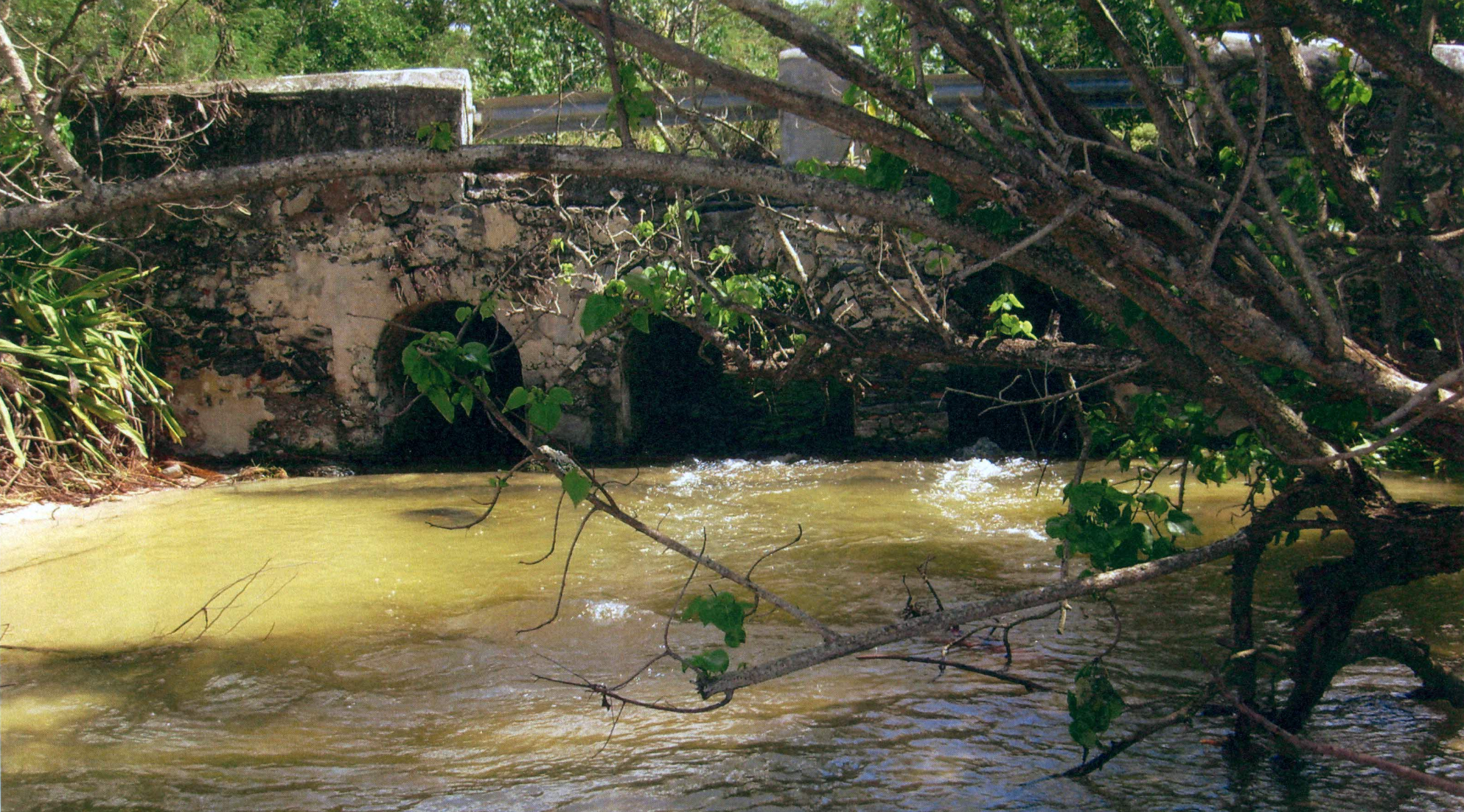
Since last year, Queen Mary Highway on St. Croix has been closed off, starting from Estate Bethlehem Old Works and Kings Hill. Also closed is the road between Bethlehem Old Works and Bethlehem Middle Works, which is Route 64 that connects to Melvin H. Evans Highway. The bridges in the Virgin Islands are being repaired and maintained if needed, which is a good thing for motorists. However, what most residents of the Virgin Islands don’t know is that we have historic bridges dating back hundreds of years to the Danish occupation of the islands.

The preservation of historic bridges in the Virgin Islands is critical to our cultural identity and natural history. The American conservation authorities protect old bridges and roads throughout the country. In 2007, a good friend of mine, Dr. George Tyson, a local cultural historian, took the initiative to get Virgin Islands historic bridges, old Danish roads, and other structures relating to waterways registered as part of our cultural heritage.
Arne Rosenkvist, an engineer from Denmark, had the task of conducting a survey on the historic bridges, roads, etc., of the Virgin Islands. The project started as a discussion between Tyson and Rosenkvist in Denmark. Rosenkvist noted, “One afternoon, by the gate of Kronborg, after an interesting visit of historical road marks in Northern Zealand in Denmark, Mr. Tyson said to me: ‘I have a project for you. You are going to register the old Danish bridges in the former Danish West Indies, and then come up with suggestions for how to preserve them.’”
As a result, Rosenkvist started out researching the history of bridge making in the Danish West Indies. At the end of the research project, he produced a document of 64 pages along with photos of historic bridges, guts, Danish sidewalks, etc., in the Virgin Islands and how to maintain the structures. The title of the document is “Registration of Bridges on the former Danish West Indian Islands: A Report on Old Roads and Bridges on the Virgin Islands with suggestions for preservation and maintenance of these Danish cultural remains.”
In the document, Rosenkvist spoke about highly qualified tradesmen, skilled persons, “colored people,” “free,” and their descendants that made the bridges, historic sidewalks, etc., that now exist in the Virgin Islands landscape. He also mentioned that the highly skill craftsmen were conveyed by the Moravian missionaries when they arrived in the Danish West Indies in the 1730s.
Nevertheless, when the Danish West Indies islands were transferred in 1917 to the United States government, many of the old traditions of craftsmanship skills were lost. In his report, Rosenkvist suggested keeping the old standards of professionalism in maintaining or preserving our historic bridges. He said we could consider joining with the Danish West Indian Apprenticeship Program to require the skills to maintain our historic structures.
In other words, train our people, especially young Virgin Islanders, to have such skills not just for restoring historic bridges, but also historic buildings and other important historic structures. He also described in the report that most of the historic bridges are small and over streams (guts). In the heyday when sugar was King in the Danish West Indies, bridges were built to carry loads of smaller or larger carts pulled by mules, horses, or oxen.
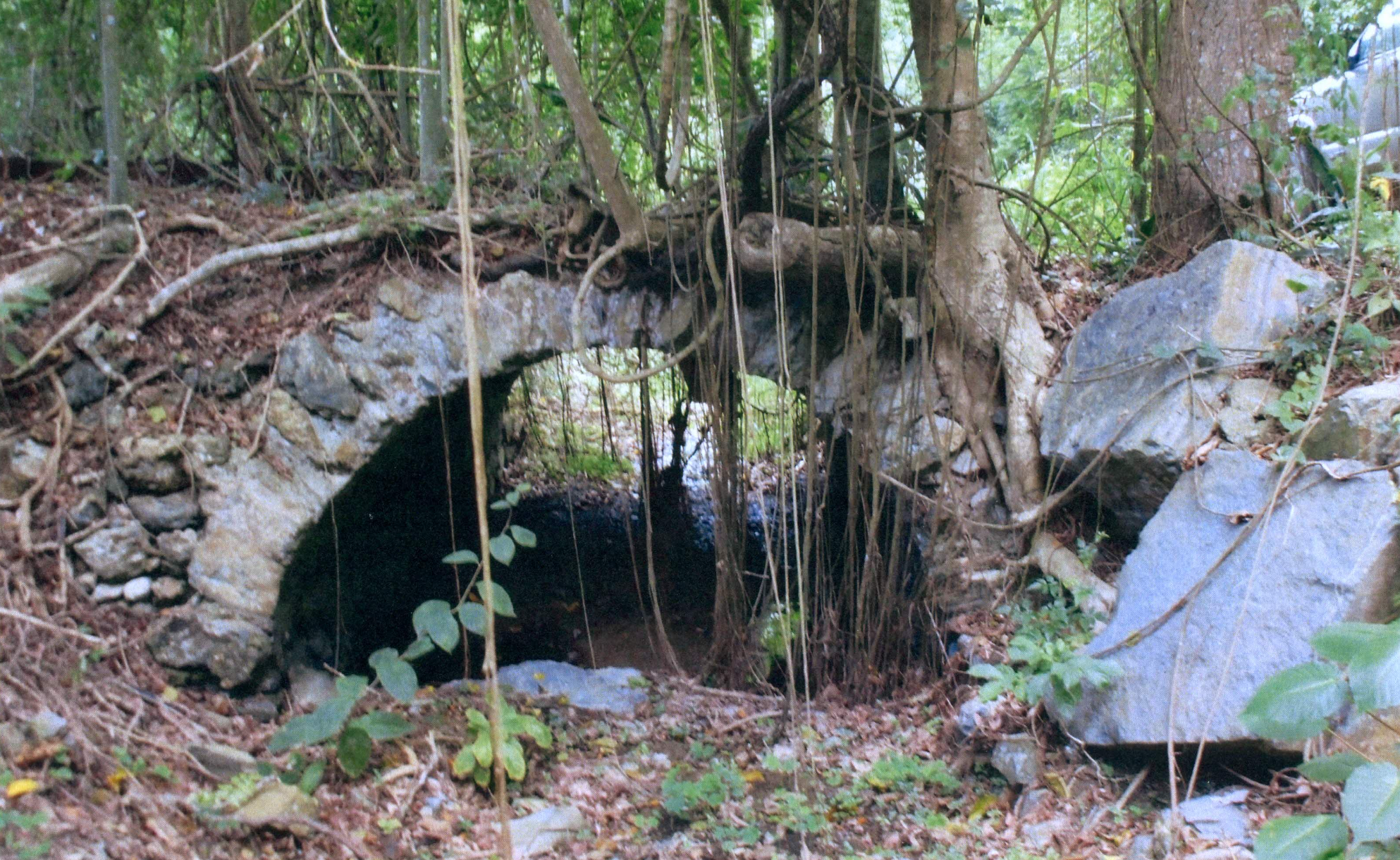
Today, we drive over these bridges built by local craftsmen, which many residents don’t know exist. The bridges were built with the strength and capacity of carrying a load of today traffic. Believe me, it is amazing what skill and art local craftsmen had hundreds of years ago in building bridges. In fact, bridges we build today fall apart or wash away most of the time during heavy rainfall due to culverts too small for the volume of water passing through, while the historic bridges stand the test of time.
For this reason and more, we need to preserve the integrity of our historic bridges. The old Danish bridges in the Virgin Islands are protected, according to the American legislation. Therefore, we need to take heed when we are repairing historic bridges. However, in the Virgin Islands I believe we have a tendency not to care about our cultural or natural resources. Yet, these resources are connected to our cultural history and the tourist industry, which many consider the bread and butter of our island economy.
The historic bridges and other structures are built partly from local materials like cut coral stone and partly of Danish bricks. During the Danish rule of the islands, bricks were brought to the islands as ballast on the ships from Denmark that returned carrying sugar and rum. The late George A. Seaman, one of our well-known native naturalists of the 20thcentury, talked about his experiences, when St. Croix was still Danish, about Fair Plane bridge east of today’s Henry E. Rohlsen Airport:
“The Fair Plane bridge was one of the most beautiful of the old time cut limestone bridges built by the Danes. It consisted of three faultless arches under which, depending on the rains, flowed an enchanting purling stream. This so-called Fair Plane gut was fed by the several tributaries meandering through the great sugar cane heartland of St. Croix,” noted Seaman.
The bridge still exists today where countless thousands of people travel every day to the airport. Seaman and his friends as boys used to hang out at Fair Plane Bridge to catch shrimp, eels, mudfishes, mountain mullets, and birds. There is a lot more I can mention about our historic bridges in the Virgin Islands. The 64-page document I mentioned earlier describes in detail historic sites of bridges and other structures that are so valuable to the people of Virgin Islands.
My great concern about repairing historic bridges in the Virgin Islands is that I hope the contractor or contractors are working with the V.I. State Historic Preservation Office. Historic bridges can’t be touched without guidelines on how to restore them. It is the law. Historic bridges are protected.
— Olasee Davis is a bush professor who lectures and writes about the culture, history, ecology and environment of the Virgin Islands when he is not leading hiking tours of the wild places and spaces of St. Croix and beyond.
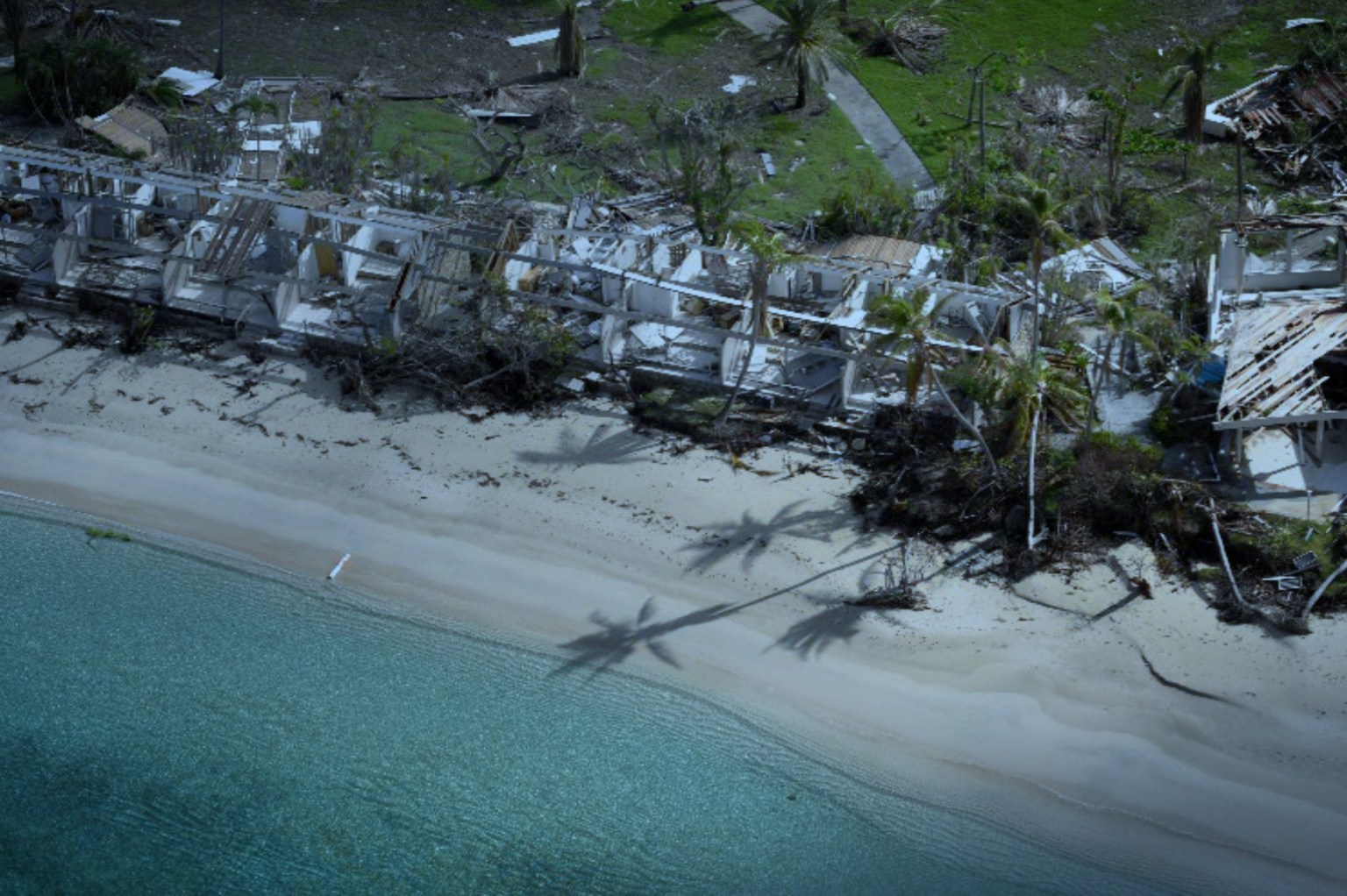
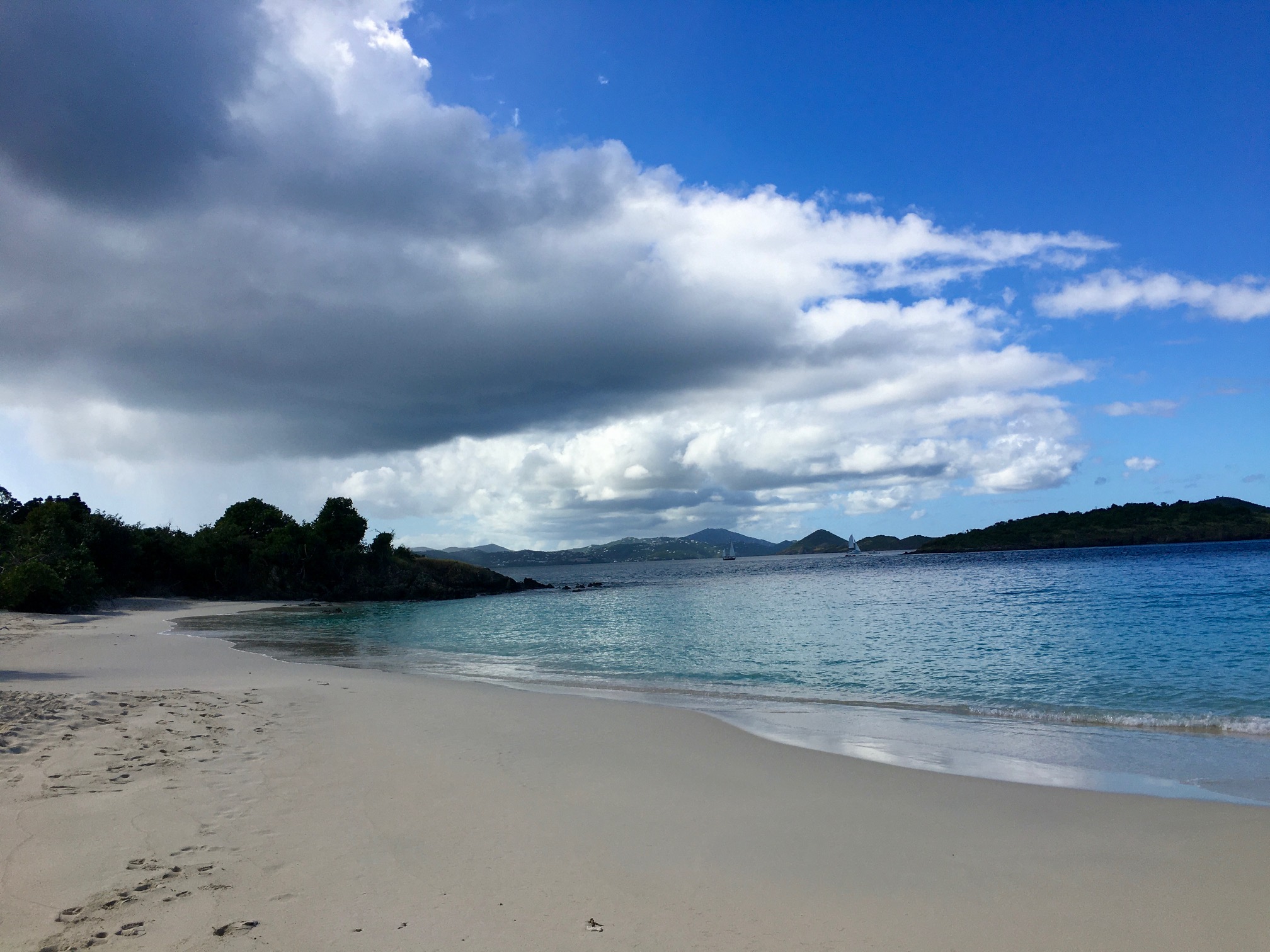
Questions Remain Following District Court Ruling on Caneel Bay Resort

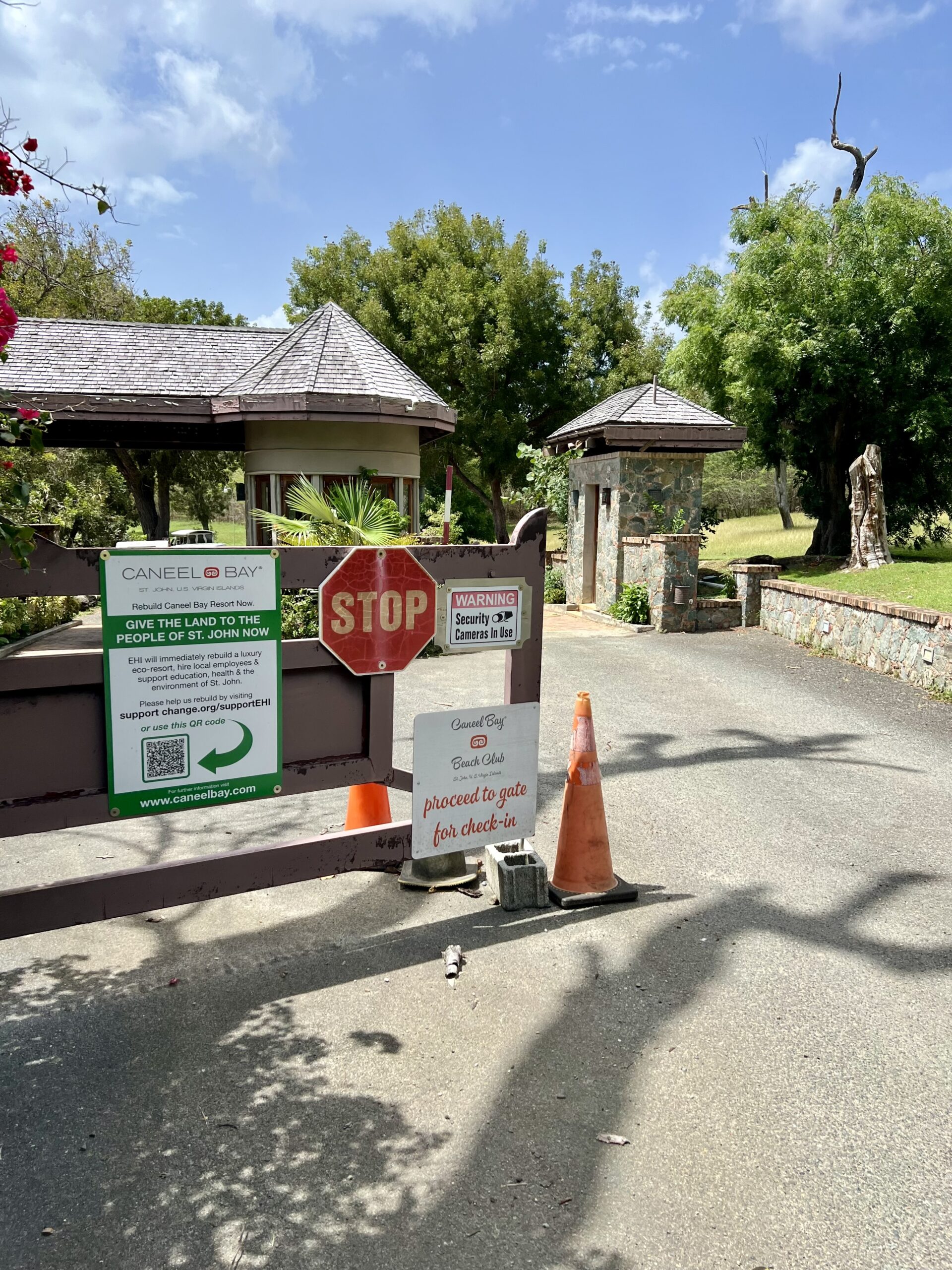
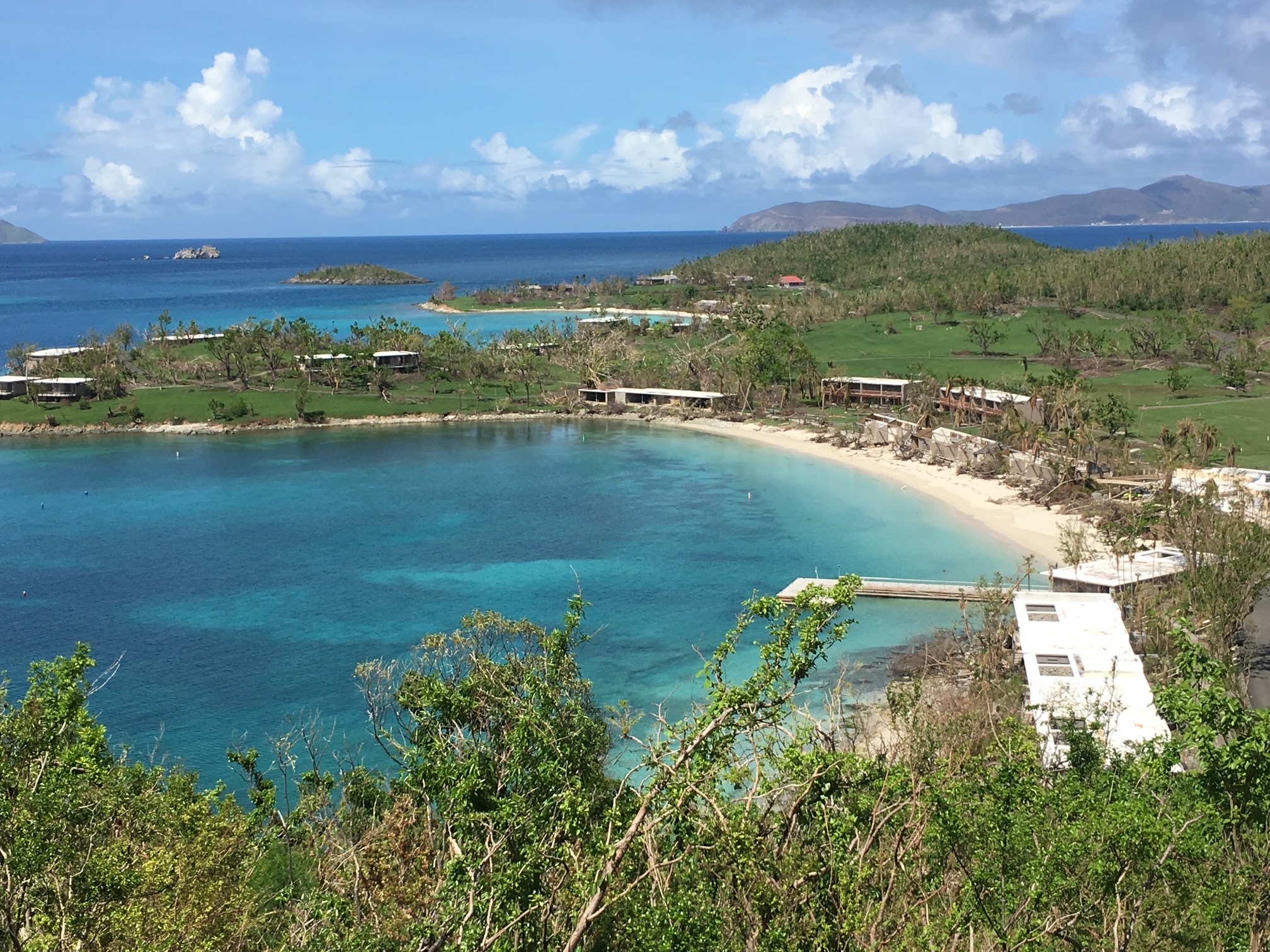
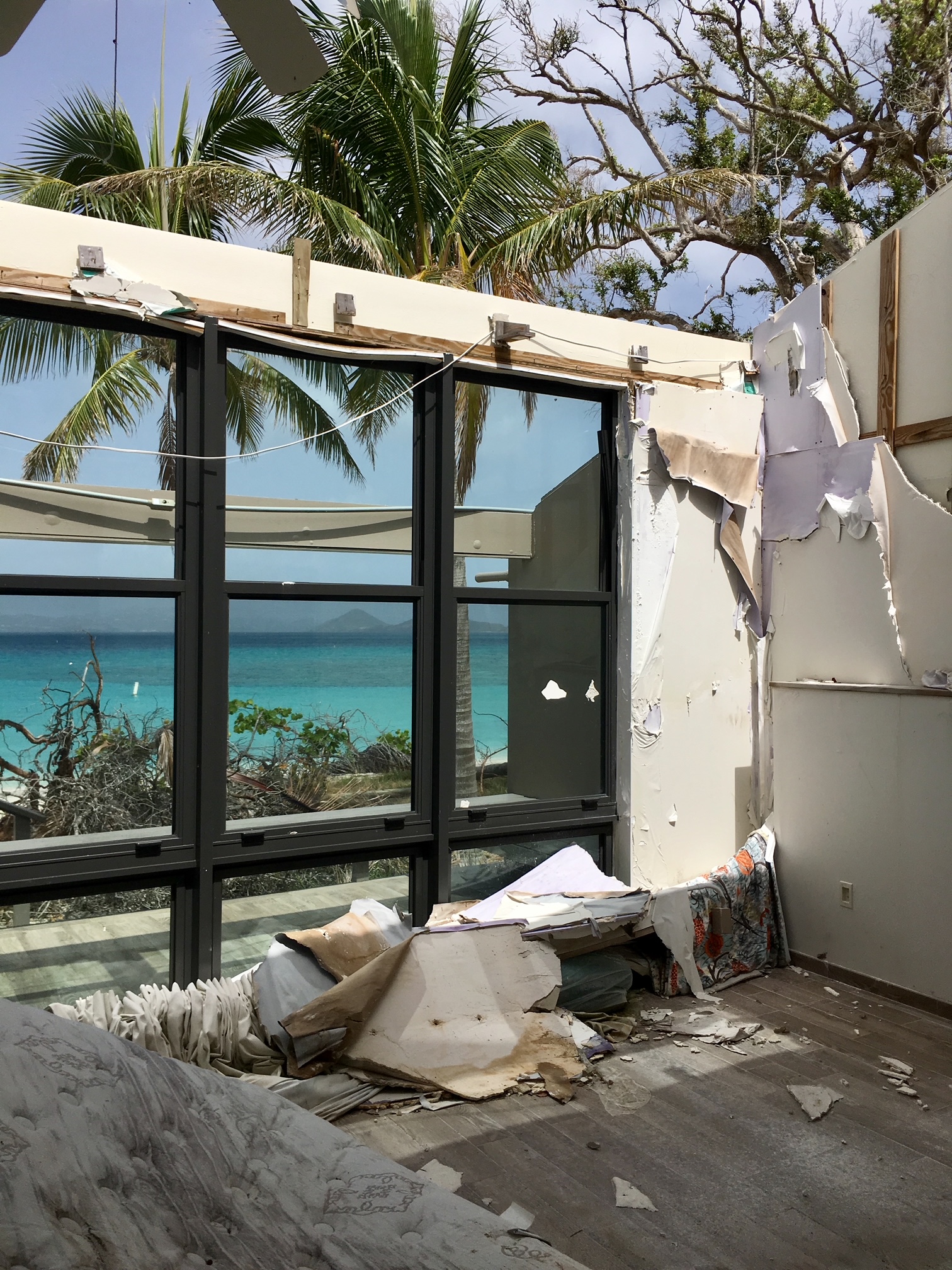
Third Circuit Scheduled to Hear Jackson, Other Appeals on May 16
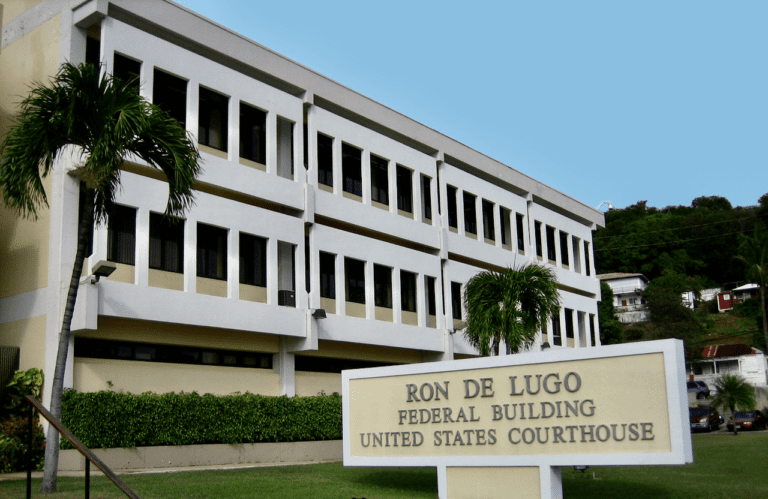
The Third Circuit Court of Appeals is set to hear oral arguments in four local cases on May 16 on St. Thomas, including that of John Jackson, the onetime Olympic boxer who was sentenced in February 2023 to 25 years in prison on rape and child pornography charges and is seeking to suppress evidence from a search of his home that was used at trial.
Jackson was arrested on Feb. 6, 2019, and indicted two months later on charges including child pornography, transportation of a minor with intent to engage in criminal sexual activity, first-degree rape and second-degree aggravated rape.
Evidence presented at his trial and in court documents shows that Jackson trolled St. Thomas high schools and social media for his victims, including one who was 14 and in the ninth grade when they met. He was arrested after a friend of one of the victims convinced her to tell her father about the relationship, and he filed a police report. The child pornography conviction stems from a video found on the girl’s cellphone that Jackson made of them having sex when she was 15 and he was 30.
Jackson, now 35, was found guilty on all counts after a four-day trial in April 2022, and in February 2023 was sentenced to 25 years behind bars. He filed an appeal in November. Currently incarcerated at the low-security Federal Correctional Institution in Miami, Florida, according to the Bureau of Prisons website, he is represented by Matthew M. Robinson of Robinson & Brandt, PSC in Lexington, Kentucky.
Jackson contends that the V.I. District Court erred in failing to grant his motion to suppress all evidence stemming from the search of his Mandahl home on Feb. 23, 2019, which he alleges violated his Fourth Amendment rights against unreasonable search and seizure. He claims there was not probable cause for authorities to believe they would find child pornography based merely on a cell phone video of him having sex with one of the victims that was “a spontaneous one-time incident that occurred more than 30 days before the warrant application.”
In addition, the search exceeded the scope of “this overbroad” warrant, according to Jackson’s appeal, because authorities seized items and entered locations that were not listed in the warrant.
“Nothing suggested the items seized contained evidence of child pornography. Because [Homeland Security Investigations Special Agent Alicia Blyden] allowed officers to seize items beyond the scope of the warrant, her conduct transformed the search into an invalid general search,” it says.
The government claims that the “plain view doctrine” permitted the seizure of items outside the warrant’s scope, including a pillow and Gucci link bracelet that were visible in the video, brownies (several of the victims told police and testified in court that Jackson gave them marijuana and brownies laced with the drug), and drug paraphernalia.
While admitting defects in how the warrant was presented — Blyden gave Jackson and his attorney at the time the first page of the warrant listing his name and address, but not the affidavit that secured it, or the list of items authorities were looking for, as is normally required — the government argued that nonetheless, there was probable cause for its execution, and Jackson was not harmed by the violation.
V.I. District Court Judge Robert Molloy agreed, and in a ruling on Jan. 4, 2021, rejected Jackson’s motion to suppress the evidence, except to exclude the brownies that were seized during the search and later tested positive for marijuana.
The court will also hear oral arguments on May 16 in the following cases:
– USA v. Samuel Pena Columna, the former Drug Enforcement Administration informant found guilty of drug smuggling by a jury in September and sentenced in January to 30 years in prison. He is seeking to have statements suppressed that he gave to police prior to be taken into custody and read his Miranda rights. The government alleges that Pena-Columna was in his vehicle at the time and free to leave, but his appeal claims that was hardly the case when three armed officers lured him to a meeting, occupied his car, questioned him for over an hour and searched through his cell phone before making an arrest.
– Clifford Boynes et al v. Limetree Bay Ventures LLC et al, in which Limetree Bay Terminals is appealing a V.I. District Court order that it supply water to St. Croix residents whose cisterns were allegedly impacted by four toxic air releases from the oil refinery on St. Croix between Feb. 4 and May 12, 2021. Now doing business as Ocean Point Terminals, the storage facility claims that when the releases occurred, it did not own, operate or control the refinery, and that the program will potentially cost it millions of dollars.
– James Codrington v. Steadfast Insurance Co. et al, concerning the rejection of an insurance claim after Codrington was injured in an accident in 2007 while riding a motorcycle on St. Croix that resulted in the amputation of his leg.
Oral arguments are scheduled to begin on Thursday, May 16 at 9:30 a.m. in V.I. District Court on St. Thomas, with each side allotted 15 minutes to state their case.
Op-Ed: Leveraging the Power of Social Media to Empower and Engage


However, the largest impetus for this surge in productivity and innovation can be credited to the emergence of the Internet. The Internet has offered avenues in which information can be passed in seconds across the globe. It has streamlined and made timely processes more efficient, removed barriers to education and skillset development, and has been instrumental in the preservation of invaluable information.
According to the Global Overview Report produced by the digital reference library DataReportal, it is estimated that the average person spends 6 hours and 40 minutes daily on the internet, with social media platforms garnering a large chunk of that time.
The popularity of social media has reshaped major industries such as Big Media, which has had to prioritize their online viewership over their television viewership, due to many Americans now relying on social media for their daily news consumption. Social media has also revolutionized marketing. 20 years ago businesses relied on billboards and television commercials to advertise their products and services, now these organizations have turned to social media and influencers to do the heavy lifting in their advertisement efforts. A decision that has maximized profits for many institutions due to social media apps like Instagram, Facebook, and TikTok, which ensure that business promotions can be seen across much larger demographics for a fraction of the cost.
Locally in the Virgin Islands, we have seen how social media has been mobilized to support the campaigning of politicians running for office, the quick passage of pertinent information from government departments to the community, and the enhanced opportunity for communication across our multi-district territory that is comprised of four islands.
Further than that, we have seen the rise of Virgin Islanders taking a large step into the digital space, allowing an opportunity for people outside the territory to peer into the lives, culture, and values of Virgin Islanders; a crucial step in circumventing the erasure of our traditions and the stifling of our unique experiences as people who live under a colonial framework, while also upholding a culture rife with indigenous practices and wisdom.
Virgin Island’s content creators, who craft content geared toward education, empowerment, cultural preservation, and community engagement, are creating bridges across demographics that historically have always been compartmentalized in our community. This cord of connection inspires intergenerational dialogue and a more inclusive approach to solution-oriented discourse that meets the needs of our larger territory.
As the digital paradigm continues to cement its influence in the global world, and in particular on our younger generations, it’s important that we leverage the power of social media to capture the minds and hearts of our young people. Social media is an invaluable tool to support reversing the learning loss that has happened since the 2017 hurricanes and the 2020 pandemic. It also allows us a chance to include our young people in the ongoing shaping of our community through creating content that is easily digestible, engaging, and authentic to the unique Virgin Islands’ experience. These online platforms can be used to promote civic engagement, curb apathetic attitudes toward our community’s woes, and inspire new ways of perceiving old traditions.
The age of the internet has gifted us a unique occasion to strengthen the bonds of our community and to promote a Virgin Islands product that is a true reflection of the Virgin Islands’ voice; and because of the industry and innovation of our Virgin Islands content creators, the work of leveraging this tool has already begun.
Standing Ovation for GHCDS Musical ‘The Music Man’


If you are unfamiliar with the musical without giving too much away, “The Music Man” is about a con man named Harold Hill, played by Nico Forno D’Adamo, who poses as a band organizer who sells instruments and uniforms. After a town of naïve Midwestern townsfolk embraces him, a sharp librarian and piano teacher named Marian Paroo, played by Anna Simon picks up on his scheme. The rest of the film is a witty and entertaining run around to figure out this mystery man and at the same time a celebration of people and music.
Co-directors Michael Armendariz and Kiomie Pedrini and their team are responsible for putting on this production, which captivated the audience from the very first scene. Using original music from the musical, the cast impressively delivered acting, vocal performances, and choreography.

A total of 36 students from the fifth through the 12th grade are members of the cast and crew.
“In the 10 plus years that I have been producing theater at GHCDS I am always humbled by the exponential growth I get to witness in each individual student as they become courageous and take risks,” said Pedrini.
“There is a great sense of accomplishment that comes with producing a project from start to finish. From the first audition exercise to the breaking down of the set, it is a complete journey from start to finish,” she said.

Some of the behind-the-scenes team includes musical director Philippa Smith-Tyler, technical director Joseph Barnwell, choreographers Armendariz and Maya Prasad, stage manager Isabel Coursey, and costumes by Cathy Mares and Carolyn Forno.
It is no easy task putting on a production and everyone in the show had to audition. “We do a read from something from the script, a vocal audition and even a movement audition. I play several clips of different types of music to see what they can do. It’s a good two-to-three-day process for them,” said Armendariz.
Beyond the stage, Armendariz said that for students participating in acting, it helps to prepare them for the world. He said, “Whether you at some point you will have to present yourself at a job interview or defend a thesis or present an idea at work to people. Being up in front of people and public speaking is all beneficial to the students not only in acting but in life itself.”

To prepare for their performance Armendariz said that students had six weeks of rehearsals that included spring and easter break. “This was a complicated show because of the time era.”
The productions that the young actors and actresses put on are pricey as they have to purchase the rights to every musical that they perform. Then there’s also the set design, costumes, and other costs. The costs can range from 20 to 30 thousand for the musical rights alone. Therefore, for every performance, there is a reasonable cover charge of $15.00 to help with the costs.
For the first time, the students plan to perform for three weeks instead of for two weeks. The Good Hope Country Day School will continue its musical production this weekend, starting from Friday to Sunday from 8:00 p.m. sharp, and next week, May 3 and 4, at 8:00 p.m. sharp at the Good Hope Country Day School Theater. All of the proceeds go toward continuing to entertain the community and can be purchased on Eventbrite.
“Our productions are not only meant to inspire our students but inspire the community at large. Our greatest pleasure is inspiring students that do not attend GHCDS but get inspired to explore performance or even visit us because they saw our show,” said Pedrini.
Celebrating International Girls in ICT Day: Using Technology to Lead and Connect Vlogging Competition


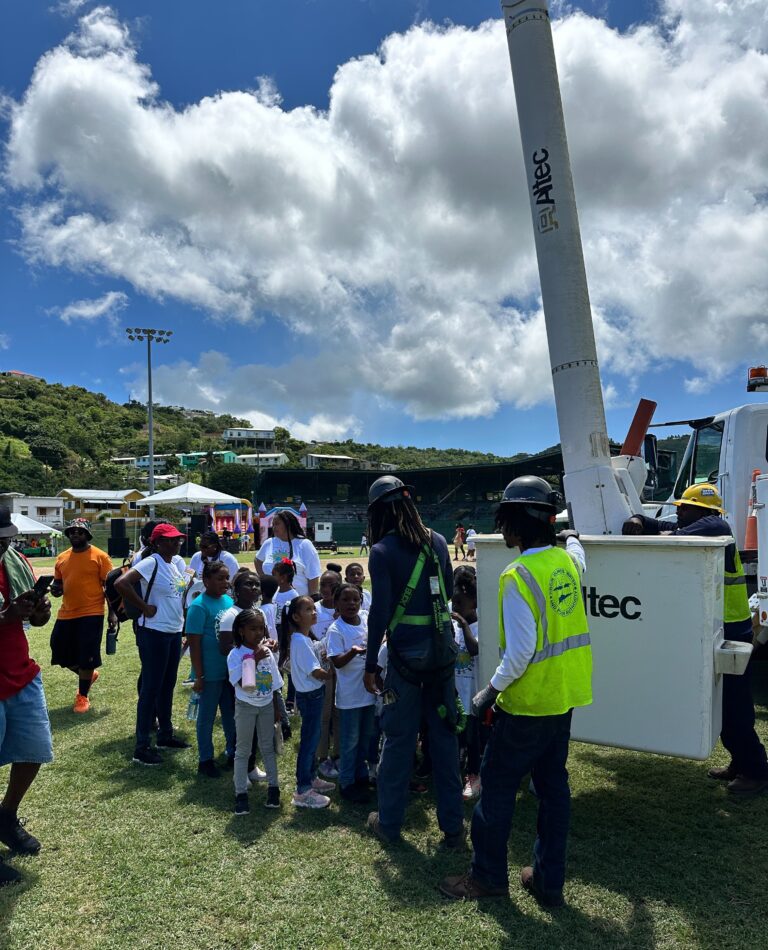
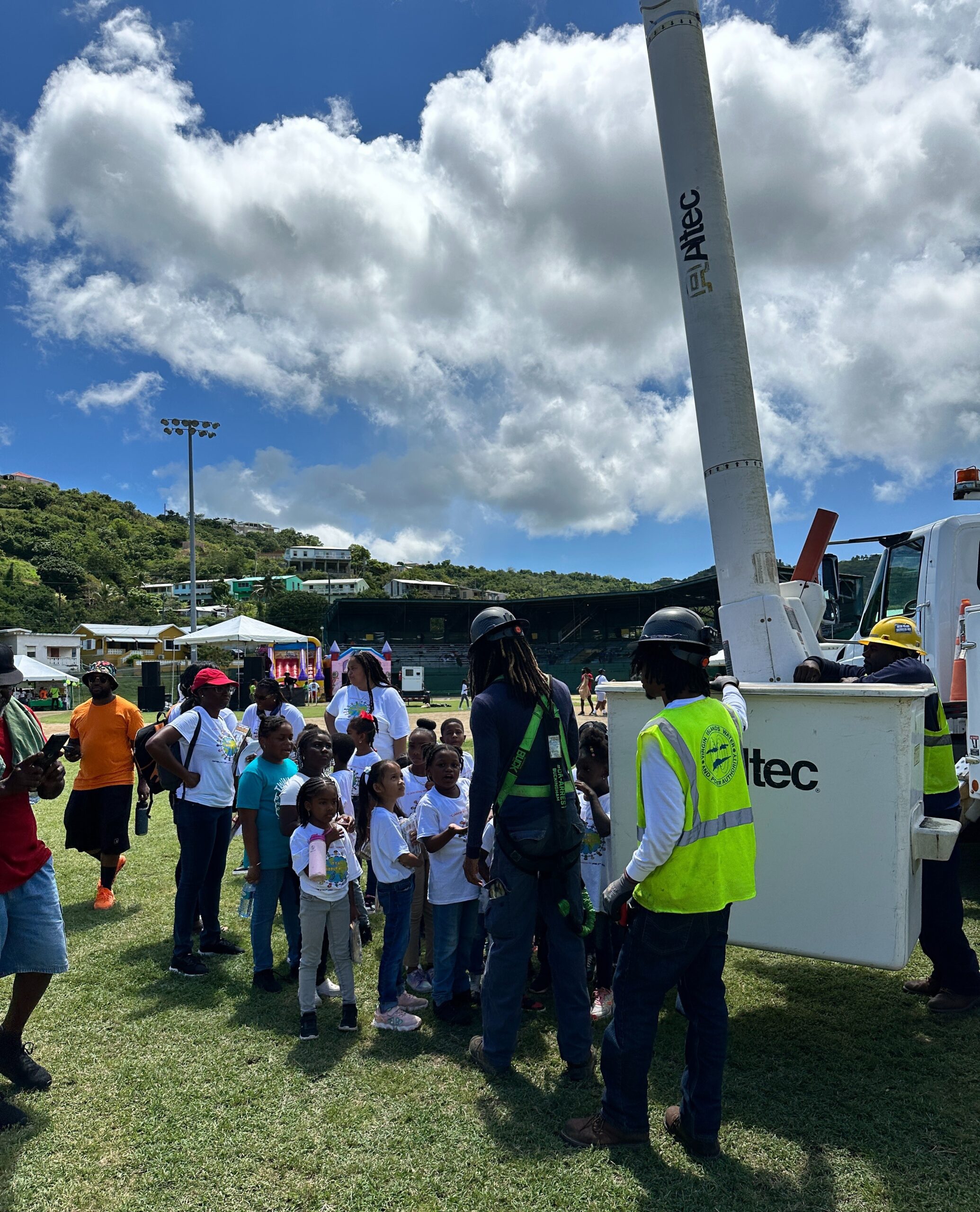
WAPA Celebrates Earth Day and Week of the Young Child on St. Croix and St. John