

VIEO Grant Provides Zero-Emission All-Electric Transit Vans Into VITRAN Fleet

0
V.I. government officials welcome the new all-electric VITRAN passenger van. (Photo courtesy VIEO)
The charge continues to revolutionize sustainable transportation across the Virgin Islands with the addition of two all-electric passenger vans into the VITRAN bus fleet, the Virgin Islands Energy Office announced. These vans were fully funded through the Department of Interior’s Energizing Insular Communities grant, which the VIEO has historically leveraged to support the deployment of solar microgrids, the procurement of light-duty electric vehicles, and the installation of charging stations within the territory, according to the press release. Today’s first-of-its-kind unveiling of a commercial all-electric vehicle into VITRAN’s fleet represents a significant step towards a clean and eco-friendly transportation sector that will further reduce our islands’ dependence on fossil fuels and preserve our pristine environment for generations to come, the press release stated. The all-electric passenger vans that were unveiled this week are fully electrified versions of the extremely popular Ford Transit 350HD passenger vans that are commonly used by VITRAN, taxi, and shuttle drivers across the territory. The VIEO strategically chose these electric vans to replicate a vehicle form factor that the territory has an established comfortability in hopes of promoting industry-wide adoption while also eliminating the need to purchase expensive gas or diesel and reducing the high cost of routine maintenance associated with traditional internal combustion engines, the release stated. These fully electrified Ford Transit 350HD passenger vans have extended batteries that provide 200 miles of driving range on a single charge. When in use, this level of range can support up to seven round-trip routes between Christiansted and Frederiksted before needing to be recharged, according to the release.
The new all-electric VITRAN passenger van is now in service on St. Croix. (Photo courtesy VIEO)
As part of the government’s concerted effort to modernize and improve public transit services in the U.S. Virgin Islands, these battery electric passenger vans have already begun servicing popular VITRAN routes on St. Croix, providing residents and visitors alike with a cleaner, quieter, and more efficient way to travel across the islands, it said. Preparations are already being made to introduce one of the all-electric vans into St. Thomas’s VITRAN fleet, the release stated. By deploying sustainable and innovative solutions, the government of the Virgin Islands aims to create a more accessible, efficient, and environmentally friendly transportation sector by leveraging the Biden Administration’s once-in-a-generation investment in transportation electrification. Other examples of federal funds that the VIEO is leveraging to promote transportation electrification include the Equitable E-Mobility Rebate Program, which offers $5,000 rebates towards the purchase of new and used electric vehicles for Virgin Islands residents, it stated. Additionally, in the fall of 2024, VIEO will deploy a network of solar-powered DC fast-changing stations to provide the people of the Virgin Islands with renewable, energy-resilient recharging options, the release stated. For more information, call VIEO St. Croix office at 340-713-8436 or St. Thomas office at 340-714-8436 or visit  VIEO’s Facebook page.

Open Forum: Calling all Virgin Islanders for Help with a Class Project

Editor’s Note: The following is an open letter to the Virgin Islands community from Aryav, a third-grade student in Virginia.

Dear People of the Great State of the U.S. Virgin Islands,

Hello! I am a third-grade student in Northern Virginia. Our class is learning about the United States, and I will be teaching our school about the state of the U.S. Virgin Islands. In May, I will create a display for our State Fair that I hope will make you proud.

Although I have gathered facts about your state from books and websites, I think that I can receive the best information from the people who live there. This is why I am writing to you. I am hoping that you would be willing to send me some items to help me learn more about the best things in your state. You might consider sending items such as postcards, pictures, souvenirs, this newspaper article, or any other unique items that would be useful or show your state’s pride.

Here are a few questions:

– Why do you live in your state?/What first brought your family there? – How do you make money?/What is your job? – What does your state look like? – What do people do for fun? – What animals live there? – What traditional food/recipes does your state have? – What type of music is native to your state? – Do you have a state athletic team? – What geographic features are unique to your state?

I will need to gather all of my information by the second week of May. You can mail items to the address below. I really appreciate your help!

Sincerely, Aryav

Miss Campbell’s Class The Langley School 1411 Balls Hill Road McLean, Virginia 22101 703-356-1920 www.langleyschool.org
Darren Antonio Smith Sr. Dies

0
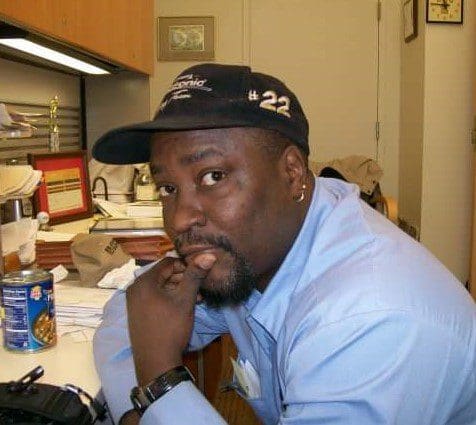
Darren Antonio Smith Sr.
We sorrowfully announce the passing of Darren Antonio Smith Sr., also known as “Wakim” or “Ayomide,” on Feb. 17. He was our beloved father, grandfather, uncle, brother, nephew and cousin. He will surely be missed by his loving family and friends who are very close to him. He is preceded in death by his father, Calvert Florento Smith Sr.; grandparents: Estrid Leoline Ferdinand Degraff Georges, Viola Agatha Stevens-Smith and Joshua Smith; sister, Melissa Griffey; aunts: June Adams and Jocelyn Harley-Peters; and uncles: Alberic “Mecca” Georges and Alfonso Steele. He is survived by his children: Darren Smith Jr., Jared McClain and Imani Smith; daughters-in-law: Kamila Benjamin-Smith and Catherine McClain; grandchildren: Kynia Dawson, Deymiah Smith, Jaymi Campbell, Winslow McClain, Calloway McClain and Bishop McClain;  mother, Yvonne Ava Georges-Philip; stepmother, Annie V. Lane-Smith; and great aunts: Eugenie England and Mathilda Stevens-Harvey. He is also survived by aunts: Eva Georges-Lewis, Evis Georges-Lake, Elaine Smith-Lynch, Carol Smith-Powell, Sheila Smith-Ivy, Avis Smith-Collins, Carla Smith-Todman and Deborah Gordon-Cuffy; uncles: Paul Georges, Cedric Smith and Antonio Steele; brothers: Derick Greaves Sr., Darryl Smith, Steve Sylvester, Franklin Smith, Albion Smith, Calvert Smith Jr., Calvin Smith and Kevin Lane; sisters: Desiree Smith-Martin and Stephanie Best; as well as other family members too numerous to mention. A first viewing will be held from 4-6 p.m., Thursday, March 14, at Turnbull’s Funeral Home and Crematory Services. A second viewing will be held at 9 a.m., Friday, March 15, with services following at 10 a.m. Burial will take place at Western Cemetery No. 1.

Op-Ed: It is Beyond Time to Make St. Croix’s Maroon Country a Territorial Park

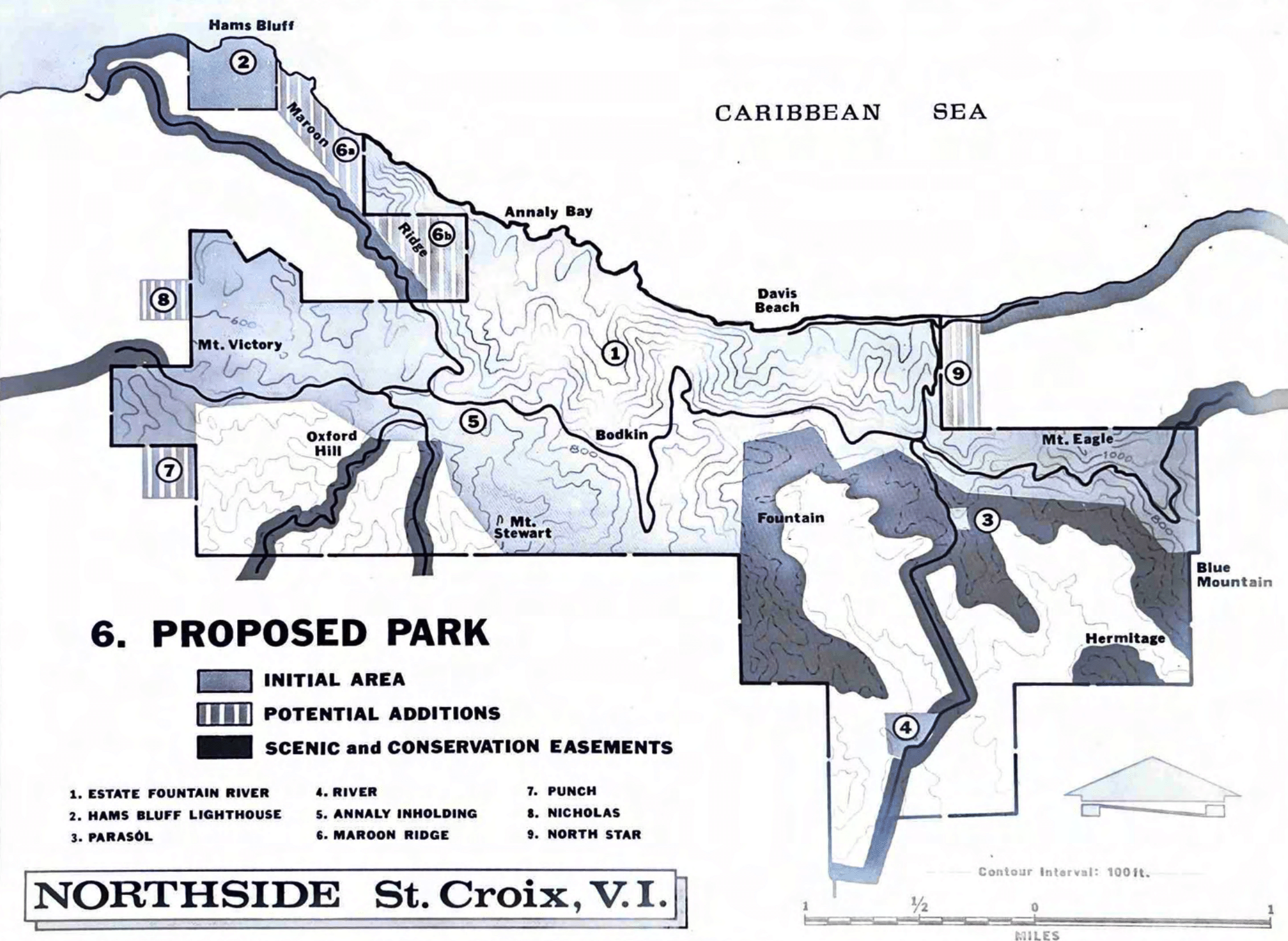
In 1969, this was the proposed regional park boundaries of the Great Northwest of St. Croix. When I read the document of the northwest of St. Croix to set aside land for the people of these islands as the people territorial park, I wanted to cry because we have dropped the ball repeatedly. The question comes to mind why the northwest park didn’t happen over a half century ago?
In 1969, these were the proposed boundaries for a regional park in Northwest St. Croix presented in the document, “St. Croix Regional Park — A Proposal for a Unique Historic, Recreational and Natural Area Resource.” The question comes to mind, why didn’t the park happen more than a half century ago?

At the 52nd Virgin Islands Agrifest in February, I met a very good friend of mine, Sean Krigger, who is the director of the Virgin Islands State Historic Preservation Office. Whenever we see each other, we always chat about the territory’s natural and cultural resources. Believe me, it is in our blood as native Virgin Islanders. He told me that he found a file about the Great Northwest of St. Croix, Maroon Country. Of course, I got all excited because for 41 years I have been fighting socially and politically to preserve this area.

Olasee Davis
Olasee Davis (Submitted photo)

The next thing that occurred at the festival — I don’t know if it was a coincidence or not — was that I saw the director of the Virgin Islands Territorial Parks and Protected Areas, Kitty Edwards. With a big smile on her face, she said, “Olasee, did you have a copy or see the document about a proposal to create a ‘St. Croix regional park’ on the northwest side of the island?” I said no, but before I could mention Sean Krigger, who told me about the document, Kitty already said that she would email me a copy of the document.

In 1969 a study called “St. Croix Regional Park — A Proposal for a Unique Historic, Recreational and Natural Area Resource” — also known as “Skyline National Monument & Scenic Road” — was prepared for the late Laurance S. Rockefeller, written by George B. Hartzog Jr. and Thomas W. Richards. According to the document, “The purpose of this report is to inventory, analyze and describe the natural, scenic, recreation and historic resources of the Hams Bluff-Northside area of St. Croix, U.S. Virgin Islands.”

The study extended from the Hams Bluff watershed to Oxford Hill, Mount Stewart, Davis Bay, Mount Eagle, Fountain, Bodkin, and Estate Hermitage, which includes estates within Hermitage Valley. I was a boy when this analytical inventory took place. Believe me, this study goes back over a half century, from 1969 to 1973.

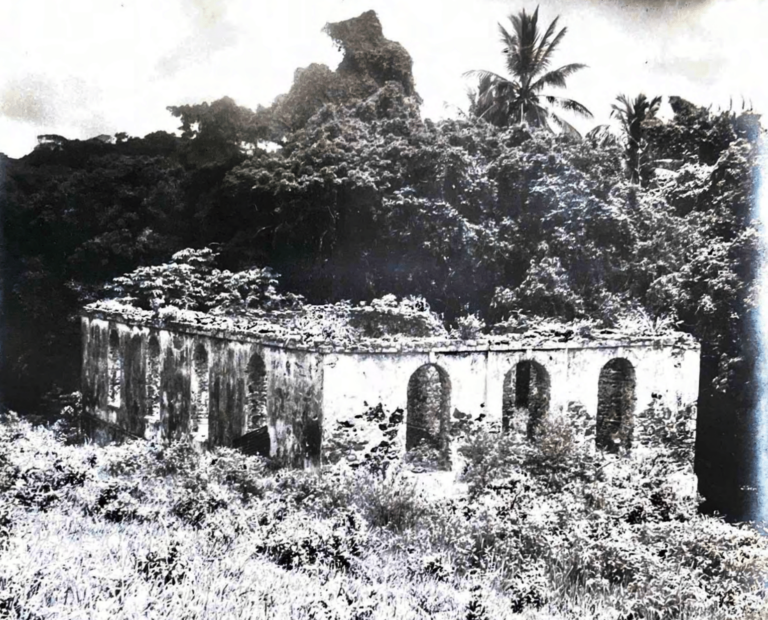
It is some 69 pages with maps, descriptions of estates and natural and cultural resources, topography, bird and plant lists, archeological sites, vegetation, zoning, soils, landscape, and boundaries of the proposed park, etc. The work of the late, great photographer Fritz Henley, who took black and white photos probably as far back as the 1940s to the 1960s, is also featured in the document that shows cultural and natural resources such as forest landscapes and historic ruins such as the Mount Victory 1841 country schoolhouse.
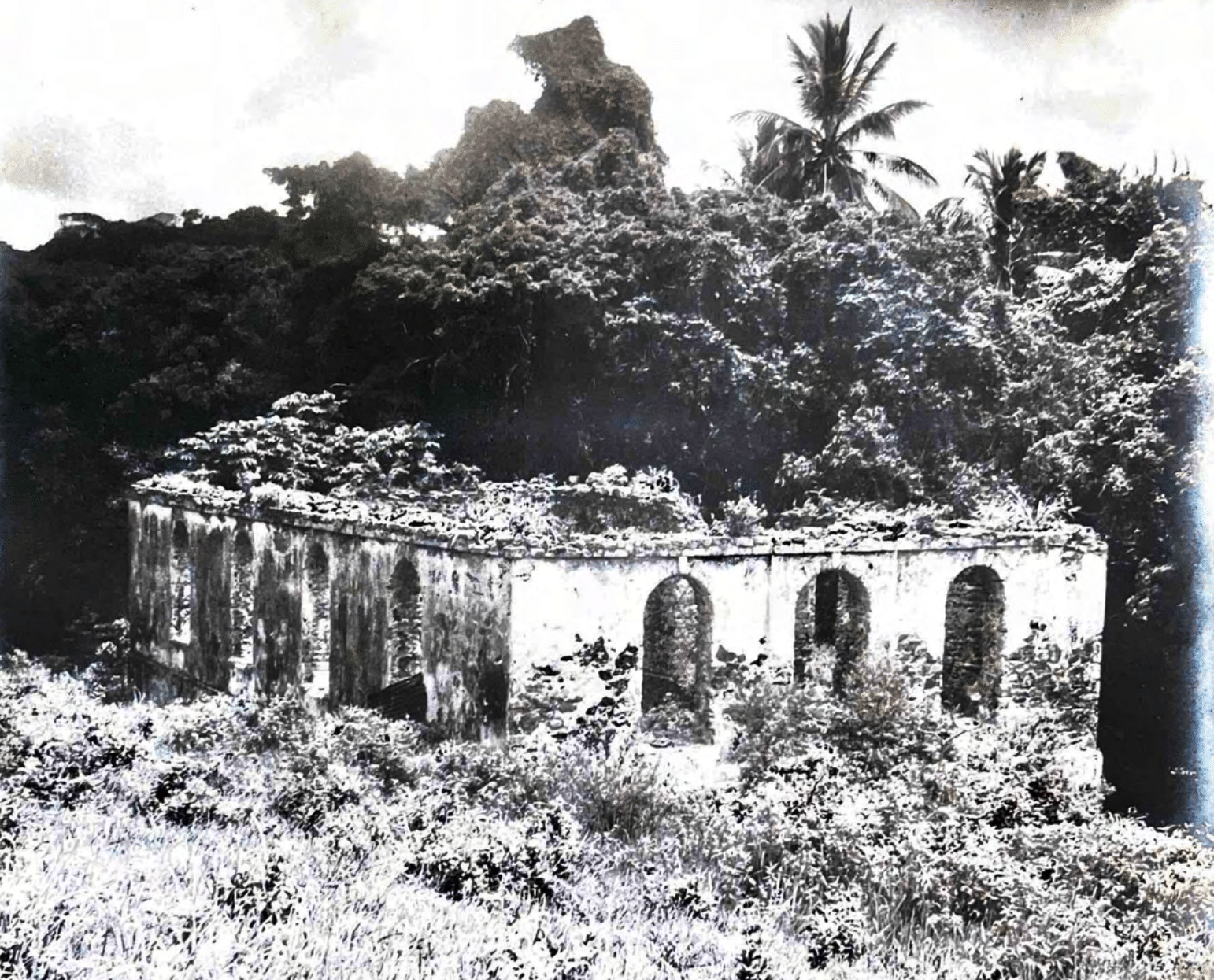
This photo was taken by late photographer Fritz Henley of the Mount Victory country schoolhouse. Today, the school is part of Mount Victory Campsite. (Photo by Fritz Henley)

When I read the document that calls for land to be set aside as the people’s territorial park, I wanted to cry because we have dropped the ball repeatedly. The question comes to mind why the Northwest park didn’t happen over a half century ago?

I can only quote what the document says. “Its natural, historic, and recreational values should be preserved for the use and enjoyment of both the island’s indigenous inhabitants as well as visitors. The Hams Bluff, Davis Bay, Mount Victory complex (referred to as Northside) offers a rare opportunity to combine esthetic, economic, ecological, and historic values for the long-range public benefit,” noted the report.

I grew up in these beautiful islands hearing the term the “rape of the virgins” by adults, but never really fully understood what it meant until I got a little older. In my short life here on earth (according to the Bible the time clock for humans is “threescore and ten years” unless God extends our lives by living to a ripe, healthy old age), I have seen such rapid changes in the islands’ environments that sometimes even I feel like an outsider. Like I said before, I am only quoting what the document says: “It is all too common to hear the phrases — ‘rape of the virgins,’ ‘slash and burn culture,’ ‘environmental destruction,’ and ‘money-hungry developers.’”

The sentence continues to say, “There is now an opportunity in the Northside area of St. Croix to create a facility with a diversity of historic, natural and recreational features which will gain wide acceptance from both island residents, tourists, scientists, and businessmen alike.” It is for this reason and others that I continue to be like John the Baptist in the wilderness in Biblical times, preaching the word of preservation to protect the Northwest of St. Croix or any other cultural and natural treasure of these islands.

I consider the island of St. Croix to be the last frontier of the Virgin Islands. It is an island whose cultural and natural resources have not yet been fully discovered, especially by local people. An island where people can hold onto their landscapes and still have room to connect to nature. An island where historic ruins, colonial graves, slave gravesites, waterfalls, steep cliffs, rolling hills, mountaintops, etc., and the history of St. Croix play out in front of you.
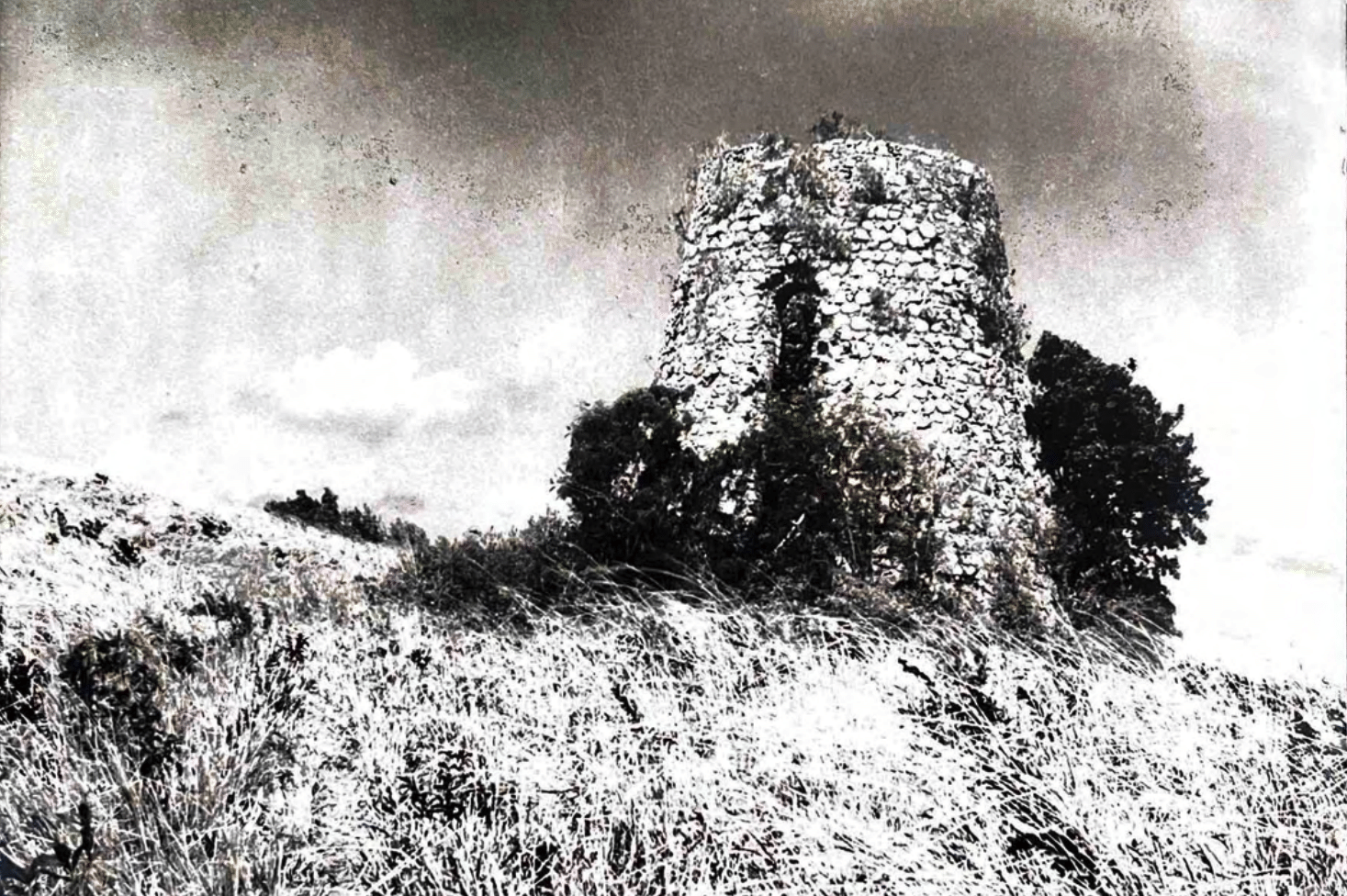
This is one of the black & white photos taken by the late great photographer Fritz Henley probably in the 1940s or 1960s. This is Parasol Mill within the valley of Estate Hermitage.
This is another of the black and white photos taken by the late Fritz Henley, probably in the 1940s or 1960s, contained in the document, “St. Croix Regional Park — A Proposal for a Unique Historic, Recreational and Natural Area Resource.” This is the Parasol Mill within the valley of Estate Hermitage. (Photo by Fritz Henley)

The Northwest of St. Croix has such a rich history that spreads beyond its shores. William A. Leidesdorff was the son of a Dane and a Black mother named Anna Marie Sparks, a mulatto who was born on St. Croix. Leidesdorff (1810-1848) was born in the great Northwest on a plantation that his father Alexander purchased that he called “Spring Garden.” Estate Spring Garden is part of Maroon Country.

March is Virgin Islands History month, so search online for William A. Leidesdorff and learn about the positive impact he had on California in the latter part of the 1800s.

Believe me, Maroon Country is full of real-people stories like Leidesdorff’s — not “Mother Goose” stories or made-up stories. The sagas of “free slaves,” the enslaved, runaway slaves, and Maroons, to white planters and settlers all played out in the Northwest Quarter of St. Croix. The history can still be played out by you helping me and we helping each other together to preserve Maroon Country.

Take my word, whenever you hike Maroon Country, history comes alive by the ruins of the plantations, steep cliffs, and gravesites of slaves, and whites, and historic trees hundreds of years old. Let us not drop the ball as happened half a century ago. Let us all work together to protect Maroon Country in perpetuity. Let us make the Northwest the first Virgin Islands territorial park, the people’s park of these islands.

— Olasee Davis is a bush professor who lectures and writes about the culture, history, ecology and environment of the Virgin Islands when he is not leading hiking tours of the wild places and spaces of St. Croix and beyond.
Economic Development and Agriculture Committee Labors Through Non-Productive Hearings

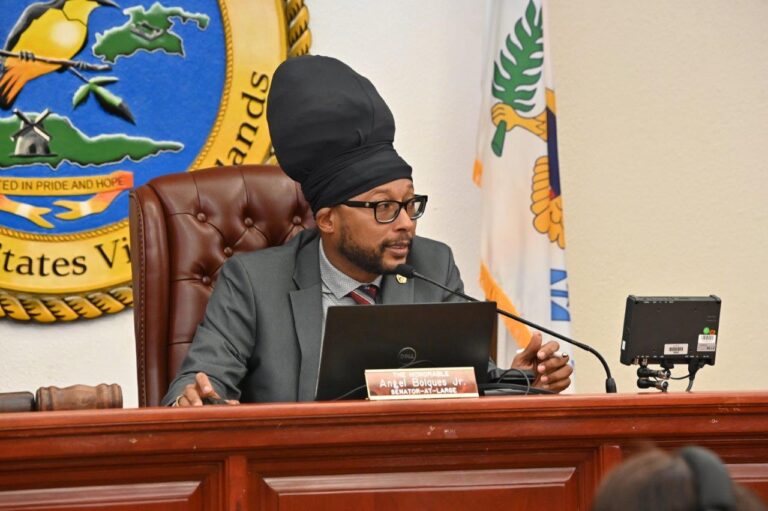
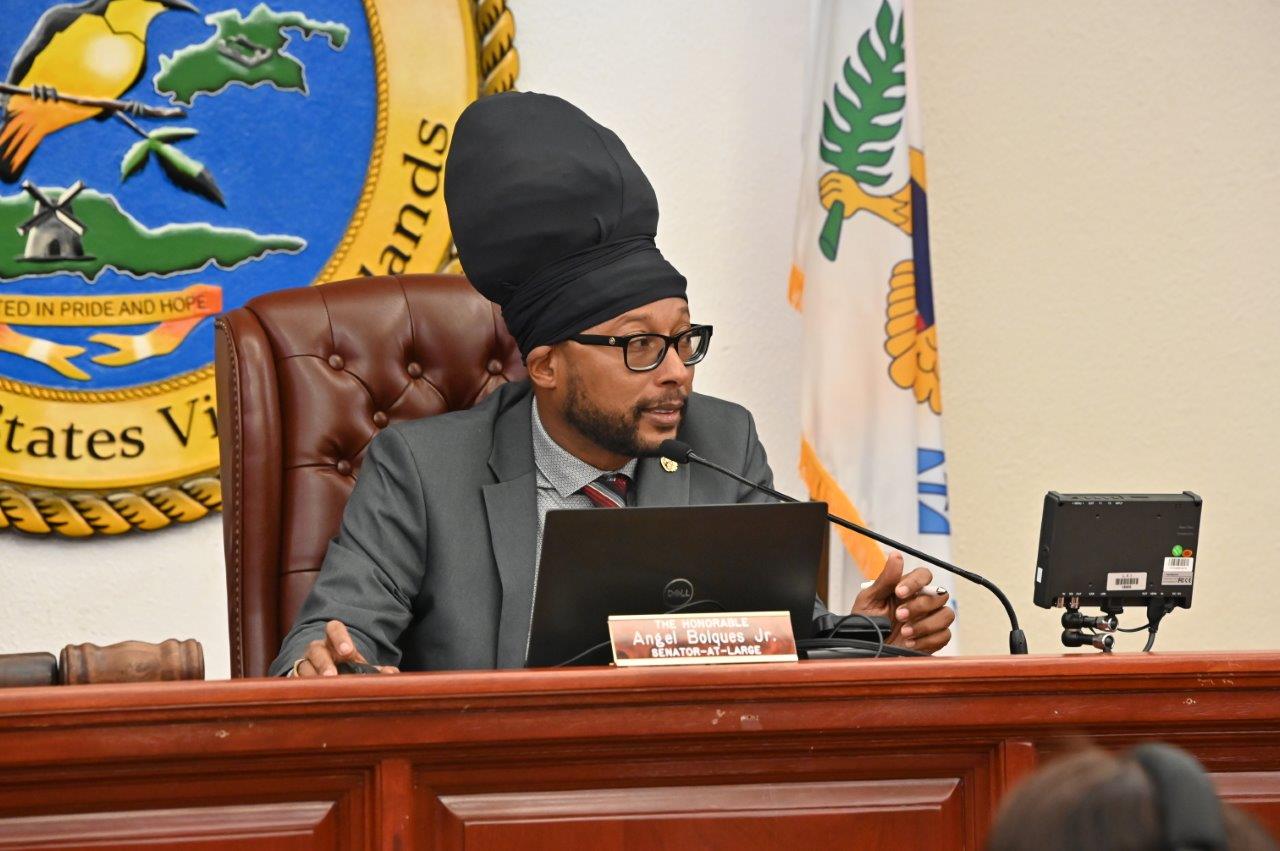
Sen. Angel Bolques chaired the morning session of the Senate Committee on Economic Development and Agriculture Wednesday. (Photo by Alvin Burke, Jr and Barry Leerdam, Legislature of the Virgin Islands)
The Senate Committee on Economic Development and Agriculture began its session Wednesday with testimony for and against changing the composition of the V.I. Division of Festivals. Bill No. 35-0232, sponsored by Sen. Franklin Johnson, would eliminate the festival assistant directors but increase the number of directors from one to three and require each director to submit a financial report to the Senate Committee on Budget, Appropriations, and Finance. Johnson said the bill would reduce redundancy, increase local representation, and ensure that taxpayer dollars are spent wisely. Each director would reside on the island they represent. “I say this without fear – we have to spend the taxpayer’s money better,” Johnson said. Testifiers included booth owner Rena Francis and a reader for Calypsonian Samuel Ferdinand. Francis said she supported the bill but they had problems that could have been preventable. The addition of 15 booths without extra power meant her booth was without power for half of the festival season. She wanted to know why the cost of a booth increased by the number of days decreased. She was also concerned about how funds were allocated for each festival/carnival. Ferdinand, also known as the Mighty Pat, was concerned that stateside and international musicians were paid much more than locals and received payment before they performed, while locals received much less and usually months after the event. “St. Croix must have they own people to run festival and St. Thomas must have they own people to run carnival,” his testimony read, adding that payments to musicians since Tourism took over have dropped dramatically.
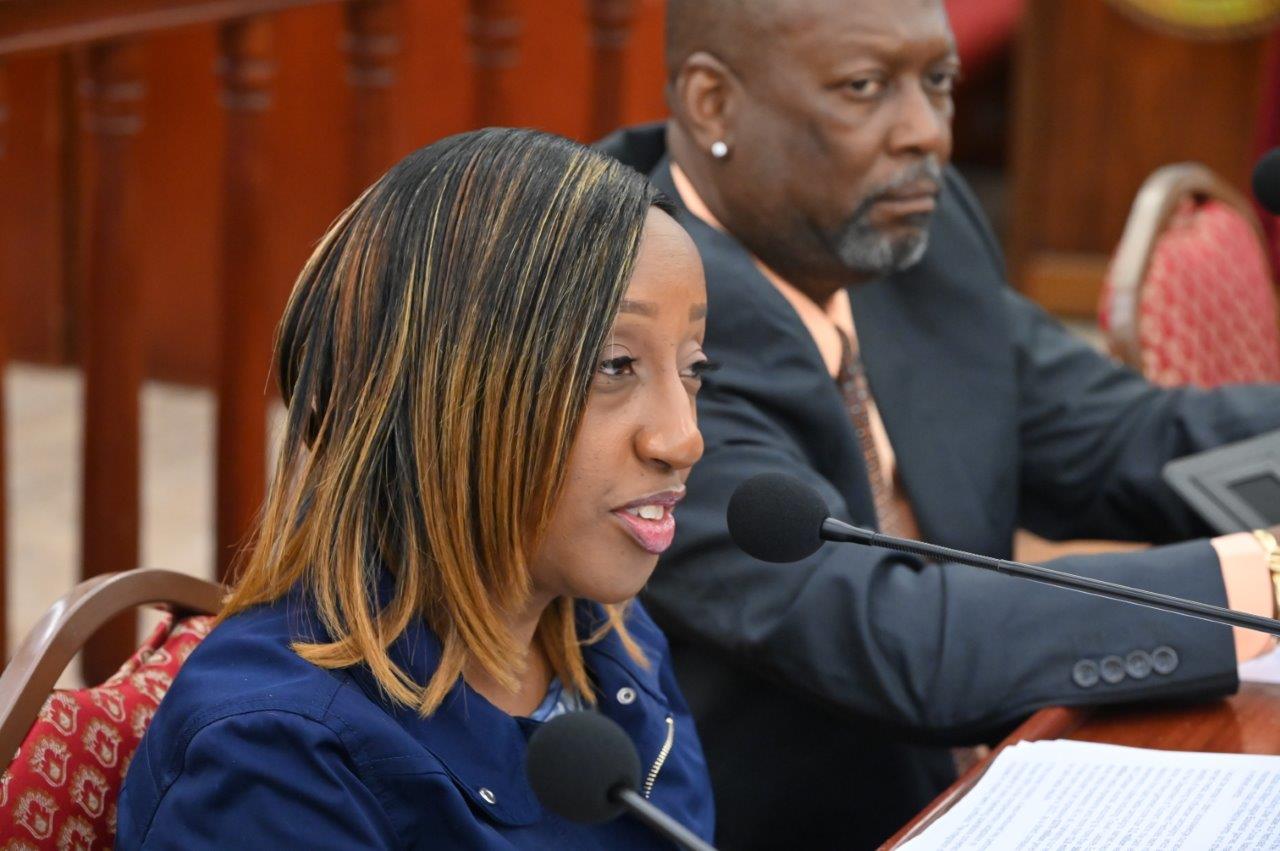
Asst. Tourism Commissioner Alani Henneman provided information to the Senate Committee on Economic Development and Agriculture about the DOT Festival Division on Wednesday. (Photo by Alvin Burke, Jr and Barry Leerdam, Legislature of the Virgin Islands)
Alani Henneman, assistant Tourism commissioner, Ian Turnbull, director of Festivals, and Shamari Haynes, assistant director, explained that the DOT staff of 30 works on the events on three islands. The assistant directors put together outlines of their respective events and the executive and festival teams discuss the outlines and finalize the final schedule, Turnbull said. “This new bill infringes on the executive branch’s ability to manage its operations, staff and departmental practices,” Henneman said. The committee asked questions about prospective salaries and was told none had been discussed so far. Sen. Marvin Blyden was told that the executive team decides booth fees. “This bill is about parity. The change is not working. We feel disenfranchised. This bill brings accountability,” Sen. Diane Capehart said. In answer to a question, Sen. Novelle Francis was told by Turnbull the budget for the festivals is $1.5 million for St. Thomas and St. Croix and $1 million for St. John. Sen. Donna Frett-Gregory said she wants formal committees to plan festivals and Francis agreed. Senators had questions about village hours and entertainment and debated, sometimes with loud voices, whether the islands were being treated equally. After a short break, a vote was called for without any public discussion. Capehart presented the bill, but there was no second and the bill died in committee. Blyden, the bill sponsor said some people didn’t testify because they were fearful for their jobs. “I hope Tourism gets their act together and treats St. Croix fairly,” Johnson said, adding he didn’t hold it against anyone for not supporting the bill. Senators in the afternoon session hoped to receive an update on the status of the Office of Cannabis, including regulations and the implementation of licensing procedures. Although invited, Chairperson Catherine Kean of the Cannabis Advisory Board did not show up for the hearing or send correspondence explaining her absence. No one else from the board attended. The only people prepared to testify were Horace Graham and Lorraine Fredericks from the Department of Licensing and Consumer Affairs. Assistant Commissioner Graham read a brief statement. “Currently, the DLCA business office provides the OCR with administrative support. Specifically, assists with providing office space, fiscal management, human resources supervision and everything in between,” Graham said. Graham was unable to provide further information, including whether there are currently any employees after the executive director resigned recently. He continued to repeat he had no information and the hearing was canceled. Next, the committee was prepared to hear from Louis Petersen, commissioner of Agriculture. Unfortunately, Petersen called in, saying he had an emergency. The hearing will be rescheduled. Senators present at Wednesday’s committee hearing included Javan E. James Sr., Angel L. Bolques Jr., Marvin A. Blyden, Samuel Carrión, Diane T. Capehart, Dwayne M. DeGraff, Novelle E. Francis Jr., Alma Francis Heyliger, Donna A. Frett-Gregory, Ray Fonseca, Marise C. James, Kenneth L. Gittens, Franklin D. Johnson, and Milton E. Potter.

Teachers Walk Off Job Over Repeated Threats, DOE Says

0
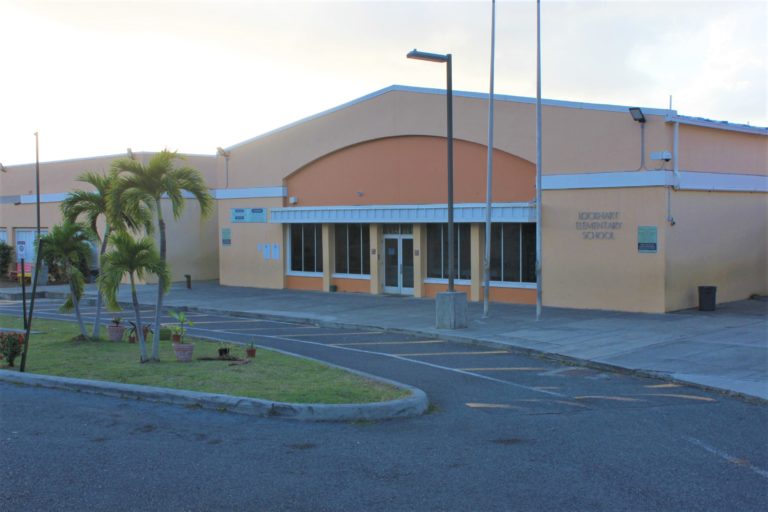
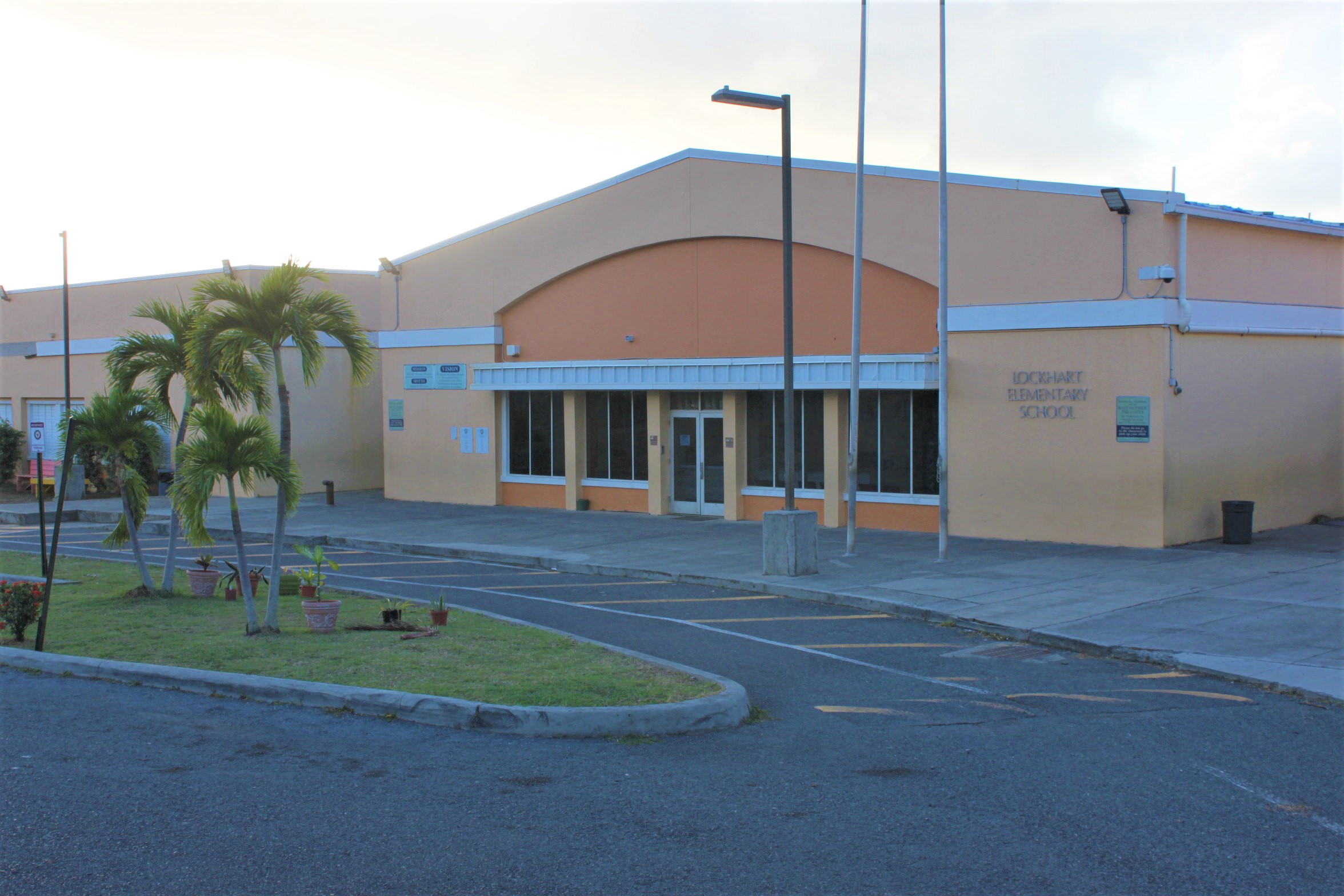
The Lockhart K-8 School on St. Thomas. (Source file photo)
Lockhart School teachers walked off the job because of recurring threats from students and their parents, Department of Education officials said. (Source file photo)
Teachers at Lockhart School on St. Thomas walked off the job Wednesday morning because of ongoing threats of violence by students and parents, Virgin Islands Department of Education officials said. The job action by 4th-8th grade teachers, which Education officials said had not been sanctioned by the teachers’ union, sent parents and bus drivers scrambling. The school sent out an “urgent dismissal notice” a little after 11:45 Wednesday morning, asking parents to pick up their children as soon as possible. Bus drivers came for other children hours earlier than scheduled. Kindergarten through third-grade classes were not affected. While not giving specific examples of the threats or their frequency and severity, Commissioner Dionne Wells-Hedrington said it was a reoccurring issue. A written statement from Education officials about the matter urged civility. “Parents and guardians play a critical role in the education of their children. It is imperative that concerns be addressed through respectful and constructive dialogue adhering to school protocols, rather than resorting to violence or threats,” the statement said. Wells-Hedrington said while the teachers’ actions were also disruptive, the Department of Education was dedicated to creating a safe, nurturing, and inclusive learning environment for all students and educators “The school’s administration will work with faculty, staff, and district personnel to develop a plan to address reoccurring behavioral concerns,” Wells-Hedrington said. “Specific concerns have been raised regarding disruptive behavior and repeat offenses by students. In hearing the concerns of the teachers, we understand the severity of the issues presented. Disruptive behavior not only interrupts the learning process but also undermines the safety and well-being of students and educators. We recognize the need for the implementation of improved internal practices to address the issues head-on.” The commissioner met with the local American Federation of Teachers president, Leontyne Jones, to hear concerns, according to the Department. Jones and other union officials did not immediately return messages seeking comment. The commissioner also met with the school’s administrative team to discuss a plan of action to address shared grievances and the need for additional intervention. Assistant Commissioner Victor Somme III and Insular Superintendent Stefan Jürgen were also on-site to meet with the administration, faculty, and staff, according to Education officials. “The safety and security of our educational spaces remain a priority, where teaching and learning can thrive without fear or intimidation. We take these matters extremely seriously. Our educators are the backbone of our educational system, and their safety is of utmost importance. Any threat or act of violence against them is unacceptable and will not be tolerated,” Wells-Hedrington said in a written statement.

Senators Consider Measures Concerning Background Checks in Employment Application Process

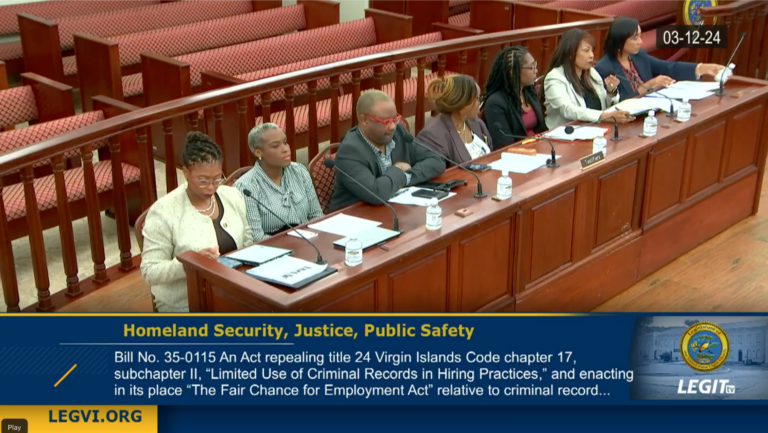
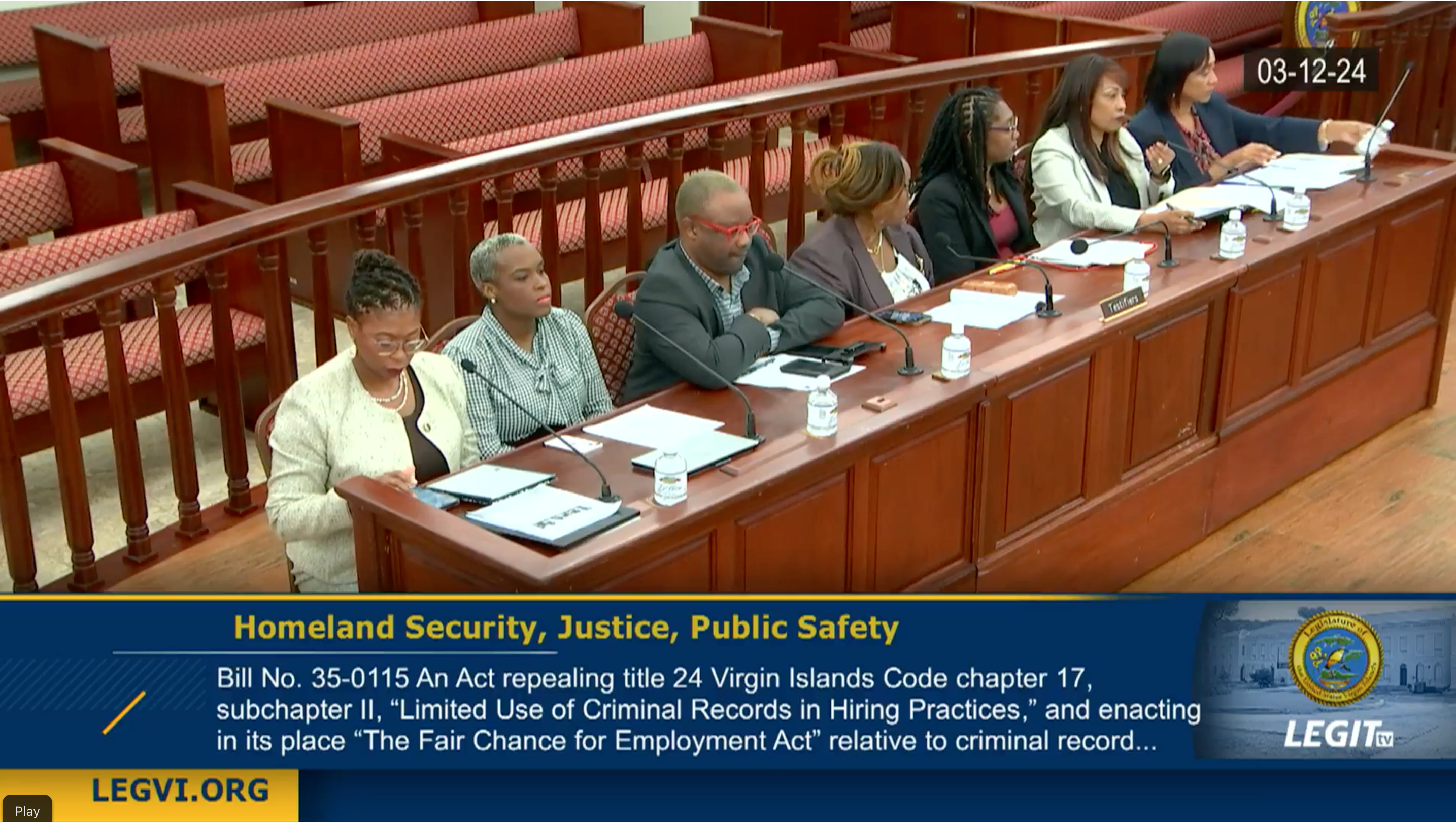
V.I. Labor Department and the V.I. Department of Personnel went before the Senate to discuss Bill 35-0155. (Screenshot from V.I. Legislature Facebook live stream)
A bill to give former felons a fair chance at employment, despite a criminal history, gained unanimous support from the Senate Committee on Homeland Security, Justice and Public Safety on Tuesday and will now advance to the Committee on Rules and Judiciary for further consideration. Bill 35-0155 sponsor Sen. Donna Frett-Gregory, who told the committee she has worked on the legislation for three years, hailed its advancement as a “win-win proposition for returning citizens, their families, employers, and the Virgin Islands as a whole.” Bill 35-0155 concerns amendments to background checks in the employment application process. It would repeal Title 24, Chapter 17, Subchapter II of the Virgin Islands Code, “Limited Use of Criminal Records in Hiring Practices,” and enact in its place “The Fair Chance for Employment Act” relative to criminal record checks in the employment application process. It also would amend Title 3, Chapter 25, Subchapter I, Section 452, requiring the director of Personnel to develop and implement fair chance hiring policies. Essentially, the measure would prevent employers from inquiring about a job applicant’s criminal history until after they have been interviewed and offered a job. “It gives formerly incarcerated citizens a chance to be considered for employment based on their merit and prevents them from being stigmatized and rejected outright based solely on their past criminal record,” said Gregory. “Giving formerly incarcerated individuals a fair shot at getting a job reduces recidivism, supports children and families, expands our workforce and grows our economy,” she said. Nesha Christian-Hendrickson, assistant commissioner and legal counsel at the Labor Department, said the agency was in agreement with the spirit of the bill, “with a few caveats,” mainly concerning provisions requiring employers to let applicants know if they were rejected due to a criminal history. She said that could lead to tense or even dangerous situations. “The bill attempts to provide additional opportunities for those who may have had previous convictions or other criminal contact. We are all aware that there are times in the past when individuals make one or two bad choices, and these choices then spiral their lives in a negative direction. In keeping with the V.I. Department of Labor vision to protect, improve, and employ the Virgin Islands labor force we agree that second chances are needed,” said Christian-Hendrickson. She also noted that Fair Chance in Employment acts are in place on the mainland and are intended to ensure that every applicant receives a fair shot at a job. According to Frett-Gregory, 36 states, the District of Columbia, more than 150 cities and counties and the federal government have all passed “fair chance for employment or ban the box” laws or policies that remove questions about an applicant’s criminal history from a job application. Personnel Assistant Director Florine Audain-Hassel, however, said that her department did not support the bill as amended because it should not fall under Personnel. “We do not support this policy being put under the Director of Personnel. It should remain where it is at — at the Department of Labor,” she said. “We do not send out rejections to applicants based on their criminal history as this practice is discriminatory,” Audain-Hassel added. Introducing the bill, Frett-Gregory told lawmakers that it doesn’t force employers to hire anyone, nor does it prevent them from conducting a criminal background check. “It only delays that background check until later in the onboarding process – after the employer has met with an otherwise qualified applicant and has extended a job offer,” she said. Certain employers such as public and private schools, childcare centers, nursing homes, and senior citizen centers, which offer programs and services to minors or vulnerable adults, are exempted under the bill. Also exempted are law enforcement agencies and local and federal employers that are required by law to hire only applicants who have no criminal history. “We can always debate what kinds of employers should be exempted or which applicants should be covered, but what cannot be debated is that fair chance for employment or ban the box legislation works,” said Frett-Gregory. “The Virgin Islands can no longer afford to pay lip service to rehabilitation and reentry while leaving policies in place that keep our neighbors, family members, and friends from getting a foot in the door – a door that leads to gainful employment, economic stability, and support for children and families,” she said. Senators attending Tuesday’s meeting along with Frett-Gregory included Kenneth L. Gittens, Ray Fonseca, Angel L. Bolques Jr., Diane T. Capehart, Dwayne M. DeGraff, Novelle E. Francis Jr., Alma Francis Heyliger and Franklin D. Johnson.

PSC Updated on Solar; Concern Voiced

0
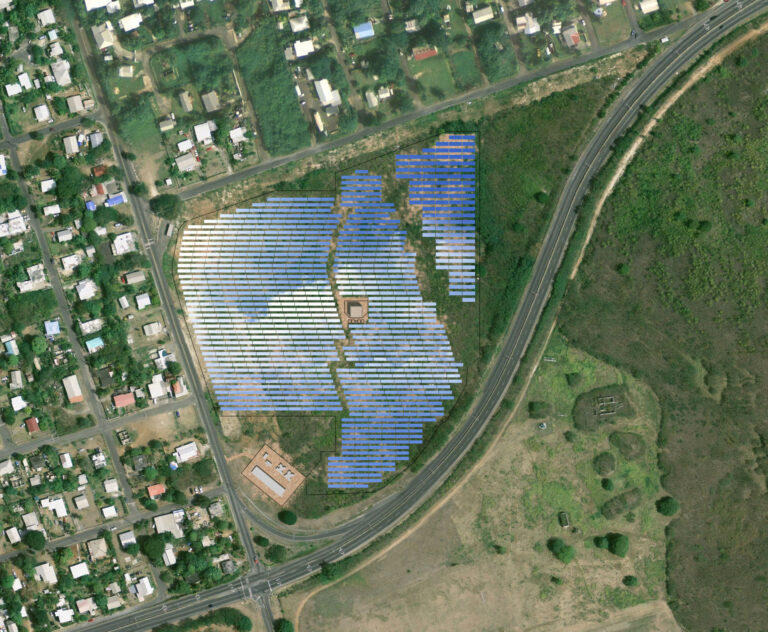
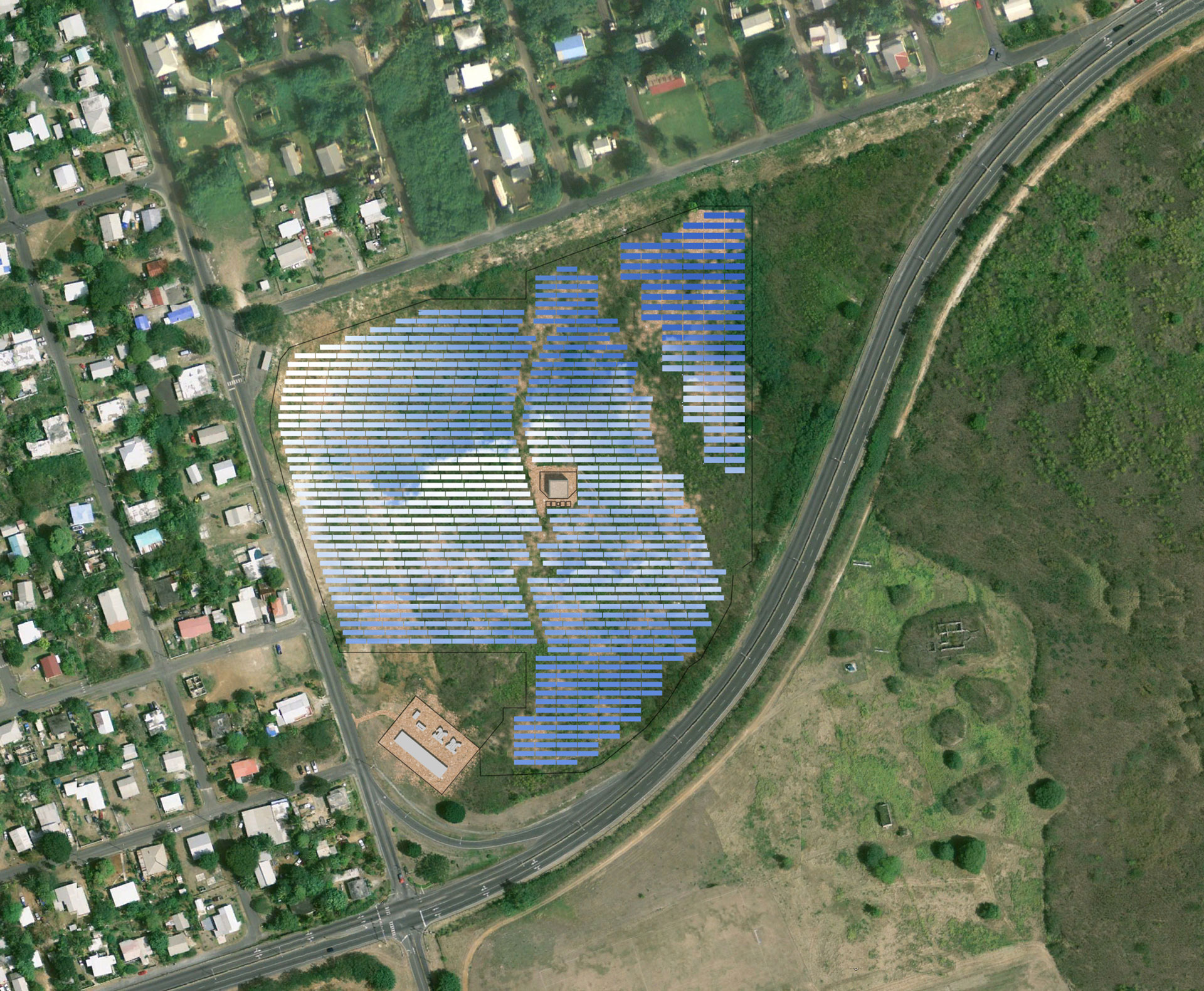
BMR solar installation on St. Croix was the first, but many are expected to follow. (Photo courtesy BMR)
The V. I. Public Services Commission has spearheaded the territory’s effort to generate electricity from renewable sources for decades. However, Commissioner David Hughes urged caution as the commission reviewed the progress of wind and solar projects Tuesday. As some projects could now include battery backup, he asked if the costs might be prohibitive. The price of producing power from solar or wind without batteries is about 60 percent of what it costs to burn fossil fuel. The U.S. Energy Information Administration reports that in 2022, propane generated about two-thirds of the territory’s electricity, fuel oil about one-third, and solar energy about three percent, and 80 percent of that three percent comes from customer-installed, small rooftop solar panel systems. Those numbers will change dramatically if the six projects VI Electron detailed on Tuesday go forward. Christian Loranger, owner of VI Electron, told the commission that the projects “were moving along very quickly.” He said most of the materials for the project in Estate Petronella on the South Shore east end of St. Croix were already in place, and the panels were expected to be on the island within two weeks. He hoped the project would be completed by May 30 and the other two St. Croix projects would be completed by the end of the year. Then, the concentration would be on the two projects on St. Thomas. The sixth and final project would be on St. John. He said he was moving forward with the projects. Still, his anxiety would be relieved when power purchase agreements for the battery part of the projects were signed and the interconnection agreements finalized. According to a December PV Magazine article, “About 124 MWh of Honeywell battery energy storage systems will be installed alongside six solar facilities with a combined capacity of 140 MW” in the territory. Loranger told the Economic Development Commission in December 2023, “With our battery and solar projects, we will be providing approximately 33 percent of the power load in the Virgin Islands.” Hughes asked that WAPA and VI Electron agree as soon as possible on the costs of the purchase agreements with batteries and let the commission see the proposed costs. He said a big reason the utility was going to alternative energy was to cut costs. Joel Hart of Advanced Power reported on the status of two wind projects – one east and adjacent to the refinery on St. Croix and the other on St. Thomas on hills adjacent to the Bovoni landfill. He said land leases from the government needed five signatures and had not gone forward yet. He said the wind projects would probably take two years. The commissioners at the meeting also discussed how a reserve fund could be established so alternative energy producers would be paid for the power they supply WAPA. WAPA has had an issue keeping up with payments to BMR, the utility’s sole alternative energy provider. BMR owns the solar farm in Spanish Town on St. Croix. The U.S. Information Administration says the average electricity price paid by territory residents was almost three times higher than the U.S. average power price of 15 cents per kilowatt-hour.

Hazardous Marine Conditions Expected for USVI and Puerto Rico Through End of the Week

0
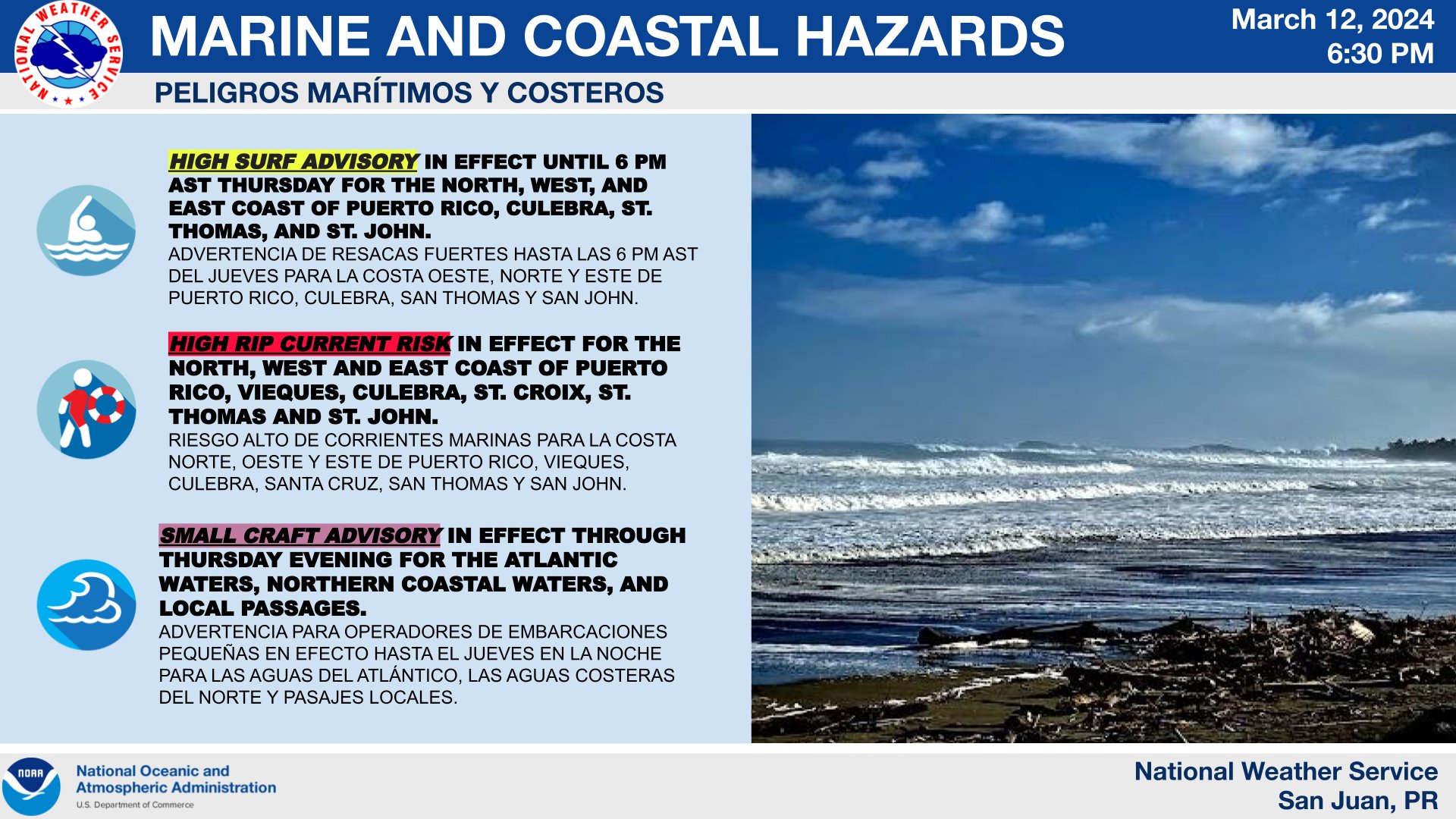
Marine weather alerts are in effect for portions of Puerto Rico and the USVI through the end of this week. (Photo courtesy NWS, San Juan, Puerto Rico)
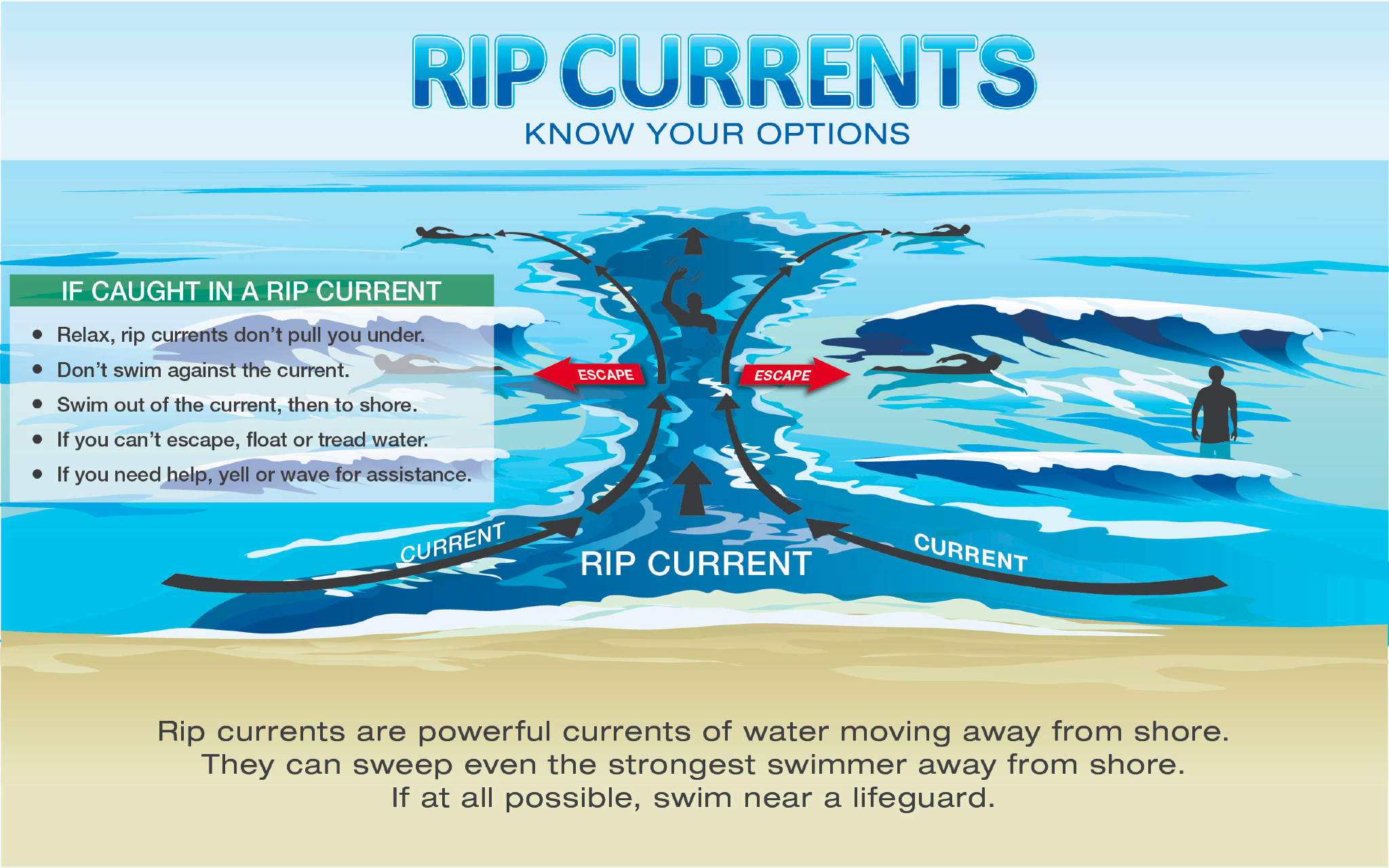
Choppy seas and gusty winds will continue across Puerto Rico and the U.S. Virgin Islands through the end of this week. Marine weather alerts are currently in effect. Hazardous marine conditions across the islands have occurred due to a northerly swell and strong winds out of the east-northeast associated with an area of high pressure. The powerful swell and gusty winds have caused large waves, an elevated risk of powerful rip currents, and the potential of minor beach erosion.
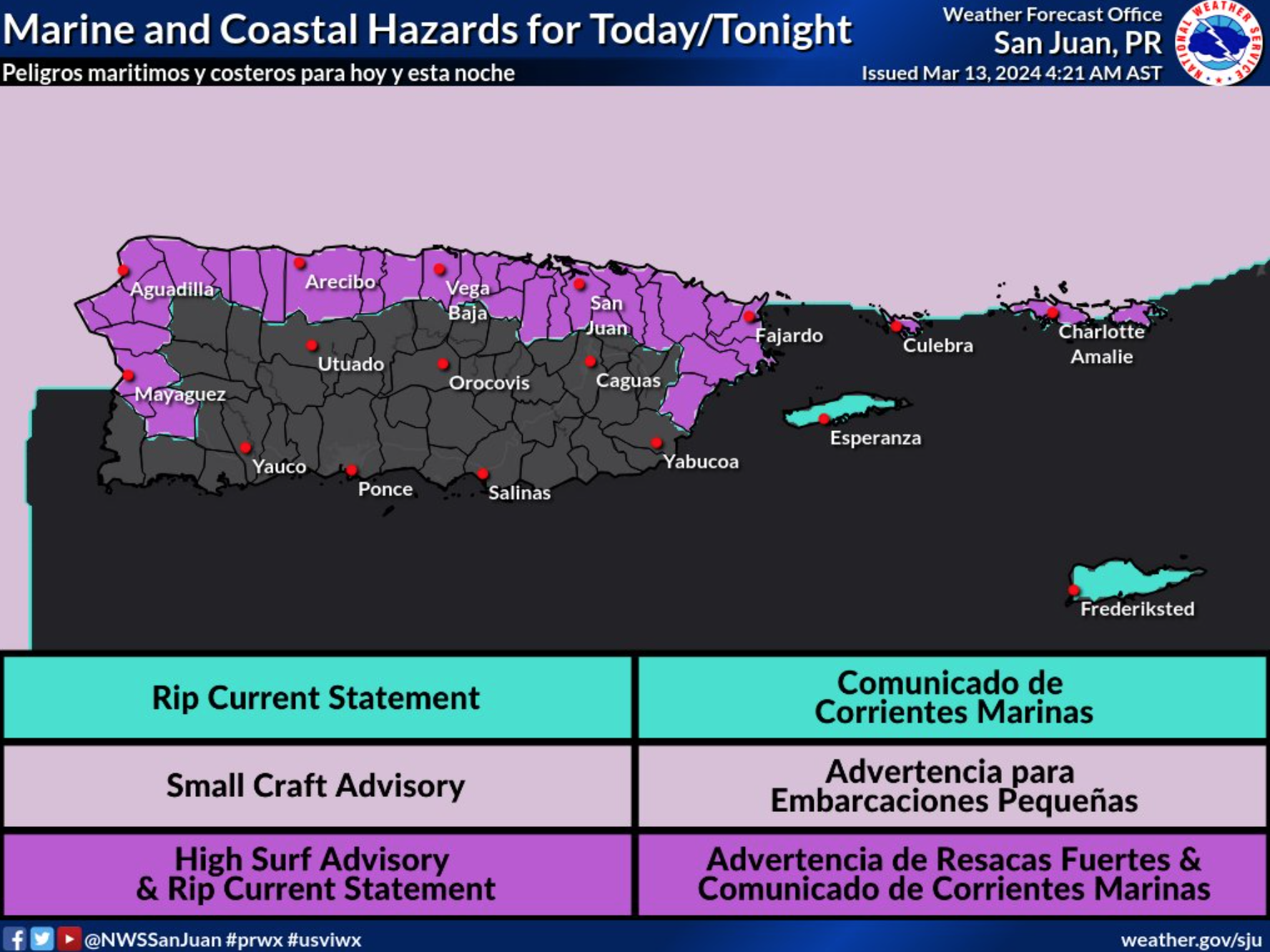
A map showing the locations where marine alerts are in effect. (Photo courtesy NWS, San Juan, Puerto Rico)
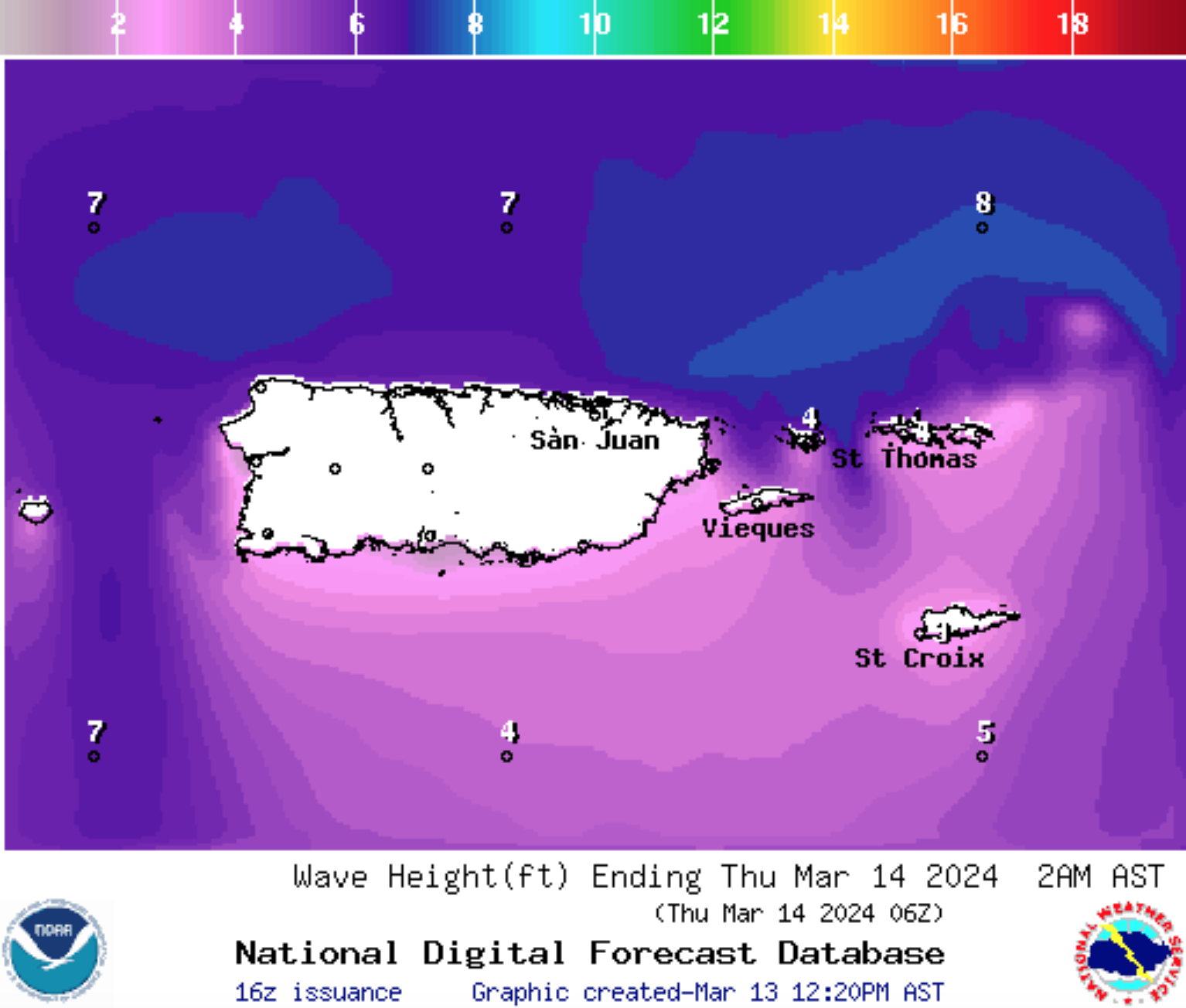
The National Weather Service (NWS) in San Juan, Puerto Rico, has issued warnings for portions of both U.S. territories. A High Surf Advisory, a Small Craft Advisory, and a High Rip Current Risk will be in effect through at least Friday. “A northerly swell will continue to result in hazardous marine and coastal conditions for the rest of the week,” according to an update on Wednesday from the NWS. “An increase in winds will induce wind-driven seas, keeping hazardous marine conditions for the rest of the workweek,” the update continued. Wave heights during the current swell event are forecast to reach up to 12 feet, and marine conditions may be particularly rough across the northern coastlines of Puerto Rico and the USVI.
Wave height forecast for 2 a.m. on Thursday. Seas will continue to be hazardous for the next few days due to a northerly swell and gusty winds. (Photo courtesy NWS, San Juan, Puerto Rico)
“Large breaking waves up to 10-12 feet will likely produce localized beach erosion and dangerous swimming conditions,” the NWS said. Marine Hazards Beachgoers are encouraged to understand the dangers of high surf and the possibility of rip currents. Rip currents, which are strong currents of water flowing very quickly away from the shore, can occur without warning and quickly become extremely dangerous and even life-threatening for the most proficient swimmers.
Rip current safety tips. (Photo courtesy NWS)
“Rip currents can sweep even the best swimmers away from shore into deeper water where it becomes difficult to return to safety,” the NWS warned. “High waves can wash over jetties and sweep people and pets onto jagged rocks,” the NWS added. “If you become caught in a rip current, yell for help. Remain calm, do not exhaust yourself, and stay afloat while waiting for help,” the NWS advised. “If you have to swim out of a rip current, swim parallel to shore and back toward the beach when possible. Do not attempt to swim directly against a rip current, as you will tire quickly.” The most important factors to remember if caught in a rip current are: 
  • Relax. Rip currents don’t pull you under.
  • A rip current is a natural treadmill that travels an average speed of one to two feet per second but has been measured as fast as eight feet per second — faster than an Olympic swimmer. Trying to swim against a rip current will only use up your energy — energy you need to survive and escape the rip current.
  • Do NOT try to swim directly to shore. Swim along the shoreline until you escape the current’s pull. When free from the pull of the current, swim at an angle away from the current toward shore.
  • If you feel you can’t reach the shore, relax, face the shore, and call or wave for help. Remember: If in doubt, don’t go out!
  • If possible, only swim at beaches with lifeguards.
  • If you choose to swim on beaches without a lifeguard, never swim alone. Take a friend who has a cell phone so that person can call 911 for help.
Stay Informed About the Weather USVI residents and visitors can locate weather information and obtain alerts, including marine weather updates, from the Virgin Islands Territorial Emergency Management Agency website and the National Weather Service. A daily weather post is also published on the Source Weather Page, and a daily weather forecast video is also available to watch.      

Jury Deliberations Begin in Drug Trafficking Retrial

Accused drug trafficker Russell Robinson returned to his role as defense attorney as he did in an earlier trial in June 2023; that proceeding ended in a mistrial. (Shutterstock image)

A federal jury entered deliberations on Wednesday at the end of a three-day retrial for accused drug trafficker Russell Robinson. Robinson returned to the role he held in his first trial in June 2023, serving as his own defense attorney.

Wednesday morning proceedings began with the defendant taking the witness stand on his own behalf. He told a panel of jurors his side of the story of events taking place on Nov. 29, 2021.

That was the day that Robinson, along with former co-defendant Trevor Stephen and a third — unidentified — person, loaded seven duffel bags loaded with 210 kilograms of cocaine into a pickup truck. They then drove from Vessup Bay Beach to Hull Bay, leading law enforcement agents on a high-speed chase by land and by air.

Most of the incident was captured on surveillance images shot from a pursuing helicopter. Stephen was convicted at the end of the first trial in June. Robinson was granted a mistrial.

On Wednesday, Robinson said he became an unwilling participant in drug smuggling after Stephen talked him into lending his truck. As they drove along in the Frydenhoj area, the defendant said a third man entered the cab of the truck and pointed a gun at him.

The stranger directed him to do as he was told and he wouldn’t get hurt, Robinson said. All three men helped load the truck at the beach, got back into the cab and drove away. At one point in his testimony, the defendant said he turned into the yard of a friend who lived along the route and knocked on his door, asking for help.

Sometime later, before Robinson and Stephen drove through Long Bay towards Mafolie Hill, the gunman left the truck and disappeared.

Prosecutor Kyle Payne challenged the account, reminding Robinson that the friend whose house he stopped by testified in court on Tuesday. That witness described Robinson as “acting like a crazy man.”

As he left, the witness told the court that Robinson told him to “call the feds.”

Payne asked the defendant why he did not ask his friend to call 911 or why he did not stop the truck when he saw blue flashing lights following him when he got back on the road.

Robinson said he didn’t know who the people in the cars with the flashing lights were. Payne said they were the police.

But those are local police, Robinson said, and he didn’t trust them. Returning to his role as defense attorney, Robinson asked the court to include a jury instruction about committing a drug crime while under duress.

Chief District Judge Robert Molloy called a recess and returned to the courtroom with a ruling from the bench. “The court finds that Mr. Robinson is not entitled to a jury instruction on duress,” the judge said.

Although he had given an account of an encounter with a gunman and actions taken under apparent threat of harm, Molloy said Robinson offered no evidence to prove the things he said.

The defendant also failed to stop fleeing and turn himself into police once the gunman left the vehicle, something the judge said he was obliged to do under law.

The defense rested its case moments later. The prosecutor told the court he wanted to bring a few rebuttal witnesses back to the stand.

Closing arguments followed by mid-afternoon, followed by Molloy’s instructions to the jury. Deliberations began around 3:30 p.m.

Robinson is charged with conspiracy to possess a controlled substance with intent to distribute and possession of a controlled substance with intent to distribute.