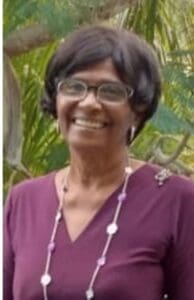
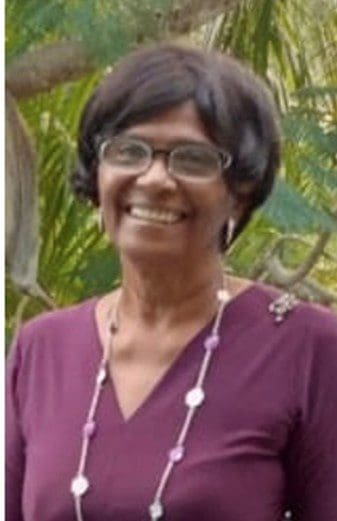
Carmen Matthew
Carmen Matthew of St. Thomas, U.S. Virgin Islands, transitioned into eternal peace in Orlando, Fla., on Jan. 4. She was 75 years old.
She is survived by her daughters: LaVerne Guishard-President, Rhonda Brown and Odette Defoe; brother, Campton Matthew; sisters: Victoria Matthew-Belgrave, Cynthia Bryant and Mavis Paul; grandchildren: Kayla Defoe, Kenya Defoe, Kendall President, Jonathan President, Alexis Brown and Mason Brown; sons-in-law: John Defoe, Kenneth Brown nd Eric President; brother-in-law, Maisley Paul; sisters-in-law: Loretta Brown and Mervette Brown; and many more cousins, special friends and extended family too numerous to mention.
She is preceded in death by her father, Percy Matthew; mother, Henrietta Rosa-Pabon; brothers: Eric Browne and Hudson (aka Edo) Browne.
Funeral services will be held on Friday, Feb. 2, at Memorial Moravian Church. The viewing will begin at 9 a.m. followed by a funeral service beginning at 10 a.m. Interment will be at Eastern Moravian Cemetery.
Funeral arrangements are by Turnbull’s Funeral Home and Crematory Services.
Yvonne Marie Solomon Freeman
It is with profound sadness we announce the passing of Yvonne Marie Solomon Freeman, 72. She passed away on Jan. 4.
Preceding her in death are her mother, Ruth Solomon; and sisters: Irene Francis and Esther Francis.
She began her career working for the Government of the Virgin Islands at the Department of Licensing and Consumer Affairs. After three years in that department, she taught for 27 years at Joseph Gomez Elementary School. Outside the classroom, she was a Girl Scout leader, coach of the Joseph Gomez McIslyn Bamboula Dancers, a member and Building Representative of the American Federation of Teachers Local 1825, a founding member of the St. Thomas Swimming Association and the pool in Nazareth, and a very active member of the Catholic Church community of St. Thomas and St. John.
She is survived by her husband, Harry V. W. Freeman; aunts: Olive Solomon and Audrey Solomon; brother, Verne Lynch; three daughters: Renee L. George, Neema A. Francis Gilkes (Bertrand) and Marie Y. Freeman Anthony; and eight grandchildren: Jemar King, Jemari King, Jemoi King, Jahlil King, Jahlikai King, Nyla Gilkes, Dominik Burman and Elijah Anthony.
She is also survived by five great-grandchildren: Jemar King Jr., Jah Niya King, Jah’vonte King, Jah’sante King and Jaasiel King; nieces and nephews: Verne Lynch Jr., Tanika Lynch, Troy Lynch, Shayla Lynch, Lashawn Berg, Dawn Burner, Ryan Francis and Euriese Francis; and close relatives: Lyra Rojas and Monica Martin.
Other survivors include special friends: Joan Christian, Lauren and Kenneth Thomas, Francesca Alcindor, Harry V.W. Freeman Jr., Shirley Colon, Kiyoshi Lloyd Norford, J.P. and Pamela Montegut, Sammy and Nancy Watts, Michelle Rivera-Stout, the entire Catholic Church community on St. Thomas and St. John, and many other relatives and friends too numerous to mention.
Viewing will begin at 9 a.m. on Tuesday, Jan. 30, at Holy Family Catholic Church. The funeral Mass will follow immediately after, beginning at 10 a.m. Interment will be at Western Cemetery No. 1.
Expressions of sympathy to the family may be made online at www.turnbullsfuneralhomevi.com. Professional services have been entrusted to Turnbull’s Funeral Home and Crematory Services., 3815 Crown Bay, Ste 10 Charlotte Amalie, St. Thomas, U.S. Virgin Islands 00802.
Kimberly Matthew, also recognized as “Kim-Rae,” or “Kim,” was born in the Southeast Cape Township of St. Croix, U.S. Virgin Islands to Bianca Reyes and Reuben Francis of Trinidad and Tobago. She moved to Saint Germain, France, at the age of 12 to live with her grandmother before returning to St. Croix at 16.
Kimberly later settled on St. Thomas, USVI, while attending the University of the Virgin Islands (formerly College of the Virgin Islands) where she resided until her retirement at 50 as lead counsel of Hess and Hovensa Oil Corporation, returning to St. Croix to teach. Kimberly was a member of the Alpha Kappa Alpha Sorority Inc. and a two-time alumna of Columbia University.
Kimberly suffered a cerebrovascular accident on Jan. 2. She later passed away the evening of Jan. 19 surrounded by her loved ones.
Kimberly is survived by her husband, Winston Soweto Matthew Sr.; children: Winston Soweto Matthew Jr., John Matthew, Justin Matthew, Sidnious Matthew, Tiffany Rodriguez and Evelyn Cruz; grandchildren: Carlton Smith, Kevin Smith, Justin Reyes, Andres Reyes, Bianca Matthew, Andrea Matthew and Vanessa Reyes; and siblings: Juan Reyes, Elizabeth Reyes, Evelyn Reyes and Sandra Gottlieb;
She is also survived by sisters-in-law: Alicia Reyes and Sandra Smith; son-in-law, Robert Cruz; nieces and nephews: Kimberly Reyes, Alicia Reyes, Danielle Matthew and Erin Matthew. Kimberly is also survived by her loving great-grandchildren, great nieces and nephews, godchildren, long-time family friends, employees and customers of the Soweto Restaurant, and many other relatives too extensive to mention.
Services will be held at 10 a.m., Jan. 31, at the Cape Methodist Church on the East End.
The family graciously thanks everyone on-island and abroad who continues to express love and show support during the unexpected passing of our beloved Kim-Rae. We wish to extend a special thank you to St. Croix Cancer Specialists and Continuum Care for their services as well as the Winship Cancer Institute for their care over the years. May Kimberly’s soul rest in eternal peace.
Those close to Kimberly may contact Winston S. Matthew Jr. Esq. to submit tributes by 11:59 p.m., Thursday, Jan. 25 or WinstonSMEsq@gmail.com
Michelle Smith (Submitted photo)
Virgin Islands Sports Ambassador Michelle Smith, a high school senior at Montverde Academy, competed in the RADD Sunshine Showcase Indoor Track and Field competition on Jan. 20.
Smith finished first in the 60m hurdles setting a VI National U20 record and school record in a time of 8.72. Smith also set a V.I. National U20 record and School record while finishing second in the long jump with a jump of 5.66 meters (18 feet and 7 inches). In the 200m, she ran a personal record with a time of 24.51 finishing first in her heat and fourth overall.
Michelle Smith will compete next in the East Coast Invitational in Virginia Beach, Va., on Feb. 3.
Sofia Swindell (Submitted photo)
Virgin Islands Track and Field Team member Sofia Swindell, a junior at Lawrenceville School, competed in the Mercer County Track and Field Championships, held on Jan. 17 in Princeton, N.J., and on Jan. 21 in Tom’s River, N.J.
Swindell placed first in the triple jump with 35 feet and 1 inch (10.69 meters) and fifth in the long jump with a jump of 15 feet 11 inches (4.75 meters). She competed in the 55m hurdles, earning first place and a VI National U20 Record of 8.25. She also placed first in the 55m dash, running a personal best of 7.18.
The Lawrenceville girls’ team placed second overall at the meet. Swindell’s next meet will be the Metropolitan Invitational on Jan. 24 at Ursinus College in Pennsylvania, where she will compete in the 55m and 4×200 relay.
Athletes competed in the 4th VITFF Developmental Meet on St. Croix on Jan. 18. Athletes were competing in the U13, U17 and Open categories.
]https://vitrackandfield.com/competitions/
Interscholastic Track and Field competition will start on St. Croix on Thursday, Jan. 25, for middle school, high school junior varsity and high school varsity, and on Friday, Jan. 26, for elementary school.
Full results can be found at the Virgin Islands Track and Field website:
An arrest has been made on St. Thomas after one minor was robbed at gunpoint and another minor was robbed with the use of physical assault, the V.I. Police Department reported.
On Dec. 7, 2023, officers were dispatched to the area of Estate Thomas regarding the robbery of a 17-year-old minor. Contact was made with the minor along with his stepmother, who stated that he was robbed at gunpoint by a Black male he identified as Ajani Prentice. The minor stated that Prentice was wearing grey sweatpants, with a T-shirt, and black stocking on his head at the time of the incident. The minor went on to state, during his interview, that he could easily identify Prentice because he was not wearing any face coverings, according to the police report.
On Dec. 23, 2023, another minor was present at the Richard N. Callwood Command, reporting a robbery that occurred on Dec. 22, 2023, at about 1:30 p.m., in the area of the Hospital Ground Spring Hill Condominiums. The minor stated he went to meet a friend, the police report stated.
While waiting, he observed a Black male wearing a black hoodie, a camouflage mask and
black sunglasses coming down the hill towards him. The minor stated that he removed his
gold chain from his neck and held it in his hand. He further explained that the male
approached him and punched him with a closed fist to his face leading to a physical
altercation where he was able to pull the suspect’s mask from his face. The minor stated
that once the mask was off, he was able to identify the male as one Ajani Prentice, the report stated.
On Monday, Prentice, 18, turned himself into the authorities after a wanted poster was circulated. Prentice was advised of his Constitutional Rights and declined to make a statement regarding this case. Prentice was processed, booked, and remanded to the Bureau of Corrections pending his advice of rights hearing, police said.
Gov. Albert Bryan Jr. delivered an upbeat State Of The Territory Address Monday. (Photo courtesy V.I. Legislature)
An animated Gov. Albert Bryan Jr. told the Virgin Islands Legislature Monday night the state of the territory was “resolute.”
Citing better-than-national-average unemployment rates, strong tax revenue collections, obligation of vast federal funds, and a booming tourism market post-2017 hurricanes, Bryan said in his State of the Territory Address the U.S. Virgin Islands was receiving and spending more money than ever before. New schools, utility upgrades, and other infrastructure improvements are on the way.
“We are purposeful, determined, and steadfast. The social and economic impacts of the COVID-19 pandemic are increasingly further in the rearview mirror, and we remain firmly focused on the opportunity to permanently transform the Virgin Islands into a home that provides us all the standard of living and quality of life we deserve. Hand in hand with you, we withstood the challenges and uncertainties of that time, but we have not been deterred from continuing to deliver on our promise of progress for the people of the Virgin Islands,” Bryan said.
Bryan plans to soon launch the Bureau of School Construction and Maintenance, led by an experienced and qualified facilities maintenance professional, he said.
“This professional will take responsibility for school construction and major maintenance from the Department of Education. We need our trained educators focusing on student instruction, not building construction,” he said.
This plan focuses on ensuring quality schools, fostering an effective education system that produces self-sufficient adults, engaging families, and building a supportive community. Each school has developed improvement plans detailing strategies to enhance student performance, with $250,000 allocated to each school’s principal to facilitate implementation, Bryan said.
Educators had walked off the job as the school year began in September, expressing outrage over decrepit conditions.
Bryan didn’t mention the job action but did say, “You have to invest to get returns,” when it came to education.
When stumbling over his words discussing library reopenings, he had to excuse himself.
“I’m getting so excited,” the governor said.
Well-educated Virgin Islanders will have a place to work, he said, with 1,000 new jobs created in 2023, most of which were in the hospitality industry as it recovered from the pandemic and the 2017 storms. The territory’s cruise and arrivals were strong when compared to pre-pandemic levels.
“Hotel occupancy rates in the territory remained stable at 58 percent in fiscal year 2023, a slight decrease from 63 percent in fiscal year 2022. This decline is attributed to the popularity of Airbnb accommodations due to the limited availability of traditional hotels, not a decrease in the number of overnight stays,” Bryan said. “Despite the shortage of hotel rooms, the number of visitors from the U.S. mainland staying for an average of 3.5 nights significantly increased. In fiscal year 2023, there were over 452,000 overnight visitors, an 85 percent increase when compared to fiscal year 2022.”
New hotels were online in late 2023 and 2024, he said, including the Westin Beach Resort and Spa at Frenchman’s Reef.
“Other sectors in the economy remained relatively unchanged, demonstrating consistent economic performance,” Bryan said.
In 2023, the Virgin Islands realized a record low unemployment rate — 3.2 percent in the month of November and averaged 3.5 percent throughout the year, he said.
“There is even more potential job growth if the restart of the refinery and other hospitality projects come online. So, while recent indicators suggest some normalization is underway, the labor market is forecast to perform well even as the post-COVID momentum eases,” Bryan said.
Overall revenues dipped slightly, reflecting the end of Covid-related fiscal stimulus and relief, he said.
“Our collections were in line with our revenue projections for the fiscal year 2023 revenues. Our Office of Management and Budget’s gross revenue was projected at approximately $934 million for fiscal year 2023 and collections were off by less than one percent,” he said. “This direct infusion of cash to the population included the Economic Impact Stimulus Payments, the increased Child Tax Credits, Pandemic Electronic Benefit Transfers, Premium Pay, Water and Power Authority credits, stipends for Social Security recipients, Rental Assistance, and subsidies to taxi drivers, to name some of our larger programs. These programs had a greater-than-anticipated impact on the economic activity in the territory and helped generate substantial tax revenues for the government. Those stimuli have worked their way through the local economy and now revenue collections are normalizing. Although the streak is broken, the revenues collected by this government remain far above where they were in the years before the pandemic.”
Gesticulating with his hands for emphasis throughout the speech, Bryan said 2024 was looking strong.
“The numbers simply don’t lie. The fact is revenues for the first quarter of the fiscal year 2024 are already above revenues for the same period in fiscal year 2023,” the governor said.
Cash-on-hand problems, including those caused by inflation, have caused delays in pay to vendors. Some of these debts are 40 years old, he said.
“I want to assure our vendors this evening that we are working hard to catch up on outstanding payments –and we will! That is currently the administration’s highest priority,” Bryan said.
A revolving line of credit could help bring money in today to be repaid later, like a family’s credit card, he said.
Bryan spoke optimistically about the burgeoning legal cannabis industry and the V.I. Slice home ownership grants. He said the key to redeveloping strong downtown areas was to get people back to living in town.
Getting derelict properties up and running again was paramount.
“This proposal is rooted in a property conservatorship model designed to remedy blight while protecting communities from the ill effects of gentrification,” he said. “Before this proposal was even publicly distributed, there were attempts to politicize the matter with misinformation and fearmongering. Some attempted to put a cloud of suspicion over the proposal and build opposition for the sake of opposition.”
Pushing back on the idea that the proposal was a government land grab, Bryan pointed out that the properties were in tax arrears. But the government was less interested in taking land than in getting local families back onto the crumbling properties, redeveloping them with government assistance.
Bryan called for acknowledging the disenfranchisement of the past with taking advantage of a prosperous future.
“There was a time in these islands when education opportunities for people of color were limited. That is why I am worried that our residents are not capitalizing on the opportunity for a free college education being provided at the University of the Virgin Islands. There was a time when people of color did not own property. Each successive generation of the residents of these islands strived to make property ownership much more attainable. That is why it is heartbreaking to see some property owners demonstrate an absence of pride by allowing their properties to become overgrown or filled with trash. There was a time when the lives of our ancestors were not valued. That is why I am concerned that we associate with and enable violent criminals who similarly place little value on life. There was a time when we did not have the right to elect our leaders; they were selected for us. So, I have grown uneasy that too many of us enjoy the spectacle of politics but never personally get involved in making this community better for ourselves and our neighbors.”
Property was increasingly valuable in the territory, he said.
In fiscal year 2023, the value of building permits issued was $305 million, which indicates a five percent increase as compared to $290 million in 2022 for the same period. During 2023, the private residential construction permits were worth $166 million, which is only slightly higher than the $165 million worth of permits issued in 2022. However, the non-residential construction permits showed significant growth of 200 percent, increasing from $27.7 million in 2022 to $83.5 million in 2023, the governor said.
Inflation hit hard, however, making $100 in groceries last year cost $120 in the territory. The near term may look rough for a while, but the long term looks good, he said. The territory is better positioned from 2023 forward than it was pre-pandemic.
While the USVI’s economic growth of the last two years has been more modest than the years prior, the rebound from the COVID-19 pandemic has been remarkable, he said. “Consumer spending, tourism, and significant investments from businesses and the public sector have driven this incredible growth.”
The government of the Virgin Islands has expended more than $3 billion in disaster recovery funds since hurricanes Irma and Maria struck in 2017, Bryan said, averaging $500 million in federal recovery dollars spent annually over the last six years.
“Prior to the hurricanes, we had never expended that much in contracts in a single year — not even half that much,” he said.
But even that was too slow a pace, Bryan said.
“At the present pace, it will take us another 20 years to complete the recovery and that is simply not good enough. Our goal is to at least double this amount and expend a billion dollars a year solely in disaster recovery funds. But to get there, we cannot continue doing things the traditional way. Frankly, we don’t have enough contractors, enough workers, or enough housing. We need a significant paradigm shift,” he said. “As a result, we are embarking on a new initiative called Rebuild USVI. We are estimating the total cost of reconstruction from the hurricanes to ultimately approach $15 billion or more. That is a monumental task to be managed by a workforce of just 41,493 people. Rebuild USVI is being developed to expedite the timeline for this massive reconstruction effort.”
The Rebuild USVI strategy will have three major goals: Attract large general contractors to help secure the performance bonds on projects worth hundreds of millions of dollars; systemically resolve logistical challenges and supply chain issues that drive up project costs, discourage contractor interests, and slow recovery efforts; and solidify manpower and capacity issues, he said.
“Rebuild USVI supercharges the territory’s disaster recovery to think outside the box and dispense with the bureaucracy that is simply inadequate for our progress. The success of this initiative will allow us to launch several of our largest recovery projects simultaneously and create an ecosystem of economic activity from the resulting construction boom. This is the way we facilitate the transformation of a resilient Virgin Islands,” Bryan said.
After the hurricanes and COVID pandemic, 2023’s biggest health story was essentially a goof, the governor said.
Extraordinary lead and copper levels in many St. Croix municipal water pipes discovered in September 2023 were attributable to testing errors, not widespread heavy-metal poisoning, he said. While subsidies and alternative water supplies were offered to people in affected areas, the likely culprit was tests performed at the meter, not at the sink.
Subsequent testing found dramatically lower lead and copper levels more in line with EPA standards.
“It is our firm belief that the original round of testing conducted used incorrect methodology. The apparatus used to collect the samples at the meter box caused tiny shards of metal to become free and contaminate the samples that were sent off for testing. Plainly stated, the way the water samples were collected created misleading results and led to the high levels of lead and copper reported. The proper testing methodology, which took samples from the faucets inside the building, without tampering with the plumbing components, yielded more accurate results,” Bryan said.
The local State of Emergency expired in December and the national emergency declaration expires Tuesday, he said. The “No Drink Advisory” will be dropped at that time.
“Now, while we do not believe we have a water crisis caused by the presence of lead and copper in the water distribution system — now, I want to make sure you all hear what I just say — we do not believe we have a water crisis caused by the presence of lead and copper in the water distribution system we do acknowledge that water in some parts of the distribution system on both islands is discolored and, therefore, unfit for consumption. It’s been this way for the last 20 years. We have clearly heard the frustration of residents who have had to cope with brown water from their taps. It is simple: We are getting rusty water in areas where we have rusty pipes. The solution is equally simple: WAPA must replace those rusty pipes.”
Returning several times to the issue of the territory’s embattled roadways, Bryan said the cost of getting rust out of the pipes was roads being dug up yet again. The Water and Power Authority would replace aging pipes and add corrosion controls that include FDA-approved, food-grade additives to the water system that form a coating within the pipes that prevents further leaching of rust into the water.
“This is the EPA’s strongest recommendation for water systems like ours that are showing signs of aging. For many years, WAPA had perfected such a corrosion treatment but did not make the required adjustments for the new water chemistry when the switch was made from desalination to reverse osmosis as its means of water production. They are now working with subject matter experts to make the necessary corrections and treat the rusting pipes within the system,” he said.
The governor also addressed calls to reduce electrical bills and improving quality service. New generators currently running on diesel were far more efficient than previous models and would generate even more cost saving once switched to lower-priced propane, he said. Battery-energy storage systems that help buffer disruptions on the energy grid were on the way too. These battery systems could provide nine megawatts of energy storage gathered during periods of low demand and released during peak demand. Improved operating costs on St. Thomas will accrue to the benefit of all WAPA customers territory-wide.
“My friends, I am fully committed to fixing WAPA and restoring its viability as a government agency. Most importantly, changing our perspective and approach to the energy challenges of this territory is essential,” Bryan said. “Residents and businesses must have affordable and resilient energy options. We are moving to a future where our power generation will be decentralized, with greater reliance on small private power producers. We are also creating opportunities for individuals to produce their own power and purchase their own battery storage.”
Two new solar farms should be able to provide 58 megawatts throughout the territory by April. A series of new wind turbines at Bovoni should add another 15 megawatts on St. Thomas within six months, the governor estimated.
President Biden’s Inflation Reduction Act allows the EPA to fund Solar for All programs nationwide, he said.
“These programs aim to give subsidies and financial help to residential rooftop and residential-serving community solar projects benefiting low-income and disadvantaged communities. We anticipate $100 million to be awarded to the U.S. Virgin Islands as part of the funding allocation. This funding will allow the Energy Office to install solar photovoltaic systems directly on low-income single-family homes at no cost to the homeowner. It will also allow solar developers to install large community renewable energy facilities or community solar that can provide electricity bill credits to low-income residents who are renters or whose roofs are not suitable for installing solar. The Virgin Islands Energy Office is currently awaiting approval of the grant award.”
This funding will also support the continuation of the Sun Power Solar Loan Program, he said. This program provides low-interest financing for homeowners who wish to install photovoltaic systems and battery storage devices in their homes, in which, through paying their utility bill, they can simultaneously repay their loan.
Close to $78 million in federal funding to advance various energy initiatives was on the table, he said.
“We want the next generation of Virgin Islanders to view energy independence as an achievable and normal way of life. WAPA will continue to play a critical role in that energy future. Its commercial, industrial, and government clientele will continue to require affordable and reliable power from the utility. WAPA will also play an important role as the supplementary source of energy that backstops the distributed energy connected to the grid. We have already begun the mission of ushering in an energy revolution with WAPA. We will lay a solid foundation this year to get us there.”
A construction boom was on the way as well.
The Office of Disaster Recovery had successfully increased the anticipated allocations for federal disaster recovery funding from $8 billion to $12 billion, with the potential to meet or exceed $15 billion over the next few years, Bryan said. Of the approximately 1,500 FEMA Public Assistance projects, only 54 remain to be obligated for education, healthcare, and infrastructure projects.
“In 2023 alone, more than $2.6 billion had been obligated, marking a 138 percent increase compared to the funds secured in 2022. This brings the total amount of obligated funds to a little over $8.6 billion, with $3.1 billion of that already expended. Over the next year, the territory expects about 300 projects to enter various phases of construction, generating over $500 million in spending,” he said.
The governor also called out violent criminals, warning against the cancer of gun violence and praising programs that help convicted criminals rehabilitate. He also warned against ignoring neighbors in trouble, saying four Virgin Islanders took their own lives in 2023.
He called out the ravages of opioid abuse, especially deadly, high-power fentanyl, as particularly dangerous. There were three confirmed opioid deaths in the USVI in 2023, he said.
“Settlements secured by the Department of Justice brought in more than one million dollars in opioid settlements and judgments to combat this growing epidemic, which will be administered through the Department of Health,” Bryan said. “Three deaths are three too many. This month, the Division of Behavioral Health hosted a planning meeting for a territory-wide Opioid Overdose Prevention Task Force to center community engagement and address this growing crisis. I urge this community to get educated on the dangers and actively discourage our family and friends from abusing fentanyl and other opioids.”
Bryan also hinted at the Jeffrey Epstein saga, acknowledging the settlement of one suit while not mentioning another.
“We must not shy away from the ugliest parts of our community but instead, be resolute in our efforts to address them head-on. Human trafficking and sexual abuse are real and present threats to our community. The territory has now received settlement funds resulting from the human trafficking litigation, including proceeds from the sale of Great Saint James and Little Saint James and other direct funds. These settlement funds include $20 million dollars to support services to vulnerable, disenfranchised individuals and community organizations to address social ills, including sex trafficking, human trafficking, mental health initiatives, domestic violence, and poverty. An additional $25 million will supplement prosecution and enforcement measures within the territory, and $15 million will be allocated to mental health services.”
He said he was advocating for legislation that would allocate an additional $11 million to combat human trafficking in the territory.
Some lawmakers shared concerns about what the 2024 State of the Territory Address didn’t say. (Source file photo)
Some members of the 35th Legislature called Gov. Albert Bryan Jr.’s State of the Territory Address one of the longest they’d every heard — about 90 minutes. But they were ready on Monday night to mention the things they had not heard through the course of that lengthy speech.
Several went straight to topic number one, the financial state of the Virgin Islands. The governor described it as a robust economy, buffered by inflation and cost-of-living pressures. Senate President Novelle Francis was among those who saw things differently.
“He was pretty optimistic in his speech,” Francis said, adding that, in a way, expressing optimism is the governor’s job.
The Senate president then pointed to $89 million in outstanding vendor payments, something he said the administration had to get a handle on. “We have a responsibility to pay our bills … I don’t know if he indicated how we can backfill that gap,” Francis said.
Senate Minority Leader Dwayne DeGraff and St. Croix Sens. Franklin Johnson and Samuel Carrion chimed in with the senate president, saying they heard contrasting views from the governor’s financial team as of late last week.
“It’s concerning to see where we are,” Carrion said.
Sen. Donna Frett-Gregory agreed with the governor’s assessment that revenues in the first quarter of fiscal year 2024 surpassed those for the same time span in the previous year. But Frett-Gregory said that was not enough to relieve the current financial slump.
“When we look back at the year, meaning fiscal year 2023, we know that we didn’t close the year as we had projected, and of course that has caused some challenges with our cash overall,” she said.
DeGraff and Johnson also said the governor failed to mention senior citizens in his State of the Territory Address.
Senate Majority Leader Marvin Blyden said he wanted to hear the governor say more about homeownership opportunities, although Bryan mentioned the progress made by the V.I. Slice program.
“I’m happy that we are doing something; I would have liked to have heard more about our capital projects. I would have liked to have heard about training our people to prepare for opportunities,” Blyden said.
Sen. Carla Joseph praised the governor’s remarks, especially those noting progress in revitalizing the Clinton-Phipps Racetrack on St. Thomas. “I thought he was charismatically passionate. We have a lot more work to do — a lot more work to do with WAPA, and we have to get a better handle on our finances,” Joseph said.
Sen. Alma Francis-Heyliger said she was encouraged by Bryan’s promotion of plans to address abandoned and derelict properties in the town areas but was less enthusiastic about the recent land swap agreement to build a new school on St. John.
“I have never been a supporter of giving up land that we celebrate as part of our history,” Francis-Heyliger said.
Sen. Kenneth Gittens focused on Bryan’s remarks about infrastructure projects. “I was hoping to hear more firm timelines for rebuilding our healthcare infrastructure and schools. We are unbelievably behind on many of these initiatives,” Gittens said.
Sen. Milton Potter said he would watch with interest Bryan’s stated introduction of the Rebuild U.S.V.I. Initiative. In his speech, the governor proposed a plan to bundle different disaster recovery projects as a way to speed production and promote efficiency. “I was definitely encouraged that the governor seems willing to try something new,” Potter said,” I’m looking at it with an open mind, but I’d like to learn more about how that will look.”
And Frett-Gregory said she looked forward to the establishment of the Department of Education School Construction and Maintenance Division. She described it as a way to free school administrators to concentrate more on delivering a quality education for the territory’s children while putting school repairs, maintenance, and construction into the hands of a qualified engineer.
Several lawmakers also expressed concern for the student achievement deficit and learning loss many students experienced during the COVID-19 pandemic.
V.I. Delegate to Congress Stacey Plaskett also weighed in on the governor’s address. “We have to give him credit for his optimism and his willingness to fight through, to find the things the territory is resolute — to be fully resolved to find a path forward,” Plaskett said.
She added that Bryan’s remarks about forward progress to be made with help from federal funding gave Plaskett a sense of satisfaction for the efforts made by herself and her congressional staff.
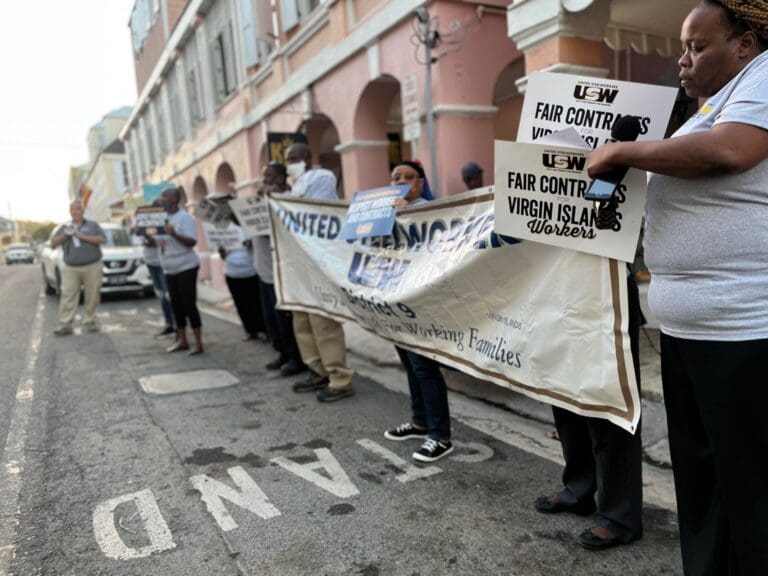
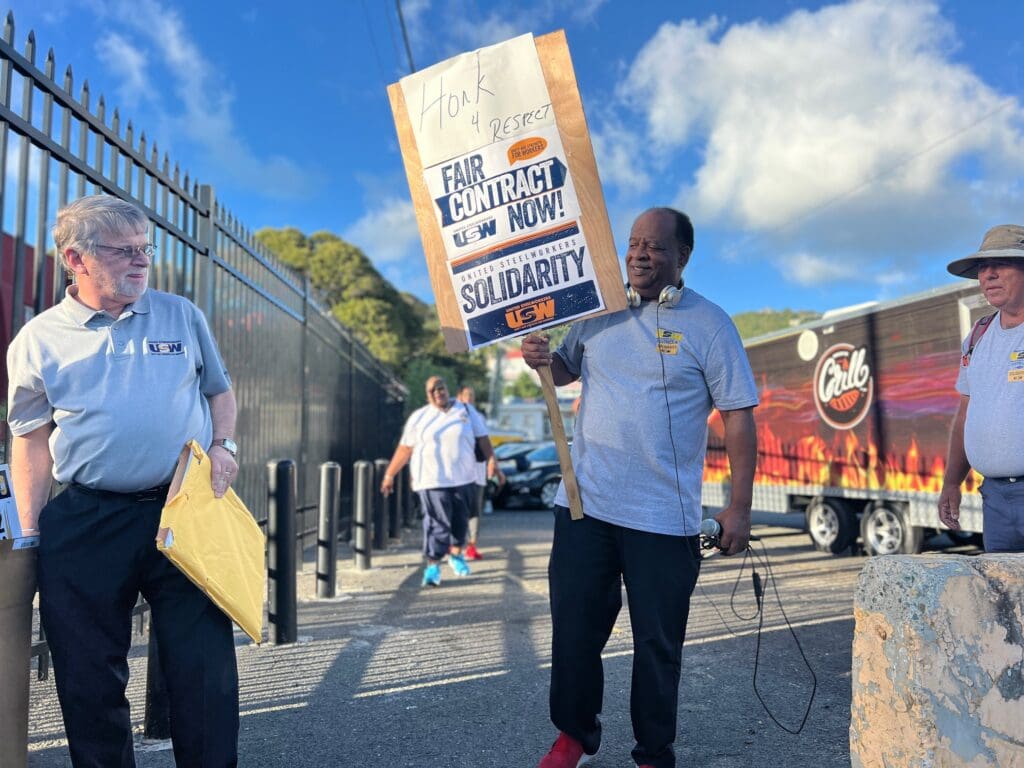
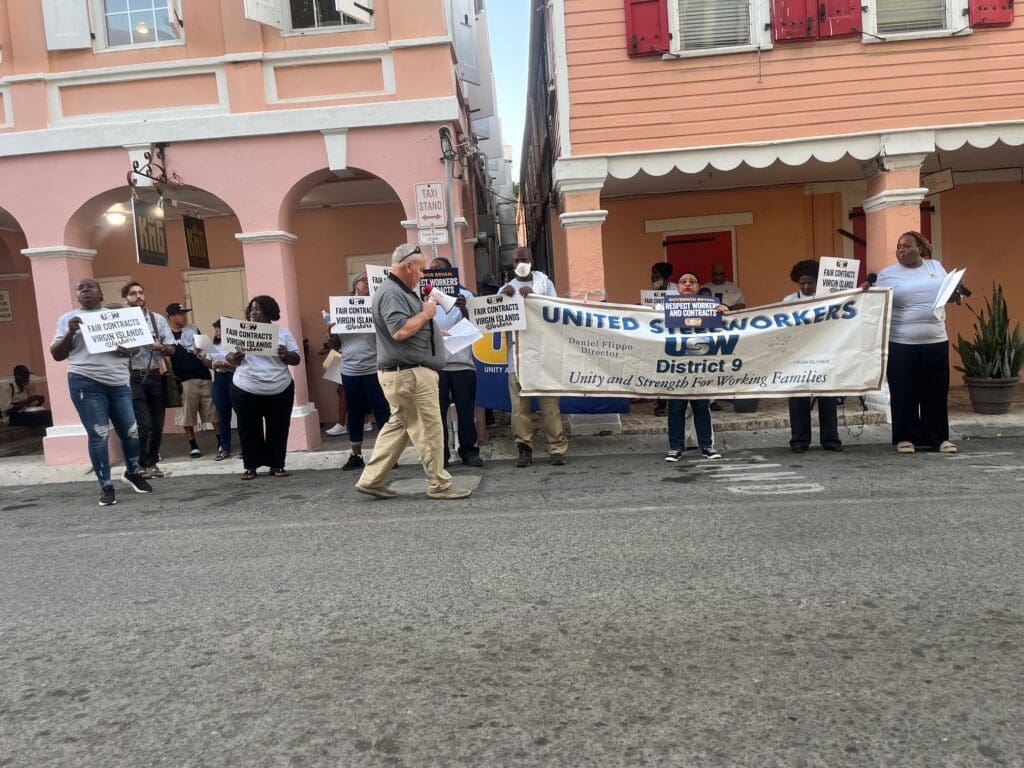
United Steelworkers Union members lined the streets in front of the V.I. Legislature on St. Thomas. (Source photo by Ananta Pancham)
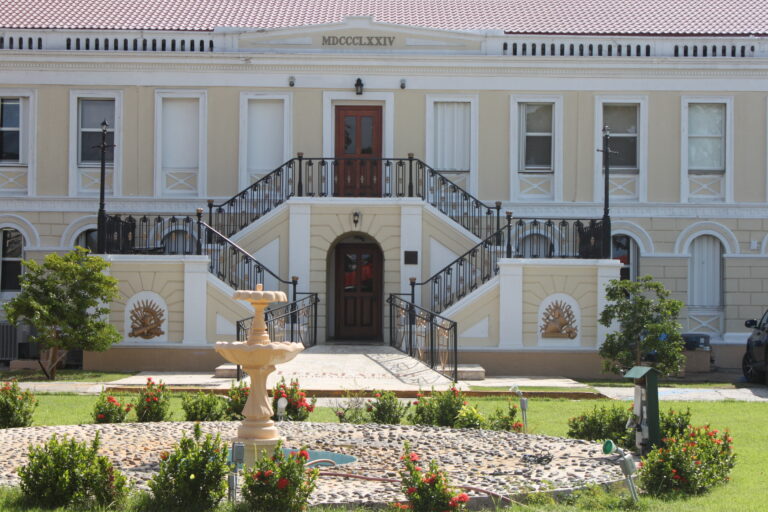
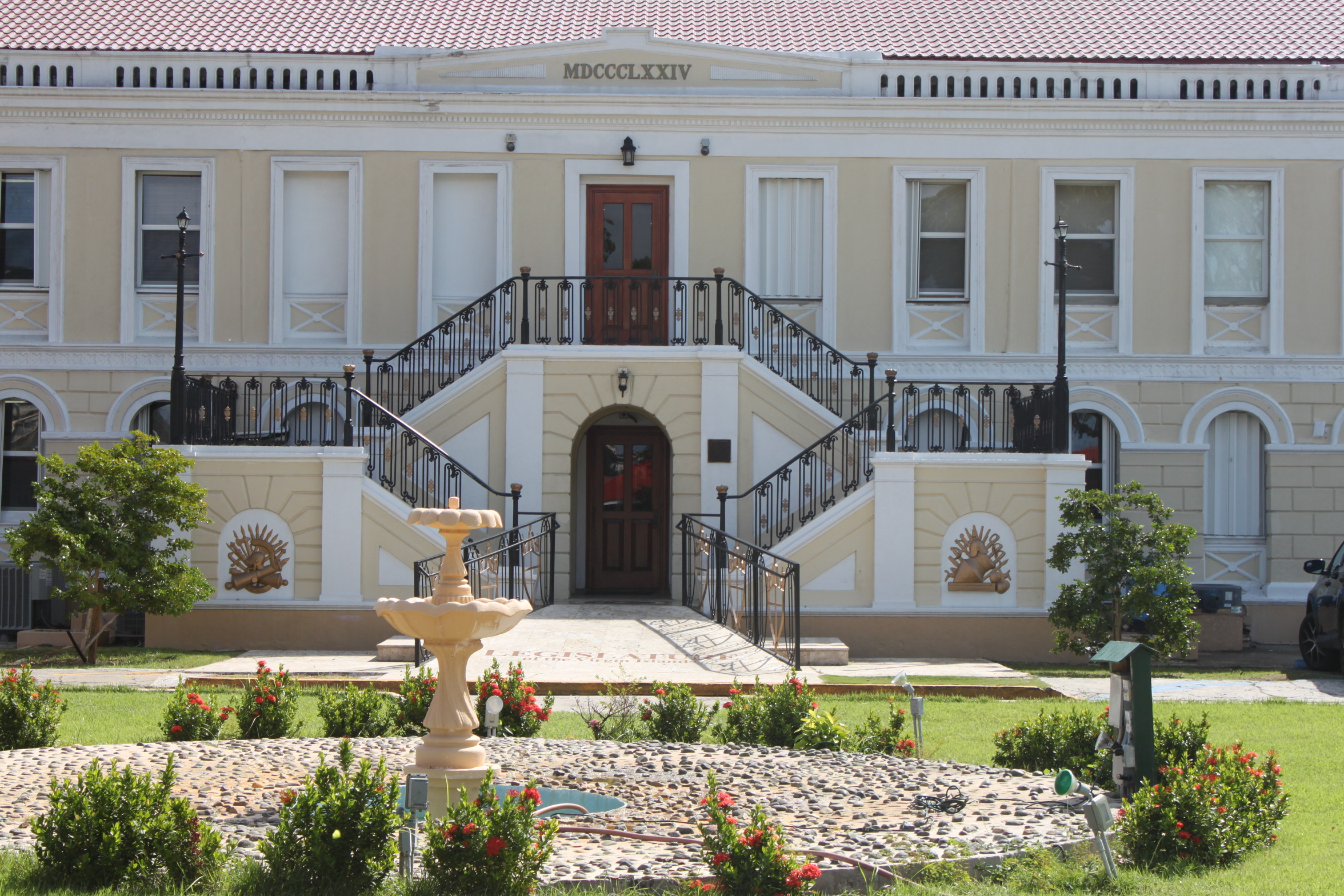
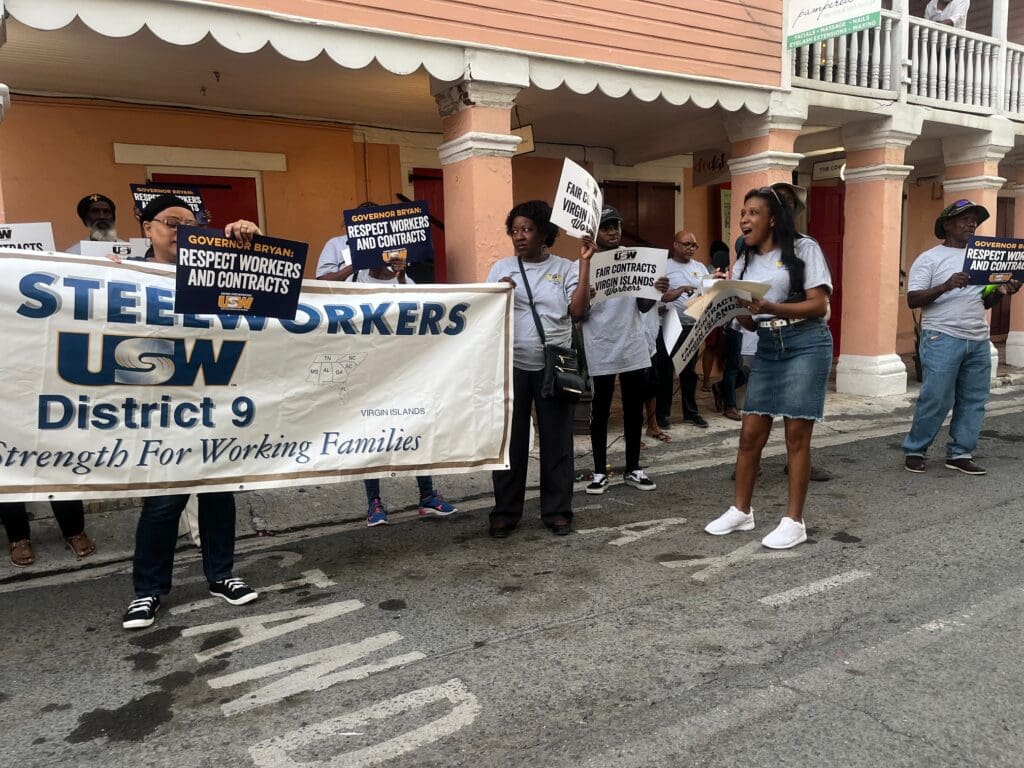
Attendees trickling into the V.I. Legislature building on St. Thomas ahead of the State of the Territory were met by the loud chants of more than a dozen United Steelworkers Union members who had gathered outside to demand long-term contracts, safer working conditions and the payment of retroactive wages.
According to Daniel Flippo, director of USW’s District 9, members working within government agencies are now working on day-to-day contracts with a 72-hour notice to expire.
“We have 12 government contracts throughout the territory that haven’t been completed and the ones that have been completed, the government hasn’t fulfilled,” he said. “They said they would do wages, they have not, they said they would do retro pay, they have not and then we have health and safety issues that we are very concerned about and the government isn’t moving to get those things fixed.”
The protests, held simultaneously on both St. Thomas and St. Croix, were staged to send a message that “we’re not going away and that we’re here to make sure they honor the contracts that we have,” he said.
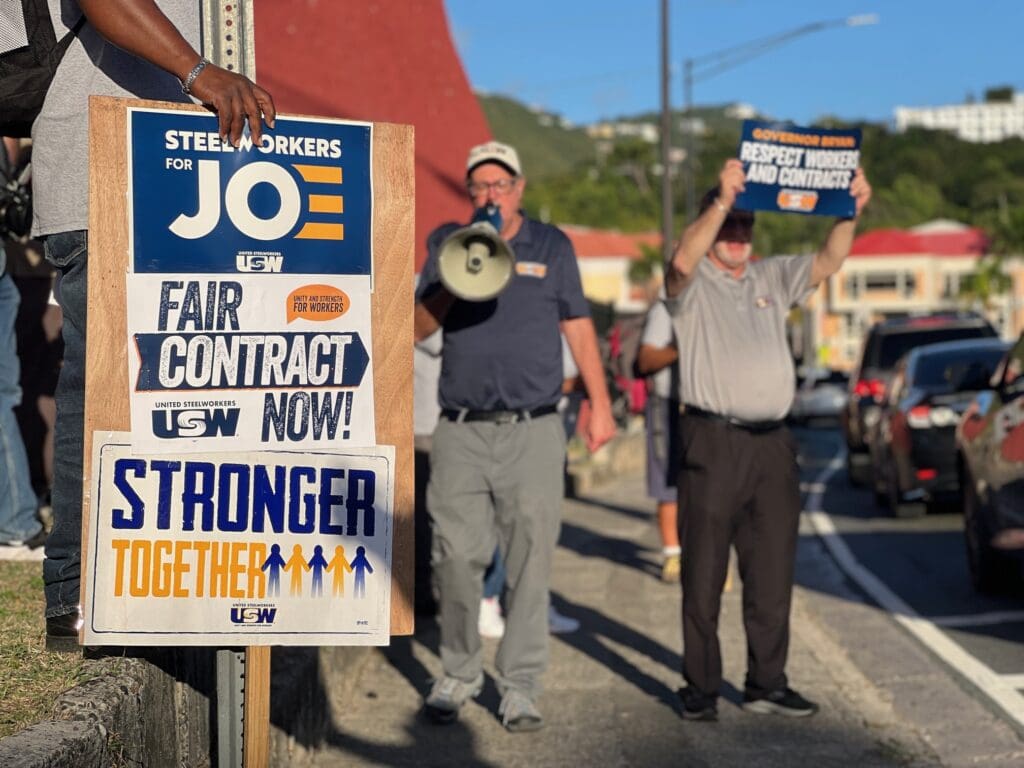
USW District 9 Director Daniel Flippo and union member Clarence Payne get ready for Monday’s protest. (Source photo by Ananta Pancham)
Flippo said the union is looking for two things: to get executed what the government has already promised to give and to put in place long-term agreements, from two to three years, so that its members “don’t have to wonder year-to-year” how their benefits are going to change or if their wages will increase.
“We do want to partner with the government, but that partnership goes two ways,” Flippo shared, adding that if something doesn’t give soon, the union is prepared to take the next step, which could include job actions.
“But we are hoping that with our message today, the government will sit down with us so that we don’t have to,” he said.
United Steelworkers outside of the Government House on St. Croix chanting “No contract, no peace!” (Source photo by Diana Dias)
Meanwhile, on St. Croix, about 30 union members stood in unison outside of the Government House in Christiansted, chanting, “No contract, no peace. We ain’t giving no peace if we don’t get no contract. Give us our contract right now.”
Wesley Thompson, the subdistrict director for District 9, said, “We are here because the governor and the government have failed to give us contracts. We try to negotiate, they stall, and don’t show up. They do not have enough people in the Office of Collective Bargaining to handle their job. We’ve got contracts on day-to-day extensions since 2017, some going back to 2013 and when we do have contracts, we do get them to the table and both parties agree the governor refuses to sign it.”
He added that concerns abound in the private sector as well.
“Our major concern with VIYA, you know they are the largest phone company in the Virgin Islands, is that they are outsourcing their customer service to Guyana. We need the jobs here in the Virgin Islands, our members need the jobs,” Thompson said.
Thompson said that the workers are asking them to come to the table and negotiate fair contracts. “Secondly, when they do negotiate fair contracts, we want them to live up to those contracts. Third, stop playing with our back pay, we won those in federal court,” he explained.
Florence Barnett leads the chant in front of the Government House on St. Croix. (Source photo by Diana Dias)
Union members shared the sentiments.
“We were promised a raise and we work very hard. We go to work tentatively every day and we do our job to the best of our ability. We deserve a cost of living raise so that we can survive. We shouldn’t be working two jobs; we are working for the governor. They should be assisting their employees. Treat us like they are treating themselves,” said Florence Barnett. “Unity is power, always remember that. There should be more of us out here. We are working for the entire government, but a tree can’t stand still. So, if some of us come out the next time more of us is going to come out.”
Federal Emergency Management Agency
Planned updates to the Federal Emergency Management Agency’s (FEMA’s) Individual Assistance Program include quicker access to needed funds, expanded eligibility for property and home repairs, and an easier application process for survivors to jump-start their recovery from disasters.
Secretary of Homeland Security Alejandro N. Mayorkas and FEMA Administrator Deanne Criswell have recently announced that FEMA is reforming its federal assistance policies and expanding benefits for disaster survivors to cut red tape, provide funds faster and give people more flexibility.
With the increased frequency of extreme weather events fueled by climate change, these updates will provide survivors with faster and easier access to resources they need after disasters. FEMA developed these new forms of assistance based on direct feedback from survivors and in response to threats the nation faces due to changing climate; they will create more equitable outcomes for all communities by increasing accessibility and eligibility for post-disaster support.
“In the past, the limitations of federal assistance have delayed disaster recovery for too many, especially communities that are disproportionately affected by disasters. That’s why the Biden-Harris Administration has been determined to update our programs to ensure we provide disaster assistance to the people who need it when they need it most,” said Secretary Mayorkas.
“The Department of Homeland Security interacts with more Americans daily than any other federal agency, and we will continue to eliminate red tape to ensure that our services, resources and support reaches the people we serve,” Mayorkas said.
“We are on the verge of making the most significant update to survivor assistance in the last 20 years to reach more survivors and deliver assistance faster,” said Administrator Criswell. “The limitations on federal assistance have frustrated survivors and delayed recovery for far too long. The Biden-Harris Administration was determined to remedy this situation and help reach more people — especially in communities disproportionately impacted by disasters.
“From quickly assisting people who become displaced to simplifying the application process, we are delivering on President Biden’s commitment to empower individuals and communities so they can rebuild their lives faster after a disaster.”
The Federal Emergency Management Agency has been collecting feedback for decades from disaster survivors, communities and stakeholders, including from public comments the agency solicited in 2021, on how to specifically improve the Individual Assistance Program. State partners and members of Congress have echoed these concerns and pressed for simpler, more straightforward programs to assist individuals across the country as they recover. Those shared experiences serve as the foundation of FEMA’s updates.
To benefit survivors, the Federal Emergency Management Agency will establish new benefits that provide flexible funding directly to survivors when they need it most.
Establishing Serious Needs Assistance: FEMA is standardizing immediate financial support for survivors by replacing the Critical Needs Assistance Program with a cash relief program called Serious Needs Assistance. Previously only provided based on a disaster-by-disaster evaluation, Serious Needs Assistance will now be available in all disasters receiving individual assistance. The payment of $750 for households with serious needs will help cover immediate expenses related to sheltering, evacuation and meeting basic household needs. This payment would be in addition to other eligible assistance that may be provided to survivors based on their unique circumstances.
Establishing Displacement Assistance: Recognizing the immediate housing needs of survivors after a disaster, FEMA is creating a new benefit called Displacement Assistance. This assistance is designed for survivors who cannot return to their homes following a disaster and provides them with greater flexibility in making the best decision for their immediate housing needs.
Displacement Assistance will provide eligible survivors with up-front funds to assist with immediate housing options of their choice, such as costs associated with staying with family and friends until they can secure a rental option to focus on their long-term recovery.
Cut red tape and expand eligibility to reach more people and help them recover faster while building back stronger.
Removing Loan Application Requirements: FEMA is removing the requirement that survivors apply for a U.S. Small Business Administration (SBA) loan before being considered for certain types of financial assistance. Previously, FEMA required survivors to apply for these loans before receiving assistance for personal property and other non-housing losses. Survivors reported significant confusion that FEMA processes required them to apply for a loan they did not want.
This change will simplify the disaster assistance process and give survivors the ability to apply for help from FEMA and SBA at the same time.
Helping Underinsured Survivors: FEMA is streamlining insurance-related rules to help survivors who do not receive enough assistance from their insurance company to cover their rebuilding costs. Previously, if a survivor received $42,500 from their insurance company (the 2024 maximum amount of money Congress authorizes FEMA to provide for repairs), a household was ineligible to receive additional assistance.
It did not matter if the insurance payment would not cover all rebuilding costs or if the survivor had losses not covered by insurance. Under this amended approach, financial assistance is now available up to the $42,500 cap, to cover costs not reimbursed by insurance including deductibles and underinsured losses.
Simplifying Assistance for Entrepreneurs: FEMA is simplifying the process so entrepreneurs, gig workers and other self-employed individuals can more easily reopen their businesses after a disaster. Previously, FEMA required self-employed individuals to apply for an SBA disaster loan to cover all business losses.
As a part of the new regulations, FEMA may provide self-employed survivors with some initial financial support to replace disaster-damaged tools and equipment, or other items required for a specific trade or profession. This assistance remains subject to the $42,500 maximum cap above which SBA disaster loans will continue to provide additional federal support.
Expanding Habitability Criteria: FEMA is simplifying its definition of “habitability” to broaden eligibility to include repairs to homes with pre-existing conditions. Previously, if a home had a leaky roof before a disaster, that area of the home would not qualify for FEMA-supported repairs.
These changes mean that survivors who need to fix a disaster-damaged home may qualify for FEMA support, to include home repair regardless of pre-existing conditions, so the home is in a safe and sanitary condition. This change eliminates current limitations that home repair assistance will be provided only for components that ensure habitability and the requirement that components were functional pre-disaster.
It also expands eligible hazard mitigation measures beyond essential components of a residence to include the prevention of future damage to any disaster-damaged part of the residence. Lastly, it confirms in regulation FEMA’s enhanced flexibility on documentation that will satisfy proof a residence is owner-occupied for those disaster survivors who do not hold a formal title or lease.
Making Accessibility Improvements: Survivors with disabilities can use FEMA funding to make certain accessibility improvements to homes damaged by a declared disaster. This change helps survivors with disabilities improve their living conditions by making their homes even more accessible than they were pre-disaster.
Previously, FEMA could only help with accessibility items directly damaged by the disaster or that were not present before the disaster but are required due to a disaster-caused disability. Simplify the application process to meet survivors’ individual needs and meet people where they are.
Removing Barriers for Late Applicants: Recognizing the challenges already confronting disaster survivors, those requesting approval for a late application no longer must provide documentation supporting the reason for their late application.
Streamlining Temporary Housing Assistance Applications: FEMA is reducing documentation requirements for applicants seeking continued temporary housing assistance. Individual caseworkers will also engage closely with survivors who continue to request assistance to ensure applicants have support throughout their entire recovery process and have greater visibility on when their rental support will end.
Simplifying the Process for Appeals: Survivors who wish to appeal FEMA’s decisions on their eligibility will no longer need to provide a signed, written appeal letter to accompany the supporting documentation. FEMA expects the changes to take effect for new disasters declared on or after March 22, 2024.
In addition to the planned updates, FEMA has already made the www.DisasterAssistance.gov and Transitional Sheltering Assistance websites more accessible and easier to navigate for survivors.
Streamlining the DisasterAssistance.gov Website: New updates to the fully reimagined www.Disasterassistance.gov website have made applying for disaster assistance faster than ever. The online application now provides survivors with easy navigation, visual progress tracking and individualized information collection.
For example, survivors now are only prompted to answer questions that apply to their specific circumstances. This change will reduce time burdens for survivors post-disaster when they are in greatest need and the most overwhelmed.
For most disaster survivors, this change is expected to reduce the registration time by more than 15%.
Improving the Transitional Sheltering Assistance Website: Survivors will find it easier to utilize FEMA’s Transitional Sheltering Assistance program to book lodging and contact participating hotels directly to find temporary lodging solutions. Prior to the updates, survivors would find an unfiltered list of lodging options.
Now, the website provides photos and user-friendly sort and filter features. Updates have also been made to improve user experience on mobile devices, making the process easier for survivors to navigate and find lodging.
Finance Commissioner-designee Kevin McCurdy said the $25 million in federal ARPA funds committed to retroactive wage payments was spent on government payroll. (Photo courtesy of V.I. Legislature)
Senators who said they committed to $25 million in retroactive wage payments based on assurances from the government that the money would be available were dismayed to hear Friday that only $2.5 million had been paid by the Dec. 31, 2023 deadline while the rest was used to cover government payroll.
Testimony from the government’s financial team indicated that a revenue shortfall in fiscal year 2023 – approximately $83 million under FY 2022, according to Office of Management and Budget Director Jenifer O’Neal – was backfilled by $48 million in federal American Rescue Plan Act (ARPA) funds. Of that, approximately $22 million was supposed to bridge the gap, while the remainder was earmarked for the retro, according to senators.
In her testimony during a marathon six-hour hearing – four of which were dedicated to government finances – O’Neal said the government’s total FY 2023 budget appropriation was $1,037,117,327. OMB released allotments in the amount of $1,013,848,645, leaving
$23,268,683 unallotted. In comparison to revenues, the amount released ($1.013 billion) exceeded revenues collected by $23.4 million. However, the difference between the revenues collected and the FY 2023 appropriations was $46.7 million, she said.
Based on “the math,” Sen. Donna Frett-Gregory, who chaired Friday’s hearing, said she still didn’t understand why the retro commitment wasn’t paid since O’Neal explained it was accounted for in the $48 million ARPA funds. But, after some drilling down from Sen. Francis-Heyliger, in which O’Neal said the money was sent to Finance on Sept. 27, Frett-Gregory explained bluntly, “They used the money for other things, and you all just need to say it.”
“Don’t say you don’t understand what the senator is asking,” Frett-Gregory said after O’Neal’s discussion with Francis-Heyliger. “You say the money was transferred and for that purpose – so, who’s talking to who, because clearly there hasn’t been any conversation going on and that’s why the money got spent.”
Turning to Finance Commissioner-designee Kevin McCurdy, Frett-Gregory added, “And you spent the money and didn’t realize that portions of it should have been left back for the retro.”
With money tight, McCurdy said that when the money was transferred, the government had to make a decision on whether it was going to fund critical expenses, like payroll, the hospitals or the Bureau of Corrections’ consent decree, but still intended to fund the remaining $22.5 million “once we have cash.”
The same was said about outstanding vendor payments, which, combined with outstanding allotments, total about $89 million, McCurdy said. Asked by Senate President Novelle Francis how the government plans to safeguard against this in the future, McCurdy added, “This is how we started the first quarter for the past five years.”
Adding more context, Bureau of Internal Revenue Director Joel Lee explained that the primary drivers of the government are income taxes and gross receipts, of which there is generally an influx in April.
“That’s where the dip occurred – April is where we can expect an influx of cash, so we expect to level off at that point and have extra to do a major catch-up,” Lee added. Meanwhile, both he and McCurdy advocated for either the use of $50 million from the government’s existing line of credit for operations – which senators have not yet authorized – or the establishment of a new revolving line of credit that could get them through the slow periods.
According to the financial team, as of Dec. 31, the government has collected an unaudited amount of $150.6 million, including $89 million in income taxes, $7 million in property taxes, $34 million in gross receipts, and $6 million in hotel taxes – 16 percent less than what was collected during the same period last fiscal year.



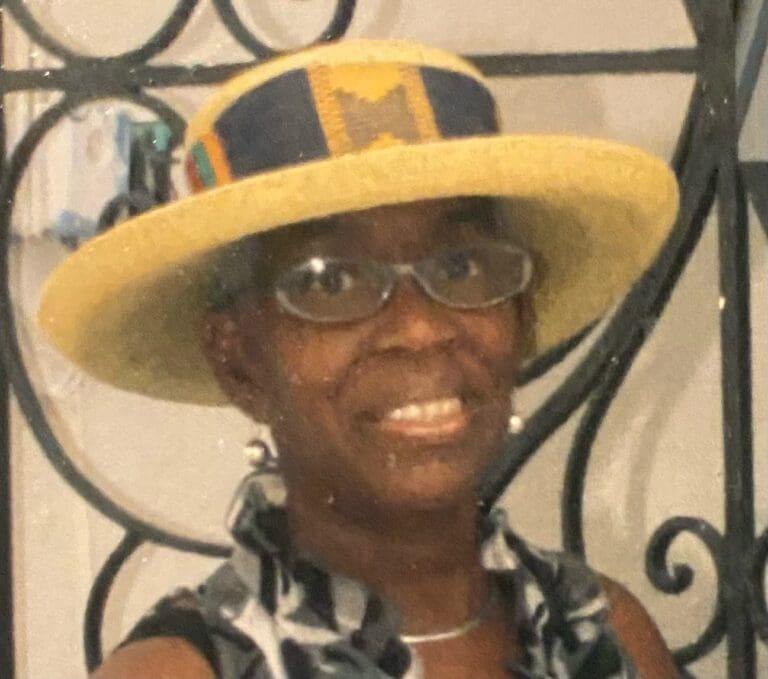

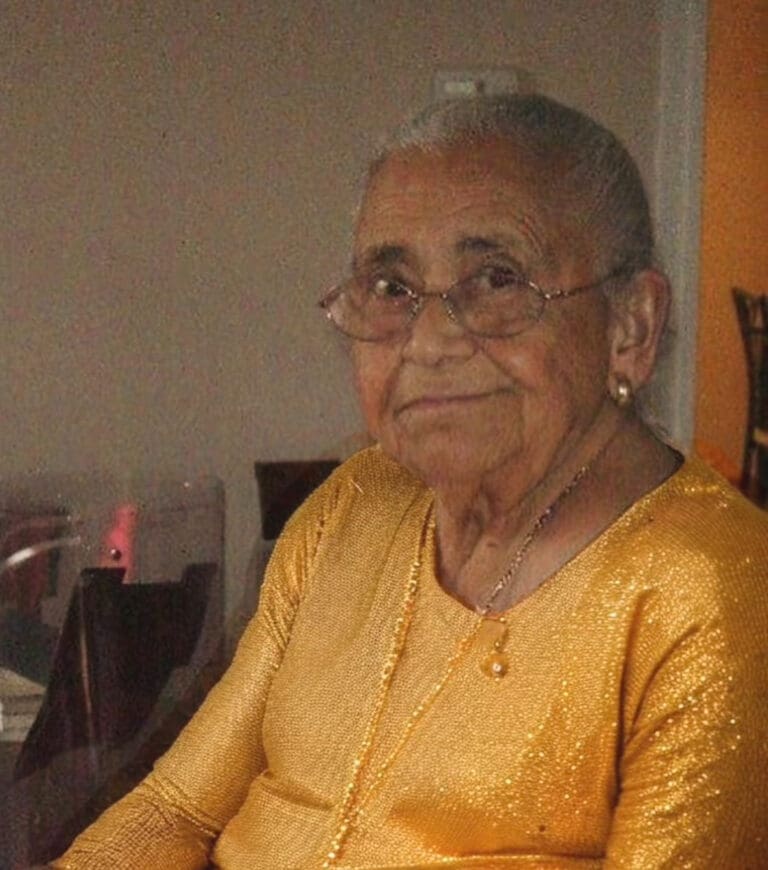
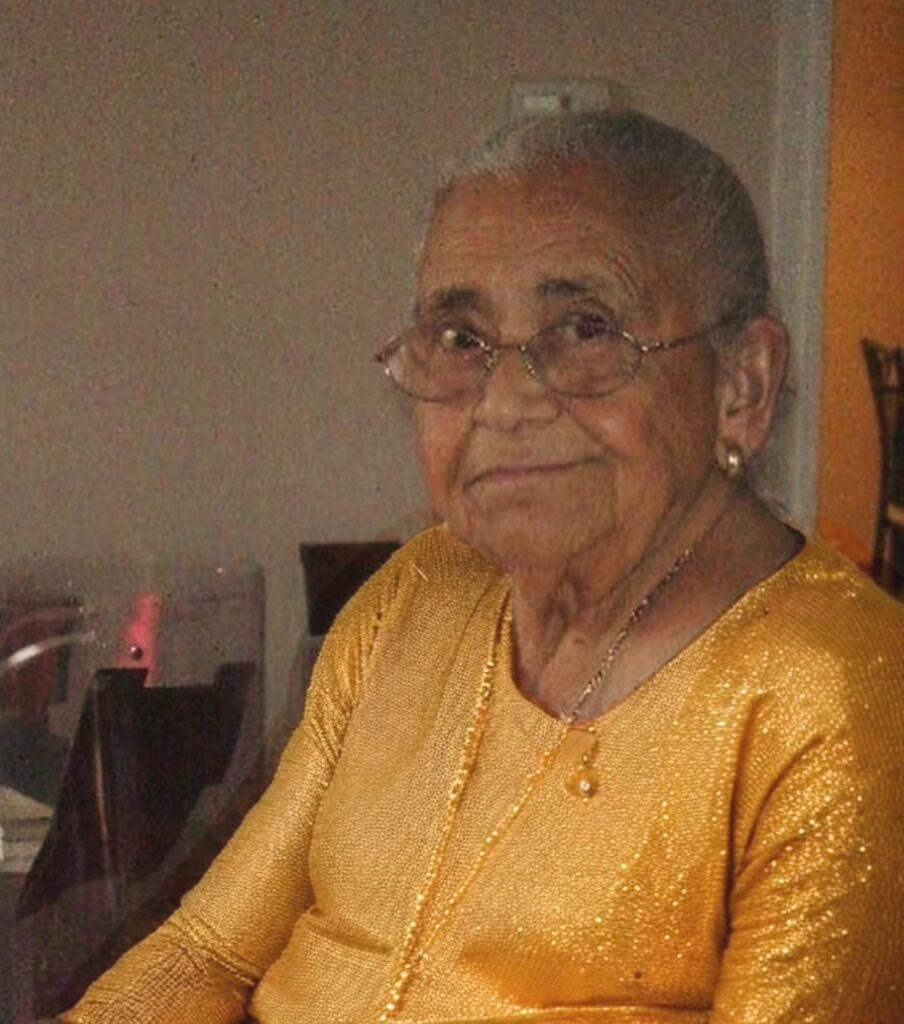 Kimberly Matthew, also recognized as “Kim-Rae,” or “Kim,” was born in the Southeast Cape Township of St. Croix, U.S. Virgin Islands to Bianca Reyes and Reuben Francis of Trinidad and Tobago. She moved to Saint Germain, France, at the age of 12 to live with her grandmother before returning to St. Croix at 16.
Kimberly later settled on St. Thomas, USVI, while attending the University of the Virgin Islands (formerly College of the Virgin Islands) where she resided until her retirement at 50 as lead counsel of Hess and Hovensa Oil Corporation, returning to St. Croix to teach. Kimberly was a member of the Alpha Kappa Alpha Sorority Inc. and a two-time alumna of Columbia University.
Kimberly suffered a cerebrovascular accident on Jan. 2. She later passed away the evening of Jan. 19 surrounded by her loved ones.
Kimberly is survived by her husband, Winston Soweto Matthew Sr.; children: Winston Soweto Matthew Jr., John Matthew, Justin Matthew, Sidnious Matthew, Tiffany Rodriguez and Evelyn Cruz; grandchildren: Carlton Smith, Kevin Smith, Justin Reyes, Andres Reyes, Bianca Matthew, Andrea Matthew and Vanessa Reyes; and siblings: Juan Reyes, Elizabeth Reyes, Evelyn Reyes and Sandra Gottlieb;
She is also survived by sisters-in-law: Alicia Reyes and Sandra Smith; son-in-law, Robert Cruz; nieces and nephews: Kimberly Reyes, Alicia Reyes, Danielle Matthew and Erin Matthew. Kimberly is also survived by her loving great-grandchildren, great nieces and nephews, godchildren, long-time family friends, employees and customers of the Soweto Restaurant, and many other relatives too extensive to mention.
Services will be held at 10 a.m., Jan. 31, at the Cape Methodist Church on the East End.
The family graciously thanks everyone on-island and abroad who continues to express love and show support during the unexpected passing of our beloved Kim-Rae. We wish to extend a special thank you to St. Croix Cancer Specialists and Continuum Care for their services as well as the Winship Cancer Institute for their care over the years. May Kimberly’s soul rest in eternal peace.
Those close to Kimberly may contact Winston S. Matthew Jr. Esq. to submit tributes by 11:59 p.m., Thursday, Jan. 25 or WinstonSMEsq@gmail.com
Kimberly Matthew, also recognized as “Kim-Rae,” or “Kim,” was born in the Southeast Cape Township of St. Croix, U.S. Virgin Islands to Bianca Reyes and Reuben Francis of Trinidad and Tobago. She moved to Saint Germain, France, at the age of 12 to live with her grandmother before returning to St. Croix at 16.
Kimberly later settled on St. Thomas, USVI, while attending the University of the Virgin Islands (formerly College of the Virgin Islands) where she resided until her retirement at 50 as lead counsel of Hess and Hovensa Oil Corporation, returning to St. Croix to teach. Kimberly was a member of the Alpha Kappa Alpha Sorority Inc. and a two-time alumna of Columbia University.
Kimberly suffered a cerebrovascular accident on Jan. 2. She later passed away the evening of Jan. 19 surrounded by her loved ones.
Kimberly is survived by her husband, Winston Soweto Matthew Sr.; children: Winston Soweto Matthew Jr., John Matthew, Justin Matthew, Sidnious Matthew, Tiffany Rodriguez and Evelyn Cruz; grandchildren: Carlton Smith, Kevin Smith, Justin Reyes, Andres Reyes, Bianca Matthew, Andrea Matthew and Vanessa Reyes; and siblings: Juan Reyes, Elizabeth Reyes, Evelyn Reyes and Sandra Gottlieb;
She is also survived by sisters-in-law: Alicia Reyes and Sandra Smith; son-in-law, Robert Cruz; nieces and nephews: Kimberly Reyes, Alicia Reyes, Danielle Matthew and Erin Matthew. Kimberly is also survived by her loving great-grandchildren, great nieces and nephews, godchildren, long-time family friends, employees and customers of the Soweto Restaurant, and many other relatives too extensive to mention.
Services will be held at 10 a.m., Jan. 31, at the Cape Methodist Church on the East End.
The family graciously thanks everyone on-island and abroad who continues to express love and show support during the unexpected passing of our beloved Kim-Rae. We wish to extend a special thank you to St. Croix Cancer Specialists and Continuum Care for their services as well as the Winship Cancer Institute for their care over the years. May Kimberly’s soul rest in eternal peace.
Those close to Kimberly may contact Winston S. Matthew Jr. Esq. to submit tributes by 11:59 p.m., Thursday, Jan. 25 or WinstonSMEsq@gmail.com