


In 2014, I wrote an article on the proposed development of a Coral Bay marina. Today, the controversial plan continues to play out in court, legislative hearings, and through talk on the streets. Recently, we paid homage to our ancestors of the slave revolt of 1733 on St. John. These were enslaved Africans, Maroons, and freedom fighters who lost their lives for we the descendants to be emancipated mentally and physically.
It was 292 years ago when the Maroons (runaway slaves) controlled St. John for about six months. Coral Bay’s Caribbean Sea is the people’s own and should stay in the hands of the people. How can we name our ferry “Spirit of 1733” and not have the spirit to preserve Coral Bay’s marine and terrestrial environment?
The proposed mega marina development in Coral Bay is not compatible with the natural and cultural resources of the area. My article 11 years ago is still relevant today and reads as follows:
I read with interest the EAR (Environmental Assessment Report) of the two proposed marina developments on the Coral Bay waterfront and marine area. Believe me, I was not impressed with the research findings. In my opinion, it was vague with not much scientific research findings of the ecological, cultural, historical, social and marine resources, which will be heavily impacted in years to come by the marina development, as well as the way of life as we know it in the Coral Bay community.
The company, which is Summer’s End Group, LLC, claimed it took them nearly five years of painstaking studies with community input to come up with this grant proposal to boost the economics of St. John. They might have good intentions, but the majority of the people of St. John have spoken loud and clear at the recent public hearing. They don’t want a 145-slip marina dock constructed in the beautiful harbor of Coral Bay. his is a mega development for a small town such as Coral Bay.
The marina development also includes other entities such as restaurants, a Customs and Border Protection office, marina engineering, fish and farmer’s market, apartments, etc. This development also has the potential for large yachts with probably hundreds or thousands of people. The small businesses that are there now at Coral Bay might not be able to compete with this mega marina development. It would be like having Walmart coming into a small American town where many small businesses have gone out of business.
I can understand a small docking facility that enhanced the culture and the surrounding natural environment. Without a doubt, I believe this mega marina development will take away the tranquillity and peacefulness of Coral Bay town, the local culture of St. Johnians, long-term residents and friendly, and caring people of St. John. St. Johnians are already an endangered species. Furthermore, the marina development could impact land taxes, where many native Johnians are already losing and struggling to keep their property.
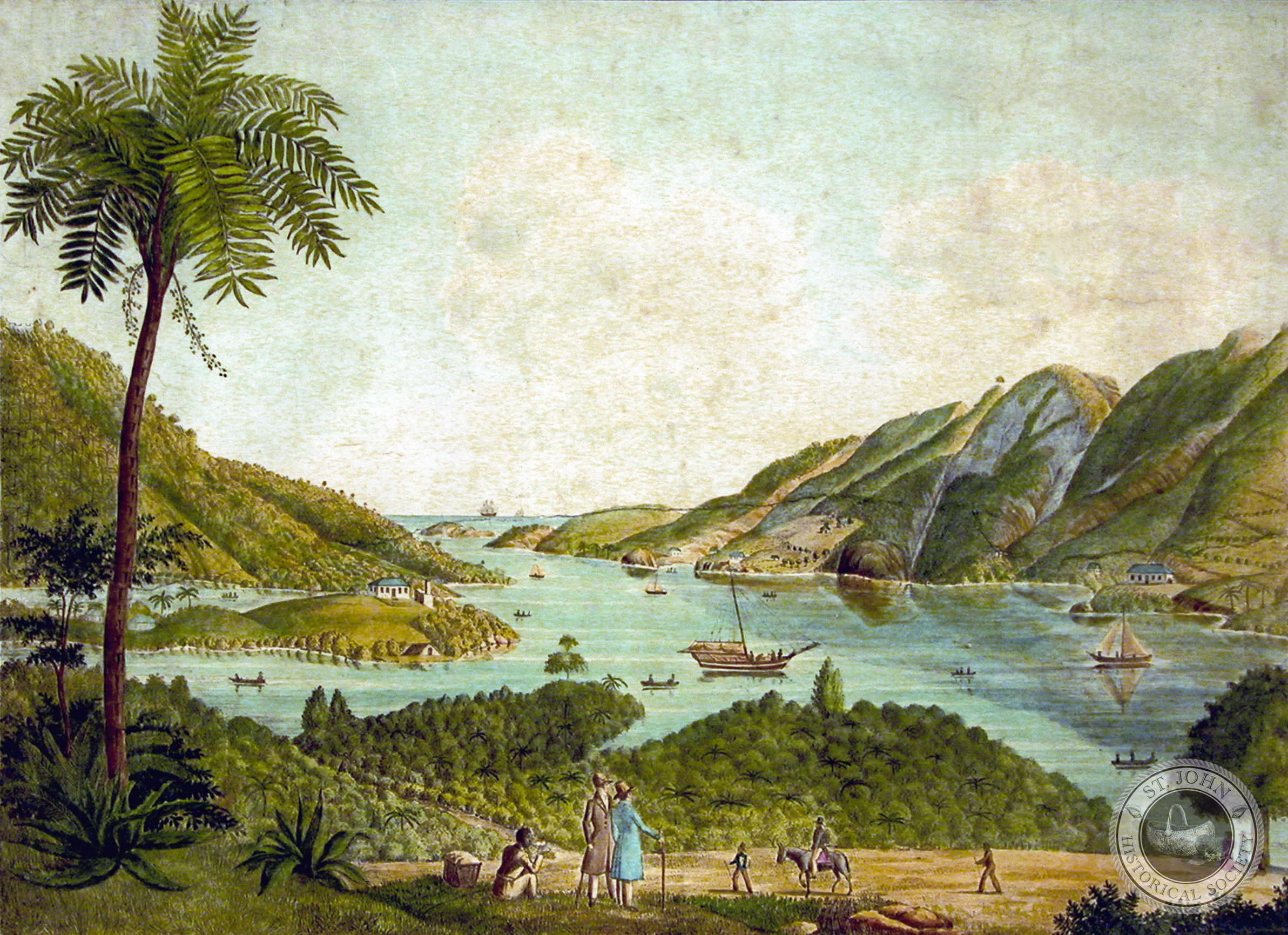
It was at Coral Bay in 1717 or 1718 where the Danish West India Company claimed the island for Denmark. Coral Bay is one of the most beautiful and protected harbors in the Caribbean region. The first Danish settlers built their houses at Coral Bay because of this and the relatively flat land surrounding the bay. Fort Fortsberg was built on top of the hill overlooking Coral Bay harbor to defend the small new Danish colony.
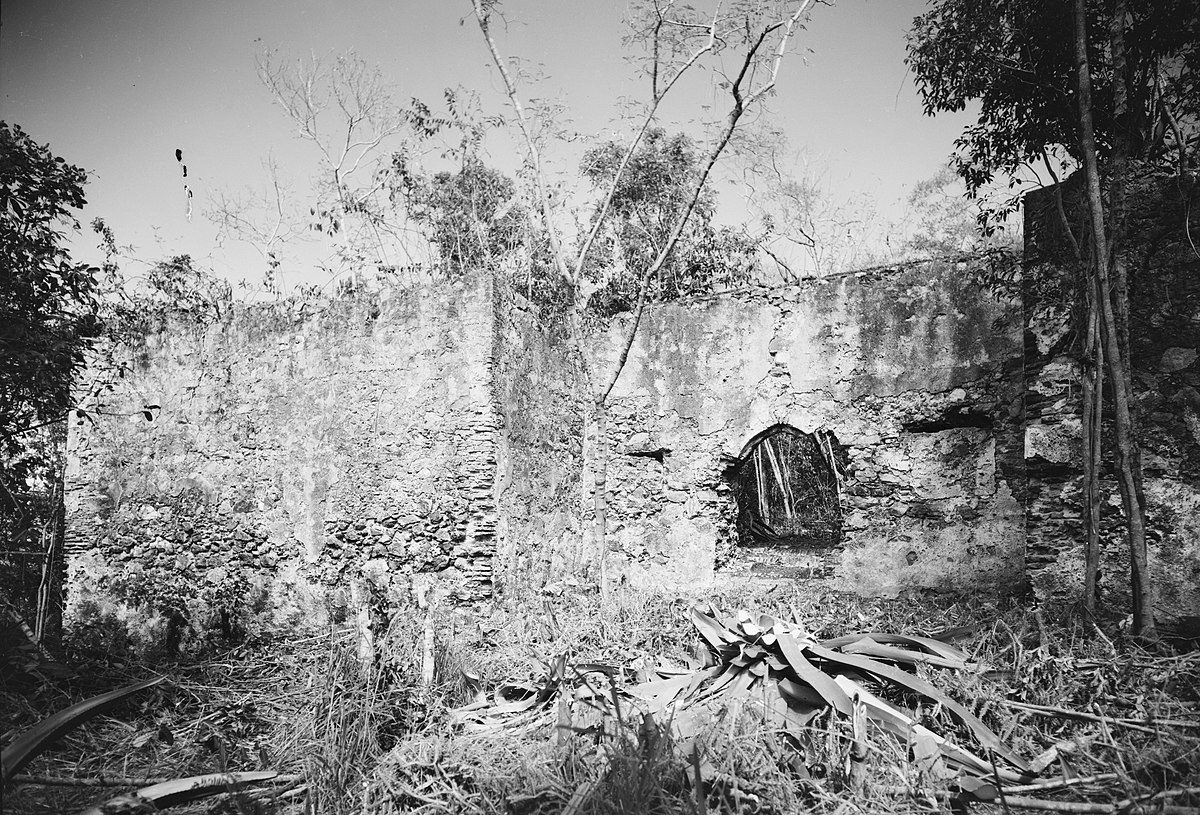
Before the American Revolution, or any other revolution in the Western Hemisphere, the first was in Coral Bay with enslaved Africans. On Nov. 23, 1733, their first strike for freedom took place in Fort Fortsberg with only knives and cutlasses. It was a small group about 14 slaves that changed the history of the Western world. I don’t have space to give a detailed cultural history of Coral Bay. However, I would say that Coral Bay is so significant naturally and culturally that it was designated by the Planning Office in 1979 as an Area of Particular Concern (APC) after comments from the people of St. John.
Thus, Coral Bay area is one of 18 APC’s in the Virgin Islands. The mandate to set aside land in the Virgin Islands as Areas of Particular Concern and create management policies to protect them, originated in the National Coastal Zone Act. The guiding principle of this Act was to provide ”… procedures whereby specific areas may be designated for the purpose of preserving or restoring them for their conservation, recreational, ecological, or aesthetic values.”
The Coastal Land Use Plan also provides for the designation and preservation of APC’s through the office of the commissioner of Planning and Natural Resources and the Virgin Islands Coastal Zone Management Commission. The designation of the 18 APCs was completed. In 1993, the late Gov. Alexander A. Farrelly signed the APC’s into law. However, to this day the management plans for APC’s are still pending. Those in political positions within our government, especially in the CZM commission, tend to ignore scientific findings and cultural or sensitive biological areas when they have to make a decision on projects.
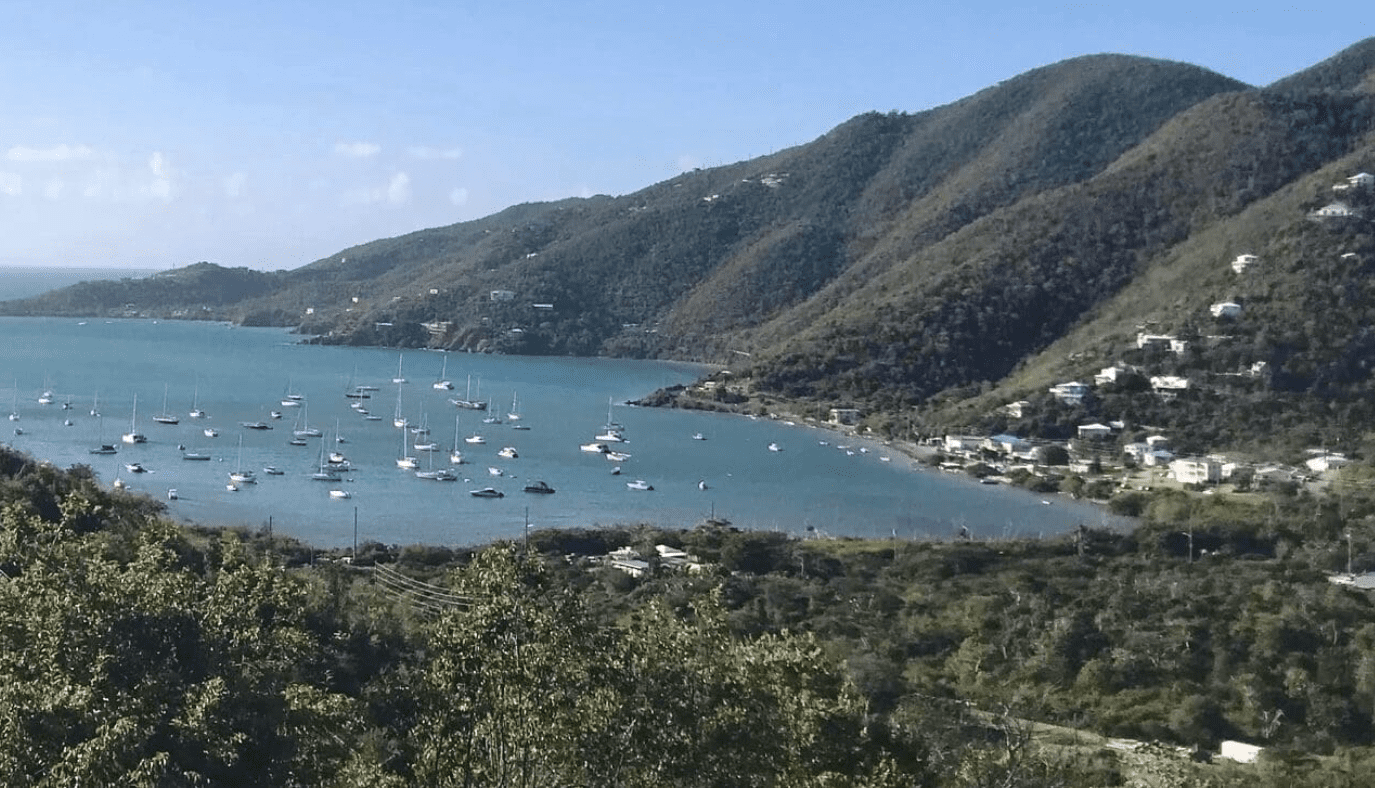
Escardo)
Coral Bay is a cultural area that contains sites of historical significance. In 1977, scientists, historians, and others in various fields of expertise that worked under the late Gov. Cyril E. King administration recognized that Lagoon Point and Coral Bay have a well-developed fringing reef ecosystem, an inner shallow lagoon with sea grass beds, a red mangrove stand and a salt pond that should be part of the Virgin Islands Territorial Park System.
For this reason and others Coral Bay became an APC. In 1993, Joan Harrigan-Farrelly, our first lady in the Farrelly administration, was then manager of DPNR’s Office of Coastal Zone Management. In a memorandum she said, “To bring to the attention of the community, what has become a growing concern of this agency, namely the impact of hillside and upper coastline development on our environment and particularly on our natural coastal resources, and the need to institute measures for countering the negative impacts.”
The negative impact on Coral Bay is social, cultural, environmental and, in the long run, on the community. Native St. Johnians and long-term residents, namely white continentals, are concerned about attitudes of outsider developers. To be frank, one St. Johnian told me that many newcomers have the attitude that St. John is their American paradise. Therefore, the wealthy mixed with local politicians and “money talk,” as it did when Judas Iscariot sold Christ for 30 pieces of silver, then later regretted it.
Today, many residents believe that our government is corrupt. As the majority of St. Johnians say “no” to the mega marina development in Coral Bay, government officials should listen carefully and look out for the best interest of the people. Don’t let the love of money corrupt you.
— Olasee Davis is a bush professor who lectures and writes about the culture, history, ecology and environment of the Virgin Islands when he is not leading hiking tours of the wild places and spaces of St. Croix and beyond.
Editor’s Note: Opinion articles do not represent the views of the Virgin Islands Source newsroom and are the sole expressed opinion of the writer. Submissions can be made to visource@gmail.com.