Financial officials in the U.S. Virgin Islands are proposing a $958.2 million General Fund budget for fiscal year 2027 while reporting tight short‑term liquidity, tens of millions of dollars in unpaid bills and continued reliance on federal disaster recovery funding.
Appearing Monday before the Senate Budget, Appropriations and Finance Committee, administration officials said the proposed General Fund plan for FY 2027 is up from about $848.8 million projected for FY 2026.
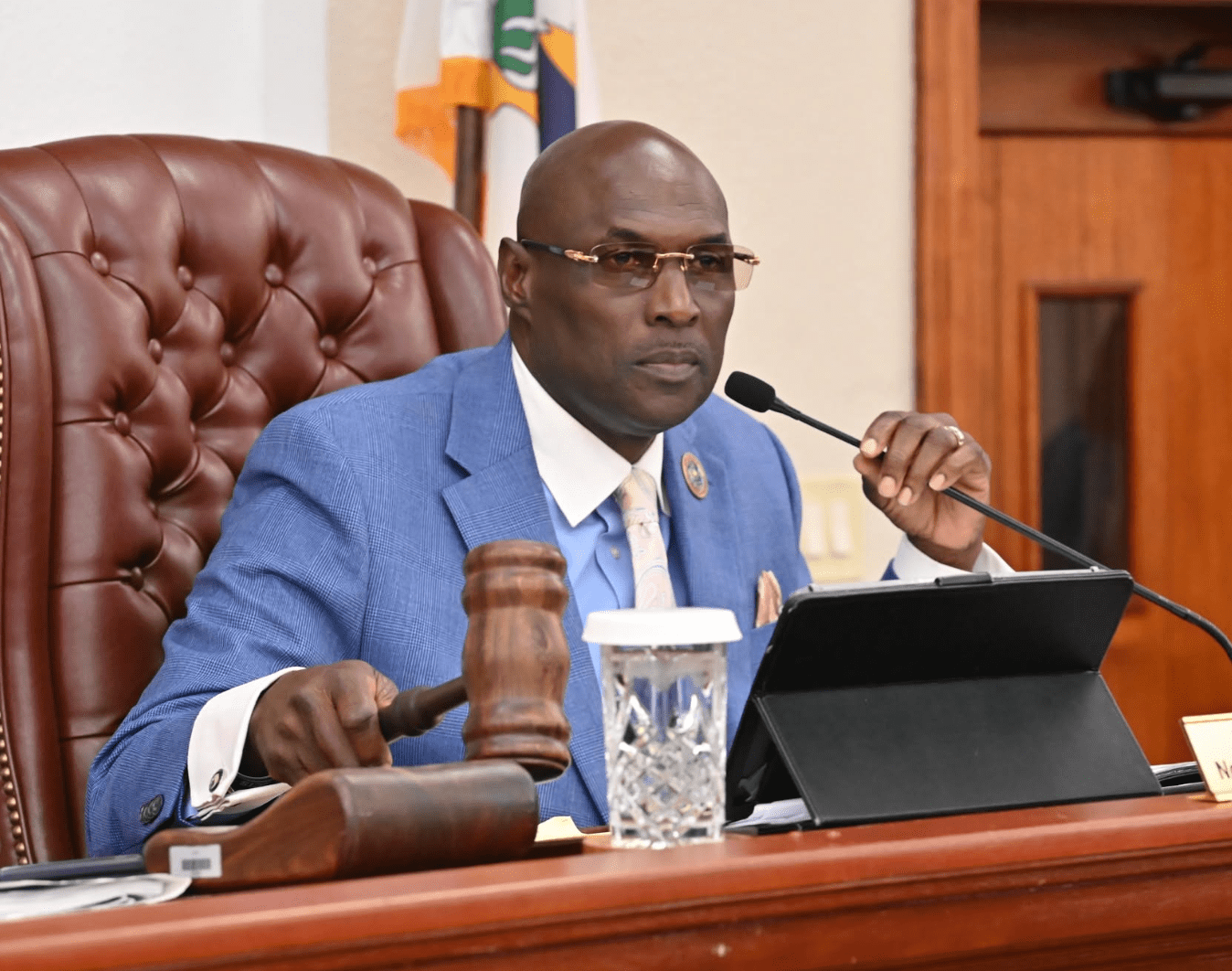
Office of Management and Budget Director Julio A. Rhymer Sr. said the proposal prioritizes investments in infrastructure, recreation and housing and is focused on “building stronger, more resilient communities.” Asked by Chairman Sen. Novelle E. Francis Jr. to sum up the budget in one word, Rhymer replied: “Sustainable.”
Finance Commissioner Kevin McCurdy told senators the government faces significant liquidity pressure, with $40 million to $45 million in accounts payable. Asked how much cash the government currently holds, he replied, “Thirteen days, $53 million”

The administration also acknowledged it has been paying down large volumes of past‑due obligations. Rhymer said more than $100 million has already been spent this fiscal year covering prior‑year bills that had not been properly recorded or submitted.
To manage the cash strain, Rhymer said the administration has reduced current‑year allotments, cutting larger agencies by roughly 12% to 15% and smaller departments by about 6% to 7%.
“The central government as a whole … will be perfectly fine, but because we have instrumentalities that cannot support themselves, it’s creating a little bit of havoc on the central government’s front, because we can’t pay our bills,” he said.
On overall revenue performance, Bureau of Internal Revenue Director Joel Lee said collections through May totaled about $610 million, roughly $14 million higher than the same period last year.
Lee also warned of pressure on the tax base from the departure of two high-income residents. “Two major taxpayers have left the territory to move to the states,” he said. “Both of them combined, probably about 30 to 35 to 40 million” in individual income tax.
Property tax collections raised concern among senators. Rhymer said the government budgeted about $62 million in property tax revenue for FY 2026 but expects a shortfall of roughly $5 million, calling for reassessments and more aggressive collection efforts.
Tax Assessor Ludence Romney said the total assessed value of real property in the territory rose from about $15.3 billion to $16.3 billion in the past year after staff discovered homes built on parcels previously listed as vacant land. He also said delinquent property taxes total about $110 million and are expected to increase as additional bills become overdue.
Tax amnesty programs also drew criticism. Rhymer said they reduce long-term revenue by eliminating penalties and interest, while Lee said a recent amnesty generated about $6 million in payments but required the government to waive roughly $11 million in penalties and interest.
Despite those pressures, officials said the territory’s economy is being buoyed by large-scale federal disaster recovery spending. Rhymer testified that total federal grants projected to be available to the territory amount to about $20.65 billion in fiscal 2026 and $20.59 billion in FY 2027. He told senators those levels are expected to decline over time, saying that by around 2033 to 2035, federal grants should return to a “normalized” range of $600 million to $700 million a year.
For FY 2027 alone, the Office of Disaster Recovery anticipates about $733.9 million in disaster recovery spending, which Rhymer said is expected to generate roughly $36.7 million in local revenue tied to gross receipts and related taxes. ODR Director Adrienne Williams-Octalien reported that more than $302 million had already been spent through May on recovery projects in the current year.
Chief Negotiator Joss Springette said about 21 union contracts have expired. He testified that talks were “temporarily paused” during implementation of a new $35,000 minimum salary but have since resumed. Officials from the Division of Personnel said those salary adjustments are nearly complete, with only 10 employees still being processed.
Lawmakers plan to continue budget hearings with individual departments and agencies in the coming weeks before drafting final appropriations legislation for consideration by the full Legislature later this year.