
Victorino Cruz Jr. Dies at 86

0

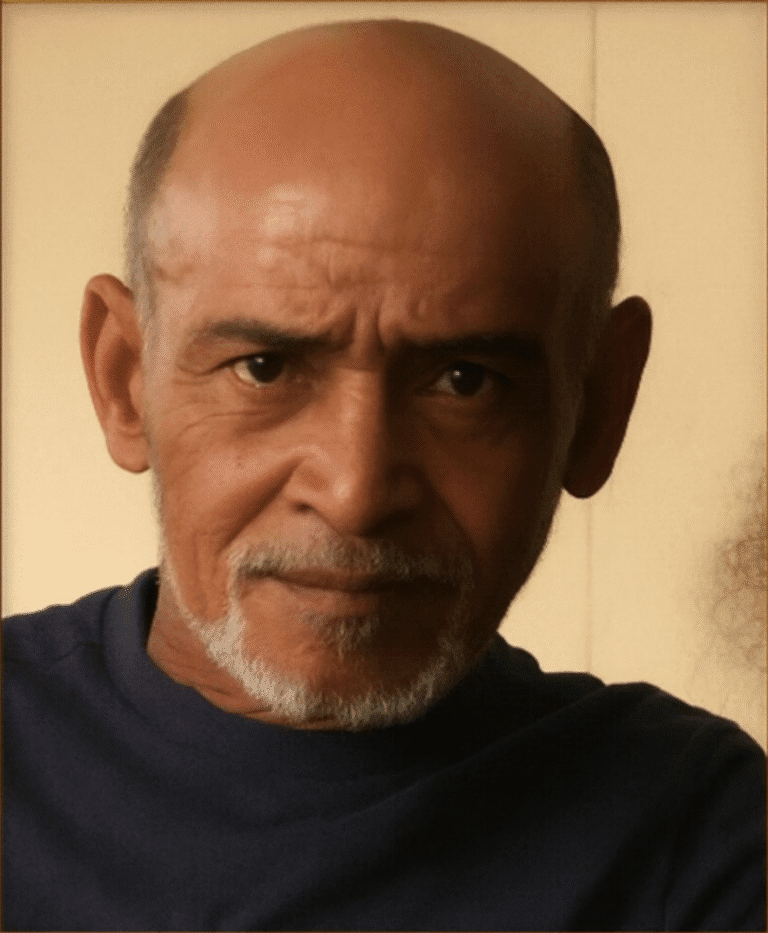
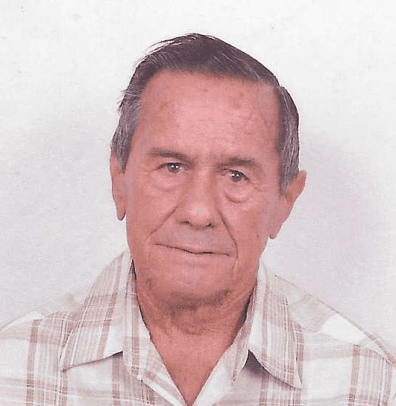
Victorino Cruz Jr. of Estate La Grande Princesse transitioned into eternal life on Nov. 25, 2025. He was 86 years old.
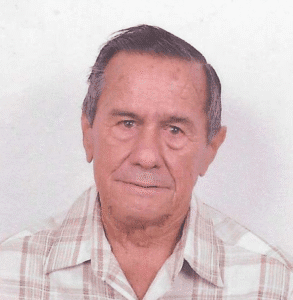
Victorino Cruz Jr.

He is survived by his wife, America Cruz; Daughters, Lilliana Cruz, Milagros Cruz and Marangeli C. Hendricks; Sons, Tony Cruz and Luis Cruz, Sr.; Grandchildren, Shenae Cruz, Sherese Cruz, Shamira Santiago, Luis Cruz Jr., Ivyliss Davis, Gindra Medrano, Tony Hendricks III and Thalia Hendricks; Great Grandchildren, Shyla Osorio, Jaden Perinon, Kyliz Osorio, Isai Osorio, Naevia Perinon, Xaida Hodge, Tiyanna Chambers, Maliyah and Makayla Blakeney, Isabella and Isaias Santiago; Sisters, Anita Romero, Gloria Cruz, Hilda Cruz, Bedelia Cruz and Nivia Casas; Brothers, Felix Cruz, Nelson Cruz, Guillermo Cruz; Nieces, Kemba Martin, Sandra and Rebecca Belardo, Tahena Morton, Shanda Ramnarine, Jacqueline Cherubin-Rosa; Nephews, Alan Cruz, Joseph Lindquist, Esperanza, Victorino and Jesus Saldana, Ricardo Belardo, Franz Christian Jr.; Daughters-In-Law, Janice O’Reilly; Sons-In-Law, Albert Fitzgerald, Tony Hendricks Jr.; Brothers-In-Law, Gil Belardo Jr., Wilfredo Belardo, Jesus  Belardo, Cruz M. Belardo, Franz Christian Sr., Humberto O’Neal; Sisters-In-Law, Carmen Belardo Santillan, Monseratte Valentine, Elena Quezada, Lilliana Belardo de O’Neal, Paulina Santiago, Sonia Belardo, Ana Iris Belardo and Yvonne Belardo; Special Friends, Michelle Martinez, Nichelle Canegata, Henry Springer, Wilbur Joseph Jr., Ruben Sergent, Michael Williams and Markie Perinon. Numerous nieces, nephews, other relatives and friends too numerous to mention.

Funeral services will be held on Monday, Dec. 8 at James Memorial Chapel. Viewing will begin at 10 a.m. with service at 11 a.m. Interment will follow at Kingshill Cemetery.

Professional services are entrusted to James Memorial Funeral Home, Inc.
Carol Sylvester Dies

0
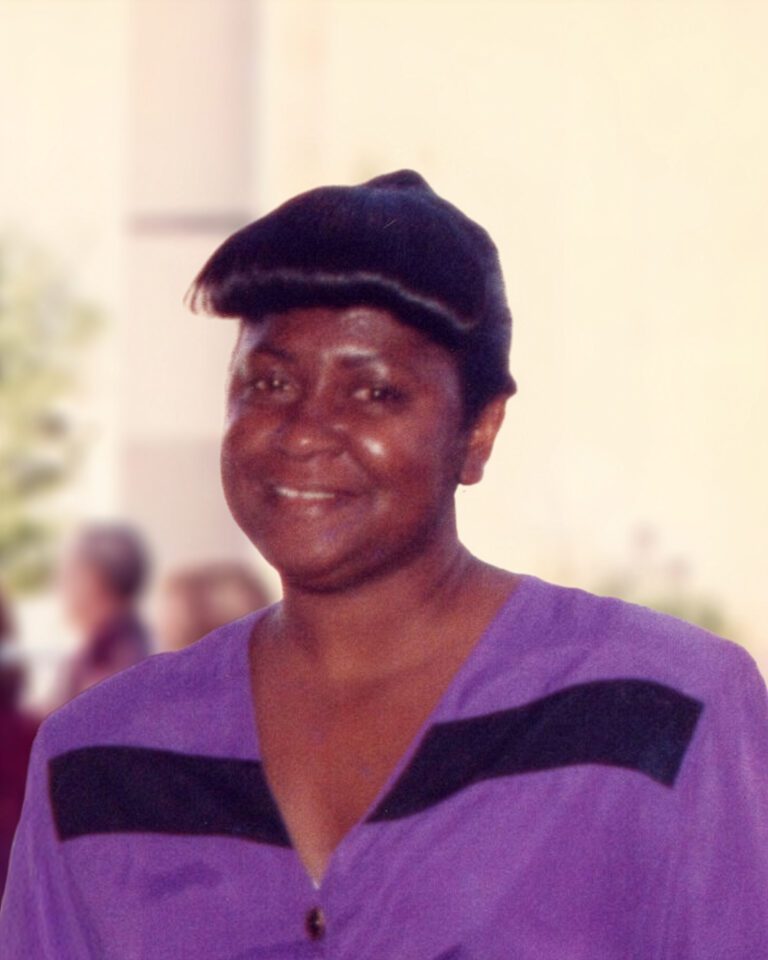
Family and friends are advised of the passing of Carol Sylvester on Oct. 20, 2025.
Carol Sylvester

Carol was preceded in death by her father, Alfredo Rafael (Freddy) Sylvester Sr., sister, Jerilyn M. Sylvester, and brother, Keith L. Sylvester

She is survived by her son, Cory Abramsen, mother, Gloria Downing Davis; sister, Stephanie Sylvester-Fahie; brothers Alfredo Jr., Richard, and Luis Sylvester; brother-in-law Lowell Fahie; sister-in-law Denise George; aunts Elise Downing, Renelda Jefferson, Addelita Castro, Thelma Creque, and Melva Downing; uncles Carl William Downing, Recaldo Creque, and Ronald Castro; nephew, Adrián Fahie; and nieces Faith Fahie-Porras and Nia Sylvester.

The following individuals are listed as first cousins: Mary Alexis Rhymer, Janice A. Jeppesen, Carmen England-Terry, Recaldo Dessout, Julien Dessout, Roxanne Downing-Lettsome, Radmur Downing, Raquel Downing-Benjamin, Lisa Swan, Leon Swan, Laura Rouse, Dr. Simone O. Heyliger, Patricia Rosado, Stephen Daniel, Tracy Francis-Oliver, and Courtney Francis.

There are many surviving relatives, including members of the Sylvester, Jennings, Barry, and Downing families. There will be no viewing of the body. A memorial service is scheduled for Saturday, Dec. 13 from 10 a.m. to 11 a.m. at Blyden Church. Funeral Arrangement by Turnbull’s Funeral Home and Crematory Services

Alson Sylvester Henry Sr. Dies

0
Relatives and friends are advised of the passing of Alson Sylvester Henry, Sr.  affectionally known as “Bunchin,” “Jackspania,” or “Sleepy,” who died on Nov. 23, 2025. 
Alson Sylvester Henry, Sr
The first viewing will be on Friday Dec. 12 from 4 p.m. to 6 p.m. at the Turnbull’s Funeral Home.   Second viewing will be on Sunday, Dec. 14 from 9 a.m. to 10 a.m. at the Shiloh Seventh-Day Adventist Church with services at 10 a.m.   Burial will be at Eastern Cemetery.   Buchin  was preceded in death by his  father Leslie Henry, and his nephew Jackeel Henry.   Buchin was survived by his mother, Wilma Henry, daughters Patrice Henry and Ashlee Henry; his son Alson Henry, Jr  and Austin Henry.; his brothers Elston, Julio, Sr., Leroy, Sr. and Vere Henry; his sisters Jacqueline & Debbie Henry; his grandson Akili Martin; his granddaughter Dream Lewis; his nieces Keshawna Henry, Leshae Henry, Lecajae Henry, Micah-Hazell, Carmella Crawl, Evelyn Callendar, Melissa Bernard, Alexis Henry, Chavonne McLeod, and Shantae Henry; his nephews Leroy Henry Jr., LeSean Henry, Julio Henry, Jr. Julian Henry and Jericho Henry; his goddaughter C’Aylah Charleswell; special friends Laurent “Pookie” Lake, Debra & Gilbert David & Family, Gail Blackwood, Kim Steele, Verne, Calvert “Wacko” Charleswell, Pedrito Lanclos, Jacqueline “Jackie” Bell, Carlos Ramos, Kenneth Camacho, Fifi, Darryl Lewis, Jr., Napoleon Shilow,Mano Monsanto, Patricia Botherson, Sandra Garnette, Robert Leonard, Chiwawa, Sinada Hendrickson, Laverne Wesselholft, Brain Roberts, Joseph Sibilly, Sr., Oheam Freeman,  Williams Caban and the CAHS Class of 1978. Many other relatives and friends too numerous to mention.

Lorrie Gloria Rodgers-Chelcher Dies

0

Lorrie Gloria Rodgers-Chelcher a.k.a. “Lil Tub” of Estate Mon BiJou transitioned into eternal life on Nov. 6, 2025.

Lorrie Gloria Rodgers-Chelcher

She was preceded in death by her Mother, Lillian Maria Rodgers Sheriff; Father, Alsymo Andrews; Great Grandchild, Le’Nyra Mintas; Aunt, Clothilda Lolita Pryce; Uncle, Daniel Dailey.

She is survived by her daughters, Yvonne Kiture, Jenny Chelcher, Laurika Tuitt, Hygina Rene, Shinika Chelcher and Latoya Chelcher; Sons, Jermaine Isles, Jahmal Chelcher and Akeem Stevens; Grandchildren, Josiah, Jahreed and Jelyas Isles, Se’Jadah and Shamir Greenidge, Dewayne Jr., Lillian, Wayne, ,Maliyah & Jayden Hendricks, Jenisha Chelcher, Jahkisma Allick, Ja’Liah, Ja’Herah, Ja’Myah, Jahmarie, Kmani, Genuine, Shayniah and Kenai Chelcher, Le’Nijah Liburd Armando & Armani Cruz, Eric Dariah, Manassa Rene, Martin Isidore, Mickey Isidore; Great Grandchild, Issac Mendez; Sisters, Patricia Andrews-Liburd, Ethanie Didier, Riavelette Gerard-Gabriel, Maxine Sheriff; Brothers, Anthony Sheriff, Kurt Sheriff, Bernard Sheriff; Nieces, Nevilla and Tiffany Liburd, Sacha Ferrance, Aisha Issac, Ukeya Lockhart, Renair Andrews, Laurissa and Loursa Knight, Rekeya Eddy, D’Shawna Gabriel, Karema, Kiana, Shalima, Leniqua, Brianna, Mekiah, Nadaisha, Reneice and A’maya Sheriff; Nephews, Ronald James , Maurice & Leon Liburd, Wilfred, Roland & Shevron Issac, Urijah Lockhart, Shawn Gabriel, Bryan Felix, Dennis, Kund & Aaron Knight, Keyshawn & Kmari Silcott, Kimoy, Bernard Jr., Bernardo, TeQuan, Teshawn, Rondre & Zaire Sheriff; Great Nieces, Trinity, Tahajah and Roesheyah James, Aaliyah Ferrance; Great Nephew, Ronald James II, Shan Quan Ferrance; Aunts, Aldora Fleming, Maria Hilaire; Uncle, William Archer; Daughter-In-Law, Trisha Fields; Son-In-Law, Charles Greenidge, Armando Cruz; Brothers-In-Law, Michael Didier, Shawn Gabriel, Benedict Chelcher, John Chelcher; Sisters-In-Law, Pearlette Sheriff, Janelle Sheriff; Godchildren, Gianna Joseph, Alicia Thomas, Simona O’Garro, Kianna Poole, A’hijah Merchant, A’Jahnai Merchant; Special Friends, Janice Roberts, Yvonne Andrews, Janet O’Garro, Anette Hendricks, McIntosh Family, Donna Thomas, Ethel Joseph, Trisha Fields, Albertha Andrews, Wanay Joseph, Eileen Matthews, Tinisha Charlery, Maxine Scott, Angie Yarwood, Wilfred Tuitt, Sherina Merchant, Chivonne Chamble, Stapleton Family, Acoy Family, Delgado Family, Julieen Willock, Roycott Davis, Perla Sheriff; Cousin and Other Relatives, Sandra Rodgers, Doris Sutton, Frances, Sanida, Cyd, Shevon and Malcolm Pryce, Alfred, Byron, Alfredo, Bogles, Fanny, Andrews, Dorette Roberts, Lucia & Michael Queeley, Pryce Family, Serrano Family, Gaspard/Williams Family, Vynisha Charles, Beverly Russell, Renee Russell, Albert Gaspard Jr.,  Valerio Russell, Takiyah Santos, Menders Family, Rodgers Family , Anthony Family. Other relatives and friends too numerous to mention.

Funeral services will be held on Friday, Dec. 5 at Way of the Cross Baptist Church. Viewing will begin at 9 a.m. with service at 10 a.m. Interment will follow at Kingshill Cemetery.

Professional services are entrusted to James Memorial Funeral Home, Inc.
Boise State Wins Inaugural Harbor Division Championship: Next Match at 1 p.m. Saturday

0

The third quarter defined all four games played on the opening day of the 2025 Paradise Jam Women’s Tournament at the University of the Virgin Islands’ Elridge Blake Sports and Fitness Center.

Harbor Division Tournament

Boise State Team Picture after winning the 2025 Paradise Jam Women’s Tournament Harbor Division Championship. (Source photo by Mark J. Daniel)

Championship Game – Boise State University 81 – Tulane University 76 The Broncos of Boise State calmed the Green Wave of Tulane University in the inaugural Harbor Division Championship Game 81-76. The Broncos were 19 points down going into the fourth quarter. But the Tulane wasn’t riding out in the sunset quietly, trailing by 17 with 6:17 left on the game clock, Amira Mabry drained a three-point shot.   Mecailin Marshall and Kanija Daniel also made clutch three-pointers with under two minutes to go in the game to bring the Green Wave to within three. That’s as close as the Green Wave got as they did not make another basket for the remainder of the game. The Broncos won the game 81-76.

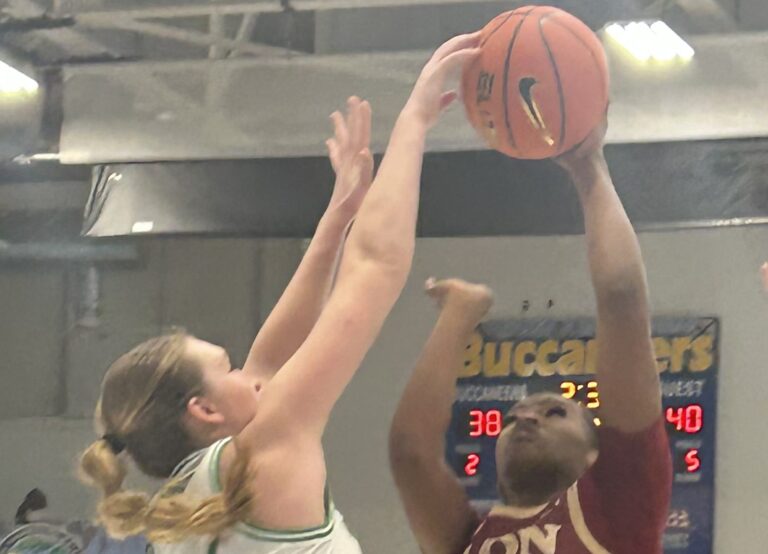
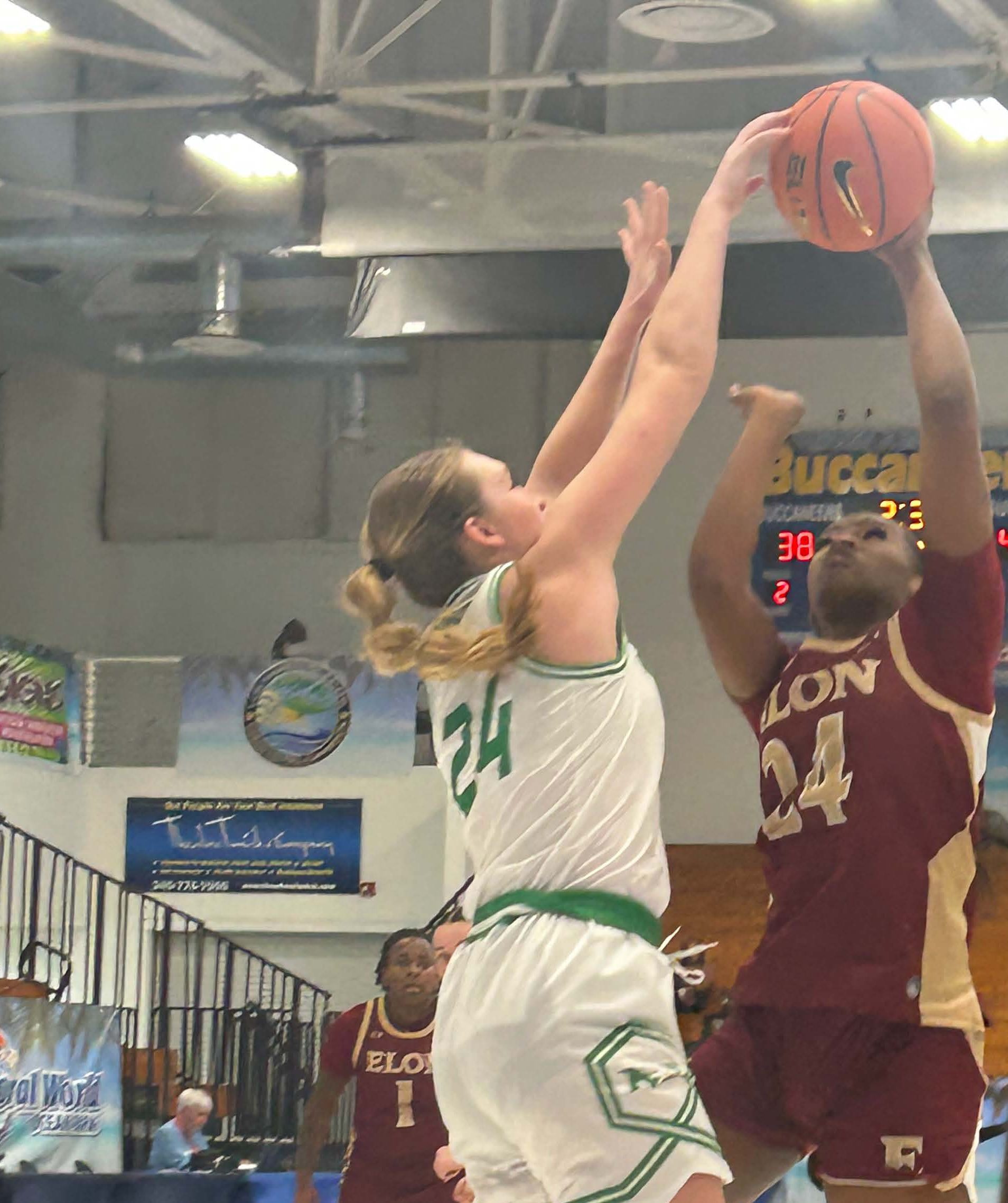
Walker Demers, #24 in white, blocks Tamia Watkins, #24 in Maroon, in the Elon vs North Dakota game at the 2025 Paradise Jam Women’s Tournament. (Source photo by Mark J. Daniel)

Third Place Game – Elon University 65 – University of North Dakota 57 The Elon University Phoenix used a balanced attack to take the fight out of the North Dakota Fighting Hawks, 65-57. Tamia Watkins was the top scorer for Elon with 11 points, and Maraja Pass added nine points. Elon had three other players who finished with eight points each. Mackenzie Hughes played well, scoring 17 points for the Fighting Hawks. Her teammate, Walker Demers, recorded 14 points and 12 rebounds. Elon finished third in the Harbor Division.

Individual Awards for Harbor Division Tatum Thompson – Boise State University – Tournament MVP Dani Bayes – Boise State University Mackenzie Hughes – University of North Dakota Tyana Walker – Elon University MeCailin Marshall – Tulane University

Reef Division Tournament

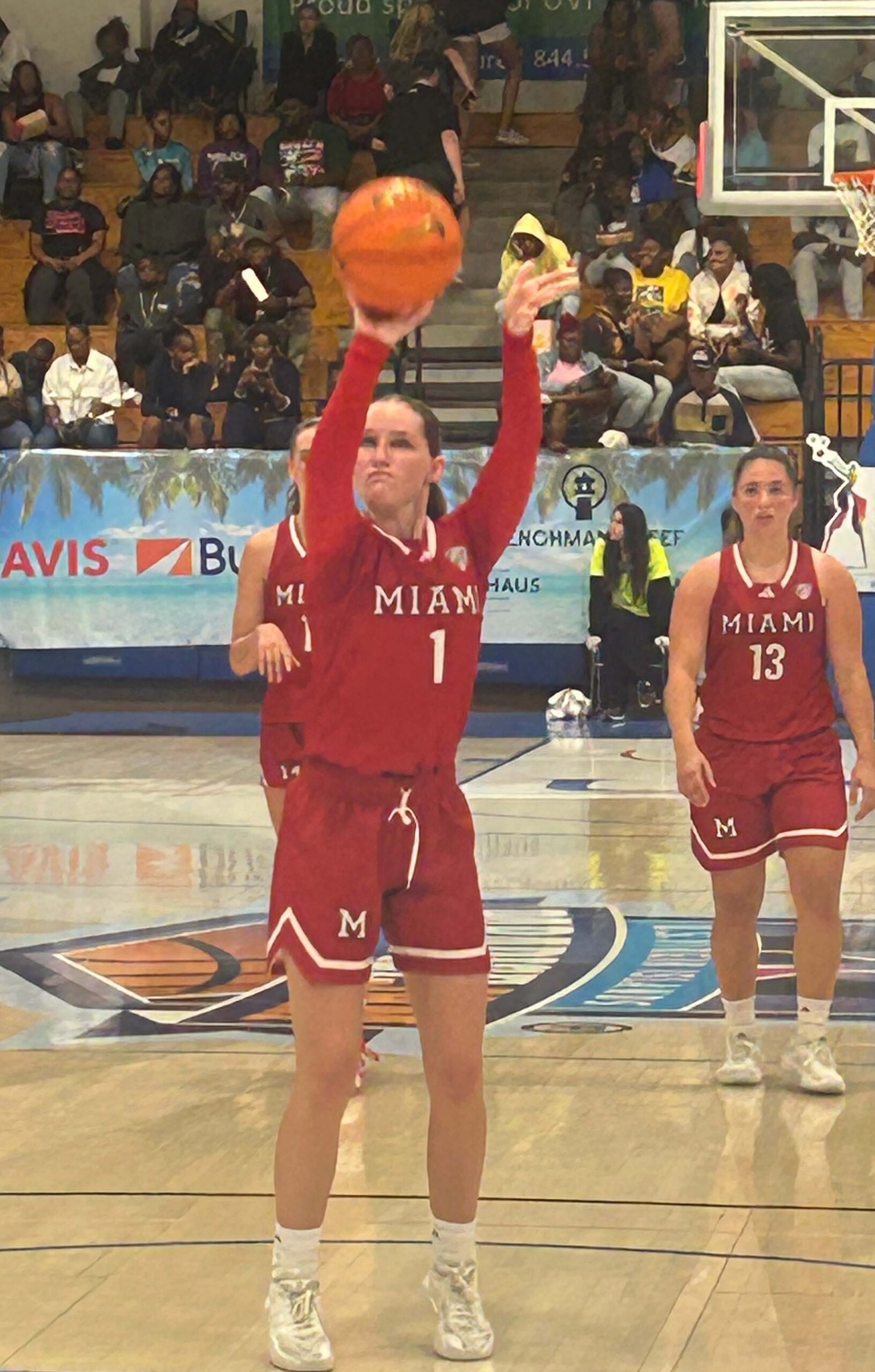
Miami (OH) #1 Amber Scalia, shoots a free throw in the Miami (OH) vs Washington State Game at the 2025 Paradise Jam Women’s Tournament (Source photo by Mark J. Daniel)

GAME 7 – Washington State 71 – Miami (OH) 67 The Washington State Cougars earned their first win of the season as they clipped the wings of the Miami University RedHawks 71-67. Amber Tretter of Miami did all that she could, scoring 13 points and snagging 15 rebounds. Ilse de Vries was the RedHawks’ top offensive option with 18 points. The Cougars were led by 25 points from Eleonora Villa and Charlotte Abraham with 18 points. Washington State’s reward for winning their first game of the season is a date with the LSU Tigers, currently ranked #5 in the country.

GAME 8 – LSU 113 – Marist 53 The Louisiana State University Tigers came into this game with a 6-0 record, scoring over 100 points in all six of those games. Marist University Red Foxes (2-4) were next in line on the Tigers’ schedule, and they continued their dominant ways, winning the game 113 – 53. The Tigers pounced on the Foxes from the opening tip, their full-court press forcing 28 turnovers.  Everyone on the LSU roster scored, and all but one recorded at least one steal. LSU had seven players score in double figures, and two, Katie Koval and Amiyer Joyner, registered double-doubles. Koval scored 17 and snatched 10 rebounds, while Joyner made 16 and also collected 10 boards. Justine Henry was the top performer for the Red Foxes with 21 points and eight rebounds.

The tournament continues on Saturday, Nov. 29.

Island Division Vanderbilt University vs. Brigham Young University – 1 p.m. Oregon State University vs Virginia Tech University – 3:30 p.m.

Reef Division Miami (OH) University vs Marist University – 6 p.m. Washington State vs LSU – 8:30 p.m.

Angel Luis Rivera Dies

0

Angel Luis Rivera a.k.a. “Cuncun” of Herbert Grigg Home for the Aged, transitioned into eternal life on Nov. 24, 2025.

Angel Luis Rivera

He was preceded in death by his mother, Justina Martinez; Father, Segundo Rivera; Daughter, Carmen Rivera; Sister, Carmen Camacho.

He is survived by the mother of his children, Nimya Saldaña; Daughters, Maria Rosa, Rosa Estien, Katiria Lebrun; Sons, Angel Luis Rivera Jr., Julio Angel Rivera, Luis Alberto Rivera; Grandchildren, Nimya Rosa, Vicente Rosa Jr., Pedro Juan Estien Jr., Lilliana Rivera, Angel Luis Rivera Jr., Philippe Lebrun Jr., Mayra Rivera, Katy Rivera, Venicia Lebrun, Aiden Rivera, Noel Rivera; Great Grandchildren, Isaiah Rosa, Max Rosa, Rafael Martinez, Jayden Rosa, Ariely Rosa, Analis Navarro, Billy Navarro, Aniyah Rivera, Anjali Maharaj; Brothers, Eduardito Rivera; Nieces, Yireimy Guzman; Nephews, Efrian Camacho Jr., Gilberto Camacho, Julio Camacho, Michael Guzman; Daughters-In-Law, Omaira Rivera; Sons-In-Law, Pedro Estien Sr., Philippe Lebrun, Vicente Rosa; Sisters-In-Law, Esther Guzman de Rivera; Cousin and Other Relatives, Marcelina Saldaña, Melvin Saldaña, Edwin Saldaña, Magorie Dore, Milagro Soto, Leonaldo Saldaña Jr., Luis Saldaña, Maria Saldaña. Other relatives and friends too numerous to mention.

The family of Angel Luis Rivera feels incredibly blessed to be surrounded by so many friends and family during this very sad and stressful time. Our entire family cannot thank Herbert Grigg staff enough for taking care of him and Pastor Hector Gonzalez and family and friends for their support and prayers.

Funeral service will be held on Tuesday, Dec. 9 at Iglesia H.U.E.C. Zion. Viewing will begin at 9 a.m. with service at 10 a.m. Interment will follow at Frederiksted Cemetery.

Professional services are entrusted to James Memorial Funeral Home, Inc.
Teen Time Game Nights Offer Fun and Educational 

0
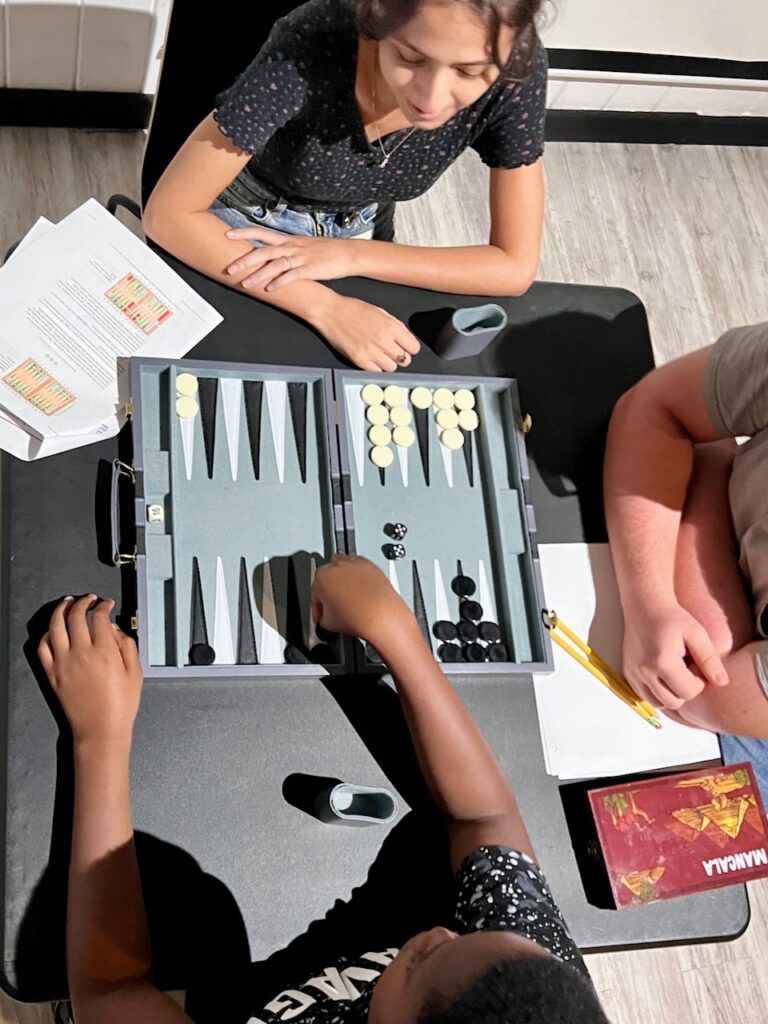
Teen Time at the Virgin Islands Children’s Museum is excited to announce its upcoming game night event for teens and their caregivers. Teen Time provides a designated space for teens to explore, play, and discover together with their families and peers. The program features carefully chosen games that help develop analytical, critical-thinking, and problem-solving skills, including board game strategy and social activities that promote interpersonal communication.
Teen Time Game Nights (Submitted photo)
Playing games is recognized as an effective educational tool to engage learners of all backgrounds and abilities. Teen Time aims to provide a safe and inclusive space for teens to socialize, learn, and grow. With offerings such as math tutoring, life coaching, games, and immersive experiences, the program strives to provide holistic educational-social-emotional support in an informal learning environment that empowers teens to thrive and succeed. Youth aged 13 and above are invited to join Teen Time at the Virgin Islands Children’s Museum in Buccaneer Mall, St. Thomas, on Friday, December 12th, from 5:30 pm to 7:30 pm for FREE game play and a safe space to hang out and have fun. Mathematicians from the University of the Virgin Islands will be running logic-building games and offering math tutoring sessions during the event. This unique opportunity allows teens to engage in challenging and stimulating activities that enhance their problem-solving skills and mathematical abilities. In addition, The Concrete Bloom Organization, Inc. will be facilitating traditional games, providing a mix of modern and classic gaming experiences for participants. This collaboration adds a diverse range of gaming options for teens to enjoy, fostering a sense of community and camaraderie among attendees. Since its inception in Fall 2022, Teen Time has been providing a safe and engaging space for teens to socialize, learn, and grow. This ongoing program is free of charge for both teens and their guardians, ensuring accessibility to all families in the community. The Virgin Islands Children’s Museum is currently seeking sponsors to support this valuable program. Interested parties are encouraged to contact Amber McCammon, CEO of the VICM, to discuss charitable giving and support for this important initiative. Amber McCammon, CEO of the Virgin Islands Children’s Museum, shared her thoughts on the importance of mental health and safe spaces for VI adolescents, stating, “At Teen Time, we believe that providing a safe and supportive environment for our youth is crucial for their mental well-being and overall development. Our goal is to create a space where teens can feel empowered, supported, and encouraged to explore their potential. We are committed to fostering a community where every teen feels valued and has the opportunity to thrive.” For more information about Teen Time and sponsorship opportunities, please contact Amber McCammon at amber@vichildrensmuseum.org or visit the Virgin Islands Children’s Museum website https://www.vichildrensmuseum.org/teentime.

USVI Maritime Coalition Heads to Washington, Warning That New BVI Charter Fees Are Costing the Territory Millions

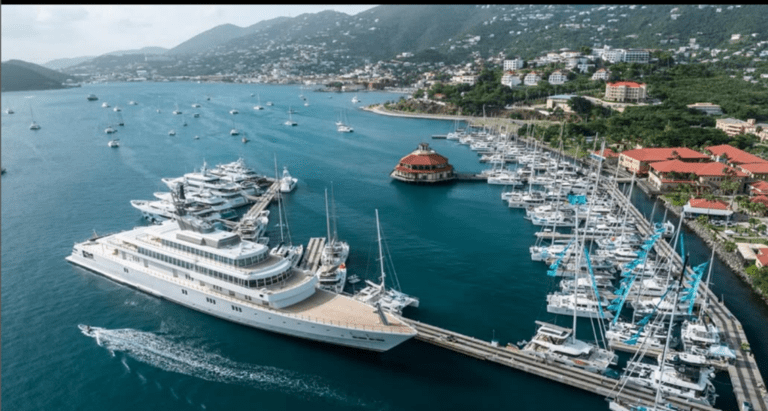
An industry coalition representing the U.S. Virgin Islands’ maritime sector traveled to Washington, D.C., this week, urging federal officials to intervene in what they describe as an escalating crisis triggered by sharply increased charter-vessel fees in the neighboring British Virgin Islands. The visit comes just as the 2025–2026 charter season begins, and operators say the economic consequences are already surfacing across the territory.

The delegation, organized under Project Fair Waters and led by Crown Bay Marina President Kosei Ohno, met with officials from the U.S. Departments of State and Commerce, the Office of the United States Trade Representative, and the Small Business Administration. Coalition members say the sharply higher fees imposed by the BVI on June 1 have placed U.S.-based vessels at a competitive disadvantage, prompting some companies to relocate vessels, cut routes, or otherwise reconfigure their operations.

Under the new licensing system, foreign-based charter yachts face an annual fee of up to $24,000 for multi-night operations in BVI waters — a substantial jump from the previous rate of roughly $800. Day-charter operators have seen their annual fee rise from $200 to $8,500. Operators note these charges come on top of standard customs and port-entry costs, which can add hundreds of dollars per trip depending on the vessel. For many USVI-based companies accustomed to short, frequent BVI runs, the increases have made cross-border itineraries financially unworkable.

BVI officials have characterized the revised structure as a modernization of outdated legislation and a way to better regulate foreign vessels operating in their waters. But charter companies in the USVI say the impact has been swift: several businesses have already reregistered vessels in the BVI to remain viable under the new fee structure, while others have curtailed BVI itineraries entirely. The effect ripples outward, operators say, into the network of restaurants, marinas, fuel docks, hotels, and provisioning businesses that rely on charter traffic.

The charter sector has long played an outsize role in the USVI economy. The Virgin Islands Professional Charter Association estimates the industry generates more than $160 million annually in combined spending on maintenance, hospitality, transportation, fuel, and provisioning. If vessels relocate, much of that economic activity relocates with them.

Project Fair Waters estimates that roughly 90 vessels formerly based in the USVI are now homeporting in the BVI, a shift the coalition believes represents nearly $14 million in direct seasonal spending lost to the territory. When indirect effects are included — such as reduced hotel stays, restaurant visits, or provisioning purchases — the group warns the annual impact could approach $100 million. Those broader figures have not yet been validated by independent economic modeling, but operators say the early signs on the ground are difficult to ignore: fewer crews stocking up locally, fewer charter guests booking rooms before boarding, and fewer boats filling slips in USVI marinas.

The jurisdictional dynamic complicates matters further. Because the BVI is a United Kingdom overseas territory, the USVI government cannot negotiate directly with it on external affairs or maritime policy. That structure, coalition members say, leaves federal engagement as the only viable pathway for relief or adjustment. “Without swift action, the U.S. Virgin Islands will continue losing American businesses, American jobs, and critical maritime capacity,” Ohno said in the coalition’s announcement this week.

Officials in both territories had described conversations earlier this year as constructive, and BVI regulators did revise portions of the initial proposal following pushback from industry groups. But the final fee structure still places foreign-based vessels in the highest cost category, a disparity that USVI operators say disadvantages them in a region where boaters often view the waters of the USVI and BVI as a single seamless cruising ground.

Stakeholders warn that the stakes go beyond economic spreadsheets. Charter tourism has been a defining feature of the USVI for decades, drawing visitors whose spending patterns follow the homeport of their vessel. Should a significant share of the charter fleet shift permanently to the BVI, operators say the territory could see a long-term shift in the balance of the region’s blue-economy activity and its associated workforce.

For now, industry leaders are focusing their attention on Washington, hoping federal officials will raise the issue diplomatically with the United Kingdom. Whether that happens remains unclear. But coalition members say the cost of waiting is rising by the week — and with the charter season now underway, the USVI has little margin left to lose ground.

Op-Ed: Exploring the V.I.’s Maroon Country, Part 3

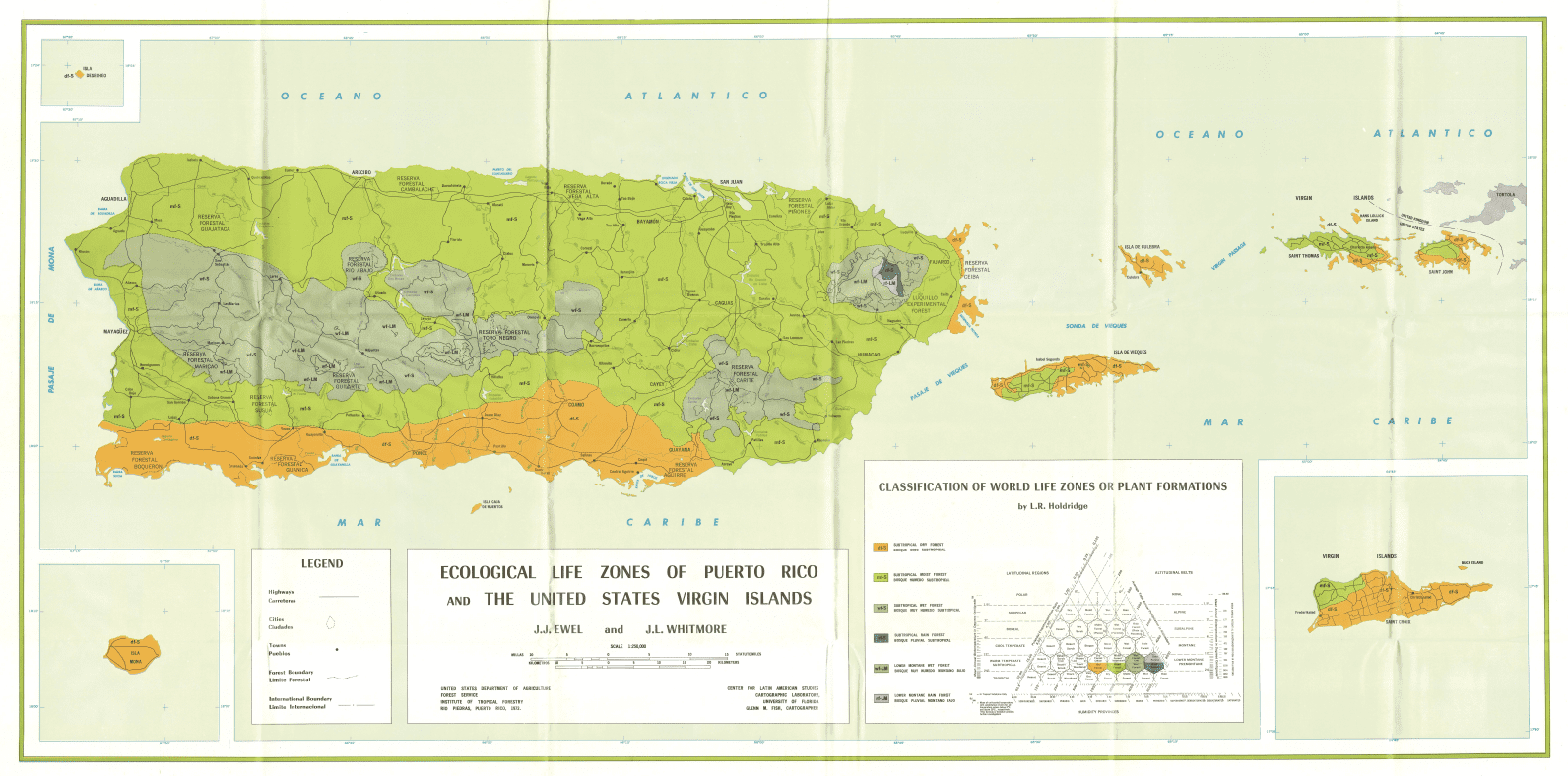
The sub-tropical dry forest of St. Croix comprises 83 percent of the island. The sub-tropical moist forest located in the northwest and northeast central on the island occupies the remainder. (Image courtesy U.S. Agriculture Department)
The sub-tropical dry forest of St. Croix comprises 83 percent of the island. The sub-tropical moist forest, located in the northwest and northeast central on the island, occupies the remainder. (Image courtesy U.S. Agriculture Department)

In the second article of my series on the northeast central Maroon Country, I mentioned some of the owners of North Star Northside B Quarter. In this third article I will continue the history of the forest and the names of the planters that once owned Estate North Star, and share more on why the forest in the northeast central hills and mountainous terrain of St. Croix was critical as a Maroon refuge. In fact, the surrounding estates of this region, including North Star, Mount Eagle, Blue Mountain, and Cane Bay, were havens for runaway slaves.

Olasee Davis
Olasee Davis, Ph.D. (Submitted photo)

The plantation villages of Estate Hermitage, Solitude, Parasol, Rust Up Twist, La Vallee, Big Fountain, River, and other surrounding estates including the fertile central plain of the island became an attractive destination for runaway slaves to the mountainous and high rolling hills region of northeast central St. Croix. Let me remind you that the natural vegetation of St. Croix is classified into two Holdridge Life Zones.

The sub-tropical dry forest of St. Croix comprises 83 percent of the island. The sub-tropical moist forest located in the northwest and northeast central part of the island occupies the remainder. There are 10 ecosystems/types of forest on the island, but the subtropical dry forest and subtropical moist forests are most important in the make-up of St. Croix forestlands. These forests provide habitat for rare plants and animals, but also are a supply for our underground water, recharging the aquifers on the island.

Therefore, it is critical to protect the northwest and northeast central forests of St. Croix. The island was known historically for its abundance of native hardwood trees, which were exported as timber. The rich stands of timbers attracted impoverished English colonists from the British Virgin Islands, who came in search of land for their provision crops and livelihoods. By the 1730s, several hundred Englishmen, along with their families and their slaves were living on St. Croix illegally.

It was the uninterrupted growth of hardwood forests on St. Croix that attracted Danish interest in the island in the first place. There were very large trees — useful in the construction of everything from canoes and ship building to charcoal, dwellings, and machinery for sugar work — that grew abundantly on all sides of the island, covering the plain on the south side and the mountains to the northwest and northeast central in a dense greenery. When Reimert Haagensen visited St. Croix in the 1730s, he said, “The thick forests had to be cleared, large trees felled and hauled to the seashores for sale, roads had to be cut and maintained, and the initial dwellings and estate structure — the mills and factories — had to be constructed.”

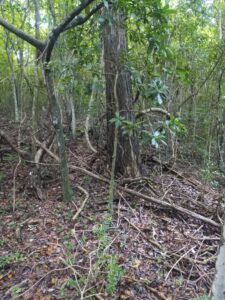
The small tree at Windrow Forrest Estate in front of the large tree is the Mastic tree ( Mastichodendron foetidissimum) native to the Virgin Islands. The Mastic tree was one of the most highly prized commercially valuable hardwood tree species on St. Croix during the colonial period of the island. (Photo by Olasee Davis)
The small tree at Windrow Forest Estate in front of the large tree is the Mastic tree (Mastichodendron foetidissimum), which is native to the Virgin Islands. The Mastic tree was one of the most commercially valuable hardwood tree species on St. Croix during the colonial period of the island. (Photo by Olasee Davis)

Believe me, the amount of valuable timber and rare trees on St. Croix that were destroyed by fire and by ax when the Danes started to develop the island was unbelievable. At that time in St. Croix’s colonial history, there was a great deal of forest and little else. I mentioned early in the second article of this series on Maroon Country in the northeast central part of the island, that Maroons governed St. Croix for decades before the Danes purchased the island from the French in 1733.

It was the forests, deep valleys, steep slopes, cliffs, and caves that were a haven to runaway slaves. The Mastic woods (Mastichodenron foetifissimun) were one of the most highly prized commercially valuable hardwood tree species on St. Croix. They were employed primarily to repair boats and build sugar mills and great houses, and to make spars and planking. Forests on St. Croix were like the gold rush in California during the late 1700s and mid-1800s. Shipments of timber were sold at high prices year after year.

Since there was a lack of timber in the English possession of island colonies, Englishmen had to pay high prices for it. They looked for it in other places, principally St. Croix as being perhaps the closest island and the best source in that part of Americas. Thus, some of the most beautiful houses in Europe and the English Caribbean islands, namely St. Christopher (St. Kitts), Montserrat, Nevis, St. Martin, Tortola, and others are witness to the timber trade of St. Croix.

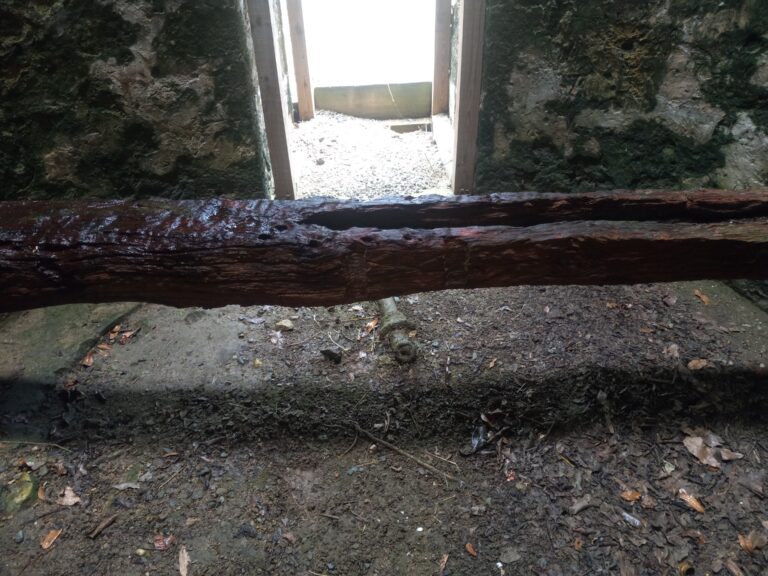
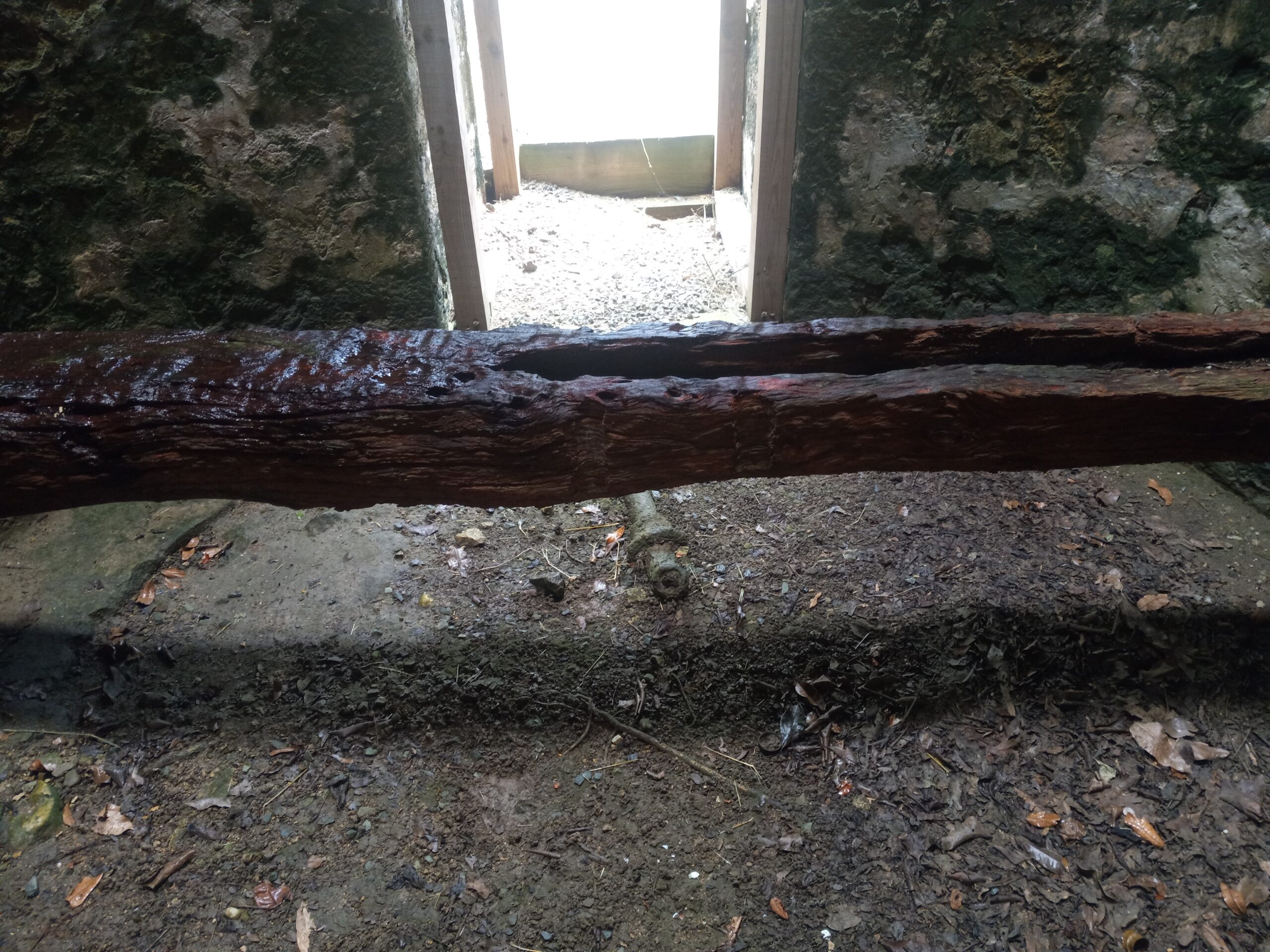
The wood inside this 1750s water Tower at Estate Morning Star, Salt River Bay National Historical Park & Ecological Preserve was built from the Mastic wood of St. Croix. (Photo by Olasee Davis)
The wood inside this 1750s water tower at Estate Morning Star, Salt River Bay National Historical Park and Ecological Preserve, was built from the Mastic wood of St. Croix. (Photo by Olasee Davis)
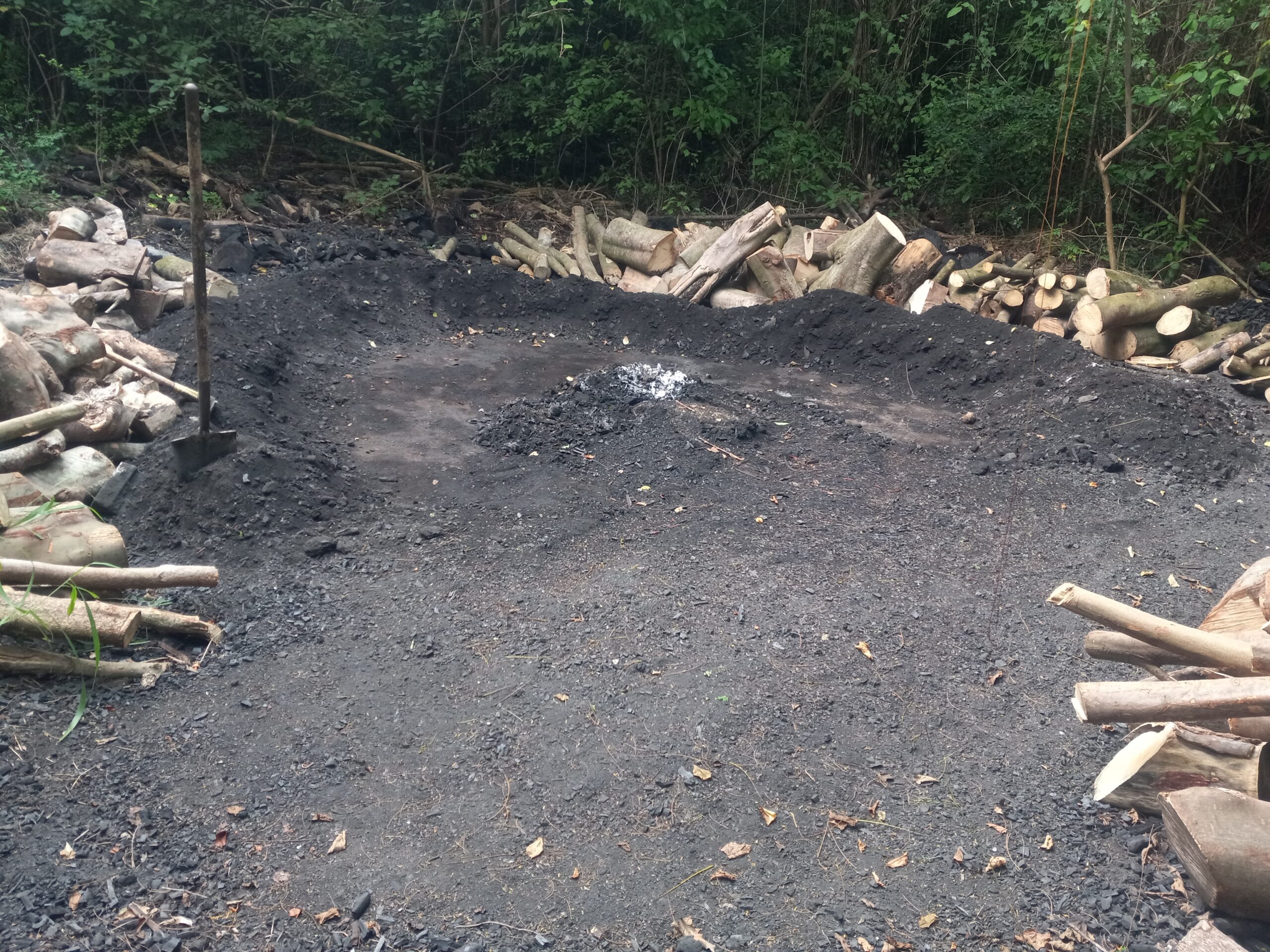
During the colonel history and early American rule of the Virgin Islands, charcoal pits were common. This illegal charcoal pit is located in Upper Bethlehem Estate. (Photo by Olasee Davis)
During the colonial period and early American rule of the Virgin Islands, charcoal pits were common. This illegal charcoal pit is located in Upper Bethlehem Estate on St. Croix. (Photo by Olasee Davis)

In 1625, the Dutch occupied St. Croix and that same year the British attempted to establish themselves on the island. During this period, the French Protestants joined the Dutch. It was during this period that the Dutch controlled the east side of St. Croix and the British controlled the west. However, it was the Dutch that called the northwest of the island “No Man Land.” In other words, the dense thick forest was impossible to penetrate.  This was considered Maroon Country because of the forests, cliffs, and other impossible penetration into the forest to capture runaway slaves. It was during the reign of first governor of St. Croix, Frederik Moth in 1734, that the northwest was called Maronberg. In the second article, I mentioned some of the planters of Estate North Star. Dr. Lorentz Grundel owned the property from 1756 to 1759, and his widow Grundel managed  the estate from 1760 to 1762.

Other planters who owned Estate North Star as follow and prepared by historian George F. Tyson:

1762 Hans Berg 1762-1768 Thomas Kirwin 1768-1771 Edward Bladwell 1771-1777 E. Bladwell heirs 1777-1778 Edward White 1778-1789 Christopher McEvoy Sr. 1789-1793 Christopher McEvoy heirs (John McEvoy) 1793-1797 John B. Thomsen 1797-1804 George Allen 1804-1806 Edmund Armstrong 1806-1817 Nathaniel Strode and his heirs 1817-1822 Edmund Armstrong 1822-1830 John Plaskett 1830-1850 The King of Denmark 1850-1856 Carl Bithorn and John Foss 1856-1863 Chamberlain Louis Rothe 1864-1866 John William Whitehead — along with northside Estate Prosperity 1866-1868 A. Forsberg — along with northside Estate Prosperity 1868-1872 Carl Sarauw — along with northside Estate Prosperity 1872-1876 George A. Fontaine and Hugh McWilliam 1876-1935 G.A.E. Sarauw and heirs 1935-1948 Nicholas Sarauw 1948-? Milton Rosemary Jr. 2014 Virgin Islands government as a territorial park

These planters had slaves until the Emancipation of 1848. The king of Denmark was the last owner of Estate North Star to have enslaved Africans.

Read Part 1 here: Op-Ed: Exploring the V.I.’s Maroon Country Read Part 2 here: Op-Ed: Exploring the V.I.’s Maroon Country, Part 2 — Olasee Davis is a bush professor who lectures and writes about the culture, history, ecology and environment of the Virgin Islands when he is not leading hiking tours of the wild places and spaces of St. Croix and beyond.

St. John’s Observance of Fortsberg Uprising Celebrates History

The 41st observance of the Akwamu slave uprising on St. John took place under sunny skies, with participants looking forward to a day of shared understanding. The patriarch of the Fortsberg History Tour did not appear on the Friday after Thanksgiving as he has almost every year since the mid-1980s.

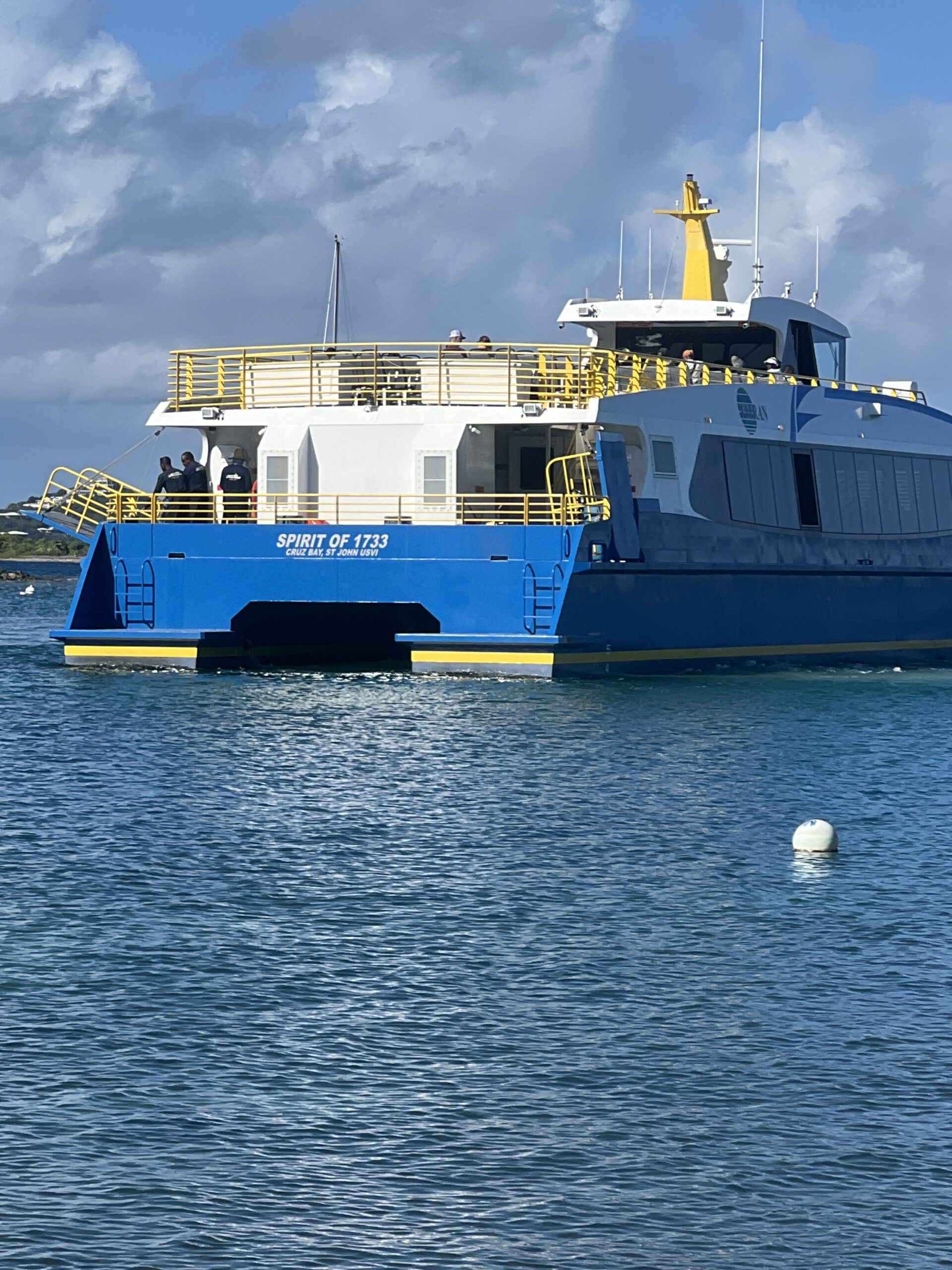
But former University of the Virgin Islands Linguistics Professor Gilbert Sprauve was well represented among the scholars and historians who have joined him along the cross-island tour from Cruz Bay to Coral Bay and this year north to Annaberg Plantation. Many of those who joined the morning libation ritual on the beach near the ferry dock arrived from St. Thomas aboard the newly-commissioned vessel, Spirit of 1733.

Spirit of 1733 arriving at the Loredon Boynes Ferry Dock Friday morning. (Source photo by Judi Shimel)

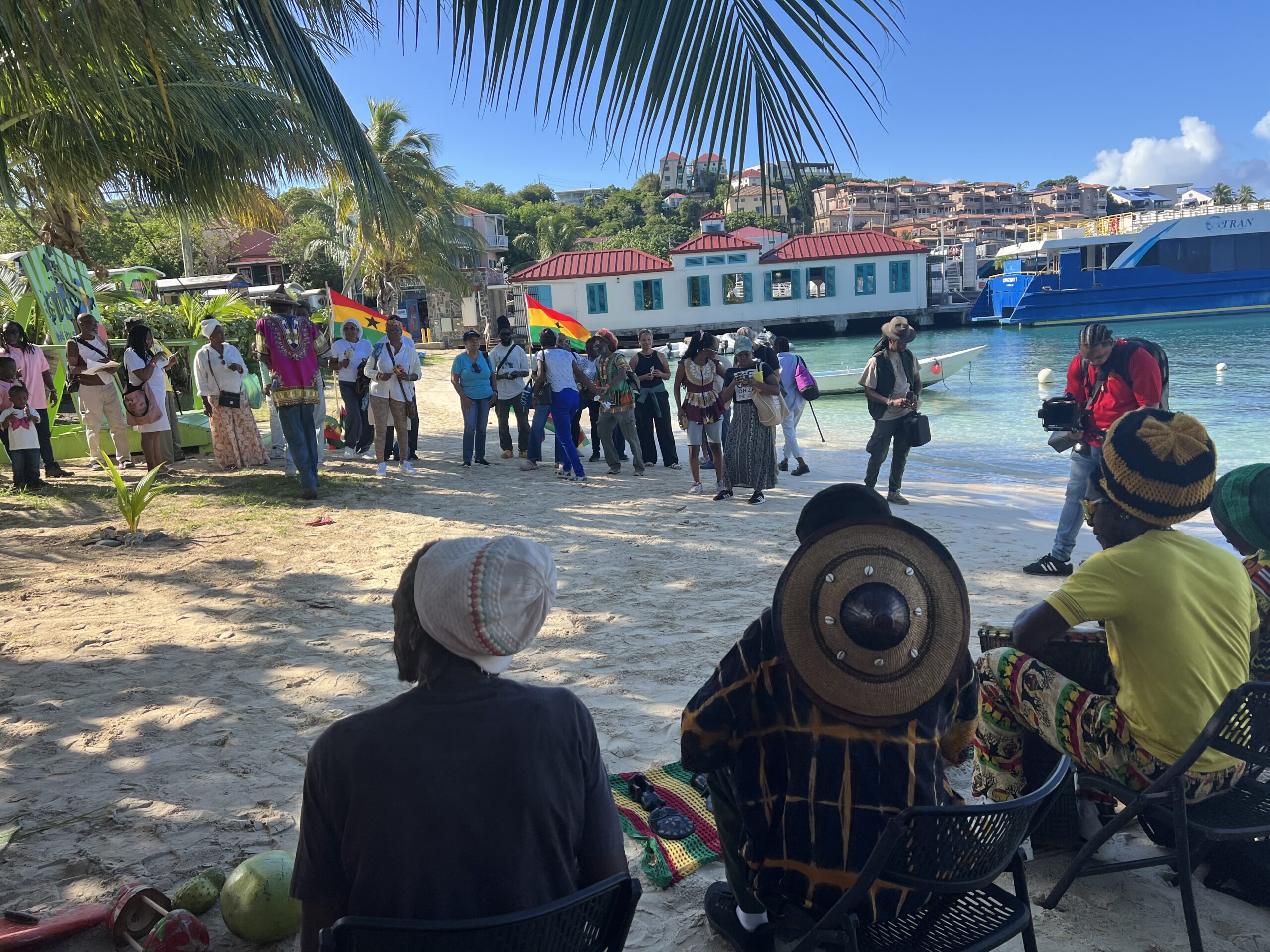
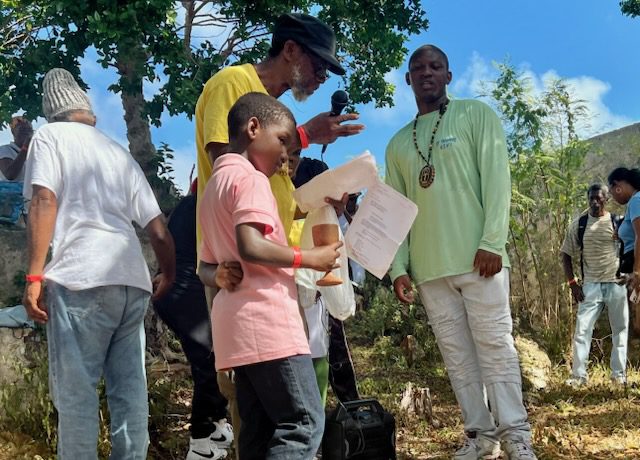
The mood was festive as the seaside ritual and drumming encouraged others to join in. Some danced, one picked up a drum and sat beside the rhythm section. A small boy was invited to hold the chalice while the libationest invoked the spirit of the ancestors.

Friday’s seaside gathering before the annual tour. (Source photo by Judi Shimel)
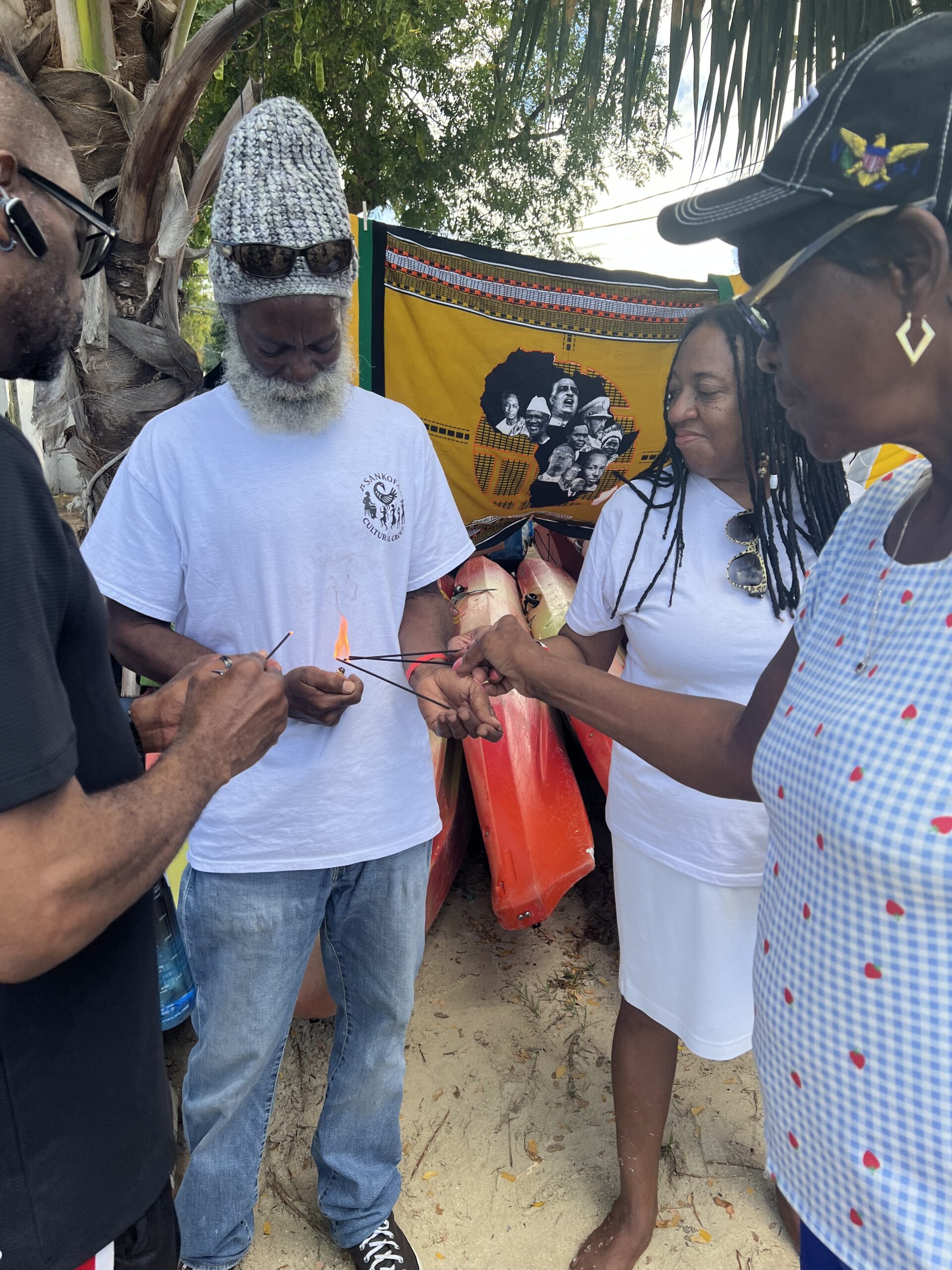
Participants light incense to honor the ancestors. (Source photo by Judi Shimel)

Presenters Sele Adeyemi and Leba Ola-Niy kept each presentation brief in order to complete the tour and return the group to town to catch a late afternoon boat. Each stop gave them a chance to advance the narrative about enslaved people who arrived in the Caribbean only to face adversaries they had encountered back home. These were not people who just picked up weapons and attacked at random, Adeyemi said. They were experienced with planning and strategy and in preparing for a protracted fight.

“These were people who were well versed with military warfare,” Adyemi said. Then, at the Carolina Overlook, he shared an illustration.

“In 1693, in Ghana, about 80 Akwamu — the same ethnic group — hid ammunition and gunpowder under their clothes and went into Christianborg in Ghana under the guise that they were interested in buying some weapons. Once they were in there they attacked the Danes, took over the fort and held the fort for over a year,” the presenter said.

Forty years later, on Nov. 23, 1733, the six-month siege of St. John began with enslaved Akwamu smuggled machetes inside firewood they carried uphill to Fortsberg. Once there, they attacked the garrison and killed five of the six Danish soldiers on duty there.

The uphill climb to the still-standing fort has been made easier by patches of concrete roadway installed along the way by the Samuel family — owners of the property at Fortsberg. Still, the remaining half-mile walk remains rugged and brings relief when hikers on the tour reach their destination.

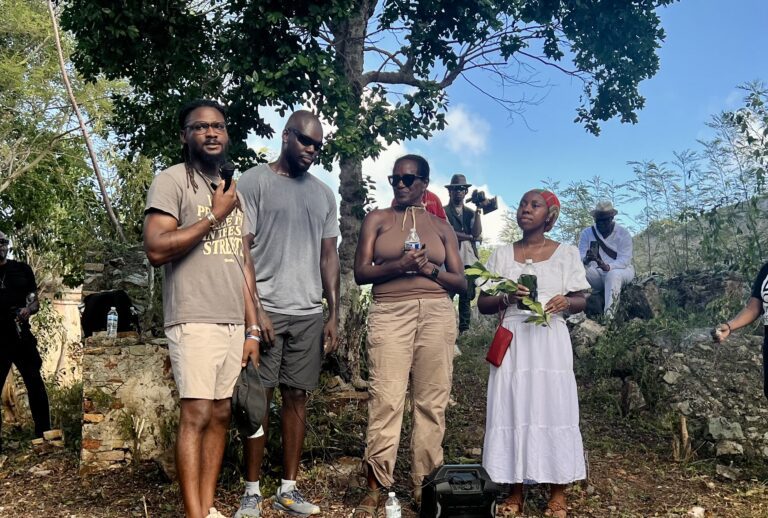
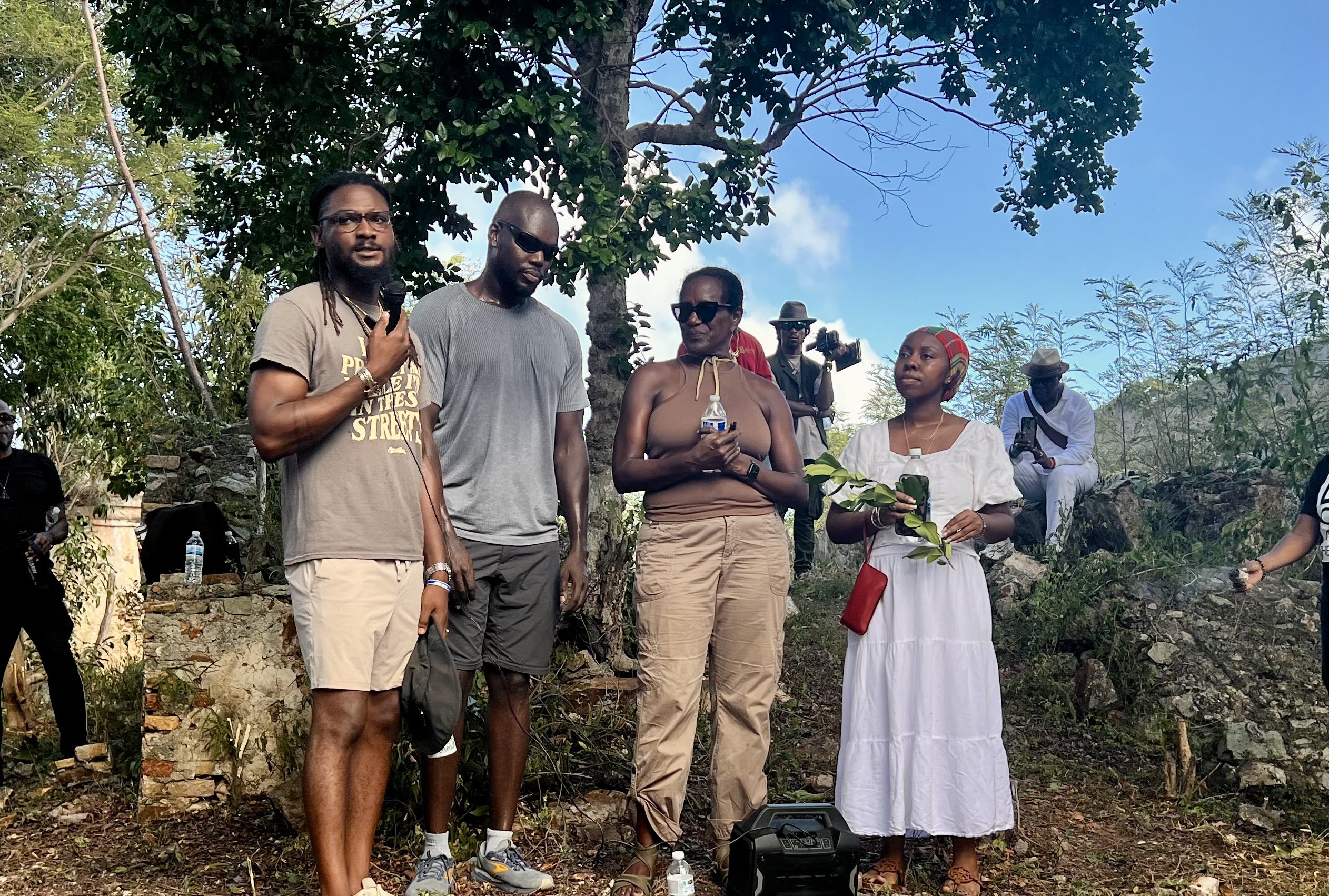
There, the group is welcomed by four of the family members.

Members of the Samuel Family welcome visitors on Fortsberg Day. (Source photo by Judi Shimel)

“I think we’re all familiar with this site; this is Fortsberg — Fort Fredericksburg — the site of the revolution of the enslaved people of 1733,” said Kurt Marsh Jr. “We welcome you to this space. It is an honor to be the stewards of this place as this is a collective legacy and shared memory.”

With that Ola-Niy called the group into a circle for a brief reflection before leading them down the hill by foot and by four-wheel drive.

Participants gather for a brief reflection. (Source photo by Judi Shimel)