

Consider the Source with Adisha Penn

Meet the Candidates | Lorelei Marsh Monsanto

Meet the Candidates | Avery L. Lewis
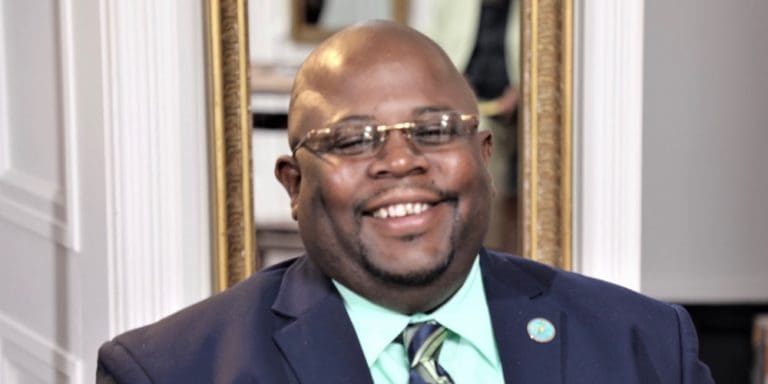
Why are you running for office, what are your qualifications, and why should voters choose you?
I am running for office because I believe in the potential of our community to achieve even more and have dedicated myself to preparing for this role. With extensive experience in both the public and private sectors, including my time as an educator and Island Administrator, I have witnessed firsthand the daily challenges our community faces. It’s time to tackle these issues head-on and improve the quality of life and making it more affordable for all residents of the Virgin Islands.
The Virgin Islands is in a transformational period, and I am committed to ensuring that our voices are heard, and our needs are met. My background equips me with the insight and innovation necessary to navigate this change effectively as an educator and as one that has experience with the business community.
I have always prioritized accessibility and availability, making it a point to engage with the community directly. My dedication to being a true public servant drives my campaign. I am here to advocate for you, listen to your concerns, and work collaboratively towards solutions that benefit everyone.
Vote for me because I am not just a candidate — I am your family, neighbor, and friend dedicated to making your life better as we make our islands a better place. I am not one to stand before you to keep restating the problem, but the individual that will work towards a solution. Together, we can create a brighter future for the Virgin Islands. Avery Lewis #9 on the ballot, FOR THE PEOPLE ALL THE TIME.
How would you address the high cost of living in the territory and the lack of affordable housing?
To tackle the high cost of living and the lack of affordable housing in the Virgin Islands, we must take decisive and collaborative action. Here’s my plan:
- Strengthening Agencies: It is essential that agencies like the Virgin Islands Housing Authority (VIHA) and the Virgin Islands Housing Finance Authority (VIHFA) follow through on their existing projects to increase the available units on all islands. As a senator, I will advocate for these agencies to prioritize and expedite the completion of projects currently in the pipeline and push for any that are falling behind.
- Securing Funding: Ensuring that VIHA and VIHFA have the necessary capital to complete these projects is crucial. I will work to secure additional funding from federal sources and private partnerships, aiming to enhance our housing infrastructure and support innovative housing solutions. I will encourage the commercial banks to actively participate with both agencies and developers to ensure that access to capital is not a hindrance.
- Revitalizing Blighted Properties: We need to address the issue of abandoned and blighted properties. By providing incentives for property owners to renovate or rehabilitate these spaces, we can create additional housing opportunities. Additionally, I will advocate for government subsidies to support these efforts, which can lead to rent control measures that protect tenants.
- Ensure that access to a range of mortgage financing is available to individuals and that the process is streamlined and not one of bureaucratic roadblocks
- Modernizing Housing Stock: Many of the vacant properties require significant repairs and updates to meet modern standards. I will push for initiatives that promote the demolition and rebuilding of structures that can be made energy-efficient, ADA compliant, and modernized to meet the needs of our community.
- Community Engagement: Finally, I believe that community input is essential in developing effective housing policies. I will engage with residents to understand their needs and collaborate on solutions that work for everyone.
Together, we can address the pressing issues of affordability and housing availability, ensuring that all Virgin Islanders have access to safe, secure, and affordable homes.
How would you improve the territory’s electrical grid and implementation of renewable energy?
To improve the territory’s electrical grid and implement renewable energy effectively, I propose a comprehensive strategy focusing on the best technology, resilience, and community engagement and lastly but as important, transparency. First, we must enhance oversight of federal funds allocated for energy projects, ensuring they are used appropriately and monitored through regular audits and clear performance metrics. Strengthening our infrastructure against hurricanes and other natural and man-made disasters is crucial, and this includes transitioning to underground wiring, implementing smart grid technology, and developing robust emergency response plans.
Moreover, addressing WAPA’s billing practices is essential; I advocate for an independent audit to eliminate estimated billing and encourage the adoption of a new advanced metering infrastructure for accurate billing. Simultaneously, we need to secure funding for replacing aging water pipes to ensure clean water delivery and promote water conservation. Engaging the community through forums and educational campaigns will foster ownership of these initiatives. Finally, by exploring partnerships with federal agencies and public-private collaborations, we can leverage additional resources to create a sustainable and resilient energy and water infrastructure for our territory.
The critical element to all of the above is to ensure that we invest in WAPA’s employees with the appropriate training and compensation to ensure that all these initiatives provide them with the knowledge needed to ensure the system’s stability and their employment growth.
What would you do to expedite or improve the territory’s disaster recovery, which has dragged on for seven years now?
To expedite and improve the territory’s disaster recovery, which has unfortunately dragged on for seven years, we must prioritize both transparency and timely action. The ongoing hardship faced by individuals and businesses is a pressing concern, and we need a decisive course of action that directly addresses these challenges.
- Streamlining Processes: I propose a comprehensive overhaul of the recovery process, focusing on streamlining every stage — from project selection and design to approval, funding, and ongoing monitoring. This requires a collaborative effort with key agencies like FEMA, HUD, VIHA, and DPP. By reducing bureaucratic steps while maintaining quality standards, we can significantly speed up recovery efforts.
- Fewer Decision-Makers, Better Decisions: It’s essential to recognize that having more decision-makers does not necessarily lead to better outcomes. A more efficient structure that limits the number of decision-makers while ensuring accountability can lead to faster, more effective resolutions.
- Dedicated Oversight: I recommend appointing a dedicated individual within the Office of Disaster Recovery (ODR) who will focus solely on ensuring that the permitting and licensing processes are timely and meet regulatory standards. This role will serve as a linchpin in reducing delays and improving communication among all stakeholders.
- Community Engagement and Transparency: Engaging with the community and keeping them informed is crucial. Regular updates on progress and decision-making processes will build trust and ensure that the needs of those affected are addressed.
- Focus on Economic Recovery: In addition to physical recovery, we must prioritize economic revitalization. This includes support for small businesses and initiatives that promote job creation, ensuring that the community can bounce back stronger.
By implementing these strategies, we can foster a recovery process that is not only more efficient but also more responsive to the needs of our community.
What reforms would you propose to ensure our children are receiving the public education that they deserve?
As a Senate candidate, I am committed to ensuring our children receive the quality of public education they deserve. This begins with a comprehensive assessment of our aging school facilities, prioritizing necessary repairs and creating multi-purpose designs that serve both educational and community needs. Revitalizing Career and Technical Education (CTE) programs is essential, aligning curricula with local job market demands and providing robust internship and apprenticeship opportunities for students. Additionally, I advocate for a comprehensive financial literacy curriculum that prepares students for real-world financial challenges. By fostering collaboration among educators, administrators, and community members, we can implement effective teaching strategies and enhance support for both students and teachers. Together, we can create a more equitable and innovative education system that empowers all students to succeed. We also need to put a retention and recruitment incentive plan in place to preserve the teaching pool.
What are your solutions to address violent crime in the territory, especially among young men?
To effectively address violent crime in the Virgin Islands, particularly among our young men, I will prioritize a comprehensive approach that involves multiple stakeholders. First and foremost, as a legislator, I will ensure that the Virgin Islands Police Department (VIPD) and law enforcement agencies have the resources and support necessary to perform their duties equitably, fairly and effectively. For our youth and parents, it’s crucial that we provide access to education and training that fosters respect and responsibility. This means not only funding programs but also facilitating collaboration among all relevant agencies to create a well-rounded educational environment. We need to offer diverse social, economic and employment opportunities tailored to the interests of our children, emphasizing that it truly takes a village to raise a child. Parents and community participation is essential; the government cannot do it alone. My role will be to provide oversight and ensure that all agencies are fulfilling their mandates while actively engaging the community in these efforts. By working together, we can cultivate a safe environment that empowers our youth and reduces violence in our territory.
How can the territory improve upon its tourism product while addressing growing concerns about over-tourism?
We must also recognize that we are a tourist destination and foster a collective understanding of this within our community. I love the Virgin Islands, and together we need to support our Department of Tourism and its Festivals Team.
These discussions will involve the community, tourism stakeholders, and government partners to emphasize the importance of sustainable tourism. The U.S. Virgin Islands is not overly reliant on cruise tourism; cruise visitors and overnight guests do not compete directly. Each category is important: on average, 30-40 percent of visitors learn about the territory during a cruise and later return for an overnight stay.
It is essential to cultivate a strong partnership between VIPA and WICO to ensure we have a unified voice in discussions with various cruise line brands when promoting the U.S. Virgin Islands. Moreover, we must encourage and promote diverse experiential packages, such as nature trails, water activities, local cuisines, and Ubersoca events.
What would you propose to better support people dealing with mental illness, alcoholism, addiction, and homelessness?
This question touches on four very sensitive topics: mental illness, alcoholism, addiction, and homelessness. In my view, each of these issues deserves individual attention and tailored solutions. However, I recognize that they are interconnected and require a coordinated approach from all stakeholders in both the public and private sectors.
To better support individuals dealing with these challenges, I propose a comprehensive and multi-faceted strategy. First, it’s crucial to collaborate with colleagues, executive branch stakeholders, and private sector partners to ensure we have adequate facilities and properly trained staff that can meet the diverse needs of our community. Facilities should offer wraparound and rehabilitation services to provide holistic support for those affected.
As an immediate initiative, I suggest acquiring modified vans equipped with shower stalls and restrooms. These mobile units would provide our homeless population with essential hygiene facilities and access to limited wraparound services, significantly improving their quality of life and dignity.
I also advocate establishing public-private partnerships to enhance the resources and services available for mental health, substance use, and homelessness. Appointing a dedicated Homeless Czar could help oversee these initiatives, ensuring accountability and coordination across various programs.
Recognizing the complexity of these issues, I believe that solutions must be tailored and include multiple strategies. By addressing each topic with the focus it deserves, we can create a comprehensive support system that effectively meets the needs of our most vulnerable populations.
What plans do you have to reestablish the libraries in the territory?
As a Senate candidate, I am committed to reestablishing and enhancing libraries in our territory. I will request a meeting with the Department of Planning and Natural Resources (DPNR) in the committee of jurisdiction to get updates on the ongoing capital improvements, as 95 percent of our public libraries are currently undergoing renovations. Recognizing that libraries historically lack federal grants for operations and are often understaffed, I will collaborate with my colleagues to secure funding that ensures libraries are adequately staffed and equipped with essential resources to function as fully operational media centers. Additionally, we will actively pursue grant opportunities to provide free internet access in our neighborhoods, enabling children to access vital online resources like Hoopla. By prioritizing these initiatives, we can offer our youth the resources they need to thrive.
How can we provide access to affordable healthcare for individuals and small businesses?
Providing access to affordable healthcare for individuals and small businesses is a complex challenge that requires the collaboration of all stakeholders. The high cost of individual insurance is a significant barrier, and the limited number of market participants exacerbates the issue. This is a long, expensive, and often tedious process that demands the commitment of everyone involved.
One effective strategy is to create private partnerships that allow small businesses to pool their resources, enabling them to negotiate better rates for comprehensive insurance packages that cover a wide range of ailments and benefits. We also need to support the development of healthcare cooperatives that can provide more affordable options.
Advocating for subsidies and tax credits is essential, as is expanding telehealth services to reach more people, especially those in remote areas. Investing in preventive care can further reduce long-term costs and improve overall health outcomes.
Finally, promoting transparent pricing is crucial. When individuals and businesses can clearly understand their options, they can make informed decisions that suit their needs.
By working together and implementing these solutions, we can tackle the barriers to affordable healthcare, fostering a healthier community for everyone.
Please tell us about any of your other priorities for the territory that are not addressed in the questions above.
As a senator, I have several additional priorities for the Virgin Islands that focus on sustainable revenue generation and improving public safety. First, I believe we should legalize and regulate online gaming and sports betting. This not only presents a significant opportunity for economic growth but also creates jobs and generates tax revenue that can be reinvested into our community.
Additionally, I propose installing traffic cameras across the territory. These cameras would enhance public safety by monitoring traffic flow and enforcing traffic laws, which can reduce accidents and improve overall road safety. Furthermore, the revenue generated through automated enforcement can be redirected to fund essential services and community programs.
By pursuing these initiatives, we can create a more prosperous and secure environment for all residents of the Virgin Islands. Collaboration with my colleagues and community stakeholders will be key to successfully implementing these priorities.
And finally, if you could have one superpower to move the V.I. forward, what would it be and why?
If I could have one superpower to propel the Virgin Islands forward, it would be the ability to inspire our community to fully harness the incredible talent and resources we possess. This power would foster a culture of proactivity, transparency, creativity, and, most importantly, inclusivity.
Imagine a future where we establish the premier medical health center in the Caribbean, minimizing the need for our residents to seek care on the mainland. This would not only improve health outcomes but also invigorate our economy by creating a wealth of new jobs.
We would also revolutionize our educational system, ensuring that every student receives a strong foundation for success, empowering the next generation to thrive right here at home. Additionally, we would develop comprehensive insurance solutions that guarantee quality care for our seniors, honoring their contributions to our community.
We’ve already begun paving the way toward this vision with initiatives like the new medical school at UVI, which lays the groundwork for a robust healthcare sector. With this superpower, we could turn aspirations into reality, making the Virgin Islands a beacon of opportunity and growth in the Caribbean.
Op-Ed: State of the Territory | Campaigning with Integrity: A Call to Elevate Political Discourse in the U.S. Virgin Islands
 In her bi-weekly column, “State of the Territory,” former Sen. Janelle K. Sarauw delves deeper into issues of concern for V.I. residents.
As a Virgin Islander, I am deeply concerned about the erosion of integrity in our political landscape. The recent outcry over one Democrat attacking another serves as a glaring example of the selective outrage that too often characterizes our politics. When those within the political establishment come under fire, there’s a swift rush to condemn such behavior. Yet, when similar attacks are directed elsewhere—particularly at independent candidates—the response is often silence. This inconsistency raises an important question: where is the accountability across the board? Such selective application of morality underscores a broader issue, where principles are too often sidelined in favor of personal alliances.
Smear tactics have unfortunately become a common feature of Virgin Islands politics, setting a dangerous precedent. Personal attacks divert attention from the real issues affecting our territory. Campaigns should focus on quality—on presenting ideas, policies, and solutions for the people. When campaigns devolve into character assassination, they not only undermine the credibility of the candidates but also erode public trust in the political process.
In the last election, the lies about me, for example, weren’t just a personal attack—they were an attack on the kind of discourse our people deserve. Instead of engaging on issues like healthcare, education, and infrastructure, the focus was on tearing me down. This has to change. Our campaigns need to be about substance, not slander.
Campaign Financing and Accountability
Another area that demands attention is campaign financing and how public funds are used. Too often, federal funds are poured into the territory but misused, particularly during election seasons. Instead of addressing critical needs such as infrastructure, education, and healthcare, these funds are redirected for short-term political gain—such as last-minute road-paving projects meant to win votes. Unfortunately, many of these hastily paved roads are now crumbling, symbolic of the short-sighted approach that serves political interests over the public good.
The solution lies in transparency and accountability. We need clear oversight of how public funds are used, ensuring they benefit the entire community, not just certain districts, in the run-up to an election. Our voters deserve more than quick fixes—they deserve long-term solutions that will uplift the territory as a whole.
Voter Education and Engagement: Elevating the Electorate
In the last election, it was disheartening to see how many voters were swayed by instant gratification—handouts and newly paved roads—rather than focusing on long-term solutions. The electorate was distracted by shiny objects, while critical issues like the failing energy system, underfunded schools, and the need for better healthcare were pushed aside.
What we need is stronger voter education. Our people deserve to understand the long-term implications of their vote and how policies—not giveaways—impact their future. Engaging voters through civic education will help create a more informed electorate, one that prioritizes real issues over distractions during campaign season.
Youth Involvement: Building the Next Generation of Leaders
One of the most personal attacks I faced was being dismissed as “a little girl” at 37 years old. Ageism, sexism, and homophobia were weaponized to diminish my candidacy. If we continue to marginalize our youth, we risk alienating the very people who will inherit the consequences of today’s decisions.
Encouraging youth involvement in politics is essential. Young people bring fresh perspectives, energy, and long-term vision to the table. By empowering them to take part in the political process, we ensure a future built on their ideas and leadership. Dismissing or undermining youth voices only weakens our democracy.
Elevating Political Discourse
As we look ahead, it is crucial for all candidates, regardless of party affiliation, to commit to running campaigns based on integrity. We should encourage open debates, engage with voters on substantive issues, and hold ourselves to higher standards of accountability. The future of the Virgin Islands depends on a political culture that values honesty, transparency, and solutions over personal attacks and short-term political gains.
We have the opportunity to reshape our political landscape by insisting on better from our candidates and from ourselves as voters. It is time to elevate our discourse, focus on the real challenges facing our territory, and build a brighter future for all Virgin Islanders.
In her bi-weekly column, “State of the Territory,” former Sen. Janelle K. Sarauw delves deeper into issues of concern for V.I. residents.
As a Virgin Islander, I am deeply concerned about the erosion of integrity in our political landscape. The recent outcry over one Democrat attacking another serves as a glaring example of the selective outrage that too often characterizes our politics. When those within the political establishment come under fire, there’s a swift rush to condemn such behavior. Yet, when similar attacks are directed elsewhere—particularly at independent candidates—the response is often silence. This inconsistency raises an important question: where is the accountability across the board? Such selective application of morality underscores a broader issue, where principles are too often sidelined in favor of personal alliances.
Smear tactics have unfortunately become a common feature of Virgin Islands politics, setting a dangerous precedent. Personal attacks divert attention from the real issues affecting our territory. Campaigns should focus on quality—on presenting ideas, policies, and solutions for the people. When campaigns devolve into character assassination, they not only undermine the credibility of the candidates but also erode public trust in the political process.
In the last election, the lies about me, for example, weren’t just a personal attack—they were an attack on the kind of discourse our people deserve. Instead of engaging on issues like healthcare, education, and infrastructure, the focus was on tearing me down. This has to change. Our campaigns need to be about substance, not slander.
Campaign Financing and Accountability
Another area that demands attention is campaign financing and how public funds are used. Too often, federal funds are poured into the territory but misused, particularly during election seasons. Instead of addressing critical needs such as infrastructure, education, and healthcare, these funds are redirected for short-term political gain—such as last-minute road-paving projects meant to win votes. Unfortunately, many of these hastily paved roads are now crumbling, symbolic of the short-sighted approach that serves political interests over the public good.
The solution lies in transparency and accountability. We need clear oversight of how public funds are used, ensuring they benefit the entire community, not just certain districts, in the run-up to an election. Our voters deserve more than quick fixes—they deserve long-term solutions that will uplift the territory as a whole.
Voter Education and Engagement: Elevating the Electorate
In the last election, it was disheartening to see how many voters were swayed by instant gratification—handouts and newly paved roads—rather than focusing on long-term solutions. The electorate was distracted by shiny objects, while critical issues like the failing energy system, underfunded schools, and the need for better healthcare were pushed aside.
What we need is stronger voter education. Our people deserve to understand the long-term implications of their vote and how policies—not giveaways—impact their future. Engaging voters through civic education will help create a more informed electorate, one that prioritizes real issues over distractions during campaign season.
Youth Involvement: Building the Next Generation of Leaders
One of the most personal attacks I faced was being dismissed as “a little girl” at 37 years old. Ageism, sexism, and homophobia were weaponized to diminish my candidacy. If we continue to marginalize our youth, we risk alienating the very people who will inherit the consequences of today’s decisions.
Encouraging youth involvement in politics is essential. Young people bring fresh perspectives, energy, and long-term vision to the table. By empowering them to take part in the political process, we ensure a future built on their ideas and leadership. Dismissing or undermining youth voices only weakens our democracy.
Elevating Political Discourse
As we look ahead, it is crucial for all candidates, regardless of party affiliation, to commit to running campaigns based on integrity. We should encourage open debates, engage with voters on substantive issues, and hold ourselves to higher standards of accountability. The future of the Virgin Islands depends on a political culture that values honesty, transparency, and solutions over personal attacks and short-term political gains.
We have the opportunity to reshape our political landscape by insisting on better from our candidates and from ourselves as voters. It is time to elevate our discourse, focus on the real challenges facing our territory, and build a brighter future for all Virgin Islanders.
Editor’s Note: Opinion articles do not represent the views of the Virgin Islands Source newsroom and are the sole expressed opinion of the writer. Submissions can be made to visource@gmail.com.
Chess Queen Gambit Lands in Court


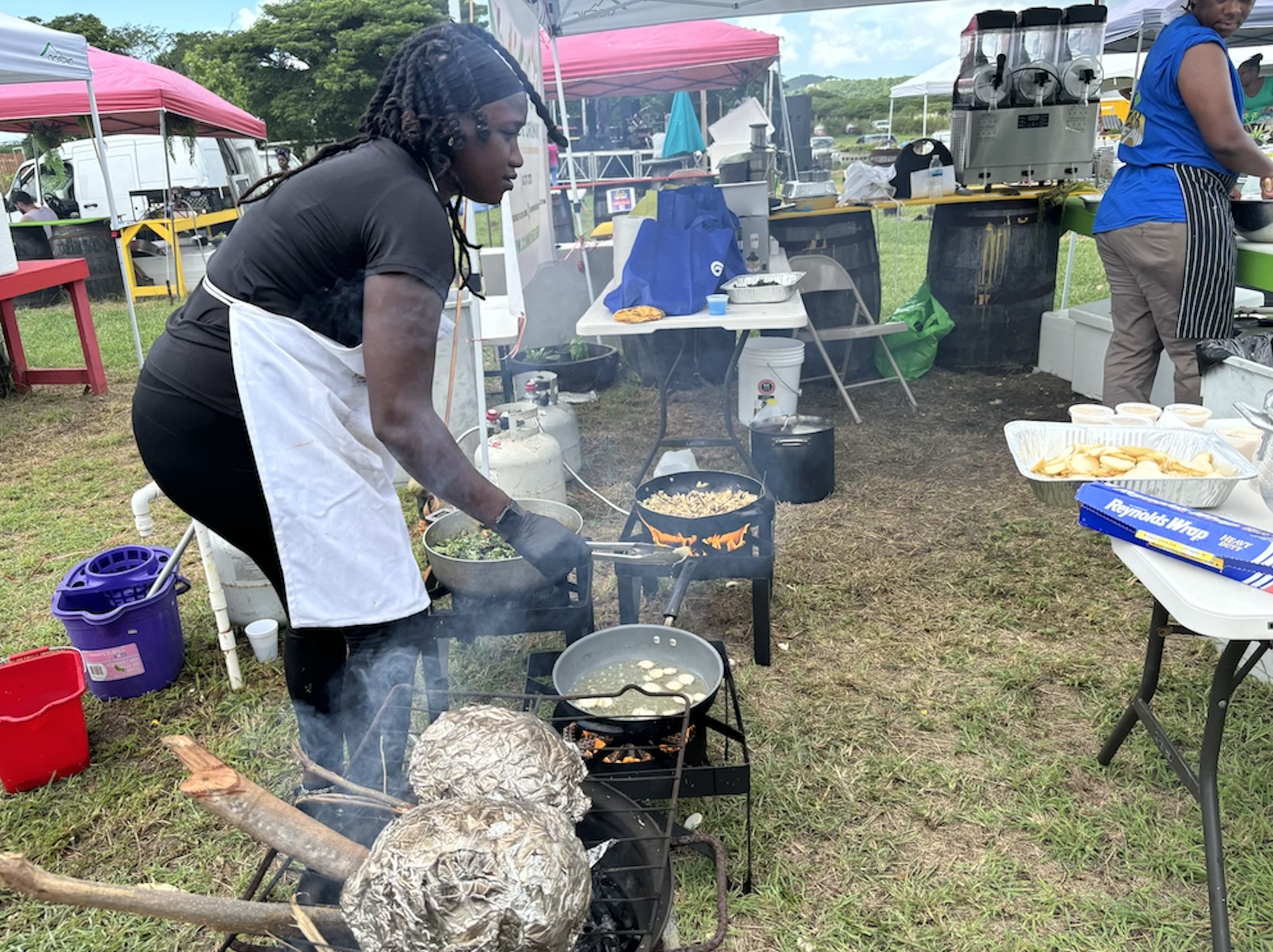
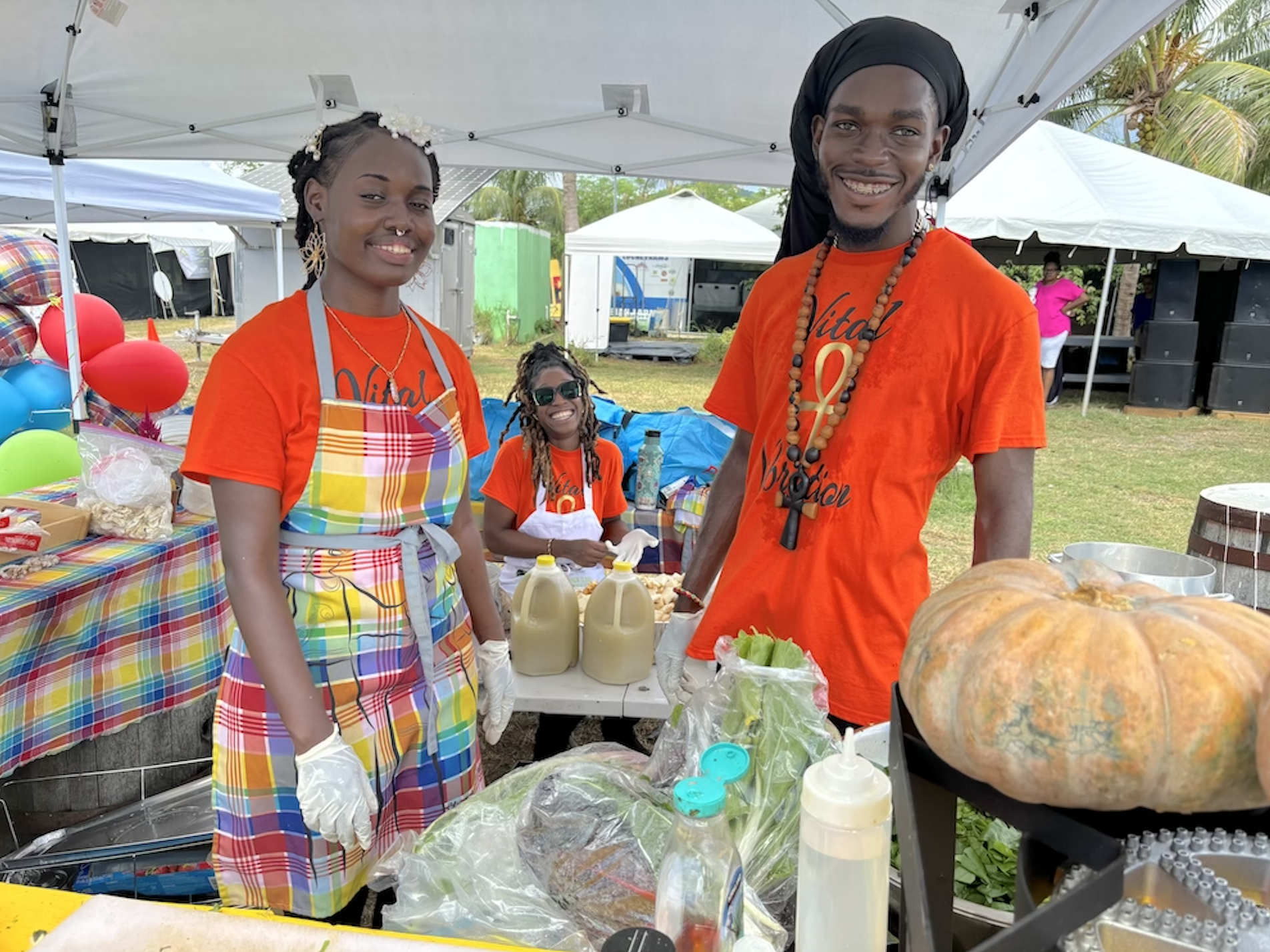
Chefs Fire Up the Flavors at Bush Cook


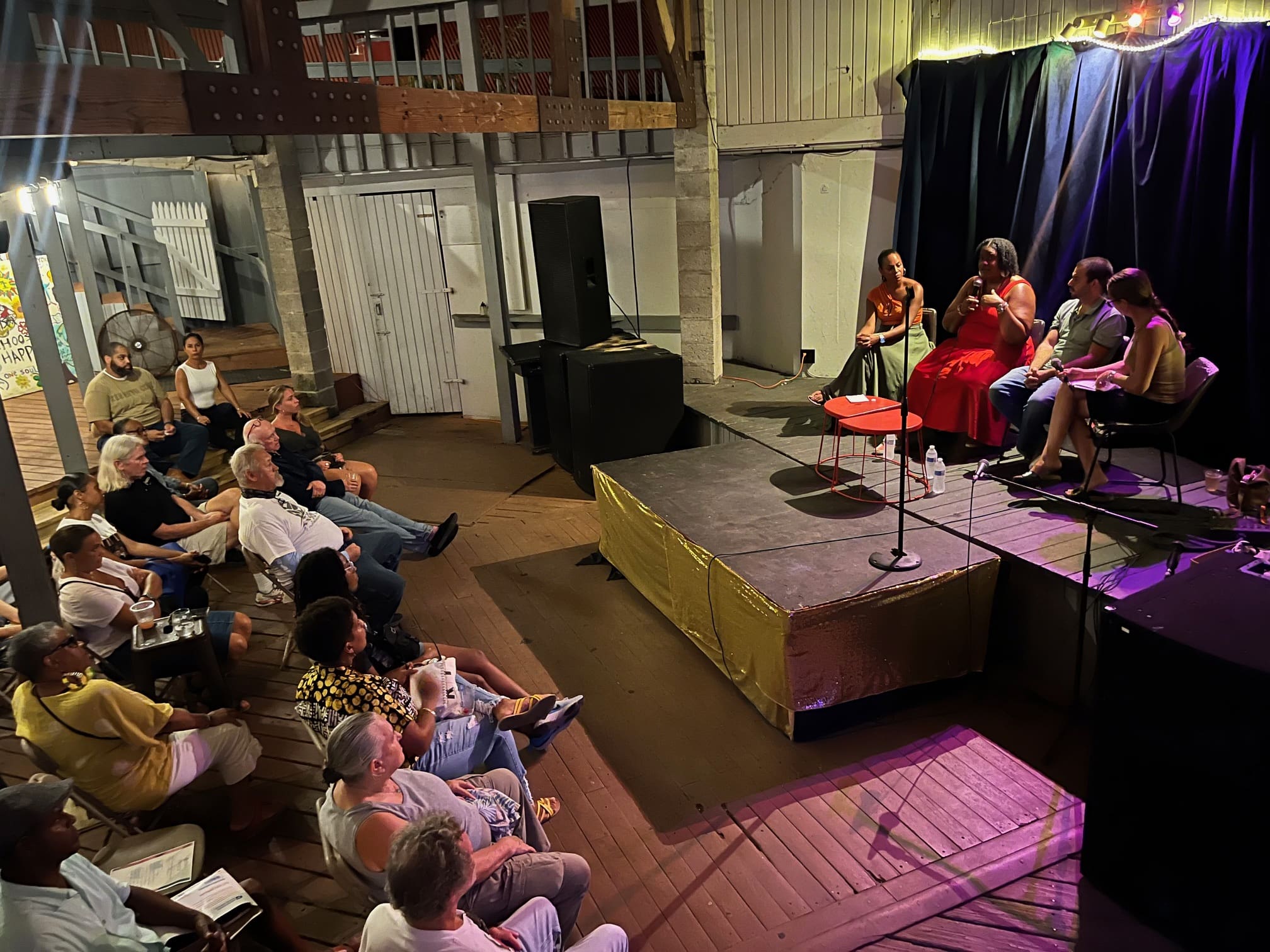
St. Croix Archaeological Society’s ‘Archaeo Café’ Kicks Off With Thought-Provoking Panel

Virtue of the Week – Detachment

 Virtue of the Week – Detachment
Virtue of the Week focuses on building peaceful and caring communities through understanding and fostering the practice of virtues. The Source supports the Virtues Project and will publish one virtue developed by the project each week.
Detachment
Detachment is experiencing our feelings without allowing them to control us. We step back and look at things objectively. We let go and accept what we cannot change. We detach from the choices of others. We choose how we will act instead of reacting. We step away from harmful cravings. It is a deep breath of peace and patience in response to fleeting emotions. We can listen without losing ourselves. We see our mistakes honestly, make amends and start afresh. It frees us to lead our lives with grace, knowing that all things have a cycle of rebirth.
Quote: “He who would be serene and pure needs but one thing, detachment.” -Meister Eckhart
The Practice of Detachment
I recognize my feelings without letting them control me.
I resist interfering with the lessons of others.
I choose to act instead of reacting.
I free myself from impulses and cravings.
I listen, to understand.
I have the humility to amend my mistakes.
Questions for Discussion
Virtue of the Week – Detachment
Virtue of the Week focuses on building peaceful and caring communities through understanding and fostering the practice of virtues. The Source supports the Virtues Project and will publish one virtue developed by the project each week.
Detachment
Detachment is experiencing our feelings without allowing them to control us. We step back and look at things objectively. We let go and accept what we cannot change. We detach from the choices of others. We choose how we will act instead of reacting. We step away from harmful cravings. It is a deep breath of peace and patience in response to fleeting emotions. We can listen without losing ourselves. We see our mistakes honestly, make amends and start afresh. It frees us to lead our lives with grace, knowing that all things have a cycle of rebirth.
Quote: “He who would be serene and pure needs but one thing, detachment.” -Meister Eckhart
The Practice of Detachment
I recognize my feelings without letting them control me.
I resist interfering with the lessons of others.
I choose to act instead of reacting.
I free myself from impulses and cravings.
I listen, to understand.
I have the humility to amend my mistakes.
Questions for Discussion
- How can detachment help us in social justice work? How might it hinder us?
- Is there anything that may cause us to react before choosing how we will act?
- What impulses may derail our social justice work?
- How may power play a role in interfering with other’s spiritual lessons?
 Since 1990, CFVI has been a catalyst for positive change in the territory through initiatives committed to youth, learning, family support and the environment. With a professional staff and a volunteer Board of Directors composed of community leaders, CFVI is a trusted advocate and supporter of programs that ensure opportunity and sustainability for current and future generations. CFVI is a registered non-profit organization entirely supported by individual donors, grants, trusts, corporate donations and estate planning. For more information, visit cfvi.net.
 About Virtues Matter Virtues Matter was started by a passionate wife-husband team of social entrepreneurs seeking to positively uplift as many lives as possible. We aim to inspire and empower, to build capacity, strengthen relationships, and help everyone lead lives of passion and purpose.
Virtues Matter believes in a world where people are committed to kindness and respect, strive to be their best, and live with hope, courage and in unity. We built the Virtues Cards mobile app, an interactive personal and team development tool, to help people identify and develop key virtue skills. We also offer dynamic workshops, online training, and customized programs to help people cultivate these positive qualities of character. To learn more, visit virtuesmatter.com.
To learn more about the Virtues Project, visit www.virtuesproject.com.
About Virtues Matter Virtues Matter was started by a passionate wife-husband team of social entrepreneurs seeking to positively uplift as many lives as possible. We aim to inspire and empower, to build capacity, strengthen relationships, and help everyone lead lives of passion and purpose.
Virtues Matter believes in a world where people are committed to kindness and respect, strive to be their best, and live with hope, courage and in unity. We built the Virtues Cards mobile app, an interactive personal and team development tool, to help people identify and develop key virtue skills. We also offer dynamic workshops, online training, and customized programs to help people cultivate these positive qualities of character. To learn more, visit virtuesmatter.com.
To learn more about the Virtues Project, visit www.virtuesproject.com. Golden Rock Shooting Leaves One Dead, Investigation Underway
St. Thomas Gas Station Shooting Claims 26-Year-Old Life