

WAPA Board: Weeks of Outages Come Down to Money, Maintenance and Nature

0
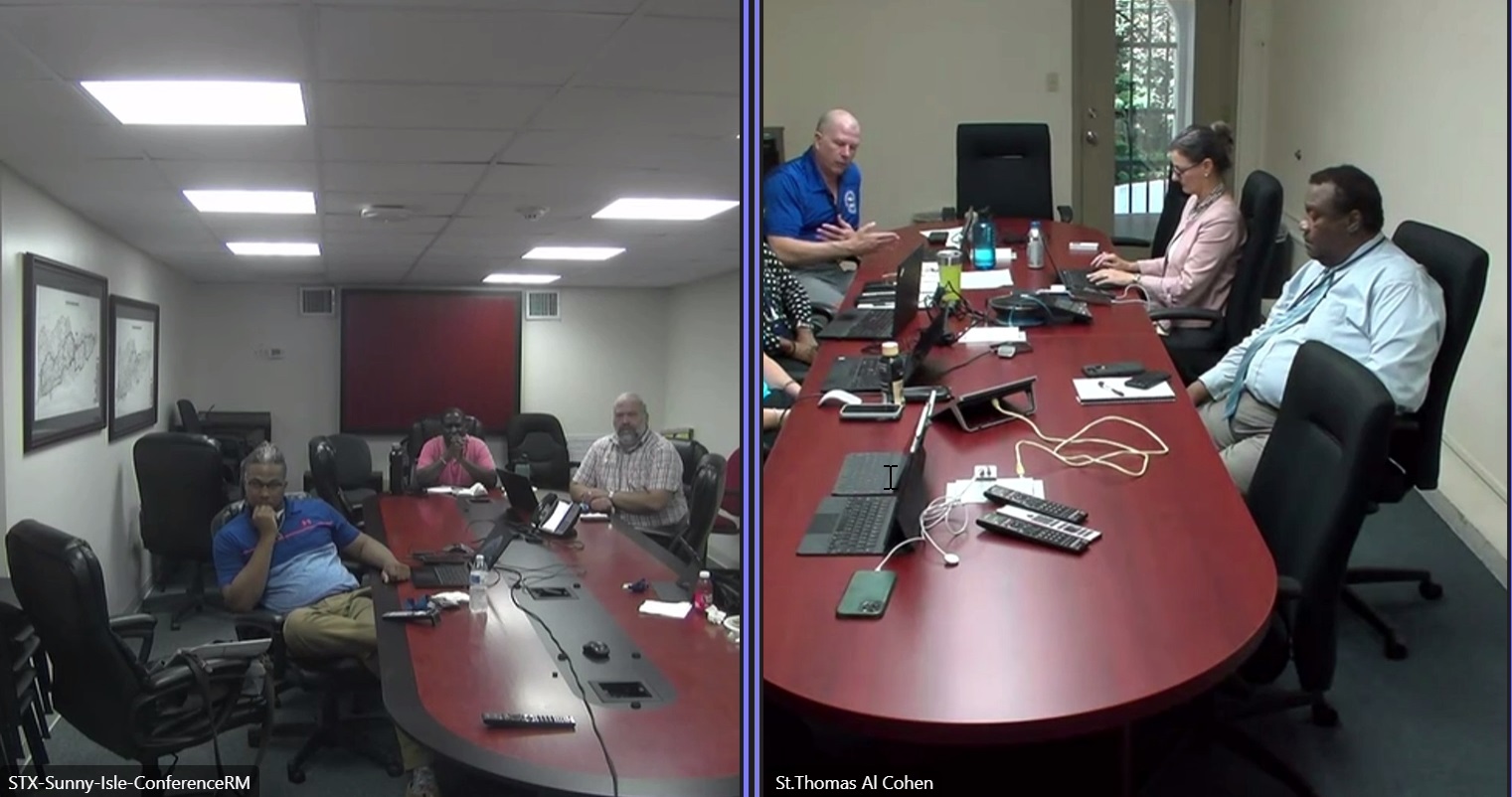
WAPA board members meet on St. Thomas and St. Croix during their regularly scheduled meeting on Thursday. (Screenshot from Teams meeting)

After three weeks of incessant island-wide power outages that have left residents frustrated and searching for answers, the V.I. Water and Power Authority addressed the causes and gave updates on the disruptions during its regularly scheduled board meeting on Thursday.

From natural causes — including a lightning strike on St. Thomas — to faulty equipment, the blackouts have stemmed from different matters, WAPA CEO Andrew Smith said of the “recent string of outages.”

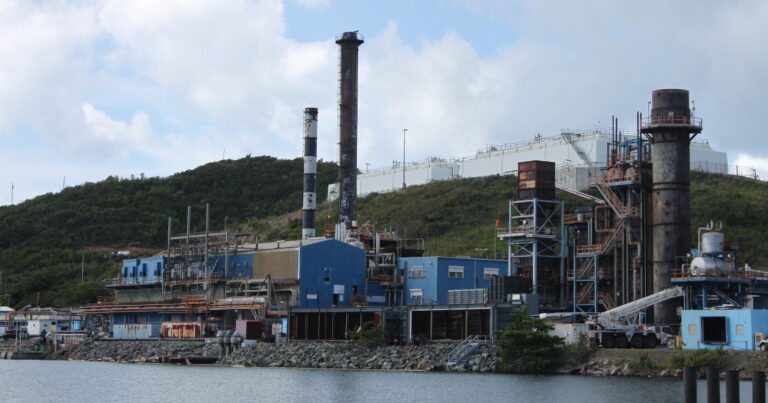
“It’s not been one thing, it’s been a sequence of a lot of different things that has been causing these repeated outages,” said Smith. “Going back three weeks ago, I think we all recall we had a wave of very heavy weather come through the territory, as a result of that we suffered quite a few outages.” He also referenced a lightning strike that caused power loss at the Randolph Harley Power Plant on St. Thomas.

During the first week of the recent outages, Smith said that a faulty sensor reading was tripping off equipment and causing what he called, “nuisance trips.” Smith said that failsafe mechanisms are installed in the generators for safety and to prevent damage to the equipment. He also addressed the misinformed mention of an explosion that occurred at the Harley plant on May 9 that caused power outage on St. Thomas and St. John.

Smith said no explosion occurred but rather, it was the failure of a disc located in the shaft of the Wartsila generator between the generator and the engine that became obsolete and needed to be replaced. The sound of the disc tripping caused the loud noise.

“There’s a coupling in there that’s designed, when that torque exceeds certain limits, that coupling is designed to fail,” said Smith.

During the second week, a leak in Unit 15’s propane supply valve to the plant on St. Thomas yet again caused a power loss. This also led to WAPA switching its generator to operate on a short supply of diesel, leading to rotating power outages to conserve fuel.

“We were not anticipating having such an increased consumption of diesel, having to operate the plant on diesel and not have it available on propane,” said Smith. This led to residents having to rotate power on a Thursday and Friday night during what Smith called “peak” time because the additional supply of diesel that was ordered did not arrive on time.

During the third week, power outages occurred because of impaired equipment. Most recently, on Wednesday, Unit 23, the largest unit on St. Thomas, tripped twice and caused a loss of power island-wide both in the morning and the afternoon.

“It tripped on loss of flame,” said Smith. The authority then changed a collapsed fuel filter to service the unit and restore power.

“We continue to have Unit 15 operating on diesel,” said Smith. He added that the fuel valve for the unit to operate on propane is currently in New York being repaired and should be back in the territory next week and in service.

Smith told the board that the generators in the territory are seven to 12 years past due for maintenance. They should be maintained every two years, but the authority lacks the funding to do so. He also said it does not have the funds to do major maintenance for all of the units right now but highlighted that Unit 27 recently had an assessment by an outside vendor and that a schedule of preventative maintenance is in place for all units.

“In terms of the maintenance, I think everybody knows that the authority’s financial position has been strained for an extended period of time,” said Smith. “Gas turbines generally go through a major maintenance overhaul every two years.”

Smith also said that while the power outages are inconvenient, the positive side is that the outages allow for the authority the opportunity to do preventative maintenance that can only be done when the generators are powered down.

During the meeting, it was mentioned that the recent heat waves and rainfall have been causing a greater demand on electricity, in turn making the generators work harder, leading to burnouts and transient outages.

Ashley Bryan, WAPA’s interim chief operating officer, said that the weather has been making it hard to troubleshoot an issue with an underground transmission line that caused power to fail on St. John starting on Wednesday, when there was more than four inches of rainfall.

“The weather was impacting our ability to find fault this morning,” said Bryan of the power outage.

Board member Kyle Fleming asked Smith what can be done to get the authority to a zero outage scenario.

“We can never be to a zero outage scenario, we can be reduced outages,” said Smith. “In the states, everything is built to a triple redundancy … We do not have that. We’re essentially, in some instances a single redundancy utility and some instances a double redundancy utility.”

Smith said that to reduce outages, vegetation management, maintenance on generators, and having an inventory for spare parts for equipment would be required. He mentioned that generator repairs would cost between $2 to $5 million per generator.

Additionally, Smith said during the meeting that the Department of Interior has funded both Ford Lightning electric trucks for the authority that have been distributed on St. Thomas and St. Croix, as well as funded employee training.

Board members Hubert Turnbull, Kyle Fleming, Cheryl Boynes-Jackson, Lionel Selwood, Maurice Muia, and Juanita Young were present.
USA Interior Awards $1.8M Subgrant to V.I. State Historic Preservation Office

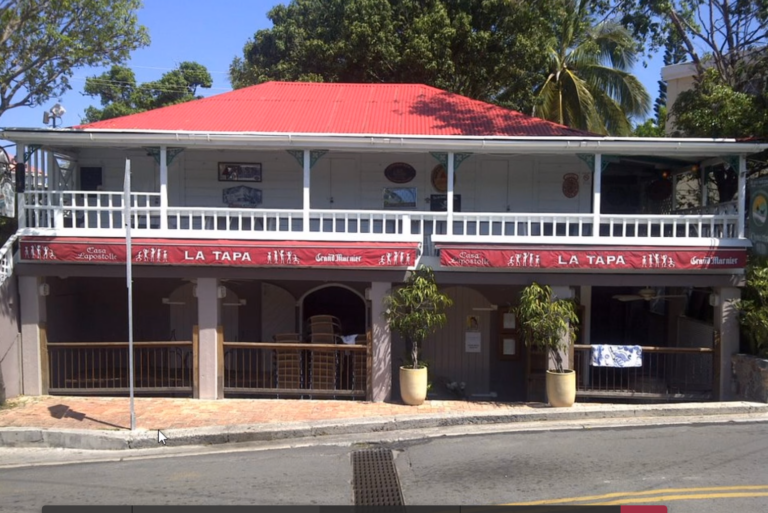
The Refinery will open in a historic St. John structure. (Image from the Oct. 11 online meeting of the STTJ Historic Preservation Committee)
The Refinery will open in a historic St. John structure. (Image from the Oct. 11, 2022 online meeting of the STTJ Historic Preservation Committee)
The Virgin Islands State Historic Preservation Office received a second round of subgrant awards for qualified and approved 2017 hurricanes Irma and Maria damaged National Register Historic Sites and contributing properties in the territory. Funding for this historic reimbursement grant program was funded through the United States Department of the Interior National Park Service’s Emergency Supplemental Historic Preservation Fund. The second-round subgrant recipients are listed below.
  1. Queen Street, 49A 49B and 50, (Apothecary Hall), Frederiksted  $200,000.
  2. King Street 58B,  Frederiksted                      $26,000.
  3. Estate LaGrange 242, Frederiksted $199,642.68
  4. King Street 3,  Frederiksted                             $15,000.
  5. Hospital Street 1, Christiansted                  $200,000.
  6. Strand Street 25-26,  Christiansted              $197,060.
  7. Queen Street, 20AB,  Christiansted              $133,488.
  8. Norre Gade 14,  Charlotte Amalie               $169,160.
  9. General Gade 5, Charlotte Amalie               $169,240.
  10. Kongens Gade 3B, Charlotte Amalie             $57,700
  11. Bjerge Gade 2A, Charlotte Amalie                  $11,971.07
  12. Silke Gade 1BBA, Charlotte Amalie $127,000.
  13. Bjerge Gade 12A,  Charlotte Amalie   $96,550.
  14. Norre Gade 13B, Charlotte Amalie               $150,020.
  15. STT Hebrew Congregation/Synagogue, Charlotte Amalie    $89,650.
“These historic recovery projects represent just under $2 million invested in USVI historic towns to preserve and restore their architectural heritage.  Department of Planning and Natural Resources extends special thanks to the Office of Disaster Recovery (ODR) and the Virgin Islands Public Finance Authority (PFA) for partnering with the VISHPO-Disaster Recovery Program,” said DPNR Commissioner Jean-Pierre L. Oriol. ODR and PFA provided the gap financing advances for some projects to begin, and/or complete their 2017 hurricanes Irma and Maria recovery repairs. “Without this partnership, subgrantees would not have been able to begin, as the Historic Building Recovery Program is a Reimbursement Grant; and many individuals do not have the upfront funding to hire contractors,” said Kim Blackett, program manager. Special thanks and appreciation are also extended to the Department of Property and Procurement Vendor Management Division for the support provided to DPNR/VISHPO Historic Recovery Program’s Subgrantees with SAM registrations. “DPNR remains committed to working with the community, non-profit organizations, and agencies to restore and preserve our historic towns, sites, and cultural resources,” said Oriol. The third and final round of grant recipients will be announced in the coming weeks. (340) 773-1082 ext. 2221 Website: www.dpnr.vi.gov Facebook: https://www.facebook.com/VIDPNR YouTube: VI Department of Planning and Natural Resources – YouTube

Remembering Joe and Cristina Kessler; Friends’ Beach-to-Beach Swim Was “Joe’s Baby”

When more than 300 swimmers gather to participate in the Friends of the Virgin Islands National Park’s Beach-to-Beach Power Swim on Sunday, at one point, there will be one name on everyone’s mind ­— and in the hearts of many more.
A swimmer crosses the finish line at Hawksnest Beach in the Beach-to-Beach Power Swim. (Photo courtesy the Friends of the Virgin Islands National Park)
That name is Joe Kessler. The popular St. John swimming event was “Joe’s baby,” according to former colleague Rafe Boulon. Joe came up with the idea for the Beach-to-Beach Swim more than 21 years ago when he served as president of the Friends of the Virgin Islands National Park; for more than a dozen years, he was the voice on a megaphone that guided swimmers at the event’s start as they leaped into the water at Maho Bay.
Joe Kessler shares a happy moment with event collaborator Jeff Miller in the Beach-to-Beach Swim following Hurricane Irma. (Photo courtesy Kessler family)
Joe and his wife ­Cristina — a writer and activist who was equally renowned throughout the territory and the planet ­— died a month ago under circumstances that are still incomprehensible to those who knew them. Since retiring from the Friends of the Park at the end of 2018, Joe and Cristina spent much of their time doing what they loved best — traveling. Having lived abroad for most of their adult lives, they had dedicated many months in recent years to exploring the United States. This spring, at age 73, the Kesslers set out from Sarasota, Florida, where they had purchased a home only months ago, to visit historic sites, natural wonders, and friends acquired throughout their many travels. On April 25, both died instantly when a train smashed into their 22-foot RV as they were driving across railroad tracks in rural Taylorville, Illinois.
Joe and Cristina Kessler loved nature. (Photo courtesy Kessler family)
Everyone who knew them has wondered the same thing: How could this happen? How could these savvy travelers who had visited more than a hundred countries, who had served in the Peace Corps and worked in Africa, Asia, and South America, meet their end in broad daylight in the middle of America where there appeared to be no dangers of any kind? As of yet, no one knows. According to reports, the accident is being investigated by the Christian County Sheriff’s Office. Friends who have pored over Google maps of the site have said that there were no gates or flashing lights at the crossing. The Source put in a call to the county coroner’s office to get further details but had not received a response by press time. The Friends of the Virgin Islands National Park is making plans to formally honor Joe Kessler, according to Tonia Lovejoy, the organization’s executive director. His contribution will be celebrated at the swim on Sunday. More information will be announced as the board formalizes its plans. Joe and Cristina first met in the Peace Corps in 1973 and traveled the world together before arriving on St. John in 2001. “We were volunteers for 5 years in Honduras, Kenya and the Seychelles,” Cristina wrote on her website.  “Upon finishing Peace Corps we took a 3 1/2 year trip that got us from the Seychelles, down the Nile for 1000 miles, 7 months crewing on a 55’ trimaran in the Caribbean then overland from Venezuela to Tierra del Fuego and back.” Their adventures continued. “We spent 5 months on an uninhabited island in the Galapagos, tagging turtles for the Darwin Research Station, and went to Antarctica for 3 ½ weeks with the Chilean navy. From 1981 to 2001 Joe worked for CARE and we lived in Sierra Leone, Indonesia, Honduras, Mexico, Niger, Mozambique, Sudan, Ethiopia and Mali. Between Niger and Mozambique in 1990 we took a seven-month trip to the South Pacific.” But after years of living abroad, in 2000 they decided to move closer to their families in the States. Joe and Cristina first seriously discussed moving to St. John when they were floating down the Niger River with friends John and Ginger Garrison in December 2000. They first met Ginger in Nakuru, Kenya, in 1975 when Joe and Cristina were serving in the Peace Corps, and Ginger was working on an ecological monitoring project. As Joe and Cristina continued to move about, in the 1980s, John and Ginger settled in the Virgin Islands, where Ginger continued her ecological research work, and John became the first president of the Friends of the Virgin Islands National Park. According to Ginger, on their Niger River trip in December 2000, “Joe said to John, ‘If you ever want to leave the Friends, let me know,’ and John answered, ‘In fact, I’m planning to give my notice in April.’” Joe then applied for the position, and the Kesslers moved to St. John to begin their respective work in August 2001. “Joe was a very effective manager,” said David Holzman, a former builder who once shared common office space with the Friends of the VINP. “A lot of his success was listening to others and thinking about turning their suggestions into reality. He had managed many different people during his career, and he applied what he had learned; he was able to communicate well with everyone. He was also a good fundraiser.” “Joe was amazing. He laid out plans for everything. He was like a rock,” said Trish Capuano, a close friend of the Kesslers. A civil engineer by training, Joe had begun work with the Peace Corps building roads before taking on more managerial roles. After retiring to Sarasota, Joe served as a volunteer building homes with Habitat for Humanity, according to Capuano. “The spirit of humanitarianism ran throughout their lives,” she said. Although they shared a desire to give back to the world, Joe and Cristina had widely different temperaments. Whereas Joe was calm and analytical, Cristina was passionate and outspoken.
Joe Kessler at rest. (Photo courtesy Kessler family)
She fought for women’s rights wherever she went, helping women in Mali and Ethiopia produce magazines that took on taboo subjects like rape, domestic violence, and menstruation. She helped fundraise for Women on Wheels, an organization that delivered thousands of wheelchairs to disabled women around the world and which also taught local community members how to repair the wheelchairs. She raised funds on St. John and elsewhere for a school in South Africa for children orphaned by the AIDS crisis and for a Maasai village in need of a well. Many of these projects are described in her book “Tales of an Ikut Swami.” “Ikut Swami” was the occupation written on Cristina’s visa when she and Joe moved to Lombok, Indonesia, relatively early in their marriage. It means “Follows the husband,” and at first it infuriated her as she saw herself as a professional writer and photographer. She eventually came to realize that being an “Ikut Swami” gave her extraordinary freedom to choose causes to champion and make them happen.
Cristina Kessler displays her newly published book “Tales of an Ikut Swami” in 2018. (Source photo by Amy H. Roberts)
In all she published 12 books, mostly for children and young adults. On her website, she described each of her books, including her first Young Adult novel, “No Condition is Permanent.” “[It] is the first time I have written something that questions an aspect of African life — female circumcision — while simultaneously celebrating rural African life. It’s a book about cross-cultural friendships, harmful traditional practices and discovering where to draw the line personally in what you can do to help a friend.” However, most Virgin Islanders are much more familiar with her book, “Hope Is Here,” a nonfiction book about a particular bird ­— a whimbrel — that migrated yearly from the Arctic Circle to St. Croix. Former First Lady Cecile de Jongh commissioned the book and gave out copies to the territory’s children during her annual Christmas party. At the end of “Tales of an Ikut Swami,” Cristina mentioned two African proverbs. One was, “Life isn’t about what you haven’t done — it’s about what you do next.” Friends have noted how that captures the life she and Joe lived for almost 50 years together. The other is, “If you go alone, you’ll go fast — but if you go together, you’ll go far.” And she added, “That’s exactly what Joe and I have done.”

NOAA Forecasts Above-Average 2024 Hurricane Season, Expects High Number of Named Cyclones

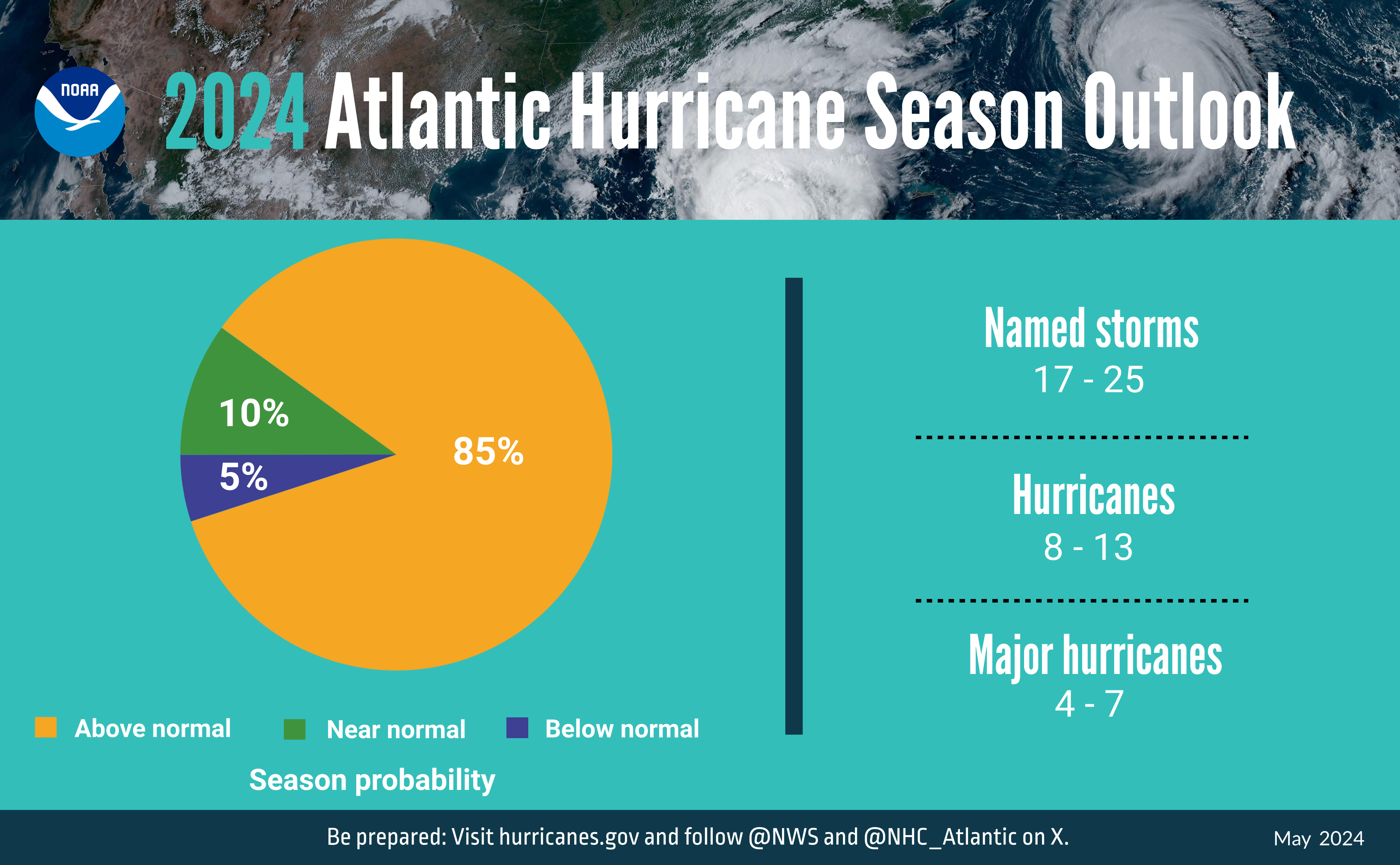
NOAA has predicted an extremely active 2024 Atlantic Hurricane Season, with a high number of named cyclones. (Photo courtesy NOAA)
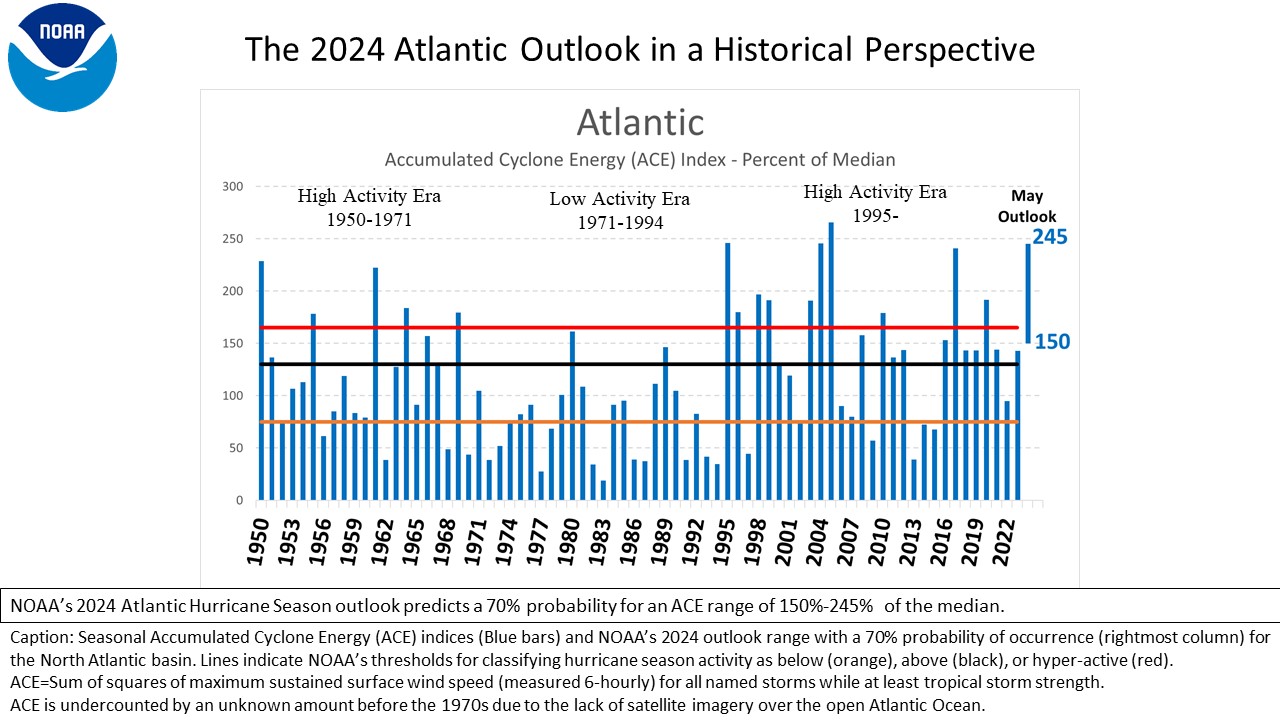
The National Oceanic and Atmospheric Administration has predicted an extremely active 2024 Atlantic Hurricane Season. The number of expected cyclones across the Atlantic basin this year is the highest the agency has ever forecast. “NOAA’s outlook for the 2024 Atlantic hurricane season, which spans from June 1 to November 30, predicts an 85 percent chance of an above-normal season, a 10 percent chance of a near-normal season, and a 5 percent chance of a below-normal season,” according to information provided from a NOAA press briefing and a press release on Thursday. “NOAA is forecasting a range of 17 to 25 total named storms (winds of 39 miles per hour or higher),” NOAA said. “Of those [cyclones], 8 to 13 are forecast to become hurricanes (winds of 74 mph or higher), including 4 to 7 major hurricanes (category 3, 4 or 5; with winds of 111 mph or higher). Forecasters have 70 percent confidence in these ranges,” NOAA continued.
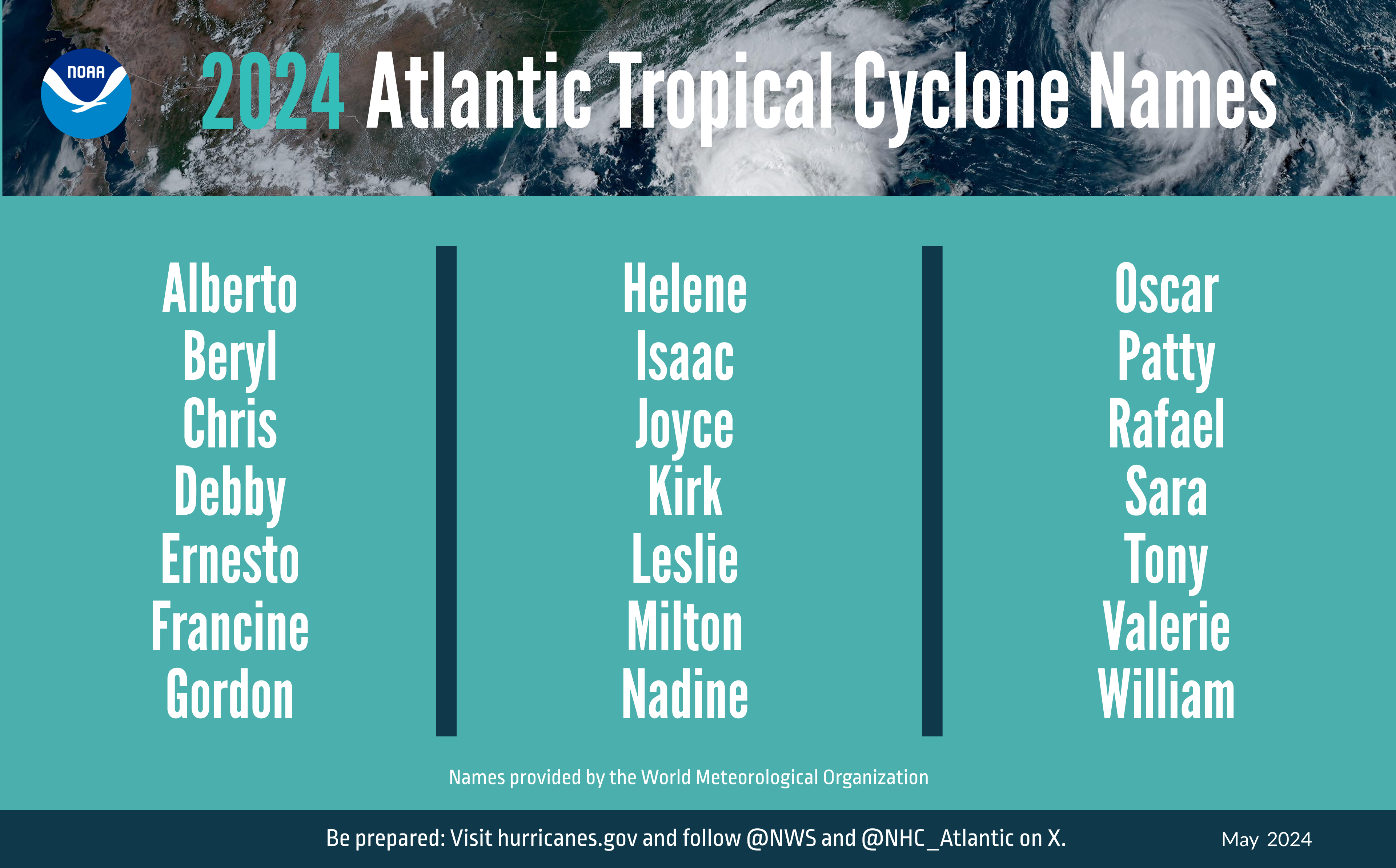
2024 Atlantic Hurricane Season Cyclone Names. (Photo courtesy NOAA)
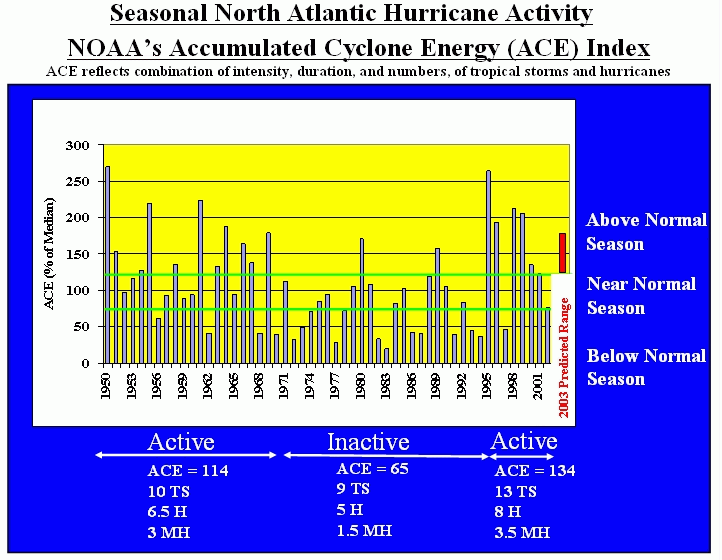
Additionally, NOAA’s Accumulated Cyclone Energy (ACE) forecast is very high, indicating a very active hurricane season. “ACE reflects the combination of intensity, duration, and numbers of tropical storms and hurricanes,” according to NOAA. Why 2024 May Be an Extraordinary Hurricane Year The main reasons for the potentially explosive season are a likely transition from an El Niño weather pattern to La Niña, combined with record-breaking warm sea surface temperatures across the North Atlantic.
A graphic explaining La Niña and its impacts on hurricane development in the Atlantic and Caribbean. (Photo courtesy NOAA)
“Scientists call [the two opposing climate patterns of El Niño and La Niña] the ‘El Niño-Southern Oscillation’ (ENSO) cycle. El Niño and La Niña can both have global impacts on weather, wildfires, ecosystems, and economies,” according to the NOAA. As noted in a previous Source article, when a La Niña cycle occurs, the ocean waters across the equatorial Pacific Ocean cool significantly, affecting global weather. During La Niña, wind shear — a change in wind direction and velocity with height in the atmosphere — also typically decreases in the Atlantic Ocean. A reduction in wind shear can favor cyclone development. This pattern is the opposite of El Niño, which causes a warming of the equatorial Pacific, which usually increases wind shear in the Atlantic Ocean. The wind shear helps to tear apart developing storms and prevent hurricane formation and intensification. A neutral phase of ENSO occurs when neither El Niño nor La Niña is happening, often occurring during the transition of an El Niño to a La Niña. An ENSO-neutral phase may also result in lower wind shear across the Atlantic, resulting in more favorable conditions for cyclones to develop.
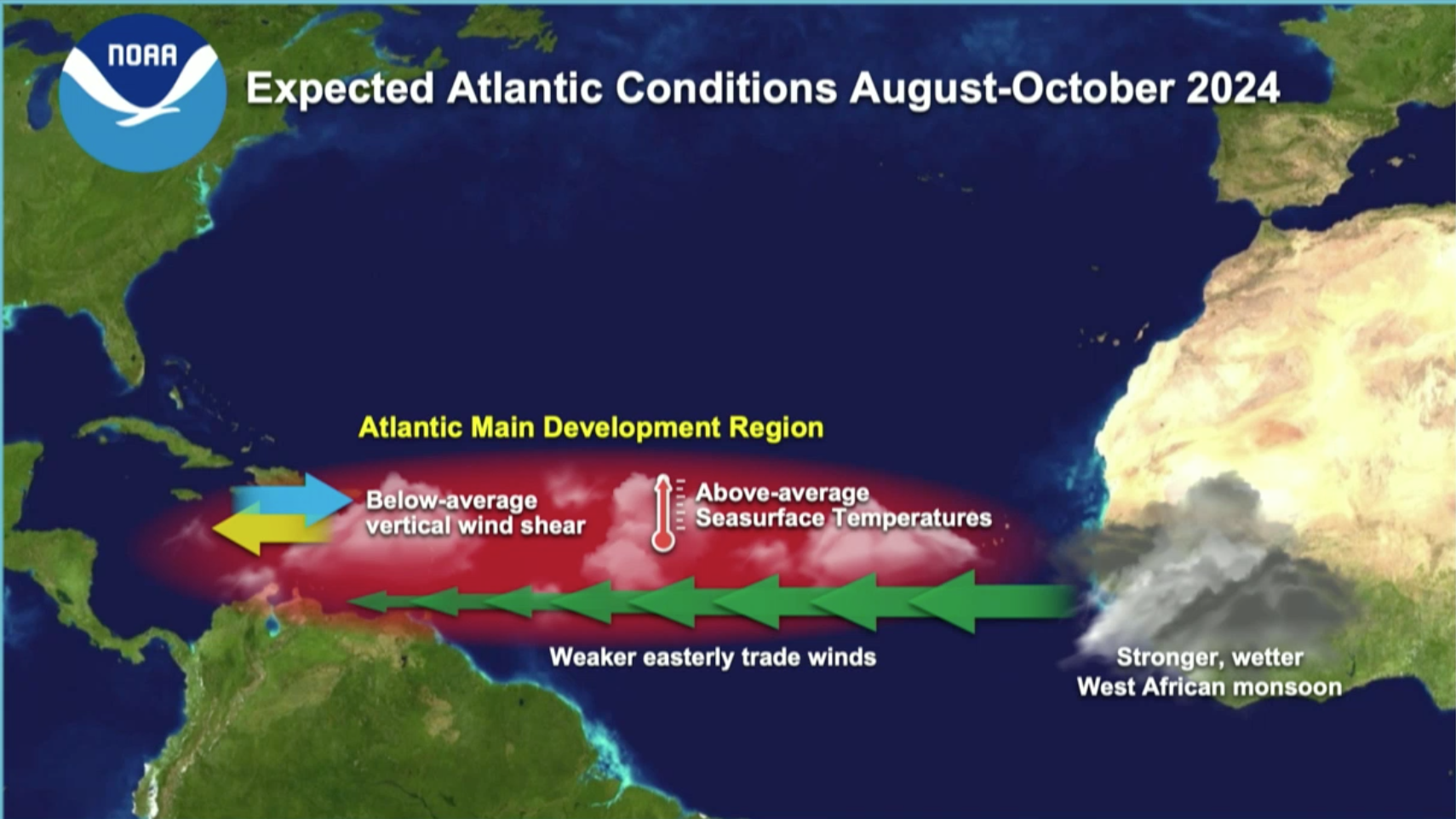
A forecast graphic explaining La Niña and additional impacts on hurricane development in the Atlantic and Caribbean later this summer. (Photo courtesy NOAA)
Regarding very warm sea surface temperatures and the effects on hurricanes, the National Weather Service (NWS) notes that warm ocean water adds fuel to a cyclone through a process of evaporation and condensation, allowing a tropical disturbance to intensify. Low wind shear combined with plentiful moisture across the ocean due to warmer sea temperatures increases the likelihood of cyclone intensification. Additionally, NOAA said that tropical disturbances exiting the west coast of Africa may occur more frequently this year due to the West African Monsoon. “This hurricane season also features the potential for an above-normal West African Monsoon, which can produce African easterly waves that seed some of the strongest and longer-lived Atlantic storms,” NOAA explained. Climate change was also referenced as a reason hurricanes may become more dangerous. “Human-caused climate change is warming our ocean globally and in the Atlantic basin, and melting ice on land, leading to sea level rise, which increases the risk of storm surge [and flooding]. Sea level rise represents a clear human influence on the damage potential from a given hurricane,” NOAA warned. Monitoring the Tropics Experts are particularly concerned about the rapid intensification of cyclones this year, and residents of coastal locations by the Atlantic Ocean, the Gulf of Mexico, and the Caribbean Sea are advised to start hurricane season preparations before any storms are on the horizon. “Many large coastal cities require 48 to 72 hours to announce mandatory evacuations, organize shuttles, and activate highway contraflow for evacuation traffic,” according to information provided by AccuWeather. “State and local leaders are being urged to prepare for tropical threats that could quickly escalate into major storms this hurricane season,” AccuWeather explained. In its press release, NOAA shared news regarding new tools and upgrades to help more accurately predict cyclones, including helping to forecast rapidly intensifying storms.
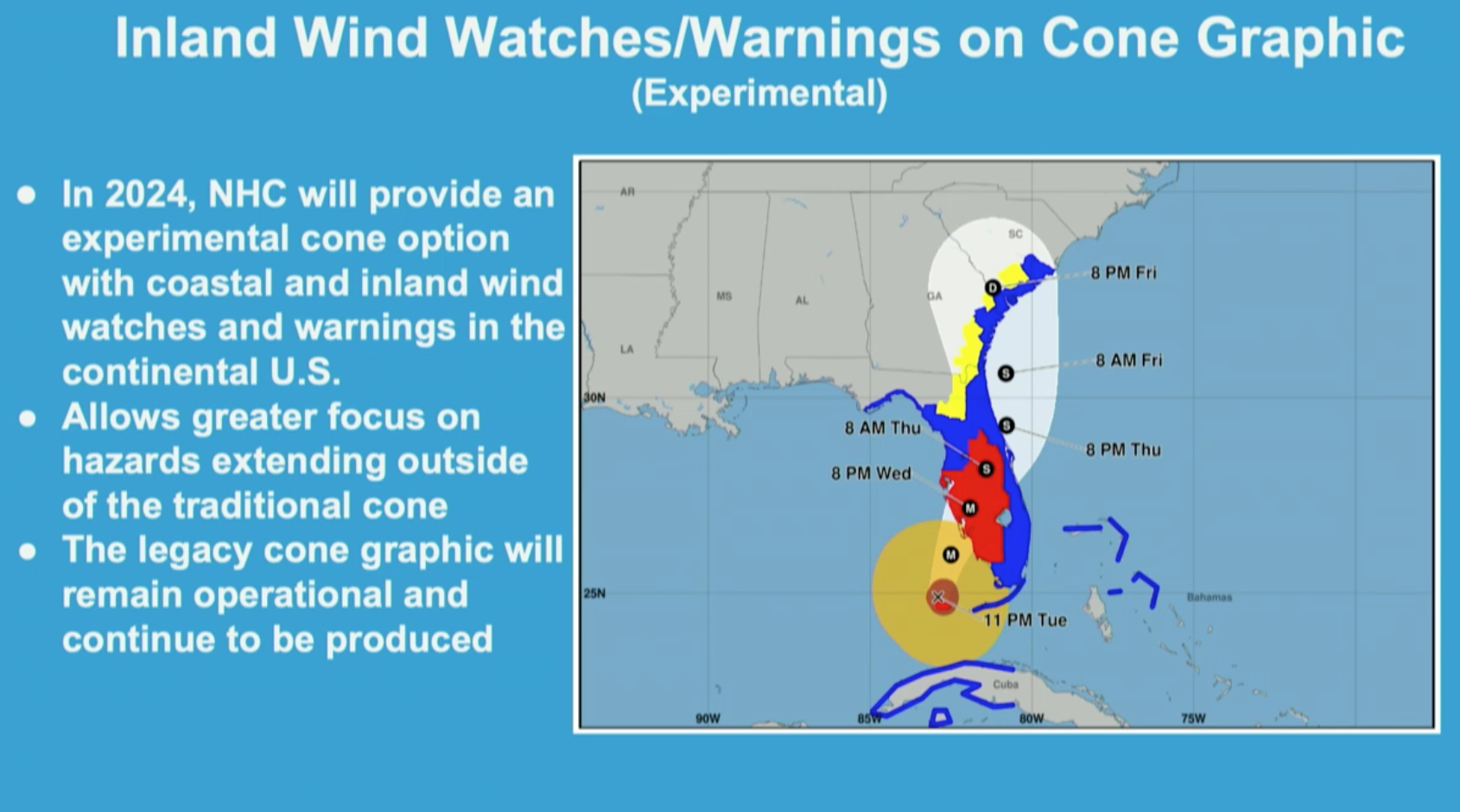
NOAA shared new tools and upgrades, including implementing changes to forecast graphics to communicate storm related impacts more effectively. (Photo courtesy NOAA)
“Two new forecast models developed by NOAA researchers will go into operation this season. The Modular Ocean Model, or MOM6, will be added to the Hurricane Analysis and Forecast System to improve the representation of the key role the ocean plays in driving hurricane intensity. Another model, SDCON, will predict the probability of tropical cyclone rapid intensification,” NOAA noted. Additionally, starting in August, NOAA will implement changes to forecast graphics to communicate storm-related impacts more effectively. “Beginning on or around August 15, National Hurricane Center will start to issue an experimental version of the forecast cone graphic that includes a depiction of inland tropical storm and hurricane watches and warnings in effect for the continental U.S. Research indicates that the addition of inland watches and warnings to the cone graphic will help communicate inland hazards during tropical cyclone events without over-complicating the current version of the graphic.” Hurricane Season Preparations Even with a large number of storms predicted, it is impossible to forecast where, when, or if a hurricane makes landfall. NOAA advises individuals to be prepared before, during, and after a hurricane.
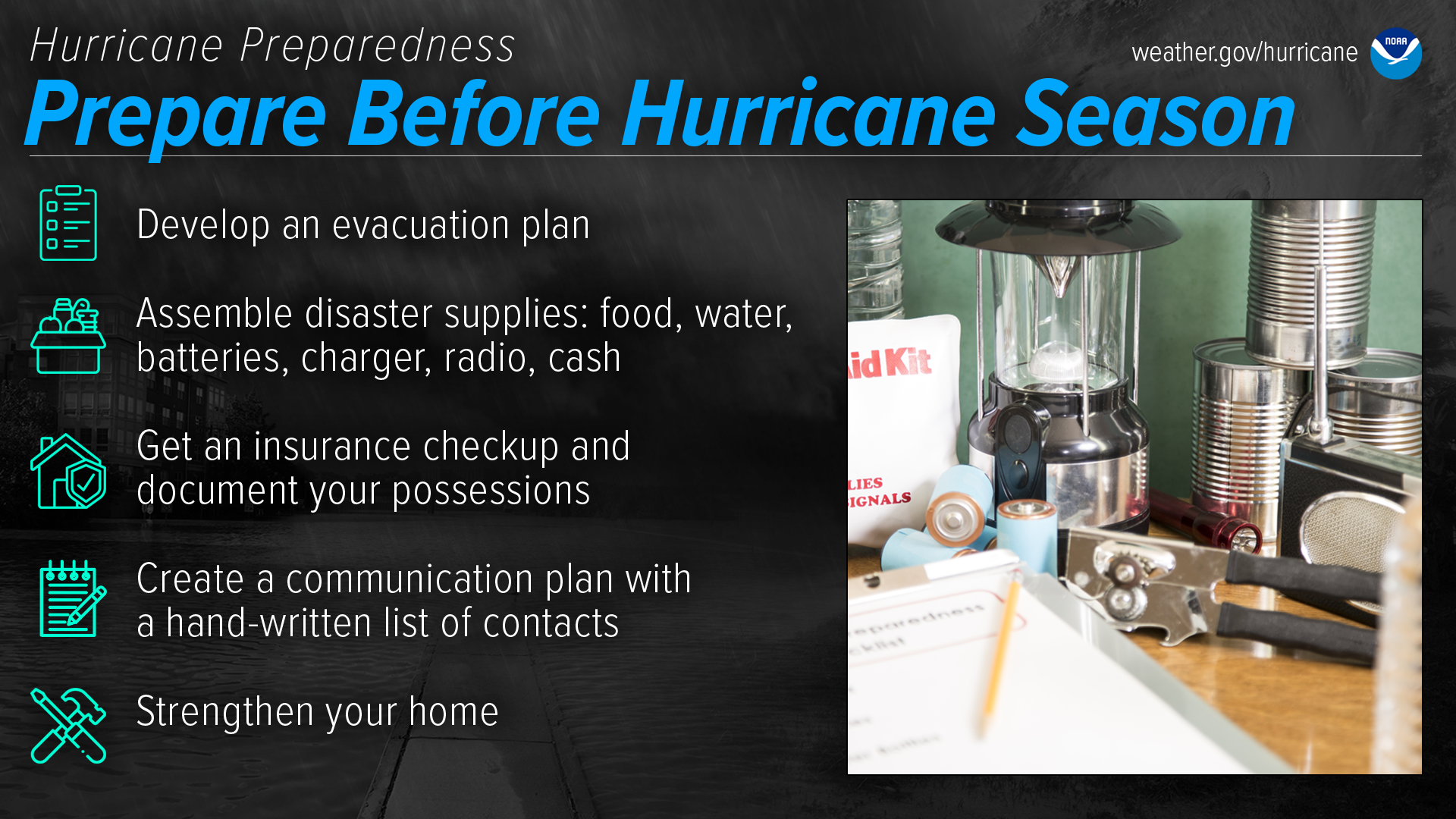
Suggestions for actions that can be taken today to prepare for hurricane season. (Photo courtesy NOAA)
Matt Rosencrans, NWS lead hurricane seasonal forecaster, shared advice for the U.S. Virgin Islands and Puerto Rico residents ahead of hurricane season. “I advise everyone to start preparing now,” Rosencrans recommended. “Residents of the USVI and Puerto Rico know that supplies can take time to reach them, so please start early. Often, the recovery on islands can take longer than [the U.S.] mainland areas due to transportation complications, so take the time now to have more supplies,” he continued. Rosencrans also provided resources that individuals may find helpful for hurricane preparations. “Ready.gov and listo.gov are great resources,” Rosencrans said. “NOAA also has step-by-step instructions, and the Virgin Islands Territorial Emergency Management Agency (VITEMA) may also have the necessary information that’s localized to the islands and island residents’ unique needs.” USVI Weather Information In addition to weather information from the NWS and VITEMA, a daily weather forecast is also published on the Source Weather Page, where readers can view weather forecast videos and disaster preparedness video segments.

Coral Lab West Hosting Fundraiser for STX Reefs to Draw Awareness

0
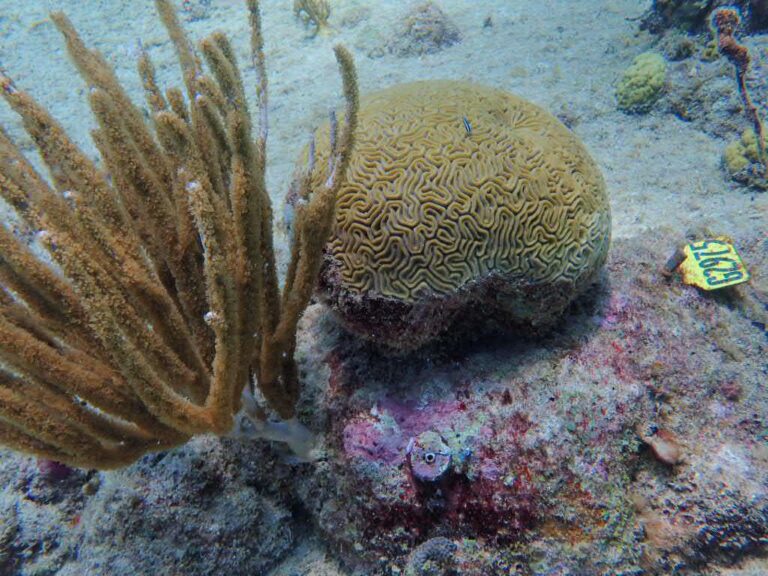
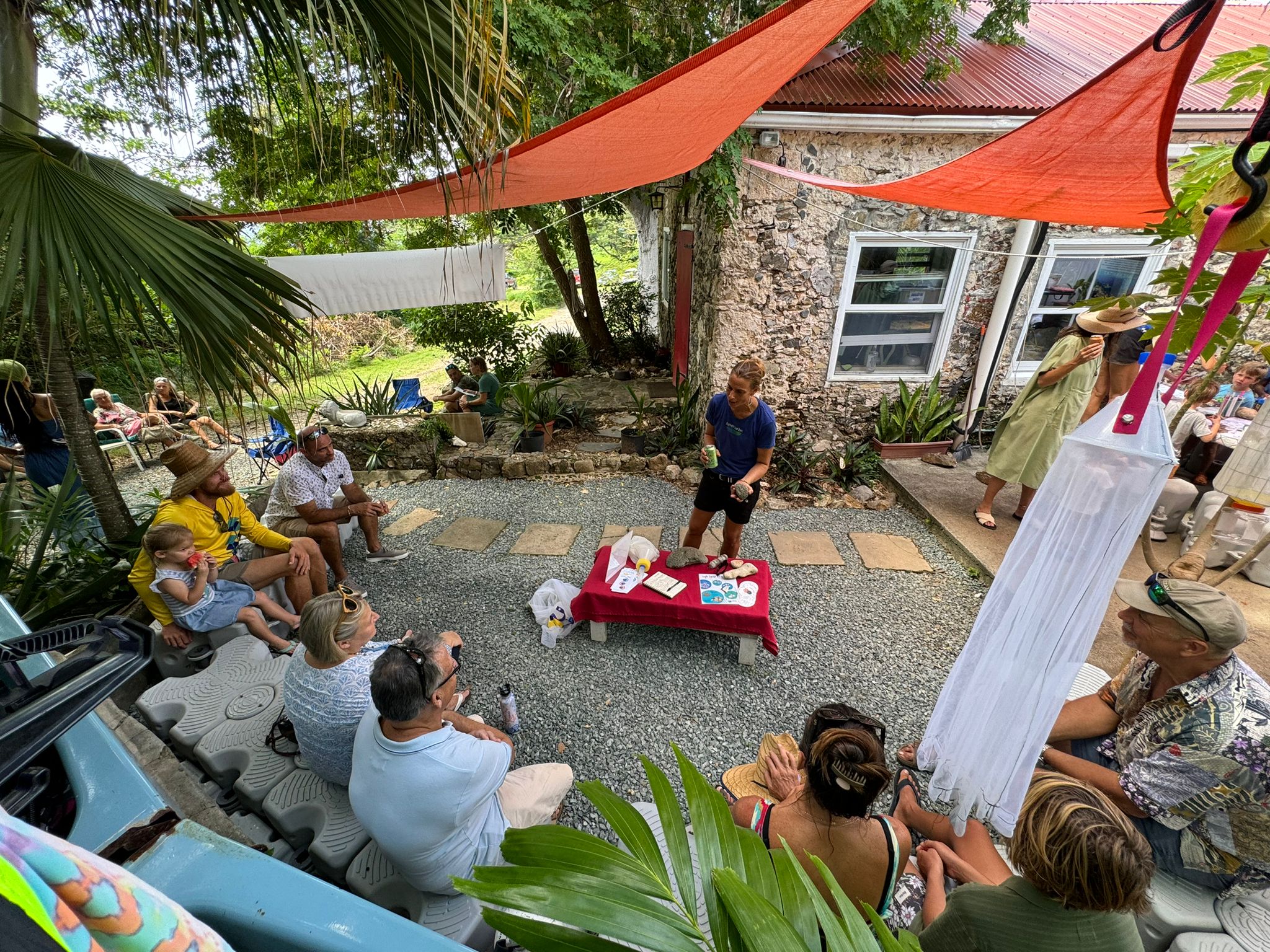
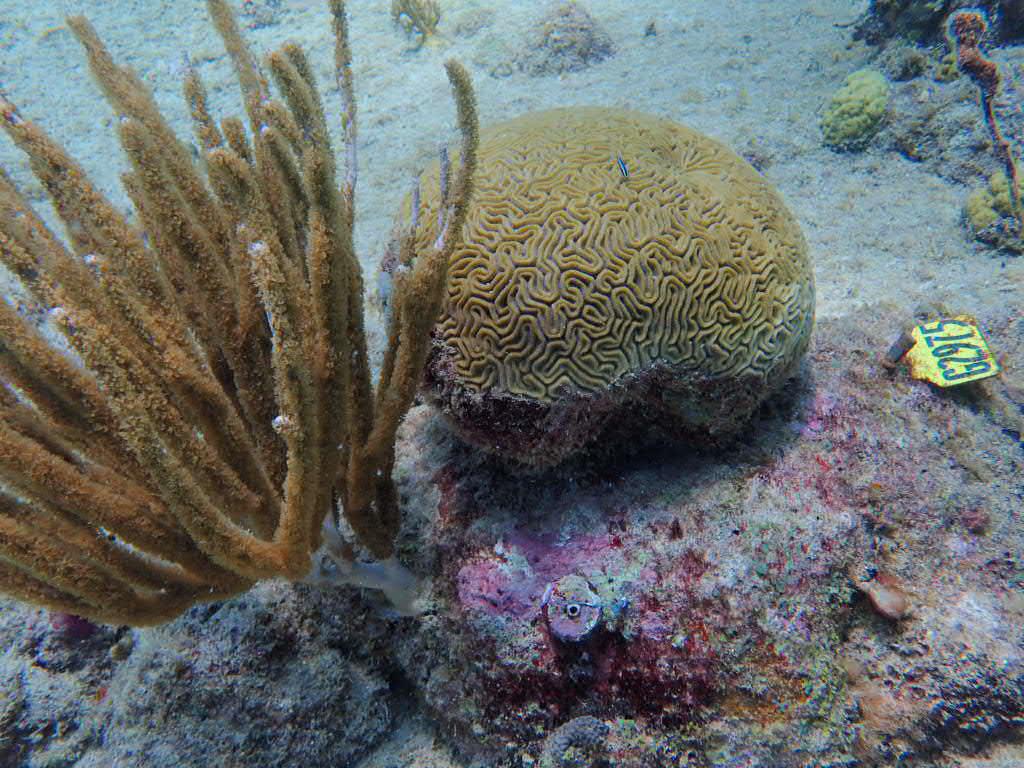
The team recognized the importance of community engagement and opened their doors to the public, inviting individuals to learn about their work and become stewards of the reef. (Photos provided by Coral Lab West at Feather Leaf Inn)

The Coral Lab West at Feather Leaf Inn will host a fundraiser for St. Croix reefs on Saturday, May 31. The event will feature delicious food and fascinating discussions about the importance of preserving the reefs on St. Croix.

In the depths of Butler Bay, a dedicated team of marine scientists is embarking on a mission to safeguard one of nature’s most precious wonders: coral reefs. The scientists are working in a small “Pop-Up” Coral Laboratory that they refer to as “the center of culture” because to make coral, you must set up a culture.

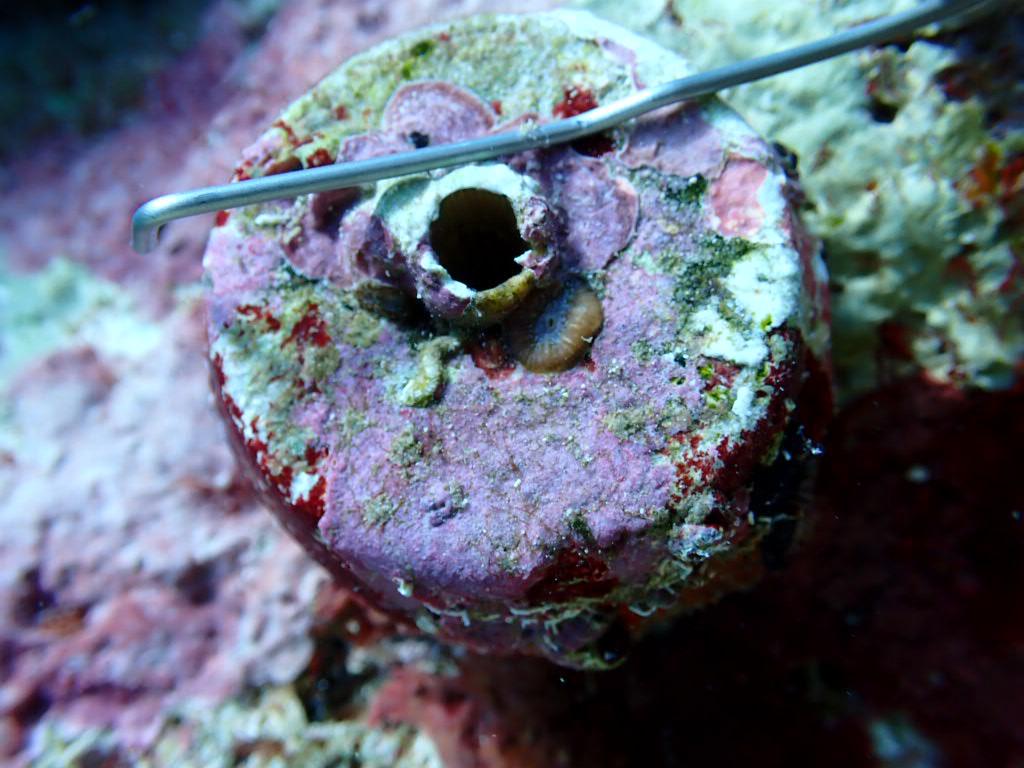
Microscopic DLAB polyps fluoresce under UV light in Butler Bay. (Photos provided by Coral Lab West at Feather Leaf Inn)

The lab is located near the Feather Leaf Inn, where the Coral Restoration Team is pioneering a multifaceted approach to unravel the mysteries of these underwater ecosystems and paving the way for effective conservation strategies.

The Butler Bay Coral Restoration Project is funded by the Department of Natural Resources and is currently still the only coral restoration project on the west end of St. Croix. It is a collaboration between Ceiba Strategies, LLC, a program design and project management company, and Thriving Islands, LLC, a marine research and field services company co-founded by Corina Marks and based at the Feather Leaf Inn.

DLAB coral produced through the spawning work of the Butler Bay Coral Restoration Project. (Photos provided by Coral Lab West at Feather Leaf Inn)

The team’s efforts extend far beyond observation; they are cultivating the future of Butler Bay’s coral reefs through innovative coral gardening techniques. One technique uses an old prop left behind from a movie filmed on St. Croix resembling a jungle gym to hang their sea babies on small muffin-sized tins.

The team studies brain and elkhorn corals. They employ both asexual and sexual propagation methods and nurture elkhorn coral fragments to enhance coral biomass. They fertilize brain corals during spawning events and rescue and reattach dislodged corals to their natural habitat.

Chief Scientist Ashlee Lillis, Ph.D., said that the coral they are studying spawns once or twice a year, 10 to 11 days after the full moon, 50 minutes before sunset for one to two minutes. It is that specific.

“In this room we produced like a few million fertilized coral embryos last year and most go back into the sea. That gives them a leg up,” said Marks, referring to the Coral “Pop-Up” Laboratory where she spends most days observing coral.

The team said that despite the historic marine heat wave and bleaching event that started in the summer of 2023, there are one-year-old survivors that are currently found in the nursery. It is also the first time since the spawning calendar was established on St. Croix that the corals did not spawn in the month of May. This could have been related to heat stress, something the team will be paying attention to for the month of June. Additionally, the team is moving into the project’s second phase, which involves out-planting the survivors from the nursery onto the reef.

DLAB coral produced through spawning work set next to brain coral and elkhorn coral of the Butler Bay Coral Restoration Project. (Photos provided by Coral Lab West at Feather Leaf Inn)

Understanding the reef extends beyond visual and genetic assessments. By listening to the subtle symphony of underwater sounds — from the chatter of fish to the hum of passing boats — through passive acoustic monitoring, researchers gain a holistic understanding of reef health. These auditory snapshots offer a window into the bustling life beneath the waves, informing conservation strategies to preserve vital ecosystems.

The team recognized the importance of community engagement and opened their doors to the public, inviting individuals to learn about their work and become stewards of the reef. They have previously hosted other events, such as a Mother’s Day Brunch in May and now a delicious fundraiser dinner. Additionally, they intend to implement measures of a sediment runoff remediation plan.

During the dinner, attendees can expect a Mediterranean-inspired meal while learning from scientist resident Lillis. The proceeds will support crucial conservation efforts in Butler Bay to protect their ecosystem. To secure your spot, click here.

To learn more about Coral Lab West, visit their website and follow their Facebook page and Instagram.

To visit the Sound Ocean Science website that describes the coral incubator project in detail, click here.

The Coral Restoration Team continues to push the boundaries of marine science, and their work serves as hope for the future of Butler Bay’s coral reefs. Through careful research, innovative techniques, and community collaboration, they are forging a path toward a more resilient and sustainable future for these invaluable ecosystems.

Virgin Island Propane, LLC Seeks Proposed Zoning Approval

0
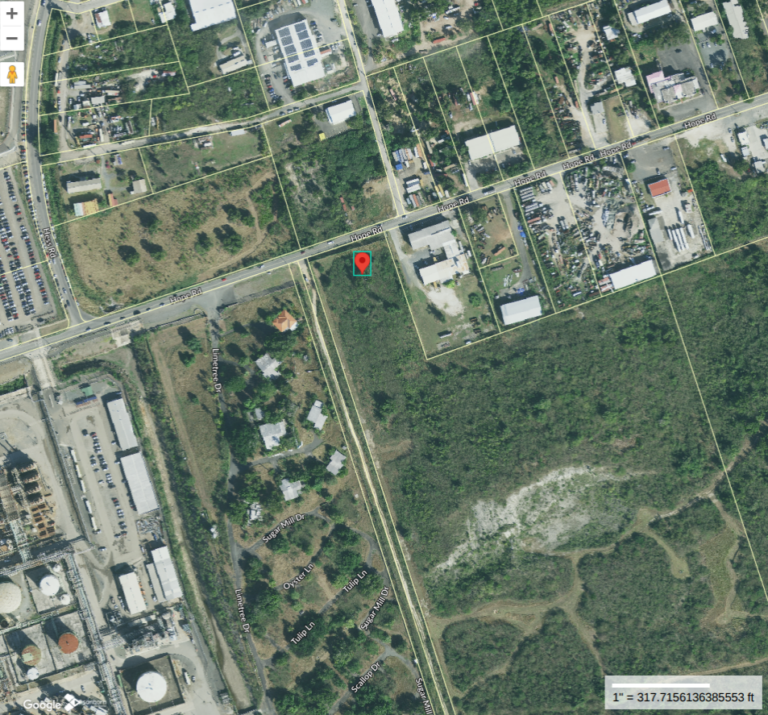
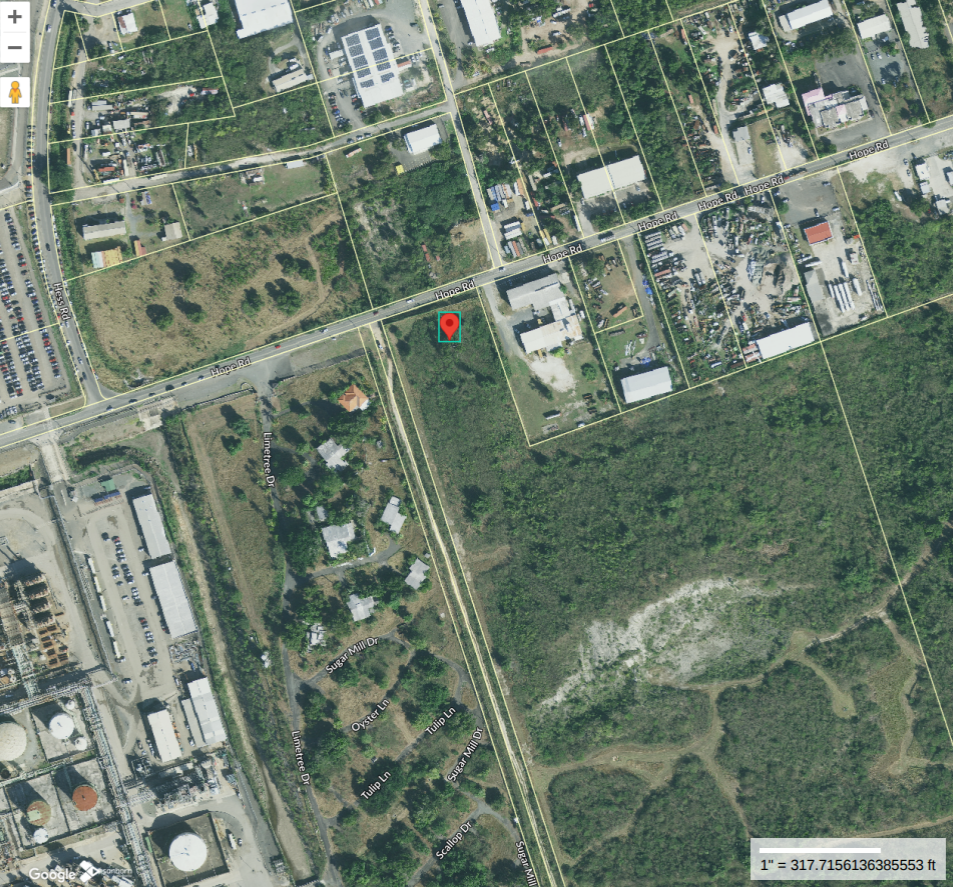
A map of I-2 zoned plot No. 8 in Estate Cassava Garden, Queens Quarter, St. Croix. (Screenshot of Zoom meeting held on Wednesday)

Virgin Islands Propane, LLC is requesting a variance to the I-2 zoned plot No. 8 in Estate Cassava Garden, Queens Quarter, St. Croix. The company went before the Department of Planning and Natural Resources on Proposed Zoning Map Amendments in a public hearing on Wednesday via Zoom. The request is to allow the storage, retail, and wholesale of propane to commercial and residential customers.

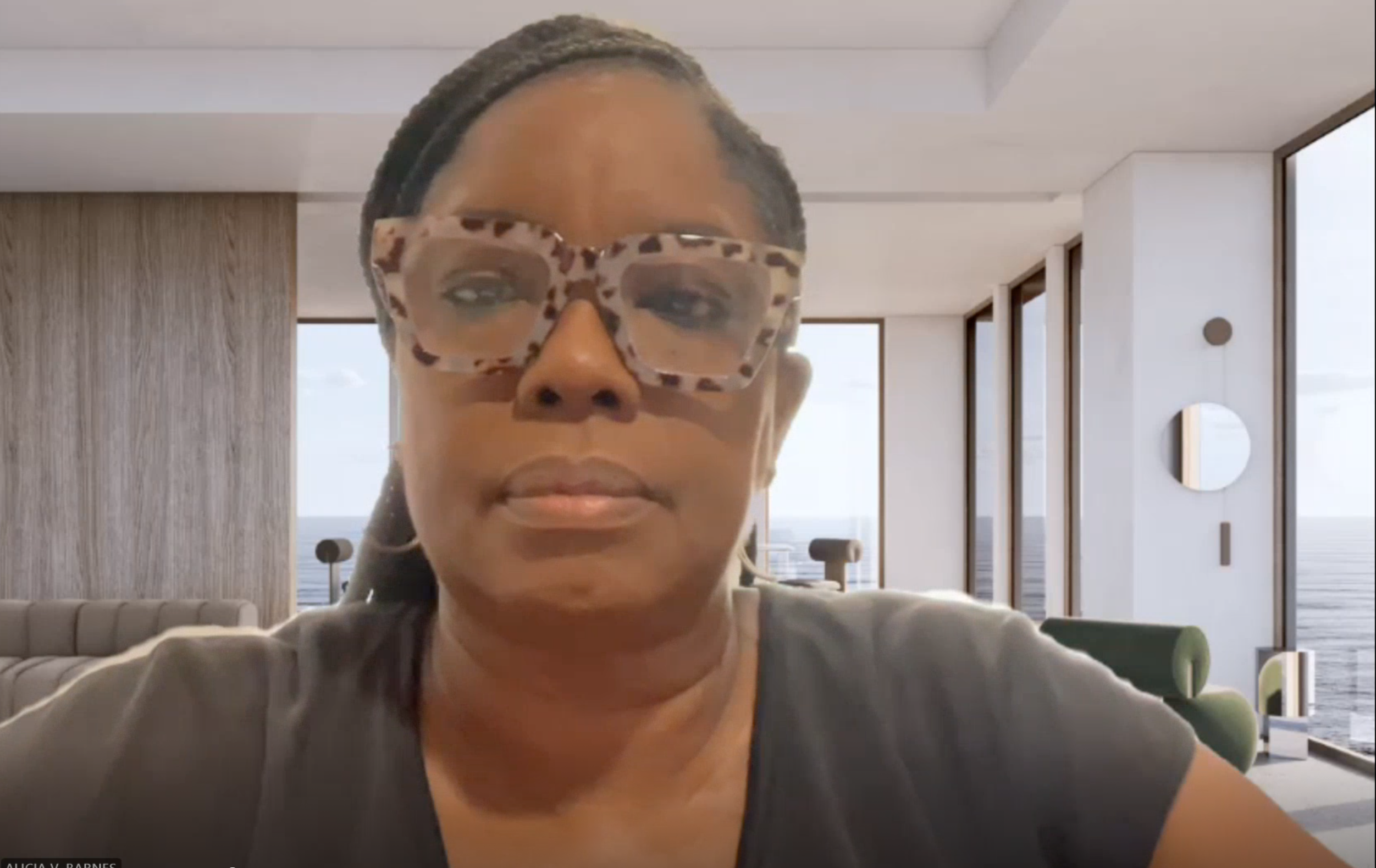
Alicia Barnes presented on behalf of the company. She said that the site is undeveloped and ideal for operating a propane retail and wholesale facility. The proposed operation is on one acre of land and compatible with the surrounding area’s commercial and industrial activities.

“The principals of Virgin Islands Propane, LLC are Sirri Hamad and Atta Misbeh. They are both well-known local businessmen who are active contributing members of the St. Croix community. Their combined business ventures have invested heavily in the territory, and they are continuing to demonstrate that investment and commitment to the territory with this current business venture,” said Barnes.

Alicia Barnes, representing on behalf of Virgin Islands Propane, LLC. (Screenshot of Zoom meeting held on Wednesday)

The investment of the entire project is estimated between $250,000 and $300,000 and is scheduled to commence in the first quarter of 2025 once all permits are obtained and completed between six to 12 months after. They approximate 10 local hires during the construction phase and five to six permanent employees during full operations.

Jozette Walker, assistant commissioner of the Department of Planning and Natural Resources, said she was made aware that there are plans for solar development directly south of the one acre that principals of Virgin Islands Propane, LLC intends to occupy.

“I’m not sure if there will be any environmental concerns as it regards propane and the placement of the storage tanks as well as having the solar farms in close proximity to that,” said Walker.

Barnes responded by thanking Walker for the insight and said, “As we move forward, we are with the permitting for the project. We are committed to ensuring that we comply with the permitting requirements and our special conditions associated with the development.”

Territorial Planner for the Department of Planning and Natural Resources Division of Comprehensive and Coastal Zone Planning, Leia LaPlace-Mathew, asked about the location of the business. She also referenced the two companies nearby, St. Croix Gas and Antilles Gas, and said, “Since those two companies are nearby, what was the reasoning for its location seeing that there are no companies in the west?”

“Compactability in terms of the appropriate zoning. That was most attractive. Being able to enter into a lease agreement with the government of the Virgin Islands and as we traverse further west we get into residential areas. It presented more of an attractive option logistically as well,” Barnes responded.

During questioning for the public, Carey Guilbeau from the HOVENSA Environmental Response Trust, which was established when HOVENSA filed for bankruptcy and works on behalf of DPNR and EPA, said, “We do actively remediate the area being discussed. There is a well located 15 feet from the fence.”

Barnes clarified about the type of wells on the property. “When we say wells, I don’t want it to be perceived that it is the standard wells from drinking water purposes or agriculture purposes. This is in fact a recovery well to recover petroleum products that were released into the environment during the refinery operations.” To which Guilbeau agreed.

Barnes added that the applicant is not opposed to cooperating to ensure that this development does not affect the ongoing monitoring.

Additional public comments are accepted until Sunday, June 2, by emailing leia.laplace@dpnr.vi.gov.

The Seventh-day Adventist Church Invites All to Family Affair Impact 2024

0
The St. Thomas-St. John Seventh-day Adventist (SDA) Church family, invites the public to its Family Affair Impact 2024!  Visit any SDA Church near you beginning at 9 a.m., Saturday, June 8, continuing nightly (except Thursday and Saturday night) through Saturday, June 24.  A special blessing awaits you and your family! City Seventh-day Adventist Church Email Address:  citysda@gmail.com FaceBook Page:  https://www.facebook.com/CitySDAChurch Instagram:  citysdac_usvi1901 (City SDA Church) Website:  www.citysdachurchusvi.org (under construction) YouTube Channel:  City Seventh-day Adventist Church

King Airport Reopens After Emergency Runway Repair

0
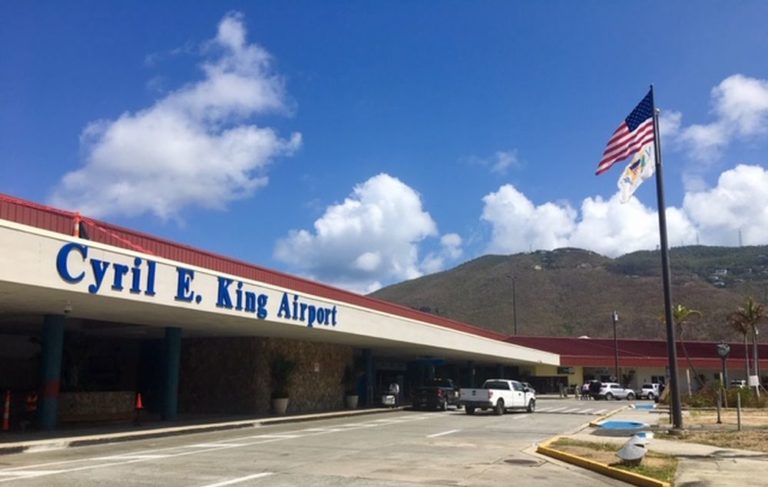
Incoming flights diverted and departing flights delayed due to emergency runway repair Thursday. (Source file photo)

The Cyril E. King Airport runway on St. Thomas reopened Thursday at 4 p.m. after an emergency runway repair closed the airport for almost two hours, the V.I. Port Authority announced.

The runway was closed at 2:15 p.m. for an emergency asphalt pavement repair at the runway’s midpoint. VIPA Territorial Airport Manager Jerome Sheridan said several departing flights were delayed and incoming flights to St. Thomas were diverted to nearby airports due to the temporary closure, according to the press release.

Normal airport operations have resumed at King Airport, the press release stated.

VIPA Executive Director Carlton Dowe apologized for the inconvenience but emphasized that the repair was necessary to ensure the safety of the traveling public and airport users, the release stated.

Verna Icilma Dagou Dies

0
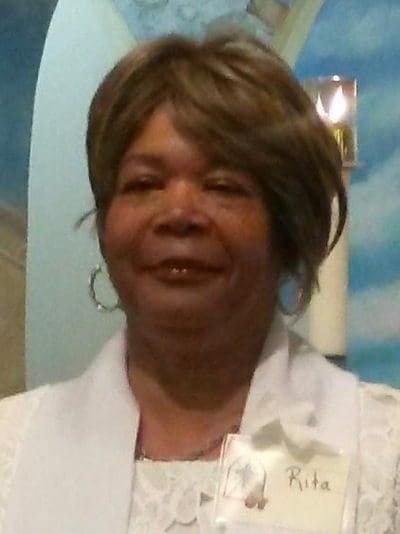
Verna Icilma Dagou

Verna Icilma Dagou died at her home following a brief illness, on Friday, May 3.  

Verna was preceded in death by her father, Lynnton Connor; and sisters: Claire Dagou and Gloria Dagou Penn.

She is survived by her loving mother, Melina H. Crabbe, her beloved daughter, Jacquiel T. Fredericks; siblings: Renetta Robles, Delearse Crabbe, Claudine and Macell Connor, Hubert and Ashton Gumbs; and brother-in-law, Allenton Penn Sr.

She is also survived by nieces and nephews: Tiffany Robles, Delese Brown, Sharice Penn, Lesroy Hughes, Allenton Penn Jr., Akiemo and Akeem Fahie; the Class of 1974 of Nazareth Bay High School (now I.E. Kean High School), the members of Our Lady of Mount Carmel Catholic Church, and a host of other friends and family members. 


A Mass of Christian Burial will be held on Thursday, May 30, at Holy Family Catholic Church in Anna’s Retreat (by Cassi Hill).  Viewing will begin at 9 a.m. and services will follow immediately after at 10 a.m. followed by interment at the Eastern Cemetery in Smith Bay.

 Funeral arrangements are under the care of Turnbull’s Funeral Home and Crematory Services. To share condolences, tributes or loving memories of our beloved Verna Icilma Dagou, please send them by 5 p.m., Thursday, May 23.

Cancryn Pump Station Offline on STT, Residents Should Avoid Standing Water

0
The Cancryn Pump Station in downtown St. Thomas is currently offline due to a loss of electrical power and heavy rainfall, the V.I. Waste Management Authority announced Thursday morning. This situation may lead to sewer system issues in the downtown area, potentially causing manhole overflows, it said, and advised residents to avoid any standing water in the affected area. VIWMA is working to address the necessary repairs, according to the release. For more information, contact the Division of Education and Communications Management at 340-474-2811, or email communications@viwma.org. Stay updated by following VIWMA on Facebook, LinkedIn, and Twitter.