


In August of 2022 a public hearing at the Rotary West Club building in Frederiksted was packed with people, including Robert Apfel who presented his proposal to build a distillery plant at Estate Prosperity. Believe me, it was a controversial proposal. That evening, Sen. Kurt Vialet, who sponsored the bill, found himself in “hot water” with the backlash of the community.
I sat there and listened, and then I got up and testified. After the public hearing, Apfel approached me about his situation and how could I assist or guide him where he found himself in “water more than flour,” a local expression. In other words, a controversial issue concerning whether he could build a rum distillery or simply an agricultural processing distillery plant at his Estate Prosperity farm.
The V.I. Code, Title 29, Chapter 3, § 228 permits “agricultural processing” as a right in both A-1 and A-2 agricultural zones. Distillation, on the other hand, is an expression named as a form of agricultural processing in code. Rum distillation is disallowed on farmland in the Virgin Islands. Nevertheless, at my UVI office, I had several meetings with Apfel, along with former Sen. Okland Benta, my colleagues Dr. Amy Dreves and Dr. Usman Adamu, dean of the School of Agriculture at the University of the Virgin Islands.
I encouraged Apfel not to give up on his farm operation. Believe me, if you started off on the wrong foot, you would probably get backlash from the community. Trust me, Virgin Islanders are loving, kind, and friendly people. In our cultural history, we welcome people with open arms from around the world to our shores. However, if you try to get “over the people,” as we would say in local terms, or “pull a sheet over their heads,” then there will be “good trouble,” according to the late U.S. Congressman and civil rights icon John Lewis.

Nevertheless, I said to him, you must be upfront and honest with the community. Trust is an important ingredient in doing business in the Virgin Islands. There was a time in our history when a handshake was all you needed to do business. I gave Apfel some ideas for his farm and the history of the site. I wanted him to succeed in his agricultural enterprise. Without a doubt, agriculture should be an important factor in our local economy.
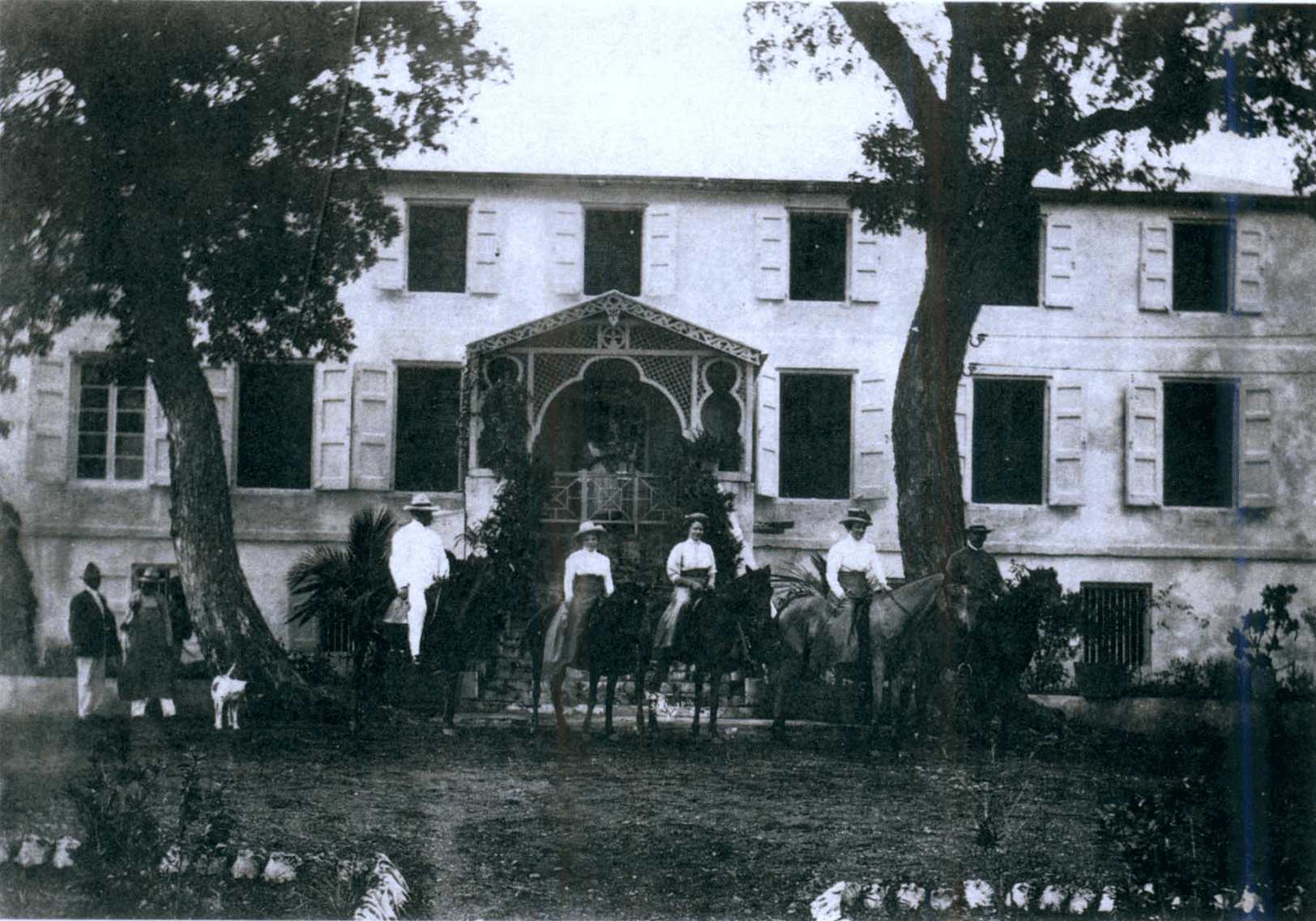
In fact, Apfel is blessed. He purchased an agricultural historic site. Talking about agritourism! Estate Prosperity is one of many historic sites on St. Croix. It is listed on the National Register of Historic Places since 1978. Estate Prosperity, founded in 1749 as a sugar plantation and rum distillery, has been operated by many prominent figures in Virgin Islands history, such as Frederik Moth, who became the first governor of St. Croix in 1733 shortly after the island was purchased from France.
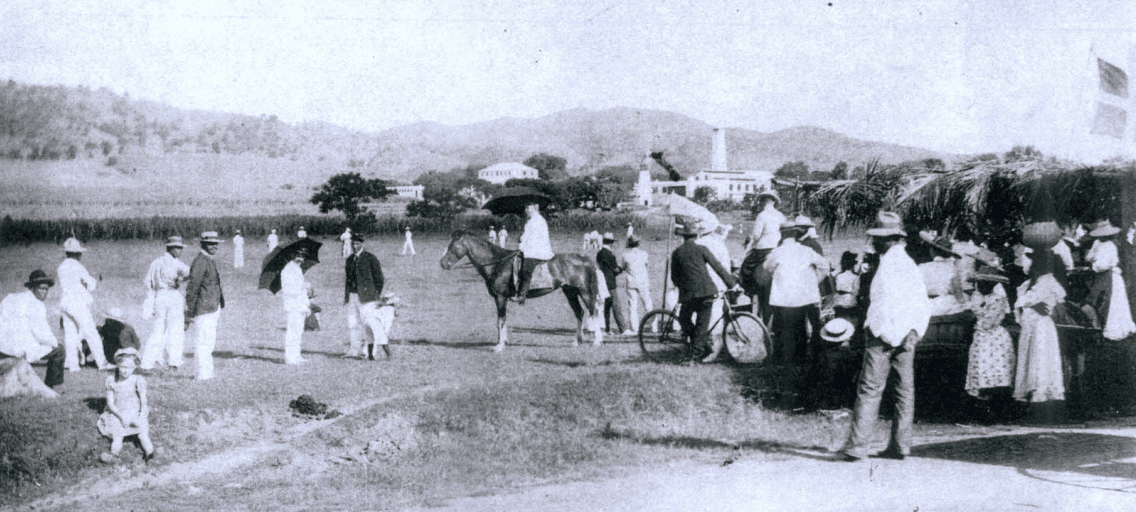
The estate was first patented to Augustine or August Boyd from London around the 1740s. In 1751, it was sold to a French Huguenot named Isaac Markoe. Thus, the estate was first referred to as Estate Prosperity in the 1780s. In 1792, Markoe’s heirs mentioned that Estate Prosperity consisted of 450 acres. About 350 were planted in cane and the rest of the property was in pasture for livestock and provisions. There were about 113 enslaved Africans working on the estate.
In fact, let me mention this before I forget, Estate Prosperity grounds were a major archaeological site, with studies focusing on the lives of the enslaved population. This was one of the reasons it became a historic Danish colonial site on St. Croix, due to its many significances as a plantation complex. Estate Prosperity was an extensive sugar plantation with a great house, slaves’ quarters, a hospital, sugar factory, stable, stock pen, water tower, and other historical structures.
Elmer August Heilbuth was the first Danish owner who purchased Estate Prosperity shortly after the 1848 Emancipation. He remained on the plantation until 1860, the same year Mary Thomas (Queen Mary) came from Antigua to St. Croix as a laborer to work in the cane fields. However, Heilbuth’s heirs sold Estate Prosperity to a Catholic priest named Mr. O’ Ryan, a man from Ireland. Eventually, O’ Ryan sold the estate to another Irishman named Hugh Roberts in the 1870s. The 1890s census record of the Danish government shows 75 acres were being taxed under cane cultivation, with a total of 215,02 pounds of sugar on the estate — about 2,600 pounds of sugar per acre.
Other statistical census records of Estate Prosperity are as follows:
– 1891, 75 acres taxed under cane cultivation, producing 46,143 pounds of sugar
– 1892, 80 acres taxed under cane cultivation, producing 281,619 pounds of sugar
– 1893, 105 acres taxed under cane cultivation, producing 138,276 pounds of sugar
– 1894, 115 acres taxed under cane cultivation, producing 349,704 pounds of sugar
– 1895, 125 acres taxed under cane cultivation, producing 222,056 pounds of sugar
– 1896, 140 acres taxed under cane cultivation, producing 288,738 pounds of sugar
– 1897, 140 acres of cane taxed under cultivation, producing 329,314 pounds of sugar
– 1898, 140 acres taxed under cane cultivation, producing 157,880 pounds of sugar
– 1899, 140 acres cane taxed under cultivation, producing 38,853 pounds of sugar
The statistics mentioned above gave a history of cane production during the 1800s on the estate. However, rainfalls, droughts, pests, and storms determined the outcome of cane production on the estate. The entire crops from Estate Prosperity in the 1900s were taken to La Grange Sugar Factory for processing. Businessman and engineer Gustav Adolph Hagemann, another Danish owner of Estate Prosperity, started to operate the property in 1901.
He also purchased Estate Wheel of Fortune, La Grange, Williams, and Punch, improving the sugar operation by modernization. Despite his investments, Hagemann had some good and not so good years with droughts, low sugar prices, and ferocious hurricanes.
Frederik J. Christensen, another Dane, and his wife Frances Elcock, a person of color, purchased Estate Prosperity in the 1940s. He and his family have a long history with the estate. Crucians can recall back in the day when Estate Prosperity was the place to be with music, dancing, and other cultural events at the great house. The estate was also served as a nightclub called The Plantation Nightclub.
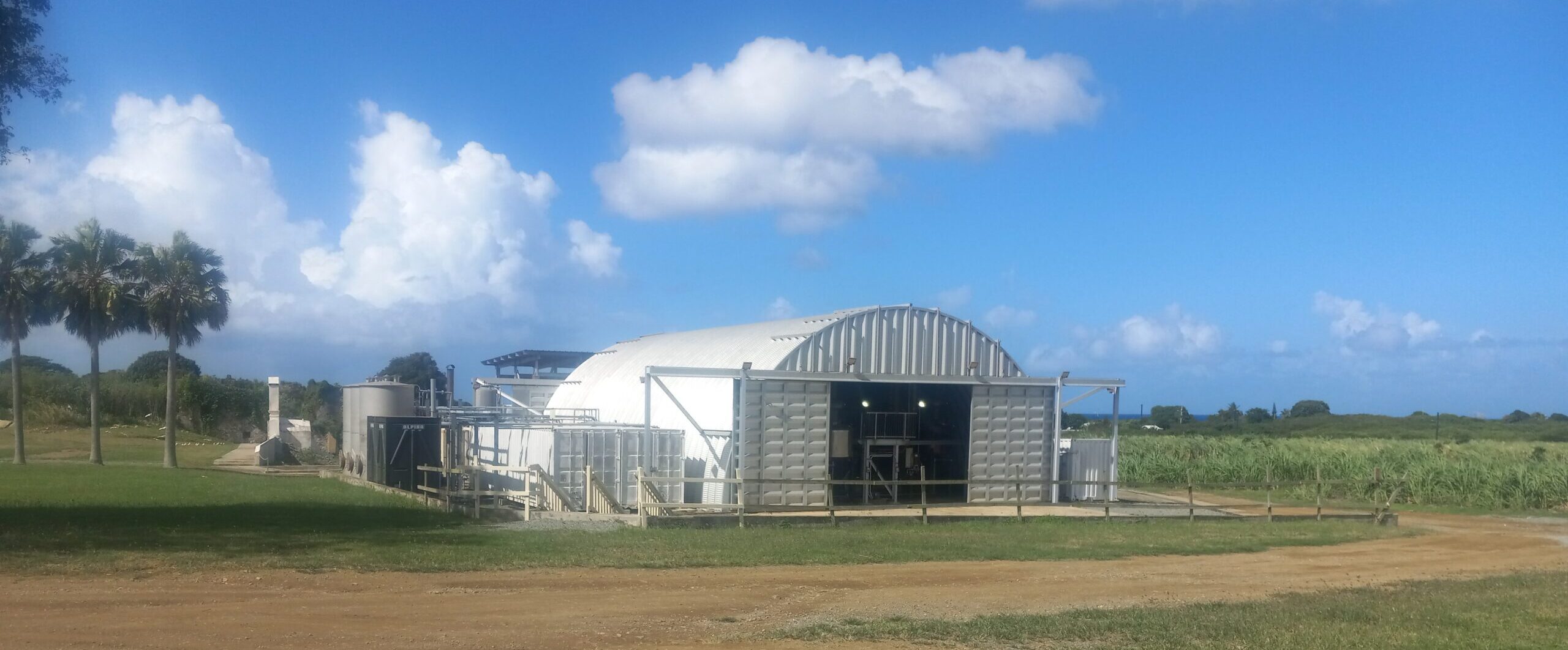
In 2018, Apfel acquired the property, growing over 100 acres in cane cultivation. He is using the latest modern technology in agriculture such as AI (artificial intelligence), drones, and satellite imagery for aerial surveying of the farm. A Geographic Information System (GIS) is also another tool for data integration and planning the farm. Today, this 100-plus-acre farm is becoming a major eco-tourism enterprise with the state-of-the-art technology and tours of a major historic site on the West End of St. Croix.
Cruise ship passengers and local events can take farm tours to see how cane juice is made, visit historic sites on the estate, and get a ride through the cane field, etc. I am glad Apfel didn’t get discouraged and leave St. Croix. He has several employees working on his farm, earning good wages, I was told from one of his workers. I encourage residents and visitors alike to visit this working farm. You can visit their website for more information. It is one of the farms that brings the history of the sugar industry alive in the Caribbean region.
— Olasee Davis is a bush professor who lectures and writes about the culture, history, ecology and environment of the Virgin Islands when he is not leading hiking tours of the wild places and spaces of St. Croix and beyond.
Editor’s Note: Opinion articles do not represent the views of the Virgin Islands Source newsroom and are the sole expressed opinion of the writer. Submissions can be made to visource@gmail.com.