


On Friday, lawmakers heard divided testimony on a proposed Water Island resort that would lease about 180 acres of public land for a development requiring at least $300 million in private investment.
Meeting as a Committee of the Whole, the 36th Legislature considered whether to amend and reinstate a 2014 ground lease for a hotel, marina and mixed-use project. The proposal would keep Water Island Development Company LLC as the lessee while bringing in Blue Water Global Advisors LLC as the lead developer.
Supporters said the project would bring hundreds of millions of dollars in private investment, while residents and several senators questioned its scale, provisions allowing public land to be sold for luxury housing, the adequacy of protections for infrastructure and the environment, and legal issues involving legislative authority and federal land restrictions.
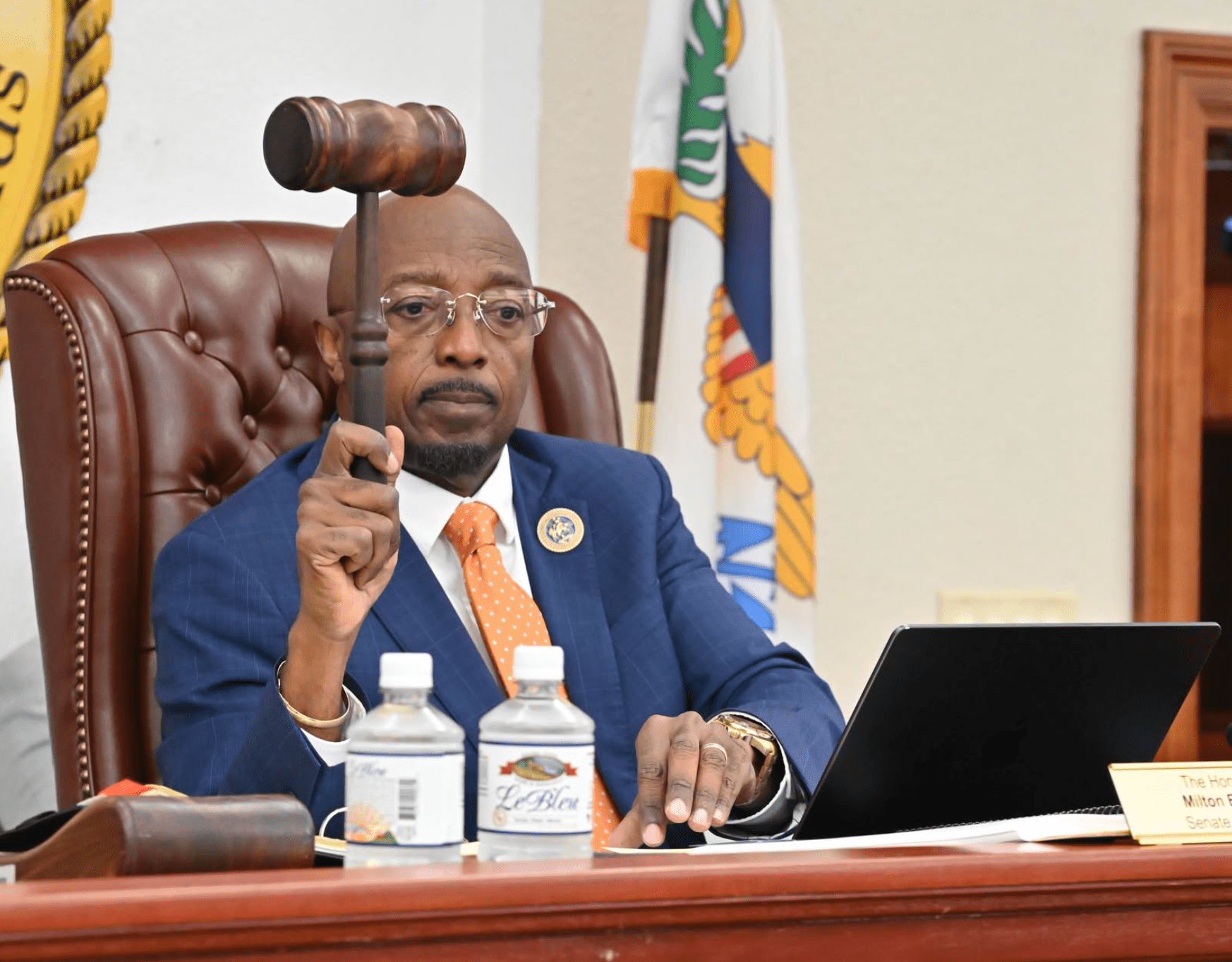
“No conclusions have been made, no votes will be taken here today,” Senate President Milton E. Potter said, calling the hearing “an opportunity for both sides to share their perspectives.”

Under the proposal, the government would lease more than 180 acres of publicly owned land on Water Island for a 99-year term beginning May 1. Plans call for an 88-room luxury hotel, a marina at Flamingo Bay, about 90 residences, workforce housing, a retail village and new police, fire and emergency medical facilities on the leased land. Honeymoon Beach and the adjacent catchment area would remain under government control.
Developer representatives Steven Miller, Daniel Knoll and attorney Alex Moskowitz said the agreement requires at least $300 million in private investment, though updated estimates place total project costs between $400 million and $440 million. They projected about 200 permanent jobs with average salaries of roughly $75,000, millions of dollars annually in hotel occupancy and property tax revenue, and said they would fund significant infrastructure improvements, including roads, drainage, water, wastewater and utility systems.
The developers also said the resort would operate largely on self-contained infrastructure, including desalination, centralized wastewater treatment, waste-to-energy generation, solar power and battery storage, while allowing Water Island residents to voluntarily connect to the new utility systems.
Residents who testified said they support rebuilding a hotel and marina on Water Island but oppose the scale and land footprint now proposed. Water Island Civic Association President Chuck Nestrud told senators residents “support a replacement of the hotel” destroyed by Hurricane Hugo in 1989 at the Flamingo Bay site but expected redevelopment to remain near the former resort’s roughly 48-acre footprint. Instead, he said, the amended lease would expand the project to about 180 acres, placing “over one-third of the entire island” under long-term lease.
Opponents said the agreement goes beyond a hotel and marina to a mixed resort and residential project with about 90 private residences and workforce housing on land originally transferred from the federal government for public purposes, including portions that critics say would now be carved out for private ownership. They warned that allowing luxury homes to be sold in fee simple, meaning as full private ownership, combined with what Nestrud called a “totally inadequate” $3 million performance bond backing a project projected to cost up to $440 million, would leave the territory exposed if the development fails.
Residents, including WICA Treasurer Rachael Ackley and marine scientist Stephan Bitterwolf, also questioned whether the lease provides sufficient guarantees for roads, emergency services, and environmental protections on an island already facing deteriorating infrastructure, a limited solid waste facility, and an aging WAPA undersea cable.
Bitterwolf urged senators to scrutinize impacts on reefs and wildlife, warning that construction in and around Flamingo Pond, a mangrove lagoon and snorkeling area, and a deep-water marina would affect mangroves, sea grass and already-stressed coral reefs. He added that the lease does not require the developer to partner with reef-restoration programs or commit to specific mitigation measures.
Several senators echoed those concerns and said they could not support the agreement without changes and more information. Lawmakers questioned the scale of the lease, the adequacy of the $3 million bond and the decision to place a large share of Water Island’s public land under a 99‑year lease to a private developer, including provisions that could allow portions to be converted into privately owned residential parcels.
Senators also requested detailed mapping showing veteran-designated and conservation lands within the proposed lease area, saying they need to know exactly what parcels are legally reserved before deciding how much land can be leased.
Although the administration and developer held a virtual meeting with Water Island residents earlier this year, lawmakers and testifiers said it was limited and not publicly noticed, and urged the Bryan-Roach administration and Property and Procurement officials to hold a formal, open town hall so Water Island residents and other Virgin Islanders can be heard directly.
The Legislature’s chief counsel, Amos Carty, told senators the proposal raises legal questions that should be resolved before final approval. He said the original 2014 lease was terminated in 2025 for nonperformance and later rescinded during negotiations, and that no evidence has been presented to lawmakers that the breach was cured before the lease was brought back.
Carty also said the amendment could keep the lease in place for more than a century and reminded senators that federal deeds restrict parts of Water Island to public purposes and require sale proceeds to go to the U.S. government unless otherwise agreed.
He also warned that provisions allowing the commissioner of Property and Procurement to approve additional site leases and convey residential lots without further legislative approval may conflict with Virgin Islands law requiring legislative approval for most long-term leases and government land sales, which many senators said would effectively usurp the Legislature’s authority.