
Department of Labor Announces Unemployment Insurance Contribution Rates for 2024
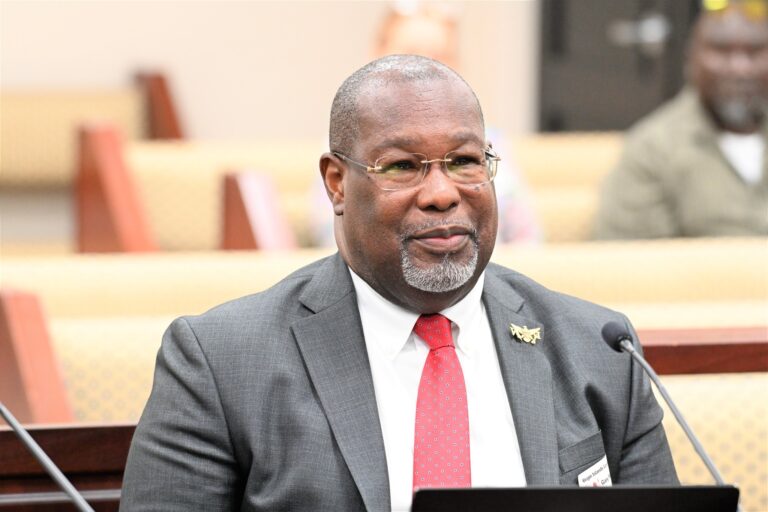
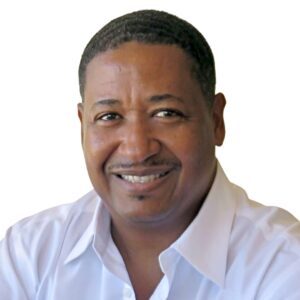
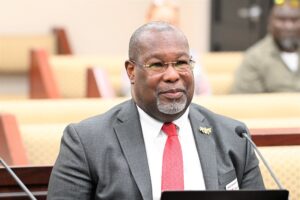
Commissioner Gary Molloy of the V.I. Department of Labor (Photo courtesy of the Legislature of the VI)
In accordance with the Virgin Islands Code, the V.I. Department of Labor Commissioner Gary Molloy has announced the Unemployment Insurance Contribution Rate for the tax year 2024. Starting Jan. 1, 2024, and ending Dec. 31, 2024, the Unemployment Insurance Contribution Rate is set at 4.11 percent. This rate comprises a base rate of 2.11 percent and a Fund Solvency Rate of 2.0 percent. Each employer will have a Tax Rate Factor added to the Contribution Rate based on the calculated tax rate interval ranking, as stipulated by the law. Additionally, no tax rates will exceed the statutory cap of 5.4% or fall below the baseline of 0.4%. Employers are required to apply their final tax rate to each employee’s earned wages, not exceeding $31,000.00, for the tax year 2024. The Department of Labor will dispatch Employers’ Annual Rate Notices via e-mail and the U.S. Postal Service by Jan. 31, 2024. For inquiries regarding the Annual Rate Notice, contact the Department of Labor via e-mail at uitax@dol.vi.gov or call 15-5709 to ask for an unemployment insurance (UI) tax representative.

Jade Sunshine Barber Dies

0
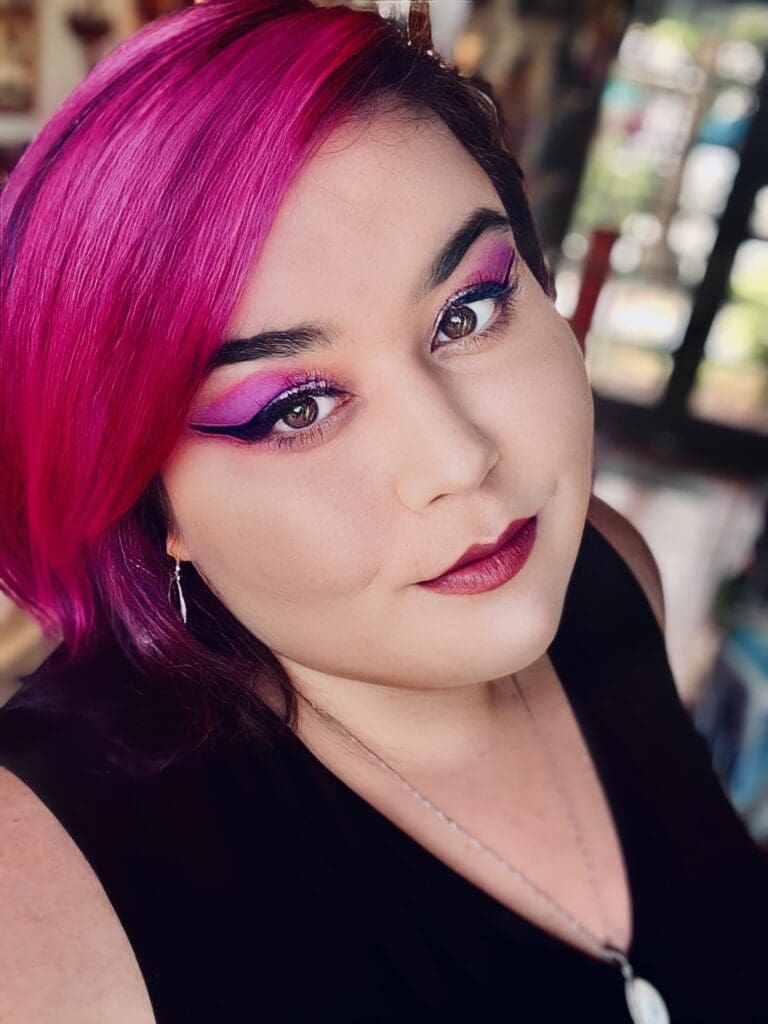
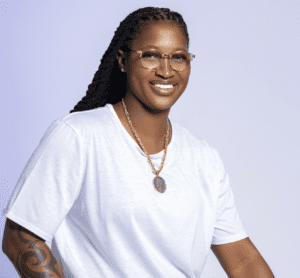
Jade Sunshine Barber
The family of Jade Sunshine Barber announces her passing on Dec. 31, 2023, due to complications from surgery. Jade’s vibrant, funny, one-of-a-kind spirit, joy for life and loving heart touched the lives of everyone she met. We take comfort in knowing that Jade is in a better place, in the blessed arms of our Lord. May her memory always be a blessing to her family and friends. Jade Sunshine Barber was born on April 21, 1994, in Lancaster, England, to Suzanne Darrow-Magras and John Anthony Barber. She was a big sister to Alice Moon Barber, a loving stepdaughter to Dana Anthony Magras and Leticia Barber, and siblings Christopher and Jessica Magras, and Emmanuel Jose Gines Manalo. Her early years were spent in Connecticut, before moving to St. Thomas in 2004. Jade’s educational journey included Cornwall Consolidated School in Cornwall, Conn., Joseph Sibilly Elementary School, and All Saints Cathedral School on St. Thomas. She was a proud graduate of the Class of 2012 from Sts. Peter and Paul Catholic School on St. Thomas. Jade excelled academically, as evidenced by her membership in the National Honor Society and her active participation in the V.I. School of Visual Arts and Careers. She was also a member of the St. Thomas Swimming Association swim team. Jade’s pursuit of higher education led her to Sacred Heart University, in Fairfield, Conn., where she graduated magna cum laude with a Bachelor of Science in Psychology in 2015. She furthered her studies at Central Connecticut State University in New Britain, Conn., earning a Master of Science in Marriage and Family Therapy, summa cum laude, in 2019. During her college years, Jade devoted herself to community service, contributing to soup kitchens, Habitat for Humanity and clothing donation programs. She was a guiding light as a peer leader and a member of the Delta Kappa Chi Chapter of the International Marriage and Family Therapy Honor Society. Before returning to St. Thomas in 2020, Jade worked as a therapist at the American Center for CBT in East Hartford, Conn., and the Klingberg Family Therapy Center’s Ana Grace “Love Wins” program in New Britain, Conn. Her innate ability to connect with people, marked by openness, love, non-judgment and insight, was a gift that she shared generously. On St. Thomas, Jade enjoyed working at Rhiannon’s in Red Hook and Prana Spa in Yacht Haven Grande. She was also an artist and painter with a love for vibrant colors and her work was displayed at Mystic Valley in Tillet Gardens on St. Thomas. Jade’s adventurous spirit led her to travel. She often returned to England and Connecticut, and her travels included visits to Paris, France and Barcelona, Spain, with the Charlotte Amalie High School French Club, and a memorable Caribbean cruise. An avid gamer, Jade found joy and community in playing video games, board games and Dungeons and Dragons at the Virgin Islands Videogame Network gaming lounge and in spending time with family and friends. Her passions extended to Anime, ComiCons, Cos-Play events, cooking, fashion, music and a wide array of creative pursuits. In 2023, she joined the L ‘Amour Carnival Troupe, embracing the V.I. Carnival spirit. Jade was preceded in death by her fraternal grandparents: John and Delicia Barber; fraternal uncle, Raymond Barber; maternal grandmother, Irene Darrow; maternal uncles: Vincent Greaux and Jason Magras; and maternal cousin, Christopher Mack. We also honor the memory of her recently departed maternal grandfather, Louis Harry ‘Bilco’ Magras. Jade is survived by her maternal grandparents: Michael and MaryAnn Darrow, and Florie Magras; maternal aunts: Christine and Lynn Darrow, Maribeth Darrow-Doubleday, Nancy Richards, Donna Greaux, Dora Cerge, Eileen Magras, Stacey Magras and Annette Magras; and maternal uncles: George Chylinski, Joshua Doubleday, Patrick Cerge, Duane Magras and Brian Magras. She is also survived by her maternal cousins: Danielle and Jeffrey Chylinski, Marianne Doubleday, Cindy and Eric Holz, Lauren Mack, Laurie Ryan, Nikki Greaux, Amanda Greaux, Kevin Greaux, Melanie Bozzi, Eddie Magras, Danny Magras, Jamie Aubain, Melissa and Eric Steffens, and Marjorie, Beverly and Cain Magras; and fraternal uncles: Michael Barber, Stephen Barber, Michael McDonald and Russell McDonald-Barber. Other survivors include fraternal cousins: Darren, Emma, Tyler and Paige Barber; extended family members and special friends: Le’Niya Lewis, Jaela and Jaedyn Williams, Roy Magras, Alex Raymond, Hunter Simpson, Elizabeth Jaeger, the Phillips family, Nyda Simmons, Miranda Goad, Jovan Bernier, Fay Mitchell, Buffy Weis, Rhiannon’s Prana Spa staff, VIVN and L ’Amour Carnival Troupe members and classmates; as well as many others too numerous to mention. A celebration of Jade’s life will take place at Turnbull’s Funeral Home at 10 a.m., Jan. 21, with a reception following at the Frenchtown Community Center.  Attendees are asked to wear Jade’s favorite color purple or bright colors. In lieu of flowers, donations are welcomed to the Jade Sunshine Barber Memorial Fund, supporting young individuals at the VI Videogame Network (https://www.vivideogamenetwork.com/about-3-). Jade’s memory will forever be a guiding light and a source of joy to all who knew her. May her spirit continue to inspire and bless us. Expressions of sympathy can be made online at www.turnbullsfuneralhomevi.com. Funeral arrangements are under the care of Turnbull’s Funeral Home and Crematory Services.

Patrica Byrd Canson Dies

0
Patrica Byrd Canson
Patricia Byrd Canson (née Smith) was born on Sept. 9, 1942, in the Philadelphia suburb of Abington, Penn., to Hugh Maxwell Smith Sr. and Kathryn Ervin Smith (née Burgess). The eldest of her parents’ children, she grew up on Saint Thomas, Virgin Islands, where the family moved, and in the Philadelphia suburbs after her parents’ separation. Sent on a summer visit to Saint Thomas with her younger brother, Hugh, to see their father, she ended up staying there for several years attending All Saints Cathedral School and Charlotte Amalie High School. Pat was raised primarily in and around Philadelphia, including in Wyncote, where her mother’s parents resided, and considered herself a “Philadelphia girl.” Since her mother moved often, she spent a lot of time with her maternal grandparents and changed schools often. From this shuttling between homes in the Virgin Islands and stateside, she expressed that as a child she often felt as if she did not belong, always the new girl breaking into a new circle of friends, something that helped shape her easy way with others. That started to change while attending Germantown High School in Philadelphia, where she had a circle of close friends and acquaintances. She graduated from Germantown High School in 1960. Pat felt she truly belonged when she matriculated at Morgan State College (now university), her parents’ alma mater, where everyone was new to each other and had to create circles of friends. She loved it. She met and made many lifelong friends, including her husband, Clarence Bernard Canson of Sacramento, Calif. At Morgan, Pat pledged the Delta Sigma Theta Sorority and was active in Greek life. She graduated in 1964 with a degree in English, proud to be a grammarian with a prodigious vocabulary honed as a crossword enthusiast and Scrabble player. Three events in 1965 were emblematic of Pat’s life: her marriage to Clarence, the start of her career at Trans World Airlines (TWA), and the birth of her first pet, Genghis Khan. In 1965, Pat married Clarence, her love and life partner. They lived a carefree year in New York City, before moving to Washington, D.C., where Clarence attended medical school. They then moved to Chicago, where Clarence completed his internship and residency before moving to the Bay Area, where they spent the rest of their lives.   With a shared love of jazz, Pat and Clarence were yearly attendees at the Monterey, Russian River and San Jose Jazz Festivals and enjoyed festivals in Canada and Europe as well. They hosted many parties with friends at their homes. It was a home where many younger siblings, nieces, nephews and other close relatives spent summers. Pat and Clarence were inseparable for 44 years until his death in 2010. In 1965, after graduating from Morgan, Pat began her career at TWA, one of the United States’ two large international airlines during the golden age of air travel. The glamour fit her well, her style perfectly suited to jetting off to Paris, London or Madrid. She was based in New York, Chicago and San Francisco. While all wonderful, she considered the time spent in Chicago the best time of her life, with great TWA friends a highlight. Though the jet age had begun before she joined TWA, she had the pleasure of working on the Lockheed Constellation, a large propeller-driven plane, before TWA went all jet in 1967. Being a flight attendant was a profession she thoroughly enjoyed. Pat remained at TWA for 30 years until her retirement in 1995. The last defining event of 1965 was Genghis’ arrival. He featured in Pat’s life and in her stories for many years. While Genghis was the first and an icon, he was followed by Bojangles, amongst others. Pat’s bond with pets was steadfast. After retirement from TWA, Pat fostered many pets, some of whom adopted her along the way. Two of her beloved pets, Jazz and Marley, predeceased Pat earlier in the year of her passing. Pat was survived by Ginger, who provided comfort during Pat’s transition. Pat was renowned for her wit and sarcasm. Whether collected or invented, she never missed a beat in responding. Given a little time, she could win over people, noting that “with humor, you can say just about anything to anyone.” “All good things must come to an end, even this one,” she said, pointing to herself, shortly before she departed. Patricia Byrd Canson died on Aug. 17, 2023, near her home in Pinole, Calif. May her soul rest in everlasting peace. Pat was preceded in death by her brother, Hugh “Buddy” Maxwell Smith Jr. Pat is survived by siblings: Ronald Smith, Michelle Smith-Roberts, Steven Smith, Michael Smith, and Celeste Smith Webbe and Paul Smith; stepmother, Harriet Smith; sisters-in-law, Faythe Canson Clark, Veronica Handy, Leslie Smith, Dr. Althea Tyndall-Smith and Latoya Smith; brother-in-law, Donald Webbe; and nieces: Maya Clark, Nicole Smith, Jasper Ross, Kendall Smith and Alysya Smith. She is also survived by nephews: Philip Clark, John Ross, Jr, Michael Ross, Aaron Smith, Brendan Smith, Christian Webbe, Daniel Webbe, Maxwell Smith, Miles Smith, Jayvyn Smith and Christopher Smith. Other survivors include cousins: Carlos Smith, James (Frankie) Smith, Janice Smith Varlack, Jean (Jeanie) Smith, Jacqueline (Jackie) Smith Wynter, Milton Turnbull, Leroy Smith, Diana Smith Stewart, Marguerite Smith Dredden, Jeffrey Smith, Gary Smith, Juel Smith Norton, Imani Burnett, Phyllis Goodman and Jacqueline Hall, cousins-in-law: Dr. Patricia Canson, and Aurin Canson; great nephews: Nyah Henry Jr., Jeremiah Henry and John Ross III; many other relatives; and special friends: Sheila Webb and Monica diFalco. A celebration of Pat’s life will be held at 4 p.m., Saturday, Jan. 13, 2024, at Pavilion 4 on Magens Bay.

Maria Rynetta Hamilton Richardson Dies at 84

0
Maria Rynetta Hamilton Richardson
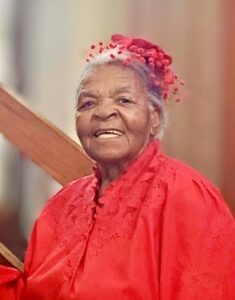
Maria Rynetta Hamilton Richardson, also known as “Tanty Mya,” of Estate Sion Farm, died on Saturday, Dec. 30. She was 84 years old. She is survived by her daughter, Judy Petersen; grandchildren: Melanie Tatum, Melissa Walker, Melinda Petersen, Frank Petersen, Andrew Petersen, Tyrone Petersen, Shinelle Petersen and Jabal Petersen;  great-grandchildren: Makayra Walker, Jamil Lestrade, Miyah Petersen, Amir Rivera, Andrew Petersen, Benjamin Tatum, Malik Williams, Liam Tatum and Micah O’Reily; and sisters: Margaret Hamilton and Henrietta Daniel; sons-in-law: Federick Tatum and Jeremiah Walker. She is also survived by nieces and nephews too numerous to mention; special friends: The Trinity Wesleyan Holiness Church and all the Wesleyan family, Sylvia Charles, Hilda (Celia) Smitthen, Violet Williams, Eugenie John, Mama Ruth Daniel, Paulette Jarvis and the entire Juan F. Luis staff and The Continuum Care Staff, Lynn Brennfleck and Aldric Ray; cousin, Millicent Smith; and relatives and friends too numerous to mention. The viewing will take place from 9-10 a.m., followed by a funeral service at 10 a.m., Friday, Jan. 19, at Trinity Wesleyan Church (Christiansted). Interment will be in Kingshill Cemetery. Professional services are entrusted to James Memorial Funeral Home Inc.

VIEO to Launch Equitable E-Mobility (Electric Vehicles) Rebate Program
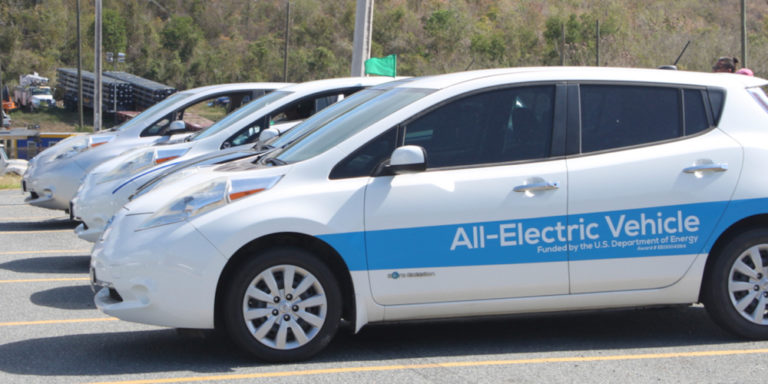
A fleet of electric vehicles from around the territory assemble for the Earth Day Electric Vehicle Rally. (Source photo by Bethaney Lee)
The Virgin Islands Energy Office (VIEO) has launched the “Equitable E-Mobility Rebate Program,” an initiative to revolutionize sustainable transportation across the Virgin Islands. This program is a direct result of funding through President Biden’s Bi-Partisan Infrastructure Law (BIL) State Energy Program Grant No. SE0010105, which aligns with the Bryan/Roach administration’s initiative to make clean energy technology more accessible in the Virgin Islands community. The Virgin Islands Energy Office will begin accepting applications on January 19, 2024; however, electric vehicle purchases made on or after Oct. 1, 2023, will be eligible for Equitable E-Mobility rebates. The Equitable E-Mobility Rebate aims to incentivize the adoption of electric vehicles (EVs) and electric bicycles (e-bikes) by significantly reducing the upfront cost of electric vehicles to residents of the U.S. Virgin Islands. The Equitable E-Mobility Rebate Program is a strategic effort by the Energy Office to accelerate the transition to clean and sustainable transportation options, contributing to a reduction in carbon emissions and promoting a healthier environment. By providing substantial rebates for both new and used electric vehicles, as well as electric bicycles, the Energy Office aims to make sustainable mobility options accessible to a broader range of residents. It also recognizes that the local availability of electric vehicles is limited, and as a result, rebate eligibility has been expanded to vehicles purchased from licensed dealerships within the continental U.S. as well. This initiative aligns with the Energy Office’s commitment to building a greener and more resilient future, and transportation electrification is a primary conduit to reducing the dependence on fossil fuels within the Virgin Islands. Residents interested in participating in the Equitable E-Mobility Rebate Program can find detailed information, eligibility criteria and application instructions on the official program website at www.Energy.vi.gov under the Electric Vehicles Tab. Rebate Amounts: $5,000 for eligible new and used electric vehicles purchased from a dealership (local and off-island). $500 for eligible electric bicycles purchased from approved local vendors. Eligibility Criteria: The rebate program is open exclusively to U.S. Virgin Islands residents. Vehicles must be registered in the U.S. Virgin Islands. Used EVs must have a clean title. New EVs must have a purchase price not exceeding $65,000. Used EVs must have a purchase price not exceeding $40,000. Eligible Used vehicles must be within four model years and have mileage under 20,000. E-bikes must be purchased new through an approved local vendor. For more information, call the VIEO St. Croix office at 713-8436 or the St. Thomas office at 714-8436 or visit the Virgin Islands Energy Office at Facebook page www.@VirginIslandsEnergyOffice.

Warren Vernon Ferrance Dies

0
Warren Vernon Ferrance
Warren Vernon Ferrance, also known as “Omalagi,” a proud United States Navy veteran, gained his wings on Jan. 6. The son of Carlton Ferrance (deceased) and Rosalie Avis Ferrance, Warren was preceded in death by his brothers: Alexander Buel and Calvin Ferrance. He was born on Jan. 8, 1958, on Antigua and raised on St. Croix, where he attended St. Mary’s Elementary School and graduated from St. Joseph’s High School. He enlisted at age 19, where his highly valued service resulted in his attaining the rank of engineman, chief petty officer. His citations include the Navy and Marine Corps Achievement Medal, the Good Conduct Medal and the Southwest Asia Medal. He is qualified to wear the distinguished Enlisted Surface Warfare Specialist device. Warren is survived by his loving wife of 46 years, Monica nee Payne: brothers: Glenmore, Devon (Sasha) and Dion (Alisha Hosley); sister, Caroline Ferrance; son, Shawayne; daughters: Reeshimah (Joseph Edwards) and Akilah (Deshawn Lawrence). He is also survived by his grandchildren: Kaithen (Ciara Jonax), Iydan and Tristen; as well as brothers-in-love: Albert Gibbs, Vincent Powell and Jeremy Owen. All who knew him will remember his unconditional love and support for his family and friends, as well as his passion for Volkswagens. Monetary donations can be made in his name to his alma mater, St. Joseph’s High School.

Open Forum: Rebuilding the Foundations: A Call for Government Action in the Wake of Devastation
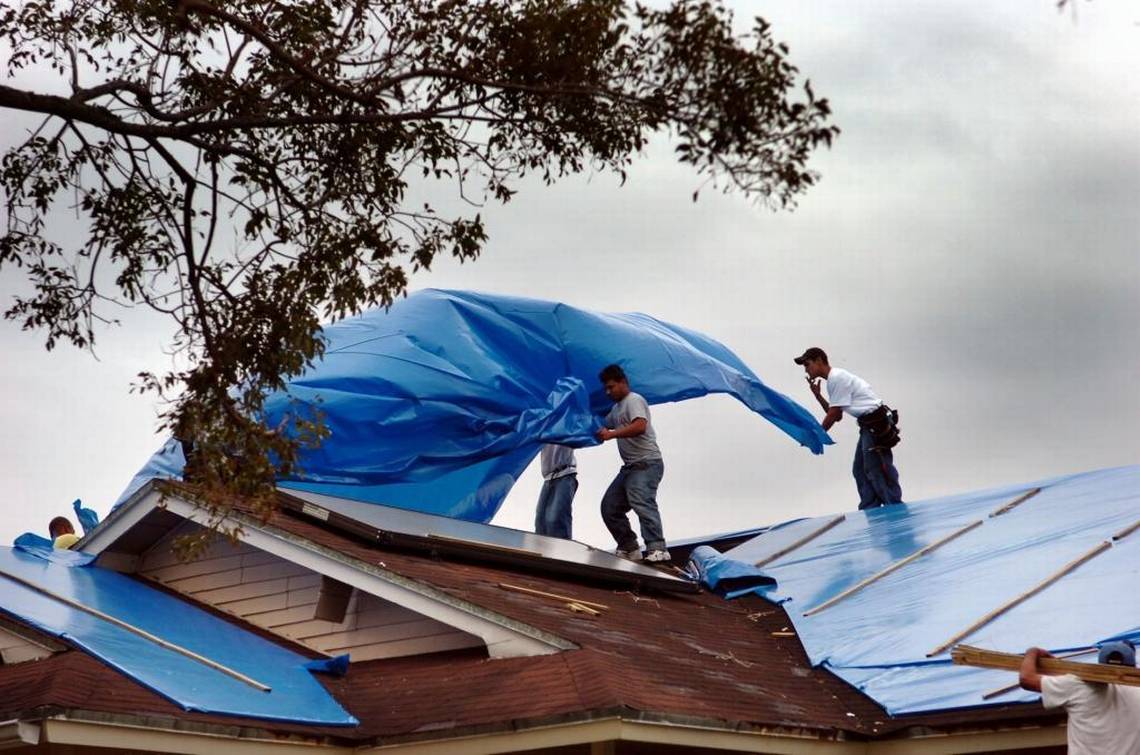
Operation Blue Roof workers install tarps on storm-damaged homes in the territory. (Source file photo)
Operation Blue Roof workers install tarps on storm-damaged homes in the territory in October 2017, following two Category 5 hurricanes the previous month. (Source file photo)
In the wake of two Category 5 hurricanes that unleashed unparalleled havoc on our once-vibrant communities, the aftermath is marked by a stark reality: widespread homelessness and an unparalleled housing crisis. As the debris is cleared and the scars of the storms begin to fade, the glaring issue of homes lying in disrepair and a diminishing supply of habitable dwellings persists.
Adlah A. Donastorg Jr.
Adlah A. Donastorg Jr. (Submitted photo)
This dire circumstance propels a significant portion of the men and women who make these islands so great into a desperate struggle for shelter. In these challenging times, the crucial role of government intervention in providing affordable housing cannot be overstated. The resilience of our friends across the USVI has been tested in the most trying circumstances. The hurricanes not only left a trail of destruction but also shattered the foundations of countless homes, leaving families displaced and communities shattered. Today, a distressing number of Virgin Islanders find themselves without a roof over their heads, forced to seek refuge with friends and family or, worse, left to endure the harsh elements in makeshift shelters. The urgency of the situation demands immediate and sustained action from the government to address the housing crisis created in the wake of the storms. Even six years later, recovery is ongoing, emphasizing the imperative for a concerted governmental response. One of the most pressing issues in the USVI is the substantial number of homes that remain in disrepair due to widespread hurricane damage, leaving many residences uninhabitable and exacerbating the shortage of available housing. While rebuilding efforts are underway across our beautiful islands, the sheer scale of the devastation demands a comprehensive and sustained commitment from our elected officials. This commitment is necessary to ensure that every affected individual has a safe and secure place to call home, involving not only repairing existing structures but also implementing measures to safeguard against future natural disasters, creating a more resilient and sustainable housing infrastructure. The depletion of habitable dwellings has resulted in a tier of homelessness that includes not only those directly displaced by the hurricanes but also individuals now living with friends or family due to the lack of viable housing options. This hidden crisis highlights the interconnectedness of the housing problem, emphasizing the need for a multifaceted approach to address the diverse needs of the affected population. The solution doesn’t just entail rebuilding homes; it requires fostering a sense of community to better ensure that those who have lost everything can rebuild their lives with dignity. Recognizing the pivotal role of the government and its instrumentality, in particular the Virgin Islands Housing Finance Authority and the Office of the Lieutenant Governor, is imperative. In their capacity as the chair of the Banking Board and Commissioner of Insurance, the Lieutenant Governor bears the crucial responsibility of actively engaging in initiatives aimed at fostering a more open market with affordable options for housing insurance. Additionally, the Lieutenant Governor must champion fairer lending practices within financial institutions, advocating for policies that ensure locals have access to loans without exorbitant down payment requirements. It also involves revisiting the availability of construction loans in banks and addressing the current challenge where homeowners are unable to secure rehab loans for property repairs. The resolution of homelessness and our housing crisis necessitates a collaborative effort from elected officials, banking institutions, and private stakeholders. Such measures are essential for fostering an inclusive and equitable financial landscape that supports the diverse needs of the community. The Virgin Islands Housing Finance Authority, leveraging its industry expertise and intricate understanding of building codes, is strategically positioned to propose nuanced updates that can significantly contribute to addressing housing issues, particularly within the languishing blue roof program. Beyond the creation of housing opportunities and allocation of federal funds, they should play a leading role in suggesting legislative measures to the Senate’s Committee on Housing. By actively participating in legislative endeavors, the authority can pave the way for comprehensive solutions to the housing crisis, promoting the efficient utilization of Community Development Block Grant (CDBG) funds for shelters and the strategic deployment of low-income housing tax credits to foster the development of more mixed-income homes. It is imperative that the government interests, represented by the Virgin Islands Housing Finance Authority, recognize its central role in shaping legislative measures capable of authentically addressing the multifaceted challenges presented by the housing crisis. Only through a concerted, multifaceted effort extending beyond immediate relief and encompassing enduring policy changes can we aspire to rebuild communities, provide stable housing, and establish a more resilient foundation for the future. In conclusion, the provision of affordable housing transcends the mere provision of shelter; it is a fundamental human right essential to the very fabric of a thriving society. The government of the USVI bears a moral and ethical obligation to ensure our citizens have access to safe and secure housing, particularly in the aftermath of profound natural disasters. Beyond the immediate concerns of homelessness, the absence of affordable housing perpetuates a cycle of poverty and despair, exerting enduring impacts on our social and economic well-being. The U.S. Virgin Islands stands at a critical juncture, where the government’s actions in response to the housing crisis will decisively shape the future of the islands and the lives of its inhabitants. It is incumbent upon us to collectively champion policies that prioritize and realize the right to affordable housing, fostering a resilient and equitable foundation for the prosperity of our community. — Adlah A. Donastorg Jr., St. Thomas, is a former senator and gubernatorial candidate.

Slither Me Timbers! Hunt On For Giant St. Thomas Snake
0
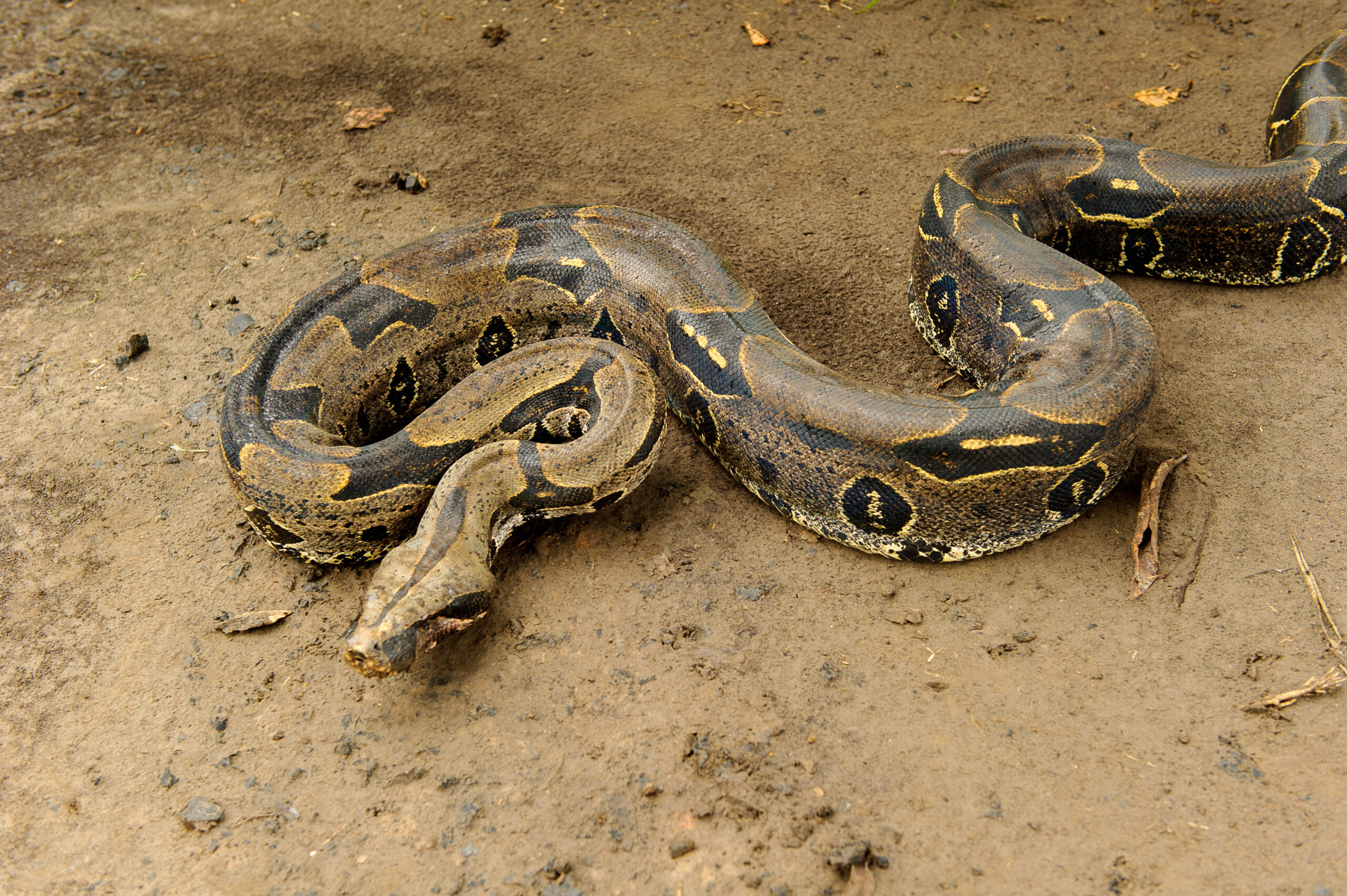
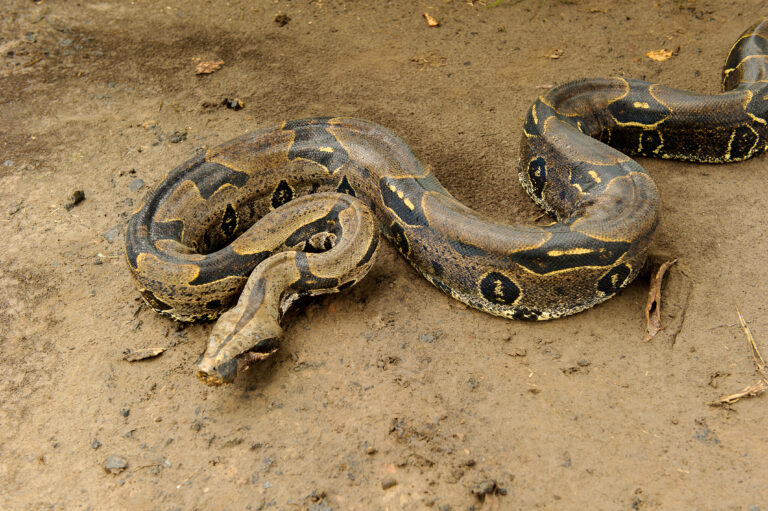
So far, a giant boa spotted on St. Thomas has given wildlife officials the slip. (Shutterstock image)
Wildlife experts were combing Ras Valley, Anna’s Retreat, and Tutu Friday in search of an enormous snake spotted in the area, Department of Planning and Natural Resources officials said. Spotted Monday, the at least 7-foot-long serpent had given Virgin Islands authorities the slip all week. A video posted on social media appears to show a well-fed boa constrictor slithering down a sidewalk in Hidden Valley Monday night. Unlike the smaller, harmless Virgin Islands tree boa, which is native to the territory, these large snakes are not protected by law. Jamal Nielsen, DPNR’s media relations coordinator, said the species was invasive and urged anyone who saw it to contact the department immediately. “If they feel comfortable in somehow stopping it,” Nielsen said. “There is no law stopping them.” This includes trapping the snake or killing it, he said. Red tail boas, likely the offspring of escaped pets, have been found on St. Croix for at least two decades, experts have said. Efforts to limit importing invasive species and tagging those that are already in the territory have been met with limited success. While some wildlife experts advocate rehoming the animals, people less sympathetic to the reptiles’ Virgin Islands residency suggest extermination by machete or automobile. Because red tail boas are not native to the territory, they have no natural predators. They feed on native birds, chickens, rats, mongoose and small dogs — practically anything they can catch. They are able to climb trees, making them a big threat to native bird species. While St. Croix has taken the brunt of the boa invasion, going so far as to offer a bounty in 2022, St. Thomas had been able to give the snakes the slip until recently.

State of the Territory | What Are the Insular Cases?
0
In her bi-weekly column, “State of the Territory,” former Sen. Janelle K. Sarauw delves deeper into issues of concern for V.I. residents.

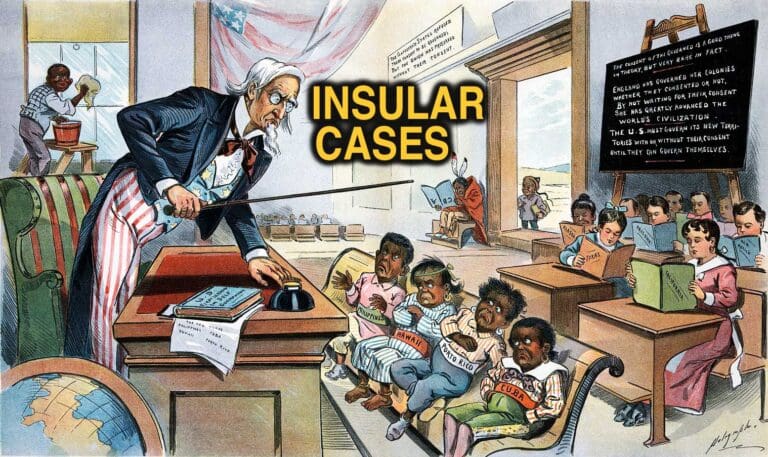
The Insular Cases encompassed a series of pivotal decisions rendered by the United States Supreme Court in the early 20th century addressing the constitutional status of U.S. Territories acquired by the U.S. following the Spanish-American War and the Philippine-American War. These landmark rulings played a crucial role in shaping the legal framework governing these newly acquired lands, thereby influencing the relationship between the U.S. Constitution and its applicability in these U.S. Territories.

One seminal decision within the Insular Cases is Downes v. Bidwell (1901), wherein the Supreme Court articulated that the Constitution did not automatically extend to U.S. Territories newly annexed by the U.S. The court introduced the concept of “unincorporated U.S. Territories,” where only fundamental constitutional rights applied, distinguishing them from “incorporated U.S. Territories ” where the Constitution had complete applicability.

In the subsequent case, DeLima v. Bidwell (1901), reinforced the notion that constitutional rights did not inherently extend to the recently acquired U.S. Territories thus, emphasizing Congress’s authority to determine the applicability of constitutional provisions. Further solidifying the legal landscape, Balzac v. Porto Rico (1922) affirmed the distinction between incorporated and unincorporated U.S. Territories. The court ruled that residents of unincorporated U.S. Territories did not possess the full constitutional rights guaranteed to U.S. citizens.

As per the American Civil Liberties Union, the Insular cases are unequivocally characterized as being “unabashedly racist, firmly rooted in white supremacy.” In 2021, Representative Plaskett eloquently expressed this sentiment in her testimony before the Committee on Natural Resources.

“What irony that the Supreme Court in the 1900s stated that Virgin Islanders such as D. Hamilton Jackson, journalist; Edward Wilmot Blyden, the founder of Pan Africanism; Hubert Harrison, one of the founders of the negro renaissance in Harlem; Camille Pissarro, the founder of impressionism; and Alexander Hamilton cannot understand Anglo-Saxon principles or indeed the Constitution. The irony is profound. It comes as no surprise that one of the most influential of these cases, Downes v. Bidwell, was decided by the same Justices who invented the separate but equal doctrine of racial segregation in Plessy v. Ferguson just three years earlier. But the legal basis established by Plessy was reversed in Brown v. Board of Education in 1954 as the Court recognized that the nation could not operate in a supposed separate but equal category, which in reality was separate and unequal. While the discriminatory precedent set by the Insular Cases continues to affect 3.5 million Americans, the Supreme Court has yet to revisit this precedent. Furthermore, the past three administrations–Trump, before that the Obama administration, before that the Bush administration–have reaffirmed this position. I call upon the Biden administration to chart a new course, reject the Supreme Court decisions in the Insular Cases and recognize the importance of supporting equal rights of Americans living in the U.S. Territories (H. Res. 279, 2021).”

In these series of cases adjudicated between 1901 and 1922, the court referred to the residents of the U.S. Territories as “alien races” and “savage tribes,” grounding these characterizations in the presumed racial inferiority attributed to the non-white inhabitants. Through this stance, the Supreme Court overtly displayed disdain for the predominantly Asian, Black, Indigenous, Latino, and Pacific Islander communities residing in these U.S. Territories.

Undoubtedly, these landmark decisions collectively established a legal paradigm enabling Congress to govern U.S. Territories differently from incorporated states, allowing for the selective extension or withholding of specific constitutional rights. In essence, the persistent discrimination faced by Americans in the U.S. Territories within federal benefit programs is intricately linked to the detrimental legacy left by the Insular Cases. These cases established a precedent and a quasi-permanent colonial status. Criticized for creating a tiered system of citizenship, the Insular Cases continue to raise questions about the constitutional protections afforded to residents in U.S. Territories such as Puerto Rico, Guam, and the U.S. Virgin Islands.

Despite fervent criticism from voices like the American Civil Liberties Union, Equally American, now the Right to Democracy and Representative Plaskett, the Supreme Court’s decisions in these cases have stood the test of time. Notably, the discriminatory precedent established by the Insular Cases has persisted through successive administrations, including those of Presidents Bush, Obama, Trump and now Biden. The perpetuation of this legal paradigm underscores the need for a reevaluation of these decisions and a reconsideration of the unequal treatment of Americans residing in U.S. Territories. Until a new course is charted, the legacy of the Insular Cases will continue to cast a shadow on the constitutional protections afforded to the diverse communities residing in U.S. Territories, echoing the need for a transformative approach to ensure justice and equality for all.

WAPA Announces Water Filter Distribution on St. Croix from Jan. 18-20

0

The Virgin Islands Water and Power Authority will distribute water filters to eligible St. Croix customers in areas identified late last year to have elevated lead and copper levels in their potable water supply, the authority announced Friday.

Pitcher and faucet filters will be available from Jan. 18 to 20 between 9 a.m. and 5 p.m. Distribution points include the Mall of St. Croix (former Kmart West parking lot, offering both drive-thru and walk-up options) and at the Frederiksted Parking Lot adjacent to Midre Cummings Park (drive-thru only). Managers at the Virgin Islands Housing Authority and the Human Services Department will deliver filters to their eligible residents and Meals on Wheels participants, according to the press release.

Eligibility for the faucet and pitcher filters will be the same as for the previously distributed $100 water vouchers. Customers must have an active WAPA water account in the impacted neighborhoods and have metered water usage from April to September 2023, the press release stated.

Eligible neighborhoods include La Grange, Smithfield, Wheel of Fortune, Stoney Ground, White Lady, Hannah’s Rest, Whim, Williams Delight, Mount Pleasant, Adventure Hill, Paradise, Grove Place, St. George, Estate Diamond (West), Castle Burke, Colquohoun, Mon Bijou, Profit, Barren Spot, Sion Farm, St. John, Montpellier (East), and Strawberry Hill. WAPA water customers in Frederiksted town should note they are now included in the distribution of both the vouchers and filters, the release stated.