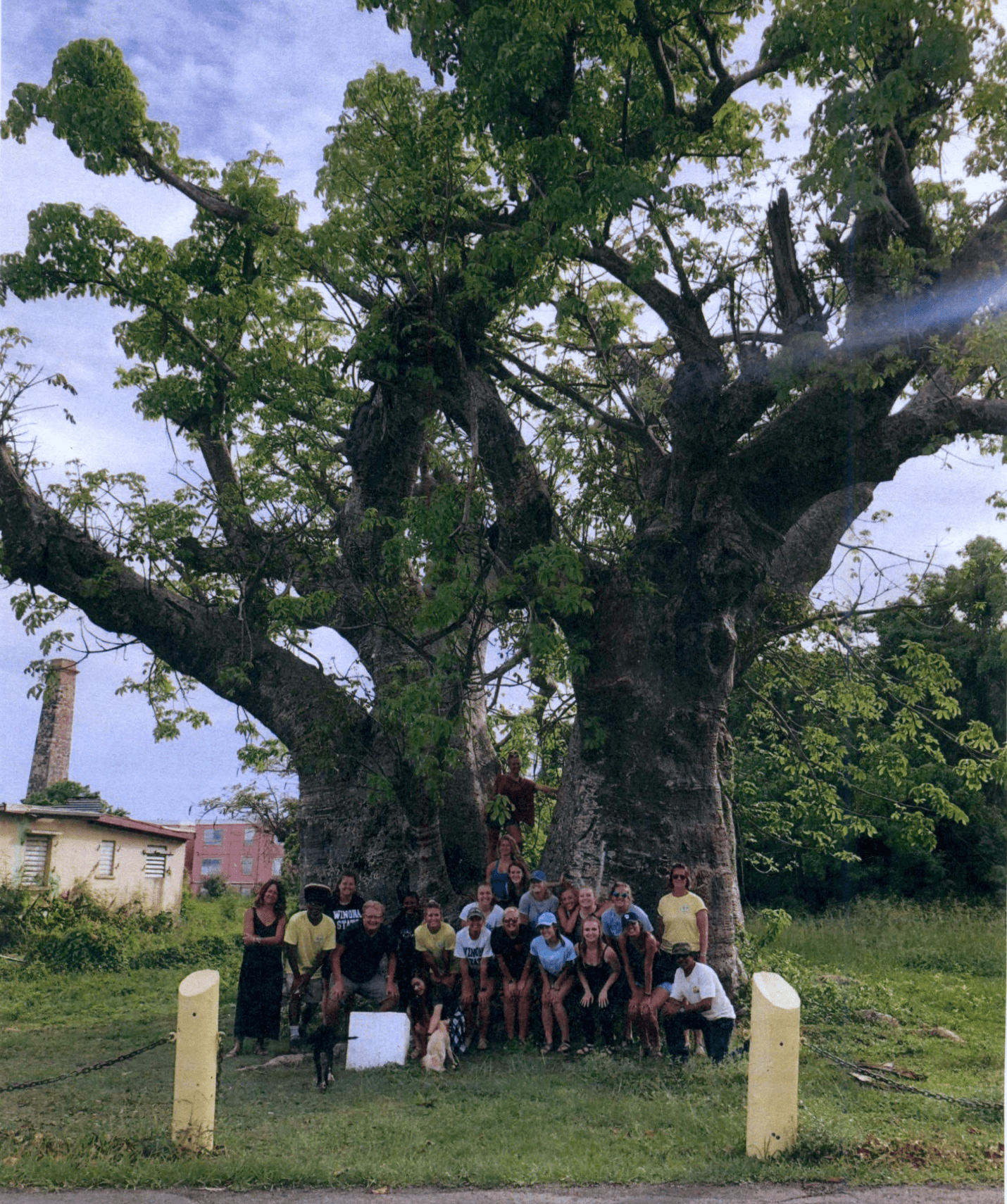
I got a phone call the other day from my colleagues about the baobab tree in Grove Place on the island of St. Croix. Vanessa Forbes, a horticulturist, and Amy Dreves, the Bug Doctor (an entomologist of the School of Agriculture at our local university), both did an assessment of the tree. What they found is damage from Hurricane Maria in 2017, where branches were broken off, opening the tree to termites, beehives, nails driven into the bark, graffiti on the trunk, and other manmade destruction on this ancient historic tree of the Virgin Islands.
I have written over the years countless articles and published online about the baobab tree in Grove Place. Dr. John Rashford, an anthropologist and a good friend of mine, has done extensive research on the baobab trees in the Caribbean region. I assisted him in the 1980s along with other tree lovers in the Virgin Islands, particularly on St. Croix. Out of that research, he published several articles.
“Of the islands I have visited, St. Croix is fortunate in having the greatest number of trees, the widest variety of forms and some of the most beautiful individual specimens,” noted Rashford. The Grove Place baobab tree is also published in magazines, scientific publications, and books. In 2004, historian and arborist Thomas Pakenham, who has taken photos of trees around the world, came to St. Croix to take pictures of some of the baobab trees on the island. I worked with him on that research project.
A book was published titled The Remarkable Baobab, which includes three baobab trees from St. Croix — the Grove Place baobab and two trees at Estate Bulter Bay on the northwest side of the island. The Grove Place baobab tree is also on the National Register of Historic Trees in the United States and the Virgin Islands. I had also worked with colleagues from Barbados on a research project that produced a DVD of baobab trees on St. Croix and Barbados, featuring the Grove Place baobab tree.
Why am I saying this about Grove Place baobab tree? Sometimes I get disgusted at the way we as a people treat our natural and cultural resources in the Virgin Islands. I would quote from Pakenham’s book, The Remarkable Baobab, regarding what he said about the tree in Grove Place when he and I visited the site in 2004.
“Somehow the tree survived Hugo and survived the mayhem Hugo left in his path. But I was astonished to find that today this heroic survivor is largely ignored. Once it was a jumbie tree and a symbol of suffering and resistance. Now, apart from Olasee and his friends, no one seemed to give a dann. I realized that people no longer bothered to pick up the seed pods which littered the ground. The place was used as a rubbish dump, and the tree itself was half hidden by thorn bushes. Olasee’s all-purpose machete was invaluable for cutting down thorn bushes and removing toxic-looking cans and bottles,” wrote Pakenham.
When my colleague Dr. Dreves told me her assessment of the baobab tree in the Grove Place, it almost brought tear to my eyes. As Thomas Pakenham said 14 years ago, no one “give a damn.” Believe me, I couldn’t sleep good at night when Dreves gave me the assessment of the Grove Place baobab tree. I kept on thinking about the tree. The huge baobab tree in the Butler Bay Estate streambed (gut) died in 2019, two years after Hurricane Maria. I wrote an article about how the Butler Bay baobab tree needed to be saved from the vines and bushes around it. No one heeded my call. Oh! My God, what a beautiful specimen that baobab tree was.
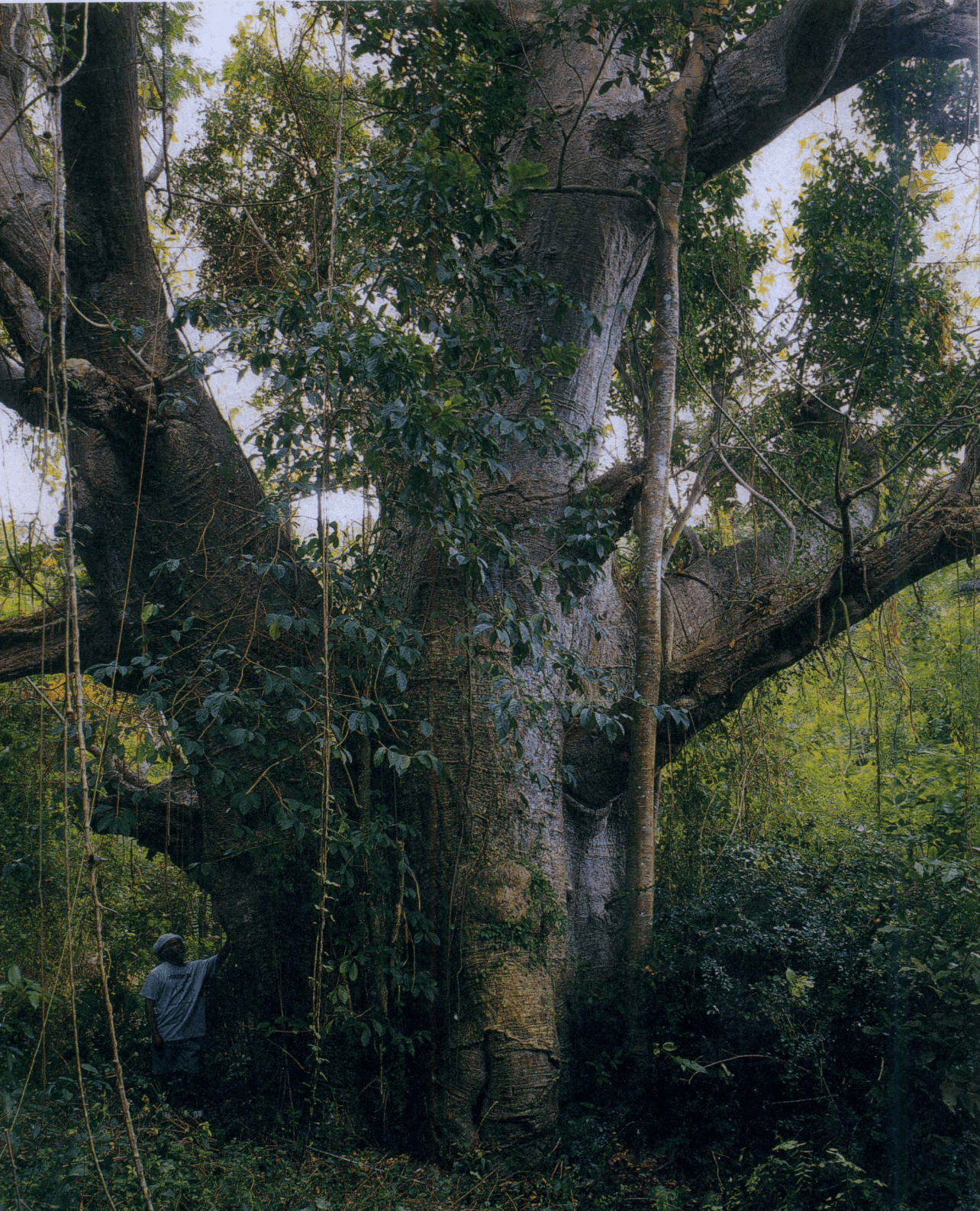
Believe me, to protect and preserve the Virgin Islands’ natural and cultural resources is a lonely dirt road to travel. No one seems to care. The Virgin Islands Trail Alliance and the St. Croix Hiking Association, which I am a member of both organizations, started a project to enhance the baobab tree’s appearance in the Christiansted government parking lot. This project, which is on the way now, includes benches, tables, chairs, signage describing the botanical and cultural history of the area, and amending the soil around the baobab tree to maintain its health. The baobab tree in the Christiansted government parking lot was planted around 1848 or earlier in our colonial history.
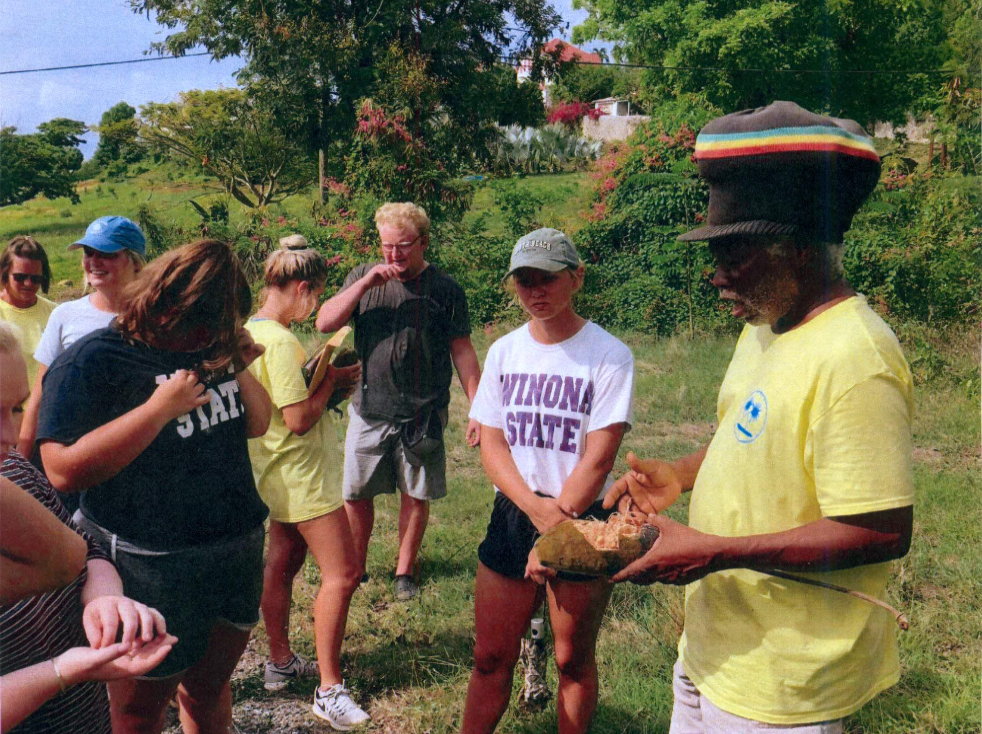
Alma Winkfield, a nurse by profession, is a doer person like me. In other words, getting things done. She is ready to save the Grove Place baobab tree. Both of us serve on the board of the Virgin Islands Trail Alliance. Nevertheless, the St. Croix Hiking Association and Virgin Islands Trail Alliance will take on the Grove Place baobab tree project. We will be addressing the health issues of the tree by removing the termite nest, beehive, and whatever else needs to be done.
We already contacted the property owner for the Grove Place baobab tree. She is on board with us to improve the health of the tree. It is a living monument that bears witness to almost three centuries of Virgin Islands history. Tell me, which human beings on Earth can live three centuries? According to historians, baobab trees can live up to 1,000 years or more. The baobab tree in Grove Place witnessed the 1878 Fireburn, 1848 Emancipation, slavery in the Danish West Indies, and the transfer of these islands to the United States.
At the Grove Place baobab tree, some 14 women were burned at the stake, while others were hanged from the tree during the Fireburn insurrection. Also, enslaved Africans who didn’t make it to Frederiksted town for emancipation rejoiced under the Grove Place baobab tree. Countless political rallies, debates, tea meetings and social gatherings of the community have been held under Grove Place baobab tree. The first labor movement in the Caribbean started under the Grove Place baobab, with D. Hamilton Jackson being one of the founders.
There is so much more I can write about Grove Place baobab tree, such as why, culturally speaking, old folks called the tree “Dead Rat Tree,” “Guinea Tamarind” and “Guinea Almond.” The Grove Place baobab tree is internationally recognized by the world community. Think about that! Can we afford to lose such great monument to our history and culture?
— Olasee Davis is a bush professor who lectures and writes about the culture, history, ecology and environment of the Virgin Islands when he is not leading hiking tours of the wild places and spaces of St. Croix and beyond.