


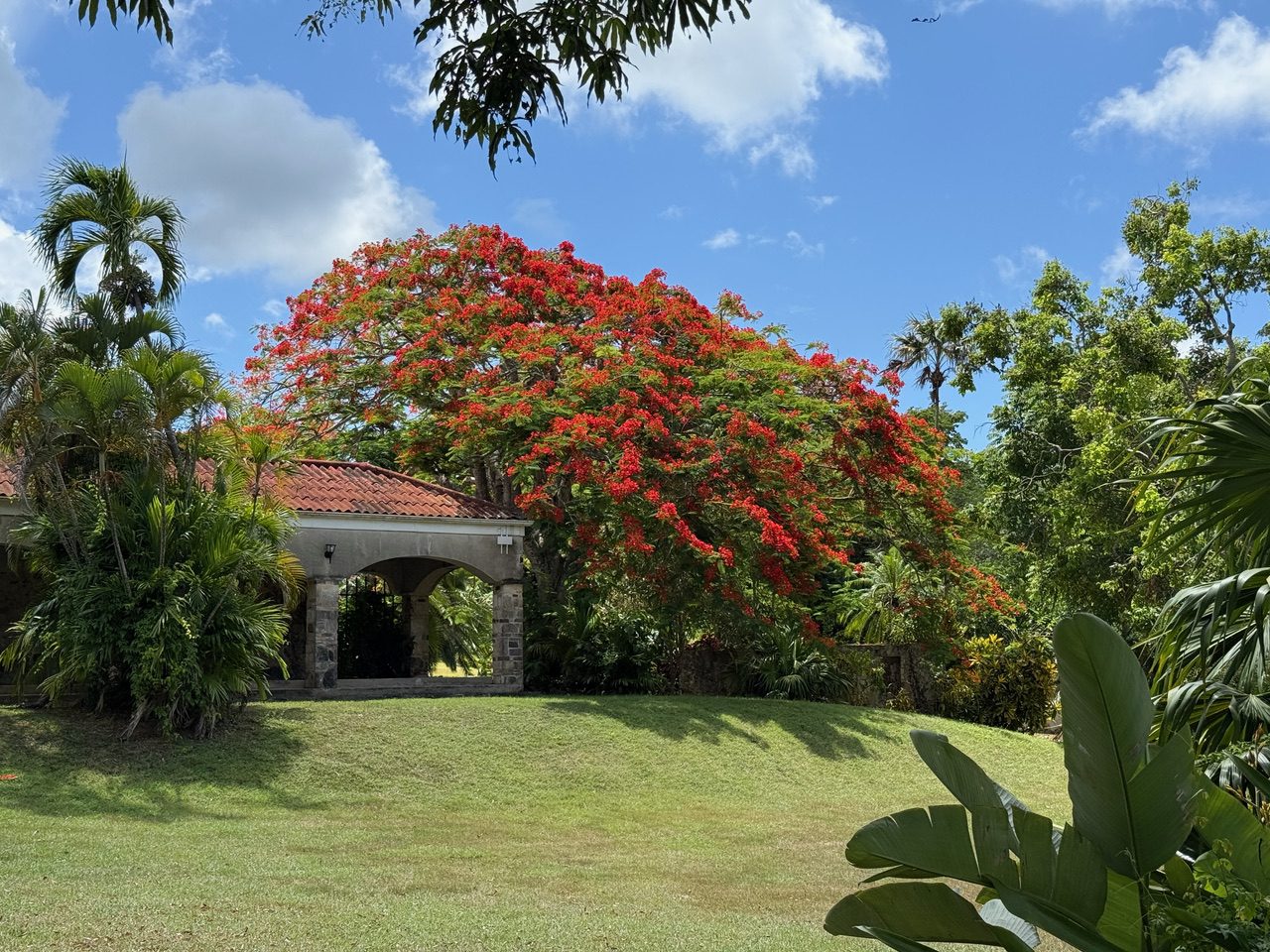
The St. George Village Botanical Garden has recently been granted Level 2 Accreditation by the ArbNet Arboretum Accreditation Program and the Morton Arboretum.
The ArbNet Arboretum Accreditation Program is the only global resource to officially recognize arboreta for their level of development, capacity and professionalism. Their website provides information for 842 globally accredited arboreta and 2593 arboreta in the Morton Register worldwide. The Morton Register of Arboreta is a database of worldwide arboreta and gardens dedicated to woody plants. In the Greater and Lesser Antilles, SGVBG is the only registered arboretum.
SGVBG has four key areas for collection and display of tree and shrub species native to the Caribbean and significant to St. Croix’s culture and ethnobotanical history. The sections are located throughout the garden and contain significant plants that have been important to the garden’s ability to achieve the Level 2 Accreditation. These areas, spread throughout the garden’s 16 acres, are the conservation garden, the native arboretum, the palm arboretum and the exotic tree display.
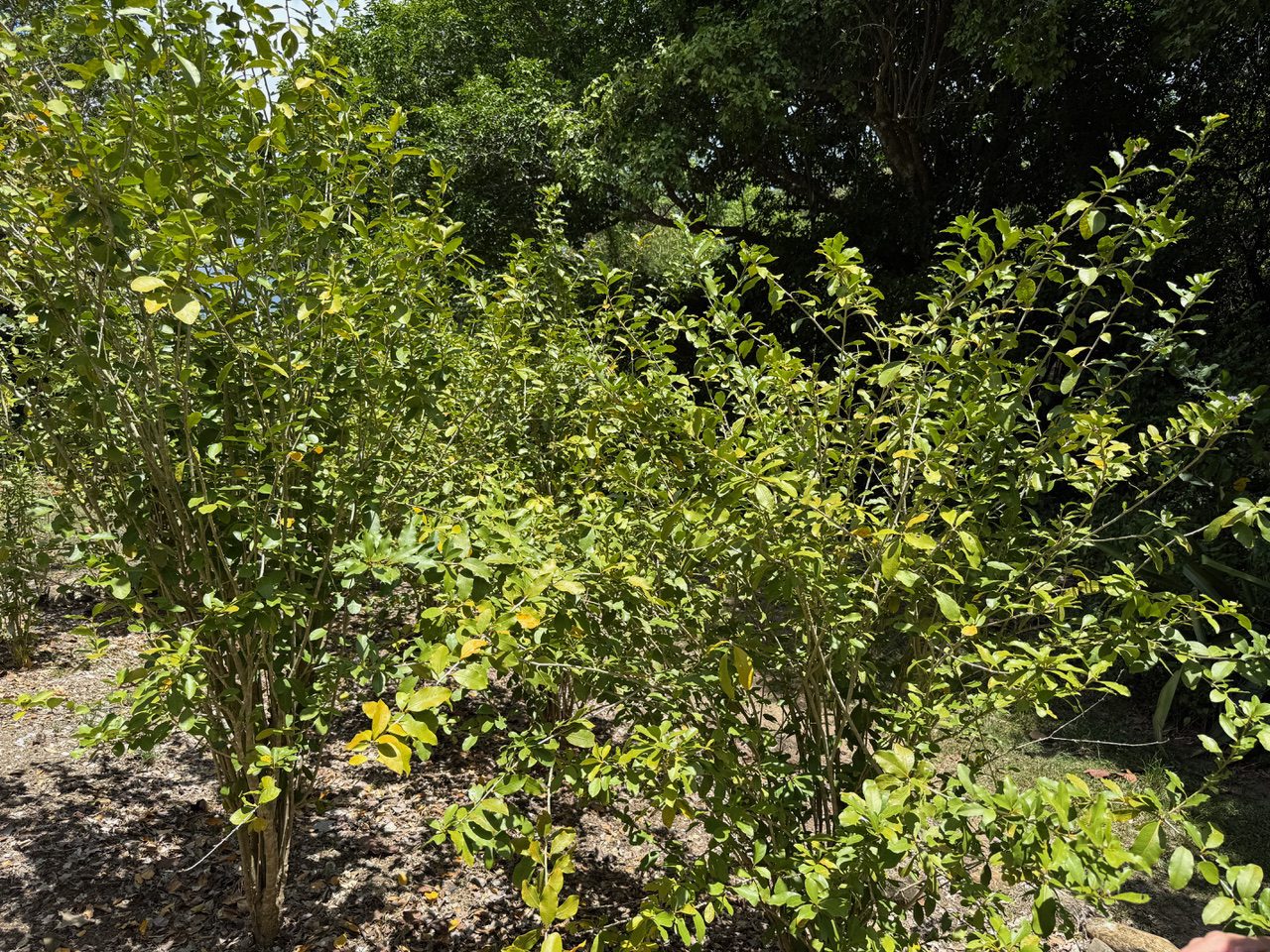
Significantly threatened species native to this region are in the conservation garden. These include Erythrina eggersii, Solanum conocarpum or Marron bacora, Morisonia flexuosa, and Zanthoxylum flavum, also known as West Indian Satinwood. The garden’s Satinwood is one of only two known left on St. Croix.
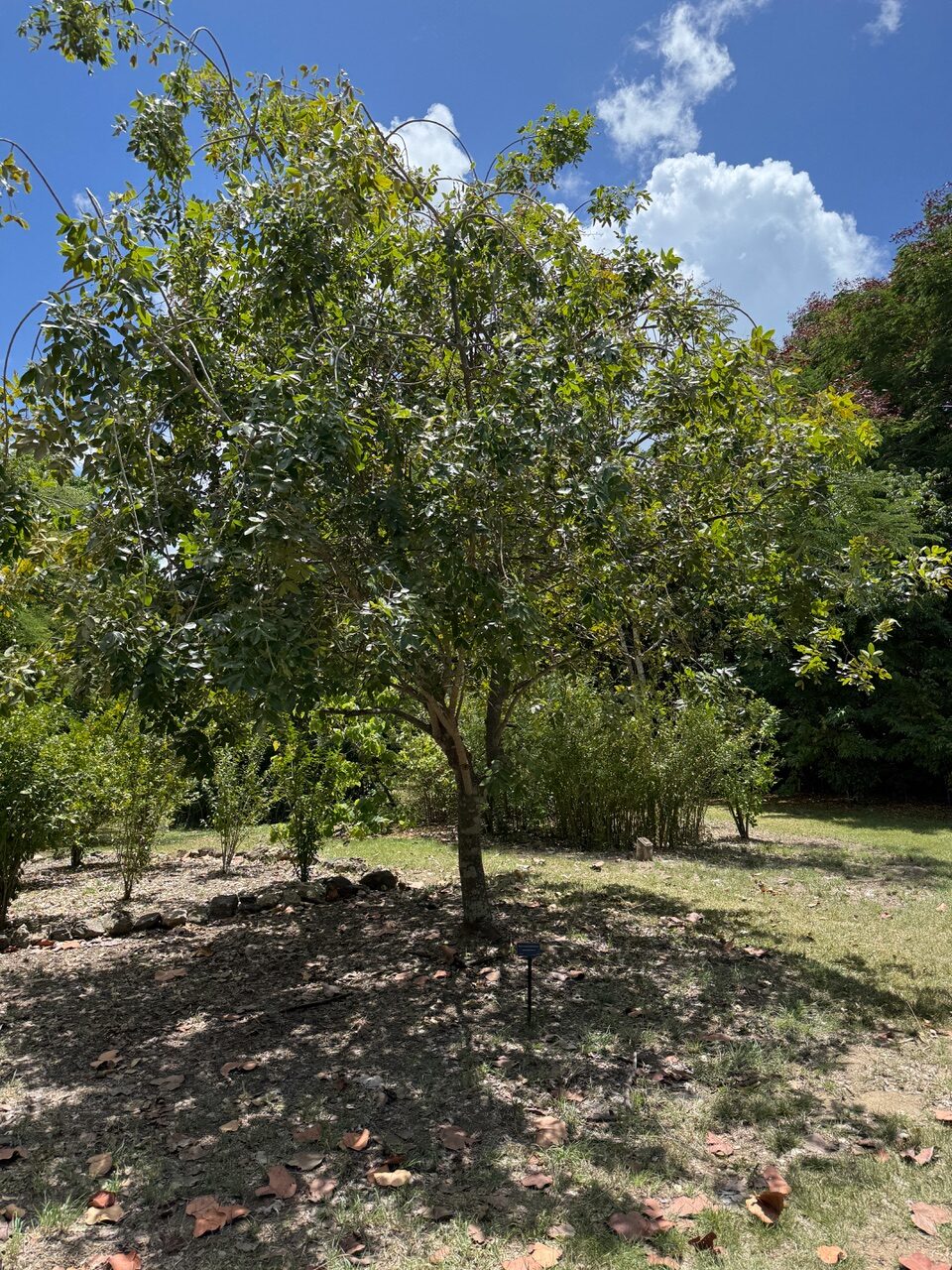
Solanum concarpum or Marron bacora is a dry-forest, perennial shrub within the nightshade family. The shrub can reach up to nine feet in height. The plants produce a green fruit with white striations that turn golden yellow when ripe from a light purple flower. It is listed as an endangered species.
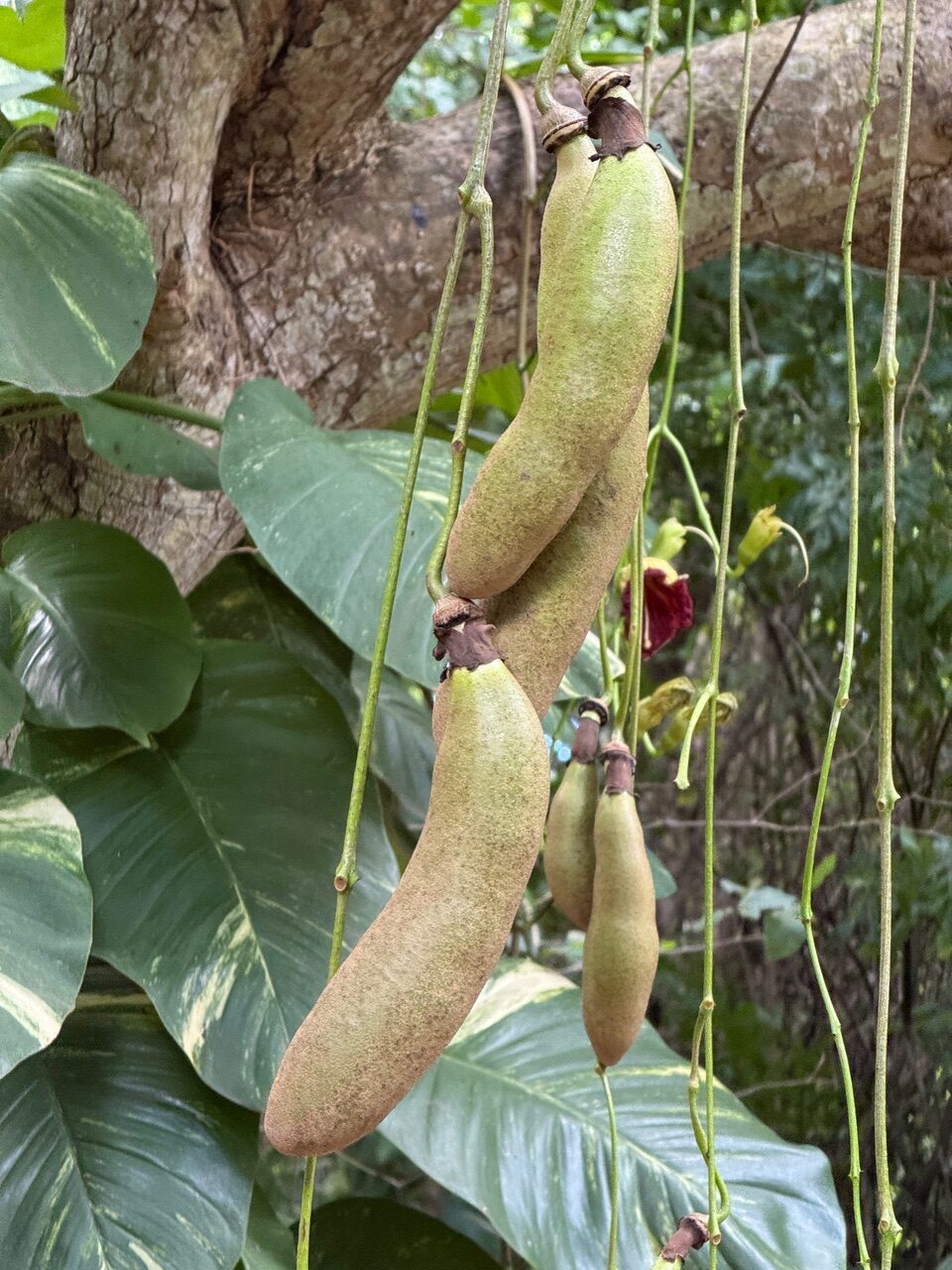
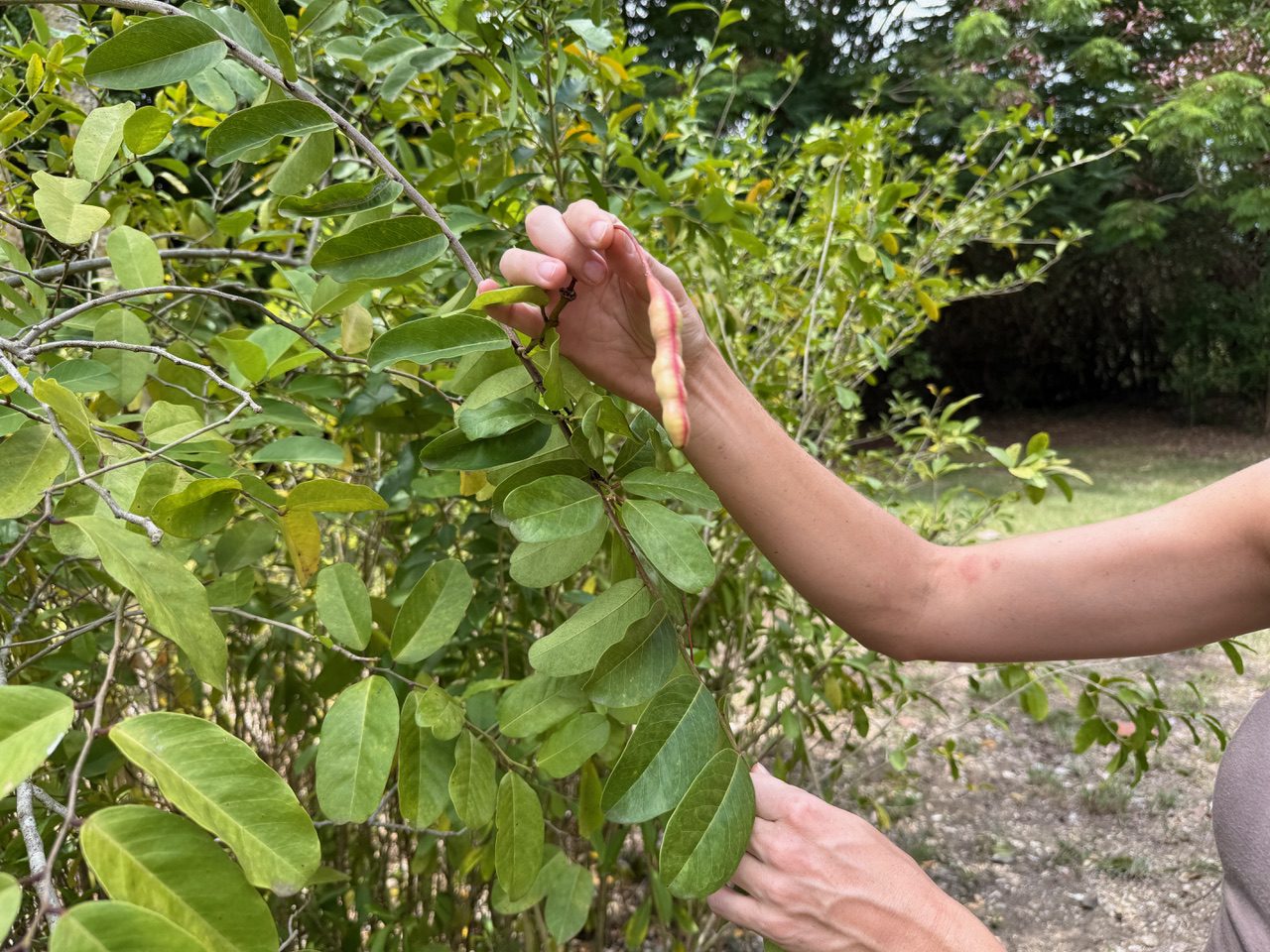
The native arboretum focuses on larger specimens of trees native to the Caribbean, such as Canella winterana, Andira inermis, Bucida buceras, and Sideroxylon foetidissimum. Several of these trees have been used in local folk medicines.
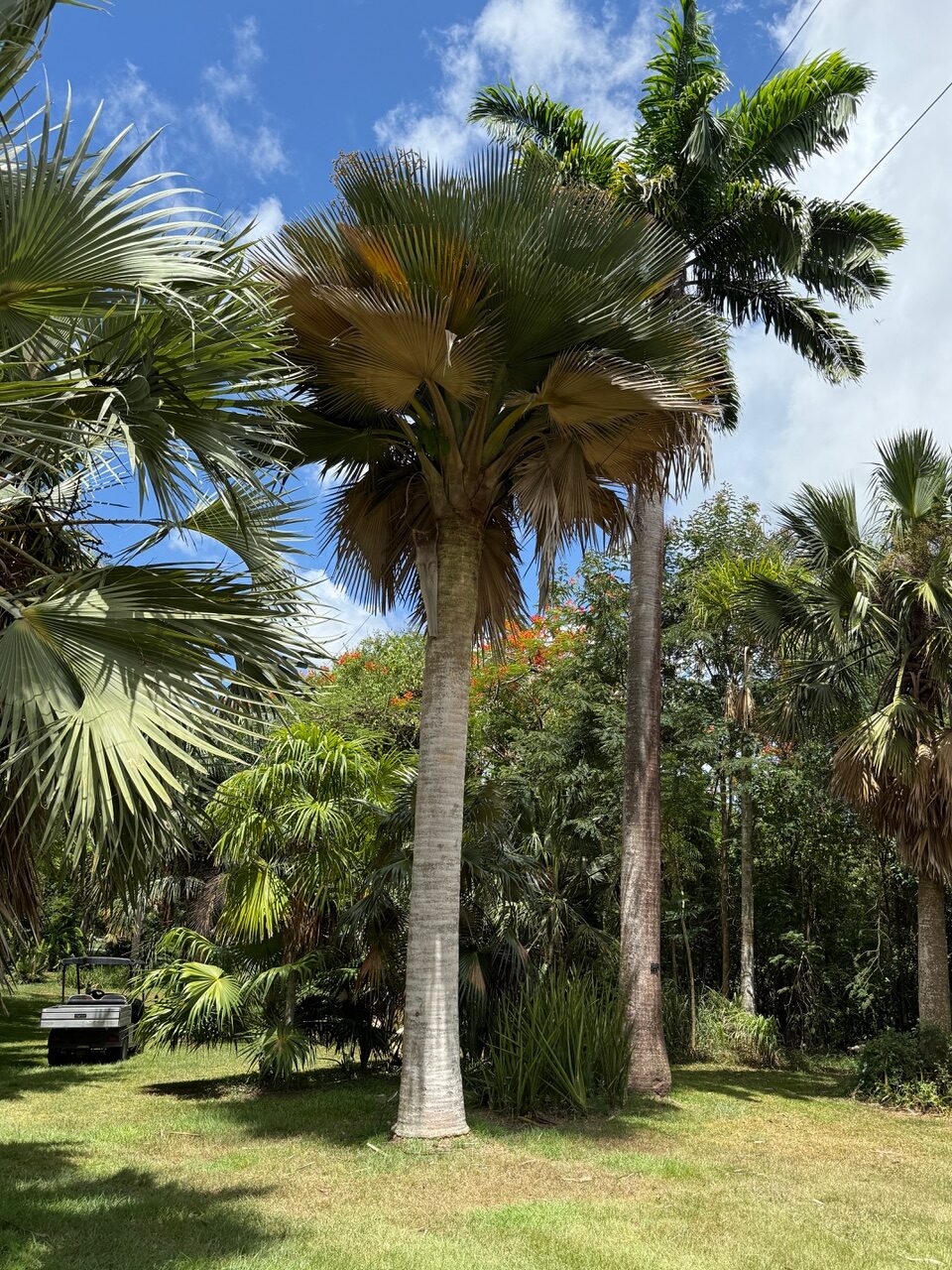
Contained within the palm arboretum are over 25 species found in the Caribbean and regions of Central and South America. Royal Palms line the road to the great house. A tall specimen of Copernicia fallens is found there among other species.
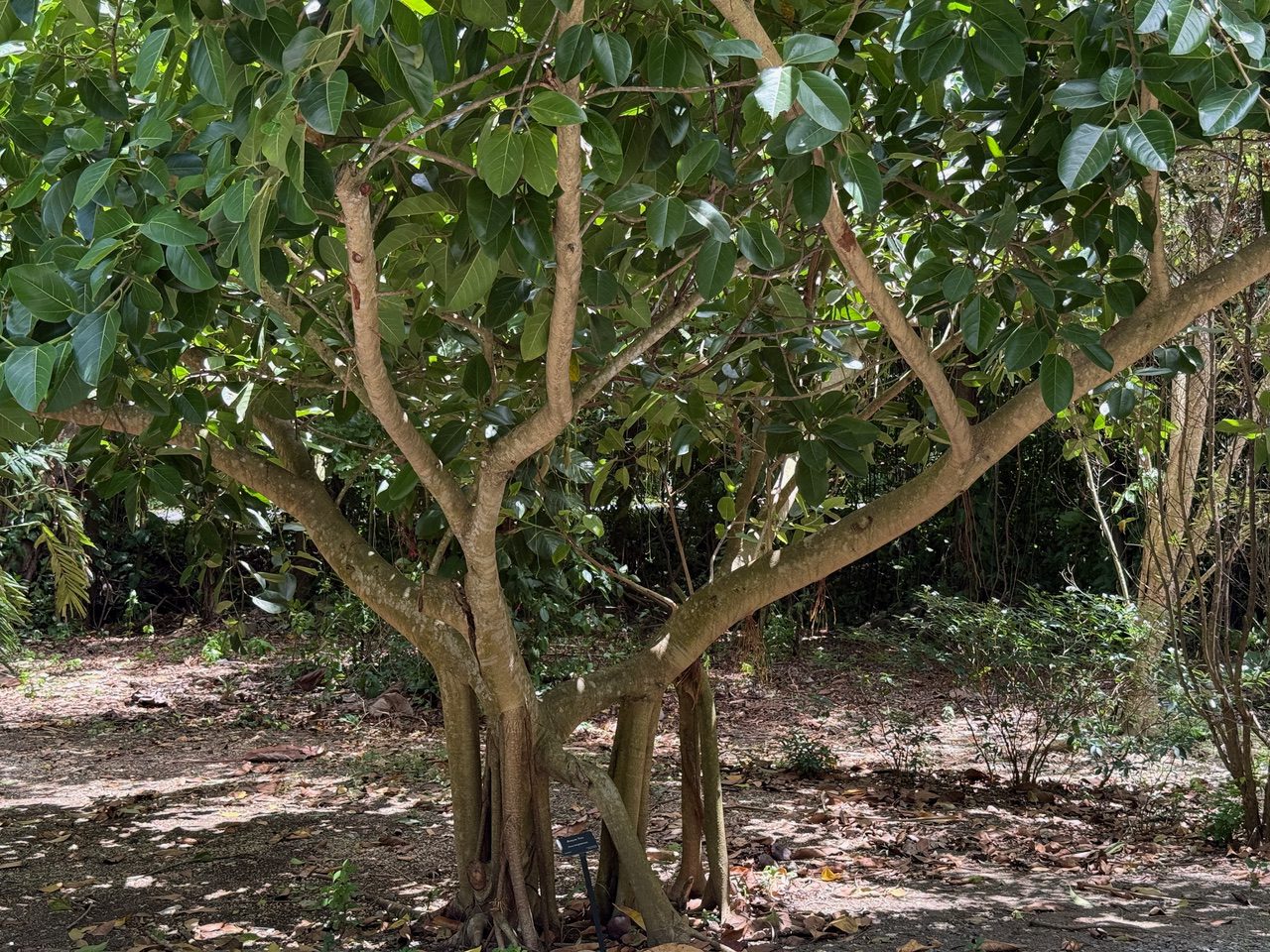
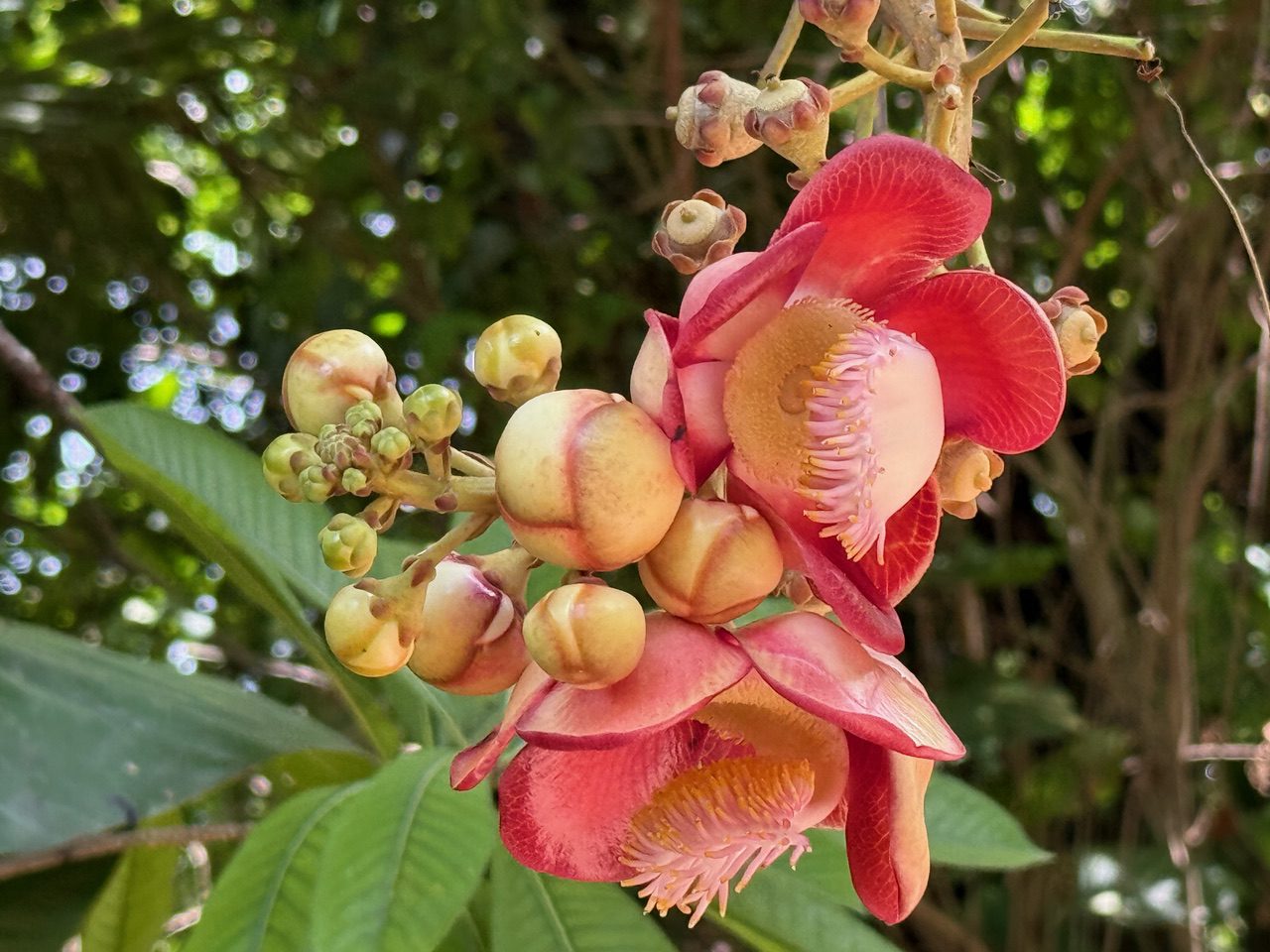
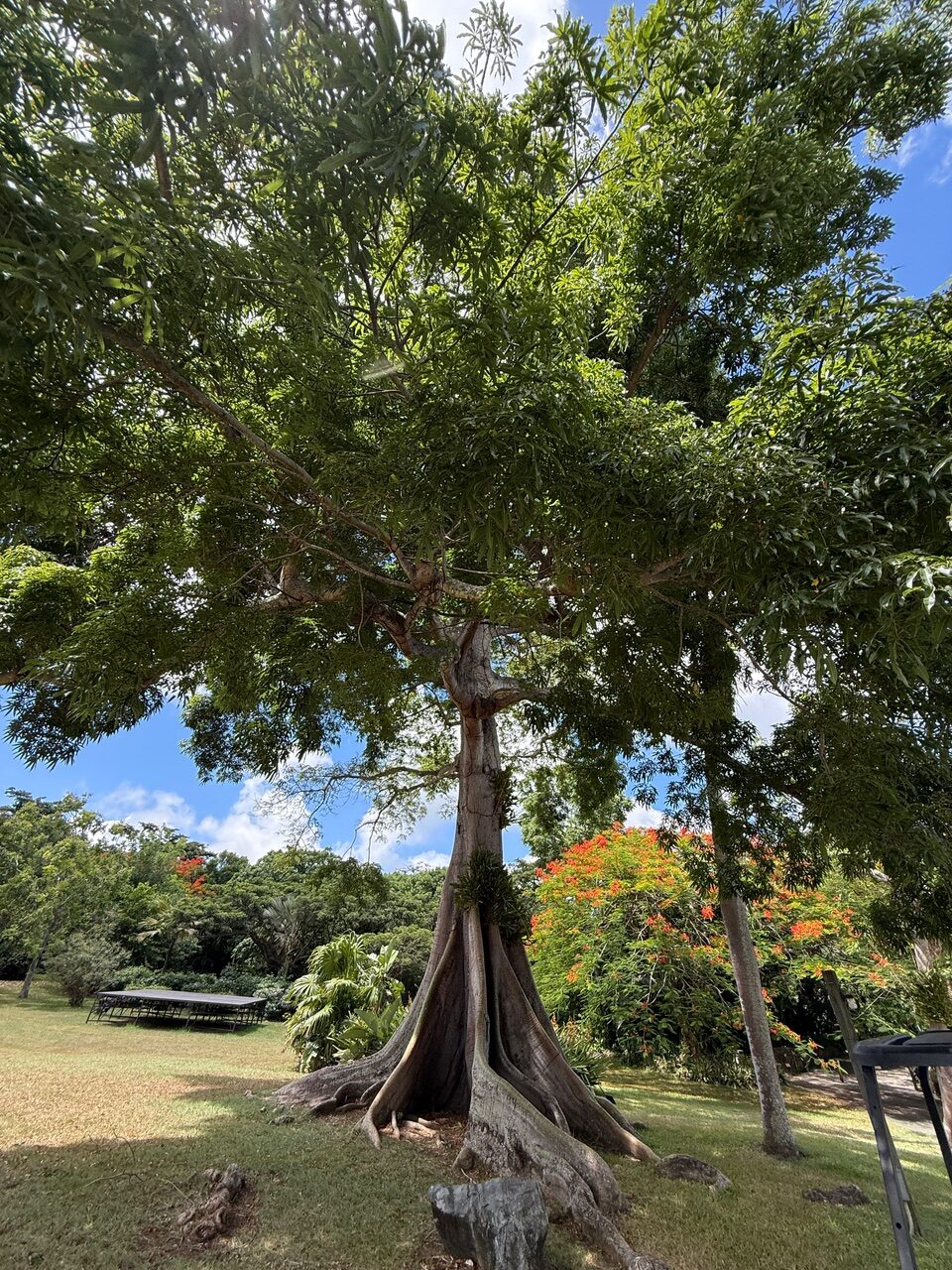
The exotic tree display features trees located throughout SGVBG. The exotic cannonball tree is filled with very fragrant red flowers with buds that resemble cannonballs. The sausage tree is easily recognizable by the long vines that hold the growing fruit pods, which emerge from red flowers. Considered the “Heart of the Garden,” the Kapok or Ceiba pentandra stands tall close to the great hall. The Kapok tree can live up to 300 years.
“The St. George Village Botanical Garden is an extraordinary place, built around the ruins of a former 18th- and 19th-century sugar cane plantation. Upgrading from a Level I to Level II ArbNet accreditation strengthens our standing in the global arboretum community, increases our visibility throughout the region, and opens the door to deeper collaboration with a broader ran of experts. This recognition helps us continue to fulfill our mission of education, conservation, and community engagement,” Sarah Brady, executive director of SGVBG, wrote.
SGVBG is open daily from 9 a.m. to 3 p.m. except Christmas.
Established in 1972, it features lush 16 acres of over 1,000 Caribbean and pan-tropical plants and trees. The remaining structures of an early Danish colonial sugar plantation help provide context for understanding the site.