


Just in time for Earth Day Wednesday, the Department of Planning and Natural Resources delivered some good news about the results of a national project to measure the risk of mercury pollution in freshwater ecosystems.
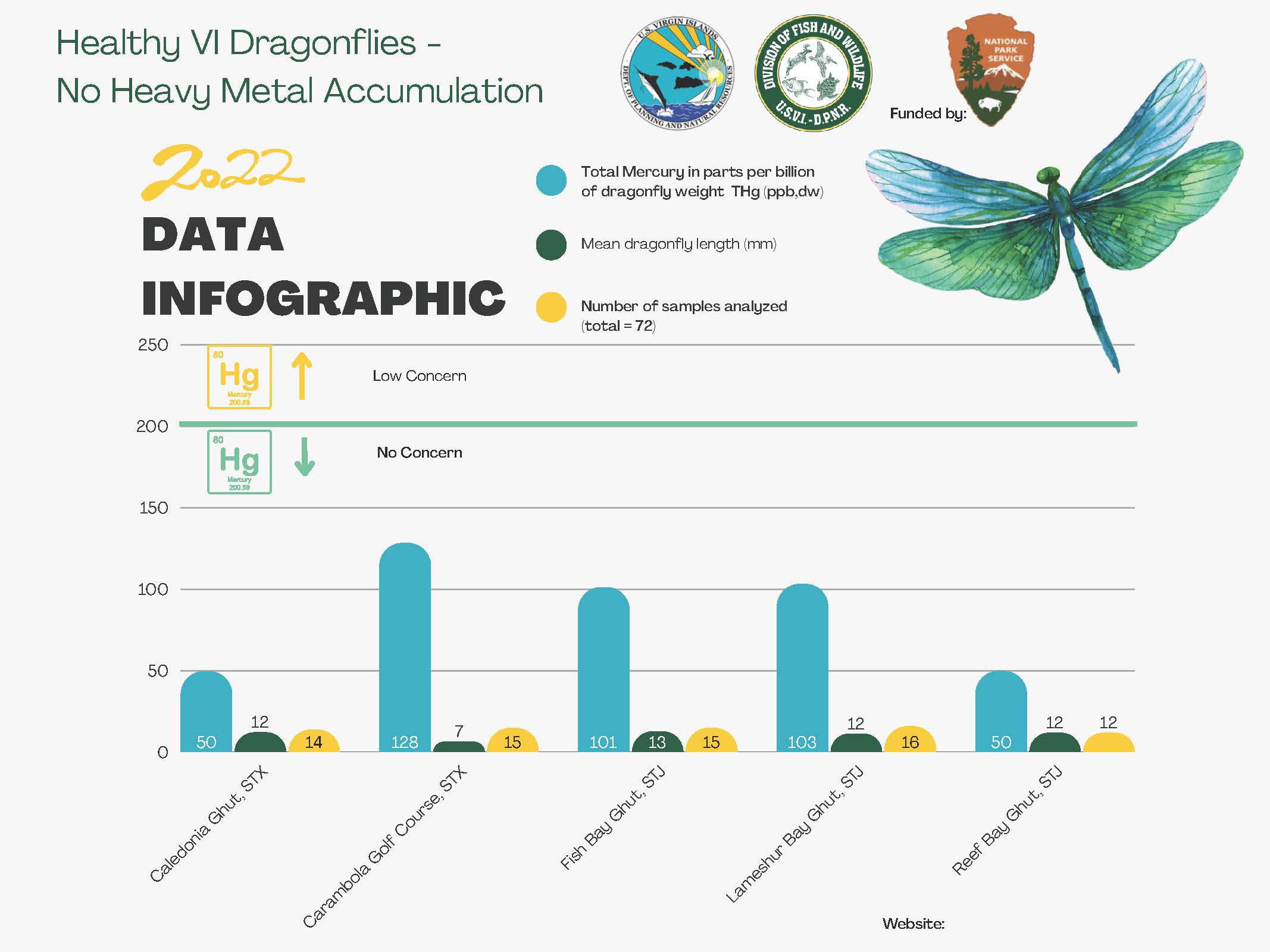
Results from the study — named the Dragonfly Mercury Project — indicate a low potential risk from mercury bioaccumulation in freshwater ecosystems within the territory, including impacts associated with runoff, fertilizers, and other pollution sources, according to DPNR, which announced the results in a press release.
Sampling locations included Caledonia Ghut and Carambola Ponds on St. Croix, as well as Fish Bay Ghut, Lameshur Bay Ghut, and Reef Bay Ghut on St. John.
The nationwide research initiative was led by the National Park Service in partnership with the U.S. Geological Survey, with participation by DPNR’s Division of Fish and Wildlife, according to Commissioner Jean-Pierre L. Oriol.

According to the release, dragonflies are important indicators of environmental health because they bioaccumulate heavy metals in their bodies. By analyzing dragonfly larvae, scientists can better understand mercury levels in aquatic systems over time, it said.
“This Earth Day, we recognize the residents and landowners who help protect our waters by using native plants to reduce runoff, properly disposing of mercury-containing products such as batteries at landfills, and applying low-erosion practices,” said Dr. Nicole Angeli, director of the Division of Fish and Wildlife. “While mercury levels found in dragonfly larvae at all Virgin Islands sampling sites were below thresholds of concern, we remain alert to emerging sources of pollution and will continue periodic monitoring.”
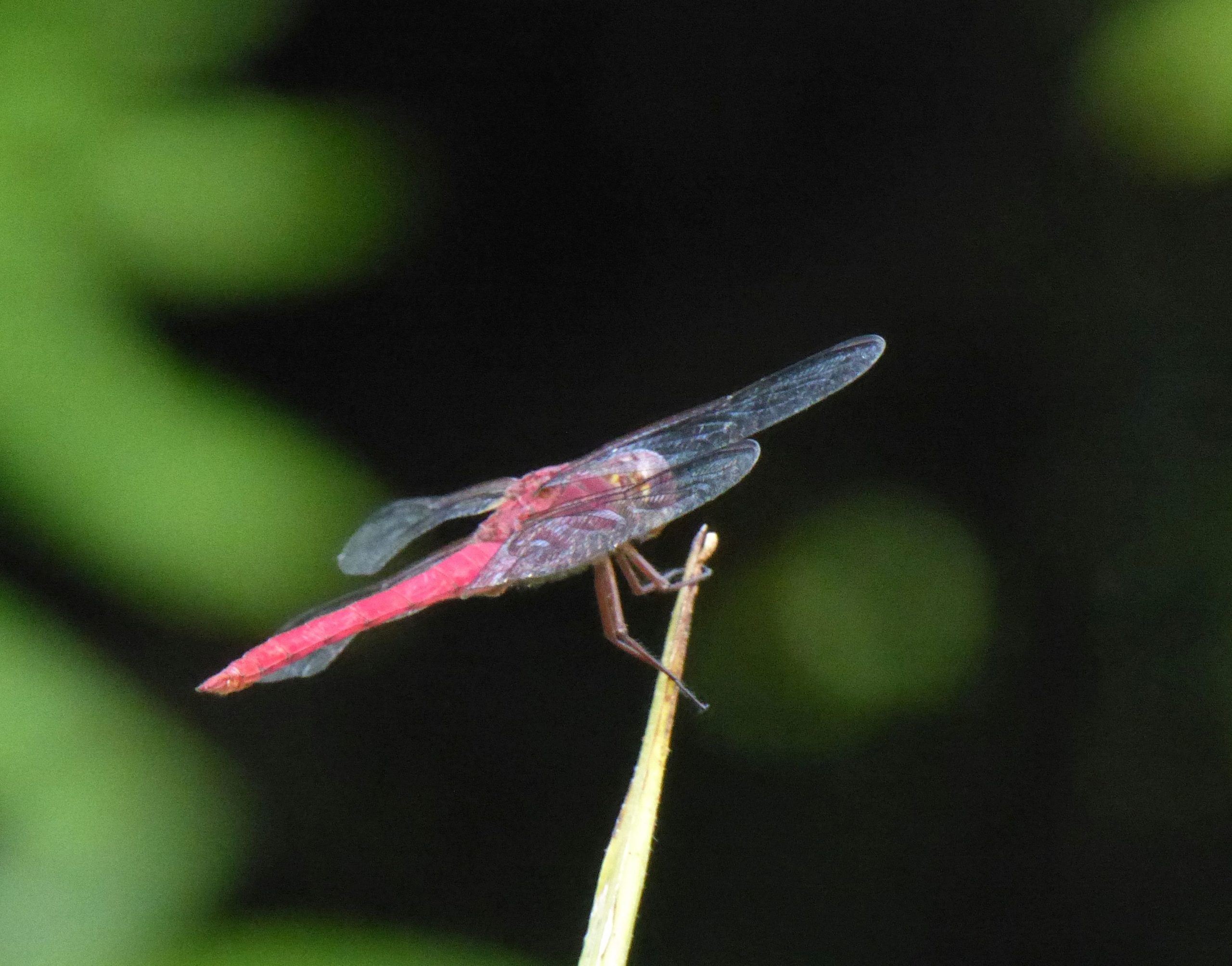
DFW scientists joined more than 8,500 researchers nationwide who collected dragonfly specimens from 190 national parks and protected areas for analysis by the U.S. Geological Survey.
In the Virgin Islands, Division biologists collected, measured, and processed 72 samples, documenting site-specific mercury concentrations ranging from 50 to 128 parts per billion (ppb).
Additional project data are available through the U.S. Geological Survey’s Dragonfly Mercury Project dashboard at: https://geonarrative.usgs.gov/dmpdatadashboard/. General information about the project can be found at Dragonfly Mercury Project — Citizen Science (U.S. National Park Service). For more information, visit dpnr.vi.gov or contact the Division of Fish and Wildlife on St. Croix at 340-773-1082 or St. Thomas at 340-775-6762. Email DFWElectronic@usvi.onmicrosoft.com.