



Members of the Water and Power Authority governing board, at its Thursday meeting, granted an extension for a power line infrastructure project on St. Croix. The board also agreed to factor in new cost adjustments for one of the utility’s major suppliers.
Those decisions were among four action items approved by the board at its January meeting. Measures to reformulate letters of credit with two local banks also received affirmative votes. Board Chair Maurice Muia said adjusting terms of payment for American Wire Group was a way to help WAPA’s financial team streamline the approval process for cost increases.
“American Wire Group provides a lot of material for the daily operation of the authority,” Muia said. Some of those materials come from overseas and are subject to tariff policies, he said.
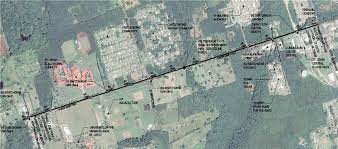
The extension granted to J. Benton Construction LLC for installing underground power lines along the Queen Mary Highway gives the contractor until March 31 to complete the work, plus additional work. Tasks being added include tree pruning, replacement of a current transformer cabinet, and constructing an elevated pad near the University of the Virgin Islands St. Croix campus as a flood mitigation measure.

The Queen Mary Highway undergrounding project — funded by the Federal Emergency Management Agency — is among a handful of WAPA infrastructure projects designed to make the power distribution system better able to withstand harm wrought by wind-driven storms.
WAPA Chief Executive Officer Karl Knight introduced the discussion on revamping separate letters of credit between Banco Popular, FirstBank and the utility.
The chief said banks have seen improvements in WAPA’s financial picture. “They have done their due diligence,” Knight said.
Voting in favor of the measure were board members Muia, Hubert Turnbull, Xavier Acevedo, Cheryl Boynes-Jackson, Kyle Fleming and Joan Foy.
After the meeting, WAPA’s Communications Department issued a statement praising the board for supporting the utility’s direction.
“The Board authorized amendments that ensure uninterrupted access to materials for ongoing hazardous mitigation and composite pole projects – work that directly supports a stronger, more resilient electrical grid. By allowing flexibility to account for potential tariff impacts and extending project timelines where needed, WAPA is protecting progress already underway and avoiding costly delays that could affect service reliability for customers,” the statement said.
There was also a measure of concurrence expressed in a separate statement by Senate President Milton Potter. The statement was couched in a reference to Bill No. 36-0197, which, if passed, would allow WAPA to set compensation rates for its nongovernmental board members.
“WAPA’s challenges are systemic and technical in nature. To achieve meaningful reform, we must ensure that the agency’s leadership, beginning with its board, is equipped with expert talent that can provide credible oversight and strategic direction,” Potter said. “This bill takes a step toward depoliticizing WAPA’s governance and aligning board compensation with best practices in the utility sector.”